Explore 19 April

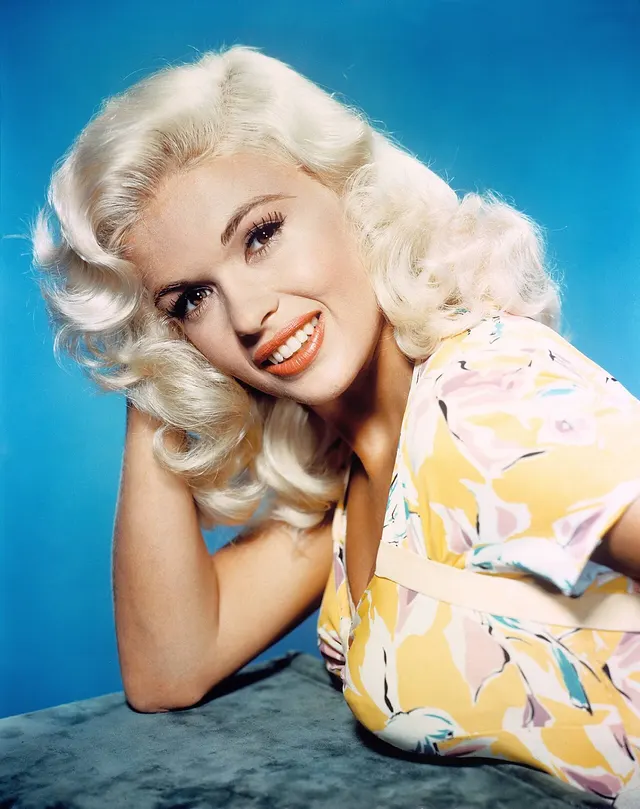
Explore 19 April: shots at Lexington and Concord start the American Revolution, the Warsaw Ghetto rises against deportation, Korean students bring down a rigged government and Joseph Ratzinger becomes Pope Benedict XVI. Meet Fernando Botero, Getúlio Vargas and Jayne Mansfield, born on this date, and remember Pierre Curie.

This day through time →18 verified events across 5 eras

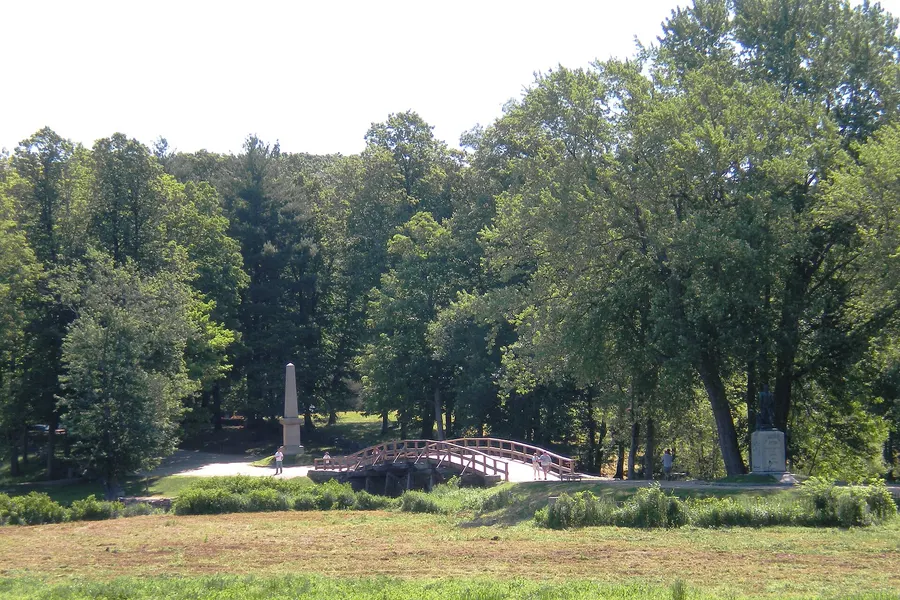
The Old North Bridge at Concord, Massachusetts, across the meadow, 2010.
Image creditCbaile19 · CC0Resized and cropped for display.

Shots at Lexington and Concord start the American Revolution

Before dawn on 19 April 1775, about 700 British soldiers marching from Boston to seize militia supplies at Concord met a few dozen armed colonists drawn up on Lexington Green. Shots rang out, eight Americans fell, and nobody has ever settled who fired first.

At Concord’s North Bridge the militia pushed back a British detachment, and the long march back to Boston became a running fight from behind walls and barns. By nightfall the colonies were at war with Britain, and thousands of New Englanders were gathering to besiege Boston.

Read the full storyHistory & Timeline →Source: National Park Service: April 19, 1775 (Minute Man National Historical Park) ↗
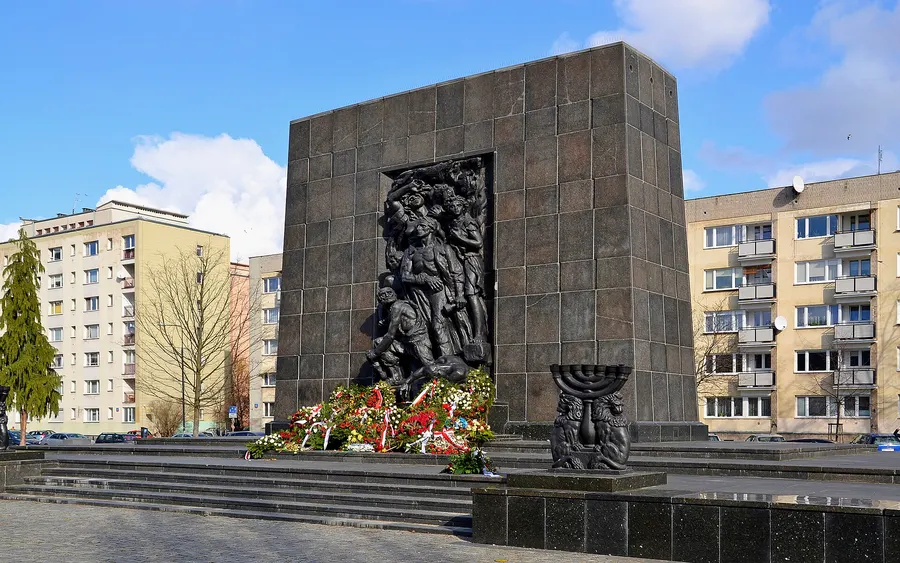
The Monument to the Ghetto Heroes in Warsaw.
Image creditPudelek · CC BY-SA 4.0Resized and cropped for display.

The Warsaw Ghetto rises against deportation

On 19 April 1943, the eve of Passover, German troops and police entered the Warsaw Ghetto to deport the Jews still living there. They were met by gunfire from Jewish fighters who had prepared bunkers and hidden weapons for this moment.

Several hundred poorly armed insurgents held out for almost four weeks before the ghetto was burned and the revolt crushed in mid-May. It was the largest Jewish uprising of the Second World War and the first urban revolt in German-occupied Europe.

Read the full storyHistory & Timeline →Source: United States Holocaust Memorial Museum: Warsaw Ghetto Uprising ↗
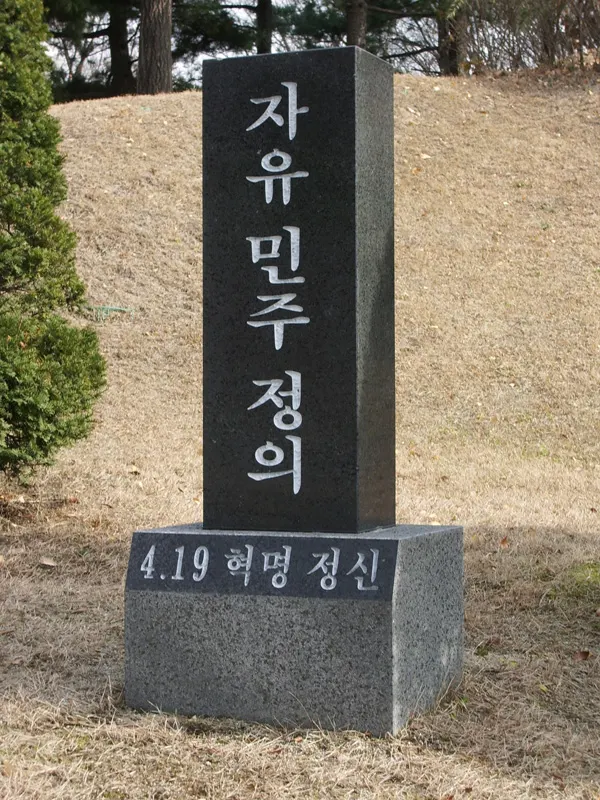
A memorial stone at the National April 19th Cemetery in Seoul, where those who died in the revolution are buried.
Image creditInSapphoWeTrust from Los Angeles, California, USA · CC BY-SA 2.0Resized and cropped for display.

Korean students rise against a rigged election

On 19 April 1960, tens of thousands of students poured into the streets of Seoul and other South Korean cities, angered by a blatantly fixed presidential election and the death of a young protester. Police opened fire, and many demonstrators were killed.

Within a week President Syngman Rhee, in power since 1948, resigned and left for exile in Hawaii. South Koreans remember the April Revolution as a founding moment of their democracy, and it is named in the preamble of the country’s constitution.

Read the full storyHistory & Timeline →Source: Britannica: Syngman Rhee ↗
Pope Benedict XVI during his visit to Berlin in 2011.
Image creditWDKrause (crop by Художник992) · CC BY-SA 3.0Resized and cropped for display.

Joseph Ratzinger becomes Pope Benedict XVI

On 19 April 2005, on the second day of the conclave that followed the death of John Paul II, white smoke rose over the Sistine Chapel and Cardinal Joseph Ratzinger was named the 265th pope. He chose the name Benedict XVI.

At 78 he was the oldest man elected pope in almost three centuries, and the first German in the role for nearly a thousand years. Long the Vatican’s guardian of doctrine, he would later become the first pope in six centuries to resign.

Read the full storyHistory & Timeline →Source: Vatican: Biography of His Holiness Pope Benedict XVI ↗
♙
PEOPLE

Born Today

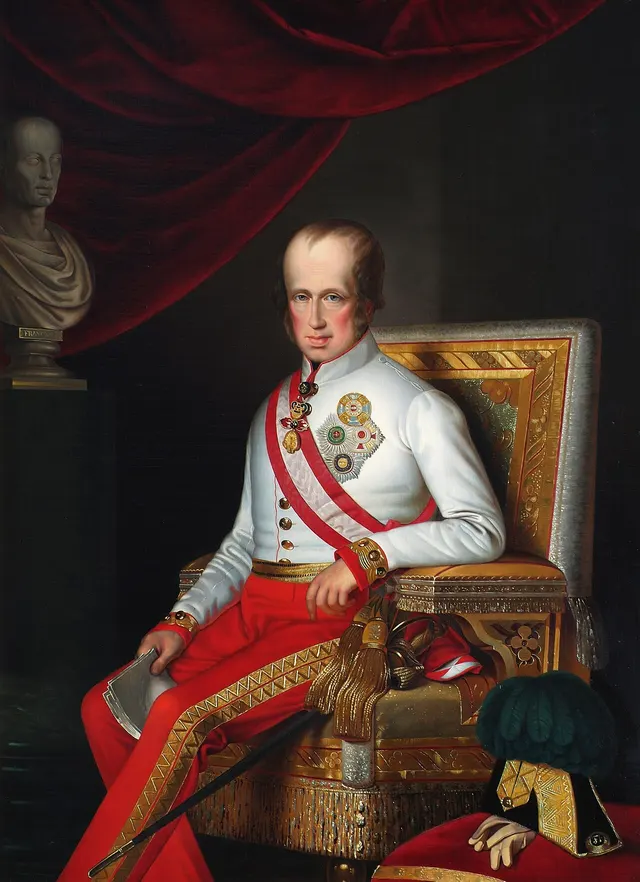
Ferdinand I of Austria
Image creditEduard Edlinger · Public domainResized and cropped for display.

Ferdinand I of Austria

Austrian emperor who gave up his throne in the upheavals of 1848.

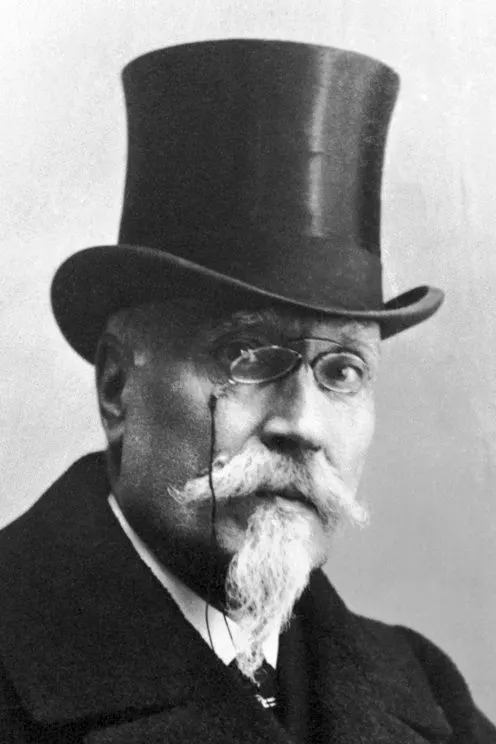
José Echegaray
Image creditUnknown · Public domainResized and cropped for display.

José Echegaray

Spanish playwright and engineer who shared the 1904 Nobel Prize in Literature.

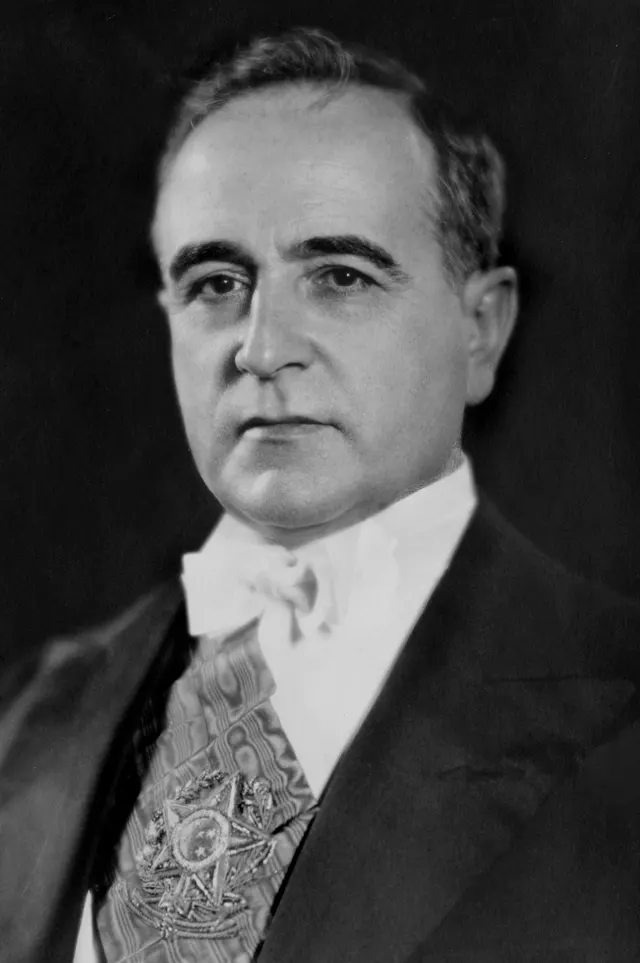
Getúlio Vargas
Image creditGoverno do Brasil · Public domainResized and cropped for display.

Getúlio Vargas

Brazilian leader who dominated his country’s politics for two decades.

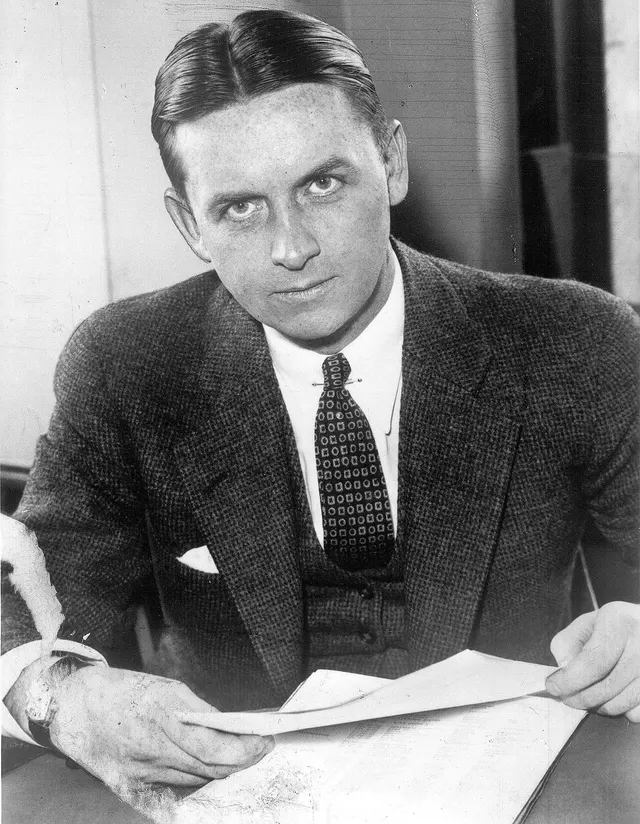
Eliot Ness
Image creditUnknown · Public domainResized and cropped for display.

Eliot Ness

American federal agent who led the ‘Untouchables’ against Al Capone.

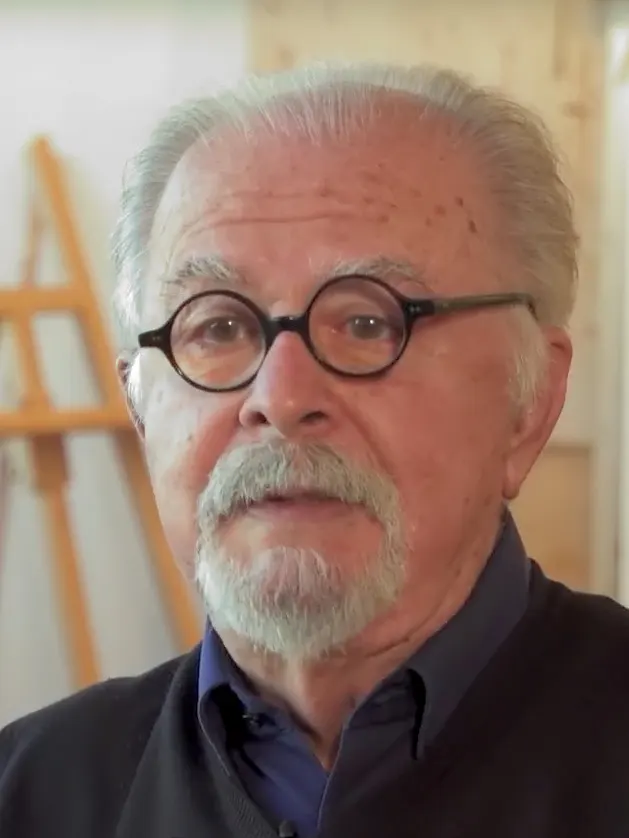
Fernando Botero
Image creditCulturespaces · CC BY 3.0Resized and cropped for display.

Fernando Botero

Colombian painter and sculptor famous for his rounded, swollen figures.

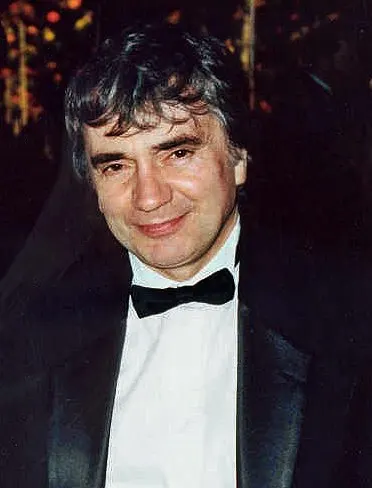
Dudley Moore
Image creditAlan Light · CC BY 2.0Resized and cropped for display.

Dudley Moore

English comic, pianist and film star, half of a famous double act with Peter Cook.

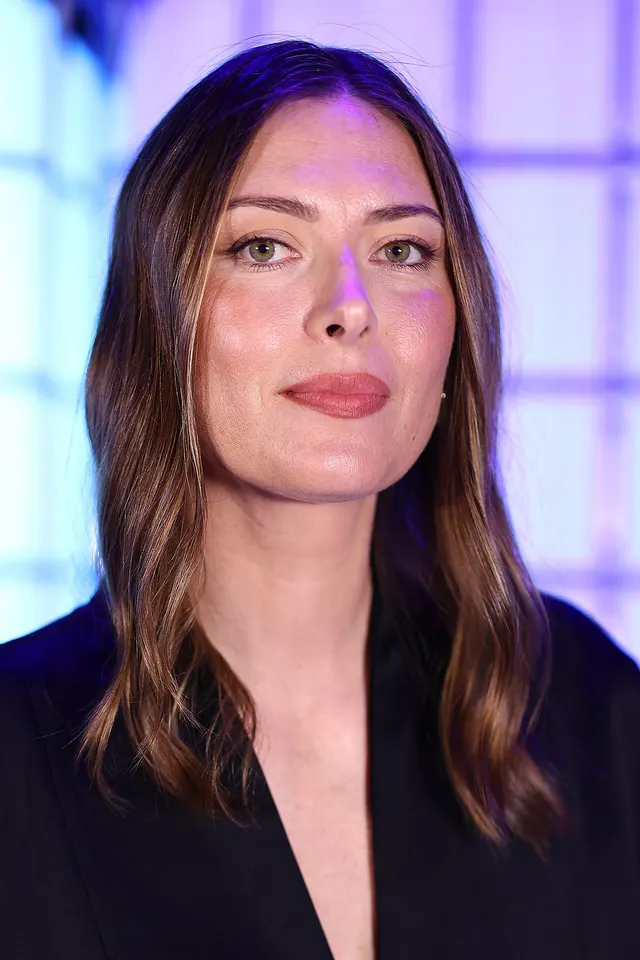
Maria Sharapova
Image creditCollision Conf · CC BY 2.0Resized and cropped for display.

Maria Sharapova

Russian tennis player who won all four Grand Slam titles.

◉
IDEAS THAT CHANGED THINGS

Firsts, Science & Discoveries

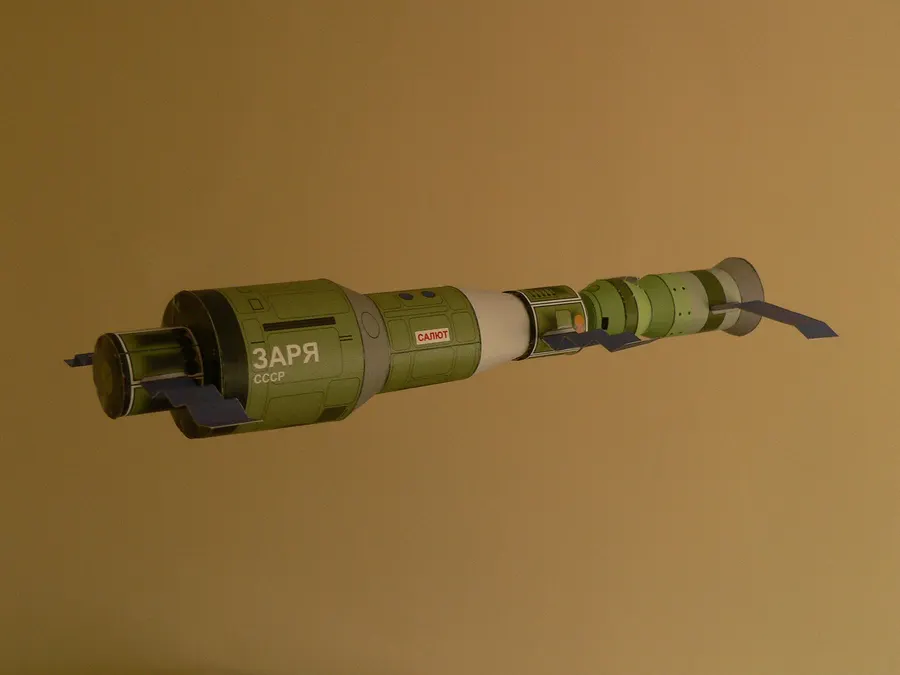
A paper model of Salyut 1 with a Soyuz spacecraft docked at one end.
Image creditGodai · CC BY-SA 3.0Resized and cropped for display.

The first space station goes into orbit

On 19 April 1971 a Proton rocket lifted off from Baikonur in Soviet Kazakhstan carrying Salyut 1, the world’s first space station. It was a cylinder about 15 metres long, designed to house a crew for months at a time.

In June three cosmonauts spent more than three weeks aboard, a record, but they died when their Soyuz capsule lost pressure on the way home. Salyut 1 was steered back into the atmosphere over the Pacific that October, yet it opened the era of long stays in orbit.

Read the full storyHistory & Timeline →Source: NASA: 50 Years Ago, Launch of Salyut, the World’s First Space Station ↗
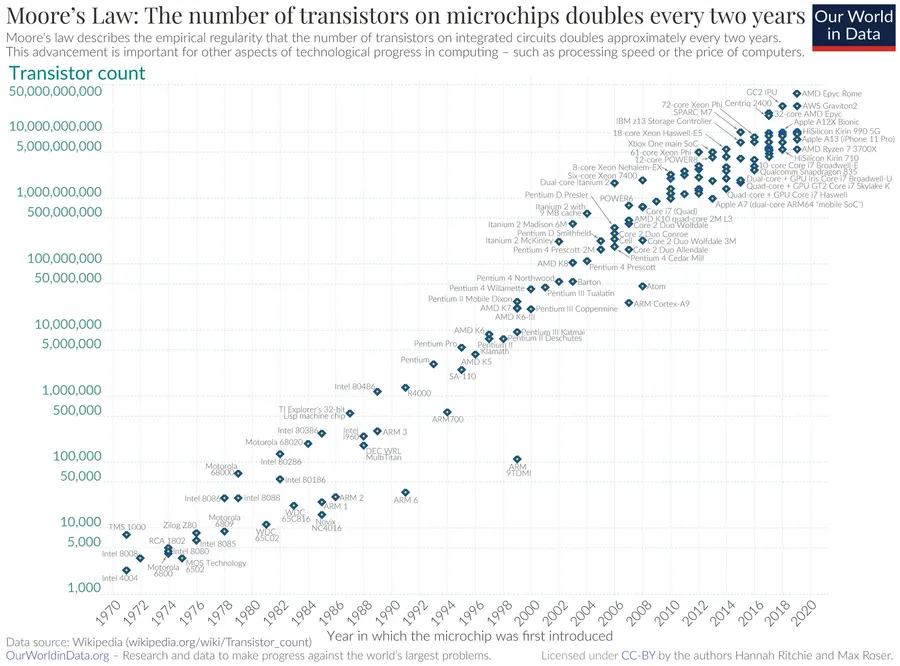
Moore's Law in practice: the number of transistors on microchips from 1970 to 2020 (Our World in Data).
Moore’s Law in practice: the number of transistors on microchips from 1970 to 2020 (Our World in Data).
Image creditMax Roser, Hannah Ritchie · CC BY 4.0Resized and cropped for display.

Gordon Moore predicts the rise of the microchip

The trade magazine Electronics dated 19 April 1965 carried a short article by Gordon Moore, a young research chief at Fairchild Semiconductor. Plotting the handful of chips made so far, he forecast that the number of components on one would keep doubling at a steady pace.

His guess, later nicknamed Moore’s Law, held up remarkably well for decades. It became a target the whole industry planned around, driving the shrinking and cheapening of computers, phones and almost every other electronic device.

Read the full storyHistory & Timeline →Source: Computer History Museum: 1965, Moore’s Law Predicts the Future of Integrated Circuits ↗
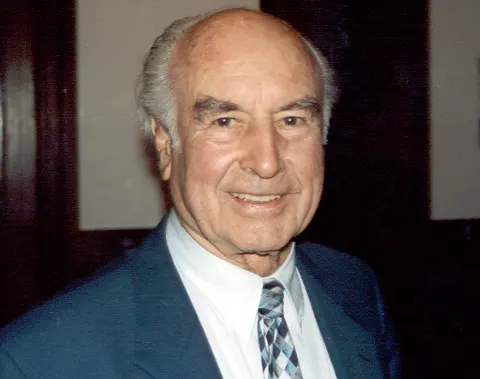
Albert Hofmann in 1993, at a conference marking 50 years since his discovery.
Image creditPhilip H. Bailey (E-mail) · CC BY-SA 2.5Resized and cropped for display.

A Swiss chemist tests LSD on himself

On the afternoon of 19 April 1943 Albert Hofmann, a chemist at Sandoz in Basel, swallowed a tiny dose of a compound he had made from ergot, a fungus that grows on rye. Within the hour the world around him began to warp and shift.

With wartime limits on cars, he cycled home with an assistant while the effects grew stronger, a ride later marked by enthusiasts as Bicycle Day. His notes began decades of research into LSD, and fierce arguments about it.

Read the full storyHistory & Timeline →Source: Science History Institute: High Times ↗
☆
SPORTING HISTORY

Sporting Moments

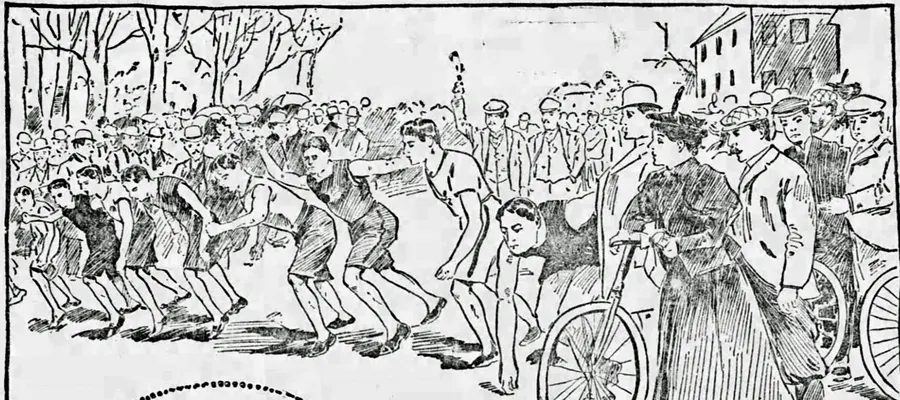
The start of the first Boston Marathon, sketched for the Boston Globe in 1897.
Image creditAnonymousUnknown author · Public domainResized and cropped for display.

The first Boston Marathon is run

Inspired by the marathon at the first modern Olympics in Athens, the Boston Athletic Association staged its own long-distance race on 19 April 1897. Fifteen runners set off from Ashland, and John J. McDermott of New York won in 2 hours 55 minutes.

The course was about 24.5 miles, shorter than today’s standard distance. Held every year since, Boston is the world’s oldest annual marathon, still run on Patriots’ Day, the holiday that marks the battles of 1775.

Read the full storyHistory & Timeline →Source: Boston Athletic Association: History of the Boston Marathon ↗
♫
MUSIC • FILM • BOOKS • CULTURE

Culture Stories

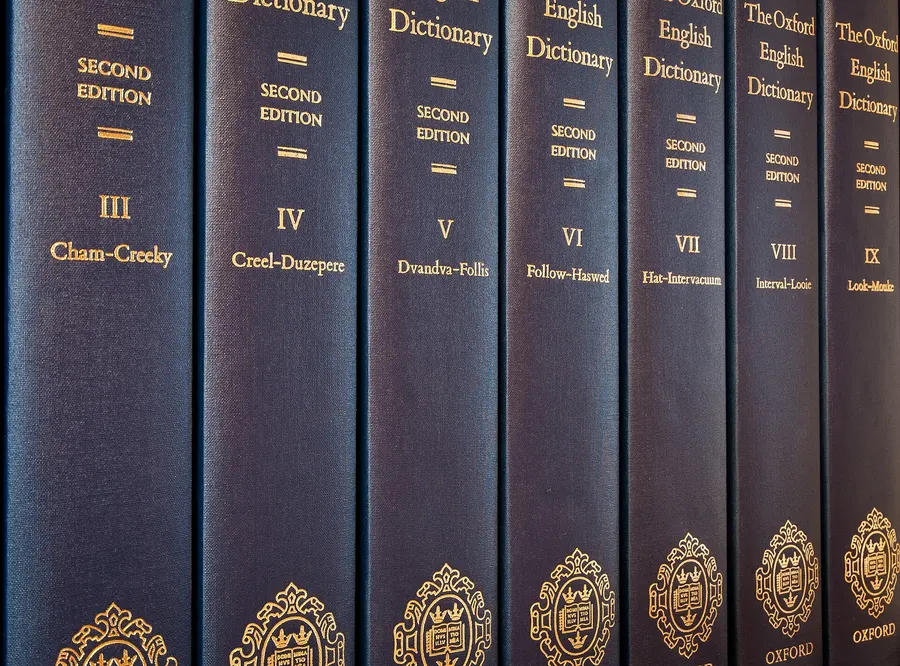
Volumes of the second edition of the Oxford English Dictionary.
Image creditDan (mrpolyonymous on Flickr) · CC BY 2.0Resized and cropped for display.

The great Oxford dictionary is finished

On 19 April 1928 Oxford University Press issued the 125th and final instalment of A New English Dictionary on Historical Principles, covering the last stretch of the letter W. The project had been launched some seventy years earlier.

Filling more than 15,000 pages, it traced the history of more than 400,000 words with quotations sent in by volunteer readers across the English-speaking world. Reissued in 1933 as the Oxford English Dictionary, it is still being revised.

Read the full storyHistory & Timeline →Source: Oxford English Dictionary: Dictionary milestones ↗
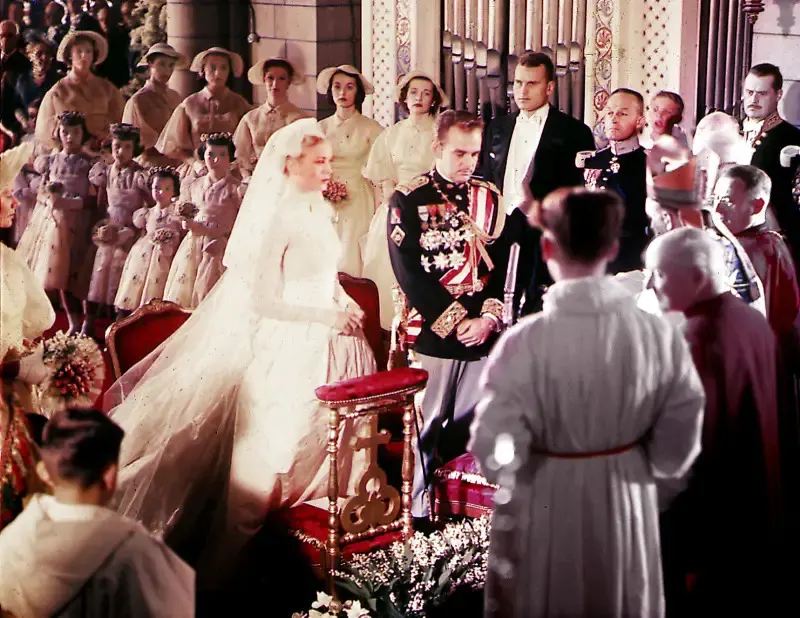
Grace Kelly and Prince Rainier III at their religious wedding in St Nicholas Cathedral, Monaco, 19 April 1956.
Image creditAP · Public domainResized and cropped for display.

Grace Kelly marries the Prince of Monaco

On 19 April 1956 the Hollywood star Grace Kelly married Prince Rainier III in St Nicholas Cathedral in Monaco, a day after a civil ceremony at the palace. Her gown of lace, silk and seed pearls was made by the MGM costume designer Helen Rose.

The wedding was broadcast live to millions of European viewers and filmed for cinemas, one of the first royal weddings shown on television. Kelly gave up acting and became Princess Grace; the dress is now in the Philadelphia Museum of Art.

Read the full storyHistory & Timeline →Source: Philadelphia Museum of Art: Grace Kelly’s Royal Wedding Dress ↗
✦
LIVES REMEMBERED

Remembered Today

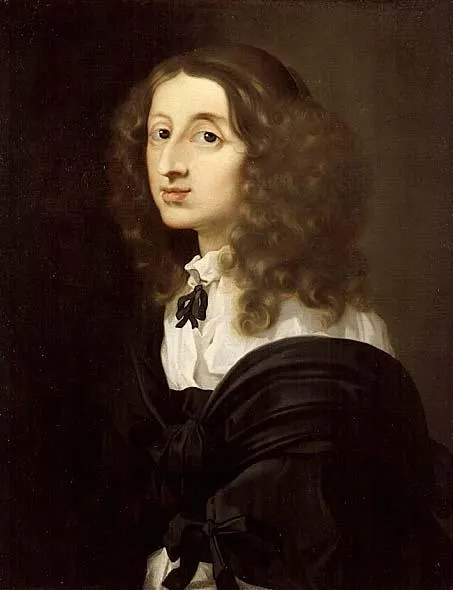
Christina, Queen of Sweden
Image creditSébastien Bourdon · Public domainResized and cropped for display.

Christina, Queen of Sweden

Swedish queen who gave up her crown and settled in Rome as a patron of the arts.

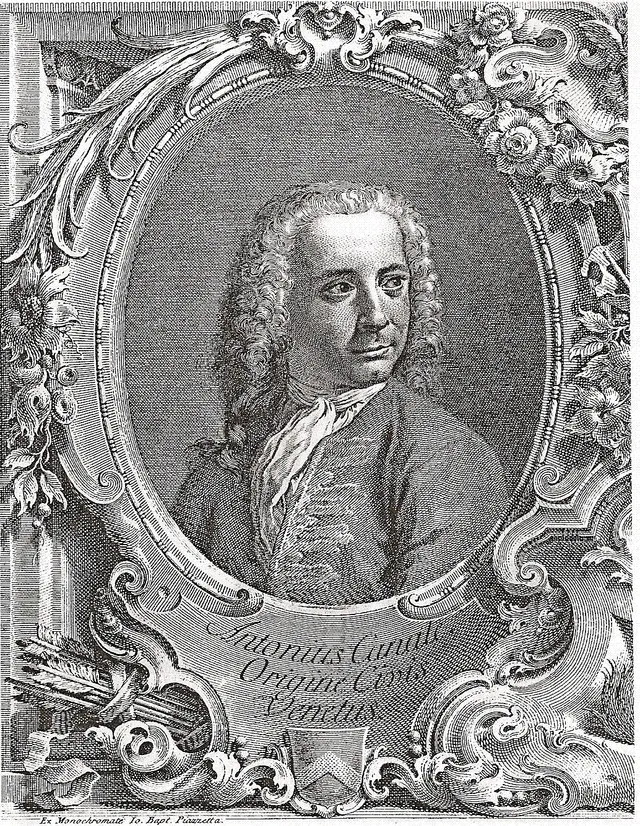
Canaletto
Image creditAntonio Visentini · Public domainResized and cropped for display.

Canaletto

Venetian painter of sparkling city views of Venice and London.

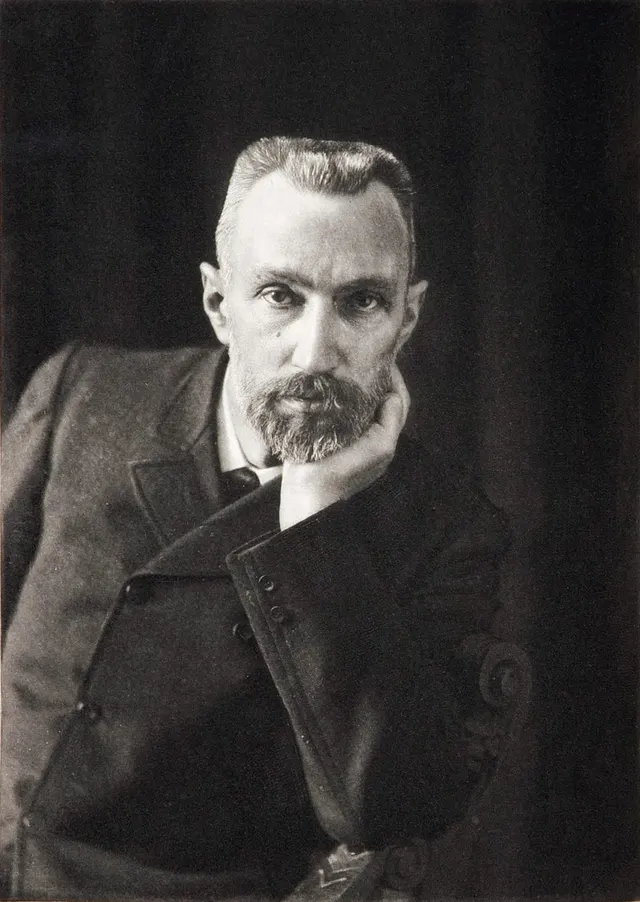
Pierre Curie
Image creditDujardin · Public domainResized and cropped for display.

Pierre Curie

French physicist who shared a Nobel Prize for pioneering work on radioactivity.

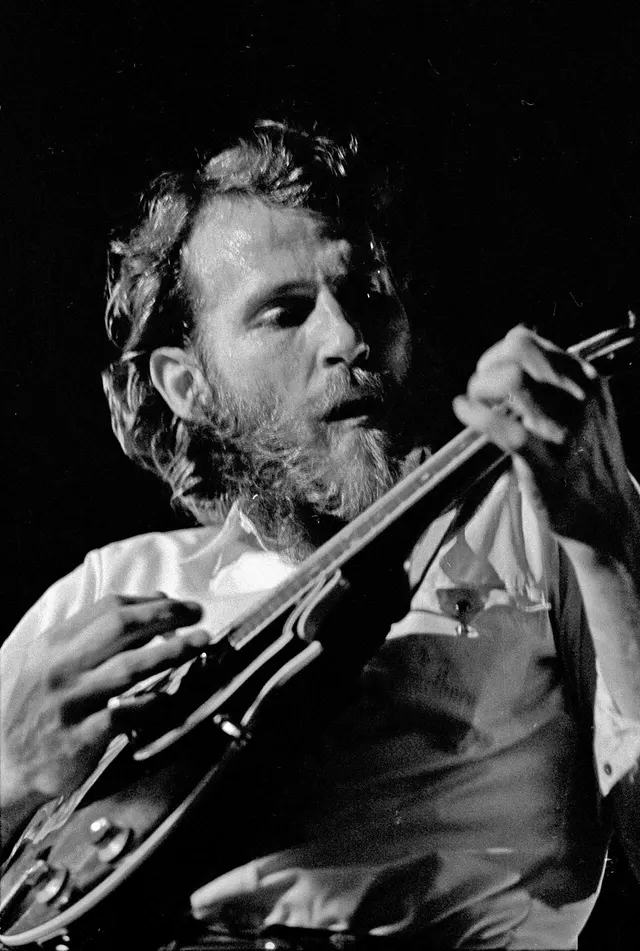
Levon Helm
Image creditHeinrich Klaffs · CC BY-SA 2.0Resized and cropped for display.

Levon Helm

American drummer and singer with the Band.

☉
AROUND THE WORLD

Observances & Anniversaries

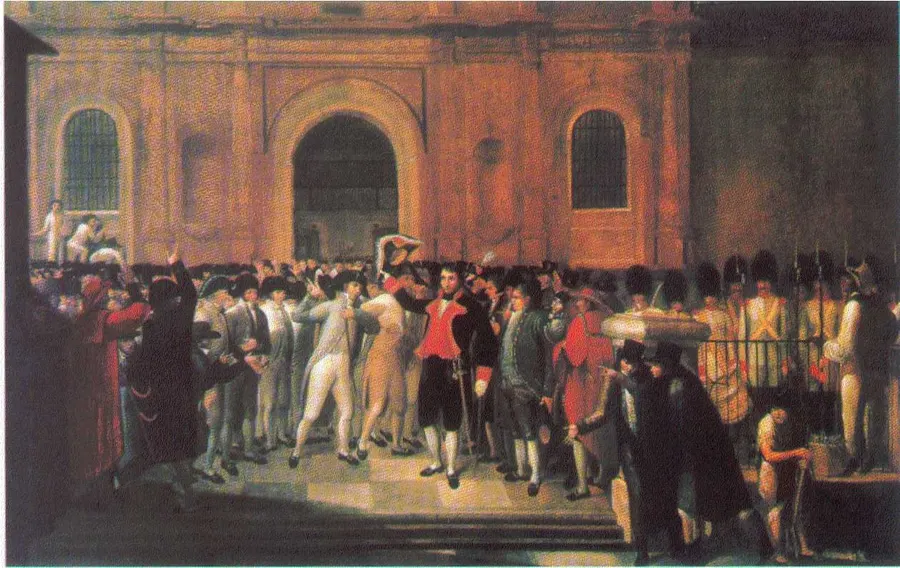
Juan Lovera's painting of the events in Caracas on 19 April 1810.
Juan Lovera’s painting of the events in Caracas on 19 April 1810.
Image creditJuan Lovera · Public domainResized and cropped for display.

Venezuela: Declaration of Independence day

Venezuela marks 19 April as a national holiday. On that day in 1810 the town council of Caracas, backed by a crowd shouting that they did not want him, removed the Spanish captain general Vicente Emparan and set up a local governing junta.

It was one of the first breaks with Spanish rule in South America, and it led to Venezuela’s formal declaration of independence on 5 July 1811, the country’s other great national day.

Source: Biblioteca Ayacucho (Government of Venezuela): 19 de abril de 1810, el primer día de Venezuela ↗
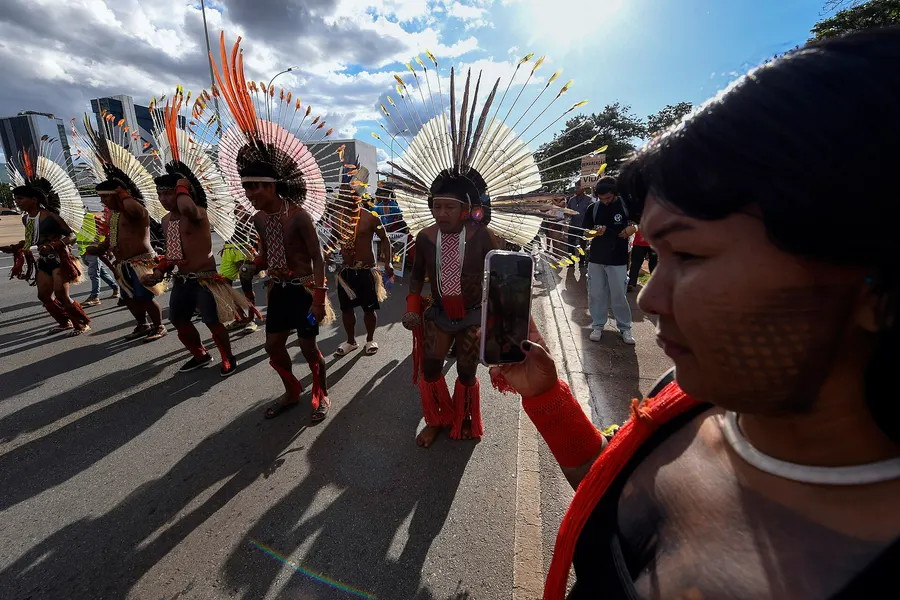
Indigenous peoples from across Brazil gather in Brasília for the Acampamento Terra Livre in April 2024.
Image creditAgência Senado · CC BY 2.0Resized and cropped for display.

Brazil: Day of Indigenous Peoples

Brazil sets aside 19 April to honour its Indigenous peoples, the country’s first inhabitants, and the many distinct nations, languages and cultures that live on among them.

Long known as the Day of the Indian, it was renamed the Day of Indigenous Peoples by a law of 2022 proposed by Joenia Wapichana, the first Indigenous woman elected to Brazil’s Congress.

Source: Brazilian Presidency (Planalto): Law 14.402 of 8 July 2022 ↗
HISTORY & TIMELINE

Finished the highlights?

Follow 19 April chronologically, from the Middle Ages to the modern day, with 18 verified events and the sources behind them.

This day through time →