
1012
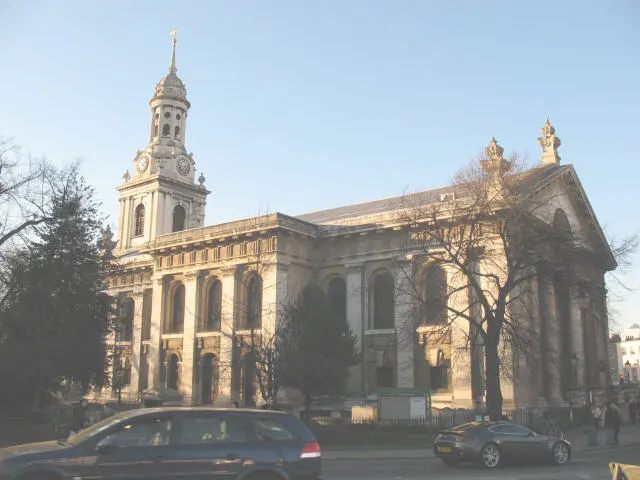 St Alfege Church in Greenwich, the parish church that bears the archbishop’s name.Image: Stephen Craven · CC BY-SA 2.0
culture · Europe
Viking raiders kill the Archbishop of Canterbury
Aelfheah, or Alphege, the Archbishop of Canterbury, had been seized when Danish raiders sacked Canterbury in 1011. He refused to let his people pay a huge ransom for him. On 19 April 1012, at the Danish camp at Greenwich, drunken captors beat him to death. He was soon honoured as a martyr, and Greenwich’s parish church still bears his name.
Source: Canterbury Cathedral: The Vikings (A Walk Through Time) ↗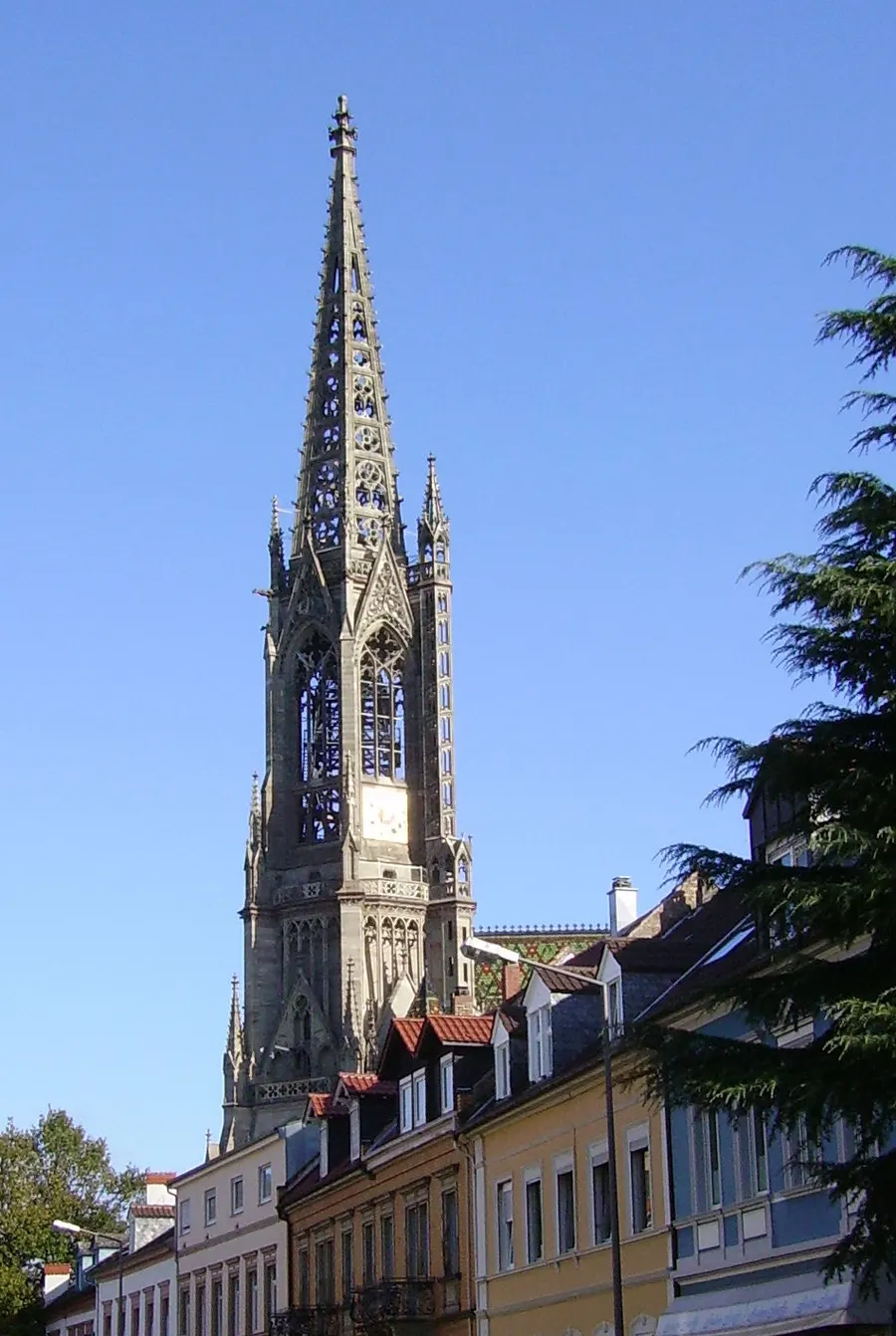 The Memorial Church in Speyer, built in memory of the Protestation of 1529.Image:
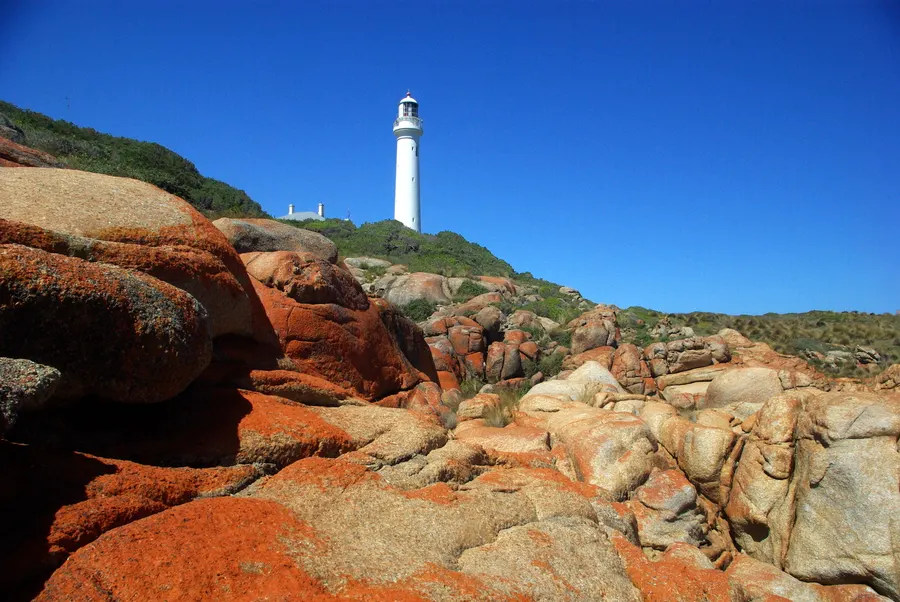 The lighthouse at Point Hicks in eastern Victoria, Australia.Image:
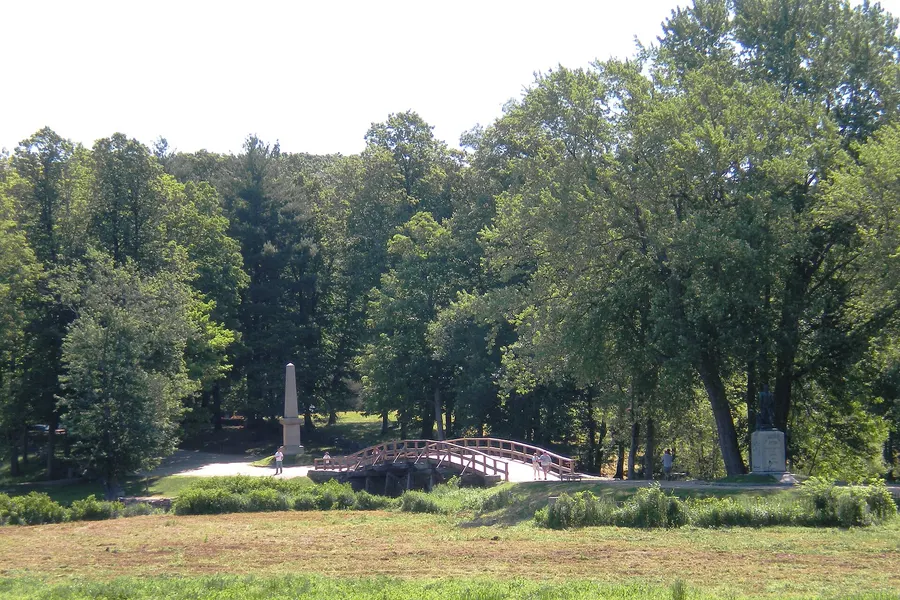 The Old North Bridge at Concord, Massachusetts, across the meadow, 2010.Image:
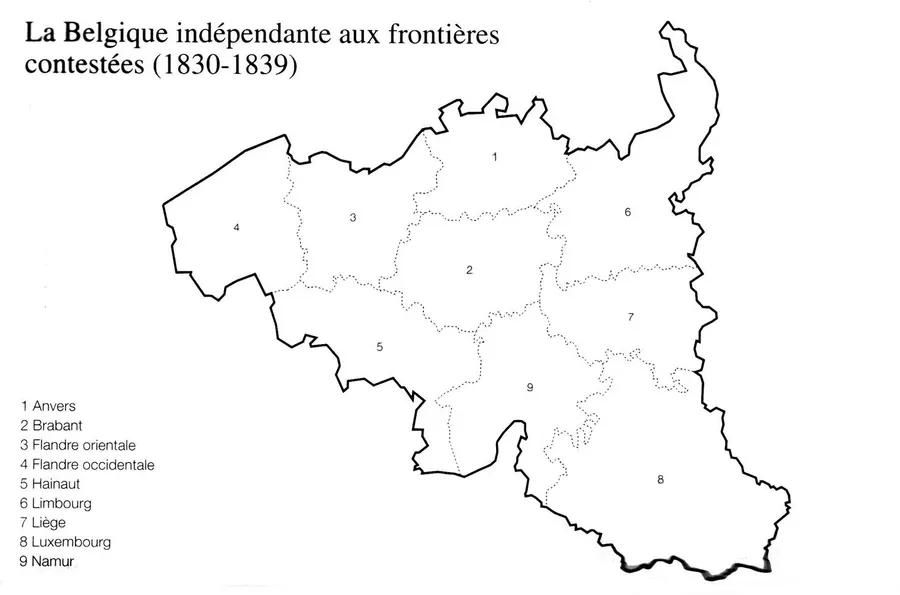 A map of independent Belgium and its disputed borders between 1830 and 1839.Image:
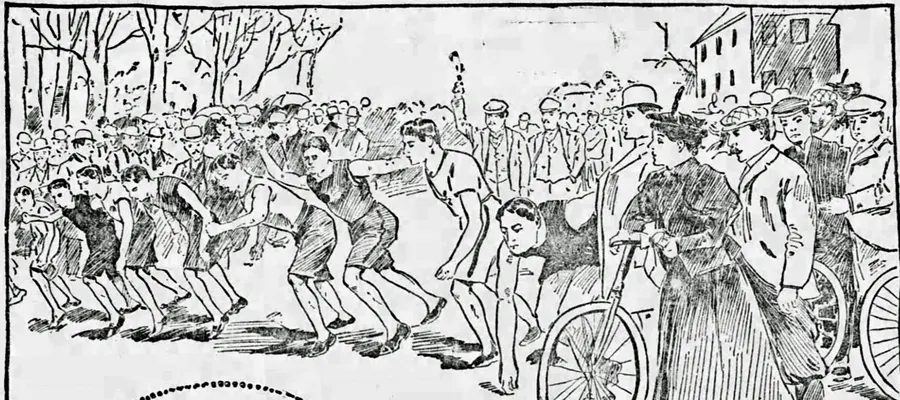 The start of the first Boston Marathon, sketched for the Boston Globe in 1897.Image:
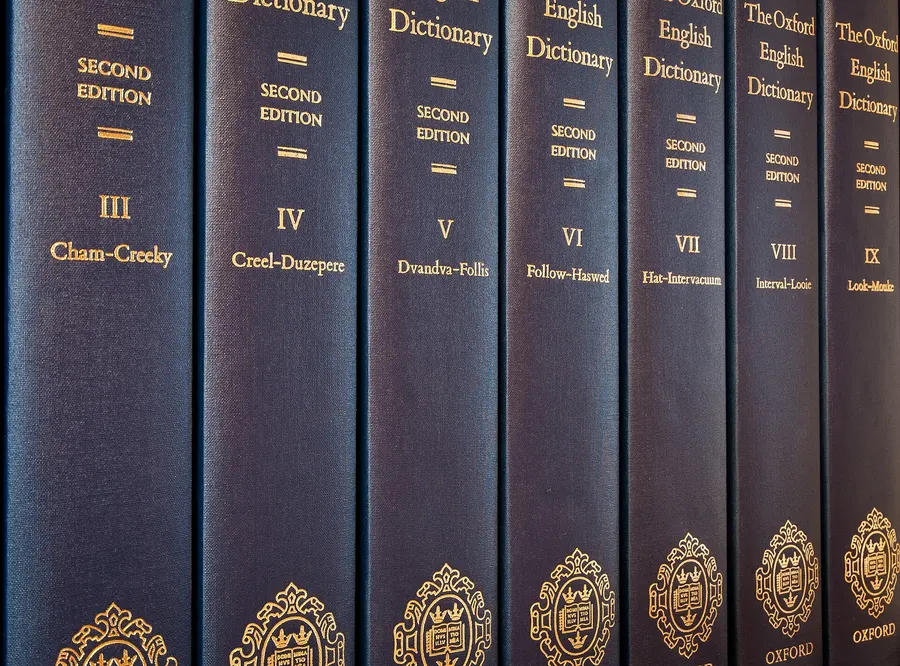 Volumes of the second edition of the Oxford English Dictionary.Image:
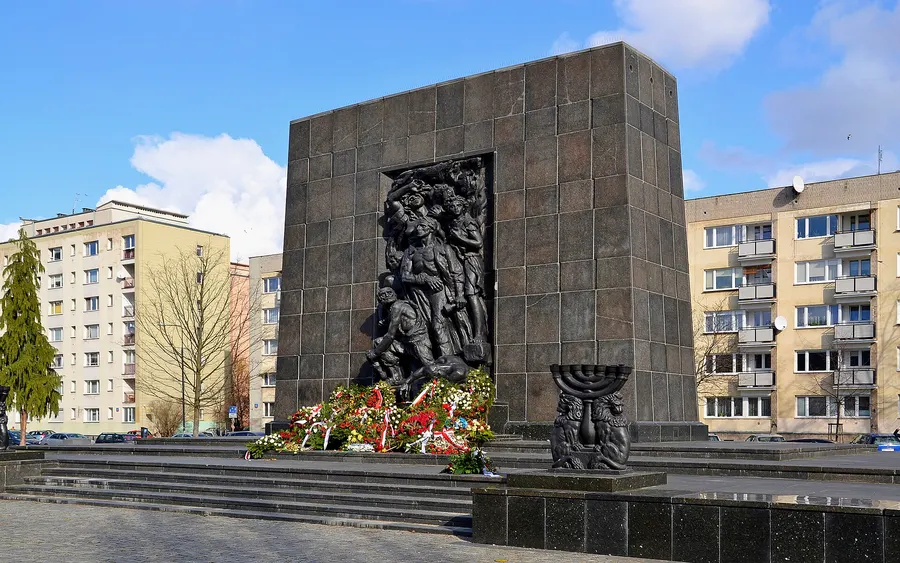 The Monument to the Ghetto Heroes in Warsaw.Image:
 Albert Hofmann in 1993, at a conference marking 50 years since his discovery.Image:
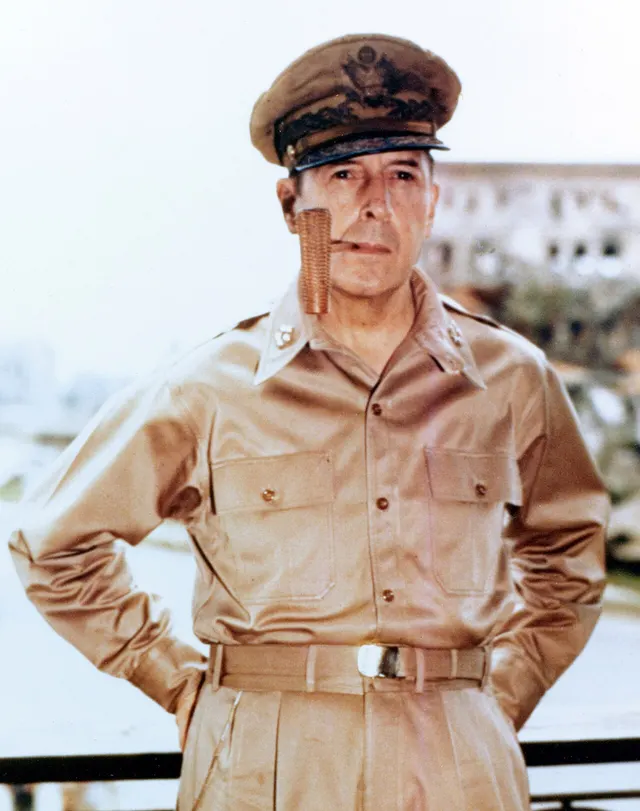 General Douglas MacArthur in Manila, 1945.Image:
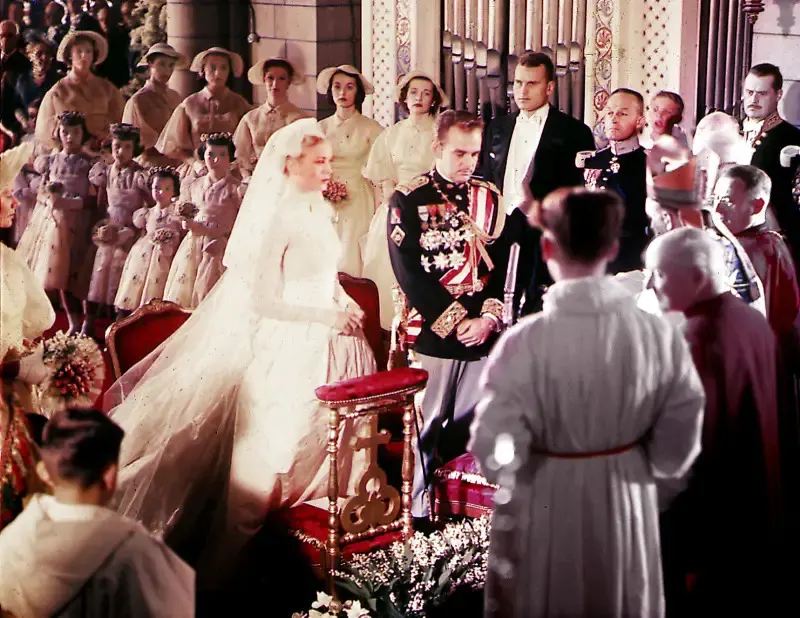 Grace Kelly and Prince Rainier III at their religious wedding in St Nicholas Cathedral, Monaco, 19 April 1956.Image:
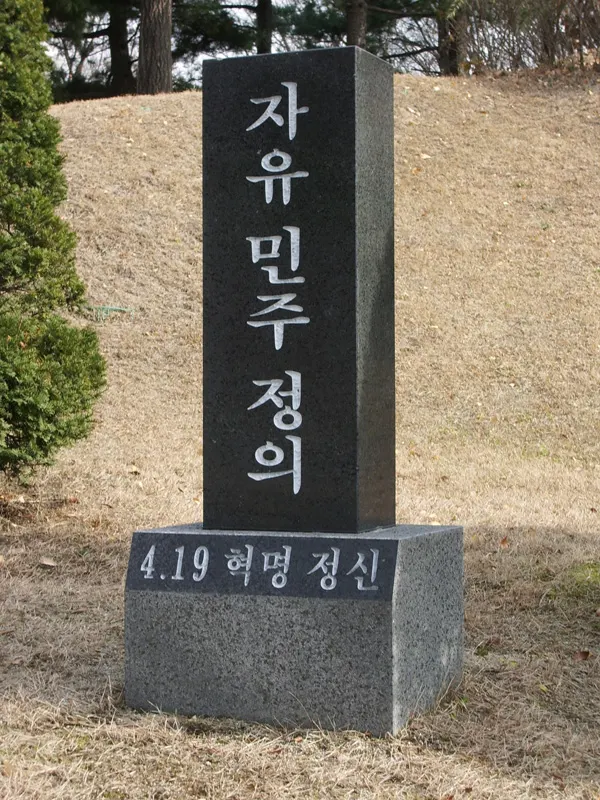 A memorial stone at the National April 19th Cemetery in Seoul, where those who died in the revolution are buried.Image:
 Moore’s Law in practice: the number of transistors on microchips from 1970 to 2020 (Our World in Data).Image:
 A paper model of Salyut 1 with a Soyuz spacecraft docked at one end.Image:
 Siaka Stevens, Sierra Leone’s first executive president, on an official visit to the European Communities in 1979.Image:
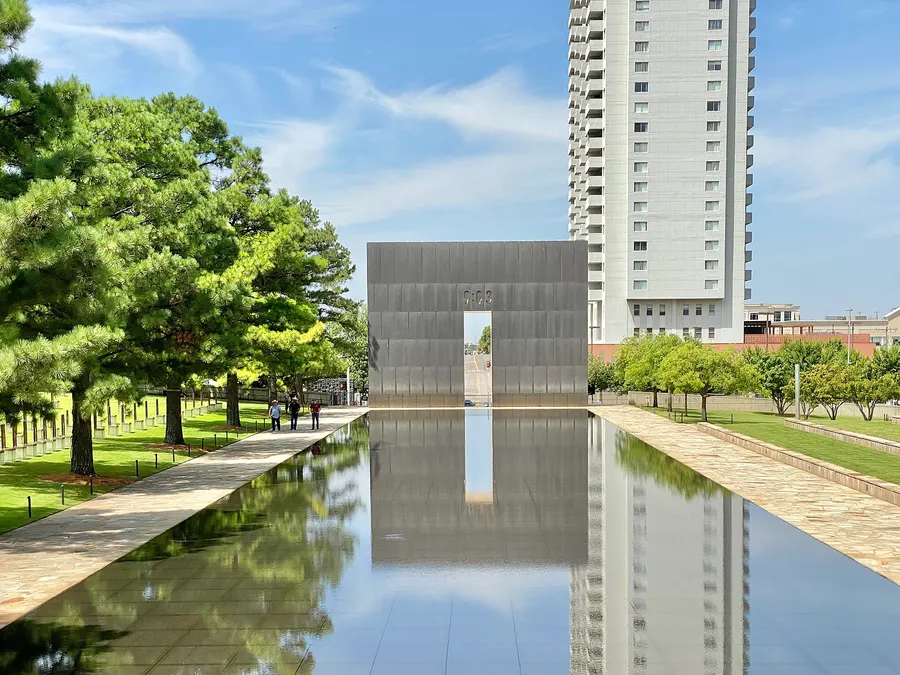 The reflecting pool and the Gate of Time at the Oklahoma City National Memorial.Image:
 Looking up through Norman Foster’s glass dome on the Reichstag in Berlin.Image:
 Pope Benedict XVI during his visit to Berlin in 2011.Image: