HISTORY & TIMELINE
20 April

A journey through
20 April in history

From the papal bull that founded Rome’s university in 1303 to Paraguay’s first peaceful change of party in 2008, 20 April has seen halos and false suns fill the sky over Stockholm, Jacques Cartier sail for the New World, revolutionary France go to war, René Caillié reach Timbuktu, a strikers’ camp burn at Ludlow and Danica Patrick win in Japan. This timeline follows the date across seven centuries.

II
THE MIDDLE AGES

Medieval History

Kingdoms, conflict, faith, power and the changing medieval world.

1303
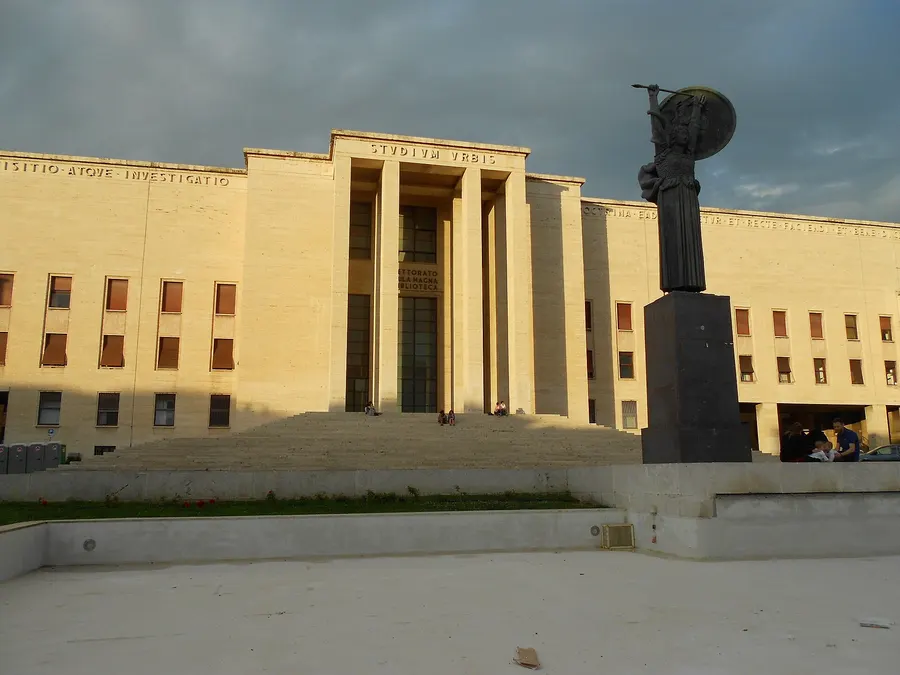
The main campus of Sapienza University of Rome.The main campus of Sapienza University of Rome.Image: Góngora · CC BY-SA 4.0
culture · Europe

A papal bull founds Rome’s university

On 20 April 1303 Pope Boniface VIII issued the bull In supremae praeminentia dignitatis, creating a studium, or place of higher learning, in the city of Rome. It came under direct papal control and later took the name La Sapienza, meaning wisdom. Today Sapienza University of Rome is one of the oldest universities in the world and among the largest in Europe.

Source: Sapienza Università di Roma: Our history ↗
III
A CHANGING WORLD

Early Modern Era

Exploration, political change, scientific development and expanding global connections.

1534
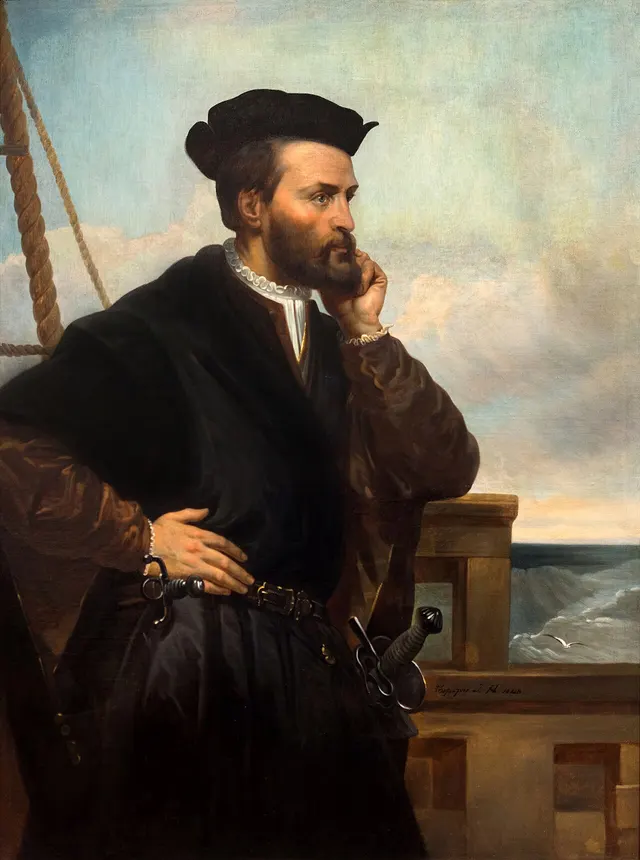
Jacques Cartier in a 19th-century portrait by Théophile Hamel; no portrait from his lifetime survives.Jacques Cartier in a 19th-century portrait by Théophile Hamel; no portrait from his lifetime survives.Image: Théophile Hamel / After François Nicholas Riss · CC BY-SA 4.0
world · Americas

Jacques Cartier sets sail for the New World

On 20 April 1534 the Breton navigator Jacques Cartier left Saint-Malo with two small ships and about 60 men, sent by King Francis I to look for gold and a passage to Asia. The crossing took only 20 days. Over the summer he charted much of the Gulf of St Lawrence and met Mi’kmaq and St Lawrence Iroquoian people, laying the groundwork for France’s later claims in Canada.

Source: Parks Canada: Cartier-Brébeuf National Historic Site - the first voyage (1534) ↗
1535
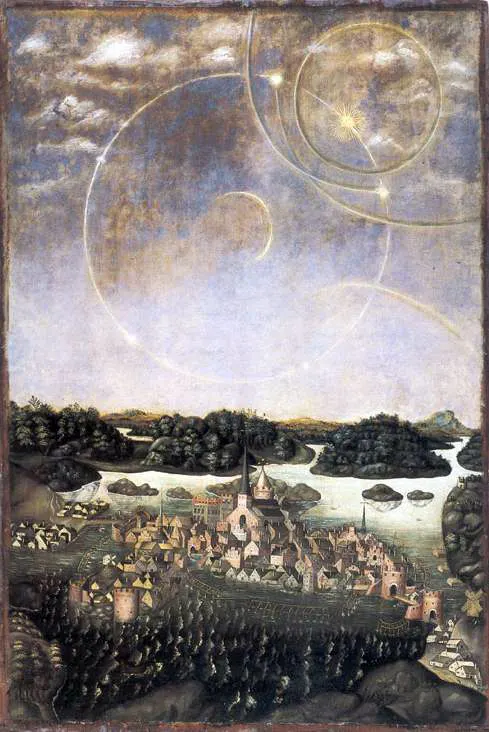
The Sun Dog Painting: a 1636 copy of the lost original, showing the halo display over Stockholm in 1535.The Sun Dog Painting: a 1636 copy of the lost original, showing the halo display over Stockholm in 1535.Image: Jacob Heinrich Elbfas · Public domain
science · Europe

Stockholm’s sky fills with halos and false suns

On the morning of 20 April 1535 people in Stockholm watched rings and arcs of light spread across the sky for about two hours, with extra ‘suns’ glowing either side of the real one. The display was an ice-crystal halo with sun dogs, but at the time it was read as an omen. A painting of the scene, now known as the Vädersolstavlan (the Sun Dog Painting), was made soon afterwards. The original is lost, but a copy of 1636 hangs in Stockholm Cathedral; it is the oldest known colour image of the city and one of the earliest pictures of a halo display.

Source: Atmospheric Optics (Les Cowley): Stockholm 1535 halos ↗
1653
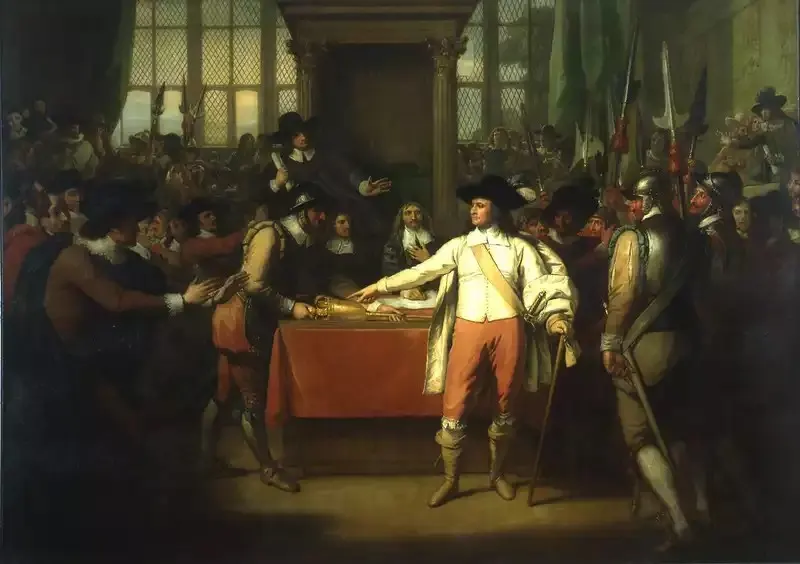
Oliver Cromwell Dissolving the Long Parliament, painted by Benjamin West in 1782.Oliver Cromwell Dissolving the Long Parliament, painted by Benjamin West in 1782.Image: Benjamin West · Public domain
politics · Europe

Cromwell throws the Rump Parliament out of Westminster

On 20 April 1653 Oliver Cromwell, angered that MPs were pressing ahead with a bill he believed they had agreed to shelve, walked into the Commons with a company of musketeers waiting outside. After lecturing the members with mounting fury, he had the chamber cleared and declared their sitting over. The Rump was what remained of the Long Parliament after the army’s purge of 1648. Its dismissal left England without an elected legislature; a hand-picked assembly followed that summer, and by December Cromwell ruled as Lord Protector.

Source: UK Parliament: The Rump dissolved ↗
1792
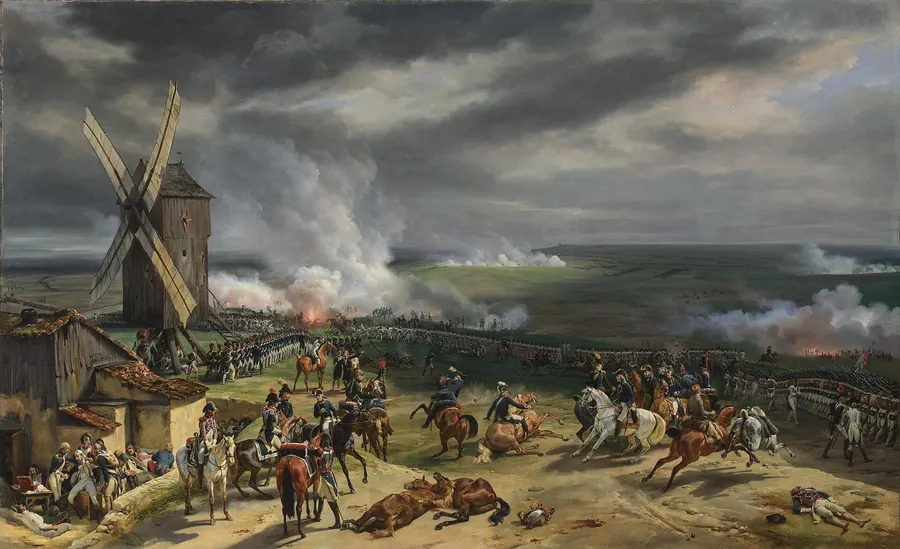
The Battle of Valmy in September 1792, the war's first great French victory, painted by Horace Vernet.The Battle of Valmy in September 1792, the war’s first great French victory, painted by Horace Vernet.Image: Horace Vernet · Public domain
world · Europe

Revolutionary France goes to war with Austria

On 20 April 1792 King Louis XVI came before the Legislative Assembly in Paris to propose war on Austria, and the deputies approved it almost unanimously. Many revolutionaries, above all the Girondins, hoped a war would expose traitors at home and spread liberty abroad. Instead it opened more than two decades of conflict across Europe and helped bring down the monarchy within months.

Source: Britannica: French Revolutionary wars ↗
IV
THE NINETEENTH CENTURY

The 1800s

Industry, empire, invention, reform and a century of enormous transformation.

1828
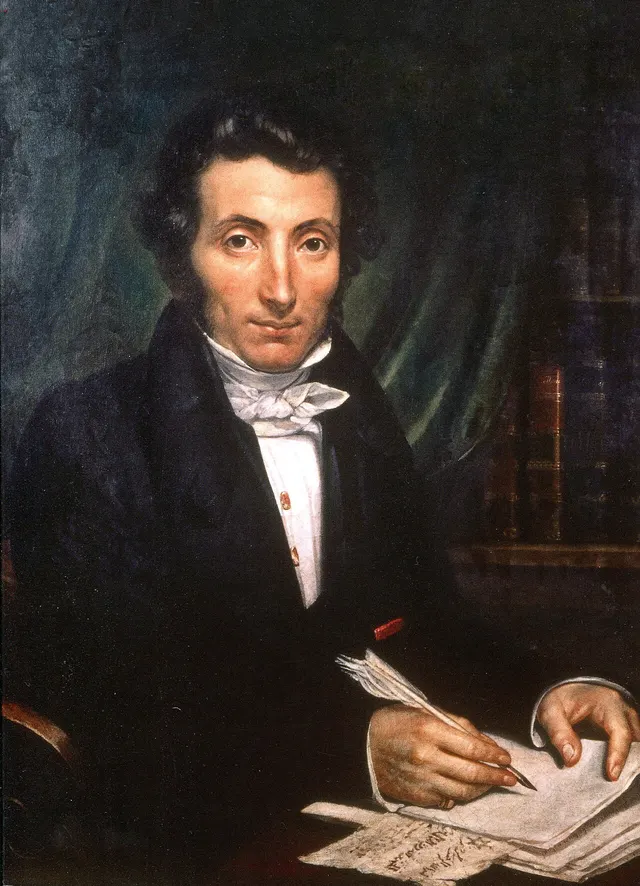
René Caillié, in a portrait by Amélie Legrand de Saint-Aubin.René Caillié, in a portrait by Amélie Legrand de Saint-Aubin.Image: Amélie Legrand de Saint-Aubin · Public domain
world · Africa

René Caillié reaches Timbuktu

On 20 April 1828 the French traveller René Caillié arrived in Timbuktu, a year after setting out from the West African coast disguised as an Arab returning home to Egypt. He had learned Arabic and studied Islam to make the journey possible. Crossing the Sahara to Morocco, he became the first European known to have reached the city and come back alive, and his account punctured European fantasies of a city built of gold.

Source: Britannica: René-Auguste Caillié ↗
1871
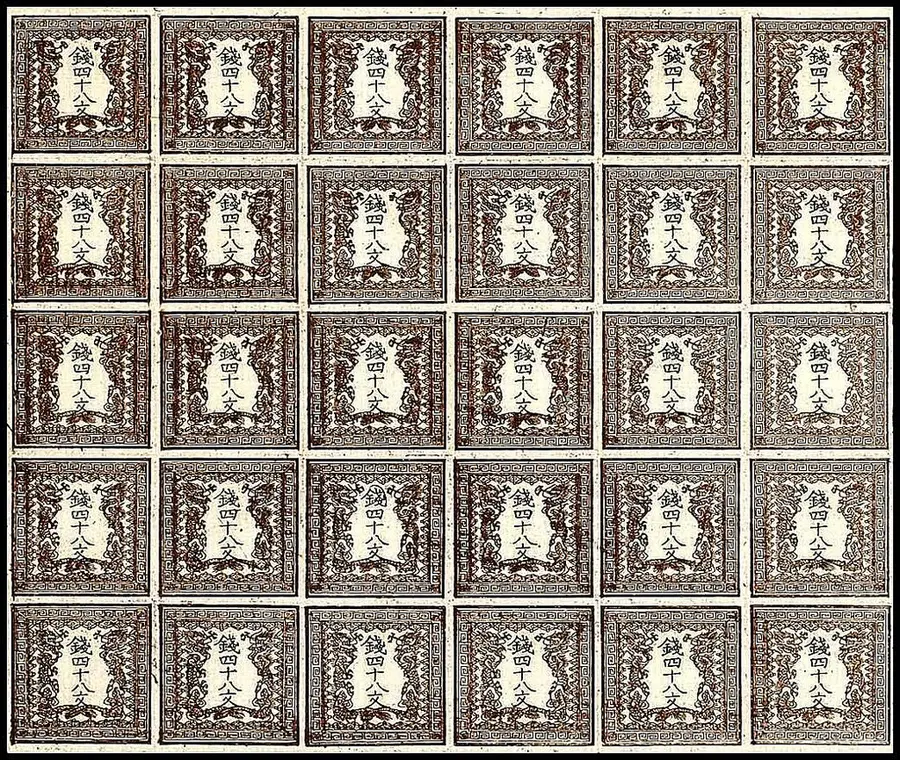
A sheet of Japan's first postage stamps, the 48 mon 'dragon' issue of 1871.A sheet of Japan’s first postage stamps, the 48 mon ‘dragon’ issue of 1871.Image: Government of Japan · Public domain
world · Asia

Japan opens its first modern postal service

On 20 April 1871 a government-run mail service began carrying letters between Tokyo and Osaka, replacing the old network of private couriers and relay runners. It was the brainchild of Maejima Hisoka, a Meiji official who had studied Britain’s cheap, uniform penny post. Japan’s first postage stamps were issued for the new service, and within little more than a year it reached across the country. Maejima is still honoured in Japan as the father of its postal system.

Source: Britannica: Hisoka Maejima ↗
V
THE TWENTIETH CENTURY

The 1900s

War and peace, technological leaps, social change, politics, sport and popular culture.

1914
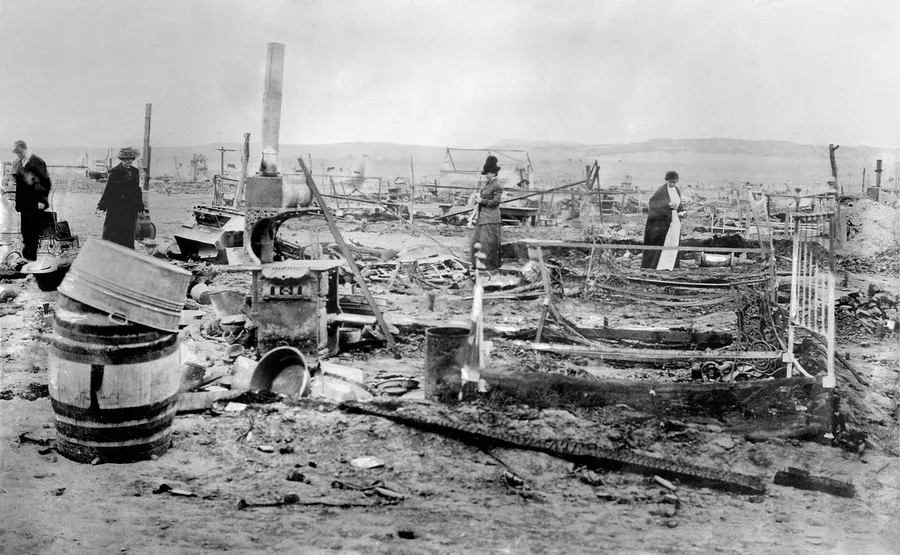
The ruins of the Ludlow tent colony in Colorado after the attack, April 1914.The ruins of the Ludlow tent colony in Colorado after the attack, April 1914.Image: Bain News Service · Public domain
world · Americas

Deaths at the Ludlow strikers’ camp

On 20 April 1914 Colorado National Guard troops and company guards fought striking coal miners at the tent colony in Ludlow, where families had lived since being evicted from company towns. The camp was set on fire and about two dozen people died, among them women and children. The events shocked the country, led to ten days of wider fighting and pushed the mine owners, including the Rockefeller family, towards reforms.

Source: Britannica: Ludlow Massacre ↗
1926
A Warner Bros. Vitaphone 'talking pictures' advertisement from The Film Daily, 1929.A Warner Bros. Vitaphone ‘talking pictures’ advertisement from The Film Daily, 1929.Image: New York, Wid's Films and Film Folks, Inc. · Public domain
culture · Americas

Warner Bros takes on Vitaphone sound

On 20 April 1926 the newly formed Vitaphone Corporation, set up by Warner Bros, signed a lease with Western Electric for its sound-on-disc system, together with the right to license it to other studios. The equipment synchronised a film with music and speech recorded on large gramophone discs. The gamble paid off that August with Don Juan, shown with a recorded orchestral score, and in 1927 with The Jazz Singer. Within a few years silent pictures had all but vanished from Hollywood.

Source: Indiana University Press: The Birth of the Talkies (Donald Crafton) ↗
1964
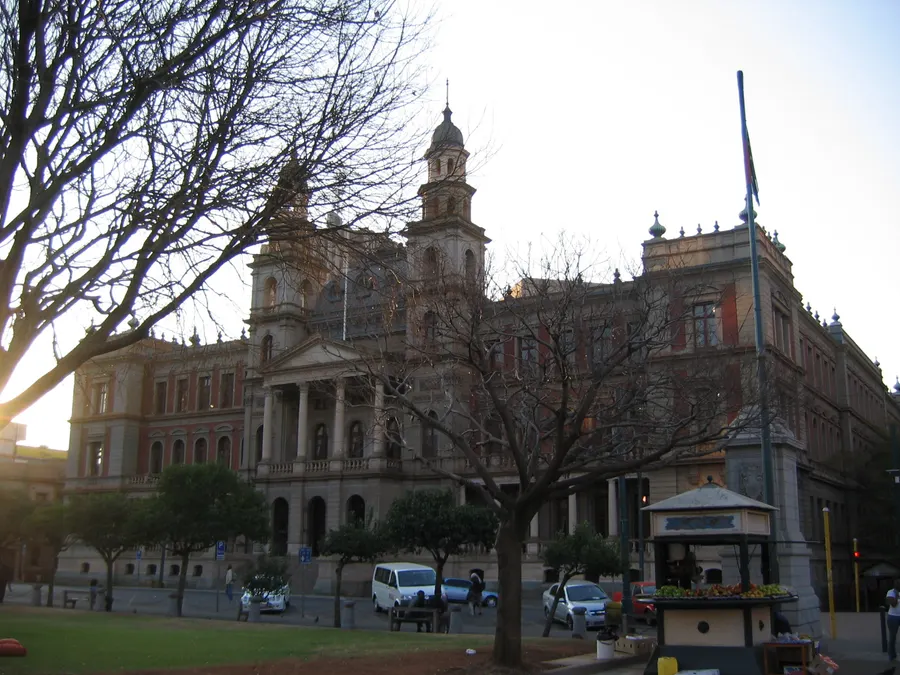
The Palace of Justice on Church Square in Pretoria, where the Rivonia Trial was held.The Palace of Justice on Church Square in Pretoria, where the Rivonia Trial was held.Image: The Wandering Angel from Makati City, Philippines · CC BY 2.0
world · Africa

Mandela speaks from the dock at the Rivonia Trial

On 20 April 1964, in the Palace of Justice in Pretoria, Nelson Mandela chose not to give evidence under cross-examination and instead read a statement from the dock. For about three hours he explained why the African National Congress had turned to sabotage after decades of peaceful protest against apartheid had been met with bans and bullets. He closed by describing the ideal of a free, democratic society in which all people live together in harmony, and said it was an ideal for which he was prepared to die. Two months later he and seven co-accused were sentenced to life imprisonment; the speech became one of the defining statements of the struggle for South African democracy.

Source: South African History Online: ‘I am Prepared to Die’ - Mandela’s statement from the dock, 20 April 1964 ↗
1968
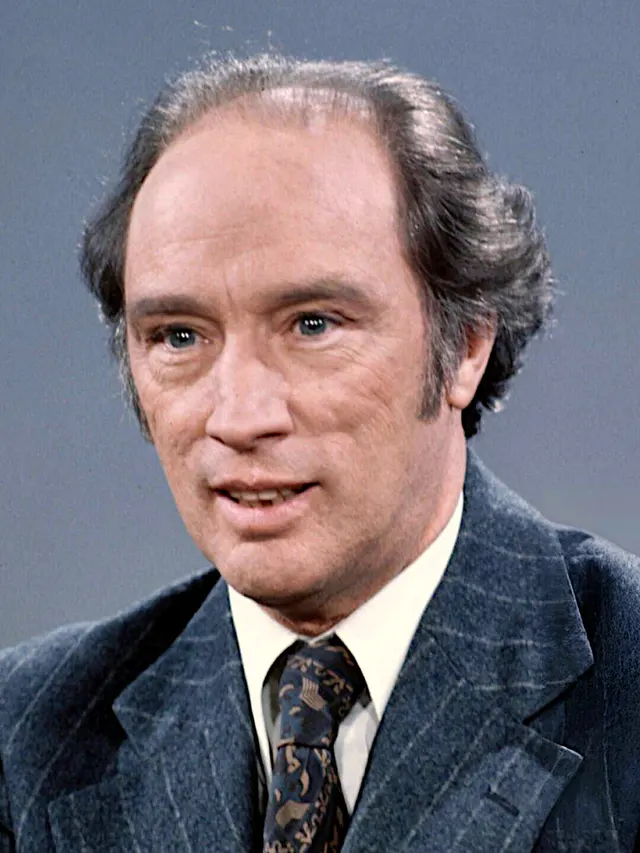
Pierre Trudeau, Canada's prime minister, in 1975.Pierre Trudeau, Canada’s prime minister, in 1975.Image: United Press International · Public domain

politics · Americas

Pierre Trudeau becomes Canada’s prime minister

On 20 April 1968 Pierre Elliott Trudeau, a Montreal law professor who had entered Parliament only three years earlier, was sworn in as Canada’s 15th prime minister. He had won the Liberal leadership a fortnight before on a wave of enthusiasm soon dubbed Trudeaumania. He went on to hold office for more than 15 years, bringing in official bilingualism and, in 1982, a Canadian constitution with a charter of rights.

Source: The Canadian Encyclopedia: Pierre Elliott Trudeau ↗
VI
2000 TO TODAY

Modern Day

The events of recent decades that have already become part of the historical record.

2008
Danica Patrick in 2025.Danica Patrick in 2025.Image: USDAgov · Public domain
sport · Asia

Danica Patrick becomes IndyCar’s first woman winner

On 20 April 2008 Danica Patrick won the Indy Japan 300 at Twin Ring Motegi, north of Tokyo, becoming the first woman to win a top-level IndyCar race. Starting sixth, she stretched her fuel further than her rivals and crossed the line almost six seconds ahead of Hélio Castroneves. It was her 50th start in the series. The victory remains the only one by a woman in IndyCar.

Source: IndyCar: Classic Rewind - Danica makes history in Motegi ↗
2008
Fernando Lugo speaking to the press in Asunción as president-elect of Paraguay, 2008.Fernando Lugo speaking to the press in Asunción as president-elect of Paraguay, 2008.Image: Antonio Cruz/ABr · CC BY 3.0 br
politics · Americas

Paraguay votes out its long-ruling party

On 20 April 2008 Paraguayans elected Fernando Lugo, a former Catholic bishop, as president at the head of an opposition alliance. His win ended 61 years in which the Colorado Party had held the presidency, including the long Stroessner dictatorship. When Lugo took office in August it was the first time the country’s government had passed peacefully to an opposition party.

Source: Britannica: Fernando Lugo ↗
2010
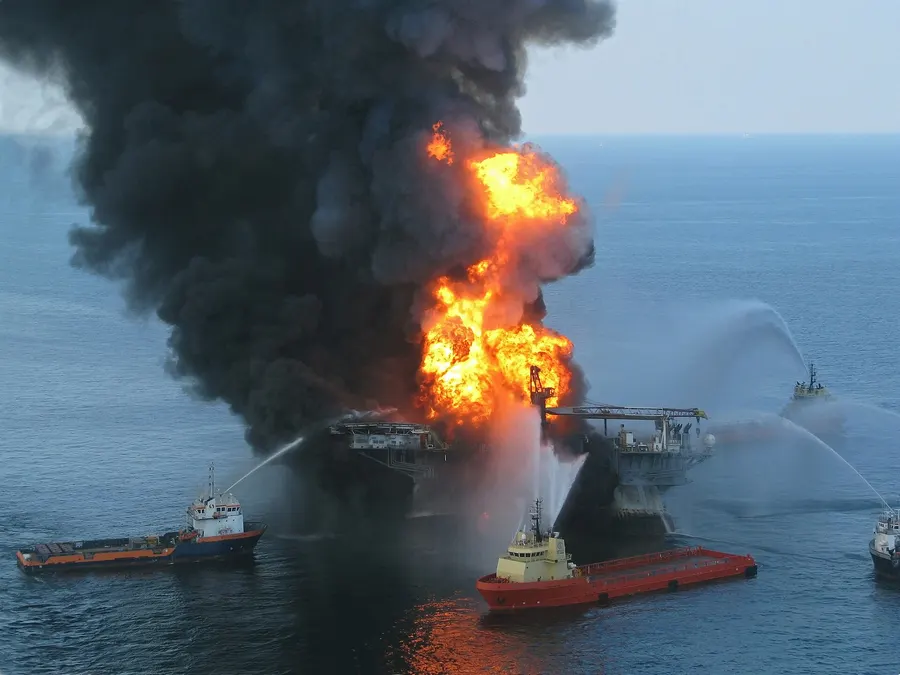
Fireboats spray the burning Deepwater Horizon in the Gulf of Mexico, April 2010.Fireboats spray the burning Deepwater Horizon in the Gulf of Mexico, April 2010.Image: Unknown · Public domain
world · Americas

Deepwater Horizon explodes in the Gulf of Mexico

On the evening of 20 April 2010 a blowout on the Deepwater Horizon drilling rig, working a BP well about 40 miles off the Louisiana coast, triggered an explosion and fire. Eleven workers were killed and many more injured; the burning rig sank two days later. Oil then poured from the damaged well a mile below the surface for 87 days before it was capped in July. It became the largest marine oil spill in history, fouling hundreds of miles of coastline and prompting years of legal action and environmental restoration work.

Source: Britannica: Deepwater Horizon oil spill ↗
RESEARCH

Sources & Further Reading

Selected authoritative references supporting the events on this page.

Sapienza Università di Roma: Our history↗Britannica: University of Rome↗Parks Canada: Cartier-Brébeuf National Historic Site - the first voyage (1534)↗Canadian Museum of History: Virtual Museum of New France - Jacques Cartier 1534-1542↗Atmospheric Optics (Les Cowley): Stockholm 1535 halos↗Wikipedia: Vädersolstavlan↗UK Parliament: The Rump dissolved↗BCW Project: Dissolution of the Rump Parliament, 1653↗Britannica: French Revolutionary wars↗Wikipedia: War of the First Coalition↗Britannica: René-Auguste Caillié↗Encyclopedia.com: René Auguste Caillié↗Britannica: Hisoka Maejima↗Japan House Los Angeles: More than Mail - the history of the Japanese postal system↗Britannica: Ludlow Massacre↗US National Park Service: War in the Coalfields - the Ludlow Massacre and the eight-hour workday↗Indiana University Press: The Birth of the Talkies (Donald Crafton)↗Wikipedia: Vitaphone↗South African History Online: ‘I am Prepared to Die’ - Mandela’s statement from the dock, 20 April 1964↗United Nations: Nelson Mandela’s statement at the Rivonia Trial↗The Canadian Encyclopedia: Pierre Elliott Trudeau↗Library of Parliament (ParlInfo): The Right Hon. Pierre Elliott Trudeau↗IndyCar: Classic Rewind - Danica makes history in Motegi↗NBC Sports: April 20 in motorsports history - Danica’s groundbreaking victory↗Britannica: Fernando Lugo↗Wikipedia: 2008 Paraguayan general election↗Britannica: Deepwater Horizon oil spill↗NOAA Office of Response and Restoration: Deepwater Horizon oil spill case study↗
WHY THESE MOMENTS?

Significance before volume

This page is not the longest possible list of events. It is a chronological journey through 20 April, where each entry is chosen for historical significance, human interest and reliability.

Facts are checked against authoritative museums, archives, universities and reference works. Where sources disagree, the page says so.

EXPLORED THE DEEPER STORY?

Return to the highlights of 20 April

Discover the lighter side of the date with famous birthdays, culture, firsts and lives remembered.

Explore This Day →
← PREVIOUS DAY19 April
HISTORY & TIMELINE20 April
NEXT DAY →21 April