
HISTORY & TIMELINE
21 April

A journey through
21 April in history

From the legendary founding of Rome in 753 BC to the Easter Sunday attacks in Sri Lanka in 2019, 21 April has seen the death of Anselm of Canterbury, the Texans’ victory at San Jacinto, the blockade that began the Spanish-American War, the fall of the Red Baron, Seattle’s Space Age world’s fair, the colonels’ coup in Greece and Apollo 16’s landing in the lunar highlands. This timeline follows the date across nearly three thousand years.

I
EARLIEST RECORDS

Ancient & Early History

The earliest worthwhile records and events connected with this date.

-753
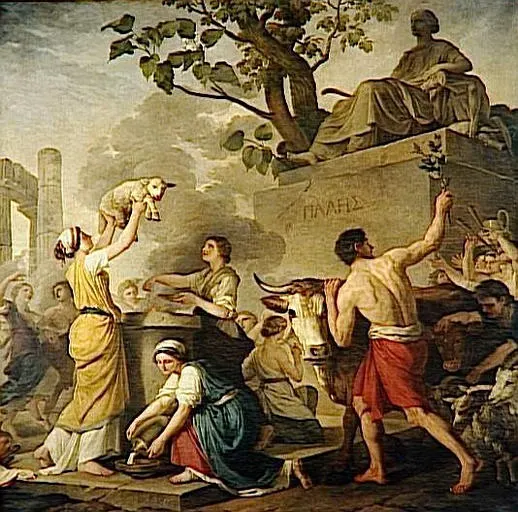
The Festival of Pales, the shepherds' feast held on Rome's birthday, painted by Joseph-Benoît Suvée.The Festival of Pales, the shepherds’ feast held on Rome’s birthday, painted by Joseph-Benoît Suvée.Image: Joseph-Benoît Suvée · Public domain
world · Europe

The legendary birthday of Rome

Roman tradition held that Romulus began building the city of Rome on 21 April 753 BC, after quarrelling with his twin brother Remus. The date was fixed by later Roman scholars and cannot be proved, but it fell on the Parilia, an old shepherds’ festival that became the city’s birthday. Rome still marks 21 April each year with parades and re-enactments.

Source: Britannica: Parilia ↗
II
THE MIDDLE AGES

Medieval History

Kingdoms, conflict, faith, power and the changing medieval world.

1109
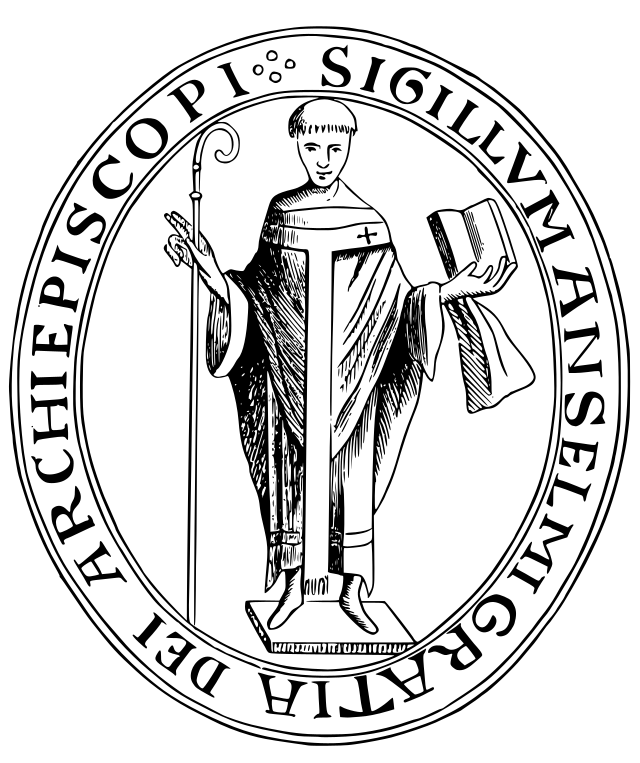
The seal of Anselm as Archbishop of Canterbury.The seal of Anselm as Archbishop of Canterbury.Image: Unknown (vector by MLWatts) · Public domain
culture · Europe

Anselm of Canterbury dies

Anselm, the Italian-born monk who became Archbishop of Canterbury, died on 21 April 1109. He twice went into exile after clashing with English kings over the rights of the Church. His ‘ontological argument’, which tried to prove God’s existence from the idea of a perfect being, is still debated by philosophers nearly a thousand years later.

Source: Stanford Encyclopedia of Philosophy: Saint Anselm ↗
IV
THE NINETEENTH CENTURY

The 1800s

Industry, empire, invention, reform and a century of enormous transformation.

1836
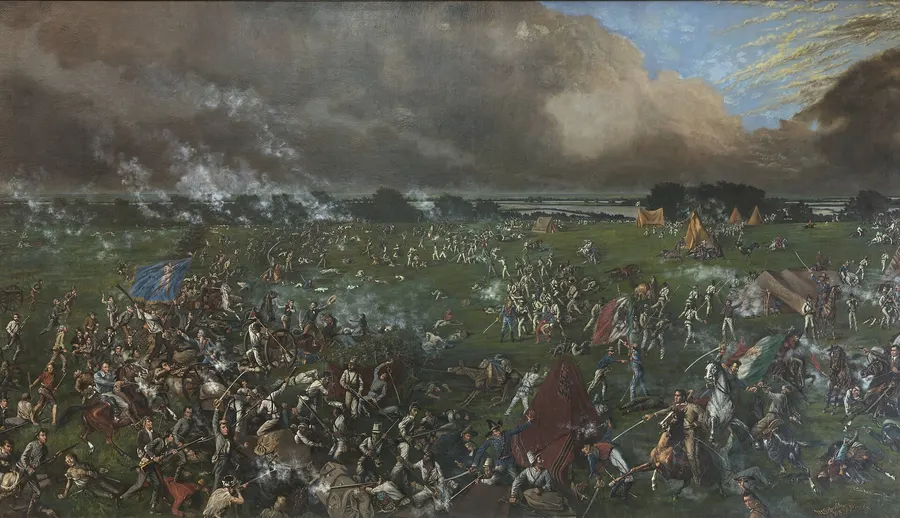
The Battle of San Jacinto, painted by Henry Arthur McArdle in 1895.The Battle of San Jacinto, painted by Henry Arthur McArdle in 1895.Image: Henry Arthur McArdle · Public domain
world · Americas

Texans win at San Jacinto

On the afternoon of 21 April 1836 Sam Houston’s force of about 900 Texans surprised the Mexican army of General Santa Anna in its camp beside the San Jacinto River. The fighting lasted around 18 minutes. Santa Anna was captured the next day and forced to order his troops out of Texas, securing its independence as a republic.

Source: Texas State Historical Association Handbook of Texas: San Jacinto, Battle of ↗
1856
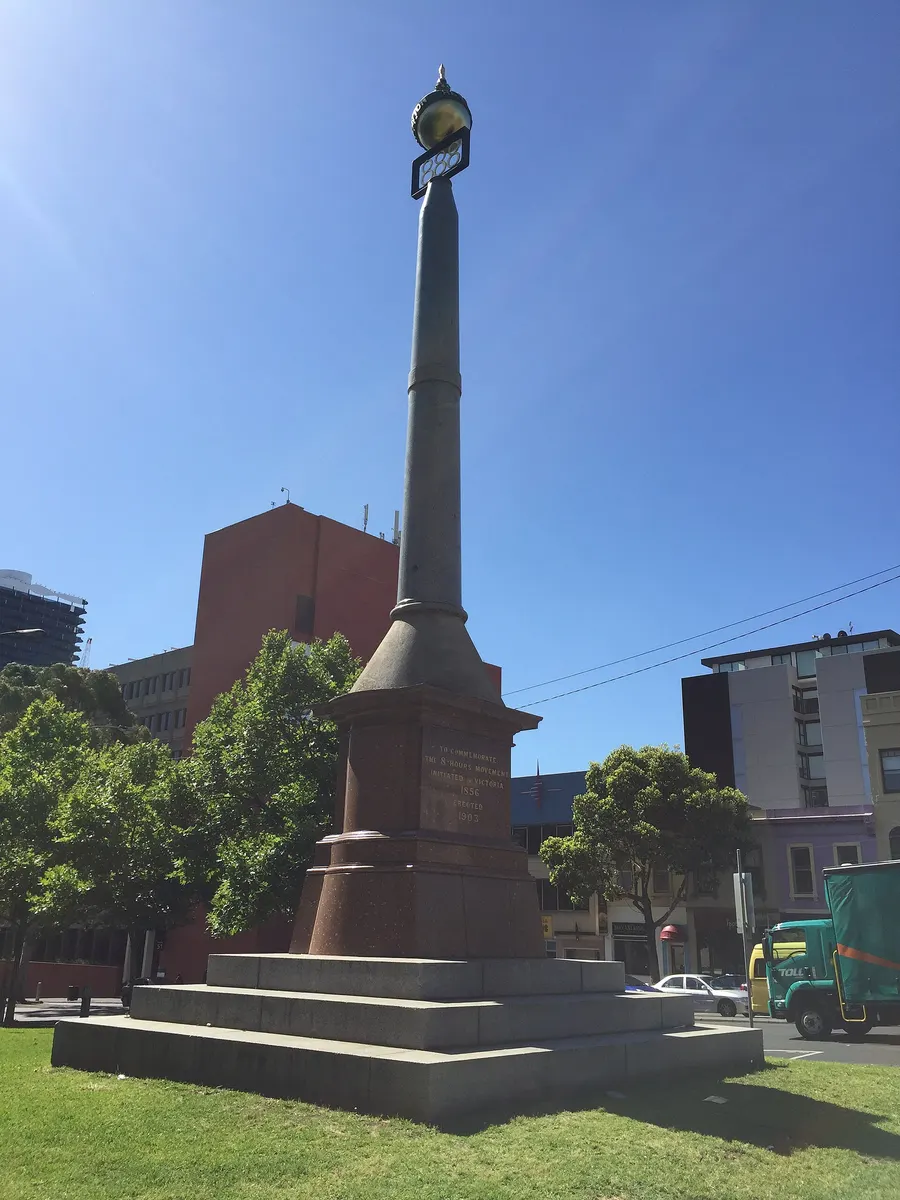
The Eight Hour Day monument in Melbourne, put up in 1903 to mark the 1856 victory.The Eight Hour Day monument in Melbourne, put up in 1903 to mark the 1856 victory.Image: Mattinbgn · CC BY-SA 3.0
world · Oceania

Melbourne’s stonemasons down tools for an eight-hour day

On 21 April 1856 stonemasons at work on the University of Melbourne put down their tools and marched to Parliament House, demanding that their working day be cut to eight hours. With skilled labour scarce in gold-rush Victoria, employers soon agreed, and without a cut in pay. It was among the first times anywhere that an eight-hour day was won across a whole trade. The slogan of eight hours’ work, eight hours’ rest and eight hours’ recreation became a rallying cry for labour movements around the world.

Source: National Museum of Australia: Eight-hour day ↗
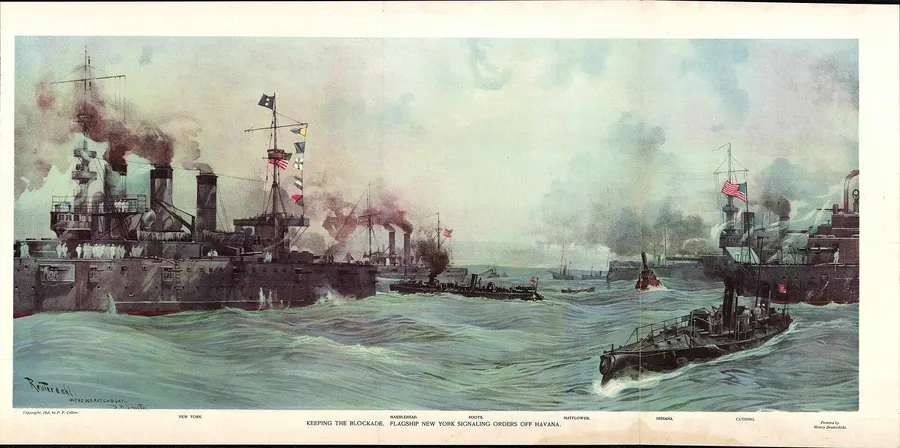
1898
Keeping the Blockade: the flagship New York signalling orders off Havana, by Henry Reuterdahl.Keeping the Blockade: the flagship New York signalling orders off Havana, by Henry Reuterdahl.Image: Henry Reuterdahl · Public domain
world · Americas

America blockades Cuba and war with Spain begins

On 21 April 1898, weeks after the battleship Maine blew up in Havana harbour, President McKinley ordered the US Navy to blockade Cuba. When Congress declared war on Spain four days later, it dated the state of war back to 21 April. The brief conflict ended Spain’s empire in the Americas and the Pacific and left the United States holding Puerto Rico, Guam and the Philippines.

Source: US Department of State, Office of the Historian: The Spanish-American War, 1898 ↗
V
THE TWENTIETH CENTURY

The 1900s

War and peace, technological leaps, social change, politics, sport and popular culture.

1918
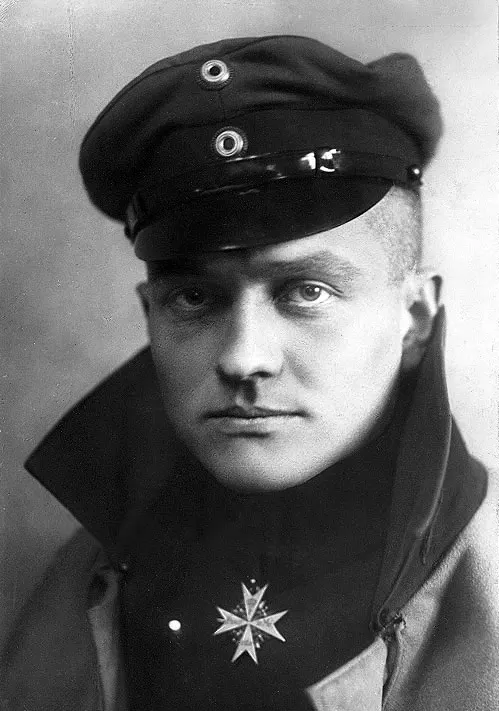
Manfred von Richthofen, the Red Baron.Manfred von Richthofen, the Red Baron.Image: C. J. von Dühren · Public domain
world · Europe

The Red Baron is shot down

Manfred von Richthofen, Germany’s most successful fighter pilot of the First World War with 80 victories, was killed on 21 April 1918 when his red triplane came down behind Allied lines near the Somme. He was 25. Credit for the fatal shot is still argued over between a Canadian airman and Australian gunners on the ground, and Allied airmen buried him with full military honours.

Source: Australian War Memorial: Who killed the Red Baron? ↗
1944
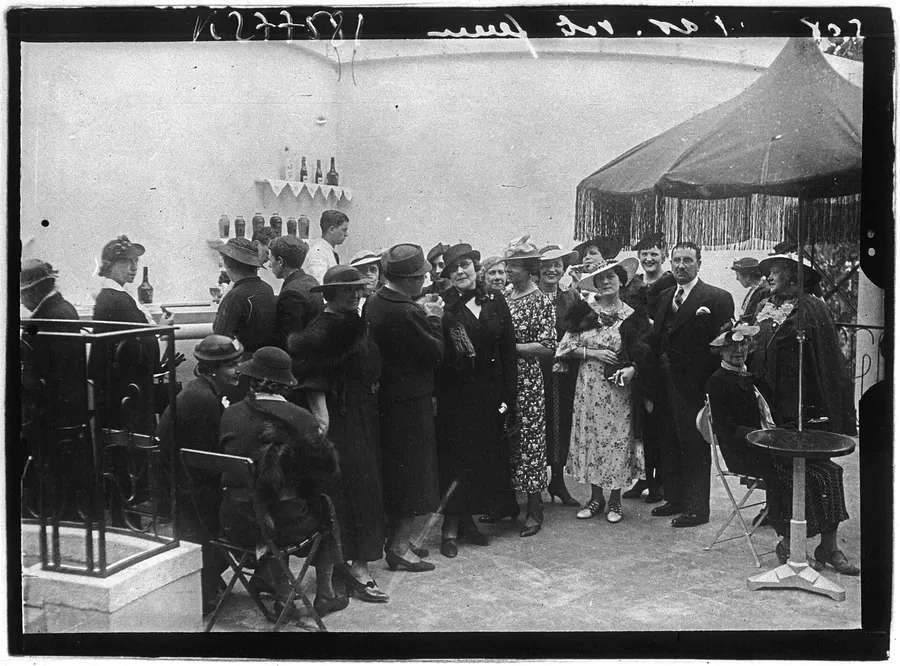
Visitors at the pavilion for women's votes at the Paris International Exhibition of 1937, seven years before the vote was won.Visitors at the pavilion for women’s votes at the Paris International Exhibition of 1937, seven years before the vote was won.Image: Unknown · Public domain
world · Europe

Frenchwomen win the right to vote

On 21 April 1944 the French Committee of National Liberation, then based in Algiers, signed an ordinance setting out how France would be governed after liberation. Article 17 declared that women could vote and stand for office on the same terms as men. France had been one of the last major democracies to hold out against women’s suffrage. Frenchwomen cast their first ballots in municipal elections on 29 April 1945.

Source: Assemblée nationale: 21 avril 1944, l’accession des femmes au droit de vote ↗
1960
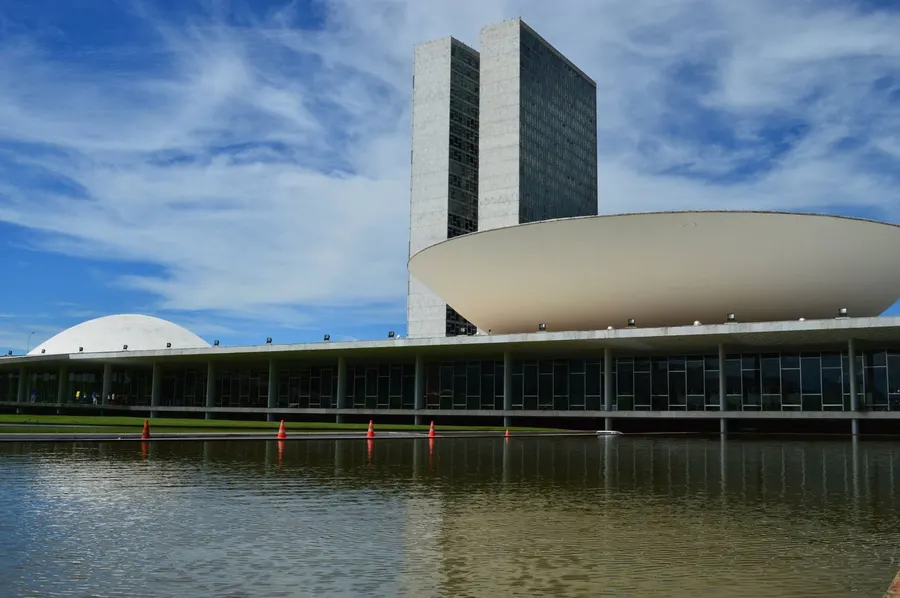
Oscar Niemeyer's National Congress building in Brasília.Oscar Niemeyer’s National Congress building in Brasília.Image: Dária Baísa · CC BY 2.0
politics · Americas

Brazil moves its capital to a city built from scratch

On 21 April 1960 Brasília was inaugurated as the capital of Brazil, taking over from Rio de Janeiro. The city had risen on an empty upland plateau in under four years, driven by President Juscelino Kubitschek’s promise of ‘fifty years of progress in five’. Lúcio Costa laid out the plan in the shape of a bird or aeroplane, and Oscar Niemeyer designed its sweeping white government buildings. The whole city is now a UNESCO World Heritage Site, a rare example of modernist planning carried out on a national scale.

Source: Britannica: Brasília ↗
1962
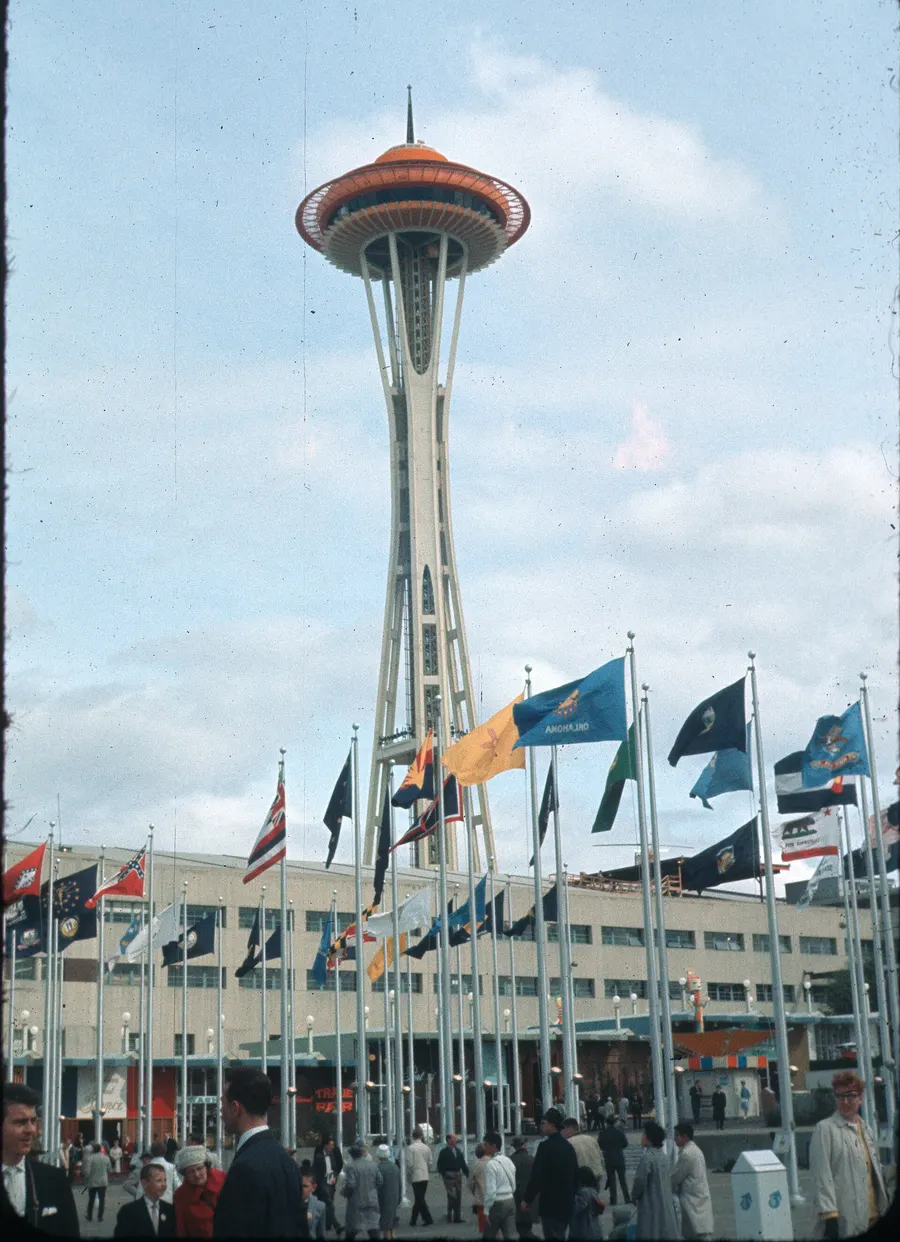
The Space Needle during the Century 21 Exposition in Seattle, 1962 (Seattle Municipal Archives).The Space Needle during the Century 21 Exposition in Seattle, 1962 (Seattle Municipal Archives).Image: Seattle Municipal Archives · Public domain
culture · Americas

Seattle’s Space Age world’s fair opens

On 21 April 1962 the Century 21 Exposition opened in Seattle, started when President Kennedy pressed a telegraph key in Florida. Its theme was life in the century to come, and its centrepiece was the Space Needle, a 605-foot tower topped by a revolving restaurant. Almost 10 million people visited over six months, riding the new monorail into the fairground. The Needle and the monorail still stand as the city’s best-known landmarks.

Source: HistoryLink.org: Century 21 World’s Fair opens in Seattle on April 21, 1962 ↗
1967
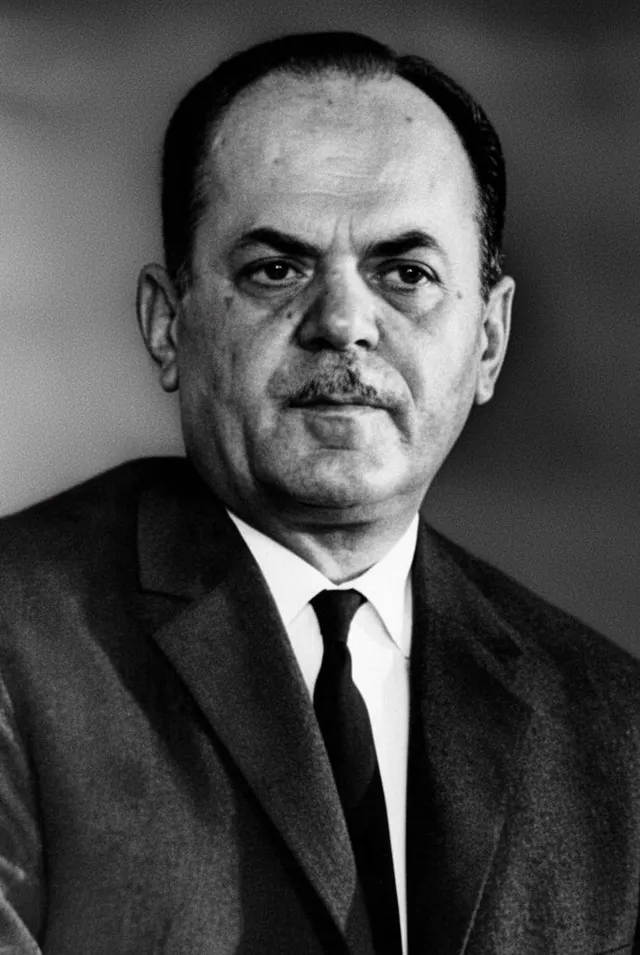
Georgios Papadopoulos, leader of the new military government, in a 1967 press photograph.Georgios Papadopoulos, leader of the new military government, in a 1967 press photograph.Image: Associated Press · Public domain
politics · Europe

The colonels seize power in Greece

In the early hours of 21 April 1967 a group of middle-ranking army officers led by Colonel Georgios Papadopoulos took over Greece, weeks before an election they feared their opponents would win. Tanks filled the streets of Athens and political leaders were arrested. The military regime, known as ‘the Colonels’, ruled until 1974, when it collapsed and democracy returned.

Source: Britannica: The Colonels ↗
1972
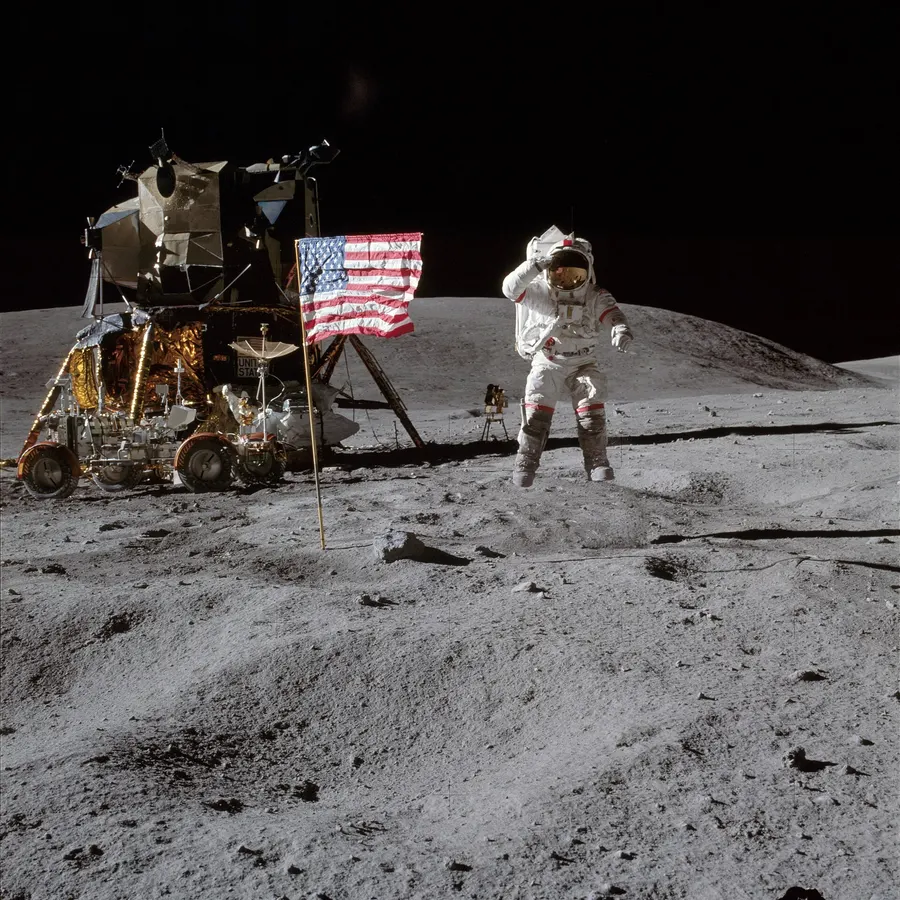
John Young leaps beside the flag and the lunar module Orion, photographed by Charles Duke during Apollo 16.John Young leaps beside the flag and the lunar module Orion, photographed by Charles Duke during Apollo 16.Image: Charlie Duke · Public domain
world · Global

Apollo 16 lands in the Moon’s highlands

Early on 21 April 1972 (universal time), the lunar module Orion carrying John Young and Charles Duke touched down near the Descartes crater, the first Apollo landing in the Moon’s rugged central highlands. Ken Mattingly stayed in lunar orbit aboard the command module Casper. Over three moonwalks totalling more than 20 hours, the pair drove a lunar rover, collected about 95 kilograms of rock and soil, and set up the first telescope on the Moon, an ultraviolet camera that photographed Earth’s outer atmosphere.

Source: NASA: Apollo 16 on the Moon at Descartes ↗
1975
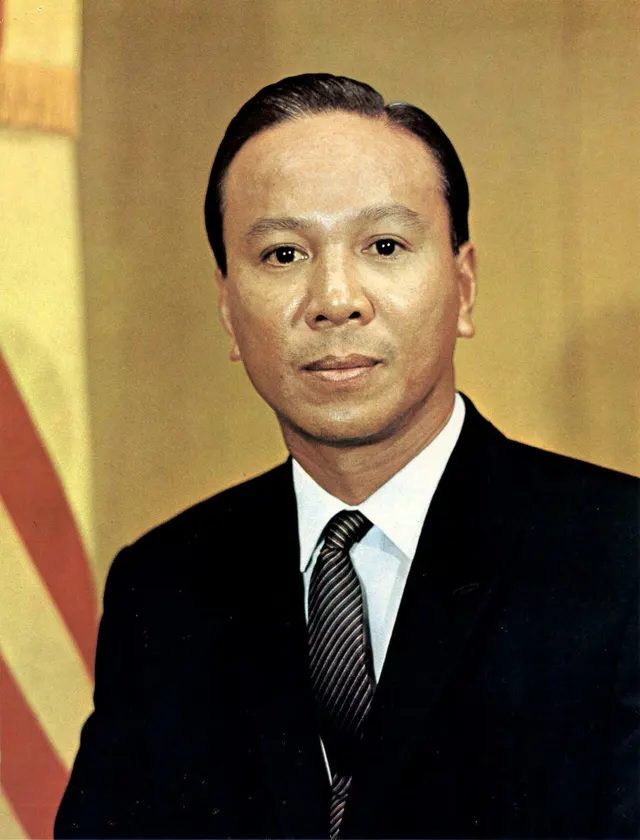
Nguyen Van Thieu in his official portrait as president of South Vietnam.Nguyen Van Thieu in his official portrait as president of South Vietnam.Image: JUSPAO / Office of the President of South Vietnam · Public domain

world · Asia

South Vietnam’s president resigns as Saigon is encircled

On 21 April 1975 Nguyen Van Thieu, president of South Vietnam, resigned in a long televised address, bitterly accusing the United States of abandoning his country. North Vietnamese forces had swept through the north and centre of the South in a matter of weeks and were closing on Saigon. Power passed briefly to his vice-president, Tran Van Huong, in the hope that a new leader could negotiate. Nine days later, on 30 April, northern tanks rolled into the presidential palace and the war was over.

Source: Britannica: Nguyen Van Thieu ↗
1977
Andrea McArdle as Annie, with Reid Shelton as Daddy Warbucks and Sandy the dog, in a 1977 publicity photograph.Andrea McArdle as Annie, with Reid Shelton as Daddy Warbucks and Sandy the dog, in a 1977 publicity photograph.Image: Martha Swope · Public domain
culture · Americas

Annie opens on Broadway

On 21 April 1977 the musical Annie opened at the Alvin Theatre in New York. Based on the Depression-era comic strip Little Orphan Annie, it followed a spirited orphan who wins over a gruff billionaire, Oliver Warbucks. With songs by Charles Strouse and Martin Charnin, including the defiantly cheerful ‘Tomorrow’, it took seven Tony Awards and ran for nearly six years, becoming a staple of school and amateur stages worldwide.

Source: IBDB (Internet Broadway Database): Annie, original production ↗
VI
2000 TO TODAY

Modern Day

The events of recent decades that have already become part of the historical record.

2019
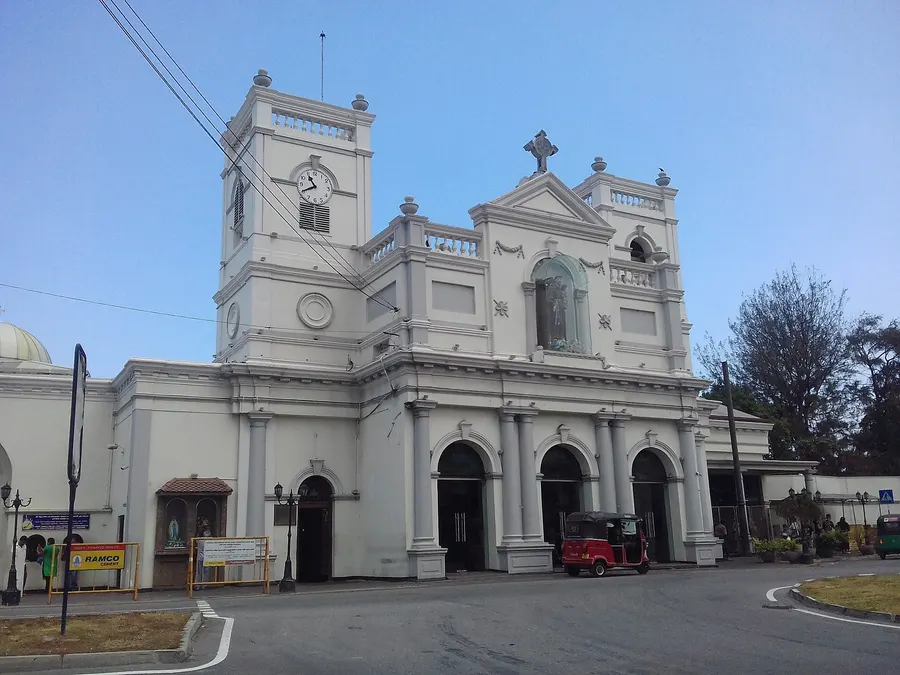
St Anthony's Shrine at Kochchikade in Colombo, one of the churches attacked.St Anthony’s Shrine at Kochchikade in Colombo, one of the churches attacked.Image: AntanO · CC BY-SA 4.0
world · Asia

Easter Sunday attacks in Sri Lanka

On the morning of 21 April 2019, suicide bombers struck three churches and several hotels in Colombo, Negombo and Batticaloa as Christians gathered for Easter services. More than 250 people were killed and hundreds injured. The United Nations and governments around the world condemned the attacks, and questions over missed warnings shaped Sri Lankan politics for years afterwards.

Source: Britannica: Sri Lanka bombings of 2019 ↗
RESEARCH

Sources & Further Reading

Selected authoritative references supporting the events on this page.

Britannica: Parilia↗World History Encyclopedia: Ancient Rome↗Stanford Encyclopedia of Philosophy: Saint Anselm↗Britannica: Saint Anselm of Canterbury↗Texas State Historical Association Handbook of Texas: San Jacinto, Battle of↗Britannica: Texas Revolution↗National Museum of Australia: Eight-hour day↗Australian Trade Union Institute: 21 April 1856, Melbourne stonemasons take action for the 8-hour day↗US Department of State, Office of the Historian: The Spanish-American War, 1898↗Library of Congress: Proclamation of the existence of war with Spain, 1898↗Australian War Memorial: Who killed the Red Baron?↗RAF Museum: The fall of the Red Baron↗Assemblée nationale: 21 avril 1944, l’accession des femmes au droit de vote↗Chemins de mémoire (French Ministry of the Armed Forces): 21 avril 1944, les Françaises obtiennent le droit de vote↗Britannica: Brasília↗UNESCO World Heritage Centre: Brasilia↗HistoryLink.org: Century 21 World’s Fair opens in Seattle on April 21, 1962↗Seattle Municipal Archives: Century 21 World’s Fair↗Britannica: The Colonels↗US Department of State, Office of the Historian: The military coup in Greece and the initial U.S. response↗NASA: Apollo 16 on the Moon at Descartes↗NASA NSSDCA: Apollo 16 Lunar Module/ALSEP↗Britannica: Nguyen Van Thieu↗Britannica: Vietnam War, the fall of South Vietnam↗IBDB (Internet Broadway Database): Annie, original production↗Playbill: On April 21, 1977, Annie opens on Broadway↗Britannica: Sri Lanka bombings of 2019↗UN News: UN, world leaders condemn Sri Lanka terrorist attacks targeting churches, hotels↗
WHY THESE MOMENTS?

Significance before volume

This page is not the longest possible list of events. It is a chronological journey through 21 April, where each entry is chosen for historical significance, human interest and reliability.

Facts are checked against authoritative museums, archives, universities and reference works. Where sources disagree, the page says so.

EXPLORED THE DEEPER STORY?

Return to the highlights of 21 April

Discover the lighter side of the date with famous birthdays, culture, firsts and lives remembered.

Explore This Day →
← PREVIOUS DAY20 April
HISTORY & TIMELINE21 April
NEXT DAY →22 April