
HISTORY & TIMELINE
18 April

A journey through
18 April in history

From Poland’s first royal coronation in 1025 to a day of naval battle in the Gulf in 1988, 18 April has seen the first stone of the new St Peter’s laid in Rome, Paul Revere ride for Lexington, London’s Natural History Museum open, Babe Ruth christen Yankee Stadium, the World Court sit for the first time and six nations pool their coal and steel. This timeline follows the date across nearly a thousand years.

JUMP THROUGH TIME
II
THE MIDDLE AGES

Medieval History

Kingdoms, conflict, faith, power and the changing medieval world.

1025
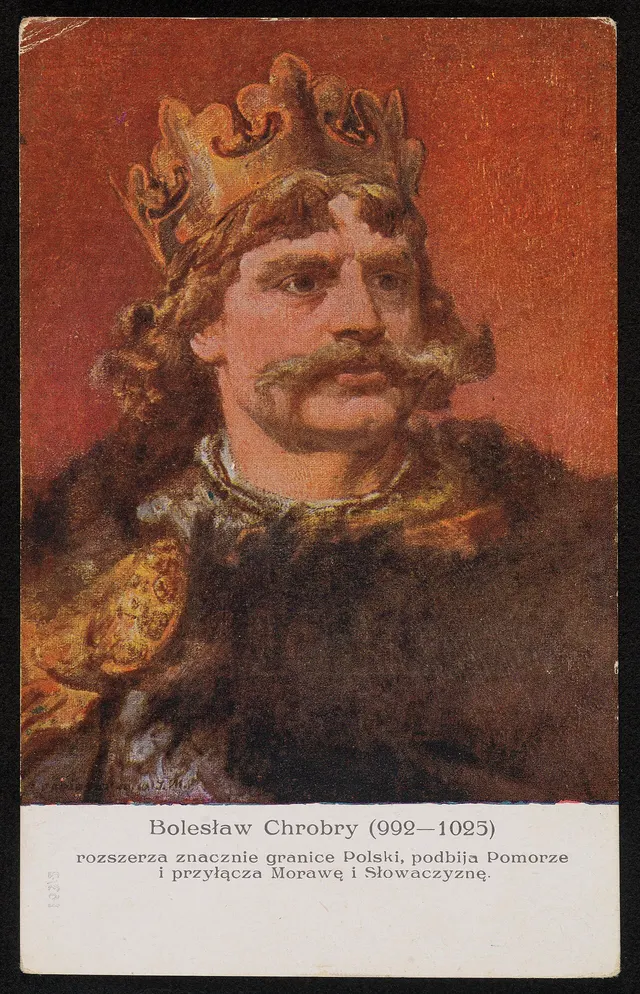
Bolesław I the Brave, as imagined by Jan Matejko in the 19th century.Bolesław I the Brave, as imagined by Jan Matejko in the 19th century.Image: Jan Matejko · Public domain
politics · Europe

Poland crowns its first king

By long tradition, Bolesław I the Brave was crowned the first King of Poland at Easter 1025, which fell on 18 April. The exact day and place are not recorded for certain, and historians argue for either Gniezno or Poznań. Bolesław had spent decades building up the Piast state and winning papal favour for a crown. He enjoyed it only briefly, dying that June.

Source: Polish Ministry of Education (ZPE): Boleslav I the Brave - Poland’s first king ↗
III
A CHANGING WORLD

Early Modern Era

Exploration, political change, scientific development and expanding global connections.

1506
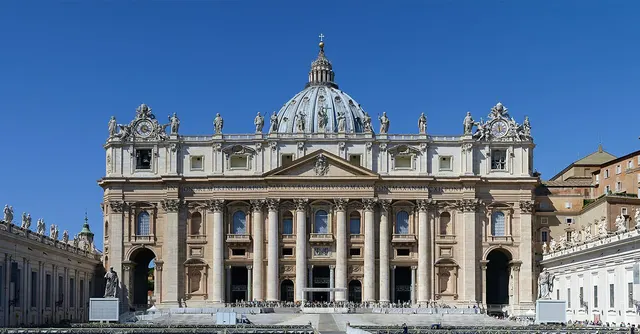
The facade and dome of St Peter's Basilica in Rome.The facade and dome of St Peter’s Basilica in Rome.Image: Alvesgaspar · CC BY-SA 4.0
culture · Europe

The first stone of the new St Peter’s

On 18 April 1506, Pope Julius II climbed down a ladder into a deep foundation pit in Rome and laid the first stone of a new St Peter’s Basilica. It was to replace the ageing church built under Constantine more than a thousand years earlier. Donato Bramante drew the first plan, a vast Greek cross under a dome. Michelangelo, Maderno and others reshaped it over the next 120 years, and the finished basilica was consecrated in 1626.

Source: Basilica di San Pietro: The Basilica ↗
1521
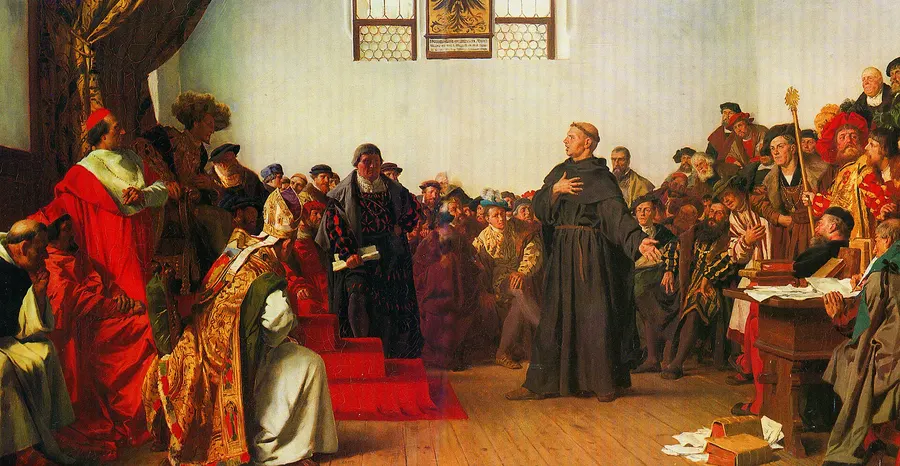
Luther before the Diet of Worms, in Anton von Werner's 19th-century painting.Luther before the Diet of Worms, in Anton von Werner’s 19th-century painting.Image: Anton von Werner · Public domain
culture · Europe

Luther refuses to recant at Worms

Summoned before Emperor Charles V at the Diet of Worms, Martin Luther had asked for a day to think when told to disown his books. On 18 April 1521 he gave his answer: unless shown wrong by Scripture or plain reason, he would take nothing back, because his conscience was bound to the Word of God. The famous line ‘Here I stand, I can do no other’ was probably added to the story later. A month on, the emperor declared Luther an outlaw, but his stand made the split in Western Christianity all but certain.

Source: Britannica: Martin Luther - Diet of Worms ↗
1775
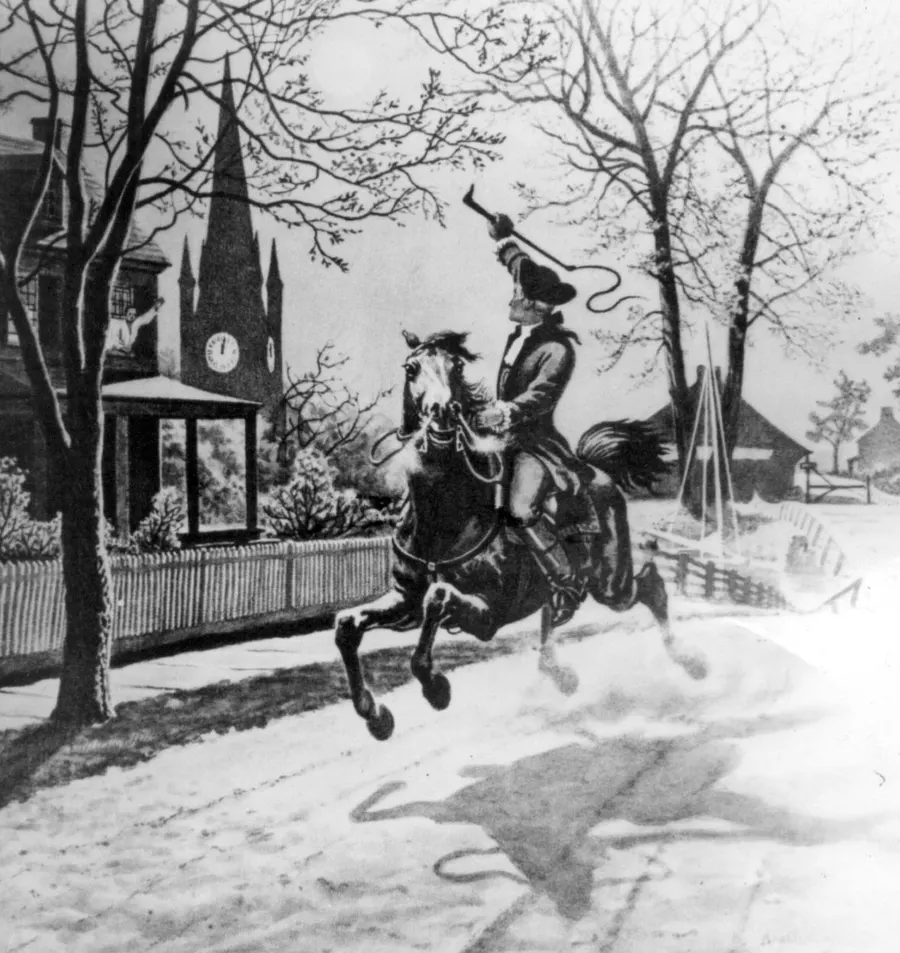
The midnight ride of Paul Revere in an illustration from the US Office of War Information.The midnight ride of Paul Revere in an illustration from the US Office of War Information.Image: Office of War Information · Public domain
world · Americas

Paul Revere rides to Lexington

On the evening of 18 April 1775, Boston’s patriot leader Joseph Warren learned that British troops were about to march into the countryside. Two lanterns were hung in the steeple of the Old North Church to show they were going by water, and Paul Revere was rowed across the Charles River to ride for Lexington. He and William Dawes warned local militia along the way. Fighting broke out at Lexington and Concord the next morning, beginning the American Revolutionary War.

Source: Paul Revere House: The Real Story of Revere’s Ride ↗
IV
THE NINETEENTH CENTURY

The 1800s

Industry, empire, invention, reform and a century of enormous transformation.

1881
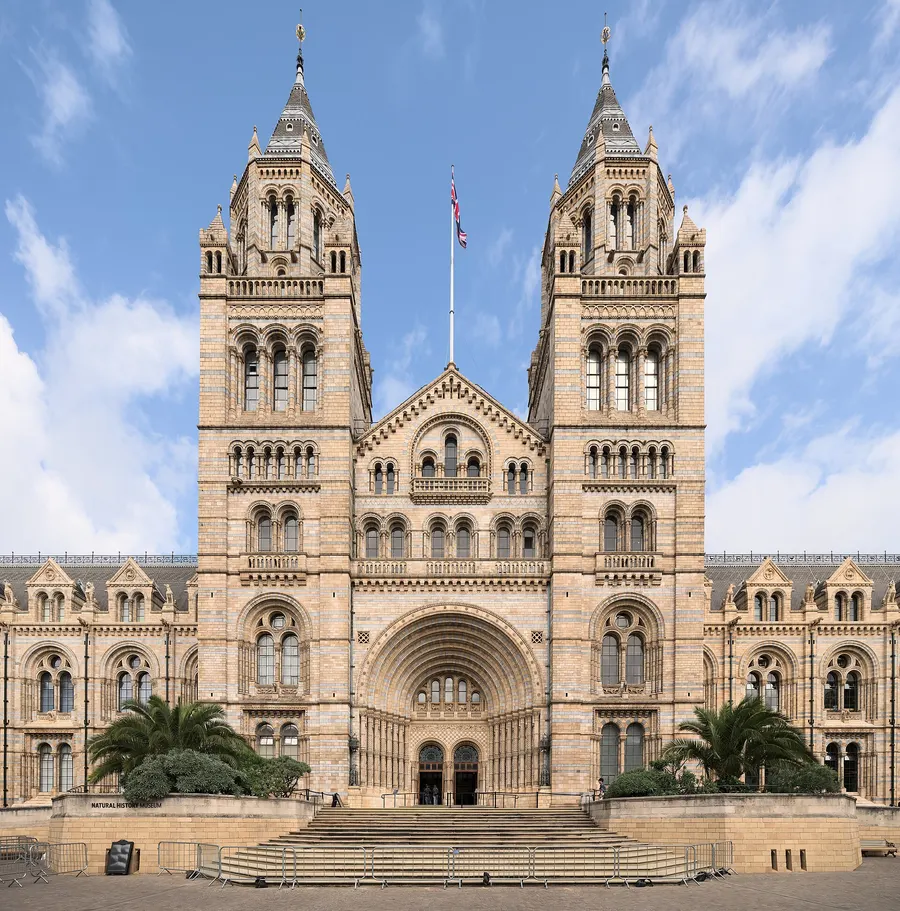
Alfred Waterhouse's terracotta front of the Natural History Museum on Cromwell Road, London.Alfred Waterhouse’s terracotta front of the Natural History Museum on Cromwell Road, London.Image: Daniel Lu (User:dllu) · CC BY-SA 4.0
science · Europe

London’s ‘cathedral to nature’ opens

The Natural History Museum in South Kensington opened its doors on 18 April 1881. Its specimens, which began with Sir Hans Sloane’s collection in the 1750s, had long outgrown the British Museum in Bloomsbury. Richard Owen, the first superintendent, wanted a free museum open to everyone, and Alfred Waterhouse gave it a building covered in terracotta animals and plants. It is now one of the world’s great centres of natural science research.

Source: Natural History Museum: History and architecture ↗
V
THE TWENTIETH CENTURY

The 1900s

War and peace, technological leaps, social change, politics, sport and popular culture.

1906
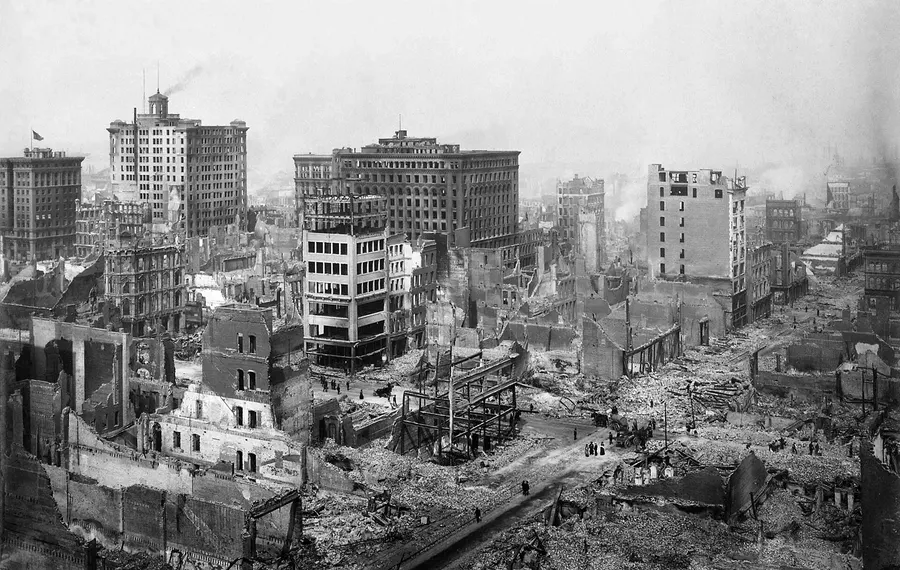
Ruins around Post Street and Grant Avenue after the 1906 earthquake and fire, looking north-east.Ruins around Post Street and Grant Avenue after the 1906 earthquake and fire, looking north-east.Image: Chadwick, H. D · Public domain
world · Americas

The great San Francisco earthquake

Just after five in the morning on 18 April 1906, the San Andreas fault slipped along almost 300 miles of northern California. The shaking lasted under a minute, but broken gas mains and toppled chimneys started fires that burned across San Francisco for days. At least 3,000 people died and more than half the city’s population lost their homes. Studying the torn ground afterwards, geologists developed the idea of elastic rebound, which still underpins how scientists explain earthquakes.

Source: USGS: The Great 1906 San Francisco Earthquake ↗
1923
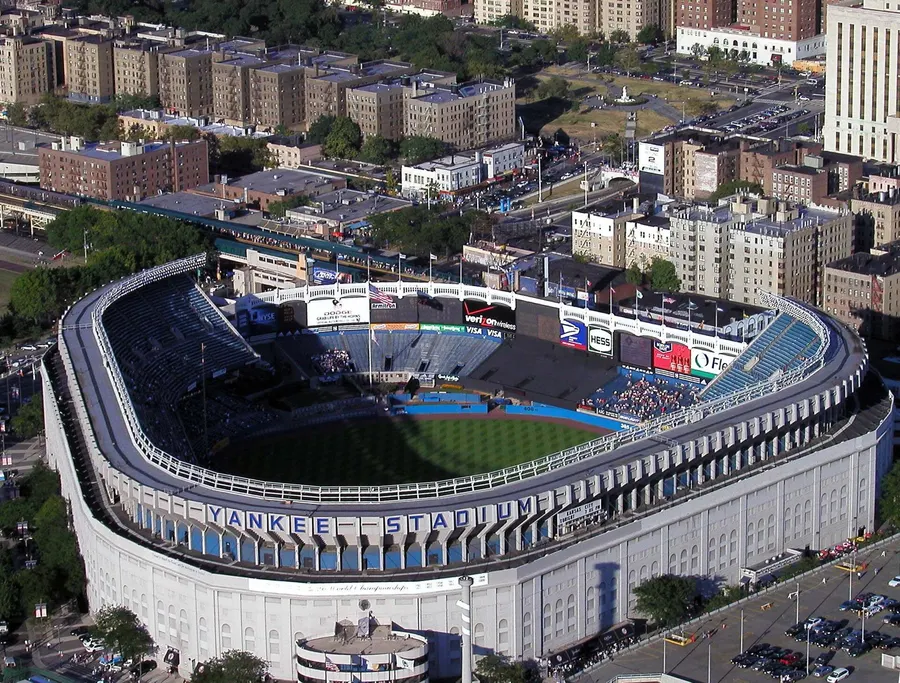
The original Yankee Stadium in the Bronx, seen from a helicopter.The original Yankee Stadium in the Bronx, seen from a helicopter.Image: Severin St. Martin · CC BY 2.0
sport · Americas

Yankee Stadium opens with a Ruth home run

The New York Yankees played their first game in their own stadium in the Bronx on 18 April 1923, beating the Boston Red Sox 4-1 in front of a record crowd. Babe Ruth, the reason so many fans came, hit a three-run home run into the right-field stands. A sportswriter soon called it ‘the House That Ruth Built’. The ballpark hosted World Series, boxing title fights and papal masses before closing in 2008.

Source: SABR Games Project: April 18, 1923, Babe Ruth homers in Yankee Stadium’s grand opening ↗
1942
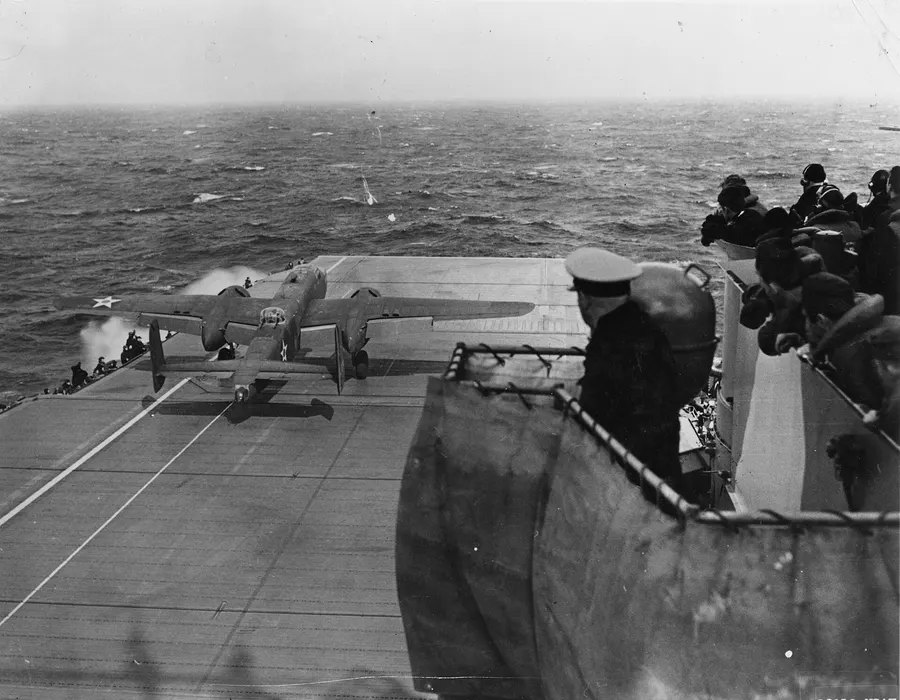
A B-25 bomber takes off from the deck of USS Hornet for the Doolittle Raid, 1942.A B-25 bomber takes off from the deck of USS Hornet for the Doolittle Raid, 1942.Image: AnonymousUnknown author · Public domain
world · Asia

The Doolittle Raid strikes Japan

On 18 April 1942, sixteen US Army B-25 bombers took off from the aircraft carrier Hornet, far out in the Pacific, led by Lieutenant Colonel James Doolittle. They bombed Tokyo, Yokohama, Nagoya and Kobe, then flew on towards China, where most crews bailed out or crash-landed. The damage was small, but the raid lifted American spirits four months after Pearl Harbor. It also pushed Japan’s commanders towards the attack on Midway.

Source: Naval History and Heritage Command: Doolittle Raid ↗
1946
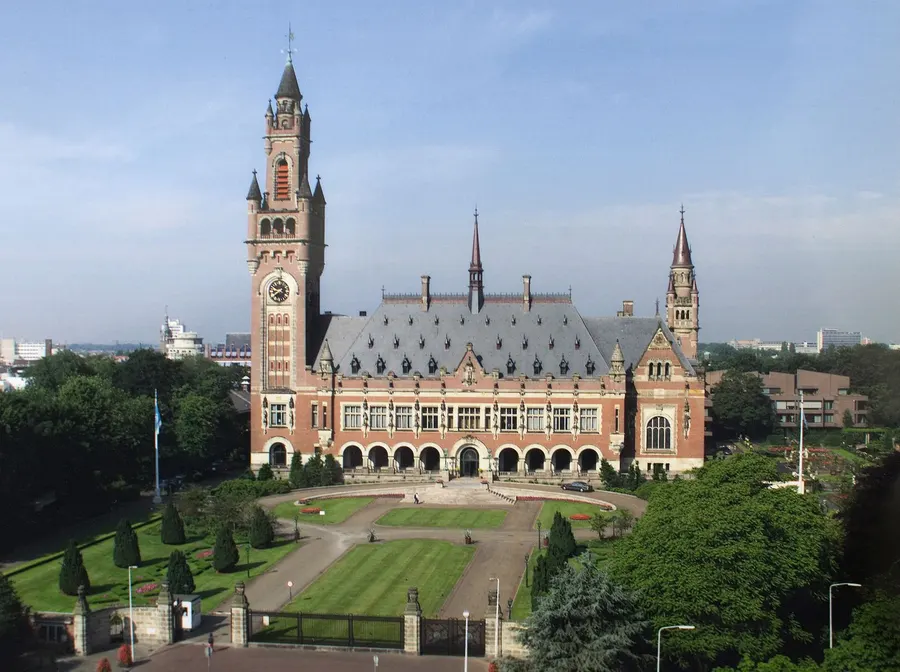
The Peace Palace in The Hague, seat of the International Court of Justice.The Peace Palace in The Hague, seat of the International Court of Justice.Image: International Court of Justice · Public domain
world · Global

The World Court opens in The Hague

The International Court of Justice held its inaugural sitting in the Peace Palace in The Hague on 18 April 1946. On the same day in Geneva, the League of Nations Assembly wound up the Permanent Court of International Justice, the body it replaced. The new court became the principal judicial organ of the United Nations, settling disputes between states. Its fifteen judges still sit in the same building.

Source: International Court of Justice: The Court commemorates the 75th anniversary of its inaugural sitting ↗
1949
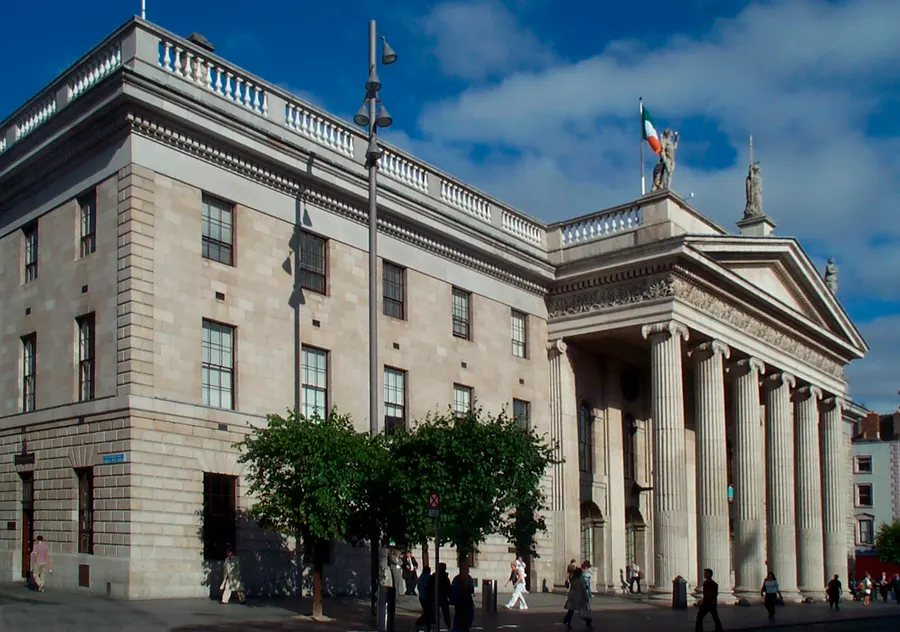
The General Post Office on O'Connell Street, Dublin, headquarters of the 1916 Easter Rising.The General Post Office on O’Connell Street, Dublin, headquarters of the 1916 Easter Rising.Image: Copyright © 2006 Kaihsu Tai · CC BY-SA 3.0
politics · Europe

Ireland becomes a republic

The Republic of Ireland Act came into force on Easter Monday, 18 April 1949, cutting the state’s last formal tie to the British Crown. The date was chosen to mark the 33rd anniversary of the 1916 Easter Rising. Crowds gathered on O’Connell Street in Dublin to celebrate. Soon afterwards Ireland left the Commonwealth, while Northern Ireland remained part of the United Kingdom.

Source: Irish Statute Book: S.I. No. 27/1949, Republic of Ireland Act (Commencement) Order ↗
1951
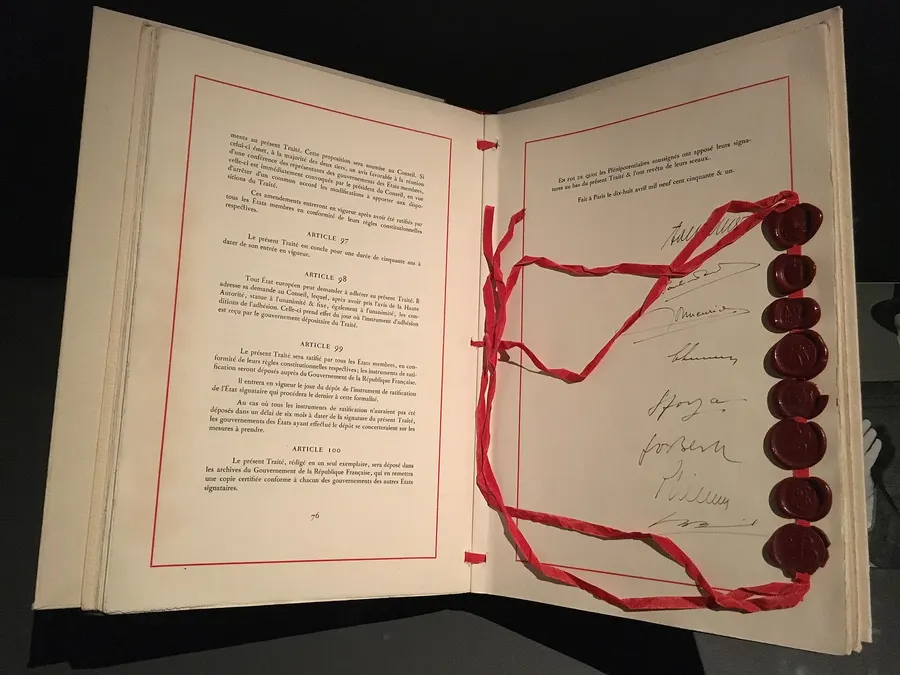
The signed and sealed Treaty of Paris of 18 April 1951, which created the European Coal and Steel Community.The signed and sealed Treaty of Paris of 18 April 1951, which created the European Coal and Steel Community.Image: Marc Baronnet · CC BY-SA 4.0
world · Europe

Six nations pool their coal and steel

In Paris on 18 April 1951, the foreign ministers of Belgium, France, West Germany, Italy, Luxembourg and the Netherlands signed the treaty creating the European Coal and Steel Community. Putting the raw materials of war under a shared authority was meant to make another war between France and Germany unthinkable. The community began work in 1952. It was the first step towards what became the European Union.

Source: CVCE (University of Luxembourg): Treaty establishing the European Coal and Steel Community (Paris, 18 April 1951) ↗
1955
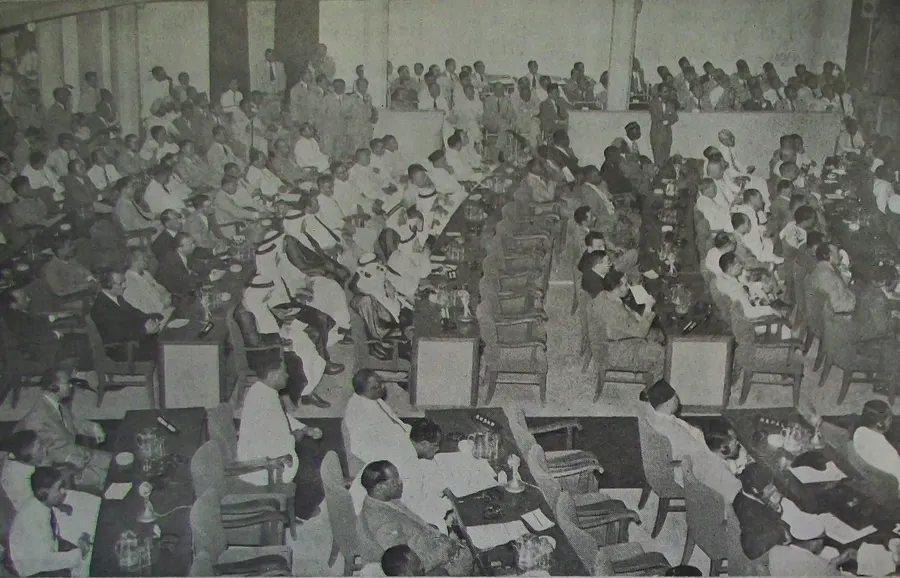
Delegates at a plenary session of the Bandung Conference, April 1955.Delegates at a plenary session of the Bandung Conference, April 1955.Image: Foreign Ministry of the Republic of Indonesia · Public domain
politics · Asia

Asia and Africa meet at Bandung

On 18 April 1955, delegates from 29 Asian and African countries gathered in the Indonesian hill city of Bandung, opened by President Sukarno. Between them they spoke for more than half of the world’s people, many of whom had only recently thrown off colonial rule. Over a week, leaders such as Nehru, Zhou Enlai and Nasser discussed decolonisation, development and how to stay out of the Cold War’s two camps. Their final declaration helped lay the ground for the Non-Aligned Movement.

Source: US Office of the Historian: Bandung Conference (Asian-African Conference), 1955 ↗
1980
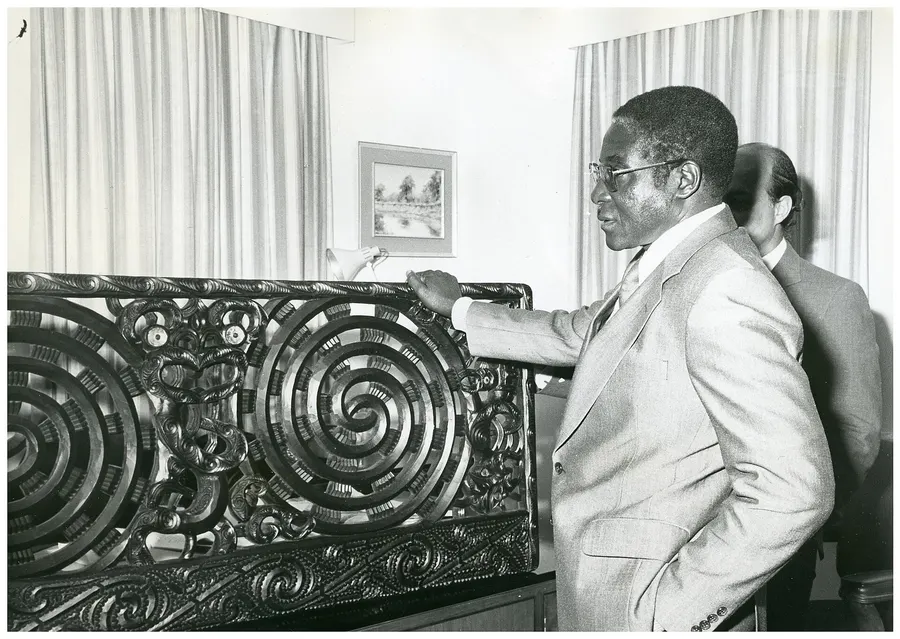
Robert Mugabe, Zimbabwe's first prime minister, in 1980 (Archives New Zealand).Robert Mugabe, Zimbabwe’s first prime minister, in 1980 (Archives New Zealand).Image: Archives New Zealand from New Zealand · CC BY-SA 2.0
world · Africa

Zimbabwe becomes independent

At midnight on 18 April 1980, the British flag was lowered at Rufaro Stadium in Salisbury and the flag of Zimbabwe raised in its place. After decades of white-minority rule and a long liberation war, the former Southern Rhodesia became a sovereign state. Robert Mugabe, whose party had won the elections weeks earlier, became prime minister, with Canaan Banana as president. Bob Marley played at the celebrations, and 18 April remains the country’s national holiday.

Source: South African History Online: Zimbabwean Independence Day ↗
1988
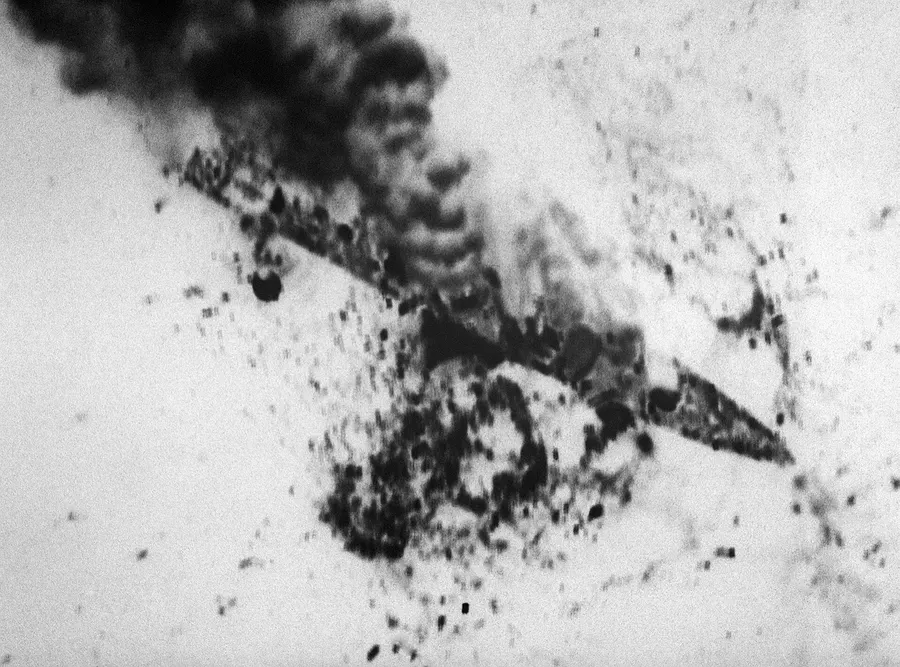
The Iranian frigate Sahand burning after attacks by US Navy aircraft on 18 April 1988.The Iranian frigate Sahand burning after attacks by US Navy aircraft on 18 April 1988.Image: Red Baron · Public domain
world · Middle East

A day of naval battle in the Gulf

On 18 April 1988, late in the Iran-Iraq War, the US Navy attacked Iranian oil platforms and warships in the Persian Gulf. It was retaliation for a mine that had badly damaged the frigate Samuel B. Roberts four days earlier. By sunset several Iranian vessels had been sunk or disabled. Operation Praying Mantis was the largest American surface naval action since the Second World War.

Source: Naval History and Heritage Command: Operation Praying Mantis ↗
RESEARCH

Sources & Further Reading

Selected authoritative references supporting the events on this page.

Polish Ministry of Education (ZPE): Boleslav I the Brave - Poland’s first king↗State Archives in Katowice: A thousand years of Polish history - anniversary of the coronation of Bolesław Chrobry↗Basilica di San Pietro: The Basilica↗Britannica: St. Peter’s Basilica↗Britannica: Martin Luther - Diet of Worms↗Britannica: Diet of Worms↗Paul Revere House: The Real Story of Revere’s Ride↗Britannica: Paul Revere↗Natural History Museum: History and architecture↗Britannica: Natural History Museum↗USGS: The Great 1906 San Francisco Earthquake↗USGS: M 7.9 April 18, 1906 San Francisco Earthquake↗SABR Games Project: April 18, 1923, Babe Ruth homers in Yankee Stadium’s grand opening↗Wikipedia: Yankee Stadium (1923)↗Naval History and Heritage Command: Doolittle Raid↗Britannica: Doolittle Raid↗International Court of Justice: The Court commemorates the 75th anniversary of its inaugural sitting↗United Nations: Reflections on the 75th Anniversary of the International Court of Justice↗Irish Statute Book: S.I. No. 27/1949, Republic of Ireland Act (Commencement) Order↗Britannica: Republic of Ireland Act↗CVCE (University of Luxembourg): Treaty establishing the European Coal and Steel Community (Paris, 18 April 1951)↗Britannica: Treaty of Paris (1951)↗US Office of the Historian: Bandung Conference (Asian-African Conference), 1955↗Britannica: Bandung Conference↗South African History Online: Zimbabwean Independence Day↗Britannica: Zimbabwe - Rhodesia and the UDI↗Naval History and Heritage Command: Operation Praying Mantis↗US Naval Institute: One Day of War↗
WHY THESE MOMENTS?

Significance before volume

This page is not the longest possible list of events. It is a chronological journey through 18 April, where each entry is chosen for historical significance, human interest and reliability.

Facts are checked against authoritative museums, archives, universities and reference works. Where sources disagree, the page says so.

EXPLORED THE DEEPER STORY?

Return to the highlights of 18 April

Discover the lighter side of the date with famous birthdays, culture, firsts and lives remembered.

Explore This Day →
← PREVIOUS DAY17 April
HISTORY & TIMELINE18 April
NEXT DAY →19 April