Explore 23 April

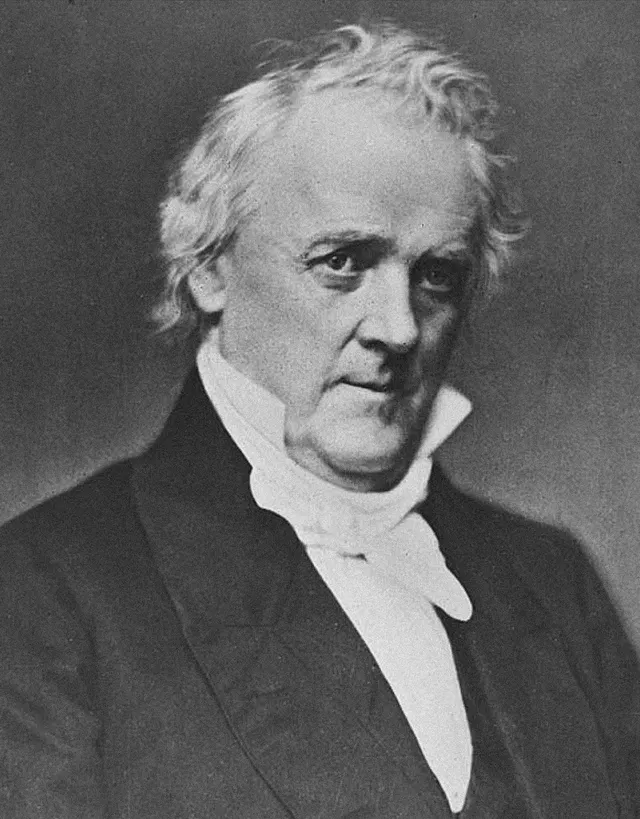
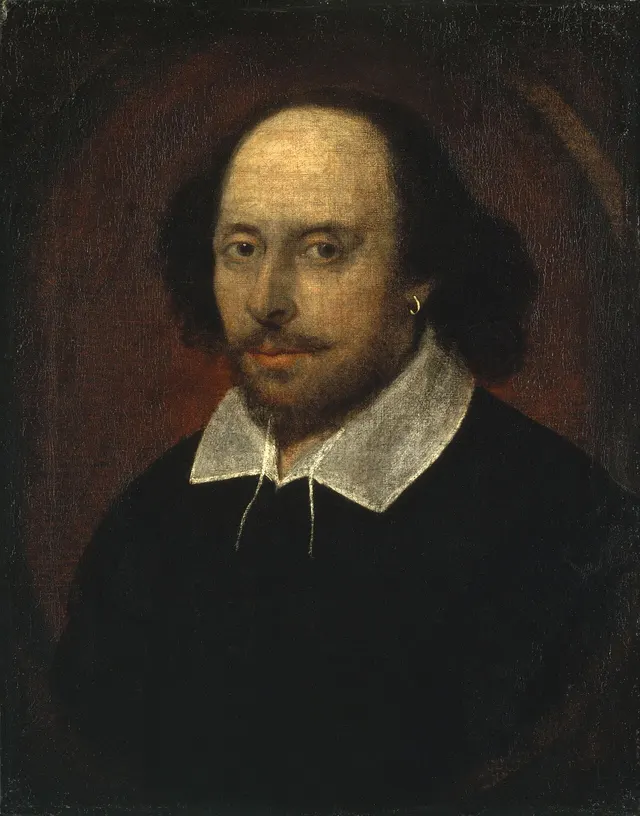
Explore 23 April: Brian Boru’s army meets the Norse and Leinster alliance at Clontarf, Bavaria sets down its beer purity law, a new Turkish parliament opens in Ankara and Eritreans begin voting for independence. Meet James Buchanan, Shirley Temple and Ray Tomlinson, born on this date, and remember William Shakespeare.

This day through time →12 verified events across 5 eras

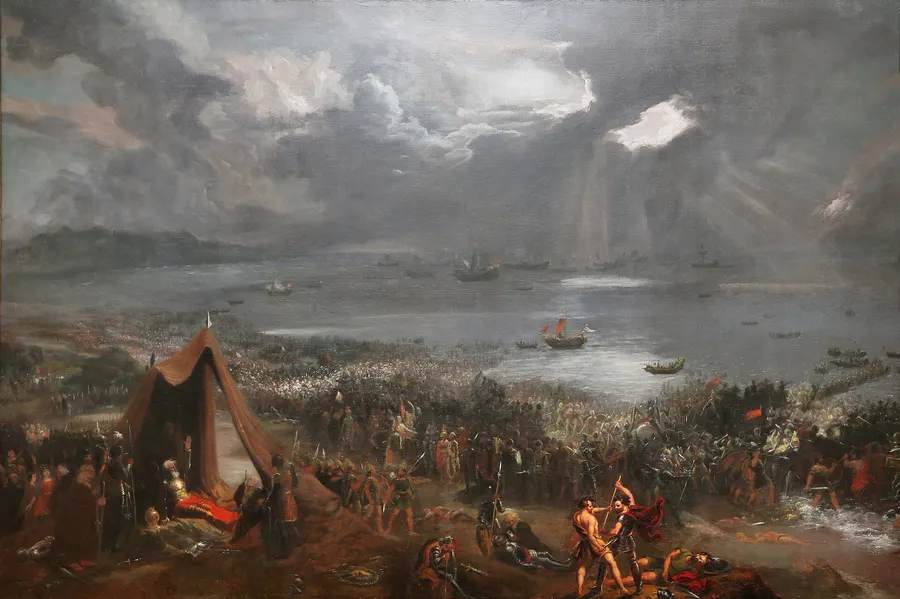
The Battle of Clontarf, painted by Hugh Frazer in 1826, more than eight centuries after the battle.
Image creditHugh Frazer · Public domainResized and cropped for display.

Brian Boru’s army fights at Clontarf

On 23 April 1014, Good Friday, the forces of Brian Boru, High King of Ireland, met an alliance of the Norse king of Dublin, the king of Leinster and Viking fighters from Orkney and the Isle of Man on the shore at Clontarf, north of Dublin. The fighting lasted most of the day and the losses on both sides were unusually heavy.

Brian’s side held the field, but the elderly king was killed in his tent by a retreating Norseman, and his son and grandson also died. Later tradition turned the battle into a national victory over the Vikings, although historians now see it as much a struggle among Irish kingdoms, with Irish and Norse fighting on both sides.

Read the full storyHistory & Timeline →Source: EBSCO Research Starters: Battle of Clontarf ↗
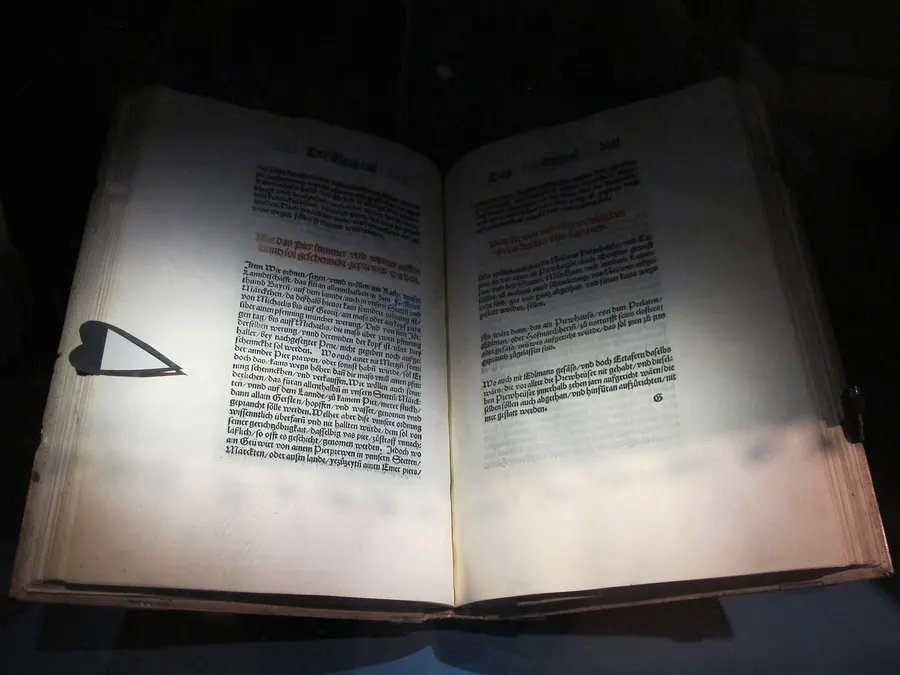
The 1516 Bavarian state ordinance containing the beer rules, on display at the Bavarian state exhibition at Aldersbach in 2016.
Image creditLuidger · CC BY-SA 3.0Resized and cropped for display.

Bavaria’s beer purity law is issued at Ingolstadt

On 23 April 1516 Duke Wilhelm IV of Bavaria issued an ordinance at Ingolstadt, before an assembly of nobles and knights, laying down that beer across the duchy could be brewed only from barley, hops and water. Yeast was not named because its role in brewing was not yet understood.

The rules also fixed the price of beer through the year and threatened to confiscate any beer brewed against them. Keeping wheat and rye out of the brewhouse helped protect bakers’ supplies of bread grain. The ordinance later became known as the Reinheitsgebot, and German brewers still cite it five centuries on.

Read the full storyHistory & Timeline →Source: Historisches Lexikon Bayerns: Purity Law, 1516 ↗
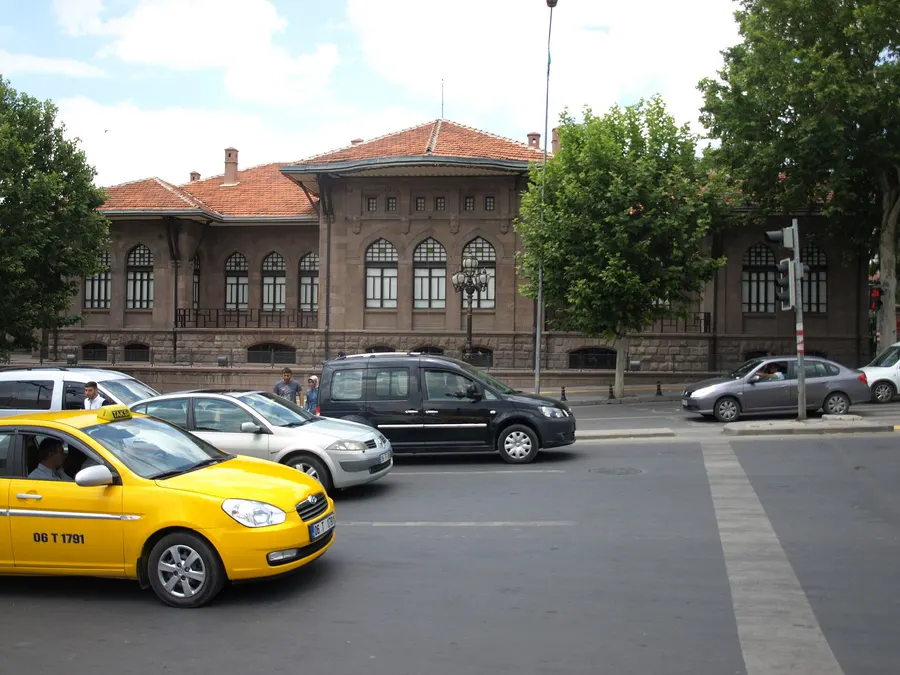
The first Grand National Assembly building in Ankara, now the Museum of the War of Independence.
Image creditHajo-Muc · CC BY-SA 4.0Resized and cropped for display.

A new Turkish parliament opens in Ankara

On 23 April 1920 the Grand National Assembly met for the first time in a modest building in Ankara. Allied forces had occupied Istanbul the month before and the Ottoman parliament had been closed, so deputies who escaped arrest joined representatives of the Anatolian resistance to form a new assembly.

The next day it elected Mustafa Kemal as its president. The assembly directed the war of independence, rejected the Treaty of Sèvres and in 1923 proclaimed the Republic of Turkey. Turkey marks the date each year as National Sovereignty and Children’s Day.

Read the full storyHistory & Timeline →Source: Britannica: Grand National Assembly (Turkish history) ↗
A 2023 sign marking 30 years since the referendum, with its 99.8 per cent 'Yes' result.
A 2023 sign marking 30 years since the referendum, with its 99.8 per cent ‘Yes’ result.
Image creditDan Sloan · CC BY-SA 2.0Resized and cropped for display.

Eritreans begin voting on independence

On 23 April 1993 polling opened in Eritrea’s referendum on independence from Ethiopia, and voting continued until 25 April. It followed three decades of armed struggle that ended when the Eritrean People’s Liberation Front took Asmara in 1991.

About 98 per cent of registered voters took part, and 99.8 per cent of them chose independence. A United Nations observer mission, UNOVER, joined observers from the Organization of African Unity and others in judging the vote free and fair. Eritrea declared independence the following month.

Read the full storyHistory & Timeline →Source: UN Photo: United Nations Observer Mission to Verify the Referendum in Eritrea (UNOVER) ↗
♙
PEOPLE

Born Today

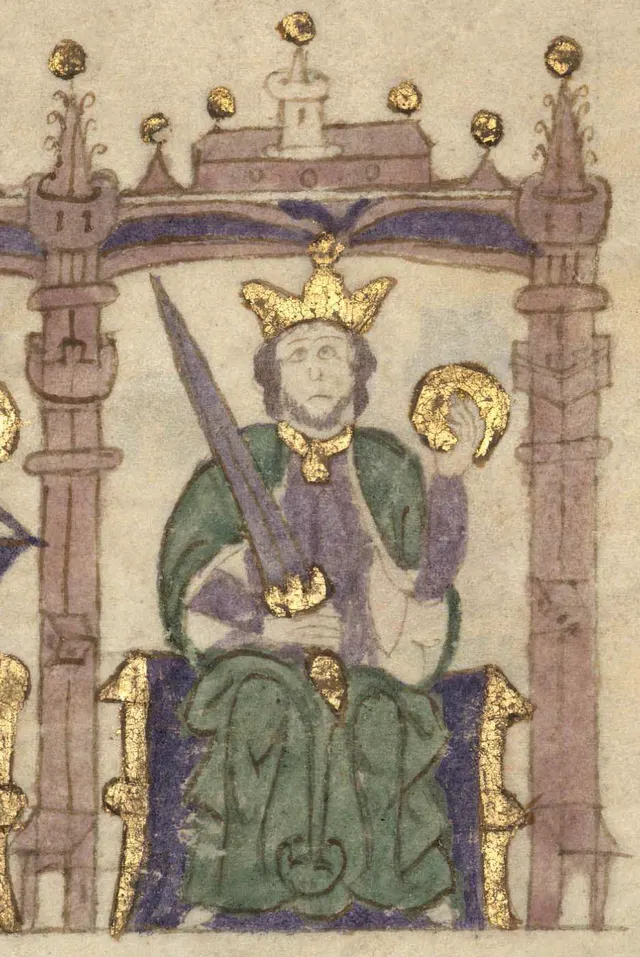
Afonso II of Portugal
Image creditUnknown author · Public domainResized and cropped for display.

Afonso II of Portugal

Third king of Portugal, who issued the kingdom’s first general laws.

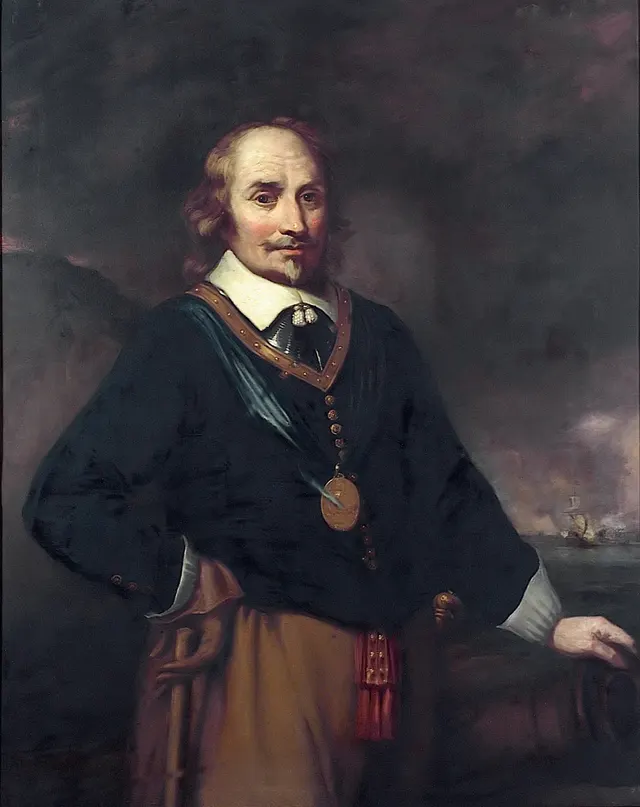
Maarten Tromp
Image creditAfter Jan Lievens · Public domainResized and cropped for display.

Maarten Tromp

Dutch admiral who led his country’s fleet in the wars with Spain and England.

Shirley Temple
Image creditUnknown author · Public domainResized and cropped for display.

Shirley Temple

American child film star of the 1930s who later served as a diplomat.

Ray Tomlinson
Image creditAndreu Veà, WiWiW.org · CC BY-SA 3.0Resized and cropped for display.

Ray Tomlinson

American engineer who sent the first networked email and chose the @ sign for addresses.

Judy Davis
Image creditEva Rinaldi · CC BY-SA 2.0Resized and cropped for display.

Judy Davis

Australian actress known for My Brilliant Career and A Passage to India.

Lee Young-pyo
Image creditLord Bob · CC0Resized and cropped for display.

Lee Young-pyo

South Korean footballer who played in three World Cups.

◉
IDEAS THAT CHANGED THINGS

Firsts, Science & Discoveries

Vladimir Komarov, the cosmonaut who flew Soyuz 1.
Image creditВалентин Черединцев / ТАСС · CC BY 4.0Resized and cropped for display.

Soyuz 1 carries Vladimir Komarov into orbit

On 23 April 1967 Vladimir Komarov was launched from Baikonur, in what is now Kazakhstan, on the first crewed flight of the Soviet Union’s new Soyuz spacecraft. Almost at once one of its two solar panels failed to open, cutting the craft’s power and upsetting the sensors it needed to steer.

A planned second launch to meet him was cancelled and he was brought home early. During the descent on 24 April the main parachute failed and Komarov was killed, the first person to die during a space flight. Soyuz was redesigned and remains in service.

Read the full storyHistory & Timeline →Source: NASA Office of Safety and Mission Assurance: The Mission of Soyuz-1 ↗
☆
SPORTING HISTORY

Sporting Moments

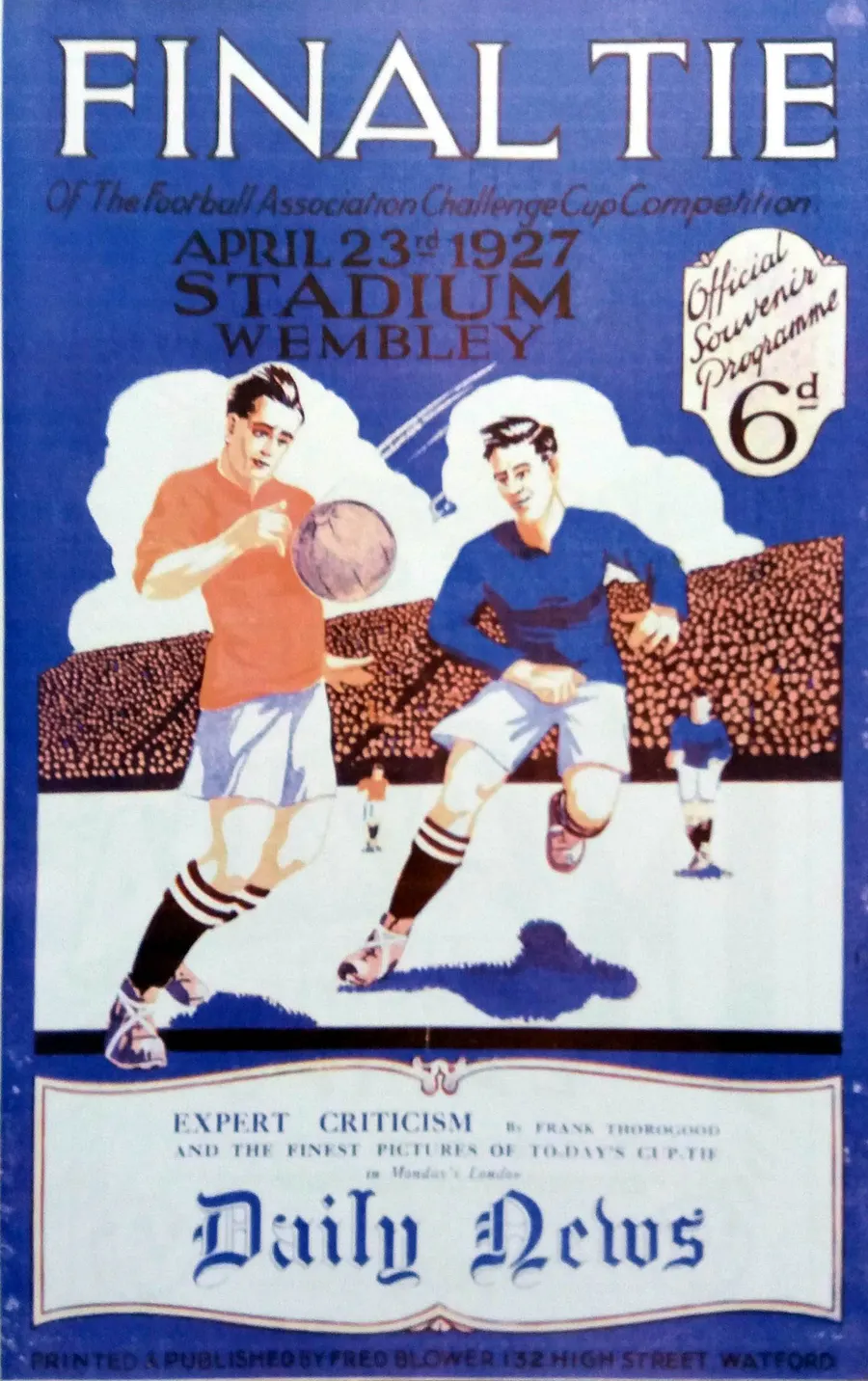
The cover of the programme for the 1927 FA Cup final at Wembley, dated 23 April 1927.
Image creditUnknown author · Public domainResized and cropped for display.

Cardiff City take the FA Cup out of England

On 23 April 1927 Cardiff City beat Arsenal 1-0 in the FA Cup final at Wembley, watched by more than 91,000 people. The only goal came in the 75th minute, when a low shot from Hughie Ferguson slipped from the grasp of Arsenal’s goalkeeper, Dan Lewis, and rolled over the line.

It remains the only time the cup has been won by a club from outside England. Lewis blamed his new, shiny jersey, and Arsenal are said to have washed new goalkeeping shirts before use ever since.

Read the full storyHistory & Timeline →Source: BFI Player: Cup Final 1927 (newsreel) ↗
♫
MUSIC • FILM • BOOKS • CULTURE

Culture Stories

YouTube co-founder Jawed Karim, who posted the first video, photographed in 2008.
Image creditRobin Brown · Public domainResized and cropped for display.

The first video goes up on YouTube

On 23 April 2005 Jawed Karim, one of the three founders of YouTube, uploaded a 19-second clip called ‘Me at the zoo’. Filmed by a school friend at San Diego Zoo, it shows him in front of the elephants remarking on their long trunks.

The site was still weeks from its public launch. Within two decades YouTube had become one of the most visited websites in the world, and the unremarkable clip, still online, has been watched hundreds of millions of times.

Read the full storyHistory & Timeline →Source: Smithsonian Magazine: Watch the first-ever video uploaded to YouTube ↗
✦
LIVES REMEMBERED

Remembered Today

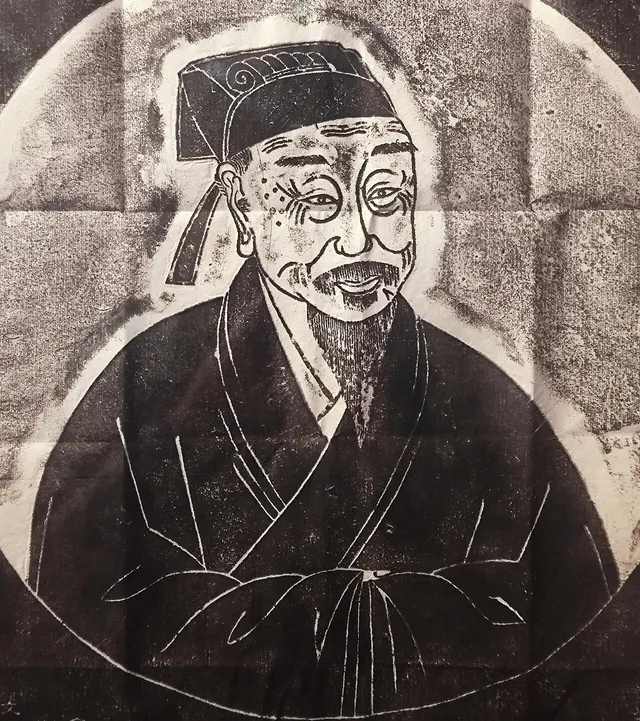
Zhu Xi
Image credit向史公哲曰 · CC BY-SA 4.0Resized and cropped for display.

Zhu Xi

Chinese philosopher whose reading of Confucius shaped education and government in East Asia for centuries.

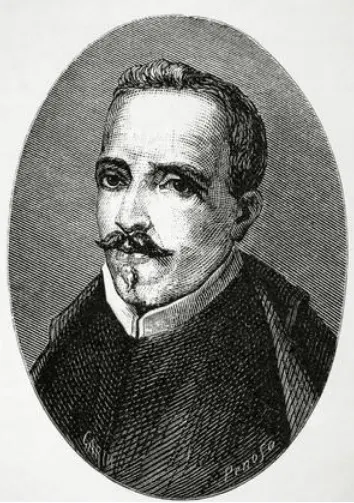
Inca Garcilaso de la Vega
Image creditCarlos Penoso · Public domainResized and cropped for display.

Inca Garcilaso de la Vega

Peruvian-born historian, son of a Spanish captain and an Inca princess, who wrote a history of the Inca.

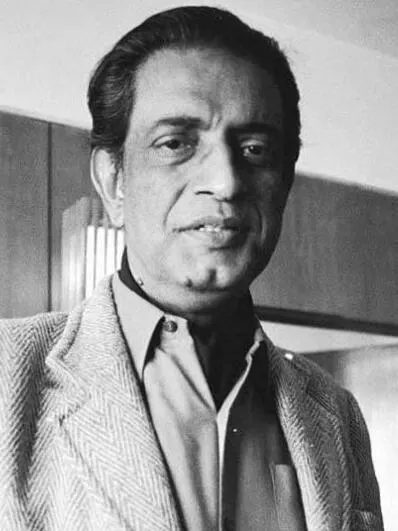
Satyajit Ray
Image creditDinu Alam Newyork · CC BY-SA 4.0Resized and cropped for display.

Satyajit Ray

Indian film-maker whose Apu trilogy brought Indian cinema to world audiences.

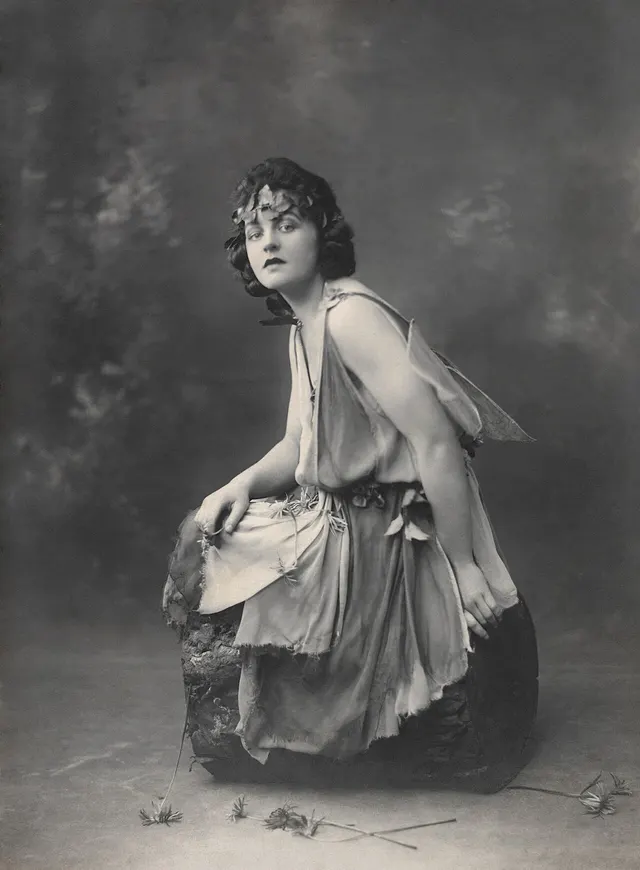
P. L. Travers
Image creditAdam Cuerden · Public domainResized and cropped for display.

P. L. Travers

Australian-born writer who created Mary Poppins.

☉
AROUND THE WORLD

Observances & Anniversaries

Saint George and the Dragon, painted by Raphael around 1506 (National Gallery of Art, Washington).
Image creditRaphael · CC0Resized and cropped for display.

St George’s Day

23 April is the feast of St George, a soldier-martyr believed to have died near Lydda, in Palestine, in the early 4th century. Little about his life is certain, and the dragon story was added centuries later, but he is honoured by Christians across Europe and the Middle East.

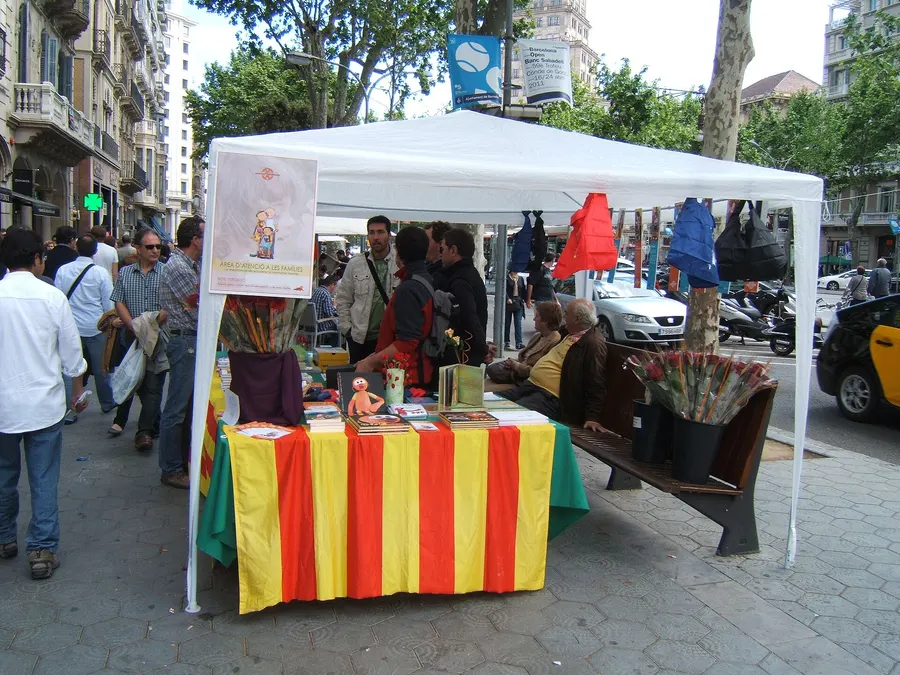
He is the patron saint of England, where his day was made a major feast in 1415, and also of Georgia, Catalonia and several other places. In Catalonia it is Sant Jordi, when people exchange roses and books.

Source: Catholic Encyclopedia (New Advent): St. George ↗
A bookstall decked in Catalan colours on Passeig de Gràcia, Barcelona, for the Sant Jordi book and rose day.
Image creditFrancis Lenn · CC BY 2.0Resized and cropped for display.

World Book and Copyright Day

In 1995 UNESCO chose 23 April as a day to celebrate books, reading and authors’ rights. The date recalls writers who died on or around it in 1616, among them William Shakespeare, Miguel de Cervantes and the Inca Garcilaso de la Vega, although their deaths did not fall on the same day in the same calendar. Each year UNESCO also names a World Book Capital.

Source: United Nations: World Book and Copyright Day ↗
HISTORY & TIMELINE

Finished the highlights?

Follow 23 April chronologically, from the Middle Ages to the modern day, with 12 verified events and the sources behind them.

This day through time →