Explore 24 April

Explore 24 April: the Easter Rising begins in Dublin, John Adams signs the act that creates the Library of Congress, Charles V routs the Protestant princes at Mühlberg and the Hubble Space Telescope rides into orbit aboard Discovery. Meet William the Silent, Anthony Trollope and Sachin Tendulkar, born on this date, and remember Daniel Defoe.

This day through time →13 verified events across 4 eras

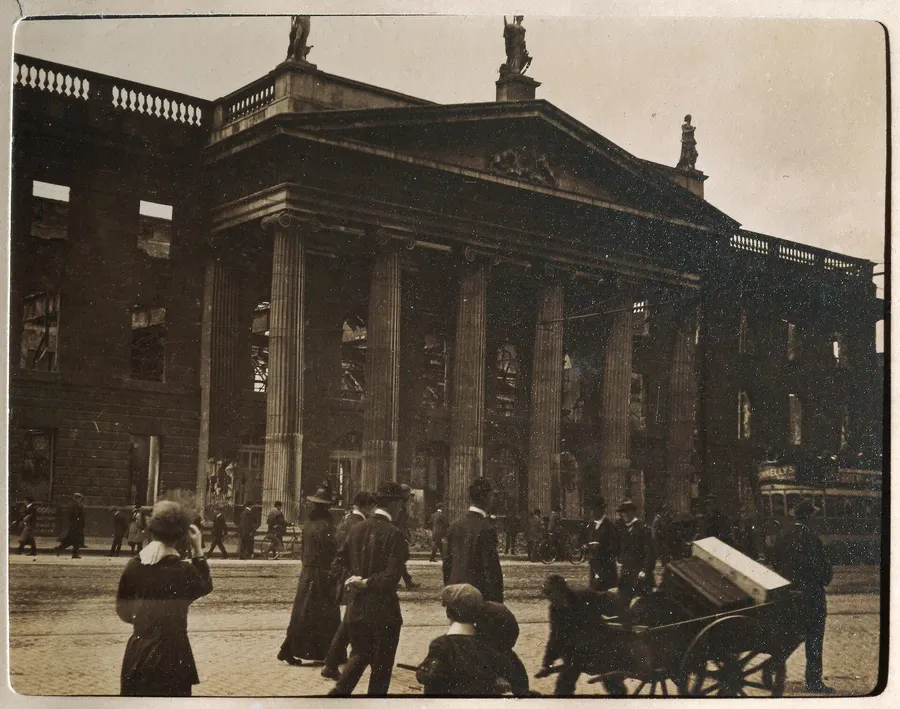
The shell of the General Post Office in Dublin, the rebels' headquarters, photographed by Thomas Johnson Westropp on 17 May 1916.
The shell of the General Post Office in Dublin, the rebels’ headquarters, photographed by Thomas Johnson Westropp on 17 May 1916.
Image creditThomas Johnson Westropp · CC0Resized and cropped for display.

The Easter Rising begins in Dublin

On 24 April 1916, Easter Monday, members of the Irish Volunteers and the Irish Citizen Army took over key buildings in Dublin, including the General Post Office on Sackville Street. Shortly after midday Patrick Pearse stood outside the GPO and read a proclamation declaring an Irish Republic.

The rebels held out for six days against growing numbers of British troops before surrendering on 29 April. The execution of fifteen leaders in the weeks that followed turned much of Irish opinion towards the cause of independence.

Read the full storyHistory & Timeline →Source: Century Ireland (RTÉ): Chronology of the Easter Rising ↗
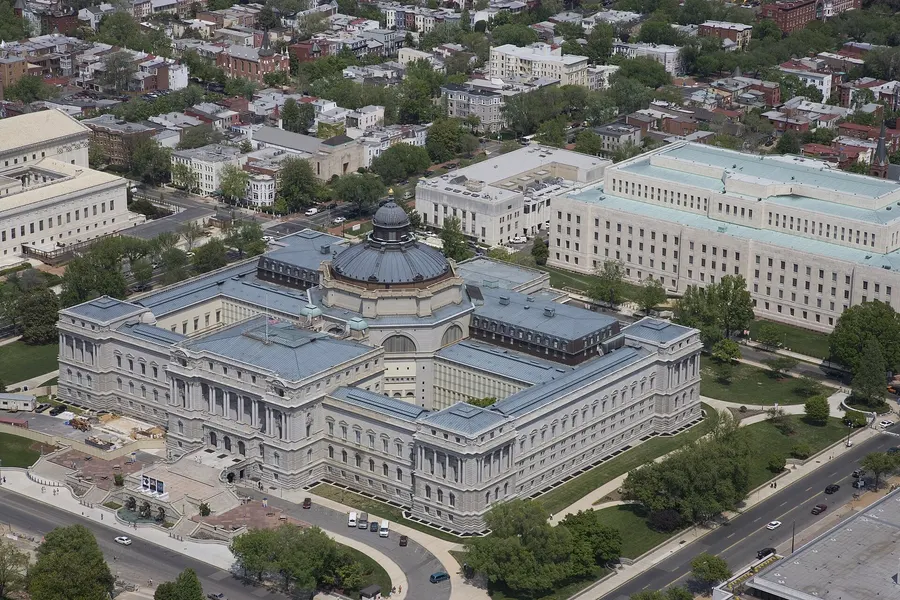
The Library of Congress's Thomas Jefferson Building in Washington, from the air (Carol M. Highsmith).
The Library of Congress’s Thomas Jefferson Building in Washington, from the air (Carol M. Highsmith).
Image creditCarol M. Highsmith · CC BY-SA 3.0Resized and cropped for display.

John Adams creates the Library of Congress

On 24 April 1800 President John Adams signed the act moving the American seat of government from Philadelphia to Washington, which set aside $5,000 for ‘such books as may be necessary for the use of Congress’. The first books were ordered from London and arrived in 1801, to be kept in the Capitol.

When British troops burned the Capitol in 1814 the small collection was lost, and Thomas Jefferson sold his own library of more than 6,000 volumes to replace it. The Library of Congress is now the oldest federal cultural institution in the United States.

Read the full storyHistory & Timeline →Source: Library of Congress: History of the Library ↗
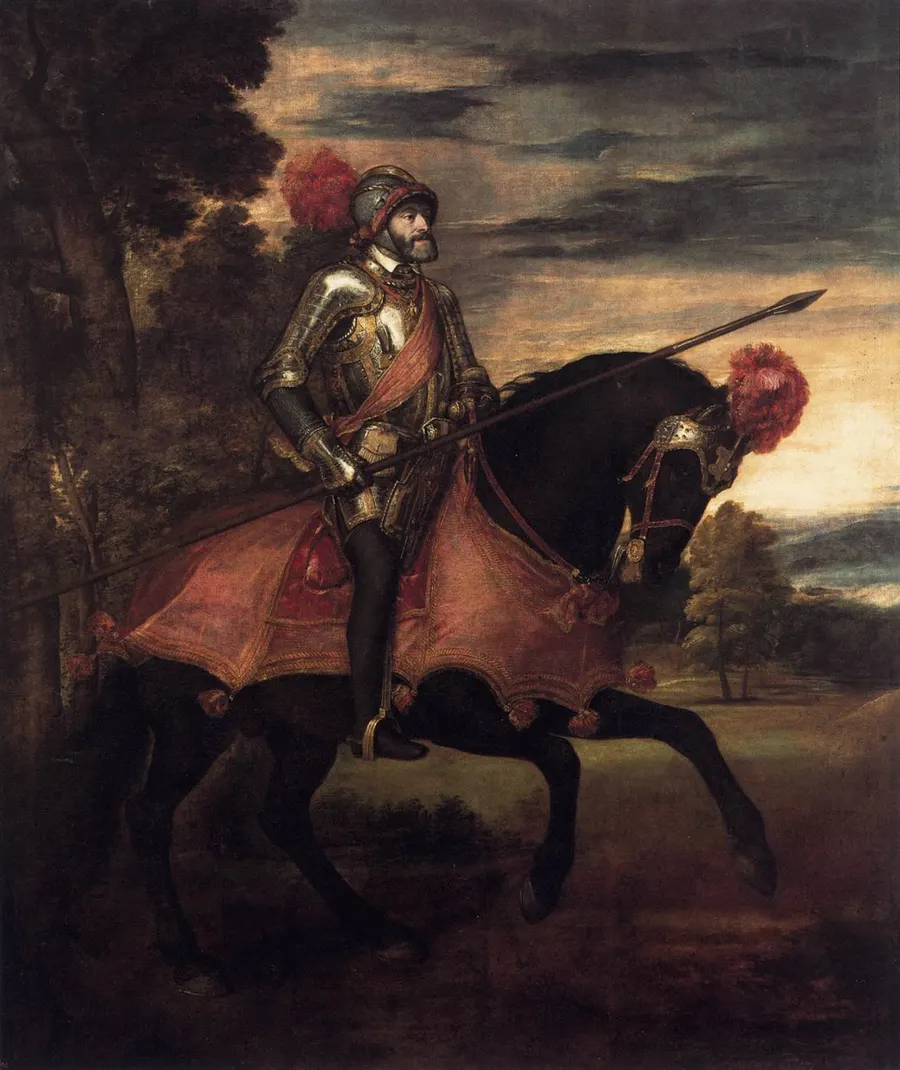
Titian's portrait of Charles V on horseback, painted in 1548 to celebrate the victory at Mühlberg.
Titian’s portrait of Charles V on horseback, painted in 1548 to celebrate the victory at Mühlberg.
Image creditTitian · Public domainResized and cropped for display.

Charles V defeats the Protestant princes at Mühlberg

On 24 April 1547 the army of the Emperor Charles V, with the Duke of Alba, crossed the River Elbe in morning fog near Mühlberg in Saxony and routed the forces of the Protestant Schmalkaldic League. The Elector John Frederick of Saxony was captured, and Philip of Hesse surrendered soon afterwards.

The victory left Charles master of Germany for a time, but it did not settle the religious divide. Titian’s portrait of the emperor on horseback, painted to mark the battle, became one of the best-known images of him.

Read the full storyHistory & Timeline →Source: Royal Collection Trust: The army of Charles V crossing the Elbe at the battle of Mühlberg, 1547 ↗
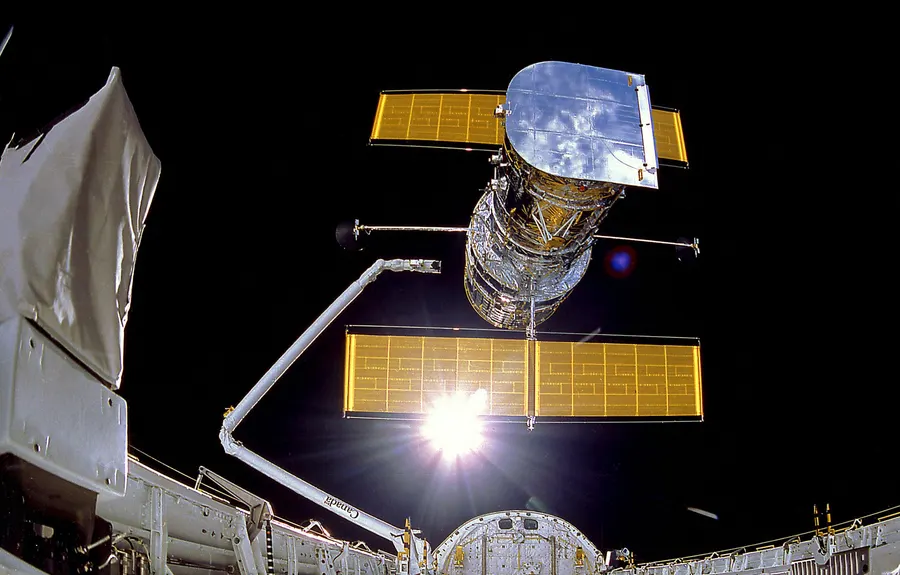
Hubble held on Discovery's robotic arm before its release on 25 April 1990, the day after launch.
Hubble held on Discovery’s robotic arm before its release on 25 April 1990, the day after launch.
Image creditNASA/IMAX · Public domainResized and cropped for display.

The Hubble Space Telescope is launched

On 24 April 1990 the space shuttle Discovery lifted off from the Kennedy Space Center in Florida with the Hubble Space Telescope in its cargo bay. The crew released the telescope into orbit the next day.

Its first pictures were blurred because the main mirror had been ground to slightly the wrong shape. Astronauts fitted corrective optics in December 1993, and Hubble went on to become one of the most productive scientific instruments ever built.

Read the full storyHistory & Timeline →Source: NASA Science: The History of Hubble ↗
♙
PEOPLE

Born Today

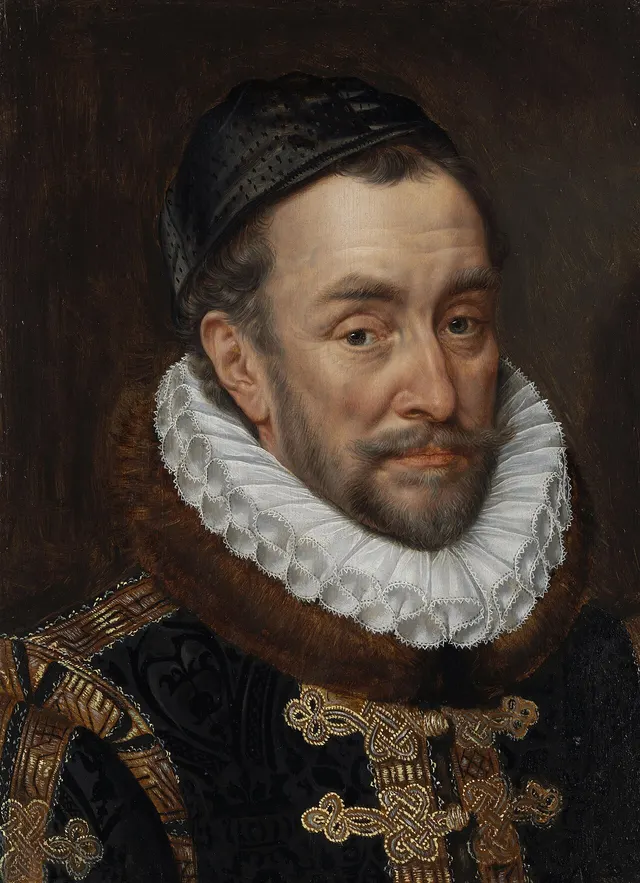
William the Silent
Image creditAdriaen Thomasz. Key · Public domainResized and cropped for display.

William the Silent

Prince of Orange who led the Dutch revolt against Spanish rule.

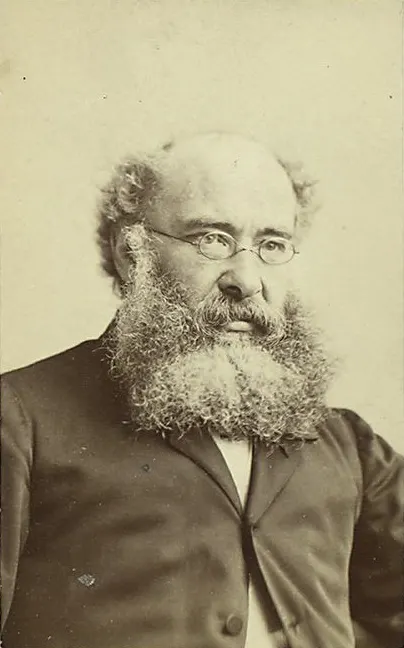
Anthony Trollope
Image creditNapoleon Sarony · Public domainResized and cropped for display.

Anthony Trollope

English novelist of the Barsetshire and Palliser novels.

Tomitaro Makino
Image creditUnknown author · Public domainResized and cropped for display.

Tomitaro Makino

Japanese botanist who named more than a thousand plants.

Djimon Hounsou
Image creditGage Skidmore · CC BY-SA 3.0Resized and cropped for display.

Djimon Hounsou

Beninese-born actor twice nominated for an Academy Award.

◉
IDEAS THAT CHANGED THINGS

Firsts, Science & Discoveries

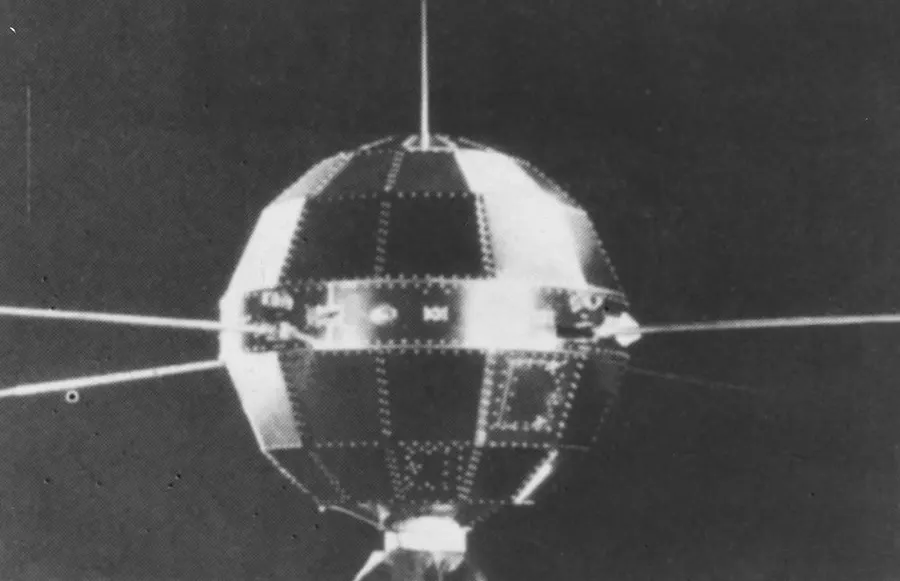
Dong Fang Hong 1, China's first satellite, in a 1970 Xinhua photograph.
Dong Fang Hong 1, China’s first satellite, in a 1970 Xinhua photograph.
Image credit新华社 1970 · Public domainResized and cropped for display.

China launches its first satellite

On 24 April 1970 a Long March 1 rocket lifted off from Jiuquan in north-western China carrying Dong Fang Hong 1, the country’s first satellite. China became the fifth nation to put a satellite into orbit with its own rocket, after the Soviet Union, the United States, France and Japan.

The 173-kilogram satellite, heavier than any other country’s first, broadcast the song ‘The East Is Red’ for about 20 days. Its batteries have long since died, but it is still in orbit.

Read the full storyHistory & Timeline →Source: China National Space Administration: China’s long march into space ↗
☆
SPORTING HISTORY

Sporting Moments

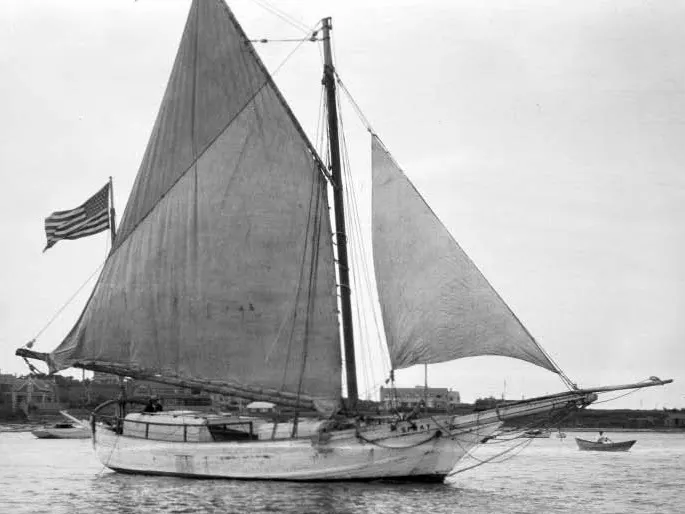
The Spray, the sloop Joshua Slocum rebuilt and sailed alone round the world.
Image creditUnknown · Public domainResized and cropped for display.

Joshua Slocum sets out to sail round the world alone

On 24 April 1895 Joshua Slocum, a retired sea captain of 51, cast off from East Boston in the Spray, an old oyster sloop he had rebuilt himself. He meant to sail all the way round the world single-handed, something no one was known to have done.

He came into Newport, Rhode Island, on 27 June 1898 after more than three years and some 46,000 miles. His book, Sailing Alone Around the World, helped to start the idea of small-boat cruising for its own sake.

Read the full storyHistory & Timeline →Source: New Bedford Whaling Museum: ‘The Spray will Come Back’ ↗
♫
MUSIC • FILM • BOOKS • CULTURE

Culture Stories

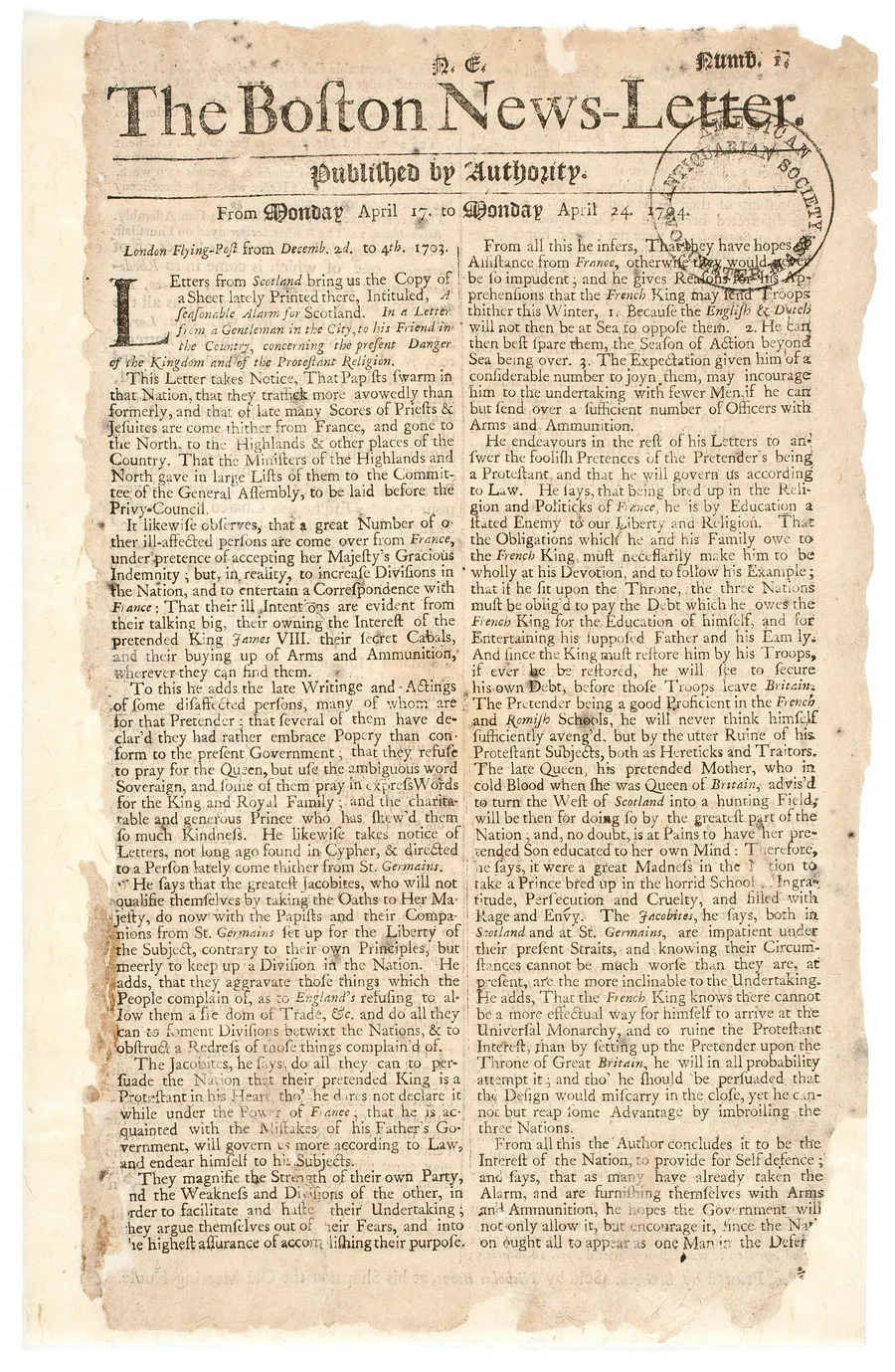
The front page of the first issue of The Boston News-Letter, for the week of 17 to 24 April 1704.
Image creditBoston News-Letter, first issue,1704 · Public domainResized and cropped for display.

The Boston News-Letter first appears

On 24 April 1704 John Campbell, the postmaster of Boston, published the first issue of the Boston News-Letter, dated ‘From Monday April 17 to Monday April 24’. It was a single small sheet printed on both sides, carrying mostly news from Europe.

It is regarded as the first continuously published newspaper in British North America. It appeared weekly until 1776, when it closed as the British left Boston.

Read the full storyHistory & Timeline →Source: Massachusetts Historical Society: The Boston News-Letter ↗
✦
LIVES REMEMBERED

Remembered Today

Alejo Carpentier
Image creditUnknown author · Public domainResized and cropped for display.

Alejo Carpentier

Cuban novelist and musicologist, a founder of ‘the marvellous real’.

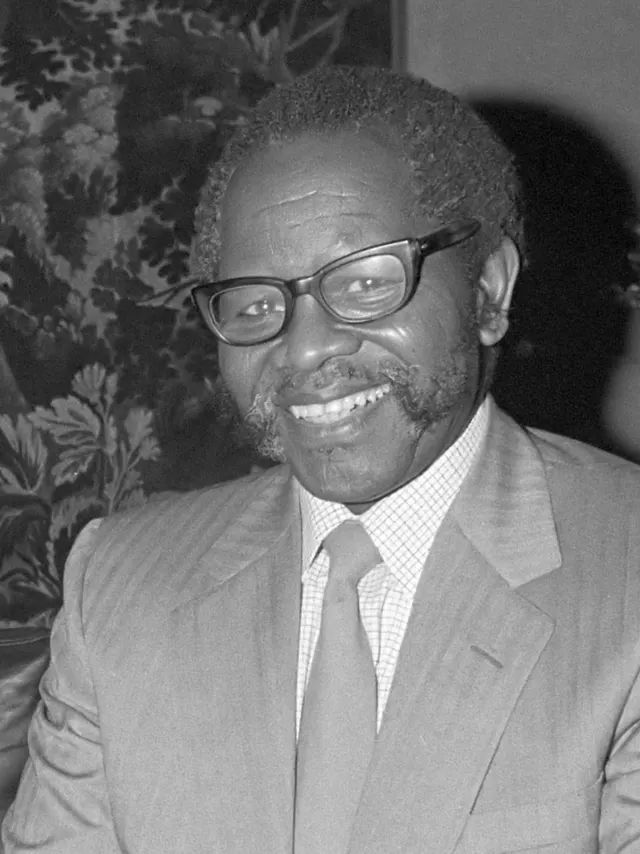
Oliver Tambo
Image creditRob Croes for Anefo · CC BY-SA 3.0 nlResized and cropped for display.

Oliver Tambo

South African lawyer who led the African National Congress in exile for three decades.

☉
AROUND THE WORLD

Observances & Anniversaries

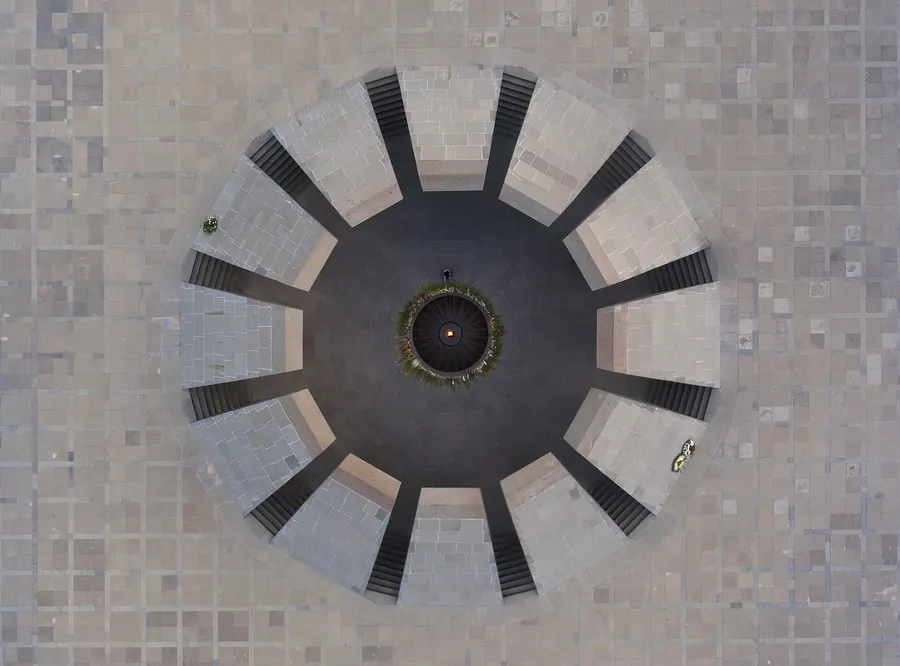
The eternal flame at Tsitsernakaberd, the Armenian genocide memorial in Yerevan, seen from above as a visitor lays flowers.
Image creditAleksey Chalabyan (a.k.a. Xelgen) · CC BY-SA 4.0Resized and cropped for display.

Armenian Genocide Remembrance Day

Armenians around the world remember the victims of the mass killings and deportations of 1915 and after in the Ottoman Empire. The date recalls 24 April 1915, when Ottoman authorities arrested and deported several hundred Armenian community leaders and intellectuals in Constantinople.

In Yerevan large crowds walk to the Tsitsernakaberd memorial, opened in 1967, to lay flowers around its eternal flame.

Source: Armenia Travel (Tourism Committee of Armenia): Armenian Genocide Remembrance Day ↗
HISTORY & TIMELINE

Finished the highlights?

Follow 24 April chronologically, from the Middle Ages to the modern day, with 13 verified events and the sources behind them.

This day through time →