
HISTORY & TIMELINE
24 April

A journey through
24 April in history

From the election of Pope Nicholas I in 858 to the Gambia’s first day as a republic in 1970, 24 April has seen Mary, Queen of Scots marry the heir to France, Russia go to war with the Ottoman Empire, Shackleton’s men set out in the James Caird and a revolt in Santo Domingo open the Dominican civil war. This timeline follows the date across more than eleven centuries.

JUMP THROUGH TIME
II
THE MIDDLE AGES

Medieval History

Kingdoms, conflict, faith, power and the changing medieval world.

858
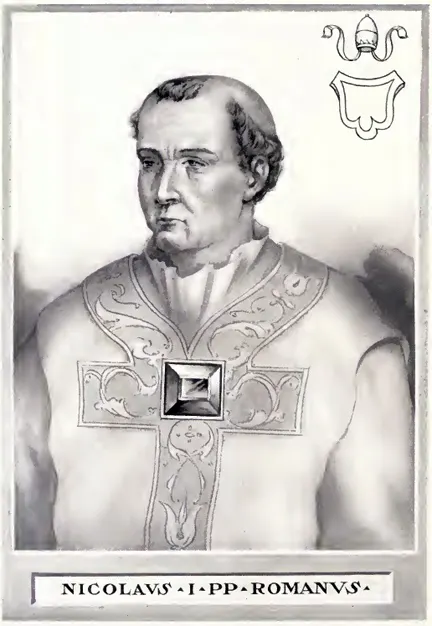
Pope Nicholas I, from Artaud de Montor's 19th-century Lives of the Popes.Pope Nicholas I, from Artaud de Montor’s 19th-century Lives of the Popes.Image: Artaud de Montor (1772–1849) · Public domain
culture · Europe

Nicholas I becomes pope

On 24 April 858 Nicholas I was elected pope in Rome and consecrated the same day in St Peter’s, with the Emperor Louis II present. He held office until his death in 867. He insisted firmly on the authority of the papacy over kings and archbishops, and clashed with Photius, Patriarch of Constantinople. He came to be honoured as a saint and is one of the few popes called ‘the Great’.

Source: New Advent (Catholic Encyclopedia): Pope St. Nicholas I ↗
III
A CHANGING WORLD

Early Modern Era

Exploration, political change, scientific development and expanding global connections.

1547
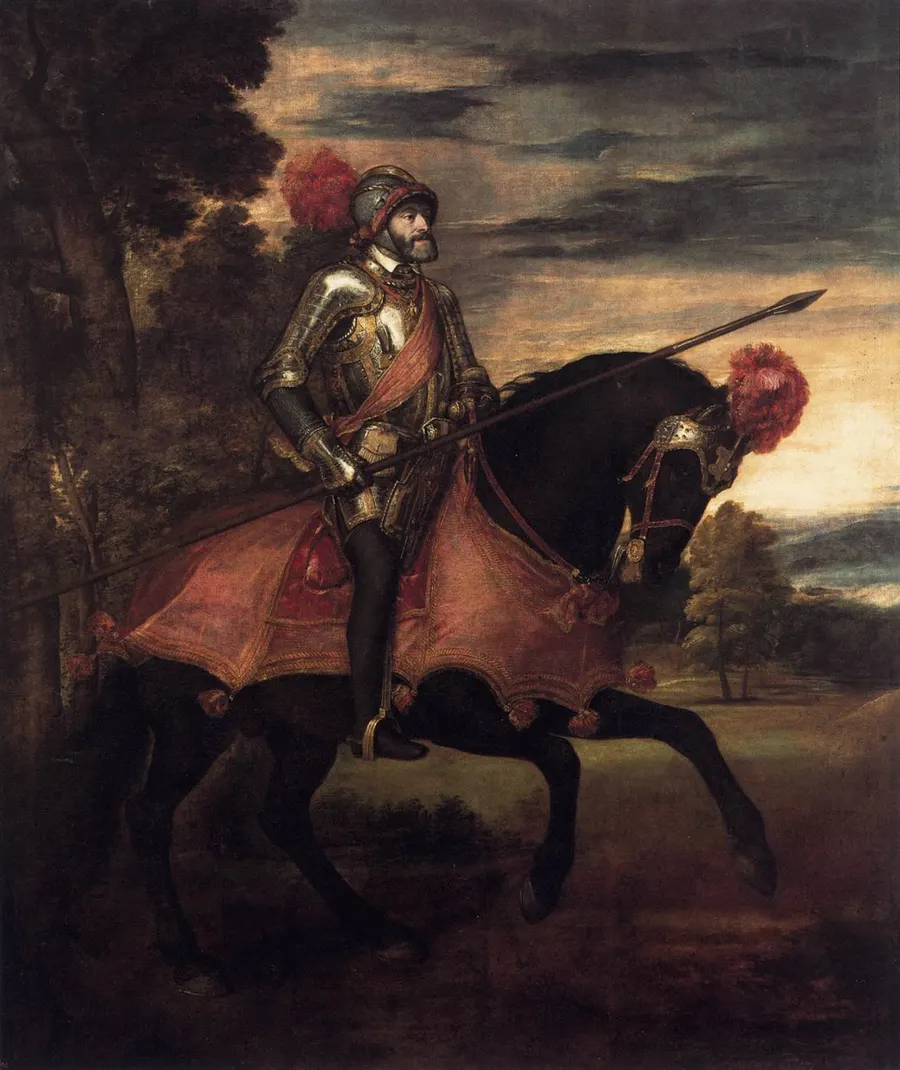
Titian's portrait of Charles V on horseback, painted in 1548 to celebrate the victory at Mühlberg.Titian’s portrait of Charles V on horseback, painted in 1548 to celebrate the victory at Mühlberg.Image: Titian · Public domain
world · Europe

Charles V defeats the Protestant princes at Mühlberg

On 24 April 1547 the army of the Emperor Charles V, with the Duke of Alba, crossed the River Elbe in morning fog near Mühlberg in Saxony and routed the forces of the Protestant Schmalkaldic League. The Elector John Frederick of Saxony was captured, and Philip of Hesse surrendered soon afterwards. The victory left Charles master of Germany for a time, but it did not settle the religious divide. Titian’s portrait of the emperor on horseback, painted to mark the battle, became one of the best-known images of him.

Source: Royal Collection Trust: The army of Charles V crossing the Elbe at the battle of Mühlberg, 1547 ↗
1558
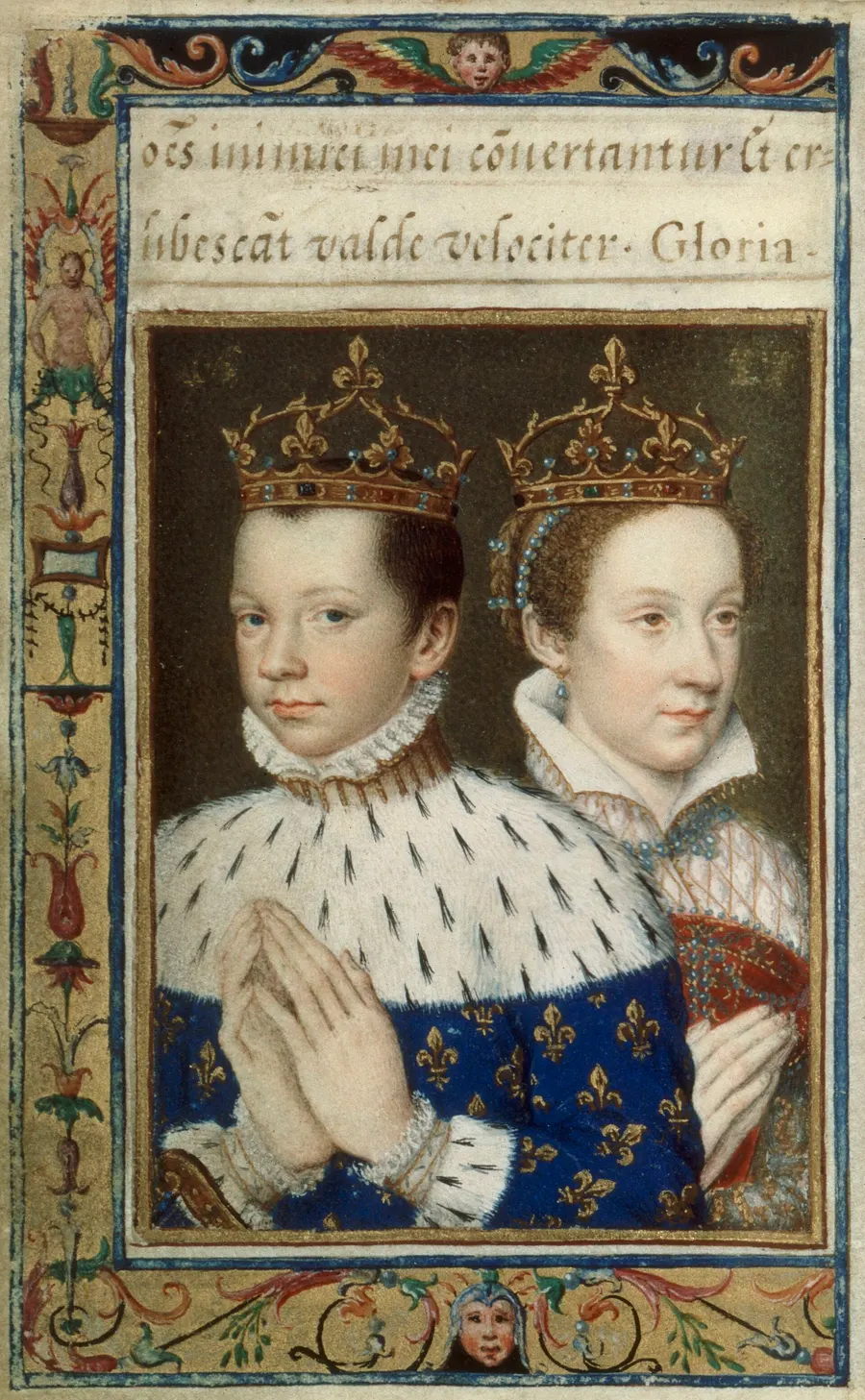
Francis and Mary, Queen of Scots, as king and queen of France, in the Book of Hours of Catherine de' Medici.Francis and Mary, Queen of Scots, as king and queen of France, in the Book of Hours of Catherine de’ Medici.Image: After François Clouet · Public domain
world · Europe

Mary, Queen of Scots marries the heir to France

On 24 April 1558 Mary, Queen of Scots, aged 15, married Francis, the teenage heir to the French throne, at Notre-Dame in Paris. The match had been agreed ten years earlier, when Mary was sent to be brought up at the French court. Days before, she had secretly signed papers leaving her rights in Scotland to the French crown if she died childless. Francis became king in 1559 but died the following year, and Mary returned to Scotland.

Source: National Library of Scotland (Scotland’s Pages): 1558 - Mary Queen of Scots marries ↗
1704
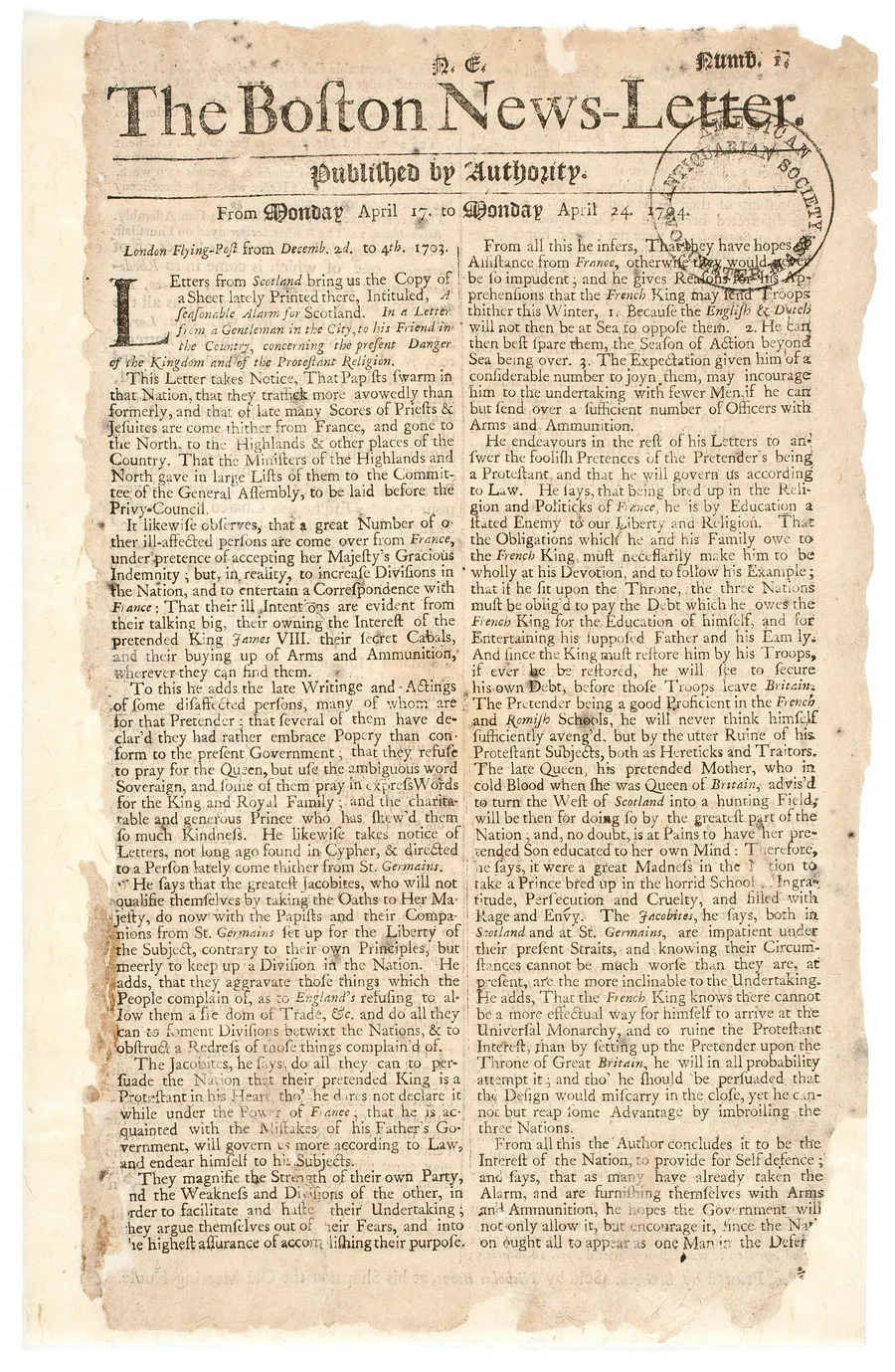
The front page of the first issue of The Boston News-Letter, for the week of 17 to 24 April 1704.The front page of the first issue of The Boston News-Letter, for the week of 17 to 24 April 1704.Image: Boston News-Letter, first issue,1704 · Public domain
culture · Americas

The Boston News-Letter first appears

On 24 April 1704 John Campbell, the postmaster of Boston, published the first issue of the Boston News-Letter, dated ‘From Monday April 17 to Monday April 24’. It was a single small sheet printed on both sides, carrying mostly news from Europe. It is regarded as the first continuously published newspaper in British North America. It appeared weekly until 1776, when it closed as the British left Boston.

Source: Massachusetts Historical Society: The Boston News-Letter ↗
IV
THE NINETEENTH CENTURY

The 1800s

Industry, empire, invention, reform and a century of enormous transformation.

1800
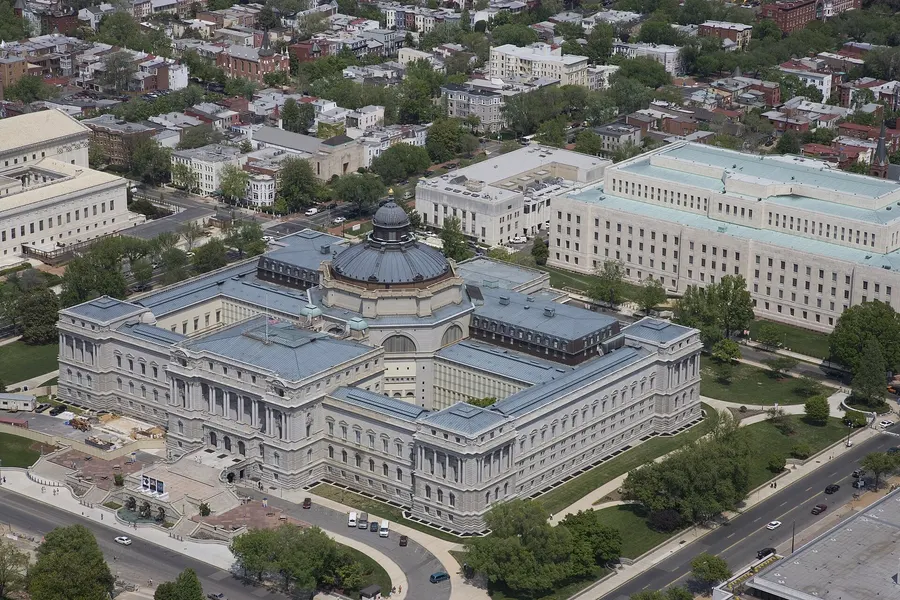
The Library of Congress's Thomas Jefferson Building in Washington, from the air (Carol M. Highsmith).The Library of Congress’s Thomas Jefferson Building in Washington, from the air (Carol M. Highsmith).Image: Carol M. Highsmith · CC BY-SA 3.0
culture · Americas

John Adams creates the Library of Congress

On 24 April 1800 President John Adams signed the act moving the American seat of government from Philadelphia to Washington, which set aside $5,000 for ‘such books as may be necessary for the use of Congress’. The first books were ordered from London and arrived in 1801, to be kept in the Capitol. When British troops burned the Capitol in 1814 the small collection was lost, and Thomas Jefferson sold his own library of more than 6,000 volumes to replace it. The Library of Congress is now the oldest federal cultural institution in the United States.

Source: Library of Congress: History of the Library ↗
1877
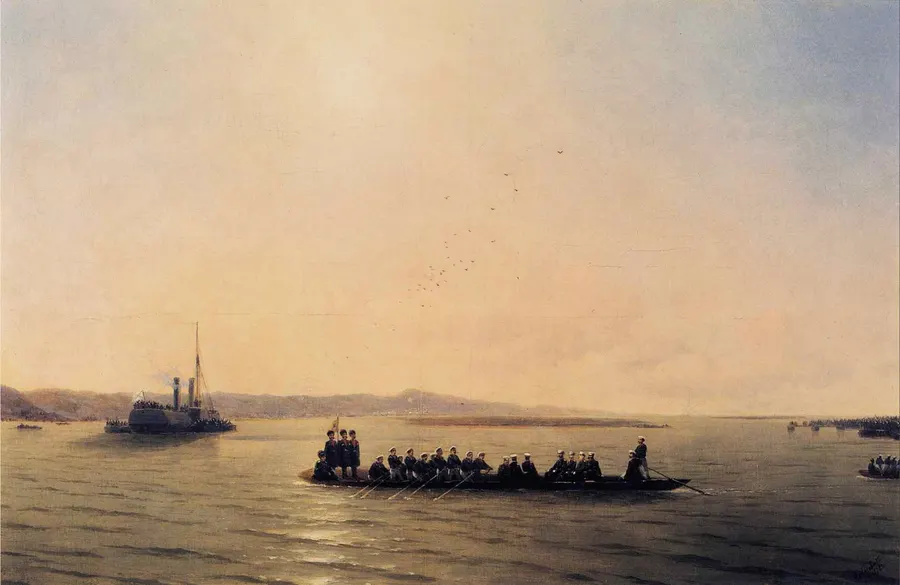
Alexander II crossing the Danube during the war of 1877, painted by Ivan Aivazovsky.Alexander II crossing the Danube during the war of 1877, painted by Ivan Aivazovsky.Image: Ivan Aivazovsky · Public domain
world · Europe

Russia declares war on the Ottoman Empire

On 24 April 1877 (12 April in Russia’s Old Style calendar) Tsar Alexander II declared war on the Ottoman Empire. The war followed uprisings among the Balkan Christians and the sultan’s refusal of reforms demanded by the European powers. Russian and Romanian armies advanced to the edge of Constantinople by early 1878. The peace that followed, revised at the Congress of Berlin, left Serbia, Montenegro and Romania fully independent and created a self-governing Bulgaria.

Source: EBSCO Research Starters: Third Russo-Turkish War ↗
1895
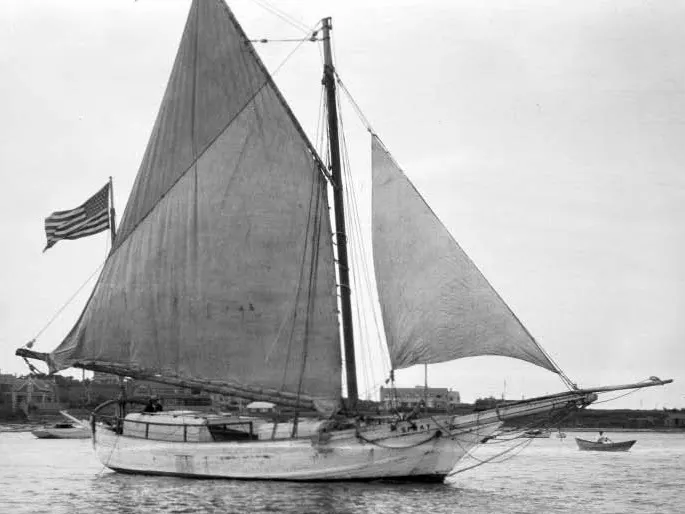
The Spray, the sloop Joshua Slocum rebuilt and sailed alone round the world.The Spray, the sloop Joshua Slocum rebuilt and sailed alone round the world.Image: Unknown · Public domain
sport · Americas

Joshua Slocum sets out to sail round the world alone

On 24 April 1895 Joshua Slocum, a retired sea captain of 51, cast off from East Boston in the Spray, an old oyster sloop he had rebuilt himself. He meant to sail all the way round the world single-handed, something no one was known to have done. He came into Newport, Rhode Island, on 27 June 1898 after more than three years and some 46,000 miles. His book, Sailing Alone Around the World, helped to start the idea of small-boat cruising for its own sake.

Source: New Bedford Whaling Museum: ‘The Spray will Come Back’ ↗
V
THE TWENTIETH CENTURY

The 1900s

War and peace, technological leaps, social change, politics, sport and popular culture.

1916
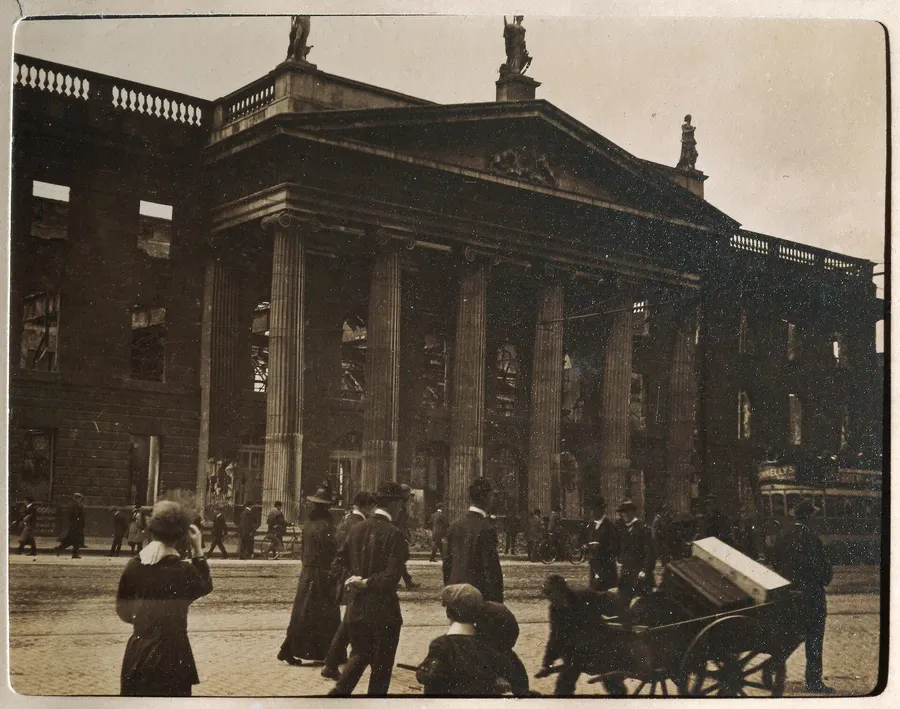
The shell of the General Post Office in Dublin, the rebels' headquarters, photographed by Thomas Johnson Westropp on 17 May 1916.The shell of the General Post Office in Dublin, the rebels’ headquarters, photographed by Thomas Johnson Westropp on 17 May 1916.Image: Thomas Johnson Westropp · CC0
politics · Europe

The Easter Rising begins in Dublin

On 24 April 1916, Easter Monday, members of the Irish Volunteers and the Irish Citizen Army took over key buildings in Dublin, including the General Post Office on Sackville Street. Shortly after midday Patrick Pearse stood outside the GPO and read a proclamation declaring an Irish Republic. The rebels held out for six days against growing numbers of British troops before surrendering on 29 April. The execution of fifteen leaders in the weeks that followed turned much of Irish opinion towards the cause of independence.

Source: Century Ireland (RTÉ): Chronology of the Easter Rising ↗
1916
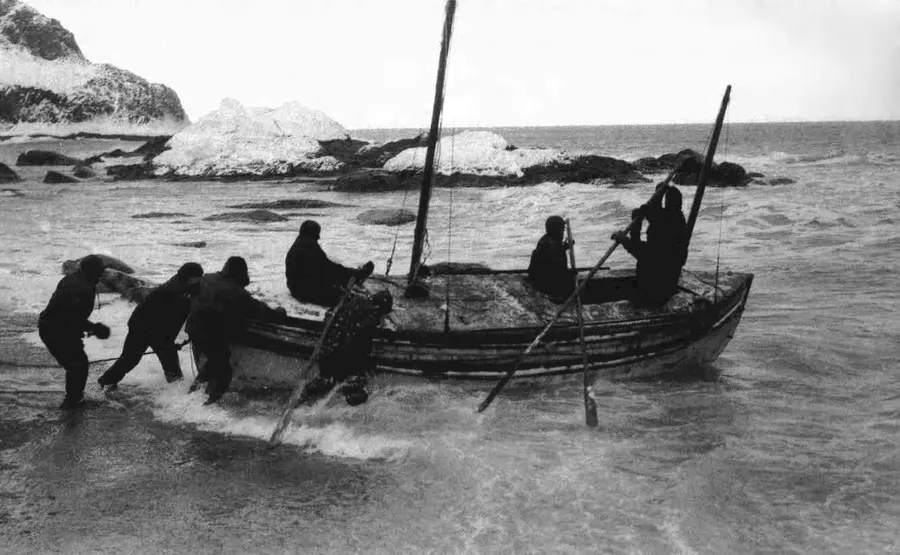
The James Caird being launched from the beach at Elephant Island, probably photographed by Frank Hurley.The James Caird being launched from the beach at Elephant Island, probably photographed by Frank Hurley.Image: Probably Frank Hurley, the expedition's photographer · Public domain
world · Global

Shackleton’s men set out in the James Caird

On 24 April 1916 Ernest Shackleton and five companions left Elephant Island in the James Caird, a 22-foot lifeboat, to fetch help for the stranded crew of the Endurance. Their goal was the whaling stations of South Georgia, some 800 miles away across the Southern Ocean. After about two weeks at sea they landed on the island’s uninhabited side, and three of them crossed its mountains to reach Stromness on 20 May. All 22 men left on Elephant Island were rescued that August.

Source: Scott Polar Research Institute, University of Cambridge: Imperial Trans-Antarctic Expedition 1914-1916 ↗
1965
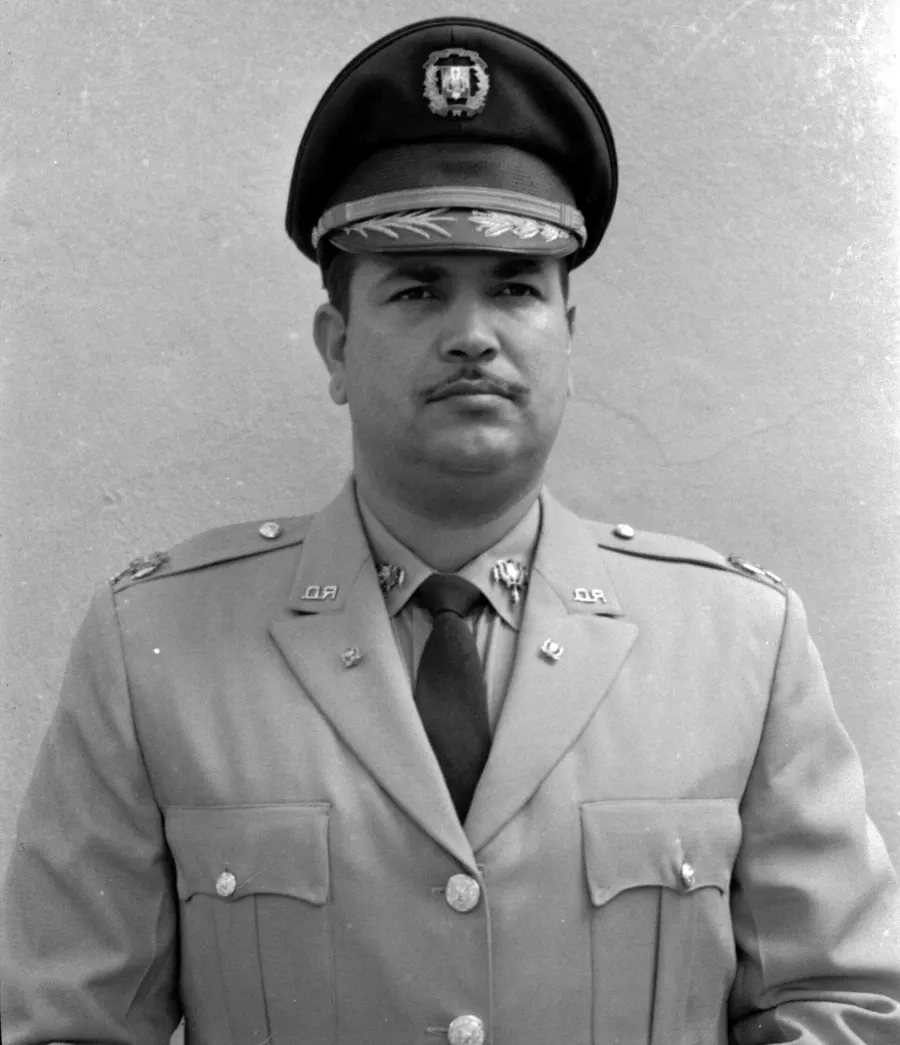
Colonel Francisco Caamaño, leader of the constitutionalist rebels, in a 1965 press photograph.Colonel Francisco Caamaño, leader of the constitutionalist rebels, in a 1965 press photograph.Image: Unknown press photographer (1965) · Public domain
politics · Americas

A revolt in Santo Domingo starts the Dominican civil war

On 24 April 1965 army officers and civilians loyal to the ousted president Juan Bosch rose against the military-backed government of Donald Reid Cabral in Santo Domingo. Colonel Francisco Caamaño became the leader of the ‘Constitutionalist’ side. Four days later the United States landed Marines, later joined by forces from other American states. Fighting and talks went on until September, and Bosch did not return to power.

Source: Encyclopedia.com: Dominican Revolt (1965) ↗
1970
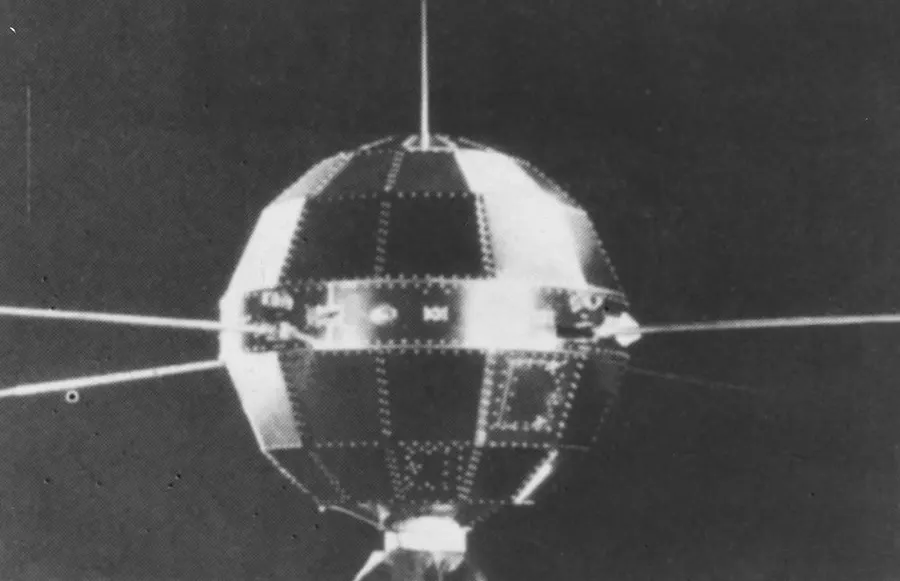
Dong Fang Hong 1, China's first satellite, in a 1970 Xinhua photograph.Dong Fang Hong 1, China’s first satellite, in a 1970 Xinhua photograph.Image: 新华社 1970 · Public domain
science · Asia

China launches its first satellite

On 24 April 1970 a Long March 1 rocket lifted off from Jiuquan in north-western China carrying Dong Fang Hong 1, the country’s first satellite. China became the fifth nation to put a satellite into orbit with its own rocket, after the Soviet Union, the United States, France and Japan. The 173-kilogram satellite, heavier than any other country’s first, broadcast the song ‘The East Is Red’ for about 20 days. Its batteries have long since died, but it is still in orbit.

Source: China National Space Administration: China’s long march into space ↗
1970
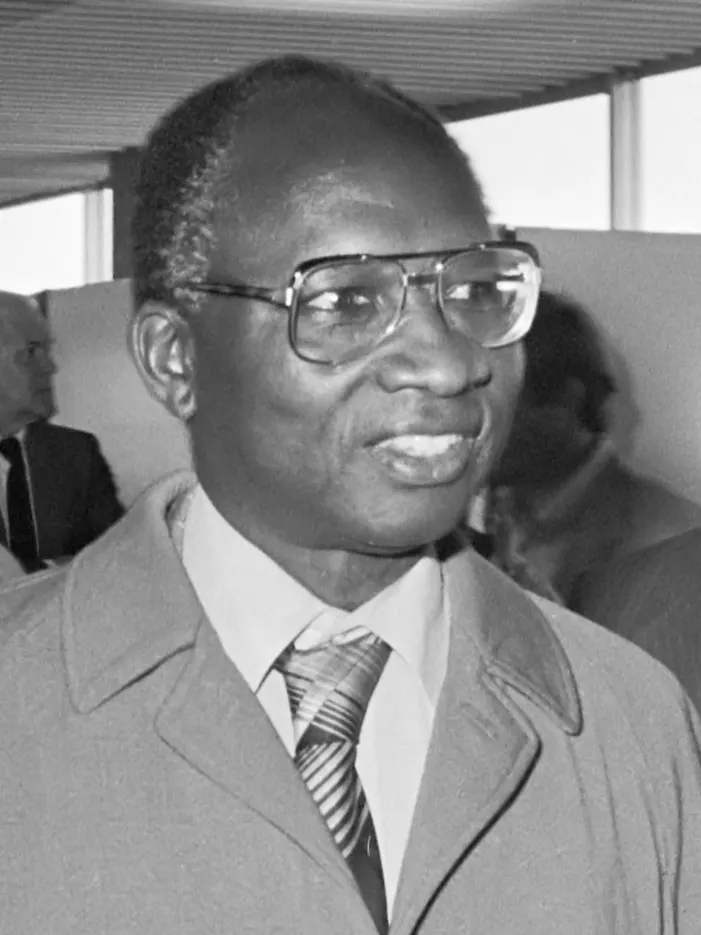
Dawda Jawara, the Gambia's first president, photographed in 1979.Dawda Jawara, the Gambia’s first president, photographed in 1979.Image: Fernando Pereira / Anefo · CC BY-SA 3.0 nl
politics · Africa

The Gambia becomes a republic

On 24 April 1970 the Gambia became a republic within the Commonwealth, five years after independence. Voters had approved the change in a referendum, after an earlier attempt in 1965 fell short of the two-thirds majority needed. Prime Minister Dawda Jawara became the first president, replacing Queen Elizabeth II as head of state. He led the country until a military coup in 1994.

Source: Encyclopedia.com: Republic of The Gambia ↗
1990
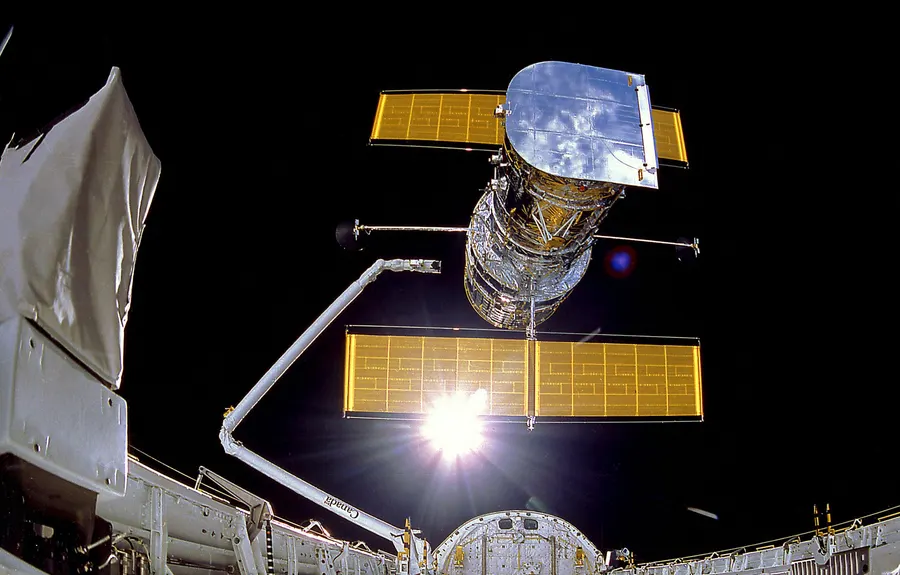
Hubble held on Discovery's robotic arm before its release on 25 April 1990, the day after launch.Hubble held on Discovery’s robotic arm before its release on 25 April 1990, the day after launch.Image: NASA/IMAX · Public domain
science · Global

The Hubble Space Telescope is launched

On 24 April 1990 the space shuttle Discovery lifted off from the Kennedy Space Center in Florida with the Hubble Space Telescope in its cargo bay. The crew released the telescope into orbit the next day. Its first pictures were blurred because the main mirror had been ground to slightly the wrong shape. Astronauts fitted corrective optics in December 1993, and Hubble went on to become one of the most productive scientific instruments ever built.

Source: NASA Science: The History of Hubble ↗
RESEARCH

Sources & Further Reading

Selected authoritative references supporting the events on this page.

WHY THESE MOMENTS?

Significance before volume

This page is not the longest possible list of events. It is a chronological journey through 24 April, where each entry is chosen for historical significance, human interest and reliability.

Facts are checked against authoritative museums, archives, universities and reference works. Where sources disagree, the page says so.

EXPLORED THE DEEPER STORY?

Return to the highlights of 24 April

Discover the lighter side of the date with famous birthdays, culture, firsts and lives remembered.

Explore This Day →
← PREVIOUS DAY23 April
HISTORY & TIMELINE24 April
NEXT DAY →25 April