
HISTORY & TIMELINE
25 April

A journey through
25 April in history

From an attack on Pope Leo III in the streets of Rome in 799 to the Gorkha earthquake in Nepal in 2015, 25 April has seen Robinson Crusoe reach London’s bookshops, work begin on the Suez Canal, Turandot open at La Scala, American and Soviet soldiers meet on the Elbe and Central America’s first woman president take office. This timeline follows the date across more than twelve centuries.

II
THE MIDDLE AGES

Medieval History

Kingdoms, conflict, faith, power and the changing medieval world.

799
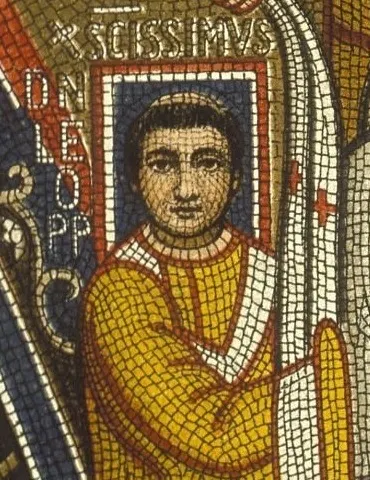
Pope Leo III in a mosaic from the Triclinium Leoninum in Rome, as restored in the 18th century.Pope Leo III in a mosaic from the Triclinium Leoninum in Rome, as restored in the 18th century.Image: Unknown artist (restored by Ferdinando Fuga, 1743) · Public domain
culture · Europe

Pope Leo III is attacked in the streets of Rome

On 25 April 799, as Pope Leo III rode in the procession of the Greater Litanies towards Rome’s Flaminian Gate, armed men led by relatives of his predecessor dragged him from his horse and tried to blind him and cut out his tongue. He survived, escaped from the monastery where he was held and went north to meet the Frankish king Charlemagne at Paderborn. Charlemagne sent him back to Rome under escort and later came to settle the charges his enemies had laid against him. On Christmas Day 800 Leo crowned Charlemagne emperor in St Peter’s.

Source: Catholic Encyclopedia (New Advent): Pope St. Leo III ↗
III
A CHANGING WORLD

Early Modern Era

Exploration, political change, scientific development and expanding global connections.

1719
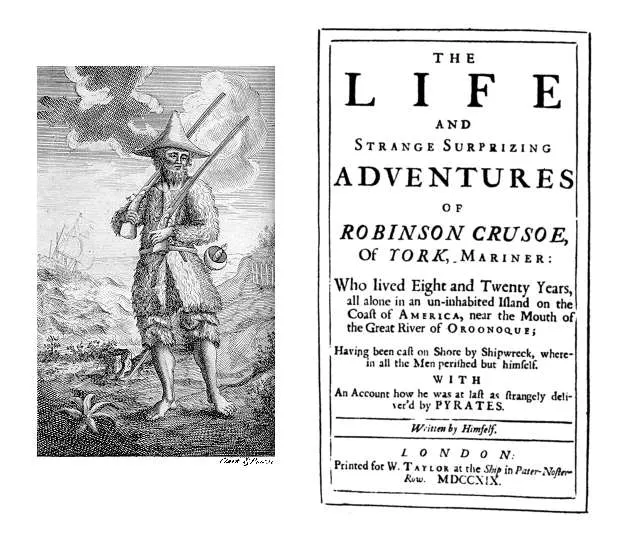
The frontispiece and title page of the first edition of Robinson Crusoe, London, 1719.The frontispiece and title page of the first edition of Robinson Crusoe, London, 1719.Image: Unknown author · Public domain
world · Europe

Robinson Crusoe appears in London

On 25 April 1719, or very close to it, the London bookseller William Taylor published The Life and Strange Surprizing Adventures of Robinson Crusoe, of York, Mariner. The title page presented it as a true account by a castaway who had spent 28 years alone on an island near the mouth of the Orinoco; its real author, Daniel Defoe, was not named. The book sold so well that several editions followed within months, and Defoe wrote a sequel the same year. It is often called one of the first English novels, and its story of shipwreck, survival and the man Crusoe names Friday has been retold and argued over ever since.

Source: Miami University Libraries, Walter Havighurst Special Collections: From the Stacks - Robinson Crusoe ↗
IV
THE NINETEENTH CENTURY

The 1800s

Industry, empire, invention, reform and a century of enormous transformation.

1859
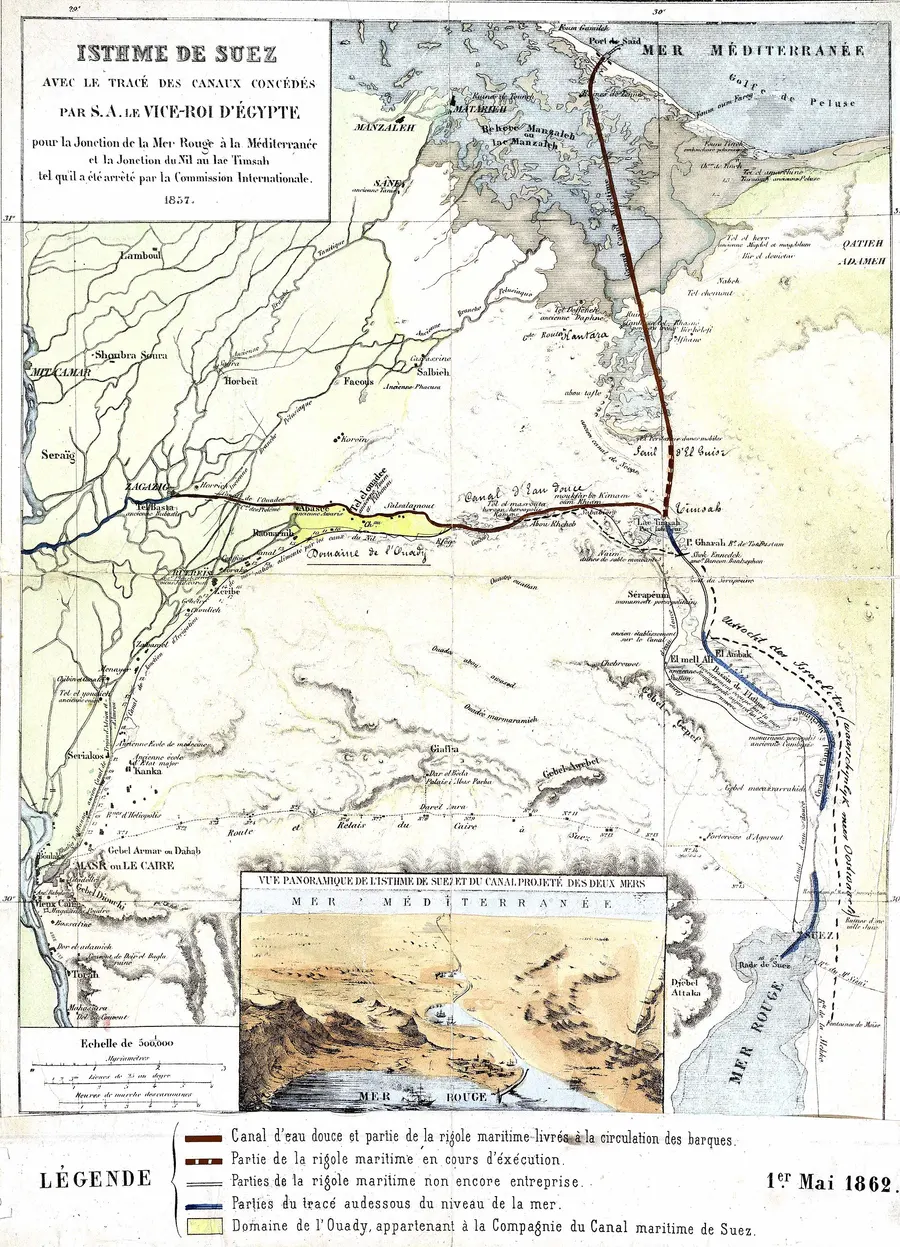
A French map of the Isthmus of Suez, updated to May 1862 to show how far the canal works had progressed.A French map of the Isthmus of Suez, updated to May 1862 to show how far the canal works had progressed.Image: Unknown · Public domain
world · Africa

Work begins on the Suez Canal

On 25 April 1859 Ferdinand de Lesseps struck the first ceremonial blow with a pickaxe on a strip of sand between Lake Manzala and the Mediterranean, where the town of Port Said would grow. The French diplomat had won a concession from Egypt’s ruler, Said Pasha, to cut a waterway across the isthmus of Suez and join the Mediterranean to the Red Sea. The digging took ten years, and much of the early work was done by hand by tens of thousands of Egyptian labourers, many of them conscripted, in harsh conditions. The canal opened in November 1869, cutting thousands of miles from the sea route between Europe and Asia.

Source: Suez Canal Authority: Canal history ↗
V
THE TWENTIETH CENTURY

The 1900s

War and peace, technological leaps, social change, politics, sport and popular culture.

1915
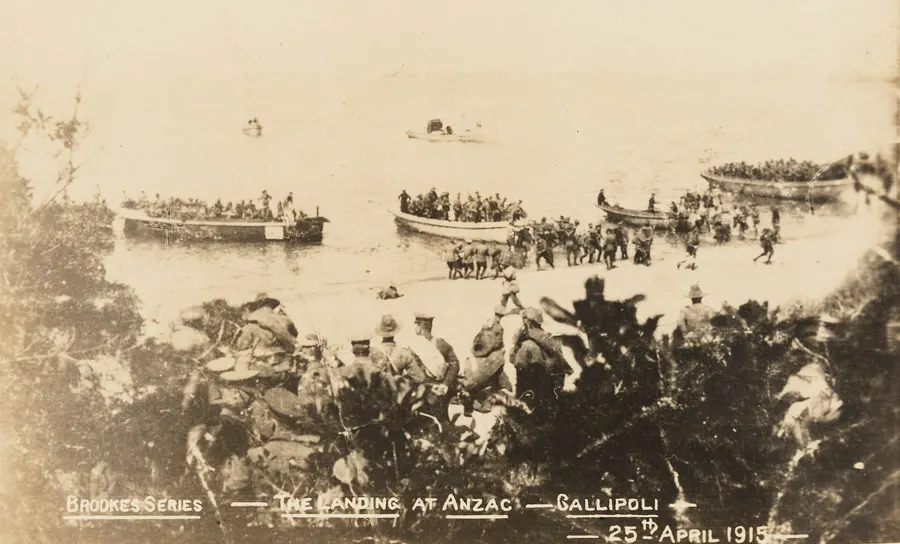
Australian troops landing at Anzac Cove on 25 April 1915, in a postcard published by Brookes (State Library of New South Wales).Australian troops landing at Anzac Cove on 25 April 1915, in a postcard published by Brookes (State Library of New South Wales).Image: Published by Brookes · Public domain
world · Middle East

Anzac and Allied troops land at Gallipoli

On 25 April 1915 around 16,000 Australian and New Zealand soldiers came ashore before dawn on the Gallipoli peninsula in Ottoman Turkey, while British troops landed at Cape Helles to the south and French troops made a diversionary landing on the Asian shore. The aim was to open the Dardanelles to Allied warships and knock the Ottoman Empire out of the war. Steep ridges, scrub and determined Ottoman defenders held the landings close to the beaches, and about 2,000 Australians and New Zealanders were killed or wounded on the first day. The campaign dragged on for eight months before the Allies withdrew, and the date of the landing became Anzac Day.

Source: Australian War Memorial: The landing ↗
1926
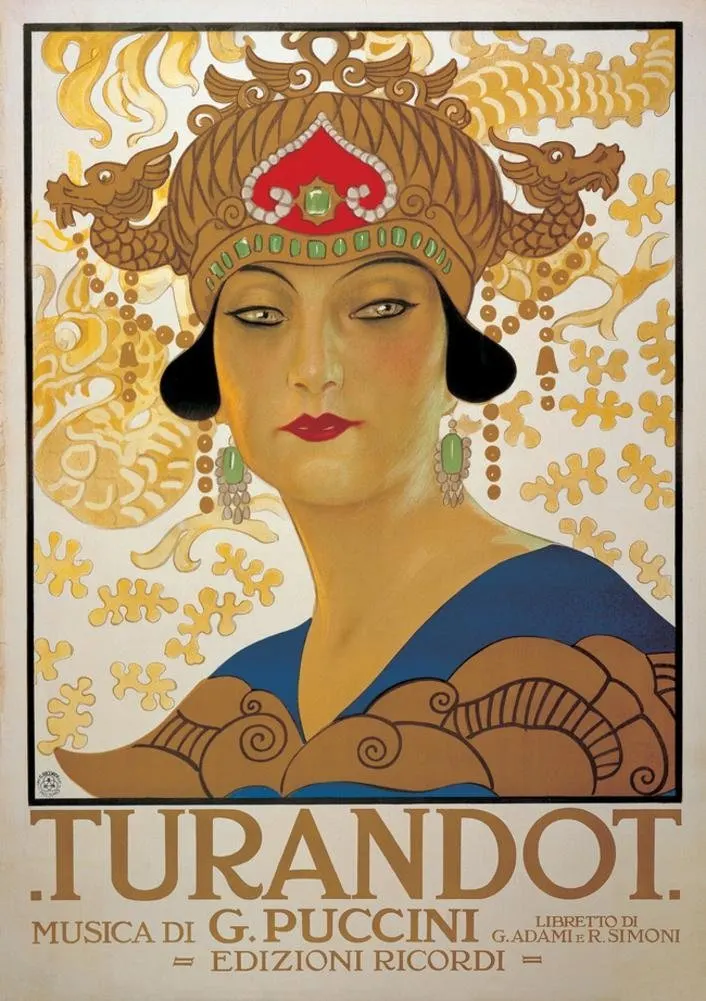
Leopoldo Metlicovitz's poster for the first production of Turandot, 1926.Leopoldo Metlicovitz’s poster for the first production of Turandot, 1926.Image: Leopoldo Metlicovitz · Public domain
world · Europe

Turandot opens at La Scala, and Toscanini lays down his baton

On 25 April 1926 Giacomo Puccini’s last opera, Turandot, had its first performance at La Scala in Milan. Puccini had died in Brussels in November 1924 with the final scenes unfinished, and the conductor Arturo Toscanini asked the composer Franco Alfano to complete them from Puccini’s sketches. On the first night Toscanini stopped at the death of the slave girl Liù, the last music Puccini had written, laid down his baton and told the audience that the opera ended there because the composer had died. From the second performance the opera was given with Alfano’s ending, and its aria Nessun dorma later became one of the best-known tunes in opera.

Source: Teatro alla Scala: Turandot ↗
1945
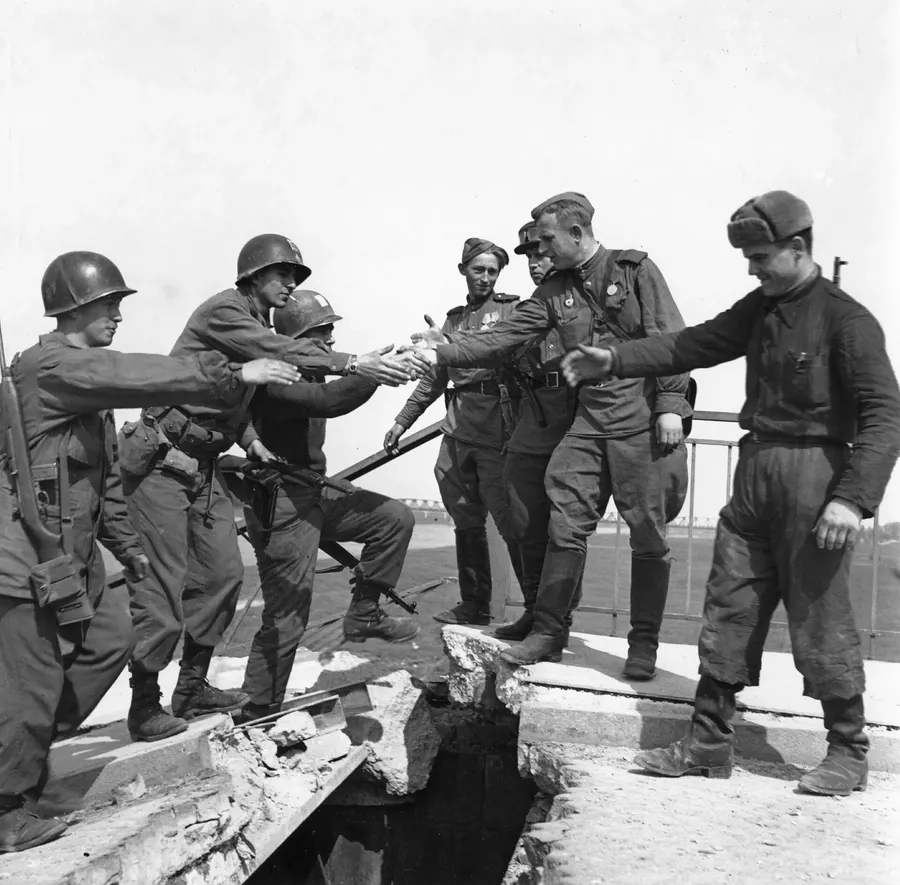
American and Soviet soldiers meet on the broken bridge at Torgau on the Elbe, April 1945.American and Soviet soldiers meet on the broken bridge at Torgau on the Elbe, April 1945.Image: Aagnverglaser · CC BY 4.0
world · Europe

American and Soviet soldiers meet on the Elbe

On 25 April 1945 patrols of the US 69th Infantry Division met soldiers of the Red Army on the River Elbe, first near Strehla and later that afternoon at Torgau in Saxony. At Torgau, Lieutenant William Robertson painted a makeshift American flag on a bedsheet, waved it from the castle tower and then clambered across the wrecked bridge to meet the Soviet troops. The link-up cut Nazi Germany in two, and formal handshakes were staged for photographers two days later. The war in Europe ended less than a fortnight afterwards.

Source: Stiftung Sächsische Gedenkstätten, Erinnerungsort Torgau: Defeat and liberation - the meeting on the Elbe ↗
1954
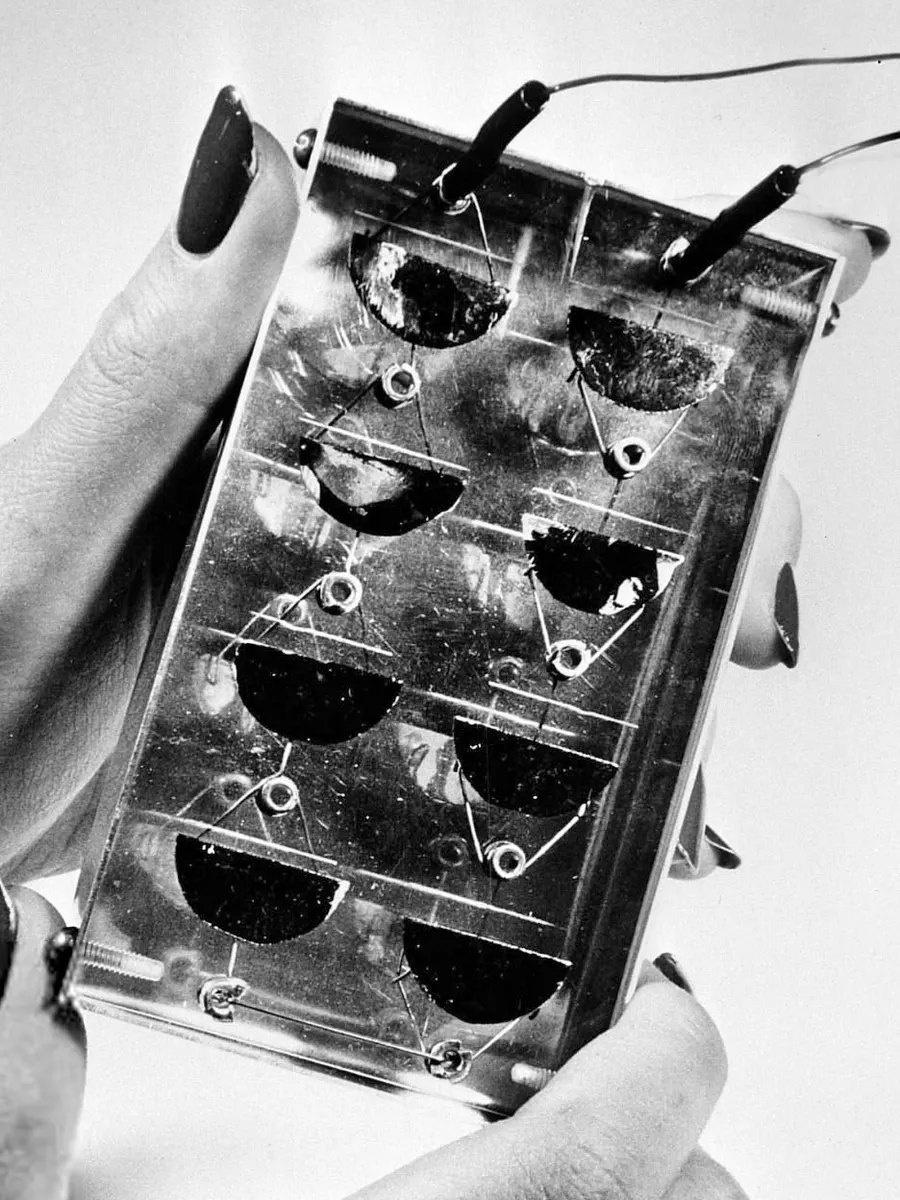
An early solar module of 1954, recorded on Wikimedia Commons as the first.An early solar module of 1954, recorded on Wikimedia Commons as the first.Image: Unknown author · Public domain
science · Americas

Bell Labs shows off a battery that runs on sunlight

On 25 April 1954 Bell Telephone Laboratories showed reporters in Murray Hill, New Jersey, a panel of silicon cells that turned sunlight straight into electricity. The engineer Daryl Chapin and the scientists Calvin Fuller and Gerald Pearson had found how to treat silicon so that it converted around six per cent of the light falling on it, far more than earlier devices. For the demonstration the ‘solar battery’ powered a small toy Ferris wheel and a radio transmitter. The cells were too costly for everyday use at first, but within a few years they were powering satellites, and their descendants now cover rooftops around the world.

Source: American Physical Society, APS News: April 25, 1954: Bell Labs demonstrates the first practical silicon solar cell ↗
1974
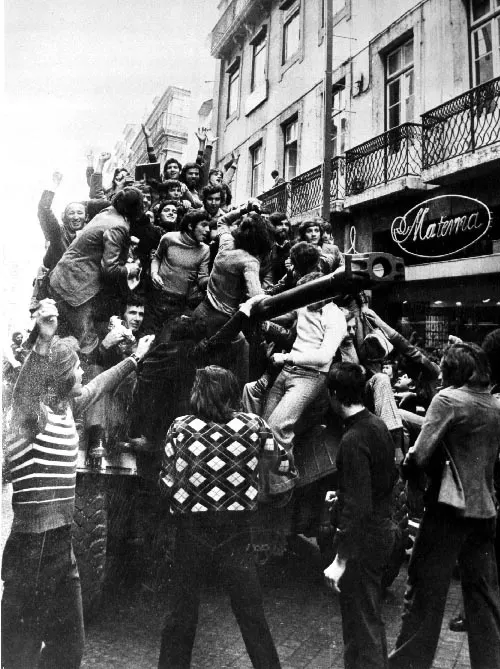
Crowds climb onto a military vehicle in Lisbon during the Carnation Revolution of 1974.Crowds climb onto a military vehicle in Lisbon during the Carnation Revolution of 1974.Image: Unknown author · CC BY 4.0
politics · Europe

Carnations and a quiet coup end Portugal’s dictatorship

On 25 April 1974, just after midnight, a Catholic radio station in Lisbon played Grândola, Vila Morena, a banned song by Zeca Afonso, as a signal to junior officers of the Armed Forces Movement. Troops, among them a column led by Captain Salgueiro Maia from Santarém, moved into the capital and within hours the Estado Novo regime, in power for nearly half a century, had surrendered. Crowds filled the streets, and a woman named Celeste Caeiro handed red carnations to soldiers, who pushed them into their rifle barrels. The largely bloodless revolution led to free elections, independence for Portugal’s African colonies and the democracy that the country marks every year as Freedom Day.

Source: Visit Portugal (Turismo de Portugal): 25th April, Freedom Day ↗
1990
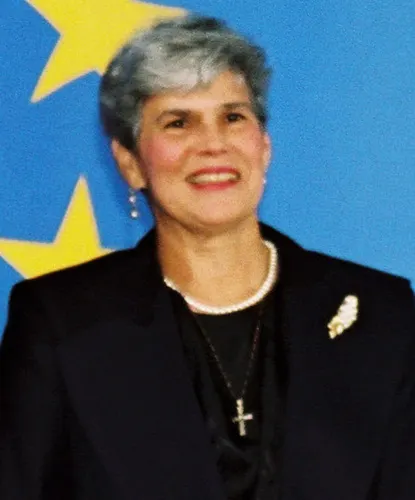
Violeta Chamorro, president of Nicaragua, photographed in 1991.Violeta Chamorro, president of Nicaragua, photographed in 1991.Image: EC - Audiovisual Service · CC BY 4.0
politics · Americas

Violeta Chamorro becomes Nicaragua’s president

On 25 April 1990 Violeta Barrios de Chamorro was sworn in as president of Nicaragua, the first woman to lead a Central American country. The widow of a murdered newspaper editor, she had led a 14-party opposition alliance to an unexpected election victory over the Sandinista leader Daniel Ortega. Her government ended the Contra war, cut the size of the army and lifted press censorship, while keeping some Sandinistas in office to hold the peace. She served until January 1997.

Source: Kansas State University, Landon Lecture Series: Violeta Chamorro ↗
VI
2000 TO TODAY

Modern Day

The events of recent decades that have already become part of the historical record.

2005
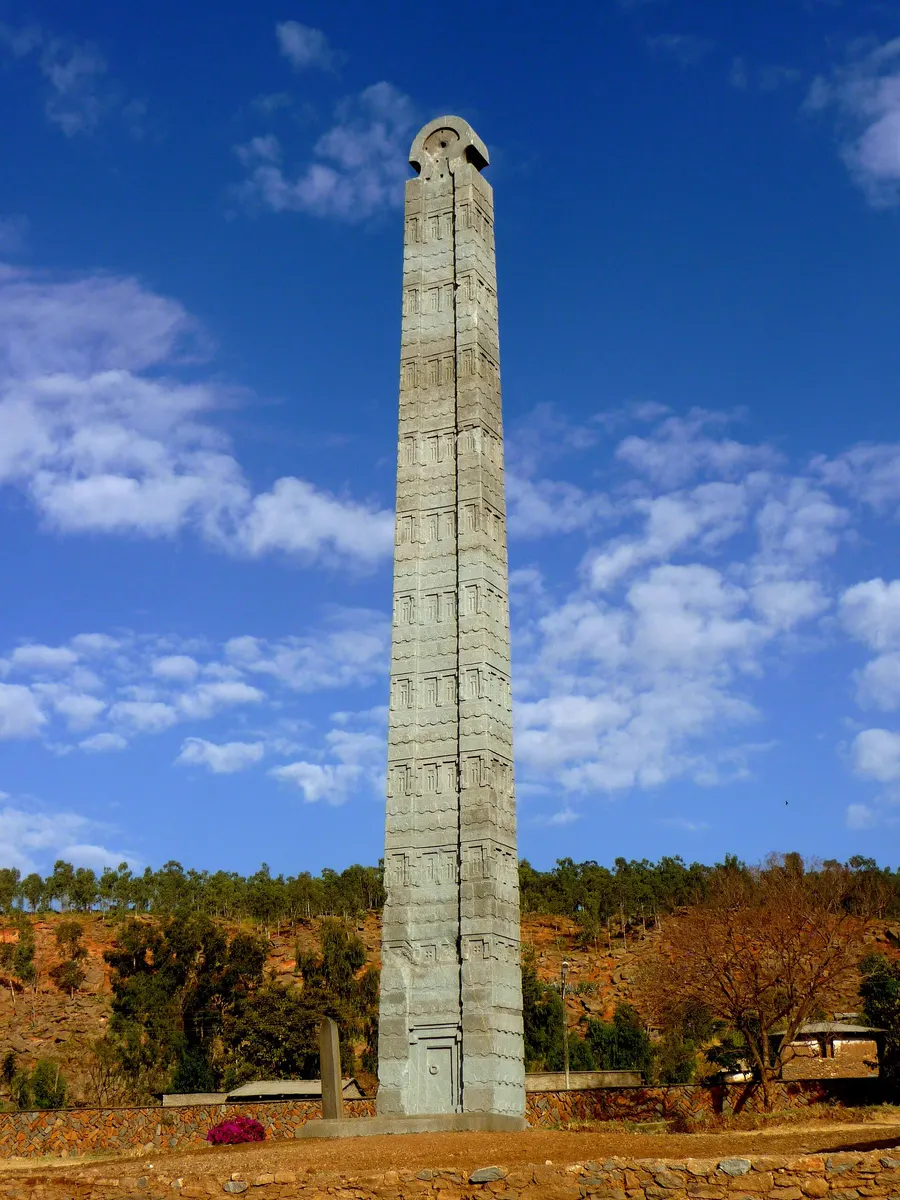
The Obelisk of Aksum standing again at Aksum, in Ethiopia's Tigray region.The Obelisk of Aksum standing again at Aksum, in Ethiopia’s Tigray region.Image: Ondřej Žváček · CC BY 2.5
culture · Africa

The Obelisk of Aksum comes home

On 25 April 2005 the last of three sections of the Obelisk of Aksum was flown into the northern Ethiopian town it came from, 68 years after Italian troops took it to Rome following Mussolini’s invasion. The carved granite stele, about 1,700 years old and more than 24 metres tall, had stood near the Circus Maximus since 1937. Ethiopia had asked for its return for decades, and Italy agreed to cut it into pieces so that it could be flown home. UNESCO drew up the plans to put it back up, and the obelisk was raised again among the ancient stelae of Aksum in 2008.

Source: UN News: Ethiopian obelisk taken by Italy returns home under watchful eye of UN (26 April 2005) ↗
2015
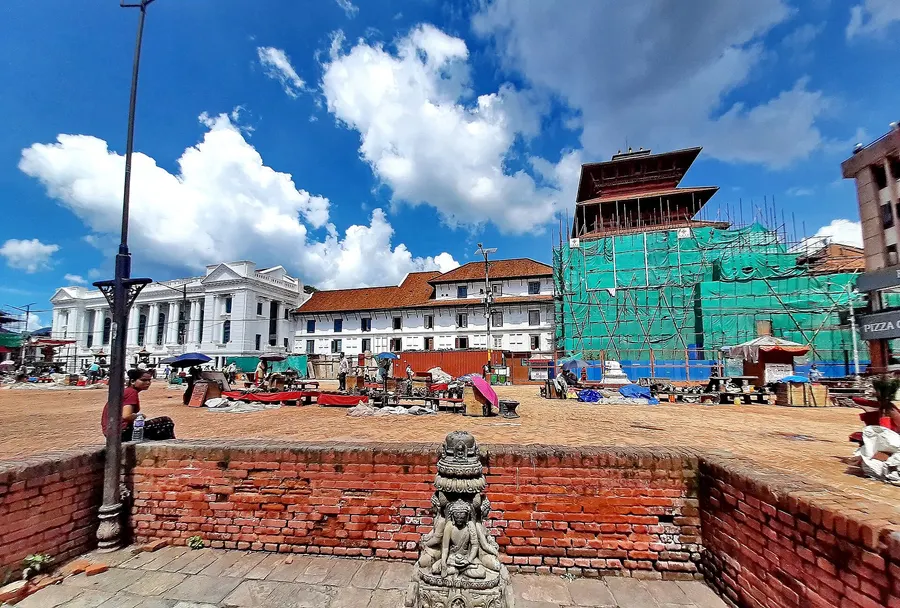
Palaces on Kathmandu's Basantapur Durbar Square under repair after the 2015 earthquake.Palaces on Kathmandu’s Basantapur Durbar Square under repair after the 2015 earthquake.Image: Rajesh Dhungana · CC BY-SA 4.0
world · Asia

The Gorkha earthquake strikes Nepal

On 25 April 2015, shortly before noon local time, a magnitude 7.8 earthquake struck central Nepal, centred in Gorkha district north-west of Kathmandu. Nearly 9,000 people died in Nepal and neighbouring countries, and hundreds of thousands of homes were damaged or destroyed. Avalanches set off by the shaking killed climbers at Everest base camp, and historic temples in the Kathmandu Valley collapsed. A strong aftershock on 12 May added to the damage, and rebuilding took years.

Source: US Geological Survey: Introduction to the special issue on the 25 April 2015 Mw 7.8 Gorkha (Nepal) earthquake ↗
RESEARCH

Sources & Further Reading

Selected authoritative references supporting the events on this page.

Catholic Encyclopedia (New Advent): Pope St. Leo III↗Encyclopedia.com (New Catholic Encyclopedia): Leo III, Pope, St.↗Wikipedia: Pope Leo III↗Miami University Libraries, Walter Havighurst Special Collections: From the Stacks - Robinson Crusoe↗Wikisource: The Encyclopedia Americana (1920), Robinson Crusoe↗Wikipedia: Robinson Crusoe↗Suez Canal Authority: Canal history↗Wikipedia: Port Said↗Wikipedia: Suez Canal↗Australian War Memorial: The landing↗National Museum of Australia: Gallipoli landing↗Wikipedia: Landing at Anzac Cove↗Teatro alla Scala: Turandot↗Wikipedia: Turandot↗Stiftung Sächsische Gedenkstätten, Erinnerungsort Torgau: Defeat and liberation - the meeting on the Elbe↗United States Holocaust Memorial Museum: Soviet and US troops meet at Torgau↗Wikipedia: Elbe Day↗American Physical Society, APS News: April 25, 1954: Bell Labs demonstrates the first practical silicon solar cell↗National Inventors Hall of Fame: Daryl Chapin↗Wikipedia: Daryl Chapin↗Visit Portugal (Turismo de Portugal): 25th April, Freedom Day↗The Conversation: The 50th anniversary of Portugal’s Carnation Revolution↗Wikipedia: Carnation Revolution↗Kansas State University, Landon Lecture Series: Violeta Chamorro↗Britannica: Violeta Barrios de Chamorro↗Wikipedia: Violeta Chamorro↗UN News: Ethiopian obelisk taken by Italy returns home under watchful eye of UN (26 April 2005)↗UNESCO World Heritage Centre: Aksum Obelisk reinstallation project↗Wikipedia: Obelisk of Axum↗US Geological Survey: Introduction to the special issue on the 25 April 2015 Mw 7.8 Gorkha (Nepal) earthquake↗Britannica: Nepal earthquake of 2015↗Wikipedia: April 2015 Nepal earthquake↗
WHY THESE MOMENTS?

Significance before volume

This page is not the longest possible list of events. It is a chronological journey through 25 April, where each entry is chosen for historical significance, human interest and reliability.

Facts are checked against authoritative museums, archives, universities and reference works. Where sources disagree, the page says so.

EXPLORED THE DEEPER STORY?

Return to the highlights of 25 April

Discover the lighter side of the date with famous birthdays, culture, firsts and lives remembered.

Explore This Day →
← PREVIOUS DAY24 April
HISTORY & TIMELINE25 April
NEXT DAY →26 April