
HISTORY & TIMELINE
26 April

A journey through
26 April in history

From the English colonists’ first landing in Virginia in 1607 to the last Syrian troops leaving Lebanon in 2005, 26 April has seen John Wilkes Booth cornered in a Virginia barn, Italy’s secret bargain with the Allies, the bombing of Guernica, the opening of the Geneva Conference, the fall of Syngman Rhee and an earthquake that remade Tashkent. This timeline follows the date across four centuries.

II
THE MIDDLE AGES

Medieval History

Kingdoms, conflict, faith, power and the changing medieval world.

1336
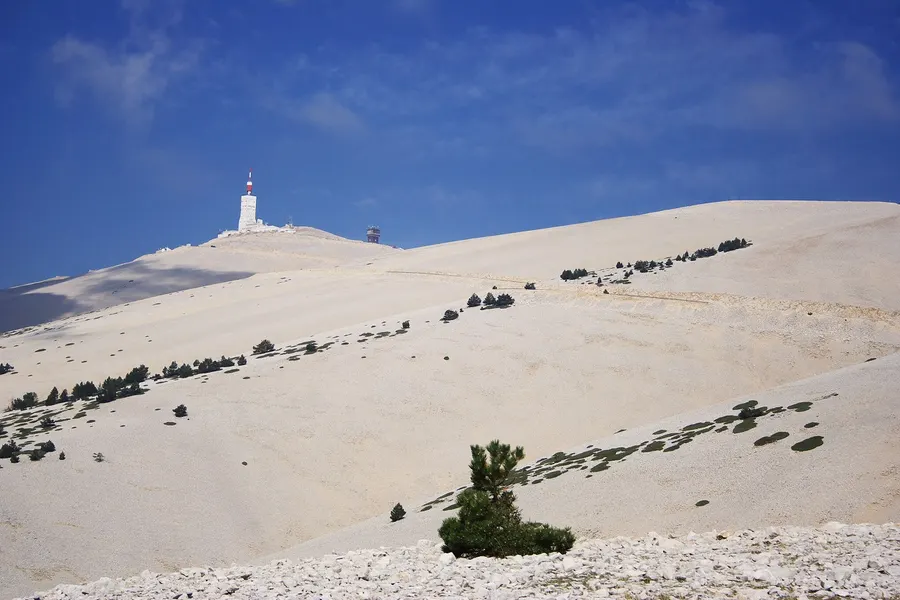
The bare limestone summit of Mont Ventoux in Provence.The bare limestone summit of Mont Ventoux in Provence.Image: muneaki · CC BY-SA 3.0
culture · Europe

Petrarch climbs Mont Ventoux for the view

On 26 April 1336, by his own account, the Italian poet Petrarch climbed Mont Ventoux in Provence with his brother and two servants, simply to see the view from the top. He described the ascent in a famous letter to his former confessor, later collected among his Familiar Letters. At the summit he opened his copy of Saint Augustine’s Confessions and read a passage rebuking people who marvel at mountains but neglect their own souls. Scholars doubt some details of the letter, which may have been written years later, but it is often seen as an early sign of the Renaissance outlook.

Source: Hanover College History Department: Petrarch, The Ascent of Mount Ventoux (text) ↗
1478
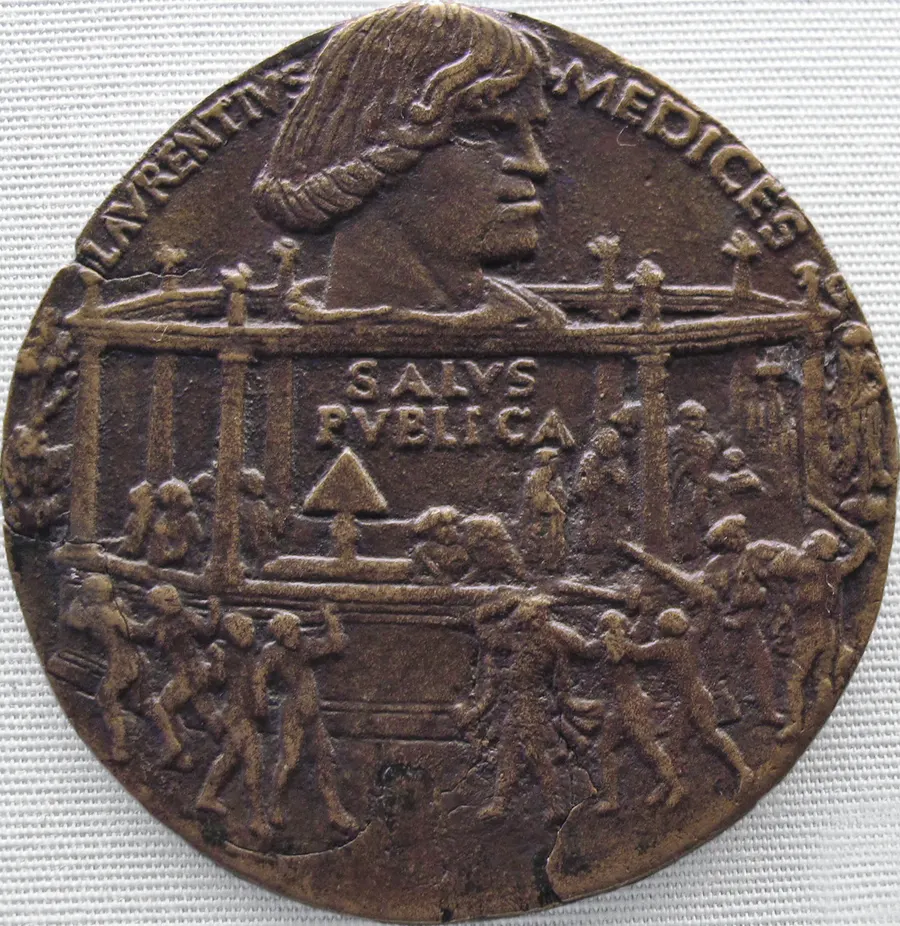
Bertoldo di Giovanni's medal of 1478 recording the Pazzi attack, with Lorenzo de' Medici's head above the scene in the cathedral choir.Bertoldo di Giovanni’s medal of 1478 recording the Pazzi attack, with Lorenzo de’ Medici’s head above the scene in the cathedral choir.Image: sailko · CC BY-SA 3.0
politics · Europe

The Pazzi conspirators strike in Florence Cathedral

On 26 April 1478, during Sunday Mass in Florence Cathedral, men in the pay of the rival Pazzi family attacked the brothers Lorenzo and Giuliano de’ Medici, who ruled the city in all but name. Giuliano was stabbed to death, but Lorenzo, wounded in the neck, escaped into the sacristy and barred the door. The plot had the backing of Pope Sixtus IV’s circle and the archbishop of Pisa, Francesco Salviati, yet Florence rallied to the Medici. Salviati and dozens of conspirators were executed within days, some hanged from the windows of the government palace, and Lorenzo’s power emerged stronger than before.

Source: Staatliche Museen zu Berlin: The Pazzi Conspiracy (exhibition) ↗
III
A CHANGING WORLD

Early Modern Era

Exploration, political change, scientific development and expanding global connections.

1607
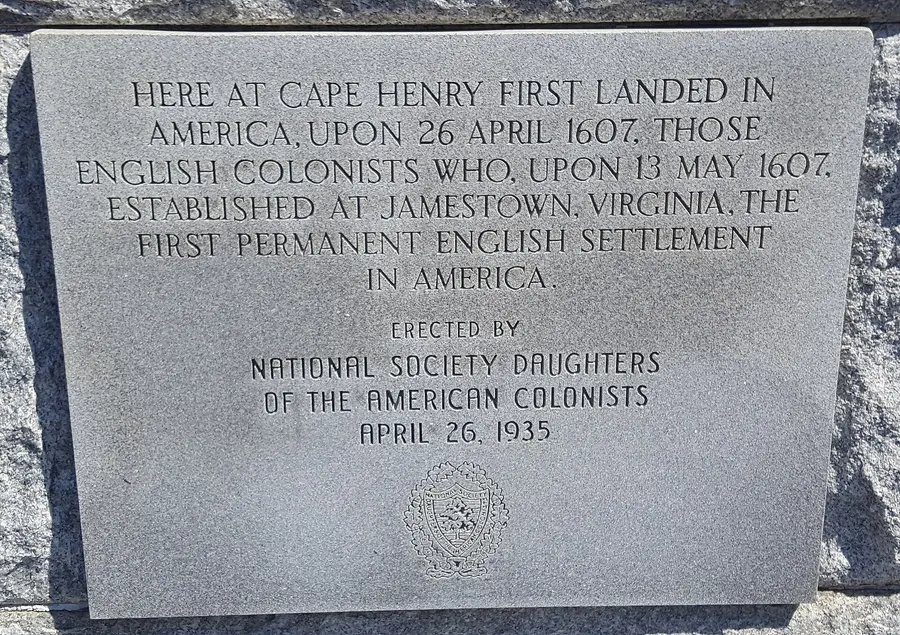
The 1935 tablet at the First Landing Cross on Cape Henry, Virginia, recording the colonists' landing of 26 April 1607.The 1935 tablet at the First Landing Cross on Cape Henry, Virginia, recording the colonists’ landing of 26 April 1607.Image: Doctorg · CC BY-SA 4.0
world · Americas

English colonists make their first landing in Virginia

On 26 April 1607 three small ships, the Susan Constant, the Godspeed and the Discovery, reached Cape Henry at the mouth of Chesapeake Bay after four months at sea from England. A party of the Virginia Company’s men went ashore to explore and at dusk was attacked by local Powhatan warriors, leaving two men wounded. A few days later the colonists raised a wooden cross at the cape and named it after Henry, Prince of Wales. On 13 May they chose a site upriver that became Jamestown, the first lasting English settlement in North America.

Source: Preservation Virginia: The English colonists’ first landing at Cape Henry, April 26, 1607 ↗
IV
THE NINETEENTH CENTURY

The 1800s

Industry, empire, invention, reform and a century of enormous transformation.

1803
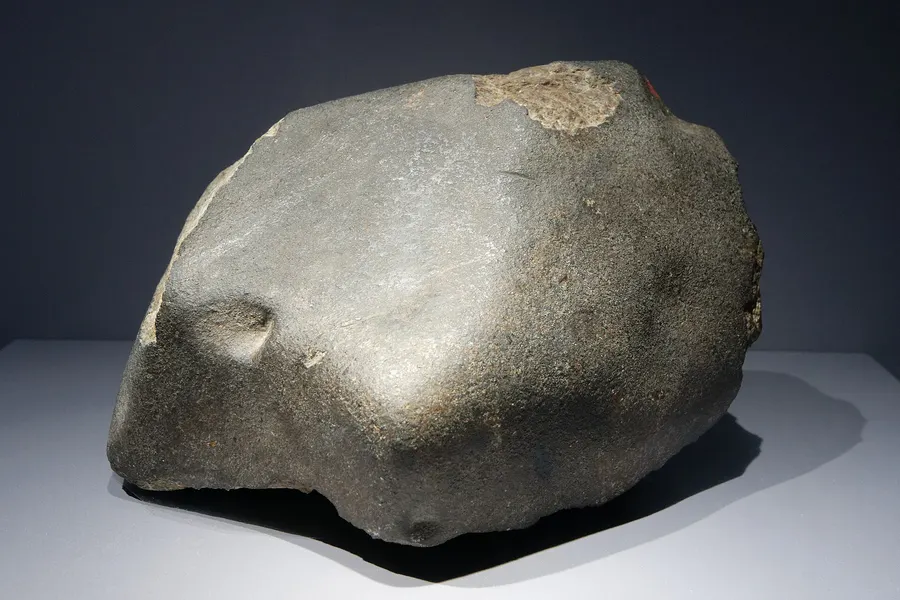
A stone from the L'Aigle fall of 1803, in the mineralogy collection of the Muséum national d'Histoire naturelle, Paris.A stone from the L’Aigle fall of 1803, in the mineralogy collection of the Muséum national d’Histoire naturelle, Paris.Image: Marie-Lan Taÿ Pamart · CC BY 4.0
science · Europe

Stones fall from the sky at L’Aigle

On 26 April 1803 a shower of more than 3,000 stones fell around the small Normandy town of L’Aigle, watched by many startled villagers. At the time most European scientists doubted that rocks could fall from the sky and put such stories down to superstition. The French Academy of Sciences sent the young physicist Jean-Baptiste Biot to investigate. His careful report, combining the stones themselves with the evidence of many witnesses, convinced the scientific world that meteorites were real and founded the science of meteoritics.

Source: Lunar and Planetary Institute (Meteoritical Society 2003): The meteorite fall at L’Aigle on April 26th 1803 ↗
1865
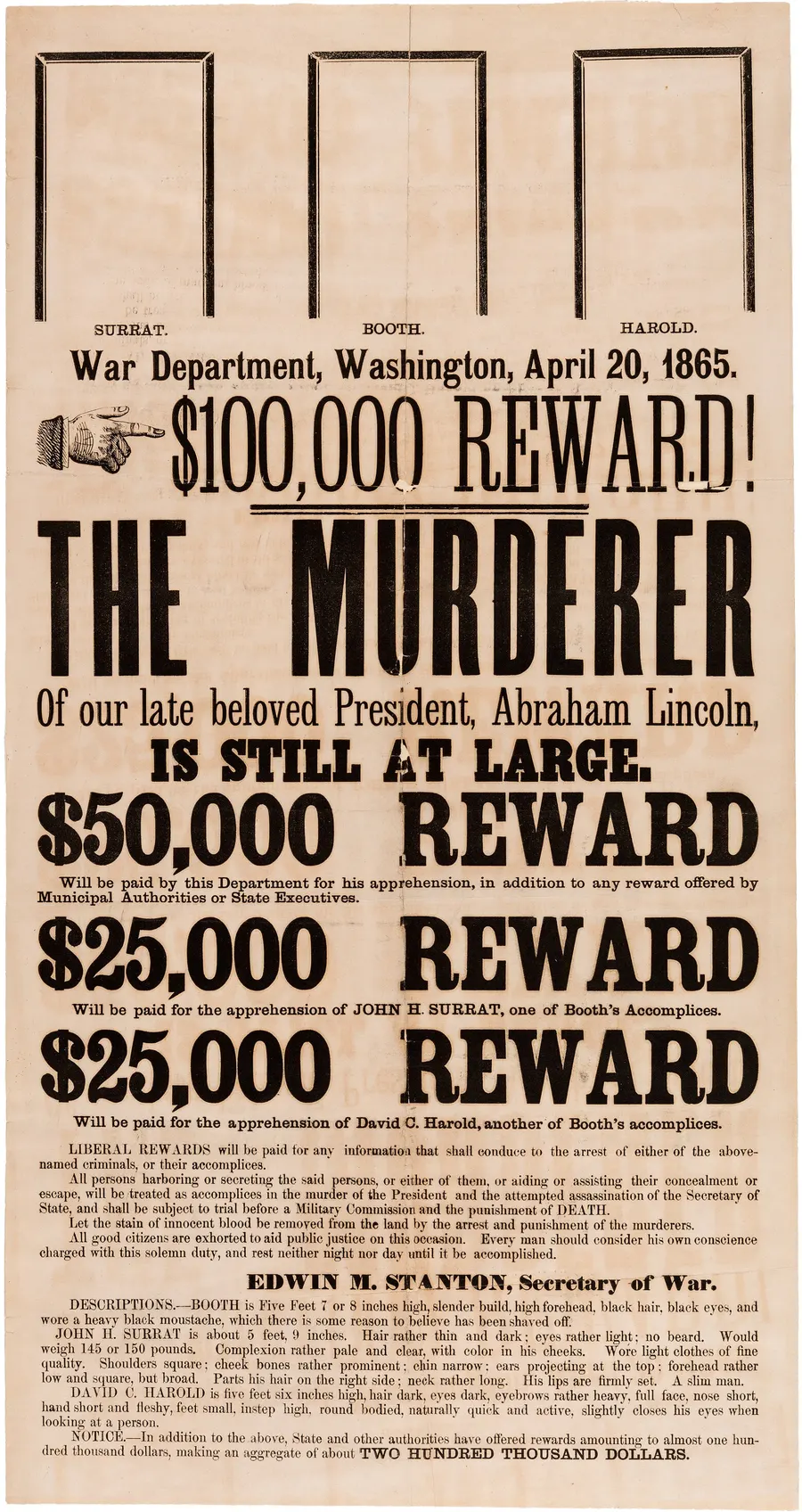
The War Department's reward poster of 20 April 1865 for Booth and two fellow conspirators.The War Department’s reward poster of 20 April 1865 for Booth and two fellow conspirators.Image: United States Department of War · Public domain
politics · Americas

Lincoln’s assassin is cornered in a Virginia barn

Early on 26 April 1865 Union cavalry of the 16th New York found John Wilkes Booth and his companion David Herold hiding in a tobacco barn on Richard Garrett’s farm near Port Royal, Virginia. Twelve days had passed since Booth shot President Abraham Lincoln at Ford’s Theatre in Washington. Herold surrendered, but Booth refused, and after the soldiers set the barn alight he was shot by Sergeant Boston Corbett. He died on the farmhouse porch a few hours later.

Source: Smithsonian Magazine: The final hours of John Wilkes Booth ↗
V
THE TWENTIETH CENTURY

The 1900s

War and peace, technological leaps, social change, politics, sport and popular culture.

1903
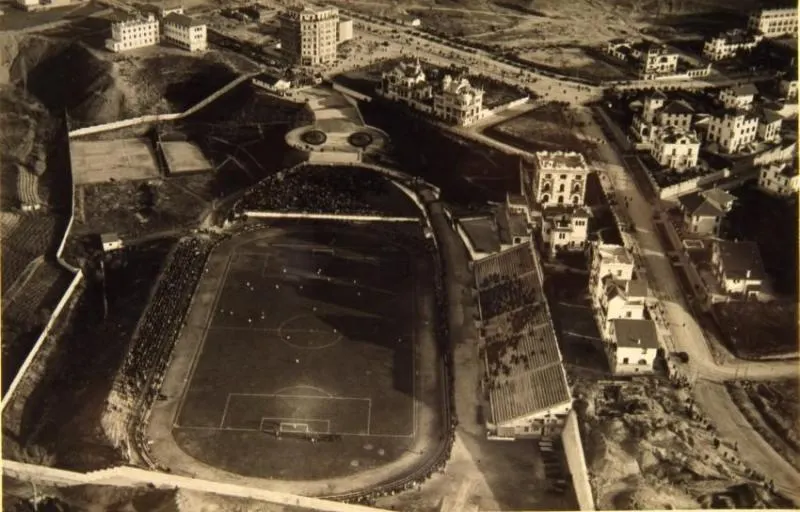
Atlético's old Stadium Metropolitano in Madrid, in a panoramic photograph of about 1927.Atlético’s old Stadium Metropolitano in Madrid, in a panoramic photograph of about 1927.Image: BenBarek1903 · CC BY-SA 4.0
sport · Europe

Atlético Madrid is founded

On 26 April 1903 a group of Basque students living in Madrid founded a football club as a local branch of Athletic Club of Bilbao. They had been inspired by Athletic’s comeback win in the Spanish cup final earlier that month. The club soon went its own way, and after several changes of name it became Club Atlético de Madrid in 1947. It has since won the Spanish league many times and reached three European Cup and Champions League finals.

Source: Club Atlético de Madrid (official site): 122 years of Atlético de Madrid ↗
1915
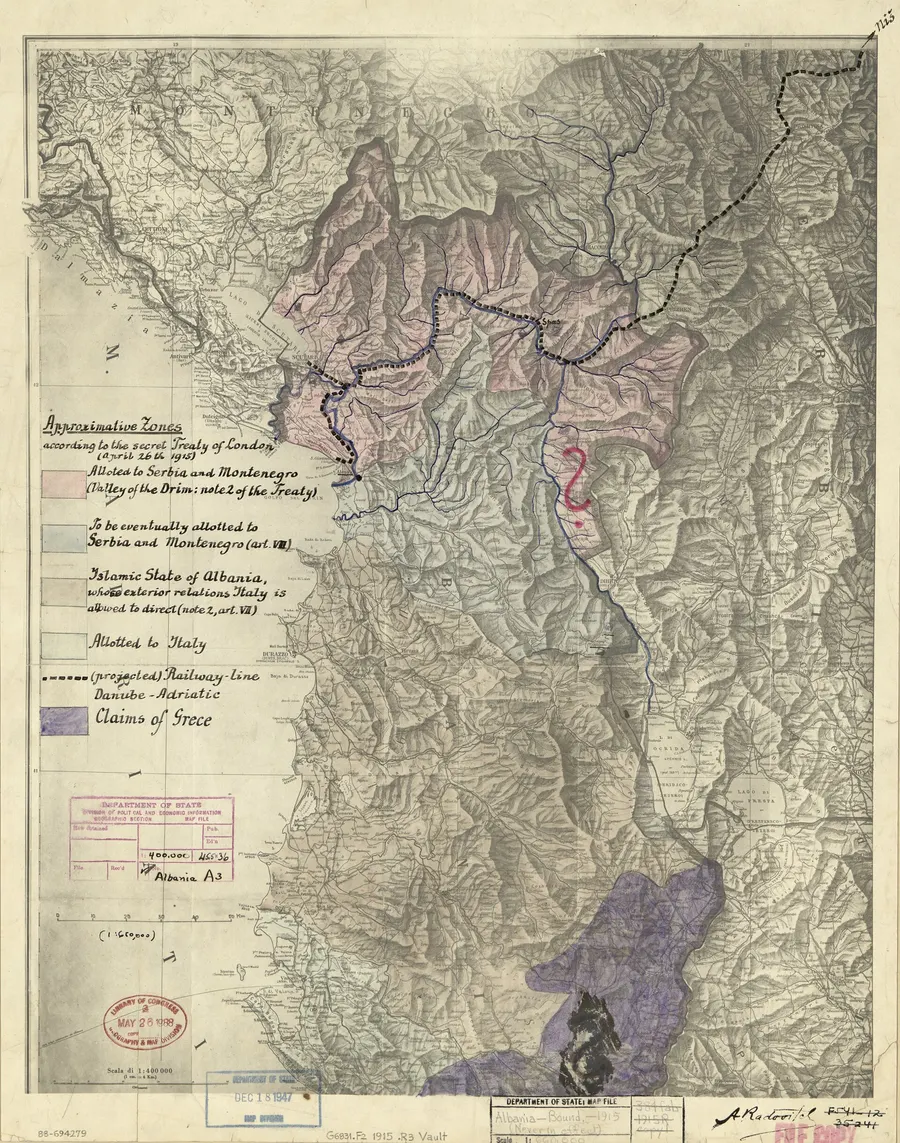
A map of the approximate zones in Albania under the secret Treaty of London of 26 April 1915 (Library of Congress).A map of the approximate zones in Albania under the secret Treaty of London of 26 April 1915 (Library of Congress).Image: Radovitch, A. (André); Radovitch, A. · Public domain
world · Europe

Italy signs a secret bargain with the Allies

On 26 April 1915 Italy, still neutral in the First World War, signed a secret treaty in London with Britain, France and Russia. In return for joining the war within a month, Italy was promised Trentino, South Tyrol, Trieste, much of the Dalmatian coast and other gains. Italy declared war on Austria-Hungary on 23 May. The terms became public when the Bolsheviks published the Tsar’s secret treaties in 1917, and many of the promises were not honoured at the peace conference.

Source: Library of Congress, Worlds Revealed (Geography and Map Division): The secret Treaty of London ↗
1937
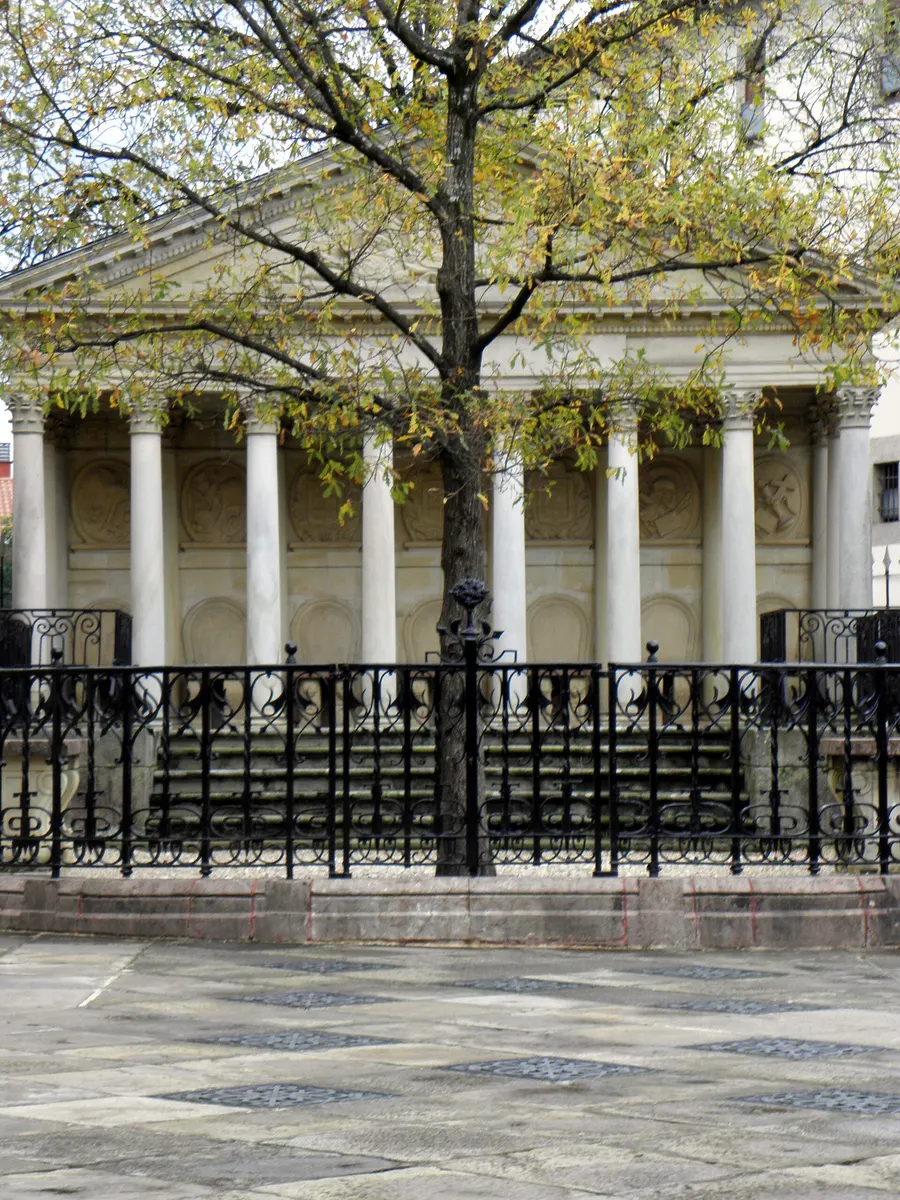
The Tree of Gernika, symbol of Basque liberties, in front of the Assembly House in Gernika.The Tree of Gernika, symbol of Basque liberties, in front of the Assembly House in Gernika.Image: Lpikaza · CC BY-SA 3.0
world · Europe

Guernica is bombed

On the afternoon of 26 April 1937, a market day, German aircraft of the Condor Legion and Italian bombers attacked the Basque town of Guernica in support of Franco’s Nationalists in the Spanish Civil War. The raids went on for about three hours and left most of the town’s buildings in ruins. Estimates of the number killed still vary widely. Pablo Picasso’s painting Guernica, shown in Paris that summer, made the town a lasting symbol of the suffering of civilians in war.

Source: Anne Frank House: The German Luftwaffe bombs Guernica ↗
1954
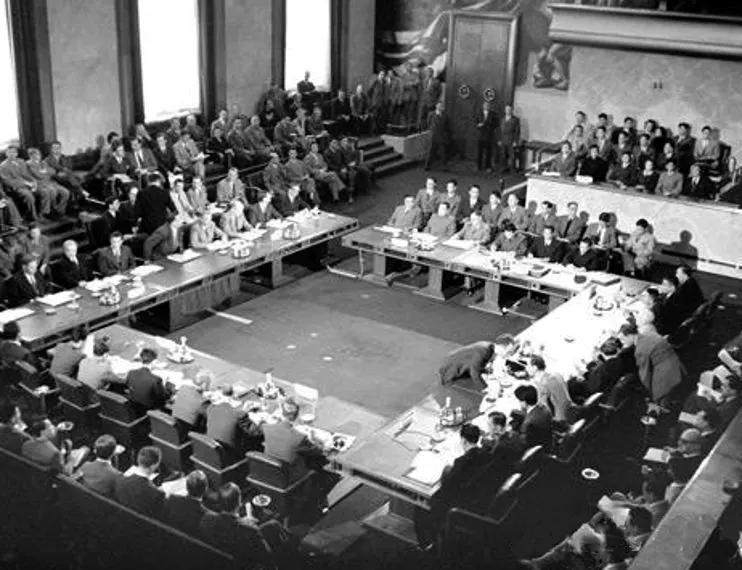
Delegates around the table at the Geneva Conference, 1954 (US Army photograph).Delegates around the table at the Geneva Conference, 1954 (US Army photograph).Image: US Army Photograph · Public domain
world · Asia

The Geneva Conference opens

On 26 April 1954 foreign ministers gathered in Geneva to try to settle the wars in Korea and Indochina. The Korean talks, joined by both Koreas, China, the Soviet Union and the United States, ended in June without agreement. The Indochina talks, which began in May as the French garrison at Dien Bien Phu fell, produced accords in July that ended French rule and divided Vietnam at the 17th parallel. The division was meant to be temporary but led towards the Vietnam War.

Source: US Office of the Historian: The Geneva Conference on Korea, April 26 - June 15, 1954 (FRUS 1952-54 vol. XVI) ↗
1956
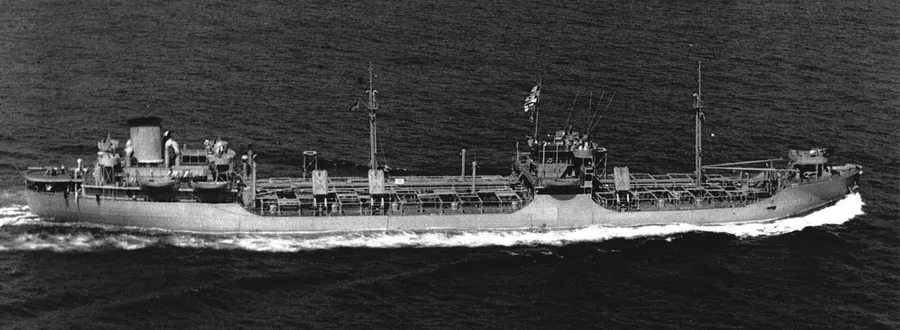
The T2 tanker Hat Creek at sea in 1943; the Ideal X was converted from a wartime tanker of this type.The T2 tanker Hat Creek at sea in 1943; the Ideal X was converted from a wartime tanker of this type.Image: U.S. Navy · Public domain
world · Americas

The Ideal X carries the first boxes to sea

On 26 April 1956 the converted tanker Ideal X sailed from Port Newark, New Jersey, for Houston, Texas, with 58 metal containers loaded on a deck built for the purpose. The idea came from Malcom McLean, a trucking businessman who wanted to lift whole trailer boxes on and off ships instead of handling cargo piece by piece. The containers were loaded in under eight hours and the ship reached Houston five days later. Standard shipping containers went on to transform world trade, cutting the cost of moving goods and reshaping the world’s ports.

Source: Port Authority of New York and New Jersey: Port Newark - how Malcom McLean changed the world ↗
1960
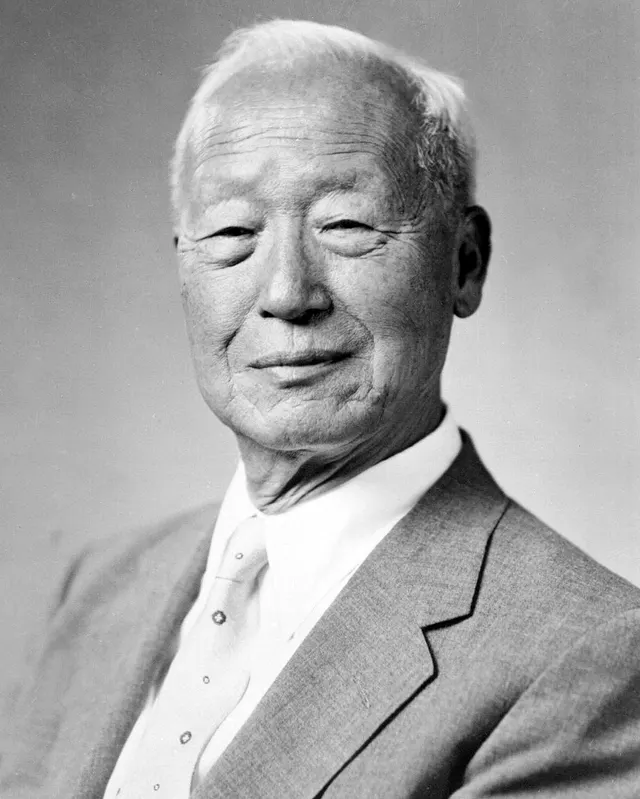
Syngman Rhee, South Korea's first president.Syngman Rhee, South Korea’s first president.Image: Unknown author · Public domain
politics · Asia

South Korea’s first president agrees to step down

On 26 April 1960, after weeks of protests led by students against a rigged election, South Korea’s president Syngman Rhee announced that he would resign. Police had killed many demonstrators, and the day before, university professors had marched to join the students. Rhee left for exile in Hawaii in May, and a new parliamentary Second Republic was set up in June. South Koreans remember the uprising as the April Revolution.

Source: Association for Diplomatic Studies and Training: The fall of South Korean strongman Syngman Rhee, April 26, 1960 ↗
1964
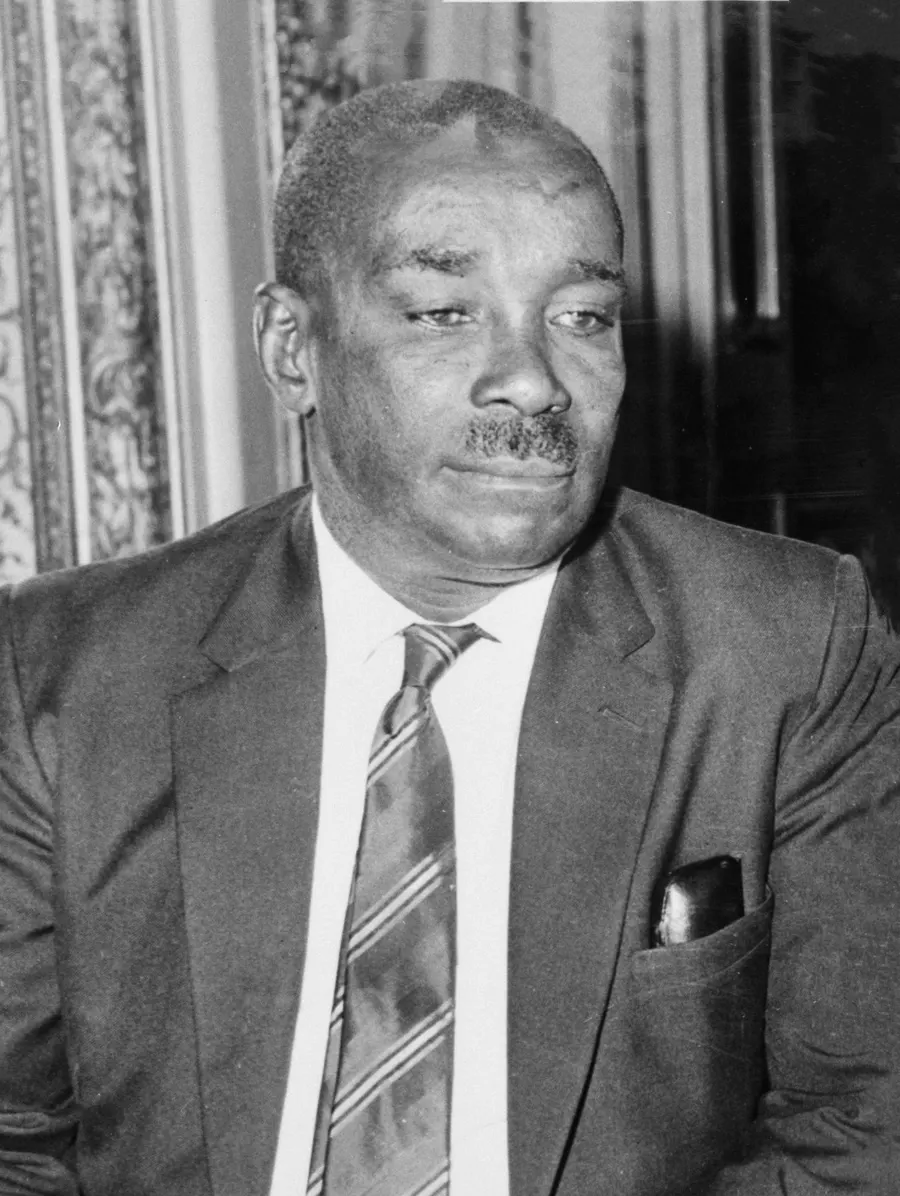
Abeid Amani Karume, Zanzibar's president, who became the union's first vice-president, photographed in 1964.Abeid Amani Karume, Zanzibar’s president, who became the union’s first vice-president, photographed in 1964.Image: Unknown author · CC BY-SA 3.0 nl
politics · Africa

Tanganyika and Zanzibar become one republic

On 26 April 1964 the mainland republic of Tanganyika and the islands of Zanzibar joined to form a single state. Julius Nyerere and Abeid Amani Karume had signed the Articles of Union four days earlier, and at the Karimjee Hall in Dar es Salaam they exchanged the documents and mixed soil from both lands to mark the union. Nyerere became president and Karume first vice-president, while Zanzibar kept its own government for island affairs. Later that year the new country took the name Tanzania, and 26 April is still a national holiday, Union Day.

Source: Dodoma City Council (Tanzania government): Union Day ↗
1966
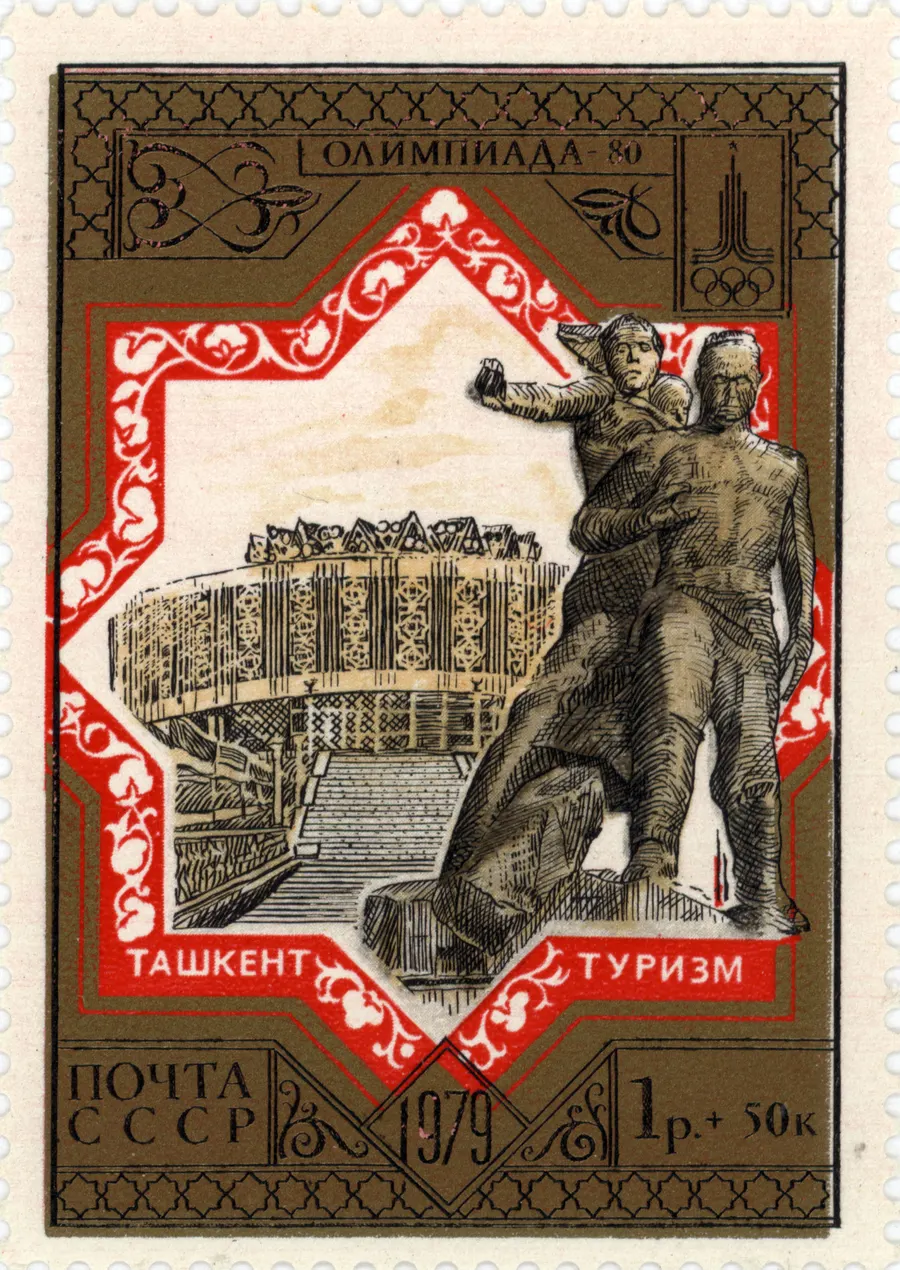
A 1979 Soviet stamp showing Tashkent's Courage monument, which commemorates the 1966 earthquake.A 1979 Soviet stamp showing Tashkent’s Courage monument, which commemorates the 1966 earthquake.Image: Post of the Soviet Union (designer L. Sharov) · Public domain

world · Asia

An earthquake strikes the heart of Tashkent

At 5.23 in the morning on 26 April 1966 a shallow earthquake struck directly beneath the centre of Tashkent, capital of Soviet Uzbekistan. Although it was only moderate in size, it destroyed much of the old city and left hundreds of thousands of people homeless; reported deaths were relatively few. Builders and students from across the Soviet Union came to help rebuild the city within a few years. A memorial complex, the Courage monument, now stands near the epicentre.

Source: ReliefWeb (UN OCHA): 1966-2016, 50 years since the Tashkent earthquake ↗
1986
The New Safe Confinement arch built over the ruined Chernobyl reactor, photographed in August 2016.The New Safe Confinement arch built over the ruined Chernobyl reactor, photographed in August 2016.Image: Cls14 · CC BY-SA 4.0
world · Europe

A reactor explodes at Chernobyl

At 1.23 in the morning on 26 April 1986, during a safety test at low power, reactor number 4 at the Chernobyl nuclear power station in Soviet Ukraine went out of control. Two explosions destroyed the core and the roof of the building, and a fire released large amounts of radioactive material into the air. Two workers died that night and 28 more, mostly firefighters and plant staff, died of radiation sickness within months. About 116,000 people were evacuated in 1986, including the town of Pripyat, and a wide exclusion zone around the plant remains today.

Source: IAEA: The 1986 Chornobyl nuclear power plant accident ↗
VI
2000 TO TODAY

Modern Day

The events of recent decades that have already become part of the historical record.

2005
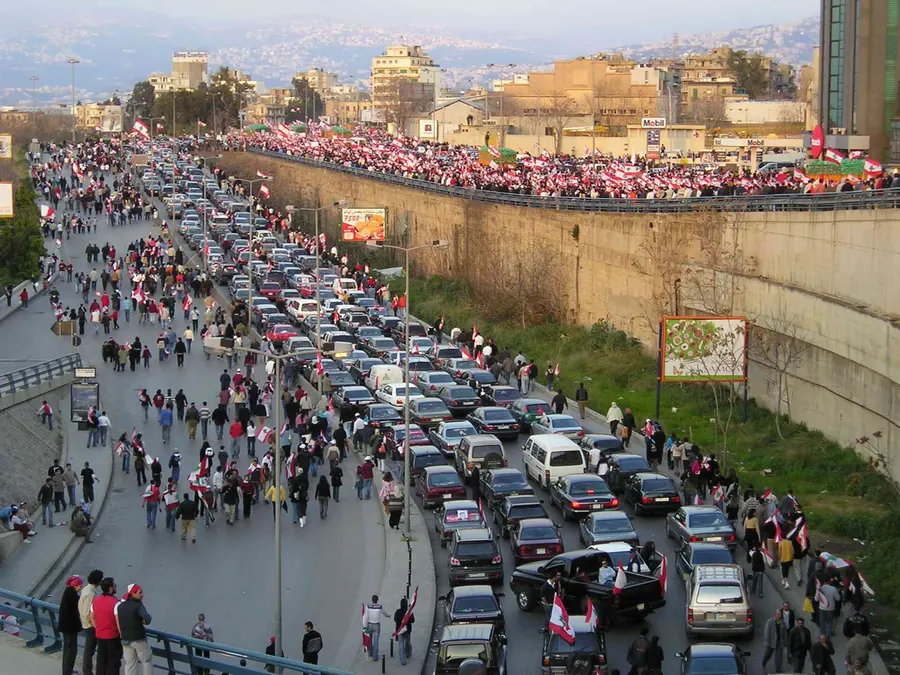
Demonstrators crowd the roads into central Beirut during the Cedar Revolution of 2005.Demonstrators crowd the roads into central Beirut during the Cedar Revolution of 2005.Image: Elie Ghobeira · CC BY-SA 3.0
politics · Middle East

The last Syrian troops leave Lebanon

On 26 April 2005 the last Syrian soldiers crossed the border home after a farewell ceremony, ending a military presence in Lebanon that had lasted almost 30 years. The withdrawal followed mass protests in Beirut after the killing of former prime minister Rafik Hariri in February, and strong international pressure. A United Nations team later confirmed that the troops had gone. The protests became known as the Cedar Revolution.

Source: UN News: Syria agrees to UN-verified troop withdrawal from Lebanon by 30 April ↗
RESEARCH

Sources & Further Reading

Selected authoritative references supporting the events on this page.

Hanover College History Department: Petrarch, The Ascent of Mount Ventoux (text)↗Wikipedia: Ascent of Mont Ventoux↗Staatliche Museen zu Berlin: The Pazzi Conspiracy (exhibition)↗History Today: The Pazzi Conspiracy↗Wikipedia: Pazzi conspiracy↗Preservation Virginia: The English colonists’ first landing at Cape Henry, April 26, 1607↗Encyclopedia Virginia (Virginia Humanities): Early Jamestown Settlement↗Lunar and Planetary Institute (Meteoritical Society 2003): The meteorite fall at L’Aigle on April 26th 1803↗Smithsonian Magazine: Scientists didn’t believe in meteorites until 1803↗Wikipedia: L’Aigle (meteorite)↗Smithsonian Magazine: The final hours of John Wilkes Booth↗Historical Marker Database: Where Booth Died↗Wikipedia: John Wilkes Booth↗Club Atlético de Madrid (official site): 122 years of Atlético de Madrid↗Wikipedia: Atlético Madrid↗Library of Congress, Worlds Revealed (Geography and Map Division): The secret Treaty of London↗Wikipedia: Treaty of London (1915)↗Anne Frank House: The German Luftwaffe bombs Guernica↗The Conversation: 80 years on from the Guernica bombing↗Wikipedia: Bombing of Guernica↗US Office of the Historian: The Geneva Conference on Korea, April 26 - June 15, 1954 (FRUS 1952-54 vol. XVI)↗US National Archives catalogue: Geneva Conference on Indochina and Korea↗Wikipedia: 1954 Geneva Conference↗Port Authority of New York and New Jersey: Port Newark - how Malcom McLean changed the world↗Port Houston: Ideal X↗Wikipedia: SS Ideal X↗Association for Diplomatic Studies and Training: The fall of South Korean strongman Syngman Rhee, April 26, 1960↗Swarthmore College, Global Nonviolent Action Database: South Korean students force dictator to resign, 1960↗Wikipedia: April Revolution↗Dodoma City Council (Tanzania government): Union Day↗The Conversation: Tanganyika and Zanzibar - Tanzania’s 60-year-old union↗Wikipedia: Articles of Union↗ReliefWeb (UN OCHA): 1966-2016, 50 years since the Tashkent earthquake↗Wikipedia: 1966 Tashkent earthquake↗IAEA: The 1986 Chornobyl nuclear power plant accident↗OECD Nuclear Energy Agency: Chernobyl - the site and accident sequence↗Wikipedia: Chernobyl disaster↗UN News: Syria agrees to UN-verified troop withdrawal from Lebanon by 30 April↗UN Digital Library: Report of the Secretary-General (S/2005/331) on verification of the withdrawal↗Wikipedia: Syrian occupation of Lebanon↗
WHY THESE MOMENTS?

Significance before volume

This page is not the longest possible list of events. It is a chronological journey through 26 April, where each entry is chosen for historical significance, human interest and reliability.

Facts are checked against authoritative museums, archives, universities and reference works. Where sources disagree, the page says so.

EXPLORED THE DEEPER STORY?

Return to the highlights of 26 April

Discover the lighter side of the date with famous birthdays, culture, firsts and lives remembered.

Explore This Day →
← PREVIOUS DAY25 April
HISTORY & TIMELINE26 April
NEXT DAY →27 April