Explore 31 March

Explore 31 March: Gustave Eiffel raises the French flag on top of his finished tower, Japan signs its first treaty with the United States, Spain’s monarchs order the expulsion of the Jews and a military coup begins in Brazil. Meet Joseph Haydn, Octavio Paz and Cesar Chavez, born on this date, and remember Charlotte Brontë and Jesse Owens.

This day through time →13 verified events across 3 eras

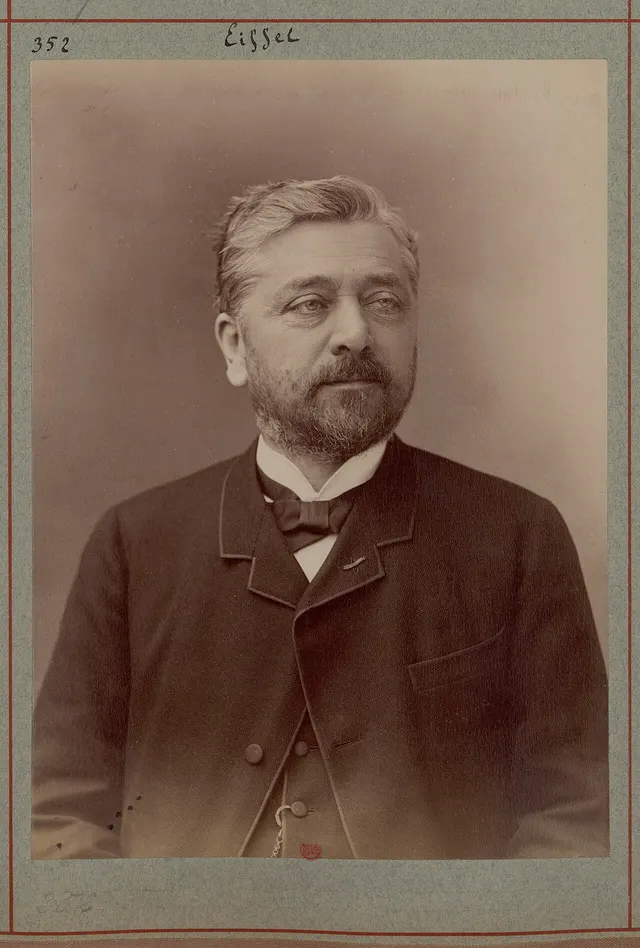
Gustave Eiffel photographed by Nadar in 1888.
Image creditNadar · Public domainResized and cropped for display.

Gustave Eiffel raises the flag on his tower

On the afternoon of 31 March 1889 Gustave Eiffel led a party of officials and workers up the stairs of his newly finished tower in Paris, a climb of more than an hour, as the lifts were not yet working. At the top, some 300 metres up, he hoisted a huge French tricolour while a gun salute was fired below.

Built in just over two years as the entrance to the World’s Fair marking the centenary of the French Revolution, it was the tallest structure in the world. Many artists had called it an eyesore; it opened to the public in May and has become the symbol of Paris.

Read the full storyHistory & Timeline →Source: Official site of the Eiffel Tower: 1889-2019, 130 years ↗

The stone monument marking where the Convention of Kanagawa was signed, in Yokohama, 2015.
Image creditFumihiro Kato · CC BY 4.0Resized and cropped for display.

Japan opens its doors to the United States

On 31 March 1854, at Kanagawa, near present-day Yokohama, Japan’s shogunate signed its first treaty with the United States. Commodore Matthew Perry had sailed in with warships the summer before and returned with a larger fleet to press for an answer.

Japan agreed to open two ports, Shimoda and Hakodate, to American ships for supplies, to help shipwrecked sailors and to accept an American consul. It was not yet a trade treaty, but it ended more than two centuries of near-total isolation and set Japan on the road to rapid modernisation.

Read the full storyHistory & Timeline →Source: US National Archives: Treaty of Kanagawa ↗
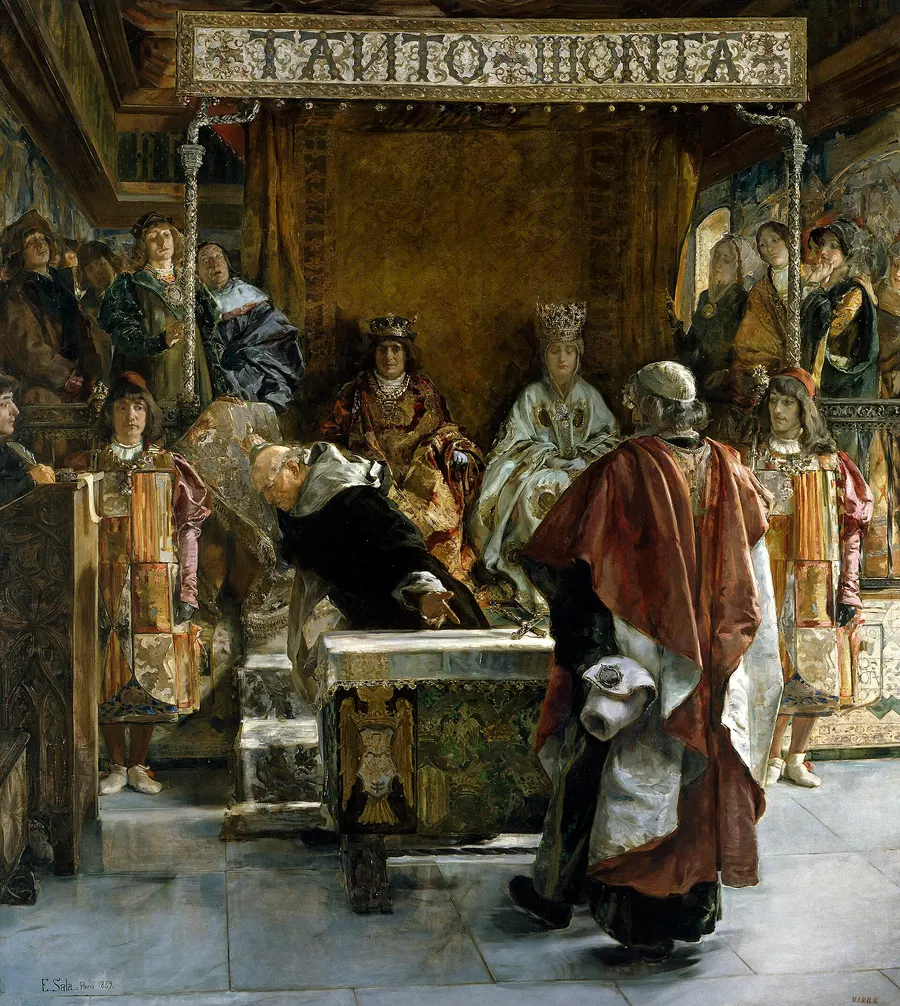
The Expulsion of the Jews from Spain, painted by Emilio Sala in 1889: the inquisitor Torquemada confronts Ferdinand and Isabella.
Image creditEmilio Sala · Public domainResized and cropped for display.

Spain orders the expulsion of its Jews

In the Alhambra palace at Granada, taken from its last Muslim ruler three months earlier, Ferdinand and Isabella signed a decree on 31 March 1492 ordering every Jew in their kingdoms who would not become a Christian to leave within four months.

Tens of thousands left, many for Portugal, North Africa, Italy and the Ottoman Empire, ending some fifteen centuries of Jewish life in Spain. Their descendants, the Sephardim, carried Spanish language and customs across the world. The decree was formally revoked only in 1968.

Read the full storyHistory & Timeline →Source: National Library of Israel: The Jewish expulsion from Spain ↗
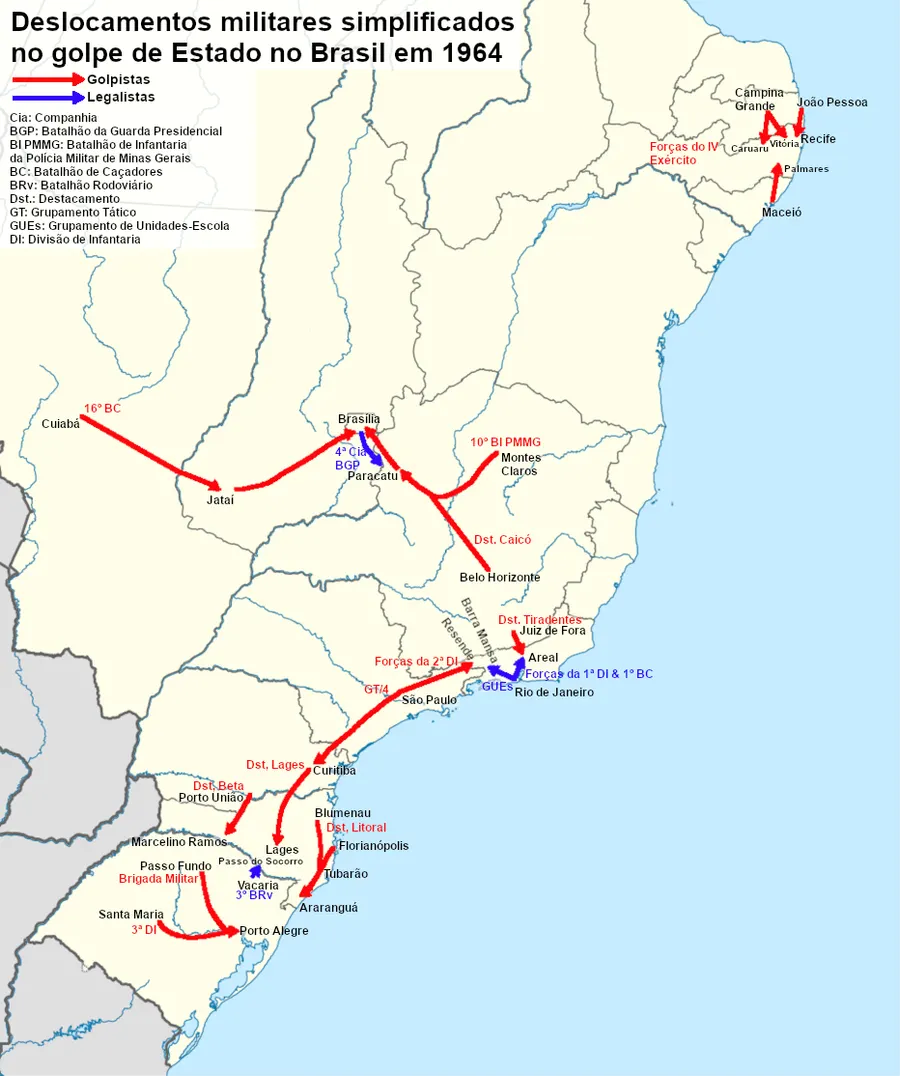
A map of the army's troop movements during the Brazilian coup of 1964.
A map of the army’s troop movements during the Brazilian coup of 1964.
Image creditMap by NordNordWest (talk · contribs) + own work · CC BY 3.0Resized and cropped for display.

A coup begins in Brazil

Before dawn on 31 March 1964 General Olímpio Mourão Filho ordered his troops out of Juiz de Fora in Minas Gerais and towards Rio de Janeiro, launching a revolt against the left-leaning president, João Goulart. Other commanders and state governors joined within hours.

By the next day the rebels controlled most of the country, and Goulart soon fled to Uruguay. Congress chose General Humberto Castelo Branco as president, and the armed forces ruled Brazil for the next 21 years, until 1985.

Read the full storyHistory & Timeline →Source: Encyclopaedia Britannica: Brazil, military intervention and dictatorship ↗
♙
PEOPLE

Born Today

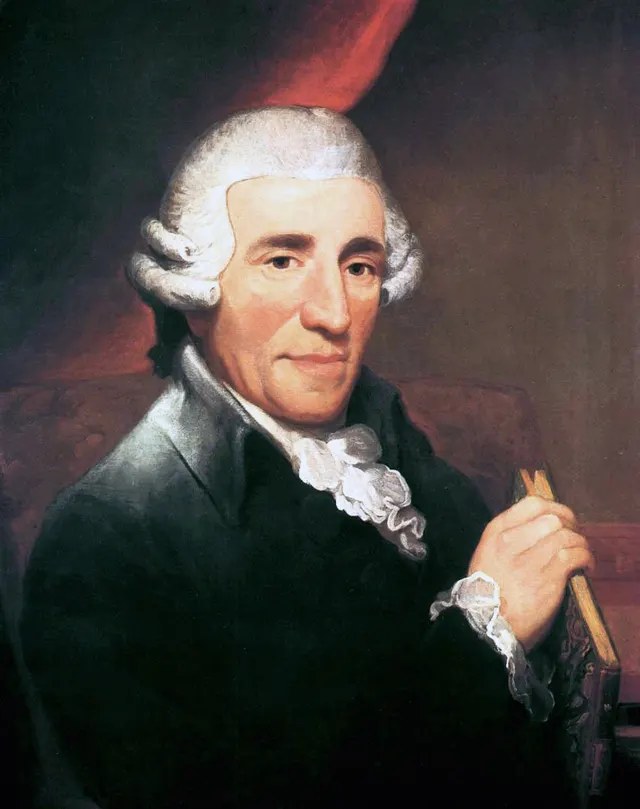
Joseph Haydn
Image creditThomas Hardy · Public domainResized and cropped for display.

Joseph Haydn

Austrian composer of more than 100 symphonies, often called the father of the symphony.

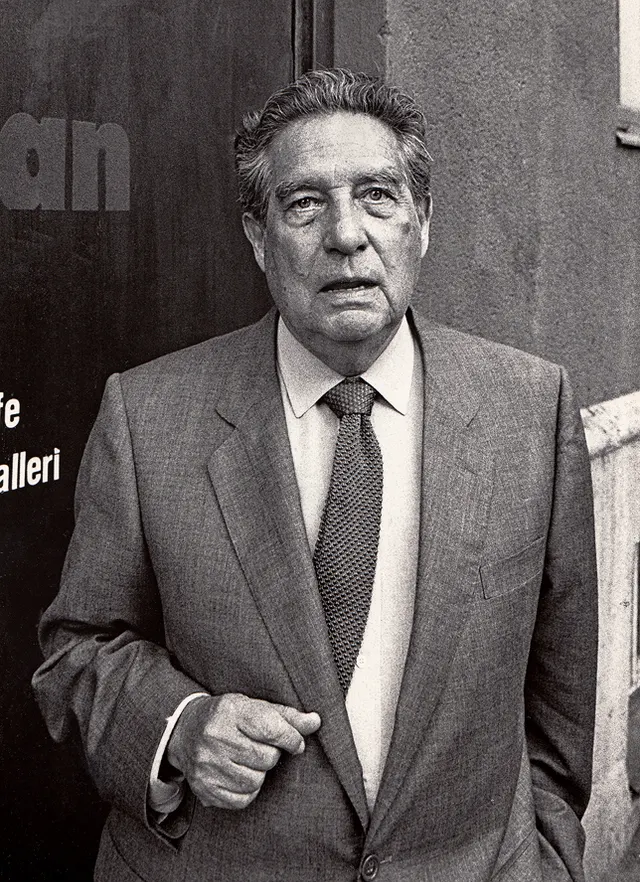
Octavio Paz
Image creditFoto: Jonn Leffmann · CC BY 3.0Resized and cropped for display.

Octavio Paz

Mexican poet and essayist who won the Nobel Prize in Literature in 1990.

Christopher Walken
Image creditPierre Vogel · CC BY-SA 4.0Resized and cropped for display.

Christopher Walken

American actor who won an Oscar for The Deer Hunter.

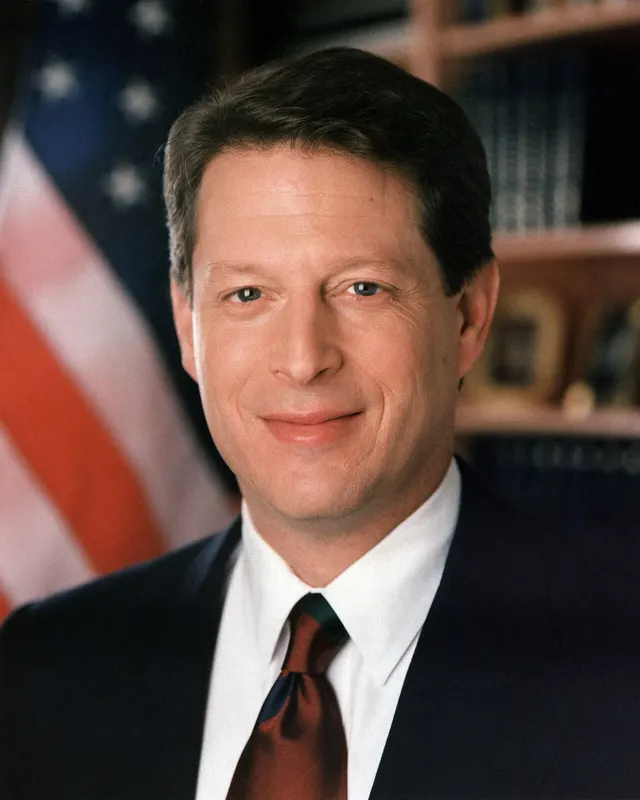
Al Gore
Image creditUnknown photographer · Public domainResized and cropped for display.

Al Gore

US vice-president under Bill Clinton, who shared the 2007 Nobel Peace Prize for his climate work.

Ewan McGregor
Image creditKevin Paul · CC BY 4.0Resized and cropped for display.

Ewan McGregor

Scottish actor of Trainspotting and the young Obi-Wan Kenobi in Star Wars.

◉
IDEAS THAT CHANGED THINGS

Firsts, Science & Discoveries

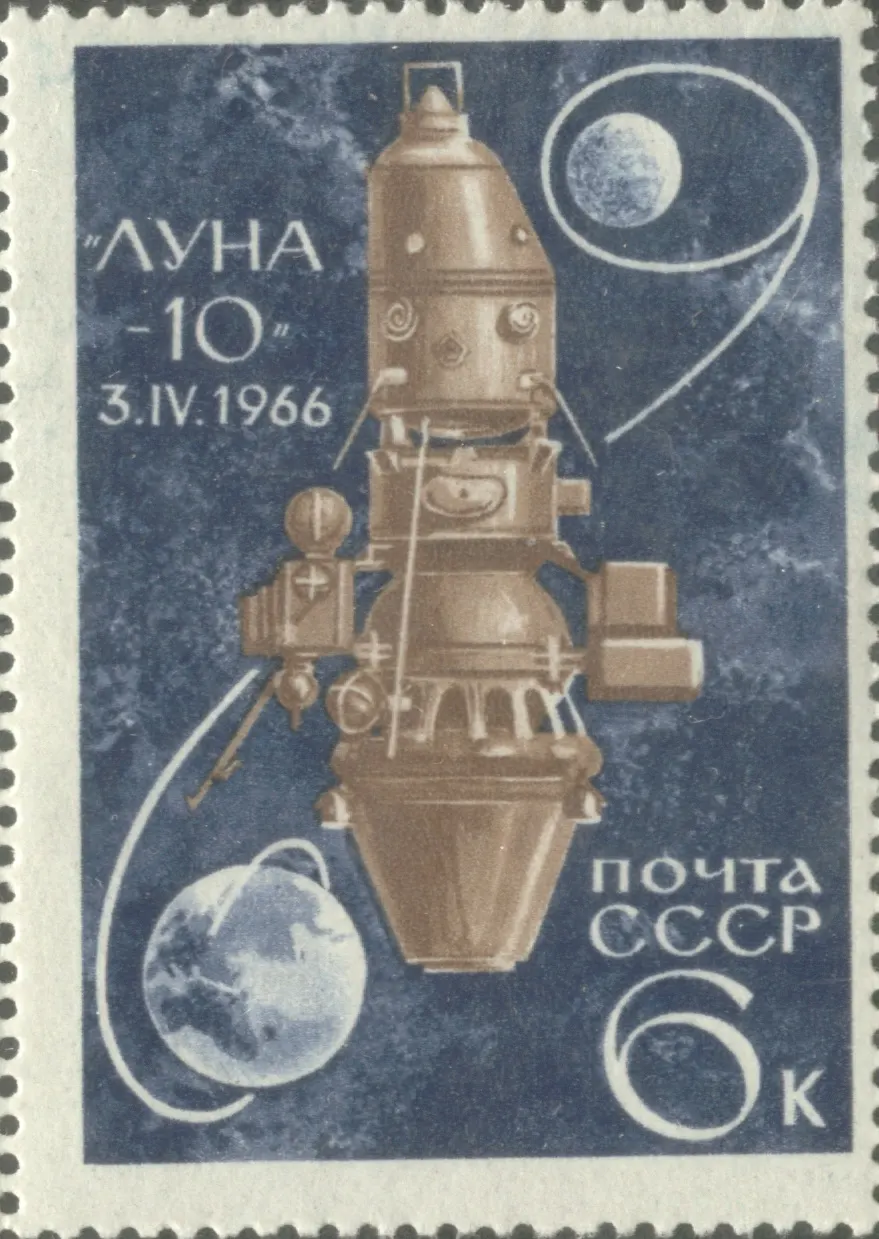
A Soviet stamp of 1966 celebrating Luna 10.
Image creditPost of the Soviet Union · Public domainResized and cropped for display.

Luna 10 sets off to orbit the Moon

The Soviet Union launched Luna 10 on 31 March 1966. Three days later it became the first spacecraft to go into orbit around the Moon, or around any body other than the Earth and the Sun.

Over nearly two months and 460 orbits it measured the Moon’s weak magnetic field, its radiation and the make-up of its rocks, and gave the first hints of ‘mascons’, dense patches under the surface that tug on passing spacecraft.

Read the full storyHistory & Timeline →Source: NASA Space Science Data Coordinated Archive: Luna 10 ↗
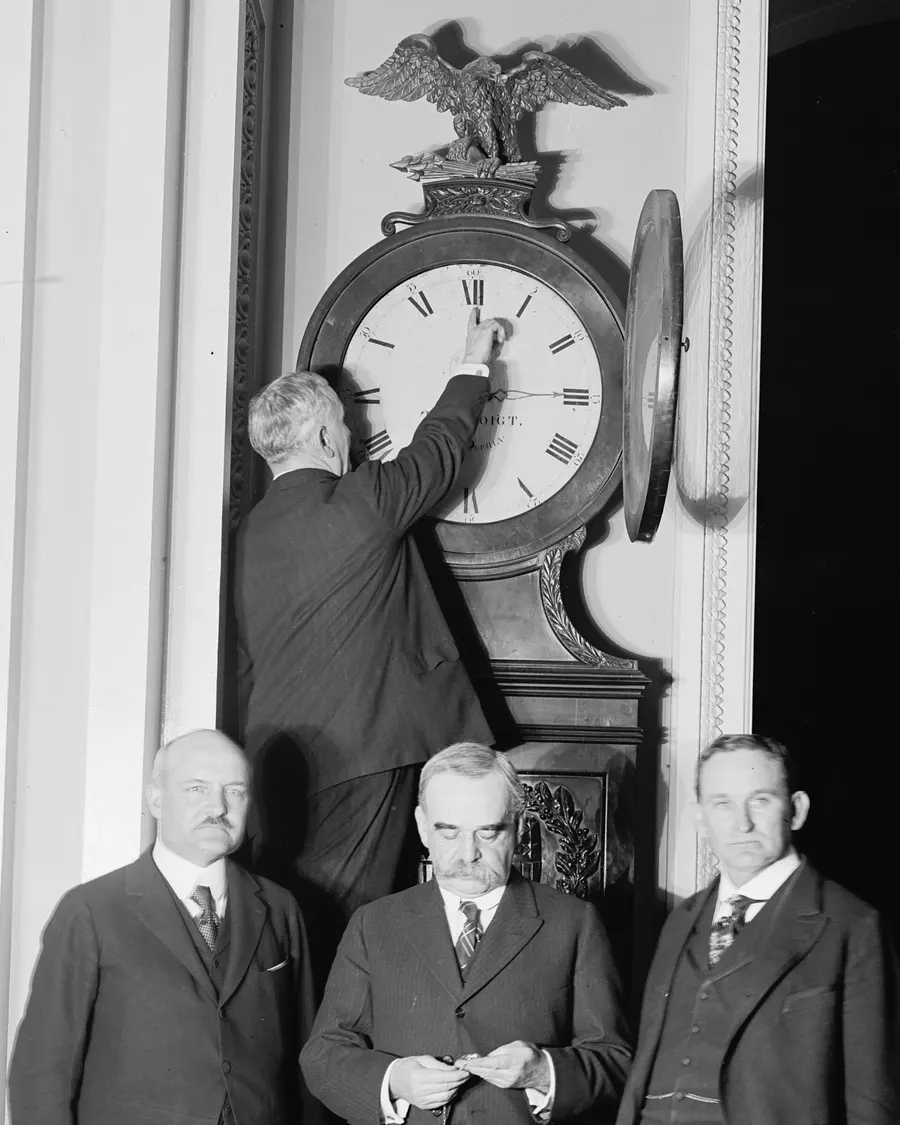
The Senate's Sergeant at Arms turns the Ohio Clock forward for the first daylight saving time, watched by three senators, 1918.
The Senate’s Sergeant at Arms turns the Ohio Clock forward for the first daylight saving time, watched by three senators, 1918.
Image creditHarris & Ewing Collection · Public domainResized and cropped for display.

America puts its clocks forward for the first time

On 31 March 1918 Americans moved their clocks forward an hour for the first time, under a wartime law passed that month to save fuel. The same act set up the country’s standard time zones.

Germany and Britain had already adopted summer time in 1916. Farmers disliked the change, and Congress repealed daylight saving in 1919 over President Wilson’s veto, but it returned in the Second World War and became standard in the 1960s.

Read the full storyHistory & Timeline →Source: Library of Congress: Echoes of the Great War, daylight saving time ↗
♫
MUSIC • FILM • BOOKS • CULTURE

Culture Stories

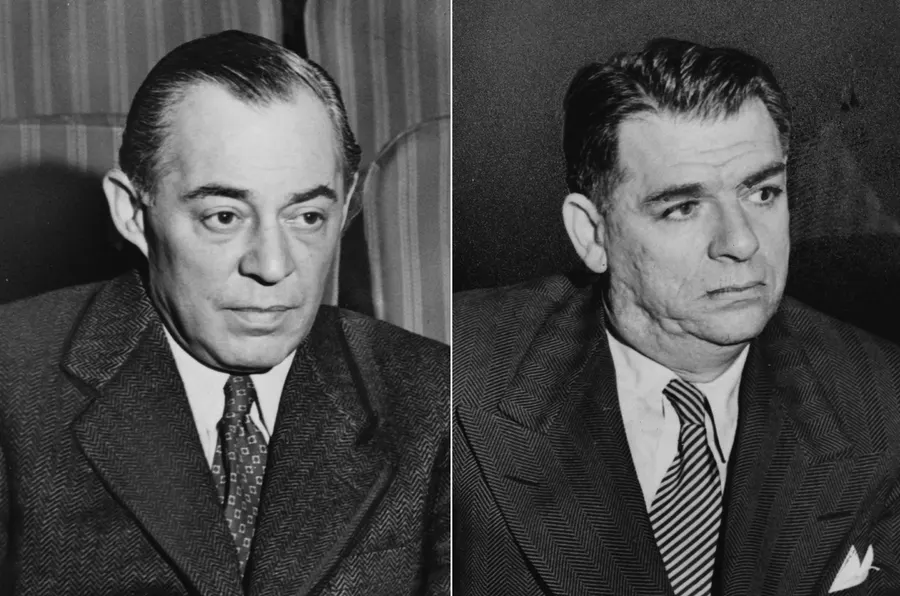
Richard Rodgers (left) and Oscar Hammerstein II, 1948.
Image creditAl Aumuller, World Telegram staff photographer · Public domainResized and cropped for display.

Oklahoma! opens on Broadway

The first musical by the composer Richard Rodgers and the lyricist Oscar Hammerstein II opened at the St James Theatre in New York on 31 March 1943. Set among cowboys and farmers in Indian Territory in 1906, Oklahoma! wove its songs and dances into the story instead of stopping it.

It ran for 2,212 performances, a Broadway record at the time, won a special Pulitzer Prize and set the pattern for the ‘book musical’. Its original cast album is preserved in the Library of Congress.

Read the full storyHistory & Timeline →Source: Library of Congress, National Recording Registry: Oklahoma! ↗
✦
LIVES REMEMBERED

Remembered Today

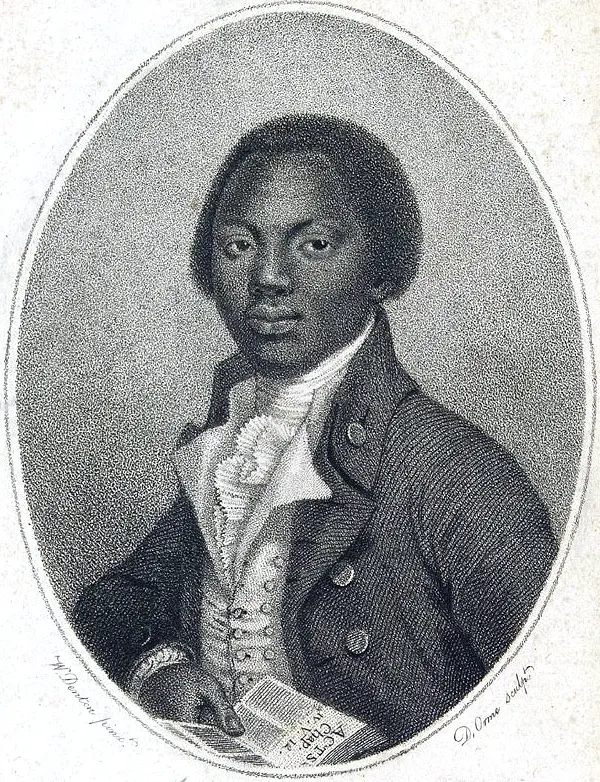
Olaudah Equiano
Image creditUnknown author · Public domainResized and cropped for display.

Olaudah Equiano

African-born writer, once enslaved, whose autobiography helped the campaign to end the slave trade.

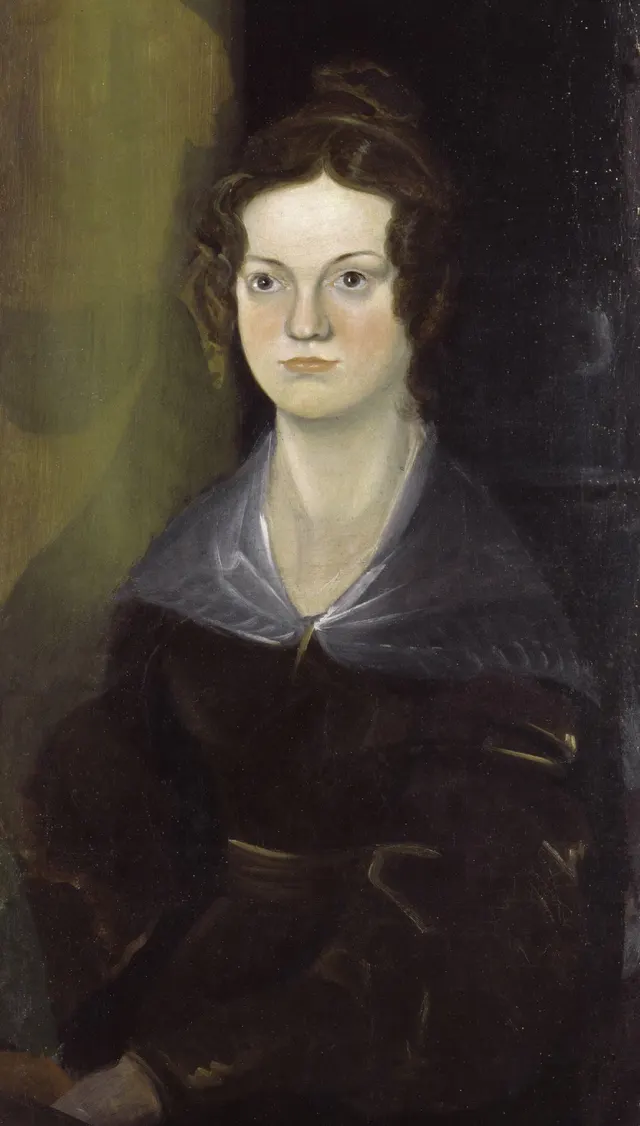
Charlotte Brontë
Image creditBranwell Brontë · Public domainResized and cropped for display.

Charlotte Brontë

English novelist, author of Jane Eyre, the last survivor of the Brontë sisters.

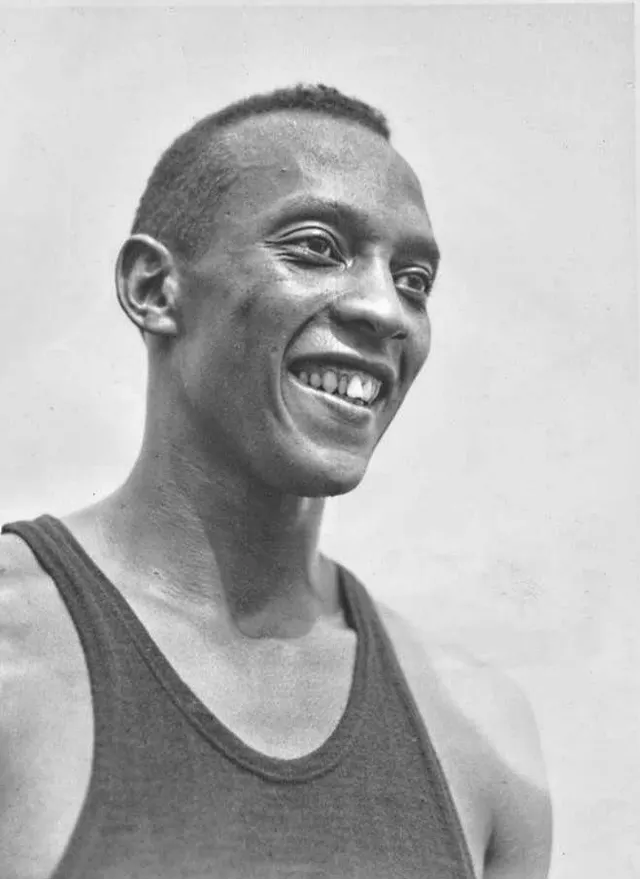
Jesse Owens
Image creditAcme News Photos · Public domainResized and cropped for display.

Jesse Owens

American athlete who won four gold medals at the 1936 Berlin Olympics.

☉
AROUND THE WORLD

Observances & Anniversaries

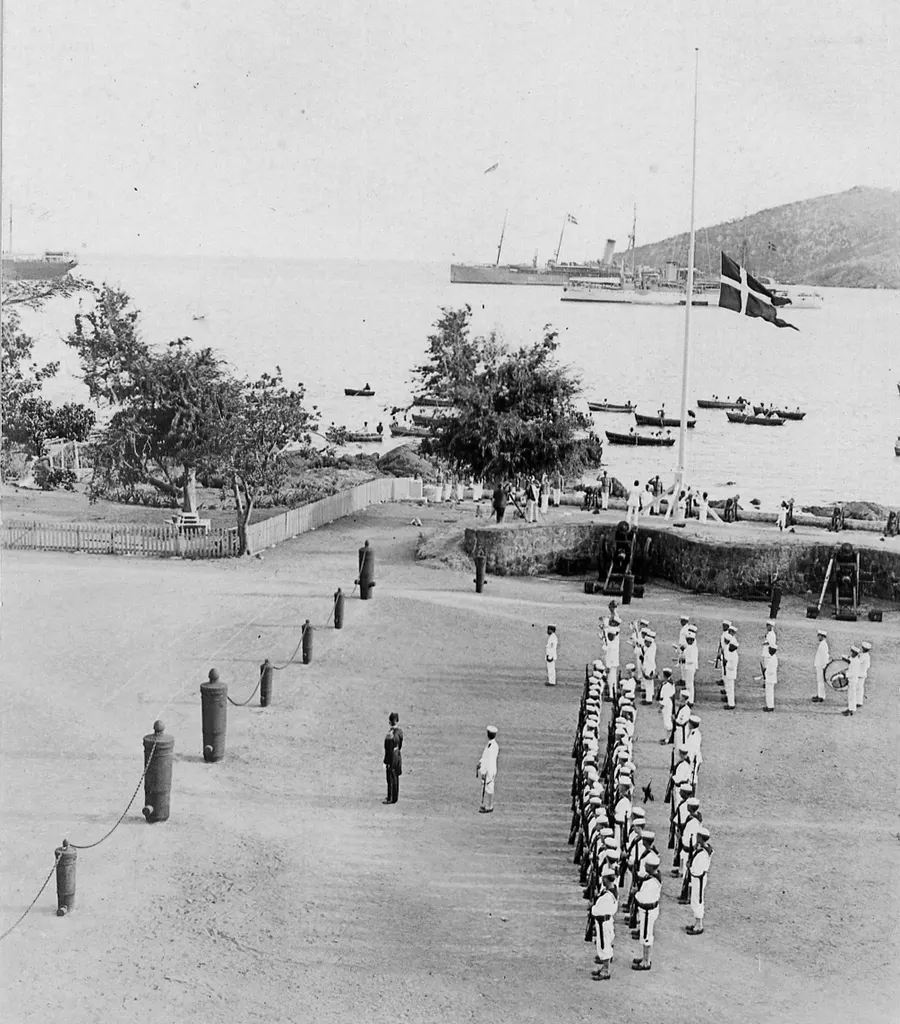
The Danish flag is lowered for the last time at the governor's mansion on St Croix, 31 March 1917.
The Danish flag is lowered for the last time at the governor’s mansion on St Croix, 31 March 1917.
Image creditOrlogsmuseets Archive · Public domainResized and cropped for display.

Transfer Day in the US Virgin Islands

On 31 March 1917 Denmark handed its Caribbean colony, the Danish West Indies, to the United States, which had paid $25 million in gold for St Thomas, St John and St Croix. Flags were changed on the islands at four in the afternoon.

The islanders, most of them descendants of enslaved Africans, became the US Virgin Islands. Transfer Day is a public holiday there every year.

Source: US Office of the Historian: Cession of the Danish West Indies, 1917 ↗
HISTORY & TIMELINE

Finished the highlights?

Follow 31 March chronologically, from the Middle Ages to the modern day, with 13 verified events and the sources behind them.

This day through time →