Explore 1 April

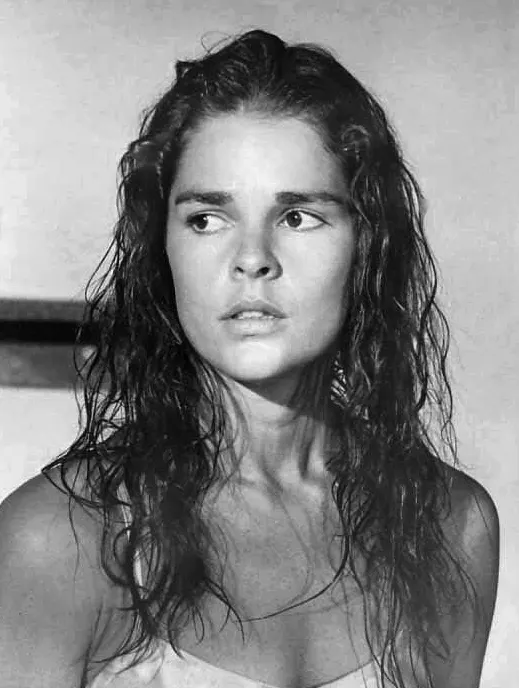
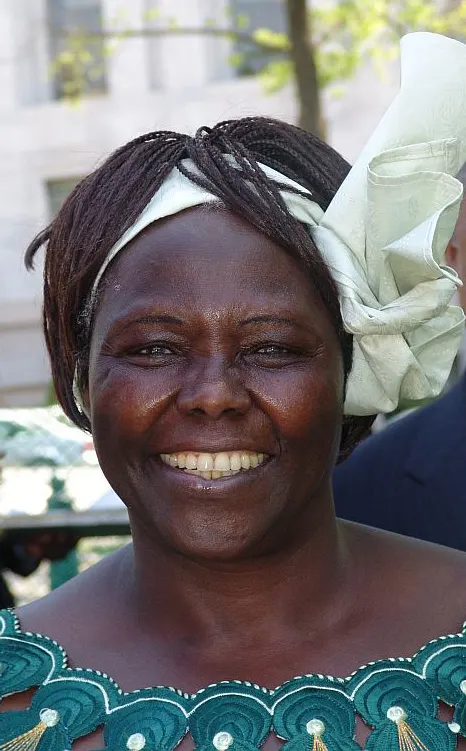
Explore 1 April: Ayatollah Khomeini proclaims the Islamic Republic of Iran, the Royal Air Force is born, American forces land on Okinawa and Canada’s map is redrawn to create Nunavut. Meet Otto von Bismarck, Milan Kundera and Wangarĩ Maathai, born on this date, and remember Scott Joplin and Marvin Gaye.

This day through time →12 verified events across 2 eras

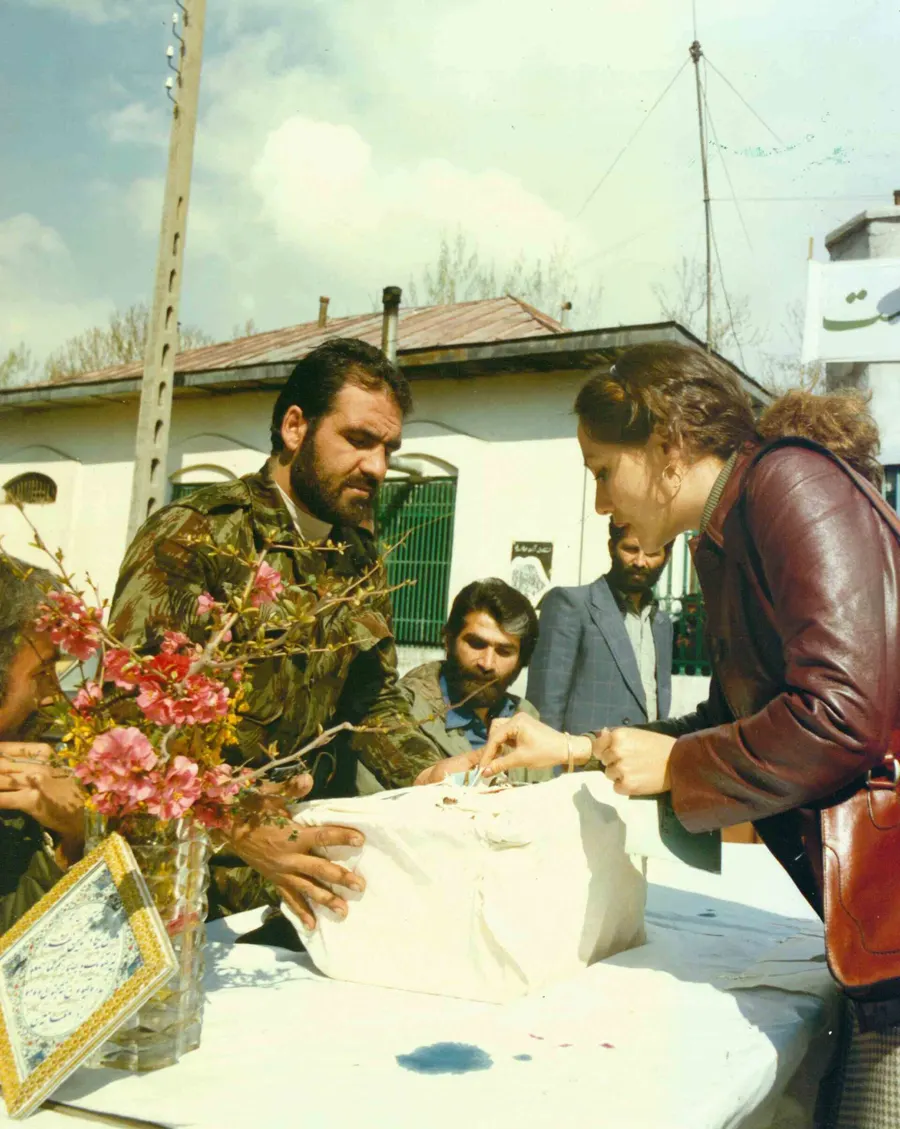
Voting in Iran's referendum on an Islamic Republic, March 1979.
Voting in Iran’s referendum on an Islamic Republic, March 1979.
Image creditUnknown author · Public domainResized and cropped for display.

Iran becomes an Islamic Republic

Two months after the Shah fled, Iranians were asked a single question on 30 and 31 March 1979: should Iran become an Islamic Republic? The official result was 98 per cent yes, though several groups boycotted the vote. On 1 April Ayatollah Ruhollah Khomeini proclaimed the Islamic Republic.

It ended some 2,500 years of monarchy. A new constitution approved that December made Khomeini Supreme Leader, with power over the elected president and parliament. Iran still marks the day as Islamic Republic Day.

Read the full storyHistory & Timeline →Source: Encyclopaedia Britannica: Iranian Revolution, aftermath ↗
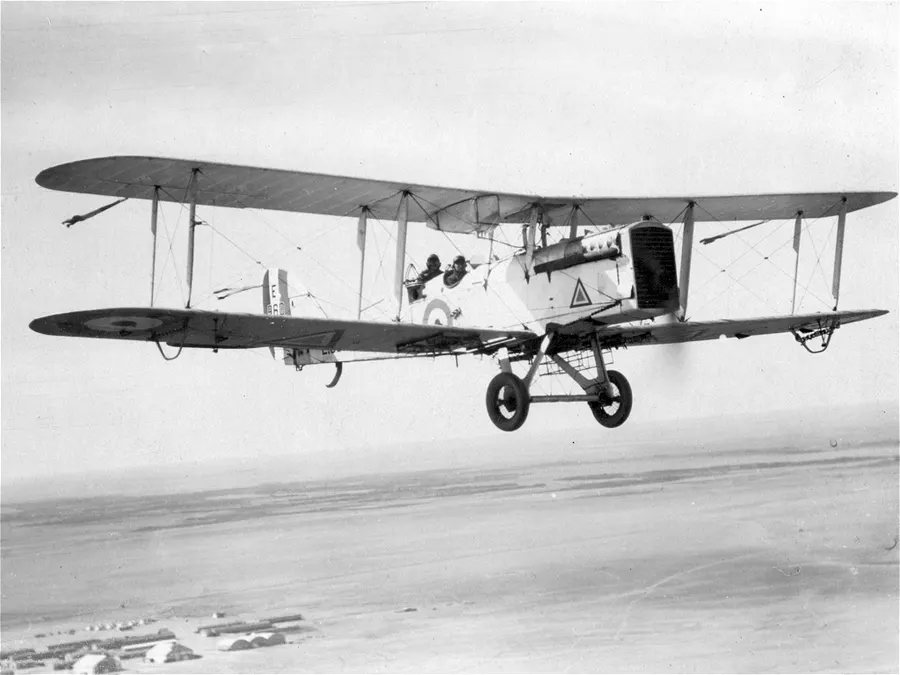
An Airco DH.9A bomber in flight; the type joined the RAF in 1918.
Image creditRoyal Air Force · Public domainResized and cropped for display.

The Royal Air Force is born

On 1 April 1918, in the last year of the First World War, the army’s Royal Flying Corps and the navy’s Royal Naval Air Service were merged into a single new service, the Royal Air Force. It followed a report by the South African general Jan Smuts after German bombing raids on London.

The RAF began with more than 20,000 aircraft and about 300,000 men and women, the first independent air force of any of the great powers. In 1940 it won the Battle of Britain.

Read the full storyHistory & Timeline →Source: RAF Museum: British military aviation in 1918 ↗
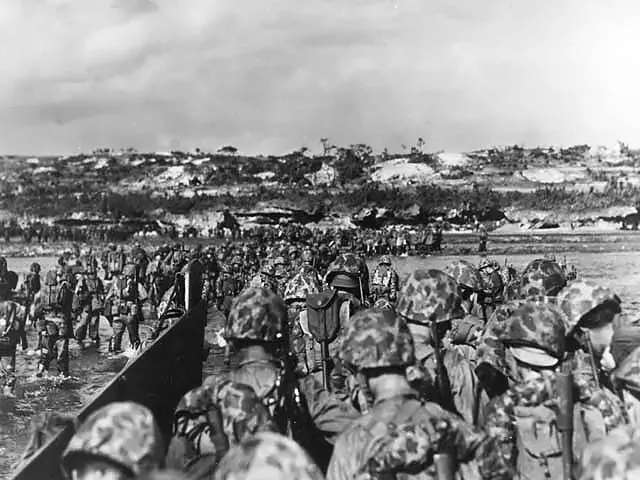
US Marines come ashore on Okinawa, 1945.
Image creditUnknown · Public domainResized and cropped for display.

American forces land on Okinawa

On Easter Sunday, 1 April 1945, more than 60,000 American soldiers and Marines landed on the island of Okinawa, just 550 kilometres from mainland Japan. It was the largest amphibious assault of the Pacific war, and on the first day it met almost no resistance.

The Japanese had dug in further south. The battle that followed lasted nearly three months and was one of the bloodiest of the war: more than 200,000 people died, among them a huge number of Okinawan civilians, and kamikaze pilots sank dozens of ships offshore.

Read the full storyHistory & Timeline →Source: US Naval History and Heritage Command: Battle of Okinawa ↗
Sea ice and snow-covered land in Nunavut near Roes Welcome Sound, April 2017.
Image creditHarrison Keely · CC BY 4.0Resized and cropped for display.

Canada creates Nunavut

On 1 April 1999 the eastern part of the Northwest Territories became a new territory, Nunavut, meaning ‘our land’ in Inuktitut. Covering about a fifth of Canada but home to fewer than 30,000 people, most of them Inuit, it was the first big change to Canada’s map since Newfoundland joined in 1949.

It grew out of the Nunavut Land Claims Agreement of 1993, the largest Indigenous land settlement in Canadian history. Its capital is Iqaluit, on Baffin Island.

Read the full storyHistory & Timeline →Source: The Canadian Encyclopedia: Nunavut timeline ↗
♙
PEOPLE

Born Today

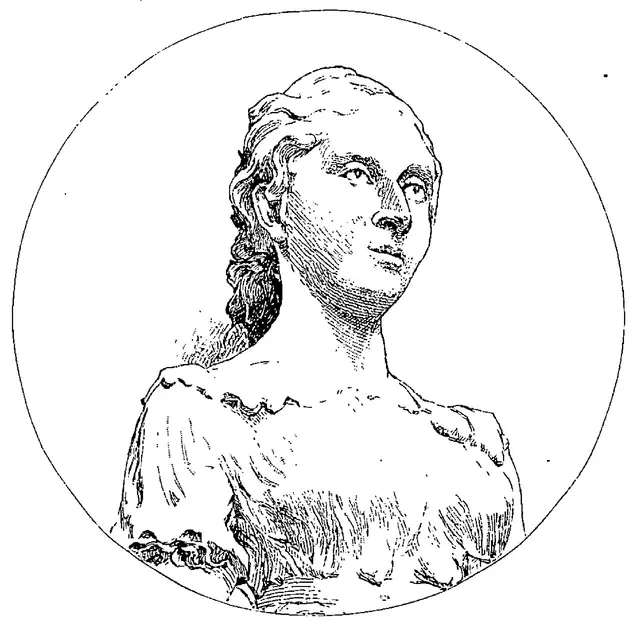
Sophie Germain
Image credits:fr:Auteur:Sophie Germain · Public domainResized and cropped for display.

Sophie Germain

French mathematician who taught herself and made key advances in number theory and the physics of elasticity.

Otto von Bismarck
Image creditUnknown author · Public domainResized and cropped for display.

Otto von Bismarck

Prussian statesman who united Germany in 1871 and became its first chancellor.

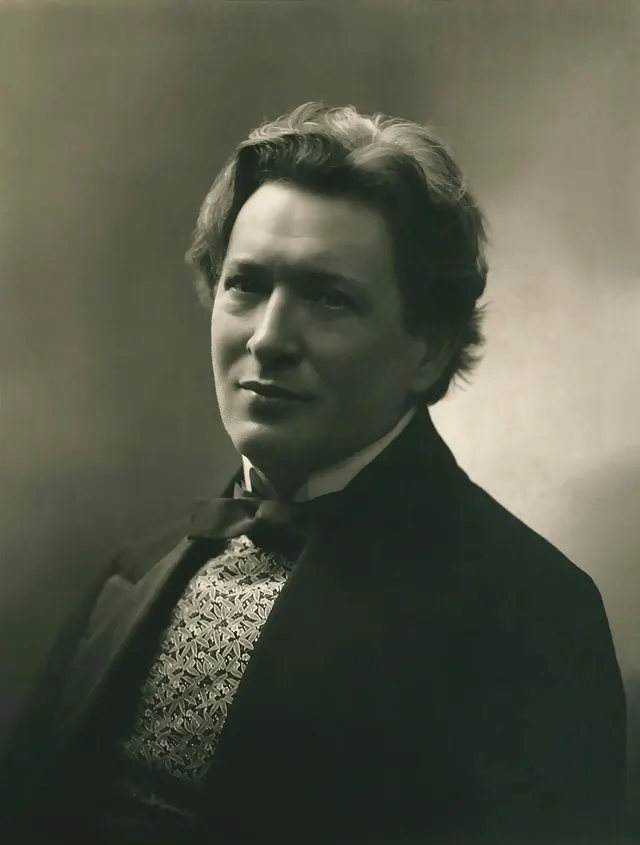
Ferruccio Busoni
Image creditVarischi & Artico · Public domainResized and cropped for display.

Ferruccio Busoni

Italian pianist and composer, famous for his arrangements of Bach.

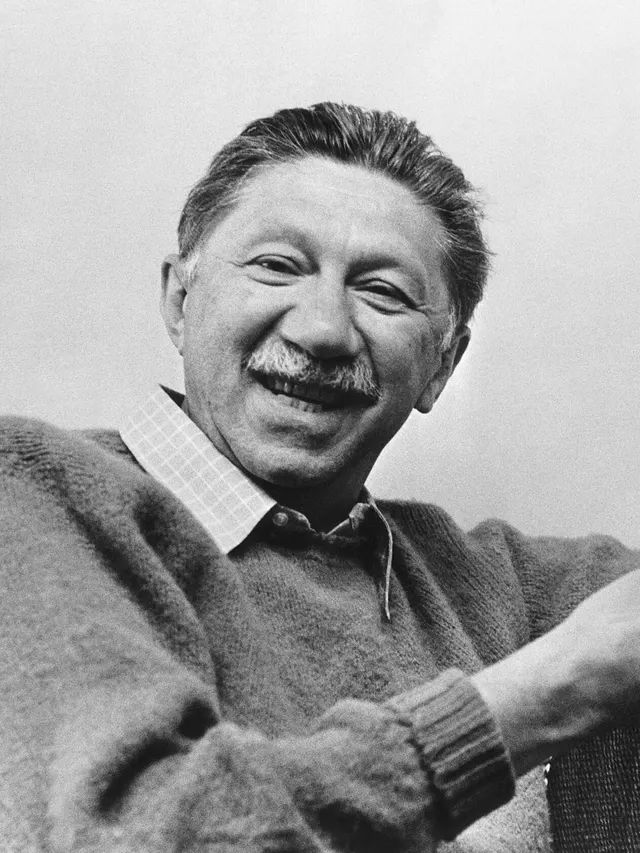
Abraham Maslow
Image creditWilliam Carter · Public domainResized and cropped for display.

Abraham Maslow

American psychologist known for his ‘hierarchy of needs’.

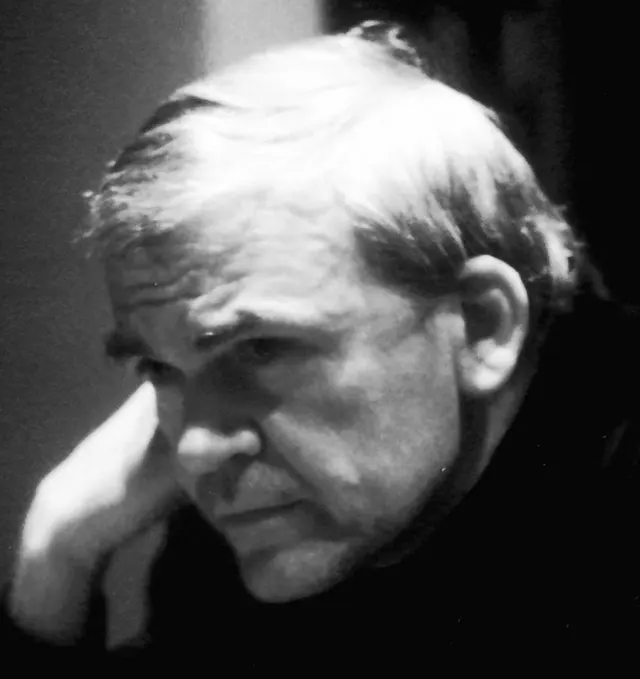
Milan Kundera
Image creditElisa Cabot · CC BY-SA 3.0Resized and cropped for display.

Milan Kundera

Czech-born novelist of The Unbearable Lightness of Being.

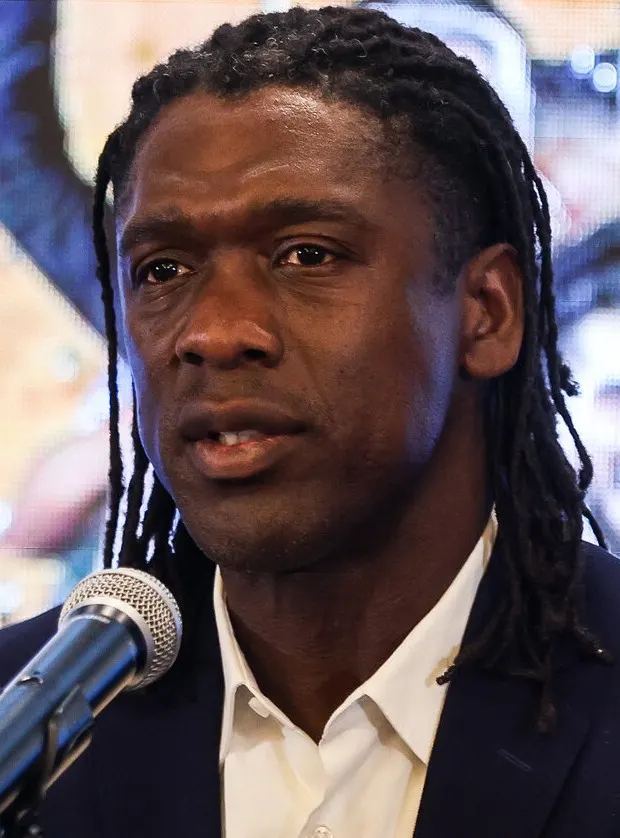
Clarence Seedorf
Image creditفاطمه عموزاد · CC BY 4.0Resized and cropped for display.

Clarence Seedorf

Dutch footballer, the only player to win the Champions League with three different clubs.

◉
IDEAS THAT CHANGED THINGS

Firsts, Science & Discoveries

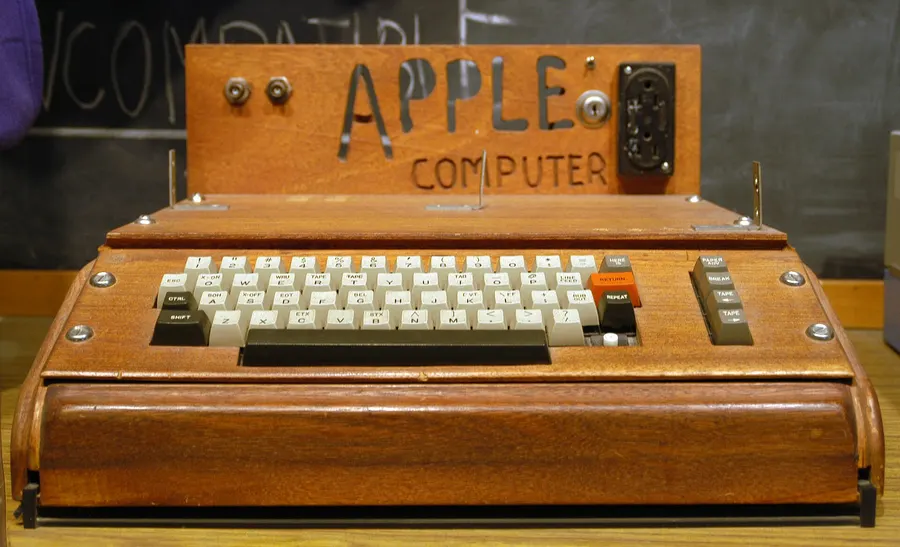
An Apple I computer on display at the Smithsonian.
Image creditEd Uthman · CC BY-SA 2.0Resized and cropped for display.

Steve Jobs and Steve Wozniak found Apple

On 1 April 1976 Steve Jobs, Steve Wozniak and Ronald Wayne signed the partnership agreement for the Apple Computer Company in California. To raise money, Jobs sold his Volkswagen van and Wozniak his programmable calculator. Wayne pulled out within two weeks, selling his tenth of the company for $800.

Their first product was the Apple I, a circuit board Wozniak had designed, sold without a case or keyboard. Apple went on to make the Macintosh, the iPod and the iPhone, and became one of the most valuable companies in the world.

Read the full storyHistory & Timeline →Source: Computer History Museum: Apple timeline ↗
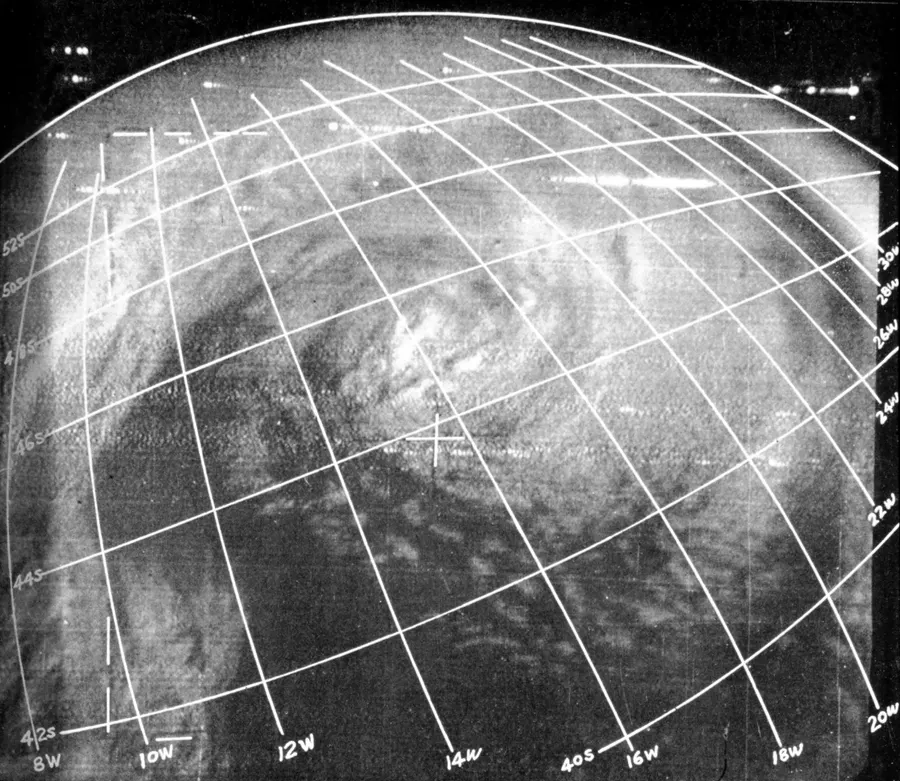
A cyclone over the South Atlantic photographed by TIROS I on 28 April 1960.
Image creditNOAA Photo Library · Public domainResized and cropped for display.

The first weather satellite

NASA launched TIROS-1, the Television Infrared Observation Satellite, from Cape Canaveral on 1 April 1960. Its two small television cameras sent back the first pictures of the Earth’s weather taken from orbit.

It worked for only 78 days but returned about 23,000 images, showing forecasters for the first time the great spiral patterns of storms from above. Weather satellites have watched the planet ever since.

Read the full storyHistory & Timeline →Source: NOAA NESDIS: 65 years of the world’s first weather satellite ↗
♫
MUSIC • FILM • BOOKS • CULTURE

Culture Stories

An April Fool 'spaghetti harvest' staged in California in 2012, in the spirit of the BBC's hoax.
An April Fool ‘spaghetti harvest’ staged in California in 2012, in the spirit of the BBC’s hoax.
Image creditRobert Couse-Baker from Sacramento, California · CC BY 2.0Resized and cropped for display.

The BBC’s spaghetti harvest

On 1 April 1957 the BBC’s serious current affairs programme Panorama ended with a three-minute film of a family in the Swiss canton of Ticino picking spaghetti from trees. The respected presenter Richard Dimbleby explained that a mild winter had brought a bumper crop.

Pasta was still unusual in Britain, and hundreds of viewers phoned the BBC, some asking how to grow their own. It is often called the greatest April Fool’s joke ever played by a news organisation.

Read the full storyHistory & Timeline →Source: Encyclopaedia Britannica: Why did the BBC once report about spaghetti harvests? ↗
✦
LIVES REMEMBERED

Remembered Today

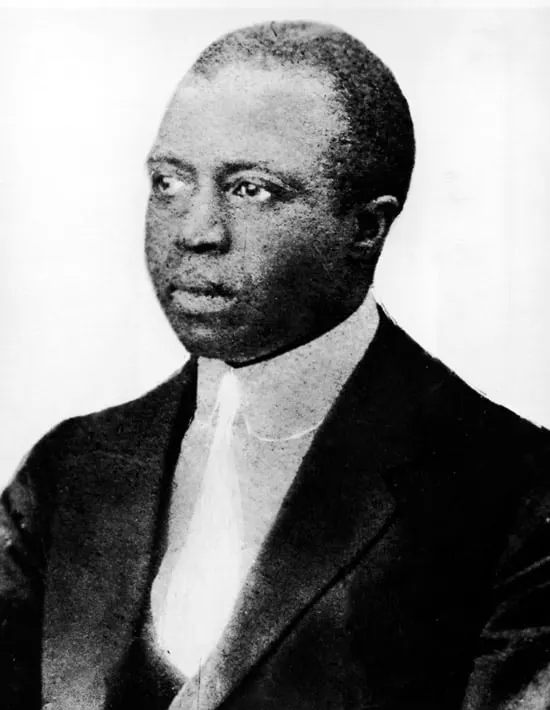
Scott Joplin
Image creditUnknown author · Public domainResized and cropped for display.

Scott Joplin

American composer, the ‘King of Ragtime’, of ‘The Entertainer’ and ‘Maple Leaf Rag’.

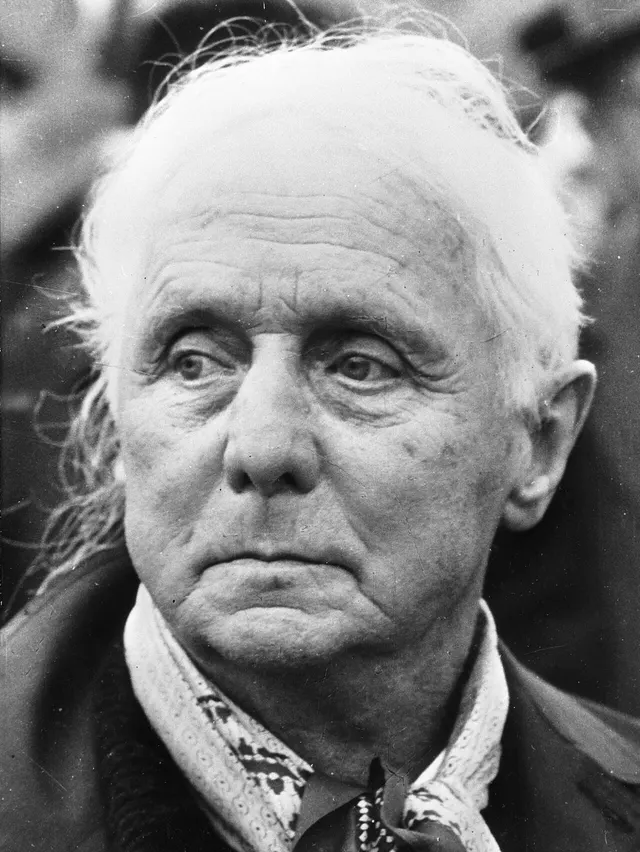
Max Ernst
Image creditUnknown author · CC0Resized and cropped for display.

Max Ernst

German painter, a pioneer of Dada and Surrealism.

☉
AROUND THE WORLD

Observances & Anniversaries

The Sun Temple at Konark in Odisha, 2008.
Image creditVinayreddym · Public domainResized and cropped for display.

Utkala Dibasa, Odisha Day

The Indian state of Odisha celebrates its founding every 1 April. On that day in 1936 Orissa became a separate province of British India, carved out of Bihar and Orissa with Odia-speaking districts added from Madras and the Central Provinces.

It was the first Indian province created on the basis of a shared language, a model later followed across independent India.

Source: Government of Odisha, Odisha Review: The creation of a separate province of Odisha ↗
HISTORY & TIMELINE

Finished the highlights?

Follow 1 April chronologically, from the Middle Ages to the modern day, with 12 verified events and the sources behind them.

This day through time →