Explore 27 March

Explore 27 March: the most powerful earthquake in US history shakes Alaska, two jumbo jets collide in the deadliest air accident ever, Belgrade rises against the Axis and Burma’s army turns on its Japanese occupiers. Meet Wilhelm Röntgen, Sarah Vaughan and Quentin Tarantino, born on this date, and mark World Theatre Day.

This day through time →10 verified events across 3 eras

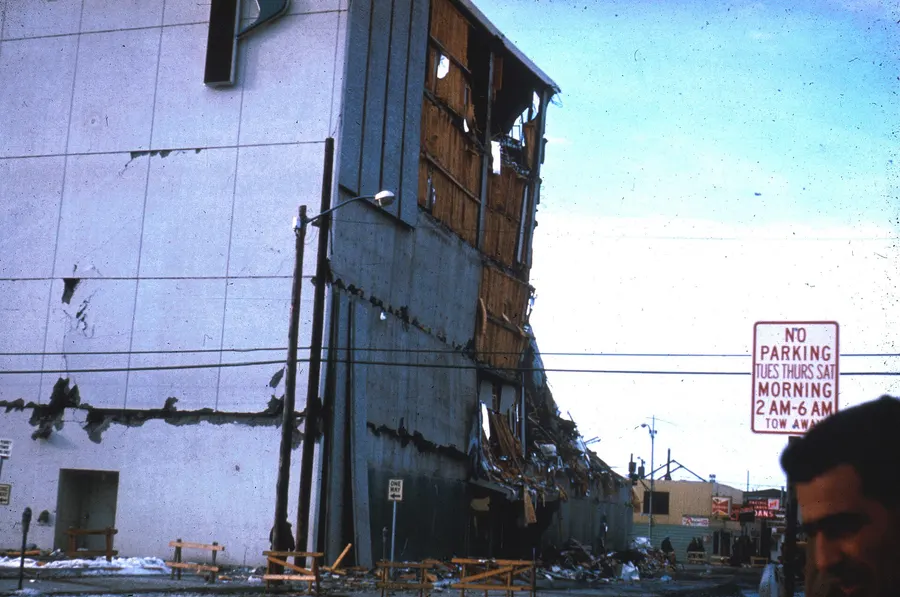
The wrecked Penney Building in Anchorage after the earthquake, 1964.
Image creditUnknown author (US government) · Public domainResized and cropped for display.

The Great Alaska Earthquake

At 5.36 in the evening of Good Friday, 27 March 1964, a magnitude 9.2 earthquake struck Prince William Sound in southern Alaska. It shook for about four and a half minutes and remains the most powerful earthquake recorded in US history, and the second most powerful measured anywhere.

Whole neighbourhoods of Anchorage slid away, the ground rose by as much as 25 metres in places, and tsunamis swept the coast as far as California. 131 people died. A US Geological Survey scientist, George Plafker, showed it had happened where one of the Earth’s plates slides beneath another, helping to prove the theory of plate tectonics.

Read the full storyHistory & Timeline →Source: US Geological Survey: M9.2 Alaska earthquake and tsunami of 27 March 1964 ↗
The control tower at Tenerife North (Los Rodeos) airport, 2013.
Image creditAisano · CC BY-SA 3.0Resized and cropped for display.

The Tenerife airport disaster

On 27 March 1977 a bomb at the airport on Gran Canaria forced many flights to divert to the small Los Rodeos airport on Tenerife. That afternoon, in thick fog, a KLM Boeing 747 began its take-off run and struck a Pan Am 747 still taxiing along the same runway.

583 people died, all 248 on the KLM aircraft and 335 on the Pan Am, making it the deadliest accident in aviation history; 61 people on the Pan Am jet survived. The Spanish inquiry found that the KLM captain had begun his take-off without clearance, and the disaster changed how pilots and air traffic controllers talk to each other.

Read the full storyHistory & Timeline →Source: Encyclopaedia Britannica: Tenerife airport disaster ↗
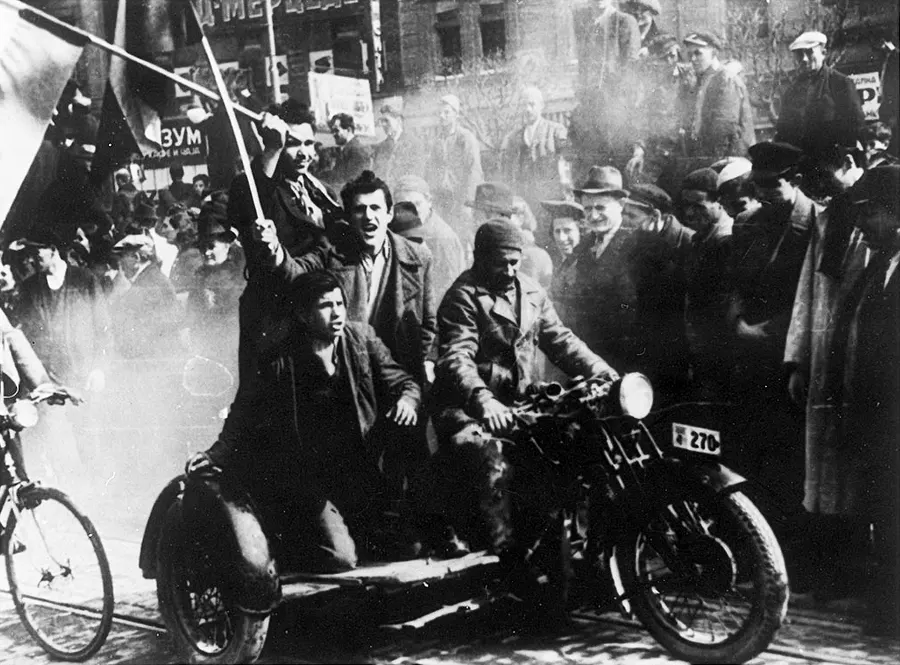
Crowds in Belgrade celebrate the break with the Axis pact, 27 March 1941.
Image creditMilan Roglić · Public domainResized and cropped for display.

Belgrade rejects the Axis

Two days after Yugoslavia’s government signed up to the Tripartite Pact with Nazi Germany, Italy and Japan, officers led by General Dušan Simović overthrew it on 27 March 1941. They ended the regency of Prince Paul and declared the 17-year-old King Peter II of age to rule.

Crowds filled the streets of Belgrade chanting ‘better the grave than a slave’. Hitler ordered Yugoslavia destroyed: on 6 April German bombers struck Belgrade, and within two weeks the country had been invaded and carved up.

Read the full storyHistory & Timeline →Source: Encyclopaedia Britannica: Dušan Simović ↗
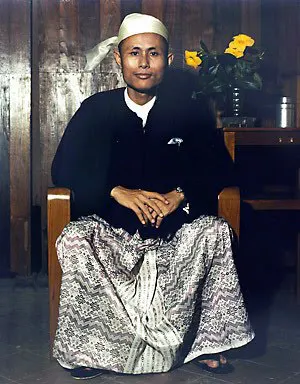
Aung San, leader of the Burma National Army.
Image creditUnknown authorUnknown author · Public domainResized and cropped for display.

Burma’s army turns against Japan

Burmese nationalists led by Aung San had fought alongside Japan in 1942, hoping to drive out the British. By 1945 they had seen that Japanese rule offered no real independence. On 27 March 1945 the Burma National Army rose in revolt against the Japanese and joined the Allies, as British and Indian troops pushed south towards Rangoon.

The day was first remembered as Resistance Day. Aung San went on to negotiate Burma’s independence from Britain but was assassinated in 1947, months before it came.

Read the full storyHistory & Timeline →Source: National Army Museum: A timeline of Burma and the Army ↗
♙
PEOPLE

Born Today

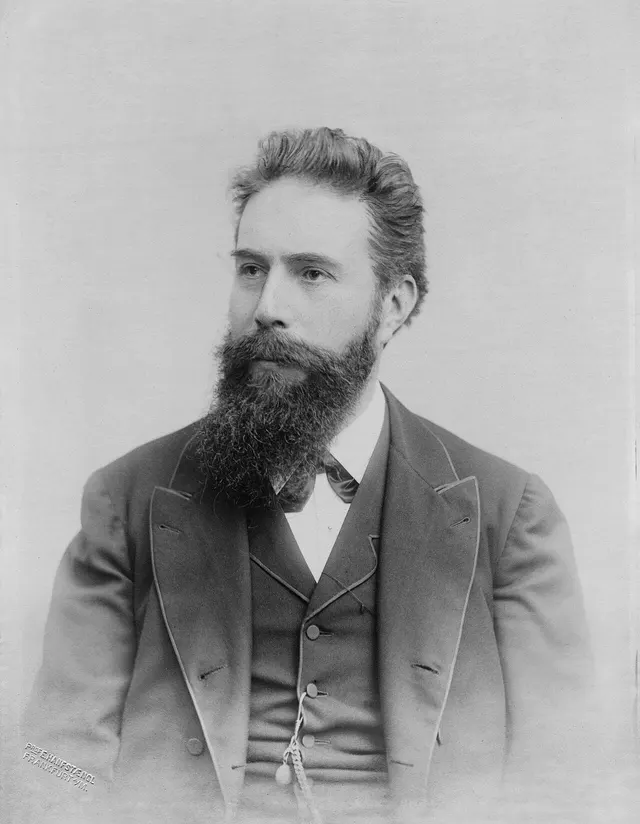
Wilhelm Röntgen
Image creditErwin Hanfstaengl · Public domainResized and cropped for display.

Wilhelm Röntgen

German physicist who discovered X-rays and won the first Nobel Prize in Physics.

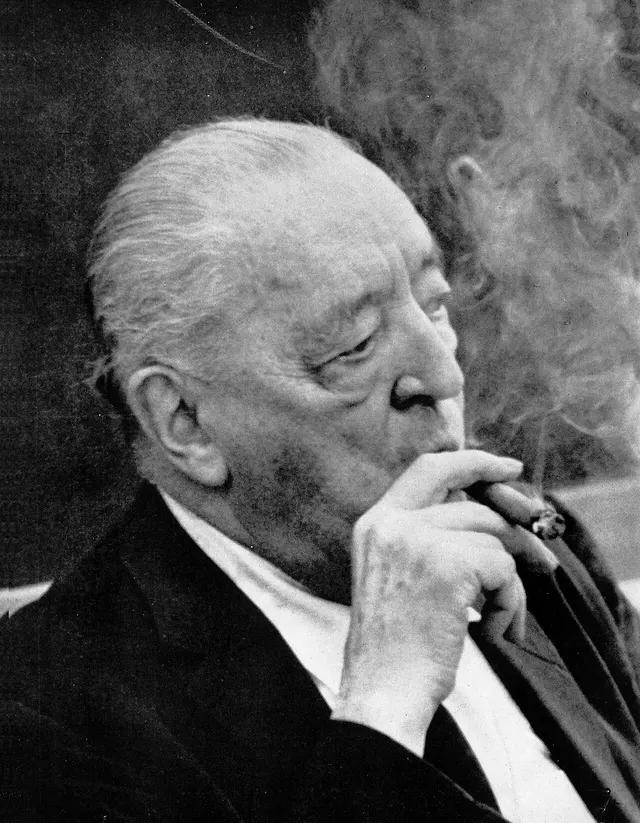
Ludwig Mies van der Rohe
Image creditUnknown author · Public domainResized and cropped for display.

Ludwig Mies van der Rohe

German-American architect who said ‘less is more’.

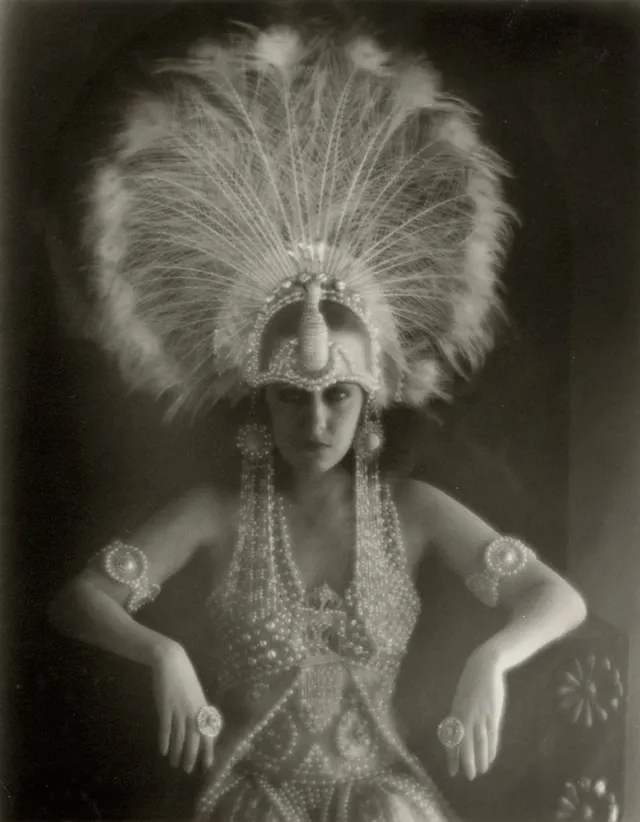
Gloria Swanson
Image creditKarl Struss · Public domainResized and cropped for display.

Gloria Swanson

American star of silent films and of Sunset Boulevard.

Quentin Tarantino
Image creditGage Skidmore · CC BY-SA 3.0Resized and cropped for display.

Quentin Tarantino

American film director of Pulp Fiction.

◉
IDEAS THAT CHANGED THINGS

Firsts, Science & Discoveries

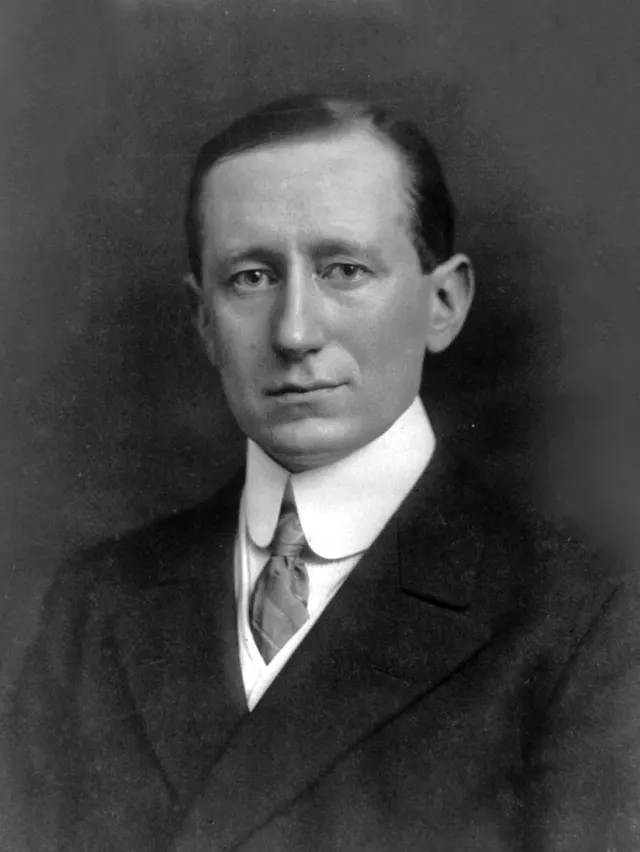
Guglielmo Marconi.
Guglielmo Marconi.
Image creditPach Brothers · Public domainResized and cropped for display.

The first radio message between two countries

On 27 March 1899 Guglielmo Marconi’s wireless station at Wimereux, near Boulogne in France, sent a radio message across the English Channel to the South Foreland lighthouse near Dover, about 30 miles away. It was the first radio transmission from one country to another.

Less than three years later Marconi sent a signal across the Atlantic, and radio soon became standard on ships at sea.

Read the full storyHistory & Timeline →Source: National Trust: South Foreland Lighthouse’s history ↗
☆
SPORTING HISTORY

Sporting Moments

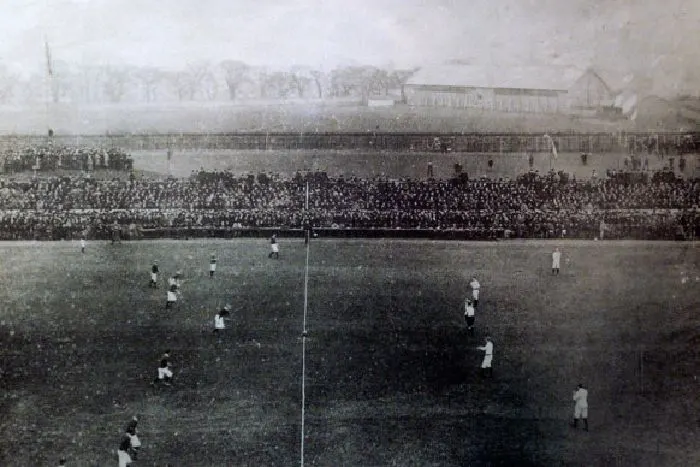
Scotland play England in the first rugby international at Raeburn Place, Edinburgh, 1871.
Image creditUnknown · Public domainResized and cropped for display.

The first international rugby match

On 27 March 1871 Scotland met England at Raeburn Place in Edinburgh, the cricket ground of Edinburgh Academy, in the first international rugby match. It came about after Scottish club captains challenged England in the press, and about 4,000 people watched.

The teams had 20 players a side. Scotland won by a goal and a try to a try, and the fixture, now part of the Six Nations, is still played for the Calcutta Cup.

Read the full storyHistory & Timeline →Source: World Rugby Museum: Spotlight on Raeburn Place ↗
✦
LIVES REMEMBERED

Remembered Today

Giovanni Battista Tiepolo
Image creditGiovanni Battista Tiepolo · Public domainResized and cropped for display.

Giovanni Battista Tiepolo

Venetian painter of vast, light-filled ceiling frescoes; he died in Madrid.

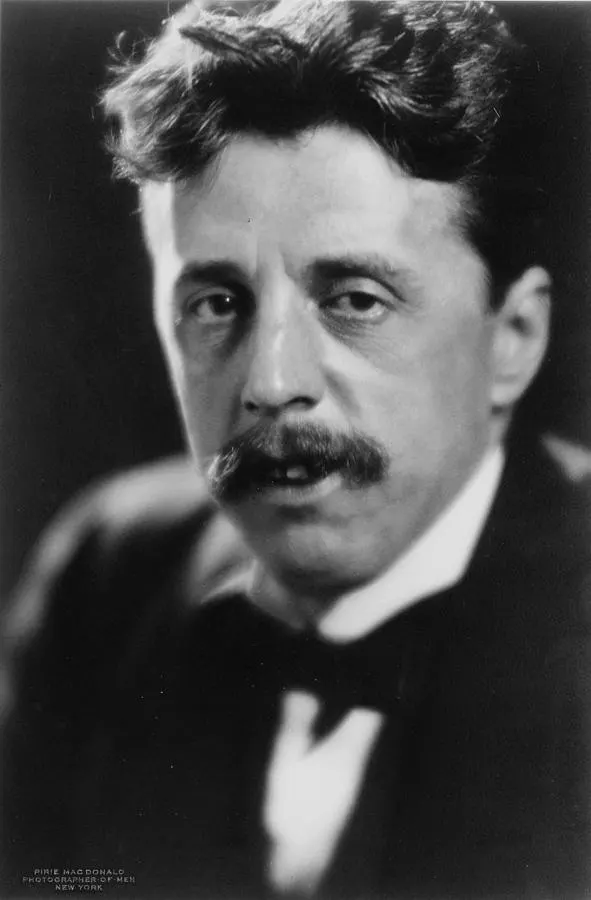
Arnold Bennett
Image creditPirie MacDonald · Public domainResized and cropped for display.

Arnold Bennett

English novelist of the Potteries, author of The Old Wives’ Tale.

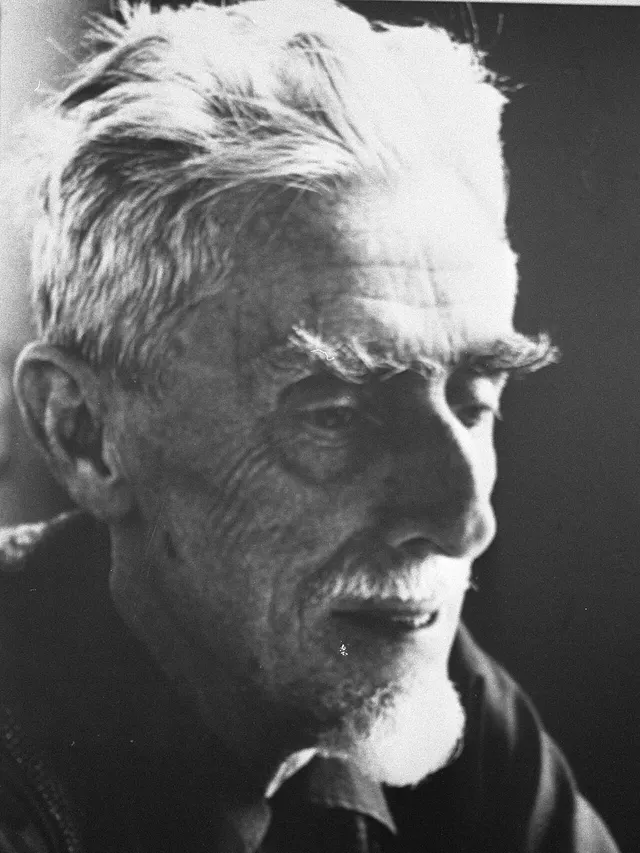
M. C. Escher
Image creditHans Peters for Anefo · CC0Resized and cropped for display.

M. C. Escher

Dutch artist of impossible staircases and interlocking patterns.

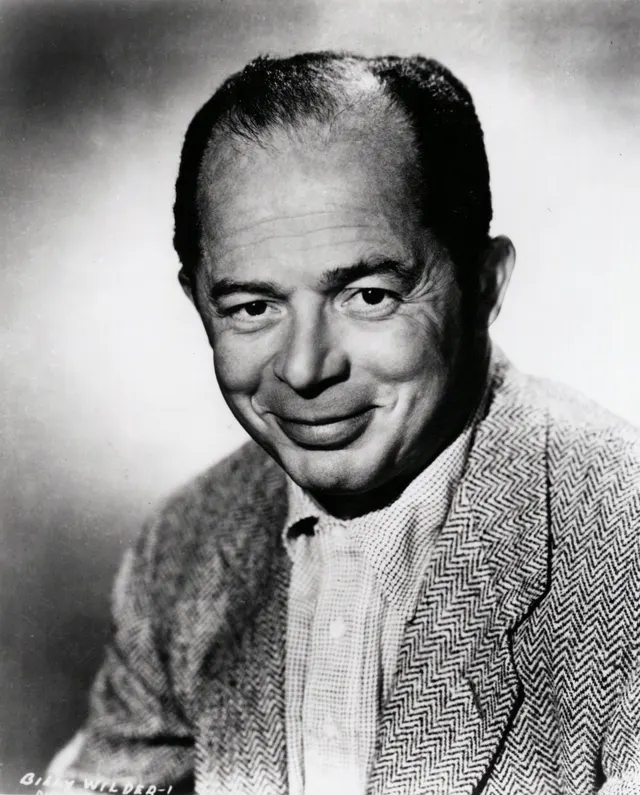
Billy Wilder
Image creditUnknown author · Public domainResized and cropped for display.

Billy Wilder

Austrian-born American film director of Some Like It Hot and The Apartment.

☉
AROUND THE WORLD

Observances & Anniversaries

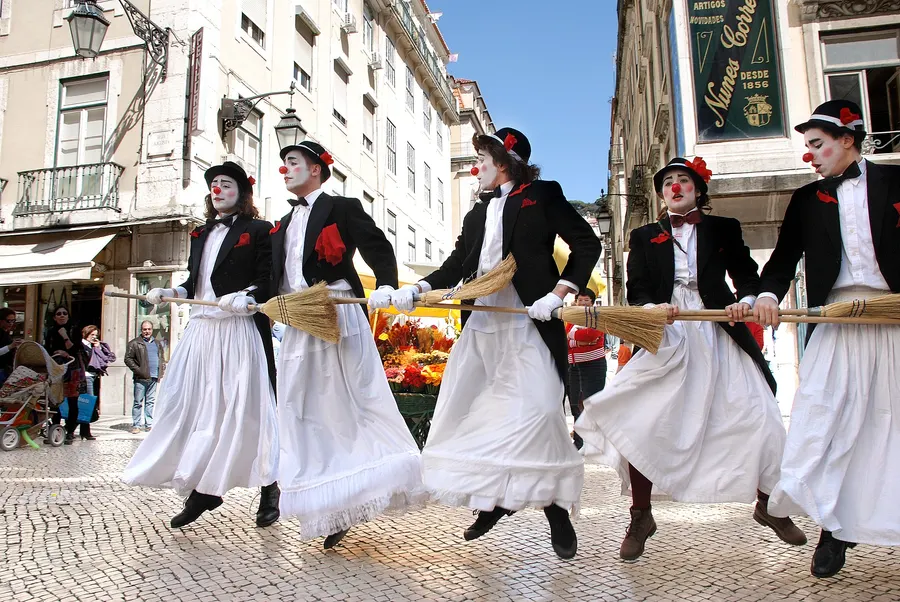
Street performers celebrating World Theatre Day in Lisbon, 27 March 2010.
Image creditFilipe Saraiva from Lisboa, Portugal · CC BY 2.0Resized and cropped for display.

World Theatre Day

World Theatre Day was created by the International Theatre Institute in 1961 and first held on 27 March 1962. Each year a leading figure of the stage writes an international message, read out in theatres around the world; the first was by the French writer Jean Cocteau.

Theatres and companies mark the day with performances, open doors and readings.

Source: International Theatre Institute: World Theatre Day ↗
HISTORY & TIMELINE

Finished the highlights?

Follow 27 March chronologically, from the Middle Ages to the modern day, with 10 verified events and the sources behind them.

This day through time →