Explore 30 March

Explore 30 March: the United States agrees to buy Alaska from Russia, the Treaty of Paris ends the Crimean War, Palermo rises in the Sicilian Vespers and President Reagan survives an assassin’s bullet. Meet Francisco Goya, Vincent van Gogh and Céline Dion, born on this date, and remember Queen Elizabeth the Queen Mother.

This day through time →13 verified events across 3 eras

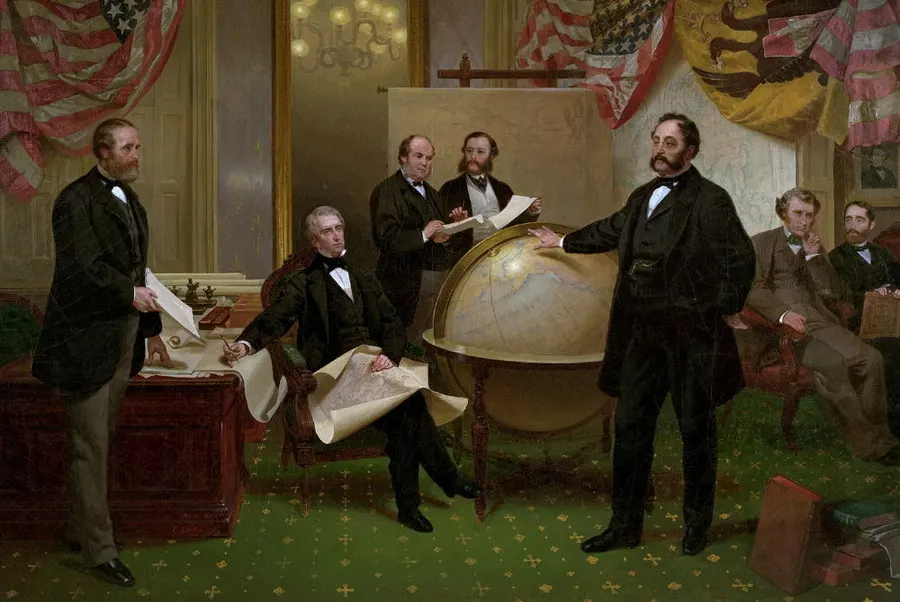
The Signing of the Alaska Treaty, painted by Emanuel Leutze: William Seward (seated, left) and Eduard de Stoeckl (at the globe).
Image creditEmanuel Leutze · Public domainResized and cropped for display.

The United States buys Alaska

At about four in the morning of 30 March 1867, after a night of work at the State Department, the US Secretary of State William Seward and the Russian minister Eduard de Stoeckl signed a treaty by which Russia sold Alaska to the United States for $7.2 million, about two cents an acre.

Critics mocked the deal as ‘Seward’s Folly’, but the Senate approved it within days and the flag was raised at Sitka that October. Gold, fish, timber and later oil made Alaska one of the great bargains in history; it became the 49th state in 1959.

Read the full storyHistory & Timeline →Source: US Office of the Historian: Purchase of Alaska, 1867 ↗
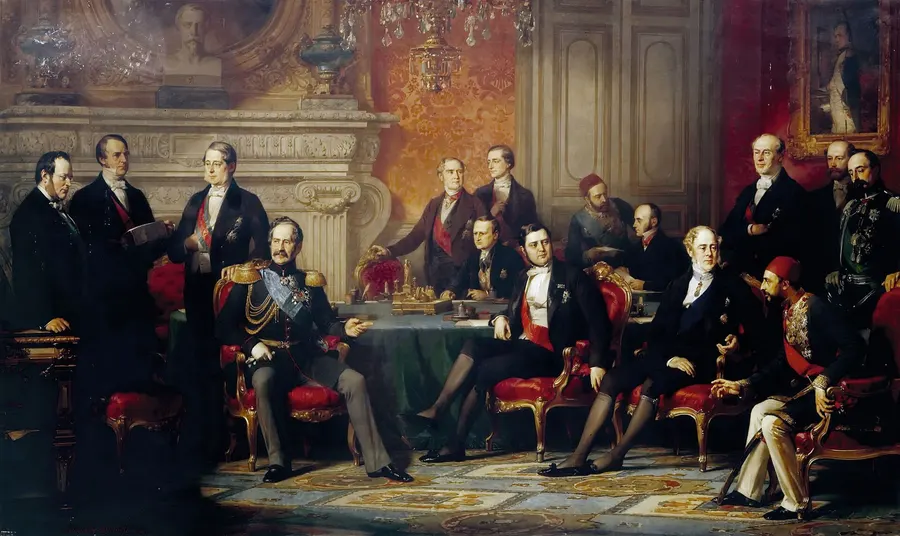
The Congress of Paris, which ended the Crimean War, painted by Édouard Dubufe in 1856.
Image creditEdouard Louis Dubufe · Public domainResized and cropped for display.

The Treaty of Paris ends the Crimean War

On 30 March 1856 the Congress of Paris ended the Crimean War. Russia signed the peace with France, Britain, the Ottoman Empire and Sardinia, with Austria and Prussia also putting their names to it.

The Black Sea was made neutral, closed to warships, and Russia gave back land at the mouth of the Danube. The great powers promised to respect the Ottoman Empire’s independence. The war had cost hundreds of thousands of lives, many of them to disease.

Read the full storyHistory & Timeline →Source: Encyclopaedia Britannica: Treaty of Paris (1856) ↗
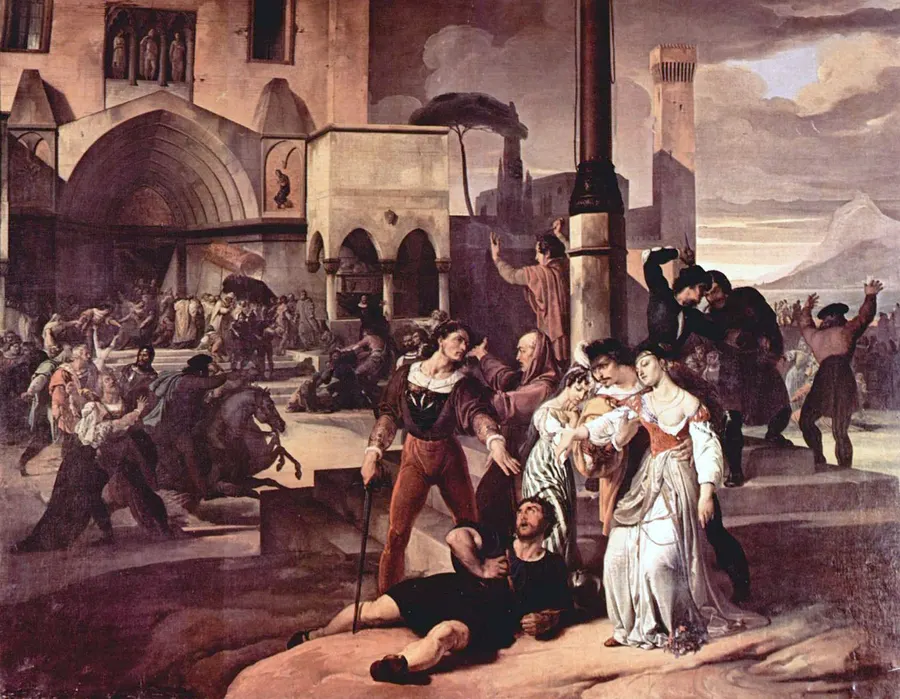
The Sicilian Vespers, painted by Francesco Hayez in 1821-22.
Image creditFrancesco Hayez · Public domainResized and cropped for display.

The Sicilian Vespers

At the hour of evening prayer on Easter Monday, 30 March 1282, outside the Church of the Holy Spirit in Palermo, a French soldier insulted a Sicilian woman and was killed by her husband. The crowd turned on the French, and the revolt against Charles of Anjou’s rule spread across Sicily within weeks.

Thousands of French people were killed. The Sicilians offered their crown to King Peter III of Aragon, beginning a long war between the Angevins and Aragon. The date is by the Julian calendar used at the time.

Read the full storyHistory & Timeline →Source: Encyclopaedia Britannica: Sicilian Vespers ↗
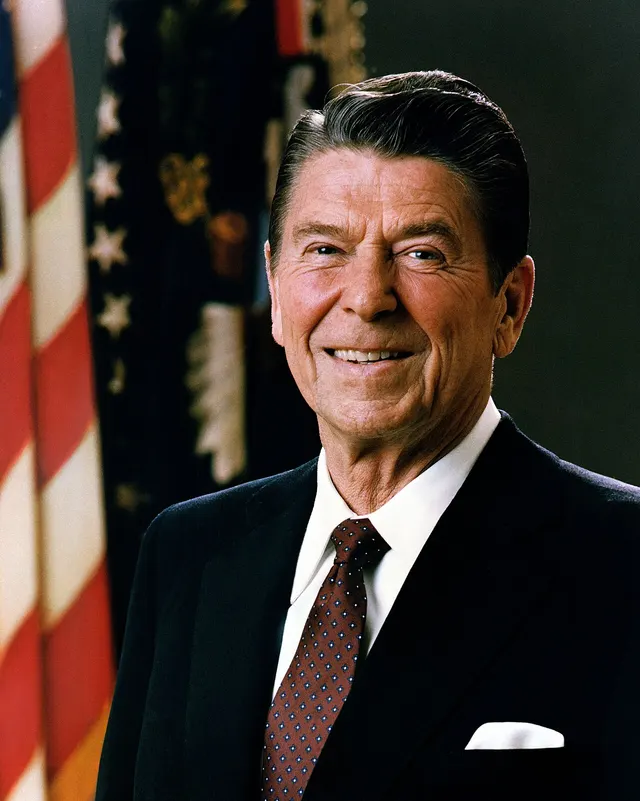
Ronald Reagan's official portrait, 1981.
Ronald Reagan’s official portrait, 1981.
Image creditMichael Evans · Public domainResized and cropped for display.

President Reagan is shot and survives

Sixty-nine days into his presidency, on 30 March 1981, Ronald Reagan was leaving the Washington Hilton when John Hinckley fired six shots. A bullet ricocheted off the presidential car and lodged in Reagan’s chest, near his heart. His press secretary James Brady, a Secret Service agent and a police officer were also wounded.

Reagan joked with his surgeons and recovered within weeks. Brady was left permanently disabled and later campaigned for gun control. Hinckley was found not guilty by reason of insanity in 1982.

Read the full storyHistory & Timeline →Source: Ronald Reagan Presidential Library: Assassination attempt ↗
♙
PEOPLE

Born Today

Francisco Goya
Image creditVicente López Portaña · Public domainResized and cropped for display.

Francisco Goya

Spanish painter and printmaker, court painter to the kings of Spain and witness of the horrors of war.

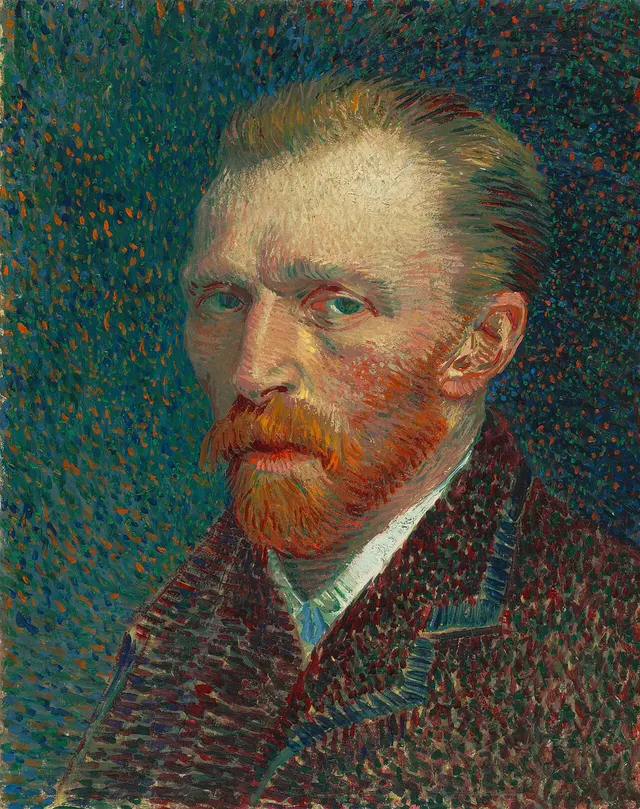
Vincent van Gogh
Image creditVincent van Gogh · Public domainResized and cropped for display.

Vincent van Gogh

Dutch painter of The Starry Night and the Sunflowers, who sold very little in his lifetime.

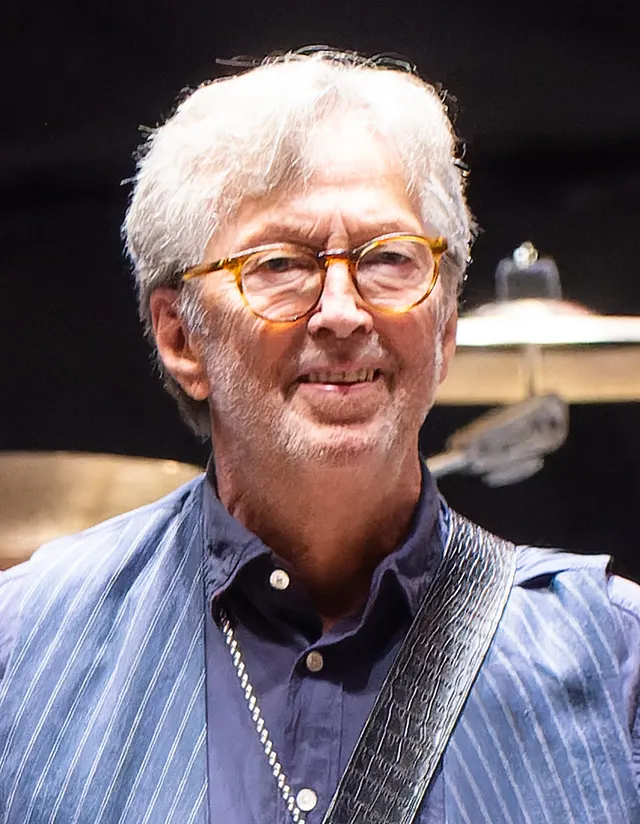
Eric Clapton
Image creditRaph_PH · CC BY 2.0Resized and cropped for display.

Eric Clapton

English guitarist and singer, of Cream and ‘Layla’.

Tracy Chapman
Image creditHans Hillewaert · CC BY-SA 4.0Resized and cropped for display.

Tracy Chapman

American singer-songwriter of ‘Fast Car’.

Céline Dion
Image creditGeorges Biard · CC BY-SA 3.0Resized and cropped for display.

Céline Dion

Canadian singer of ‘My Heart Will Go On’, one of the best-selling artists of all time.

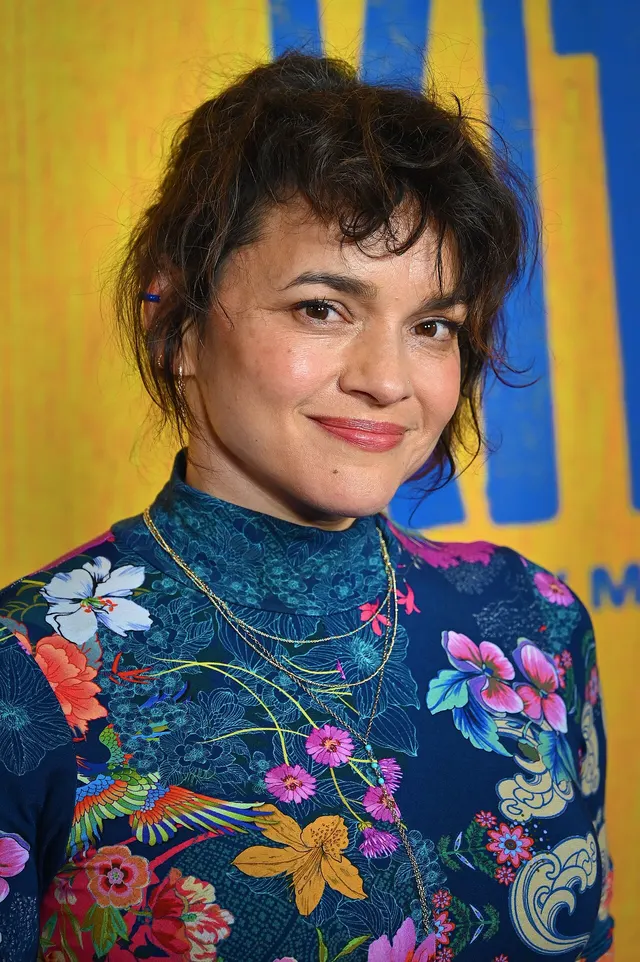
Norah Jones
Image creditPhilipRomanoPhoto · CC BY 4.0Resized and cropped for display.

Norah Jones

American singer and pianist whose debut album Come Away with Me won five Grammys.

Sergio Ramos
Image creditReal Madrid · CC BY 3.0Resized and cropped for display.

Sergio Ramos

Spanish footballer, captain of Real Madrid and a World Cup winner in 2010.

◉
IDEAS THAT CHANGED THINGS

Firsts, Science & Discoveries

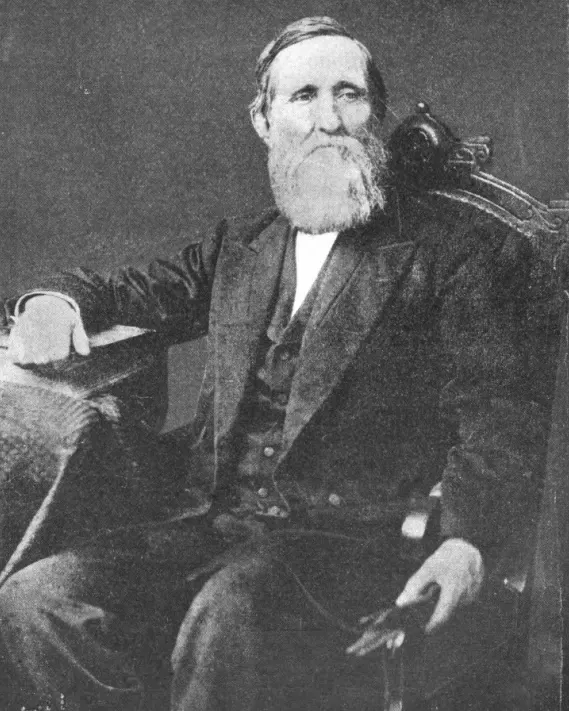
Crawford W. Long in 1877, about a year before his death.
Image creditJoseph Jacobs · Public domainResized and cropped for display.

The first operation under ether

In Jefferson, Georgia, on 30 March 1842, the young doctor Crawford Long had his patient James Venable breathe sulphuric ether from a towel, then removed a small tumour from his neck. Venable said he felt nothing. It is the first known use of ether as an anaesthetic in surgery.

Long did not publish his results until 1849, so the Boston dentist William Morton, who gave a public demonstration in 1846, long received the credit. Painless surgery changed medicine for ever.

Read the full storyHistory & Timeline →Source: New Georgia Encyclopedia: Crawford Long ↗
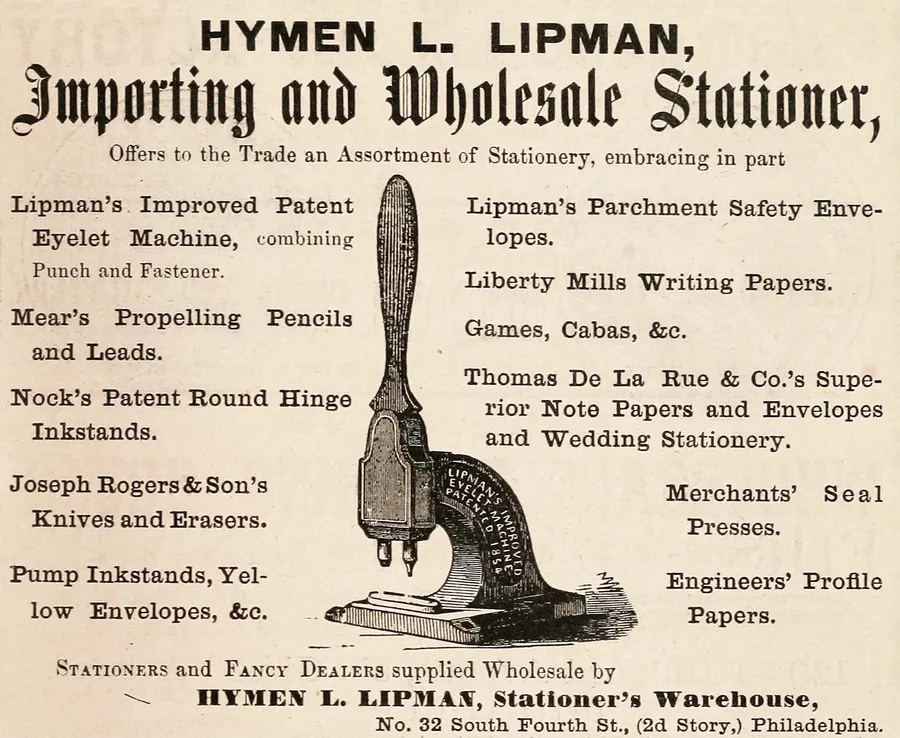
An 1860 advertisement for Hymen L. Lipman's stationery warehouse in Philadelphia.
An 1860 advertisement for Hymen L. Lipman’s stationery warehouse in Philadelphia.
Image creditUnknown author · Public domainResized and cropped for display.

A pencil with a rubber on the end

On 30 March 1858 the Philadelphia stationer Hymen Lipman, who was born in Jamaica, was granted a US patent for a pencil with a strip of rubber set into one end, so that writing and rubbing out could be done with one tool.

He sold the patent a few years later for a reported $100,000, but in 1875 the US Supreme Court ruled it invalid, as it merely combined two things already known. The pencil with an eraser is still everywhere.

Read the full storyHistory & Timeline →Source: Encyclopaedia Britannica: Eraser ↗
♫
MUSIC • FILM • BOOKS • CULTURE

Culture Stories

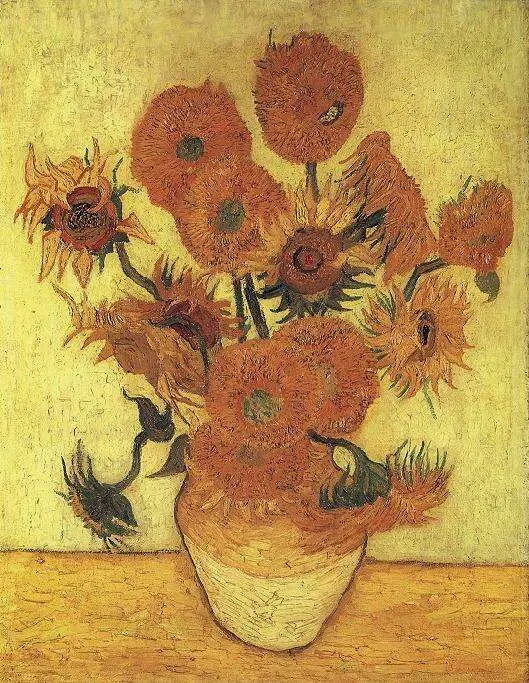
Vase with Fifteen Sunflowers, the version Van Gogh painted in January 1889, now in Tokyo.
Image creditVincent van Gogh · Public domainResized and cropped for display.

Van Gogh’s Sunflowers sells for a record

On 30 March 1987, the day Vincent van Gogh would have turned 134, his painting of fifteen sunflowers in a vase sold at Christie’s in London for £24.75 million, more than three times the previous auction record for a painting.

The buyer was the Japanese insurer Yasuda, and the picture now hangs in the Sompo Museum of Art in Tokyo. The sale set off a boom in prices for Impressionist art. Heirs of an earlier owner have since claimed in court that it was sold under Nazi pressure.

Read the full storyHistory & Timeline →Source: Encyclopaedia Britannica: Sunflowers ↗
✦
LIVES REMEMBERED

Remembered Today

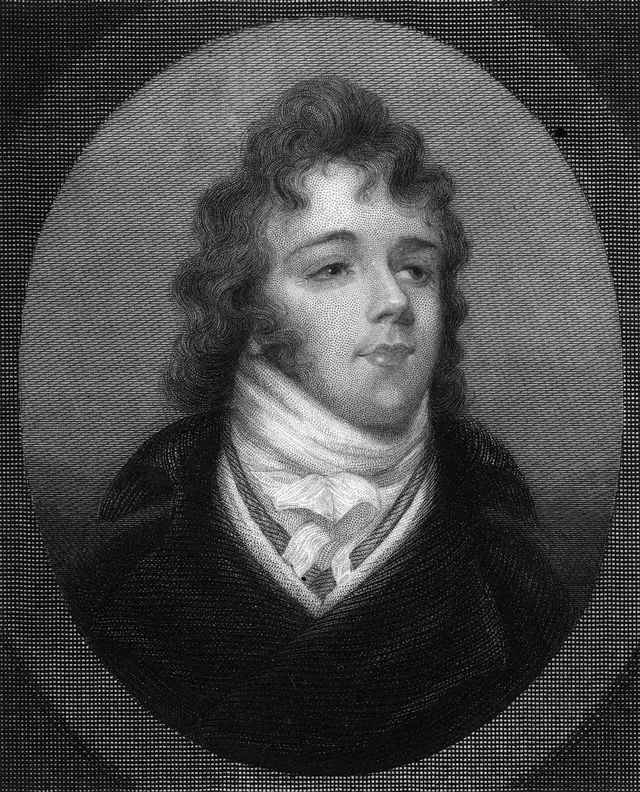
Beau Brummell
Image creditUnknown artist · Public domainResized and cropped for display.

Beau Brummell

English dandy who set the fashion for dark, well-cut men’s clothes; he died poor in France.

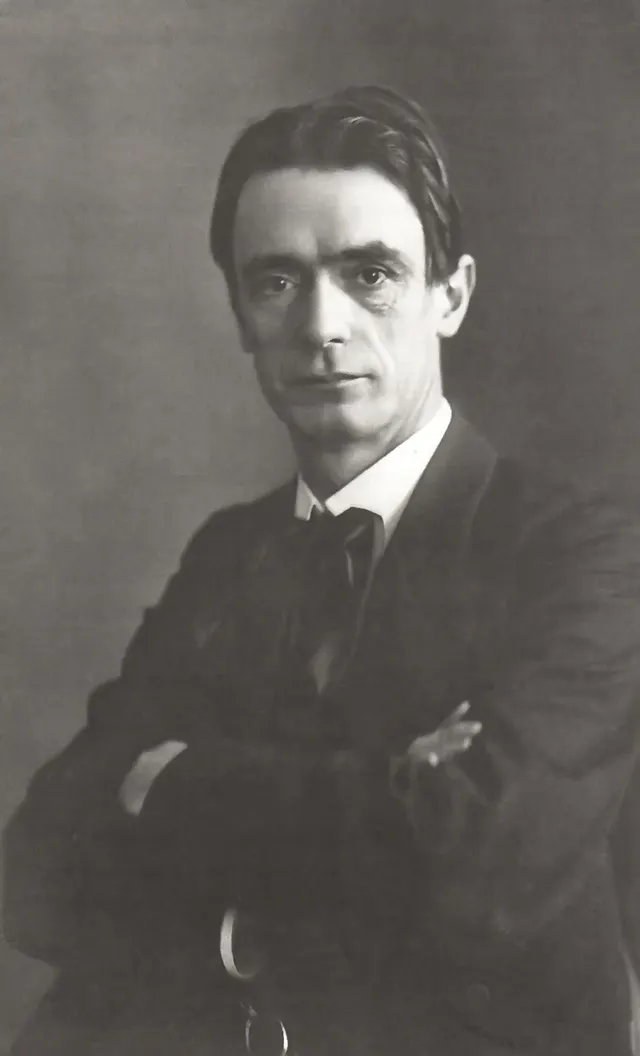
Rudolf Steiner
Image creditOtto Rietmann · Public domainResized and cropped for display.

Rudolf Steiner

Austrian thinker who founded anthroposophy and the Steiner-Waldorf schools.

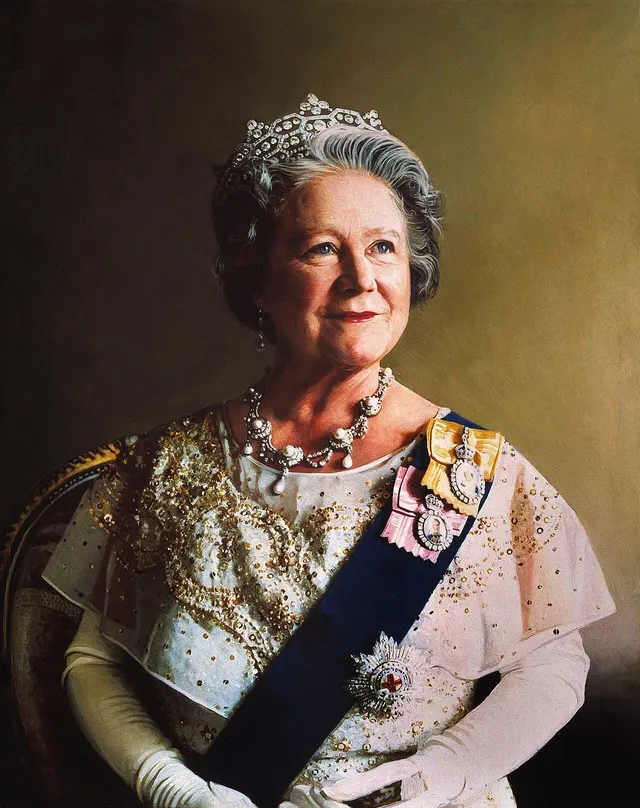
Queen Elizabeth the Queen Mother
Image creditRichard Stone · Public domainResized and cropped for display.

Queen Elizabeth the Queen Mother

Queen consort of George VI and mother of Elizabeth II; she died aged 101.

☉
AROUND THE WORLD

Observances & Anniversaries

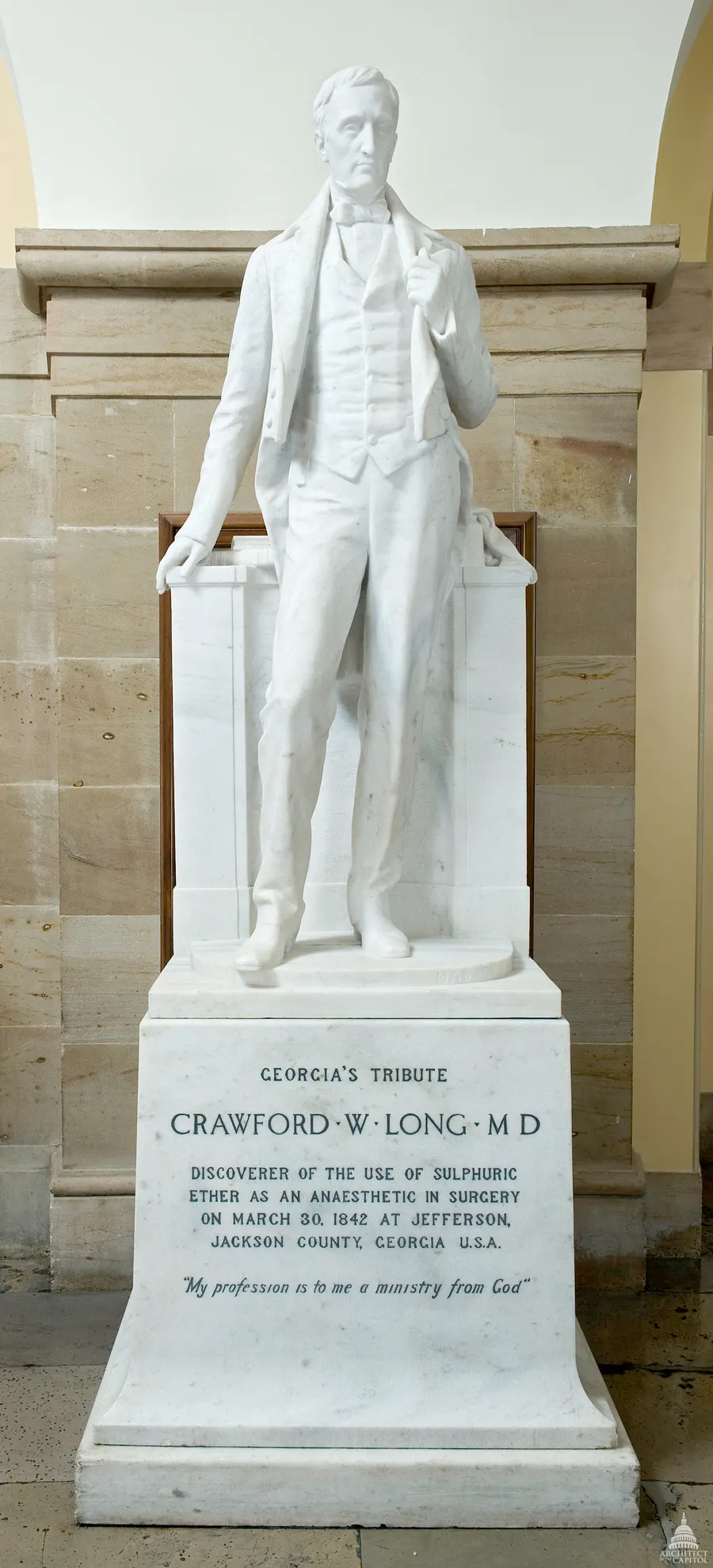
Crawford W. Long's marble statue in the crypt of the US Capitol.
Crawford W. Long’s marble statue in the crypt of the US Capitol.
Image creditUSCapitol · Public domainResized and cropped for display.

National Doctors’ Day in the United States

Americans thank their doctors on 30 March, the anniversary of Crawford Long’s first operation under ether in 1842. The day began in Georgia in 1933, often with red carnations for physicians.

Congress made it a national day in a resolution signed by President George H. W. Bush in 1990.

Source: Congress.gov: S.J.Res.366, National Doctors Day ↗
HISTORY & TIMELINE

Finished the highlights?

Follow 30 March chronologically, from the Middle Ages to the modern day, with 13 verified events and the sources behind them.

This day through time →