HISTORY & TIMELINE
30 March

A journey through
30 March in history

From the Easter Monday uprising in Palermo in 1282 to the first Land Day in Galilee in 1976, 30 March has seen the first operation under ether, the pencil with a rubber on the end, a record price for Van Gogh’s Sunflowers and the start of North Vietnam’s Easter Offensive. This timeline follows the date across seven centuries.

JUMP THROUGH TIME
II
THE MIDDLE AGES

Medieval History

Kingdoms, conflict, faith, power and the changing medieval world.

1282
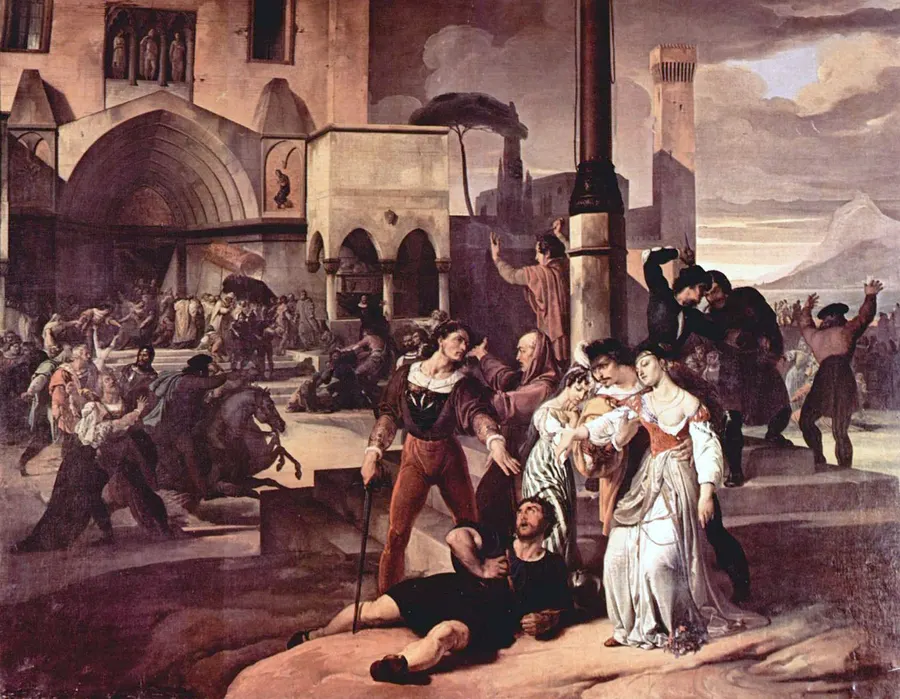
The Sicilian Vespers, painted by Francesco Hayez in 1821-22.The Sicilian Vespers, painted by Francesco Hayez in 1821-22.Image: Francesco Hayez · Public domain
politics · Europe

The Sicilian Vespers

At the hour of evening prayer on Easter Monday, 30 March 1282, outside the Church of the Holy Spirit in Palermo, a French soldier insulted a Sicilian woman and was killed by her husband. The crowd turned on the French, and the revolt against Charles of Anjou’s rule spread across Sicily within weeks. Thousands of French people were killed. The Sicilians offered their crown to King Peter III of Aragon, beginning a long war between the Angevins and Aragon. The date is by the Julian calendar used at the time.

Source: Encyclopaedia Britannica: Sicilian Vespers ↗
IV
THE NINETEENTH CENTURY

The 1800s

Industry, empire, invention, reform and a century of enormous transformation.

1842
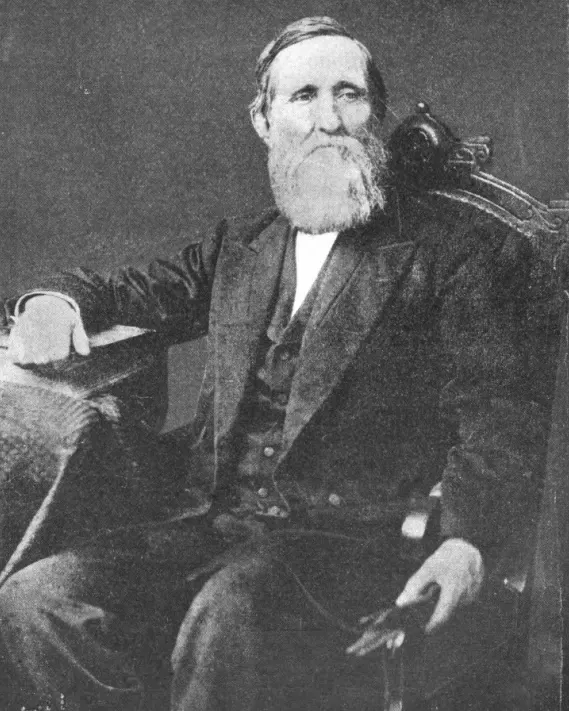
Crawford W. Long in 1877, about a year before his death.Crawford W. Long in 1877, about a year before his death.Image: Joseph Jacobs · Public domain
science · Americas

The first operation under ether

In Jefferson, Georgia, on 30 March 1842, the young doctor Crawford Long had his patient James Venable breathe sulphuric ether from a towel, then removed a small tumour from his neck. Venable said he felt nothing. It is the first known use of ether as an anaesthetic in surgery. Long did not publish his results until 1849, so the Boston dentist William Morton, who gave a public demonstration in 1846, long received the credit. Painless surgery changed medicine for ever.

Source: New Georgia Encyclopedia: Crawford Long ↗
1856
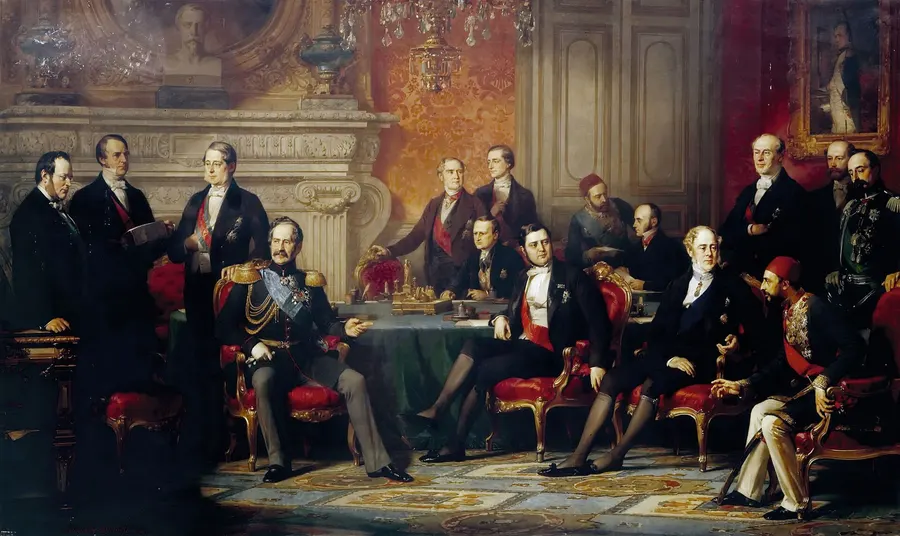
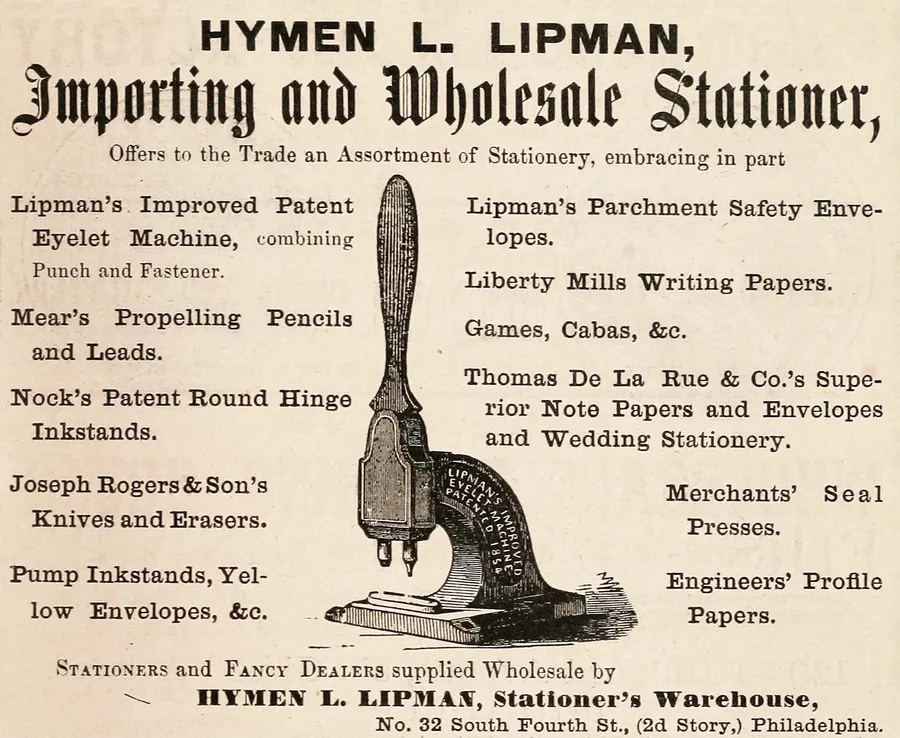
The Congress of Paris, which ended the Crimean War, painted by Édouard Dubufe in 1856.The Congress of Paris, which ended the Crimean War, painted by Édouard Dubufe in 1856.Image: Edouard Louis Dubufe · Public domain
politics · Europe

The Treaty of Paris ends the Crimean War

On 30 March 1856 the Congress of Paris ended the Crimean War. Russia signed the peace with France, Britain, the Ottoman Empire and Sardinia, with Austria and Prussia also putting their names to it. The Black Sea was made neutral, closed to warships, and Russia gave back land at the mouth of the Danube. The great powers promised to respect the Ottoman Empire’s independence. The war had cost hundreds of thousands of lives, many of them to disease.

Source: Encyclopaedia Britannica: Treaty of Paris (1856) ↗
1858
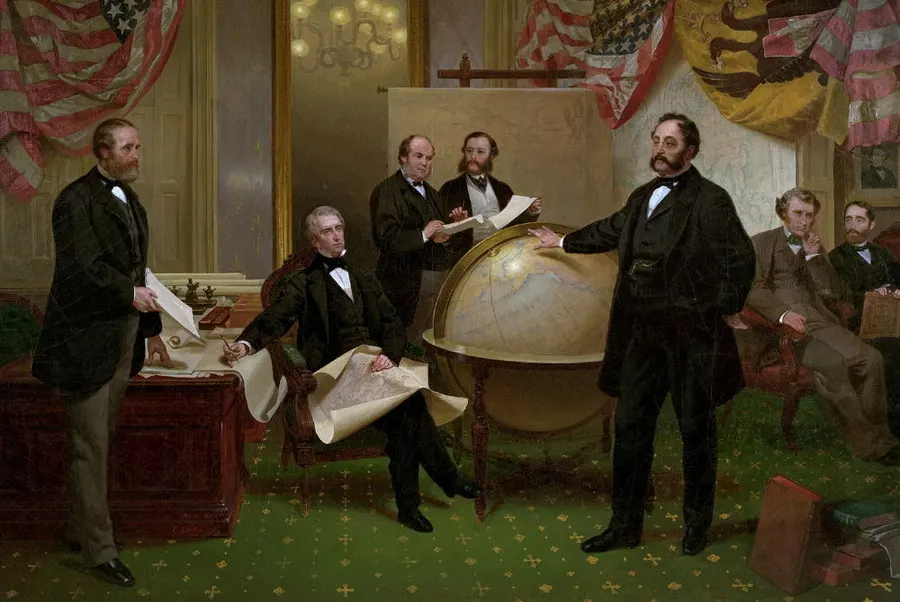
An 1860 advertisement for Hymen L. Lipman's stationery warehouse in Philadelphia.An 1860 advertisement for Hymen L. Lipman’s stationery warehouse in Philadelphia.Image: Unknown author · Public domain
science · Americas

A pencil with a rubber on the end

On 30 March 1858 the Philadelphia stationer Hymen Lipman, who was born in Jamaica, was granted a US patent for a pencil with a strip of rubber set into one end, so that writing and rubbing out could be done with one tool. He sold the patent a few years later for a reported $100,000, but in 1875 the US Supreme Court ruled it invalid, as it merely combined two things already known. The pencil with an eraser is still everywhere.

Source: Encyclopaedia Britannica: Eraser ↗
1867
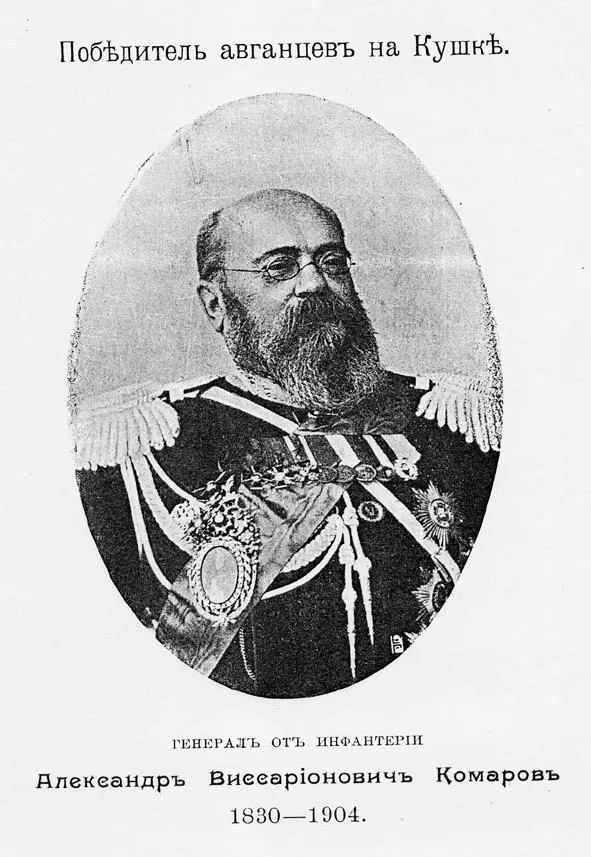
The Signing of the Alaska Treaty, painted by Emanuel Leutze: William Seward (seated, left) and Eduard de Stoeckl (at the globe).The Signing of the Alaska Treaty, painted by Emanuel Leutze: William Seward (seated, left) and Eduard de Stoeckl (at the globe).Image: Emanuel Leutze · Public domain
politics · Americas

The United States buys Alaska

At about four in the morning of 30 March 1867, after a night of work at the State Department, the US Secretary of State William Seward and the Russian minister Eduard de Stoeckl signed a treaty by which Russia sold Alaska to the United States for $7.2 million, about two cents an acre. Critics mocked the deal as ‘Seward’s Folly’, but the Senate approved it within days and the flag was raised at Sitka that October. Gold, fish, timber and later oil made Alaska one of the great bargains in history; it became the 49th state in 1959.

Source: US Office of the Historian: Purchase of Alaska, 1867 ↗
1870
'The Fifteenth Amendment', a print of 1870 celebrating its passage, with scenes of Black American life and portraits of leaders.‘The Fifteenth Amendment’, a print of 1870 celebrating its passage, with scenes of Black American life and portraits of leaders.Image: Thomas Kelly · Public domain
world · Americas

The Fifteenth Amendment is declared in force

Secretary of State Hamilton Fish certified that enough states had ratified the Fifteenth Amendment, which bars the United States or any state from denying the vote on account of ‘race, color, or previous condition of servitude’. The last state needed had ratified in February. In practice many Southern states later kept Black citizens from voting for nearly a century, until the Voting Rights Act of 1965.

Source: US National Archives: 15th Amendment ↗
1885
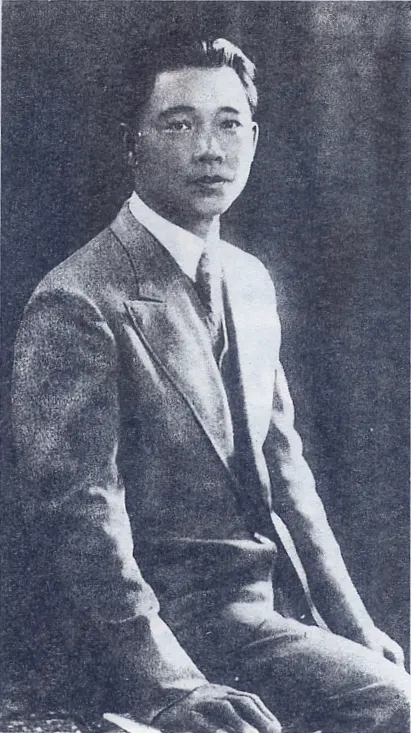
General Alexander Komarov, the Russian commander at Panjdeh, in a period engraving.General Alexander Komarov, the Russian commander at Panjdeh, in a period engraving.Image: Unknown author · Public domain
world · Asia

The Panjdeh incident

Russian troops under General Alexander Komarov attacked an Afghan force at the Panjdeh oasis on the disputed northern border of Afghanistan and drove it out. Britain, fearing a Russian advance on India, prepared for war, but the crisis was settled by talks: Russia kept Panjdeh, and the line agreed helped fix Afghanistan’s north-western border. In the Russian calendar of the time the date was 18 March.

Source: Encyclopaedia Iranica: Boundaries of Afghanistan ↗
V
THE TWENTIETH CENTURY

The 1900s

War and peace, technological leaps, social change, politics, sport and popular culture.

1940
Wang Jingwei, around 1930.Wang Jingwei, around 1930.Image: Unknown author · Public domain
world · Asia

Japan installs a puppet government in Nanjing

In occupied China, Wang Jingwei, once a leading Nationalist and a rival of Chiang Kai-shek, became head of a new ‘Reorganized National Government’ in Nanjing, set up with Japanese backing. It claimed to rule China, but real power stayed with the Japanese army, and the regime collapsed with Japan’s defeat in 1945.

Source: Encyclopaedia Britannica: Wang Ching-wei ↗
1945
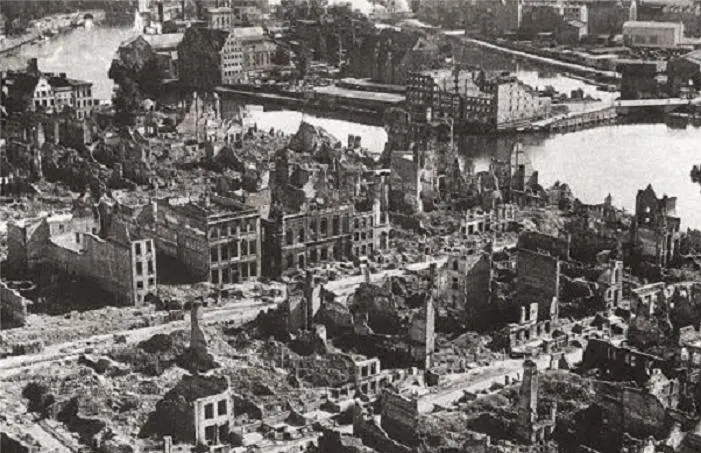
The centre of Danzig destroyed by air raids and shelling, 1945.The centre of Danzig destroyed by air raids and shelling, 1945.Image: Unknown author · Public domain
world · Europe

Soviet forces take Danzig

After weeks of fighting, the Red Army announced the capture of the Baltic port of Danzig, where the Second World War had begun in 1939. A Polish administration was set up the same day, and the city became Gdańsk. About nine-tenths of its historic centre lay in ruins, and its German population fled or was expelled.

Source: Museum of the Second World War, Gdańsk: The capture of Gdańsk by the Red Army ↗
1972
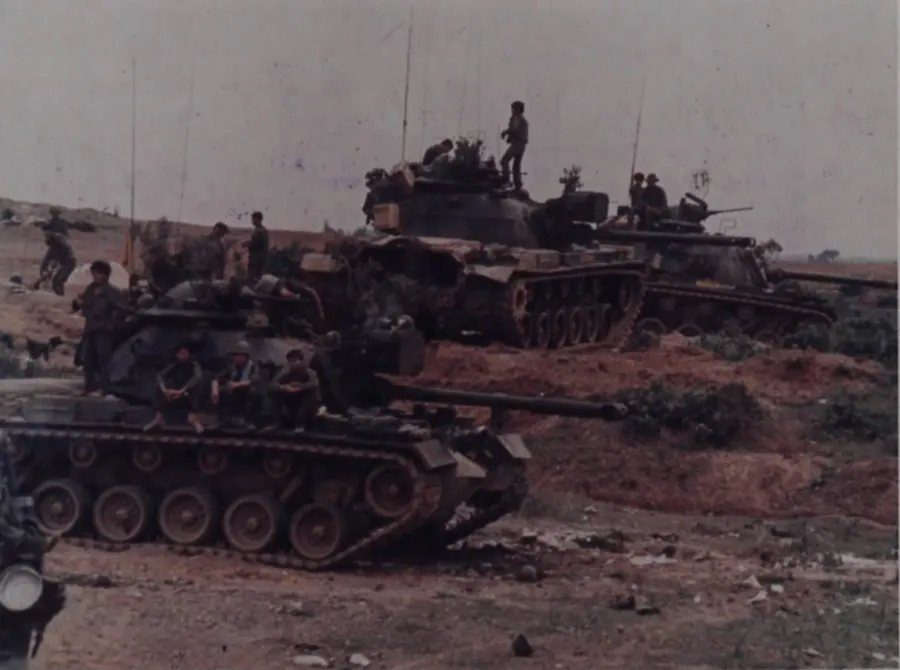
South Vietnamese M-48 tanks near the Dong Ha River, 10 April 1972.South Vietnamese M-48 tanks near the Dong Ha River, 10 April 1972.Image: NARA photo 111-CCV-319-CC81751 by SP5 Michael Laley · Public domain

world · Asia

North Vietnam’s Easter Offensive begins

At noon, North Vietnamese artillery opened fire on South Vietnamese bases below the demilitarised zone, and about 30,000 troops with more than 100 tanks crossed into Quang Tri province. It was the largest attack of the war so far. With heavy American air support, the South held on, and the fighting ran until October.

Source: US Naval History and Heritage Command: H-Gram 070, The Easter Offensive ↗
1976
A Land Day march in Sakhnin, in Galilee, on 30 March 2010.A Land Day march in Sakhnin, in Galilee, on 30 March 2010.Image: Makbula Nassar مقبولة نصار · CC BY-SA 4.0
world · Middle East

The first Land Day

Arab citizens of Israel held a general strike and marches against government plans to take over land in the Galilee, much of it Arab-owned. In clashes with the police and army, six Arab citizens were killed and many more were hurt or arrested. Palestinians have marked 30 March as Land Day ever since.

Source: Institute for Palestine Studies: Land Day, 30 March 1976 ↗
1981
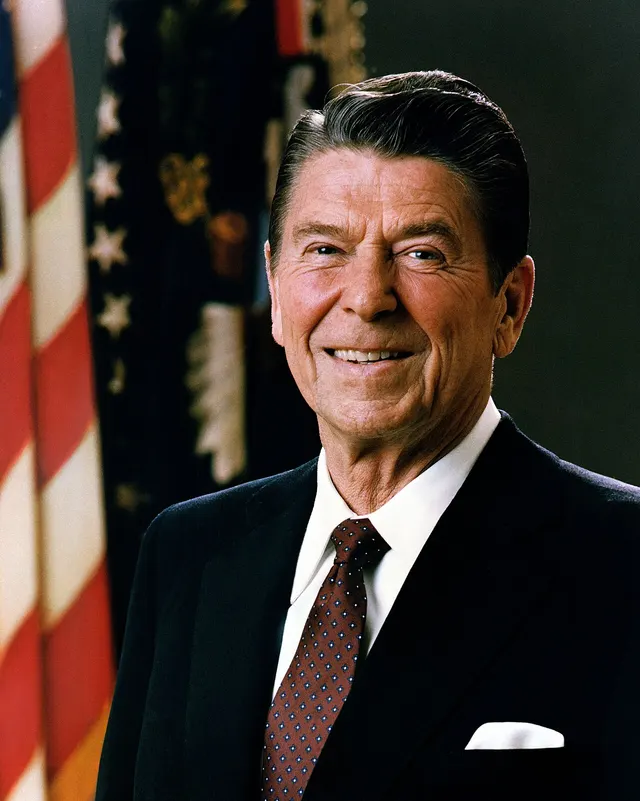
Ronald Reagan's official portrait, 1981.Ronald Reagan’s official portrait, 1981.Image: Michael Evans · Public domain
politics · Americas

President Reagan is shot and survives

Sixty-nine days into his presidency, on 30 March 1981, Ronald Reagan was leaving the Washington Hilton when John Hinckley fired six shots. A bullet ricocheted off the presidential car and lodged in Reagan’s chest, near his heart. His press secretary James Brady, a Secret Service agent and a police officer were also wounded. Reagan joked with his surgeons and recovered within weeks. Brady was left permanently disabled and later campaigned for gun control. Hinckley was found not guilty by reason of insanity in 1982.

Source: Ronald Reagan Presidential Library: Assassination attempt ↗
1987
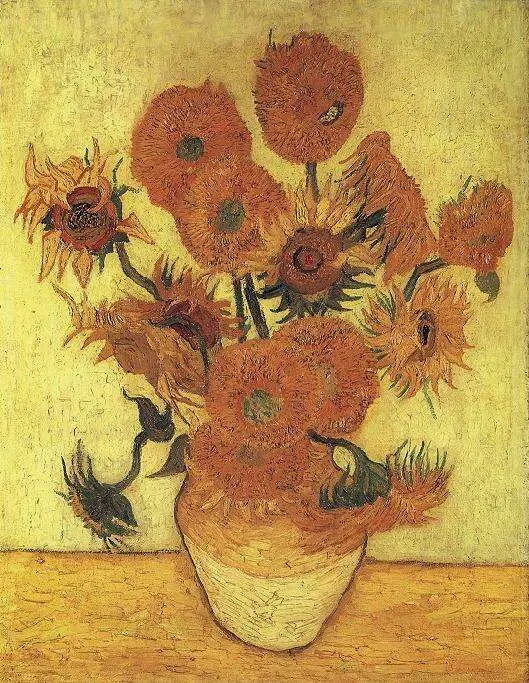
Vase with Fifteen Sunflowers, the version Van Gogh painted in January 1889, now in Tokyo.Vase with Fifteen Sunflowers, the version Van Gogh painted in January 1889, now in Tokyo.Image: Vincent van Gogh · Public domain
culture · Europe

Van Gogh’s Sunflowers sells for a record

On 30 March 1987, the day Vincent van Gogh would have turned 134, his painting of fifteen sunflowers in a vase sold at Christie’s in London for £24.75 million, more than three times the previous auction record for a painting. The buyer was the Japanese insurer Yasuda, and the picture now hangs in the Sompo Museum of Art in Tokyo. The sale set off a boom in prices for Impressionist art. Heirs of an earlier owner have since claimed in court that it was sold under Nazi pressure.

Source: Encyclopaedia Britannica: Sunflowers ↗
WHY THESE MOMENTS?

Significance before volume

This page is not the longest possible list of events. It is a chronological journey through 30 March, where each entry is chosen for historical significance, human interest and reliability.

Facts are checked against authoritative museums, archives, universities and reference works. Where sources disagree, the page says so.

EXPLORED THE DEEPER STORY?

Return to the highlights of 30 March

Discover the lighter side of the date with famous birthdays, culture, firsts and lives remembered.

Explore This Day →
← PREVIOUS DAY29 March
HISTORY & TIMELINE30 March
NEXT DAY →31 March