
HISTORY & TIMELINE
29 March

A journey through
29 March in history

From the bloodiest battle ever fought on English soil at Towton in 1461 to NATO’s largest enlargement in 2004, 29 March has seen the opening of the Royal Albert Hall, Captain Scott’s last words in Antarctica, the conviction of the Rosenbergs and the first close-up pictures of Mercury. This timeline follows the date across more than five centuries.

JUMP THROUGH TIME
II
THE MIDDLE AGES

Medieval History

Kingdoms, conflict, faith, power and the changing medieval world.

1461
Dacre's Cross near Towton, which commemorates the battle and the death of Lord Dacre, 2010.Dacre’s Cross near Towton, which commemorates the battle and the death of Lord Dacre, 2010.Image: Chemical Engineer · Public domain
world · Europe

The Battle of Towton

On Palm Sunday, in a snowstorm near Towton in Yorkshire, the Yorkist army of the young Edward IV defeated the Lancastrians in the Wars of the Roses. The fighting lasted for hours and is often called the bloodiest battle ever fought on English soil, though the traditional figure of 28,000 dead is disputed. Henry VI fled to Scotland and Edward was crowned that June. The date is by the Julian calendar of the day.

Source: Historic England: Battle of Towton 1461, list entry 1000040 ↗
IV
THE NINETEENTH CENTURY

The 1800s

Industry, empire, invention, reform and a century of enormous transformation.

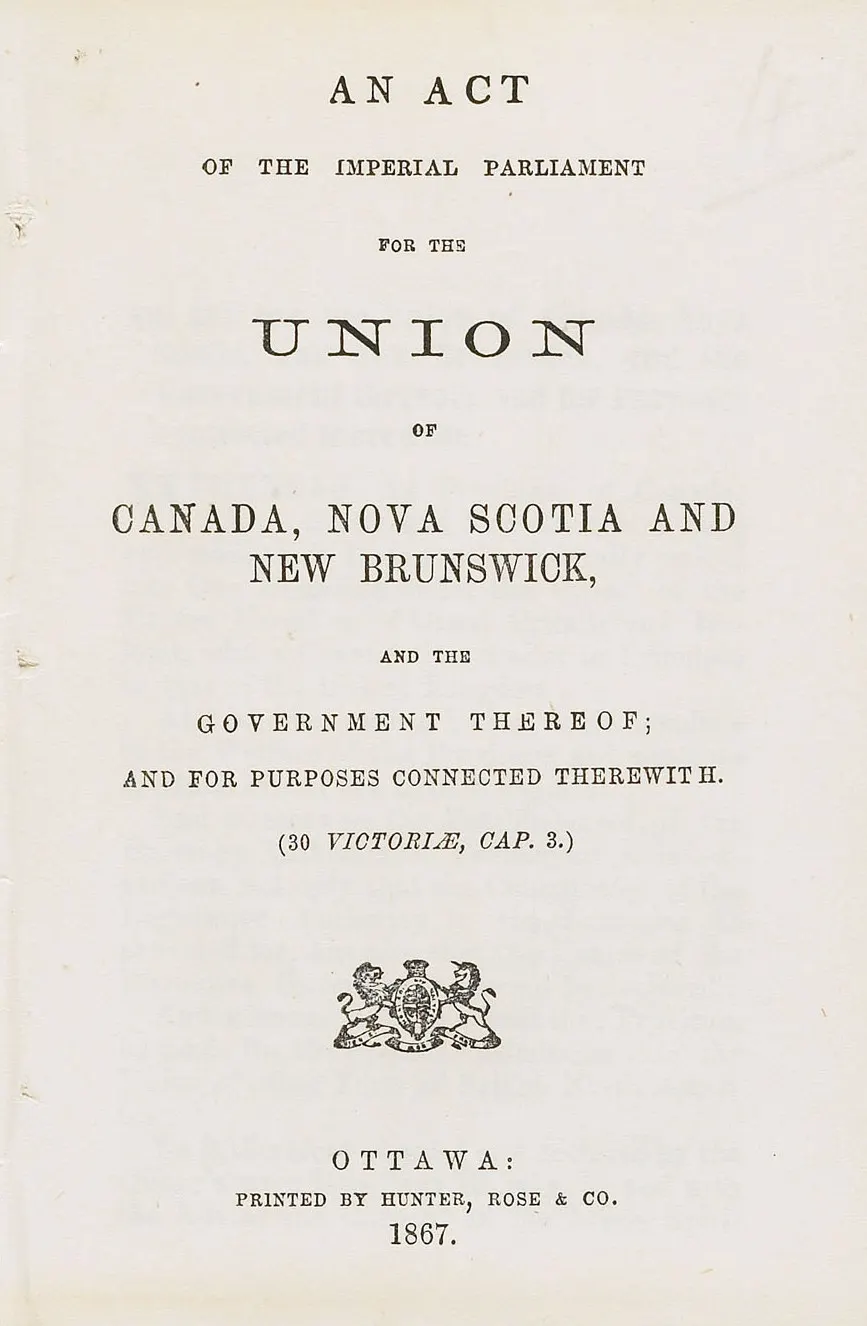
1867
The front page of a copy of the British North America Act printed in Ottawa, 1867.The front page of a copy of the British North America Act printed in Ottawa, 1867.Image: Parliament of the United Kingdom; printed by Hunter, Rose, Ottawa · Public domain
politics · Americas

The act that creates Canada

On 29 March 1867 Queen Victoria gave her assent to the British North America Act, passed at Westminster. It united the Province of Canada, which was split into Ontario and Quebec, with Nova Scotia and New Brunswick in a new federation, the Dominion of Canada. The act took effect on 1 July 1867, now celebrated as Canada Day. Renamed the Constitution Act, 1867, it is still the backbone of Canada’s constitution, and on the same date in 1982 the Queen gave assent to the Canada Act, which ended Britain’s power to make laws for Canada.

Source: UK Parliament: British North America Act 1867 ↗
1871
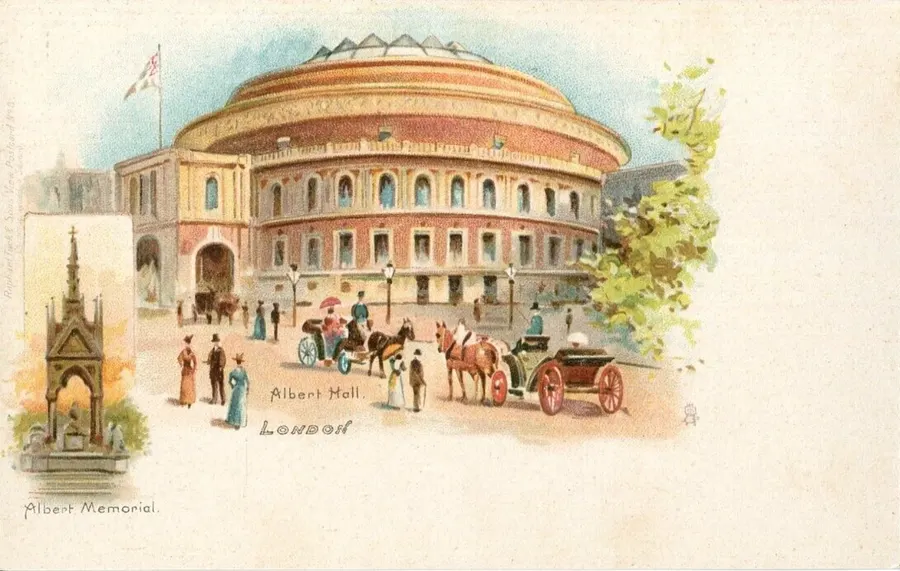
The Royal Albert Hall, with the Albert Memorial inset, on a postcard of about 1903.The Royal Albert Hall, with the Albert Memorial inset, on a postcard of about 1903.Image: Unknown · Public domain
culture · Europe

Queen Victoria opens the Royal Albert Hall

On 29 March 1871 Queen Victoria opened the great domed hall in South Kensington, London, named after her husband, Prince Albert, who had died ten years earlier. Nearly 10,000 people were there. The Queen was too moved to speak, so the Prince of Wales read the address. The hall has since hosted concerts, including the BBC Proms, as well as boxing, tennis and political rallies.

Source: Royal Albert Hall: Queen Victoria ↗
V
THE TWENTIETH CENTURY

The 1900s

War and peace, technological leaps, social change, politics, sport and popular culture.

1912
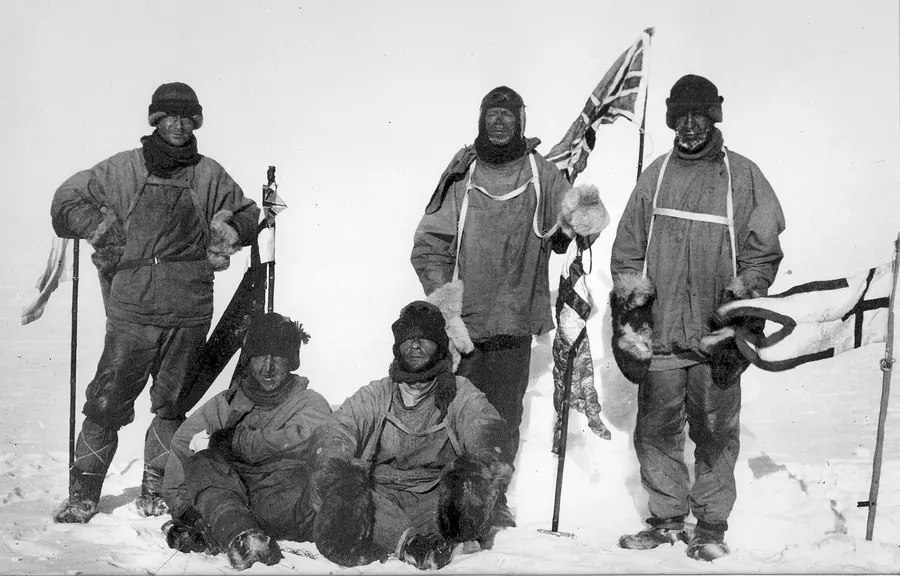
Scott and his party at the South Pole, January 1912.Scott and his party at the South Pole, January 1912.Image: Henry Bowers (1883–1912) · Public domain
world · Global

Captain Scott’s last diary entry

Trapped in their tent by a blizzard, 11 miles from a depot of food and fuel on their return from the South Pole, Robert Falcon Scott and his last two companions were dying. Scott’s final diary entry is dated 29 March and ends: ‘For God’s sake look after our people.’ Their bodies were found that November, and the diary is now in the British Library.

Source: Scott Polar Research Institute, University of Cambridge: Thursday, 29 March 1912 ↗
1947
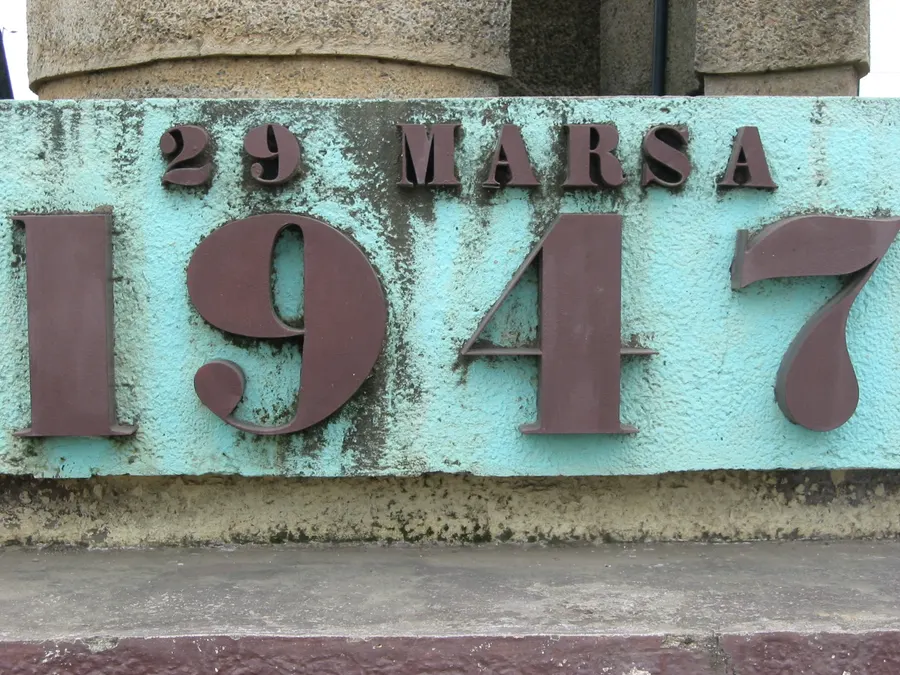
A monument to the uprising, inscribed '29 Marsa 1947', in Madagascar.A monument to the uprising, inscribed ‘29 Marsa 1947’, in Madagascar.Image: Robin Taylor from Bamako, Mali · CC BY 2.0
politics · Africa

Madagascar rises against French rule

On the night of 29 March 1947 Malagasy nationalists, many armed only with spears, attacked French military posts and plantations in the east of Madagascar, around Moramanga and Manakara. The revolt spread across a third of the island. France crushed it by early 1949. Estimates of Malagasy deaths, many from hunger and disease, range from about 11,000 to 100,000. Madagascar, independent since 1960, remembers the uprising every 29 March.

Source: Encyclopaedia Britannica: Madagascar, power struggle ↗
1951
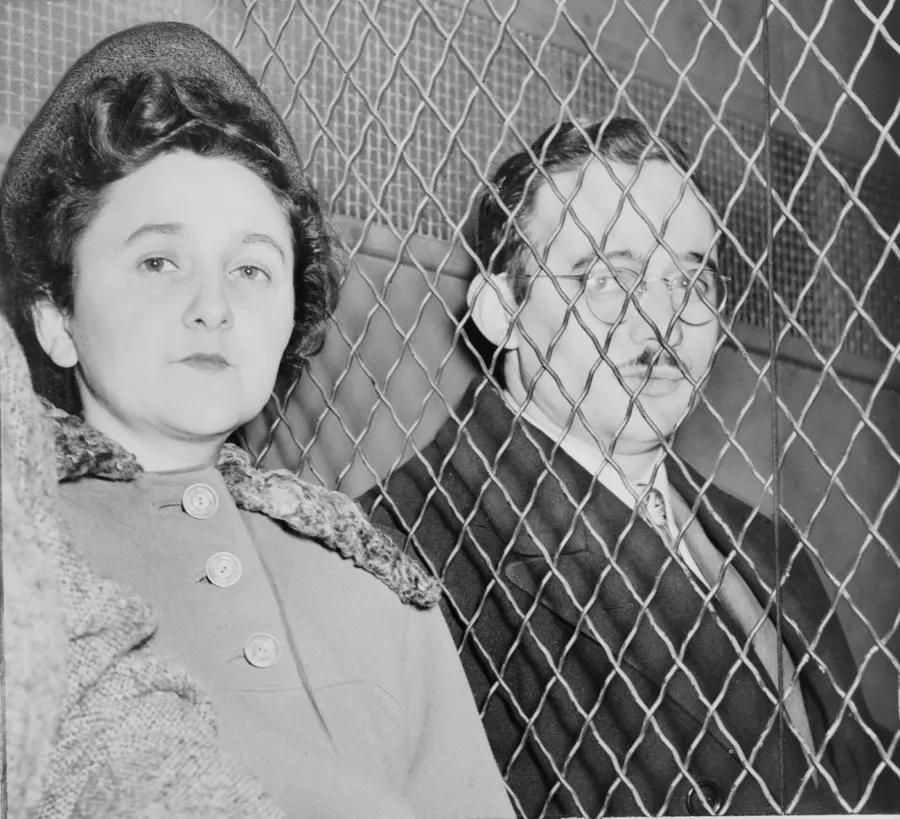
Julius and Ethel Rosenberg, separated by a wire screen, leave the courthouse after the verdict, 1951.Julius and Ethel Rosenberg, separated by a wire screen, leave the courthouse after the verdict, 1951.Image: Roger Higgins, New York World-Telegram and the Sun · Public domain
politics · Americas

The Rosenbergs are convicted of spying

A federal jury in New York found Julius and Ethel Rosenberg guilty of conspiring to pass atomic secrets to the Soviet Union. A week later they were sentenced to death, and they were executed in 1953 despite appeals from around the world. Evidence released decades later confirmed Julius’s spying but left Ethel’s role much debated.

Source: Federal Bureau of Investigation: Atom spy case, Rosenbergs ↗
1973
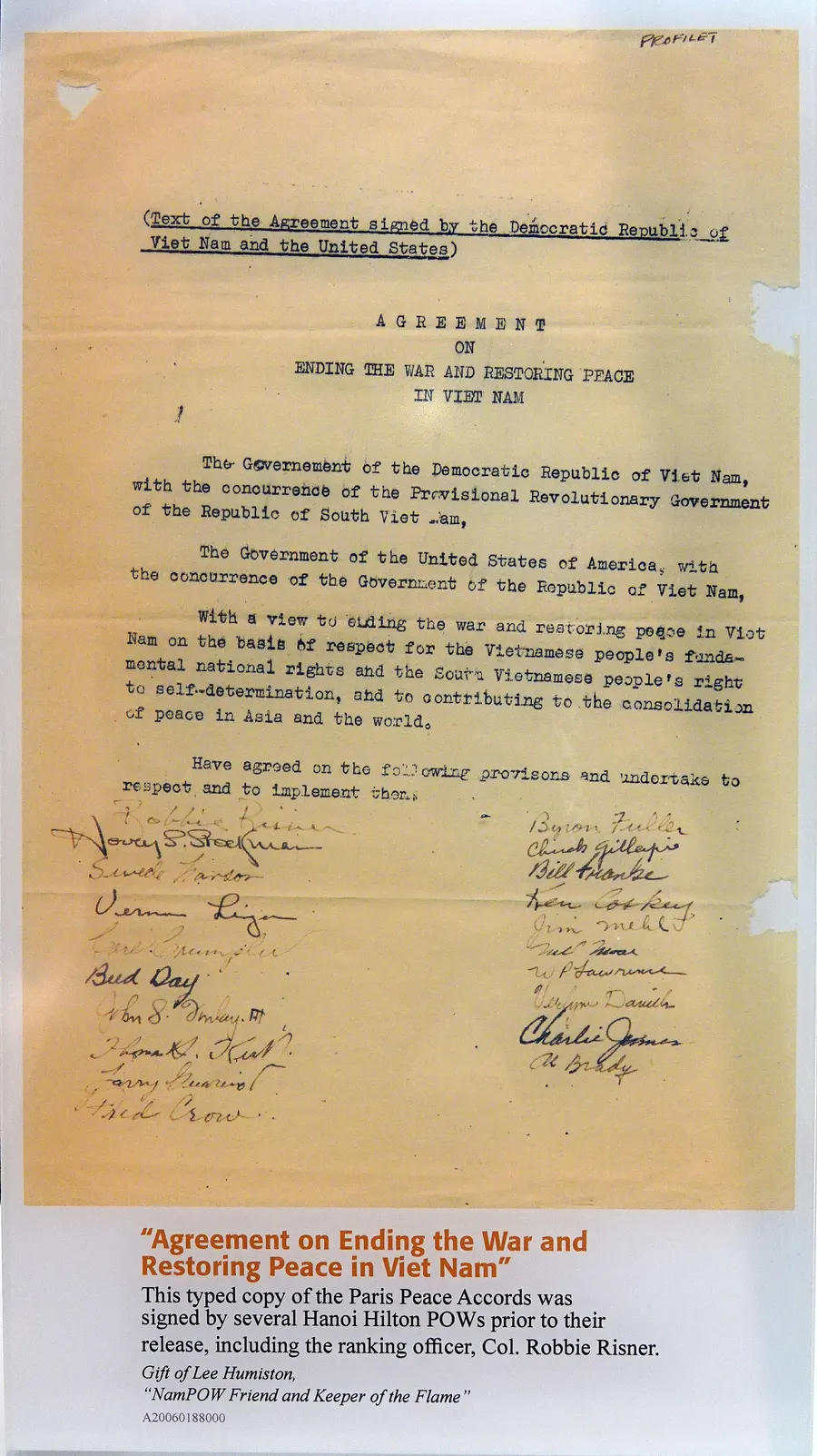
A copy of the 1973 Paris agreement on ending the war in Vietnam, on display at the Smithsonian's Udvar-Hazy Center.A copy of the 1973 Paris agreement on ending the war in Vietnam, on display at the Smithsonian’s Udvar-Hazy Center.Image: Sanjay Acharya · CC BY-SA 4.0
world · Asia

The last US combat troops leave Vietnam

Two months after the Paris Peace Accords were signed, the US Military Assistance Command, Vietnam, was disbanded on 29 March 1973, and the last American combat units left South Vietnam. The same week North Vietnam freed the last American prisoners of war it had admitted to holding. More than 58,000 Americans had died in the war. Without US forces, South Vietnam fell to the North two years later, in April 1975. The United States now marks 29 March as National Vietnam War Veterans Day.

Source: US Army: Vietnam War 50th anniversary commemoration ↗
1974
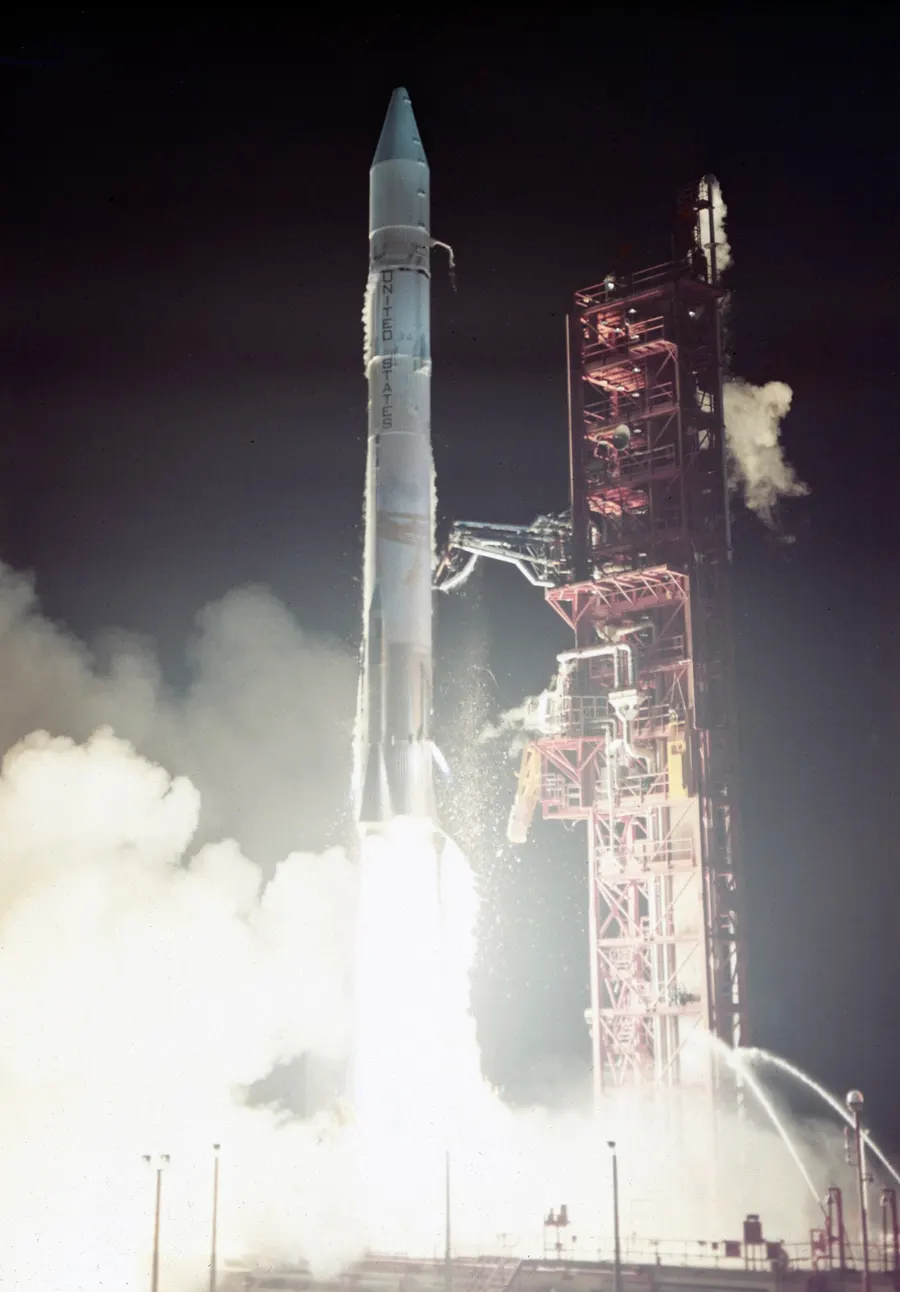
The Atlas-Centaur rocket carrying Mariner 10 lifts off from Cape Canaveral, November 1973.The Atlas-Centaur rocket carrying Mariner 10 lifts off from Cape Canaveral, November 1973.Image: NASA · Public domain
science · Global

Mariner 10 reaches Mercury

On 29 March 1974 NASA’s Mariner 10 flew past Mercury at a distance of about 700 kilometres, the first spacecraft to visit the innermost planet. On the way it had swung past Venus, the first use of one planet’s gravity to steer a spacecraft to another. Over its three passes it sent back thousands of pictures of a cratered, Moon-like world and found that Mercury has a weak magnetic field.

Source: NASA: 45 years ago, Mariner 10 first to explore Mercury ↗
1982
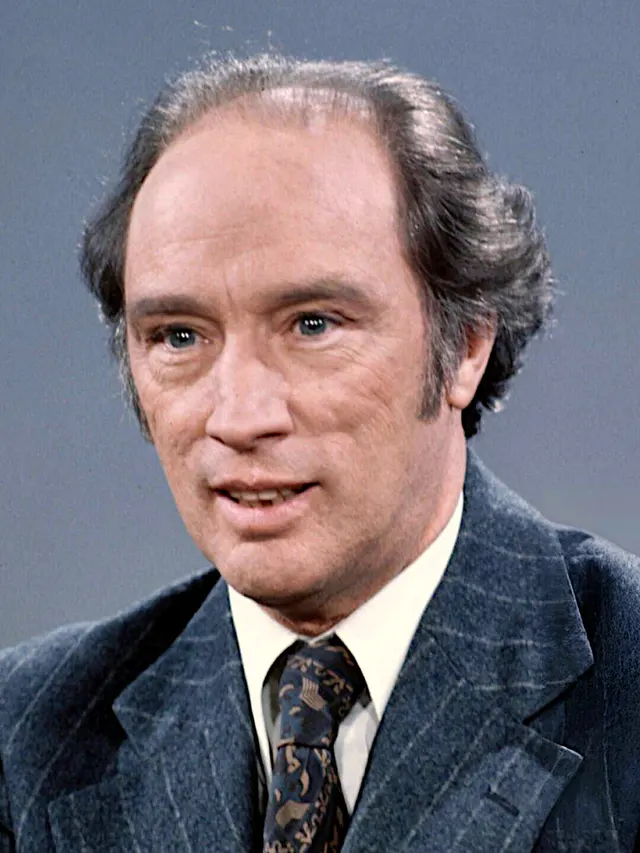
Pierre Trudeau, Canada's prime minister, in 1975.Pierre Trudeau, Canada’s prime minister, in 1975.Image: United Press International · Public domain
politics · Americas

Britain passes the Canada Act

Exactly 115 years after the British North America Act, Queen Elizabeth II gave royal assent to the Canada Act, by which the British Parliament gave up its power to make laws for Canada. The new Constitution Act, with its Charter of Rights and Freedoms, was proclaimed in Ottawa on 17 April. It was the work of Prime Minister Pierre Trudeau.

Source: legislation.gov.uk: Canada Act 1982 ↗
1999
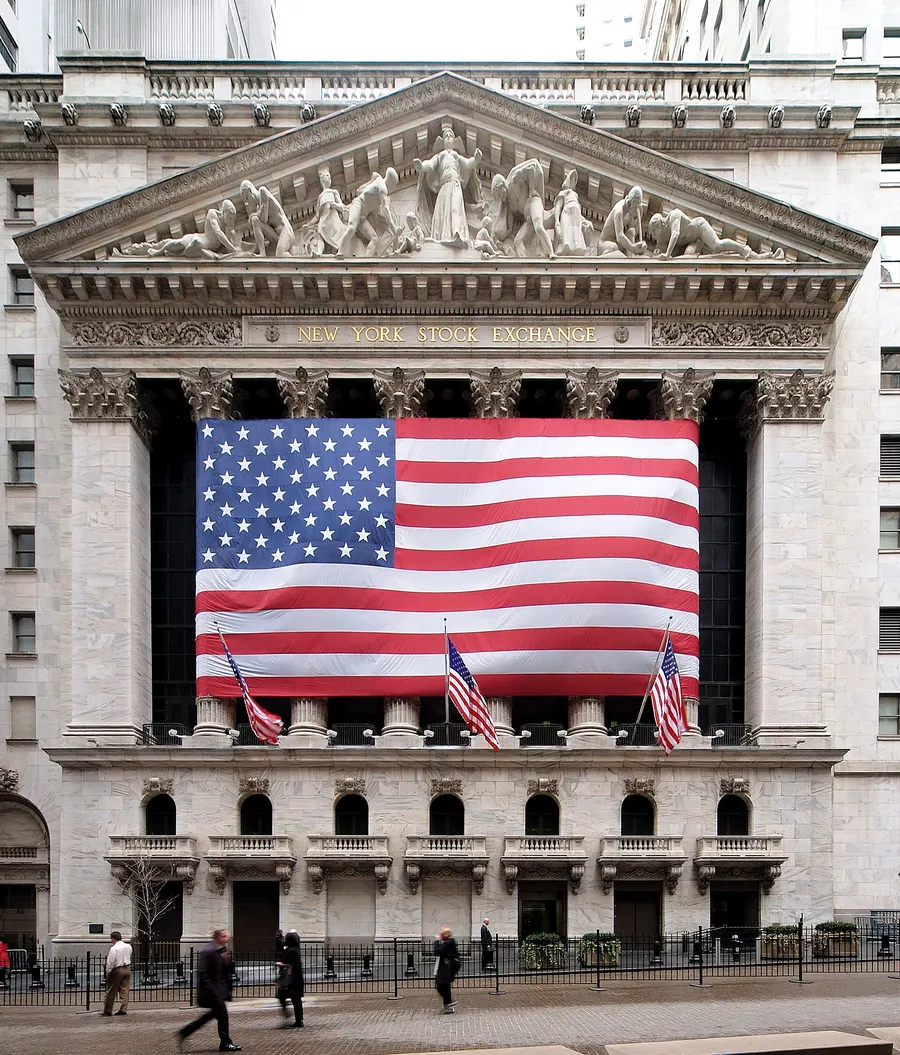
The New York Stock Exchange on Wall Street, 2008.The New York Stock Exchange on Wall Street, 2008.Image: Arnoldius · CC BY-SA 3.0
world · Americas

The Dow closes above 10,000

At the height of the dot-com boom, the Dow Jones Industrial Average of leading US shares closed above 10,000 for the first time, at 10,006.78. Traders on the floor of the New York Stock Exchange celebrated in party hats. It had first passed the mark during trading two weeks earlier.

Source: CNN Money: 10,000 at last, 29 March 1999 ↗
VI
2000 TO TODAY

Modern Day

The events of recent decades that have already become part of the historical record.

2004
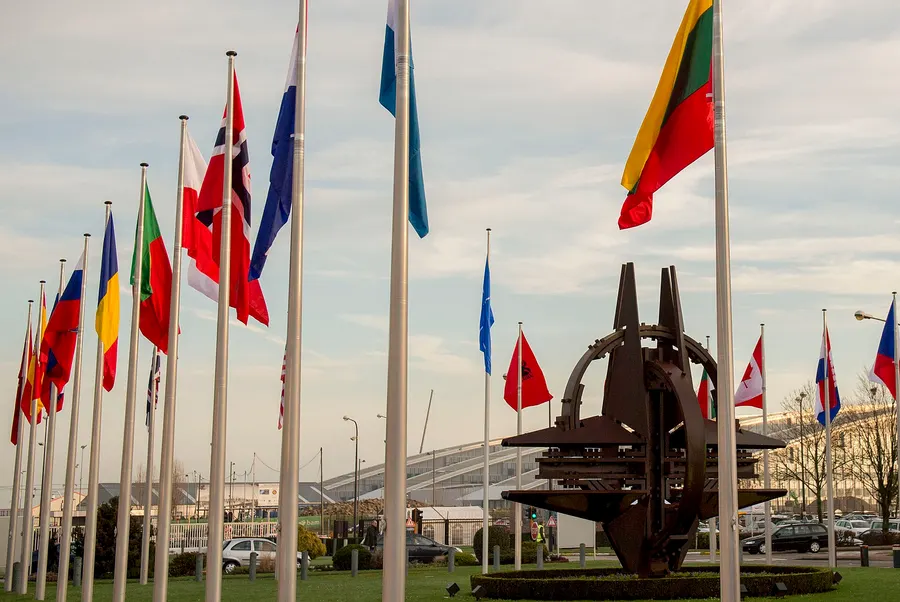
Member countries' flags at the entrance of NATO headquarters in Brussels, 2016.Member countries’ flags at the entrance of NATO headquarters in Brussels, 2016.Image: Senior Master Sgt. Adrian Cadiz · Public domain
politics · Europe

Seven countries join NATO

On 29 March 2004 the prime ministers of Bulgaria, Estonia, Latvia, Lithuania, Romania, Slovakia and Slovenia handed their countries’ instruments of accession to the US Secretary of State, Colin Powell, in Washington, making them members of NATO. It was the largest enlargement in the alliance’s history, and brought in three former Soviet republics. The flags of the new members were raised at NATO’s headquarters in Brussels a few days later.

Source: NATO: Seven new members join NATO ↗
WHY THESE MOMENTS?

Significance before volume

This page is not the longest possible list of events. It is a chronological journey through 29 March, where each entry is chosen for historical significance, human interest and reliability.

Facts are checked against authoritative museums, archives, universities and reference works. Where sources disagree, the page says so.

EXPLORED THE DEEPER STORY?

Return to the highlights of 29 March

Discover the lighter side of the date with famous birthdays, culture, firsts and lives remembered.

Explore This Day →
← PREVIOUS DAY28 March
HISTORY & TIMELINE29 March
NEXT DAY →30 March