
HISTORY & TIMELINE
28 March

A journey through
28 March in history

From the discovery of the asteroid Pallas in 1802 to a great earthquake off Sumatra in 2005, 28 March has seen the first seaplane flight, the turning point of the Civil War in New Mexico and a daring commando raid on the French coast. This timeline follows the date across two centuries.

III
A CHANGING WORLD

Early Modern Era

Exploration, political change, scientific development and expanding global connections.

1776
Juan Bautista de Anza, as imagined by the painter Gerald Cassidy (El Paso Museum of Art).Juan Bautista de Anza, as imagined by the painter Gerald Cassidy (El Paso Museum of Art).Image: Gerald Cassidy · Public domain
world · Americas

Anza chooses the site of San Francisco

In 1775-76 Lieutenant Colonel Juan Bautista de Anza led about 240 settlers overland from Sonora, in New Spain, to California. While they rested at Monterey, he rode north with a small party to explore the peninsula beside the great bay. On 28 March 1776 he planted a cross on a bluff near the entrance to the bay and marked out the site for a fort. The Presidio of San Francisco was founded there that September, and a mission followed in October: the beginnings of the city.

Source: US National Park Service: El Presidio de San Francisco, 1776-1846 ↗

IV
THE NINETEENTH CENTURY

The 1800s

Industry, empire, invention, reform and a century of enormous transformation.

1802
The astronomer and physician Wilhelm Olbers.The astronomer and physician Wilhelm Olbers.Image: Rudolph Suhrlandt · Public domain
science · Global

Wilhelm Olbers discovers the asteroid Pallas

On 28 March 1802 the German physician and amateur astronomer Wilhelm Olbers spotted a new object moving among the stars. It was Pallas, only the second asteroid ever found, after Ceres the year before. Named after the Greek goddess Pallas Athena, it is one of the largest bodies in the asteroid belt. Its orbit is steeply tilted, and it takes about four and a half years to circle the Sun.

Source: Encyclopaedia Britannica: Pallas ↗
1854
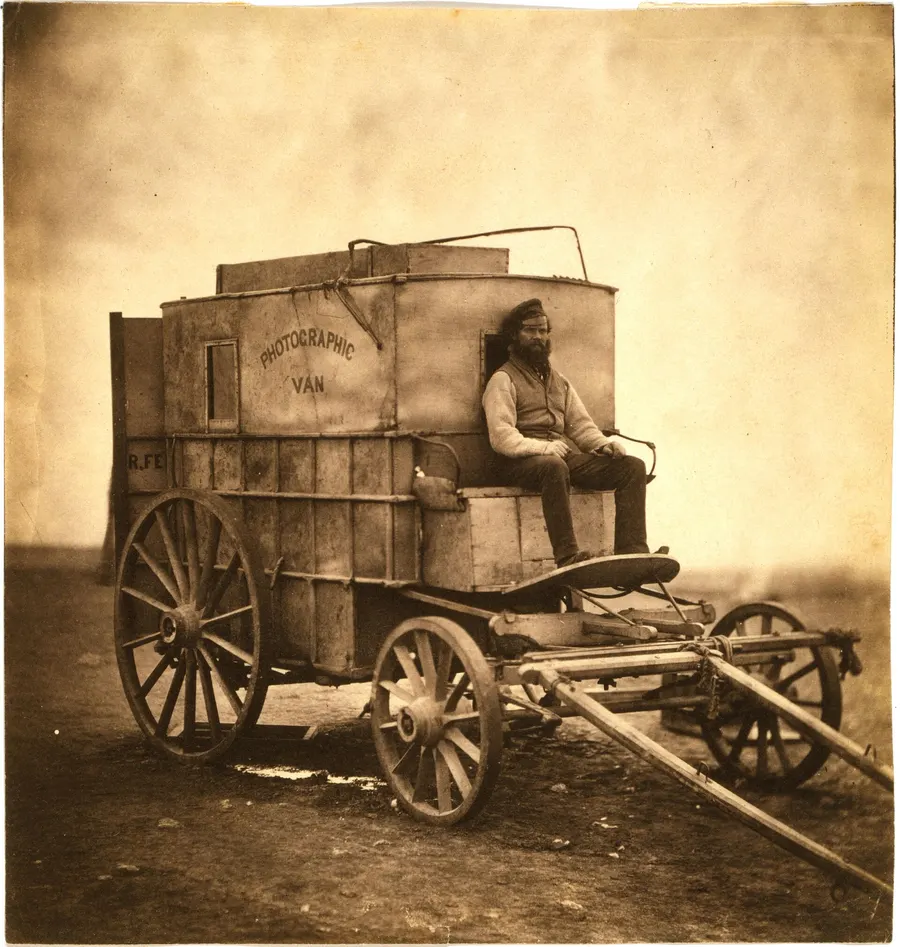
Roger Fenton's photographic van in the Crimea, 1855, one of the first war photographs.Roger Fenton’s photographic van in the Crimea, 1855, one of the first war photographs.Image: Roger Fenton · Public domain
world · Europe

Britain and France declare war on Russia

Russia had occupied the Danubian principalities, in what is now Romania, and in November 1853 destroyed a Turkish fleet at Sinope. On 28 March 1854 Britain and France, determined to stop Russia expanding at the expense of the Ottoman Empire, declared war on it. The allies landed in the Crimea that September and besieged the naval base of Sevastopol for almost a year. The war, which ended in 1856, is remembered for the Charge of the Light Brigade, Florence Nightingale’s hospital at Scutari and the first war photographs and newspaper reporting from the front.

Source: National Army Museum: Crimean War ↗
1862
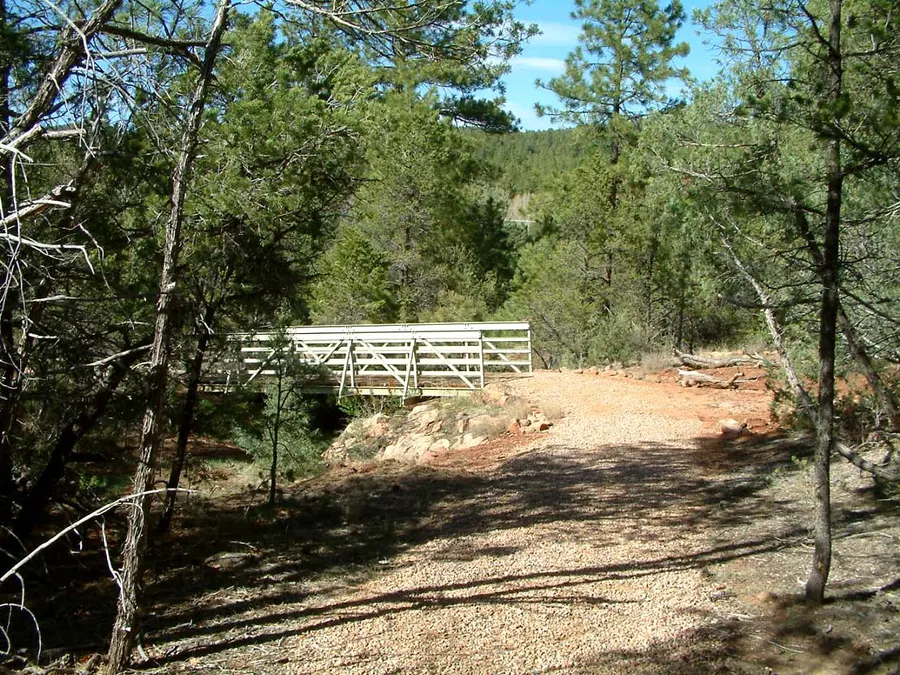
The Glorieta Pass battlefield, Pecos National Historical Park, New Mexico, 2012.The Glorieta Pass battlefield, Pecos National Historical Park, New Mexico, 2012.Image: Carptrash / Carptrash at English Wikipedia · CC BY-SA 3.0
world · Americas

The Battle of Glorieta Pass

In the mountains east of Santa Fe, Union troops fought a Confederate army that had invaded New Mexico from Texas. The Confederates held the field, but a Union detachment led by Major John Chivington found and burned their supply wagons in the rear. Without food or ammunition, the invaders had to retreat to Texas, ending the Confederacy’s hopes of taking the West.

Source: US National Park Service, Pecos National Historical Park: Battle of Glorieta Pass ↗
V
THE TWENTIETH CENTURY

The 1900s

War and peace, technological leaps, social change, politics, sport and popular culture.

1910
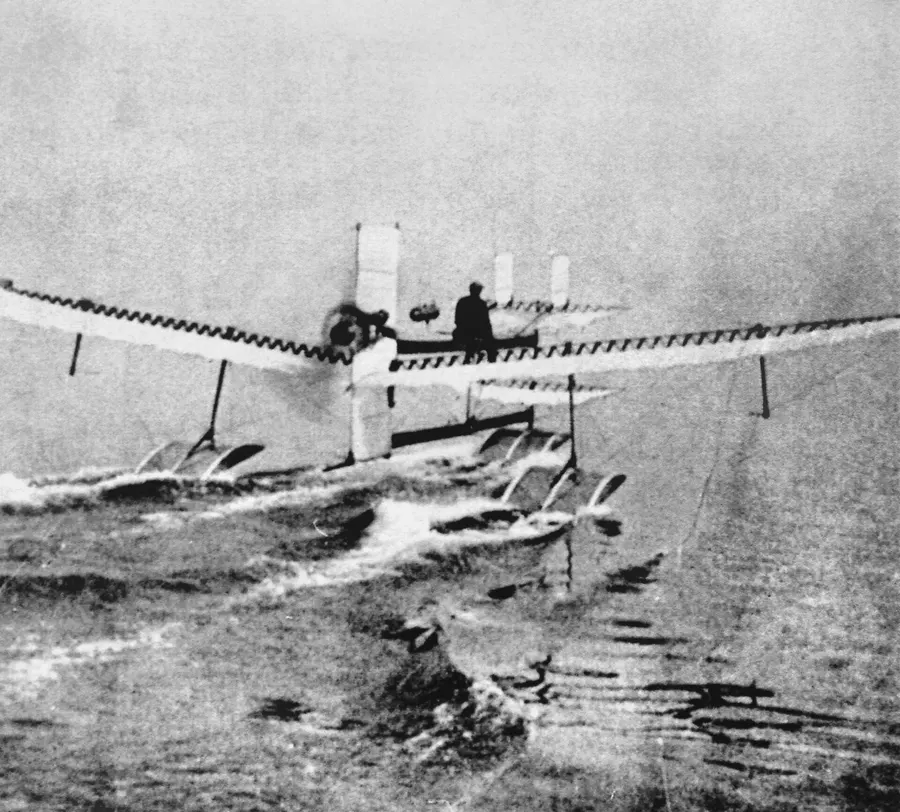
Henri Fabre flying his seaplane, 28 March 1910.Henri Fabre flying his seaplane, 28 March 1910.Image: Anonymous, French Navy · Public domain
science · Europe

The first seaplane flight

On 28 March 1910 the 27-year-old French engineer Henri Fabre took off from the water of the Étang de Berre, a lagoon near Martigues in southern France, in an aircraft of his own design on three floats. It was the first flight of a powered seaplane. He flew about 800 metres on his first attempt and made several more flights that day. Other pioneers, including Glenn Curtiss, soon used Fabre’s floats on their own machines.

Source: Smithsonian National Air and Space Museum: Model, Fabre Hydro-Avion Canard floatplane ↗
1939
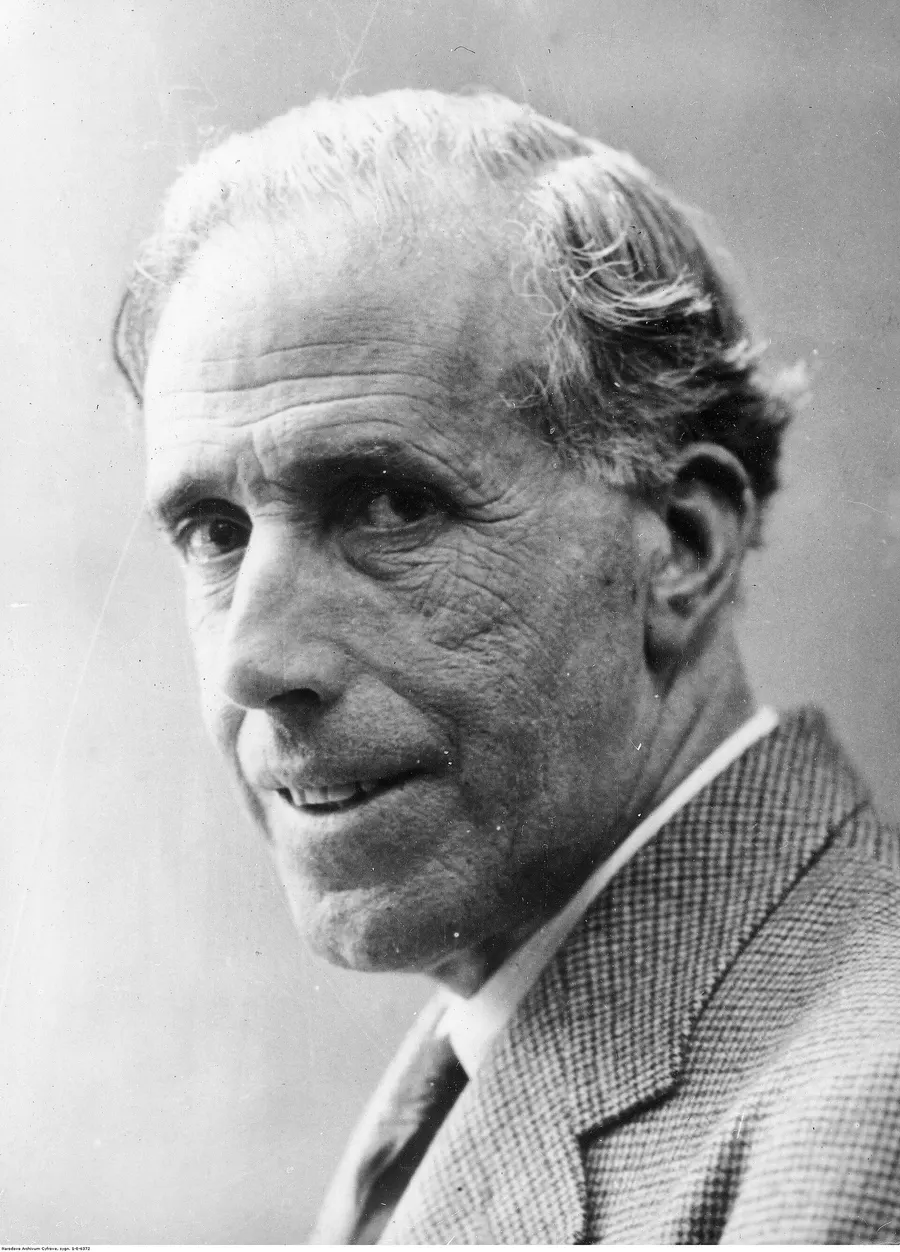
Julián Besteiro, the Republican politician who stayed in Madrid to the end.Julián Besteiro, the Republican politician who stayed in Madrid to the end.Image: Unknown author · Public domain
world · Europe

Franco’s troops enter Madrid

Madrid had held out against Francisco Franco’s Nationalists for almost two and a half years, under siege, shelling and air raids. On 28 March 1939, after the Republican side had split, Nationalist troops marched into the starving city unopposed. Republican resistance collapsed across Spain within days, and on 1 April Franco declared the war over. His dictatorship lasted until his death in 1975.

Source: Imperial War Museums: The Spanish Civil War, the fall of Madrid, March 1939 ↗
1942
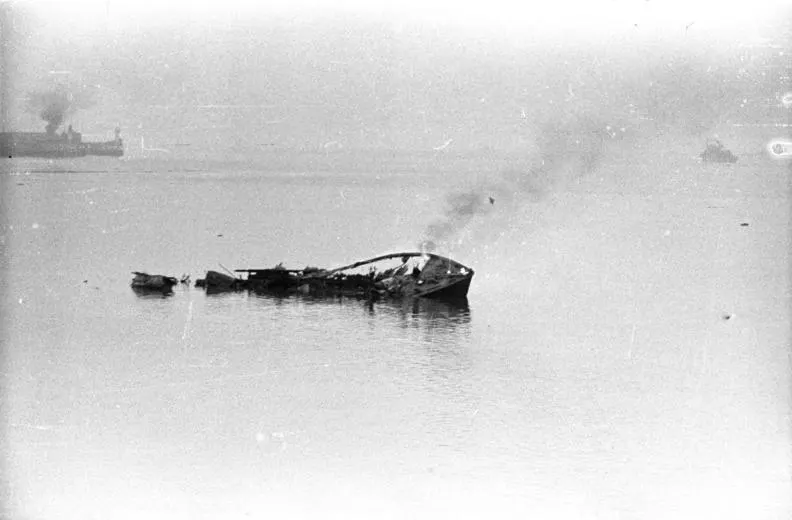
A wrecked British vessel off St Nazaire after the raid, 28 March 1942 (German Federal Archives).A wrecked British vessel off St Nazaire after the raid, 28 March 1942 (German Federal Archives).Image: Kramer · CC BY-SA 3.0 de
world · Europe

The raid on St Nazaire

In the early hours, the old destroyer HMS Campbeltown, packed with explosives, rammed the gates of the great dry dock at St Nazaire in occupied France, the only one on the Atlantic coast big enough to repair the German battleship Tirpitz. Commandos stormed ashore to wreck the port. The ship blew up later that morning and the dock was out of action for the rest of the war, but most of the raiders were killed or captured. Five Victoria Crosses were awarded.

Source: Imperial War Museums: Operation Chariot, the raid on St Nazaire, 27/28 March 1942 ↗
1979
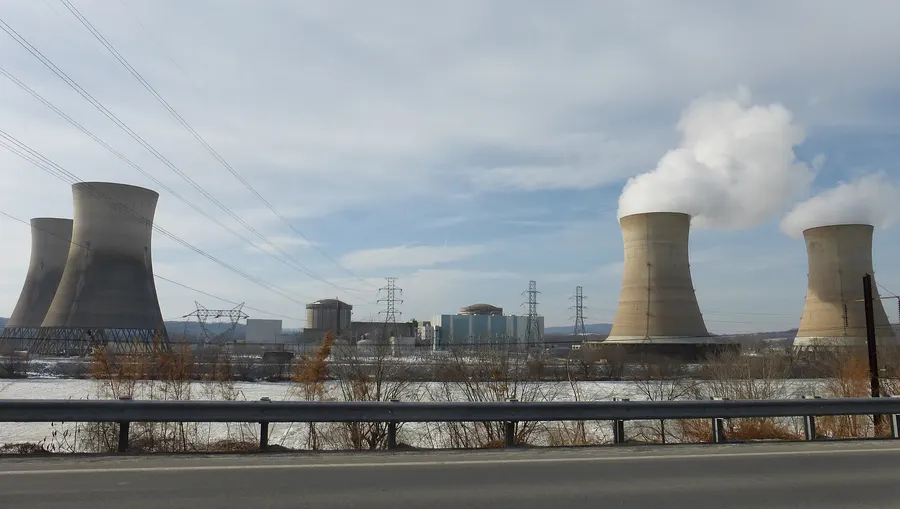
The Three Mile Island nuclear power station in Pennsylvania, 2014.The Three Mile Island nuclear power station in Pennsylvania, 2014.Image: Z22 · CC BY-SA 3.0
world · Americas

The Three Mile Island accident

At about 4 in the morning of 28 March 1979, a fault in the cooling system of the Unit 2 reactor at Three Mile Island, near Middletown, Pennsylvania, set off a chain of equipment failures and mistakes. Part of the reactor’s core melted. It was the most serious accident in the history of US commercial nuclear power, though the small amounts of radiation released had no detectable effect on people’s health. It brought sweeping changes to reactor safety, training and emergency planning, and turned many Americans against nuclear power.

Source: US Nuclear Regulatory Commission: Backgrounder on the Three Mile Island accident ↗
VI
2000 TO TODAY

Modern Day

The events of recent decades that have already become part of the historical record.

2005
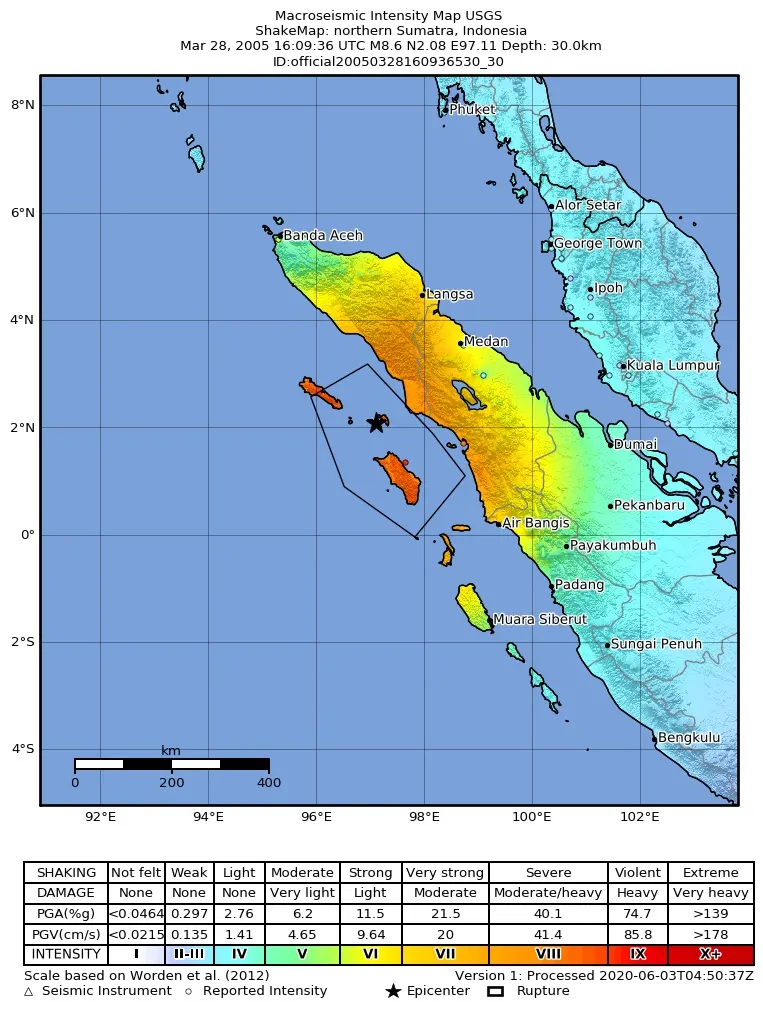
A US Geological Survey map of the shaking in the 2005 Sumatra earthquake.A US Geological Survey map of the shaking in the 2005 Sumatra earthquake.Image: United States Geological Survey · CC BY-SA 4.0
world · Asia

A great earthquake strikes off Sumatra

Late in the evening, three months after the Indian Ocean tsunami, a magnitude 8.6 earthquake struck off the west coast of Sumatra in Indonesia. More than 900 people were killed, most of them on the island of Nias, where much of the main town, Gunungsitoli, was destroyed.

Source: US Geological Survey: M 8.6, 78 km WSW of Singkil, Indonesia ↗
WHY THESE MOMENTS?

Significance before volume

This page is not the longest possible list of events. It is a chronological journey through 28 March, where each entry is chosen for historical significance, human interest and reliability.

Facts are checked against authoritative museums, archives, universities and reference works. Where sources disagree, the page says so.

EXPLORED THE DEEPER STORY?

Return to the highlights of 28 March

Discover the lighter side of the date with famous birthdays, culture, firsts and lives remembered.

Explore This Day →
← PREVIOUS DAY27 March
HISTORY & TIMELINE28 March
NEXT DAY →29 March