
HISTORY & TIMELINE
31 March

A journey through
31 March in history

From St Bernard preaching the Second Crusade at Vézelay in 1146 to the end of the Warsaw Pact’s military alliance in 1991, 31 March has seen Newfoundland join Canada, the Dalai Lama reach India, Lyndon Johnson give up the presidency and the first spacecraft to orbit the Moon set off. This timeline follows the date across more than eight centuries.

JUMP THROUGH TIME
II
THE MIDDLE AGES

Medieval History

Kingdoms, conflict, faith, power and the changing medieval world.

1146
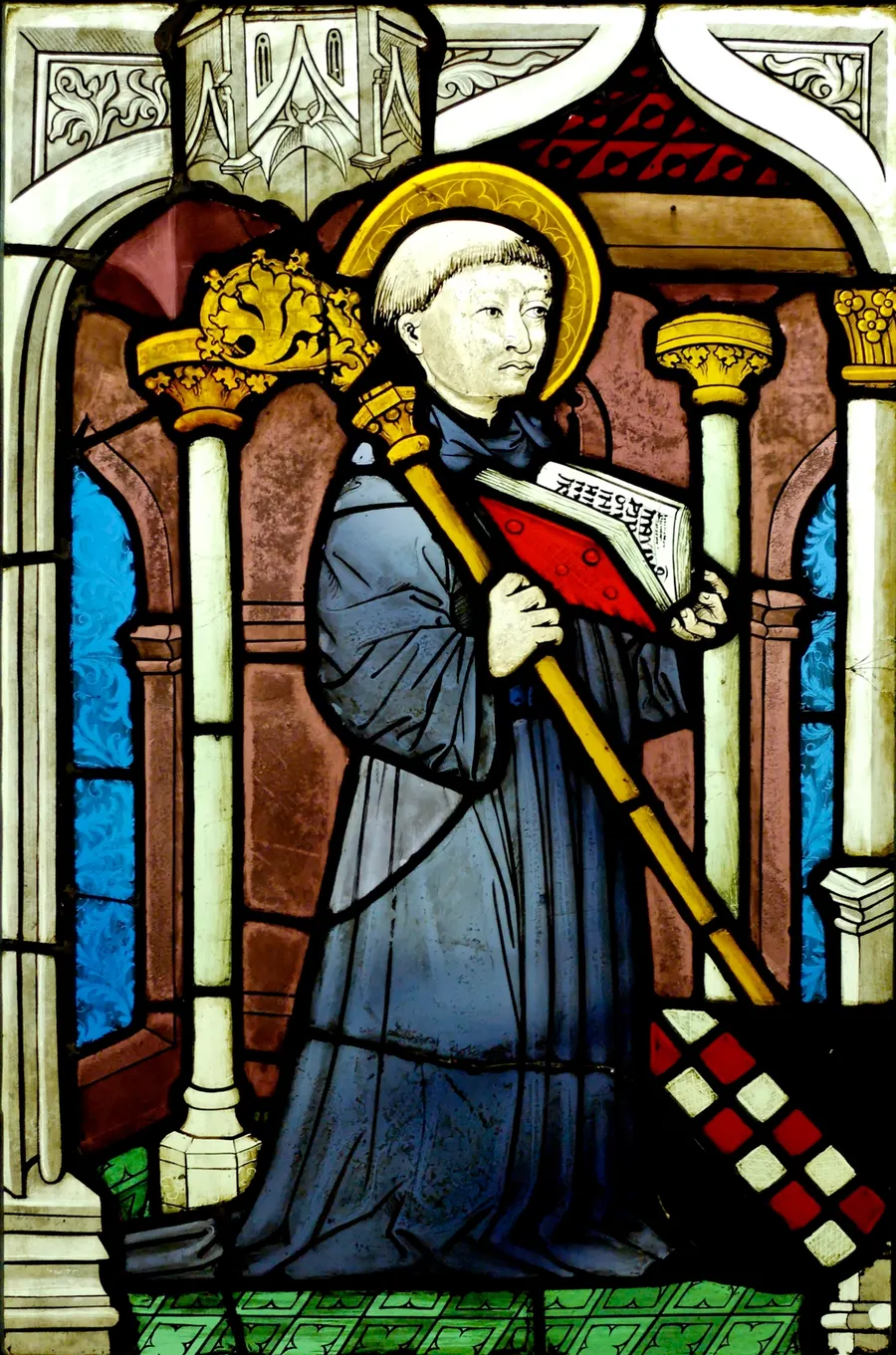
St Bernard of Clairvaux in a stained-glass window.St Bernard of Clairvaux in a stained-glass window.Image: Unknown artist · Public domain
culture · Europe

St Bernard preaches the Second Crusade at Vézelay

On Easter Sunday, in a field below the hilltop abbey of Vézelay in Burgundy, the abbot Bernard of Clairvaux called on a vast crowd to take up the cross after the fall of the crusader state of Edessa. King Louis VII and Queen Eleanor of Aquitaine did so; legend says that when the cloth crosses ran out, Bernard tore up his own robe. The crusade that followed was a failure. The date is by the Julian calendar.

Source: Encyclopaedia Britannica: St Bernard of Clairvaux ↗
1492
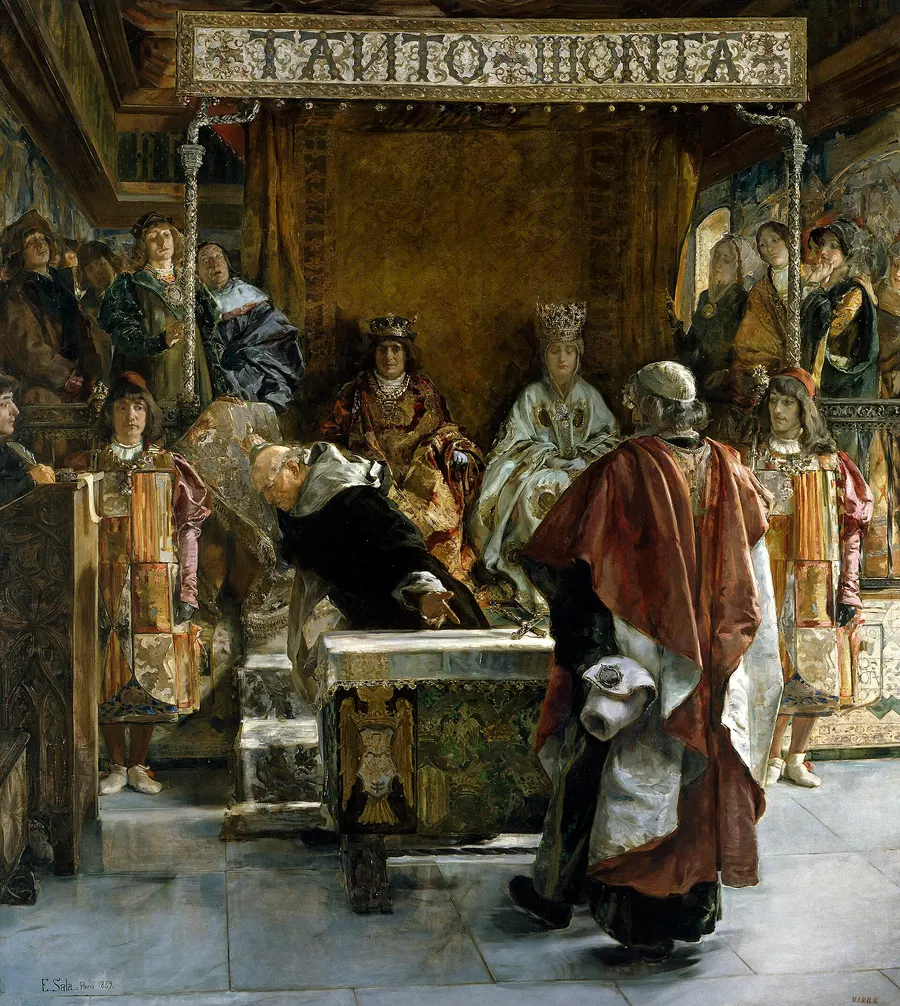
The Expulsion of the Jews from Spain, painted by Emilio Sala in 1889: the inquisitor Torquemada confronts Ferdinand and Isabella.The Expulsion of the Jews from Spain, painted by Emilio Sala in 1889: the inquisitor Torquemada confronts Ferdinand and Isabella.Image: Emilio Sala · Public domain
culture · Europe

Spain orders the expulsion of its Jews

In the Alhambra palace at Granada, taken from its last Muslim ruler three months earlier, Ferdinand and Isabella signed a decree on 31 March 1492 ordering every Jew in their kingdoms who would not become a Christian to leave within four months. Tens of thousands left, many for Portugal, North Africa, Italy and the Ottoman Empire, ending some fifteen centuries of Jewish life in Spain. Their descendants, the Sephardim, carried Spanish language and customs across the world. The decree was formally revoked only in 1968.

Source: National Library of Israel: The Jewish expulsion from Spain ↗
IV
THE NINETEENTH CENTURY

The 1800s

Industry, empire, invention, reform and a century of enormous transformation.

1854
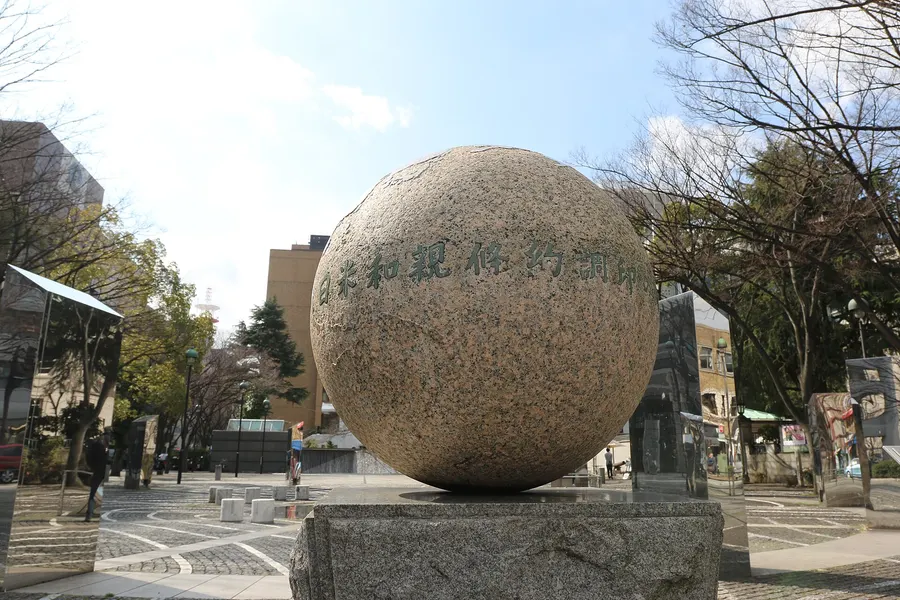
The stone monument marking where the Convention of Kanagawa was signed, in Yokohama, 2015.The stone monument marking where the Convention of Kanagawa was signed, in Yokohama, 2015.Image: Fumihiro Kato · CC BY 4.0
politics · Asia

Japan opens its doors to the United States

On 31 March 1854, at Kanagawa, near present-day Yokohama, Japan’s shogunate signed its first treaty with the United States. Commodore Matthew Perry had sailed in with warships the summer before and returned with a larger fleet to press for an answer. Japan agreed to open two ports, Shimoda and Hakodate, to American ships for supplies, to help shipwrecked sailors and to accept an American consul. It was not yet a trade treaty, but it ended more than two centuries of near-total isolation and set Japan on the road to rapid modernisation.

Source: US National Archives: Treaty of Kanagawa ↗
1889
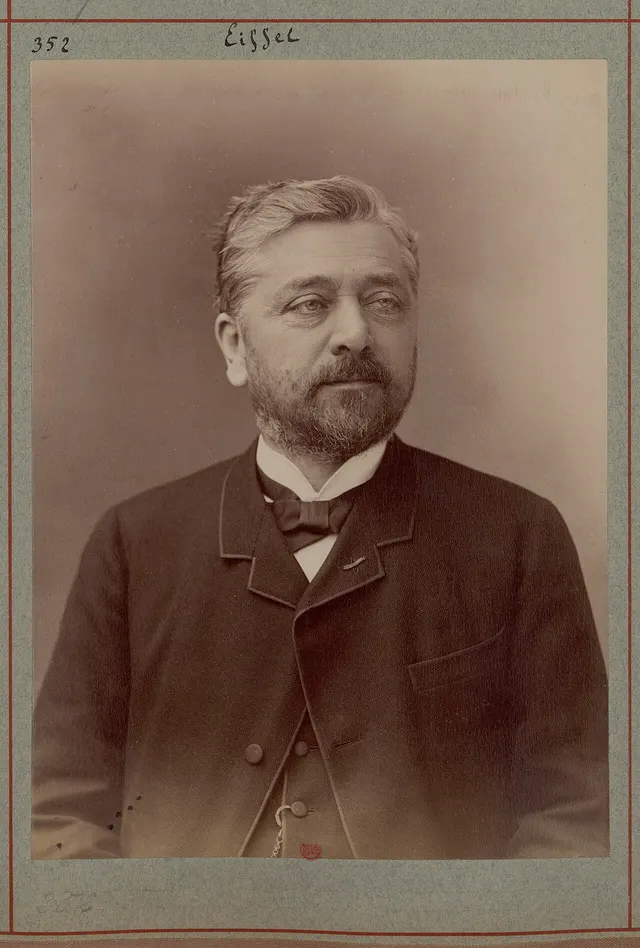
Gustave Eiffel photographed by Nadar in 1888.Gustave Eiffel photographed by Nadar in 1888.Image: Nadar · Public domain
culture · Europe

Gustave Eiffel raises the flag on his tower

On the afternoon of 31 March 1889 Gustave Eiffel led a party of officials and workers up the stairs of his newly finished tower in Paris, a climb of more than an hour, as the lifts were not yet working. At the top, some 300 metres up, he hoisted a huge French tricolour while a gun salute was fired below. Built in just over two years as the entrance to the World’s Fair marking the centenary of the French Revolution, it was the tallest structure in the world. Many artists had called it an eyesore; it opened to the public in May and has become the symbol of Paris.

Source: Official site of the Eiffel Tower: 1889-2019, 130 years ↗
V
THE TWENTIETH CENTURY

The 1900s

War and peace, technological leaps, social change, politics, sport and popular culture.

1918
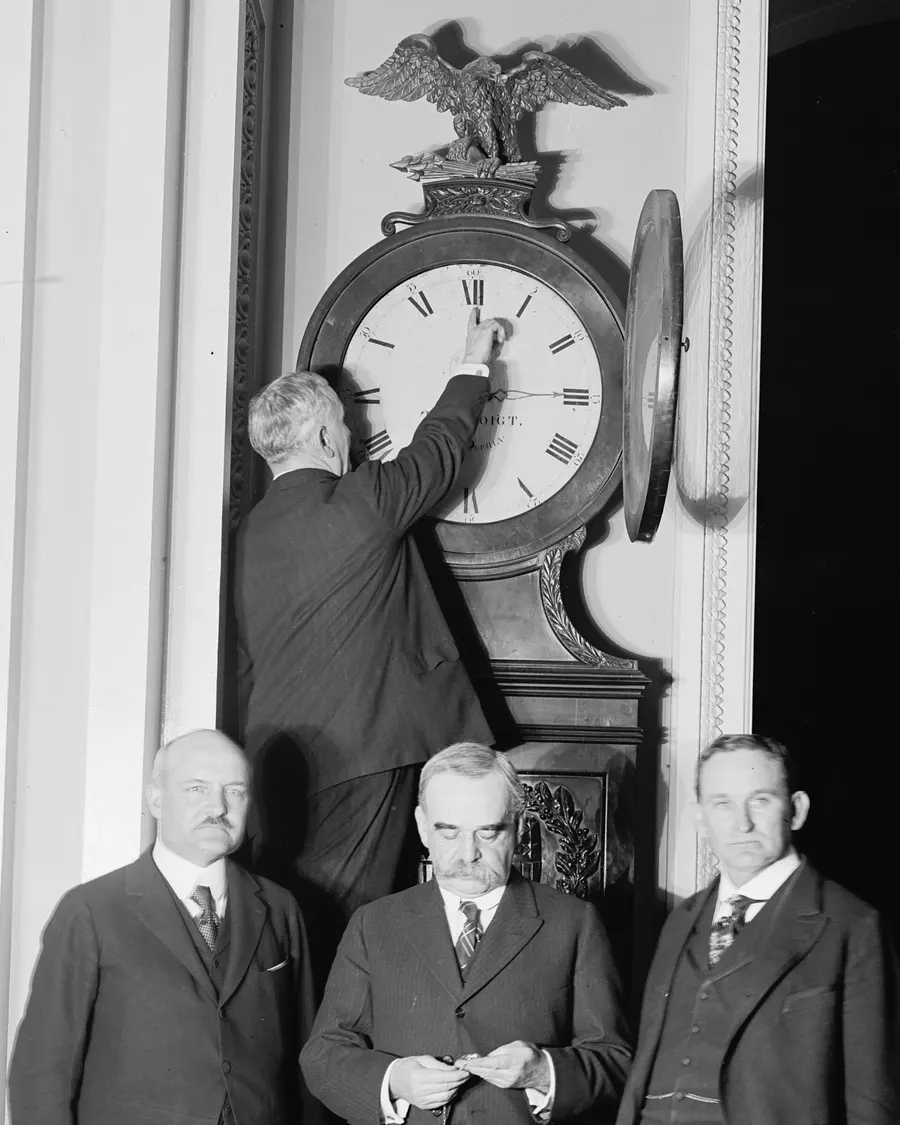
The Senate's Sergeant at Arms turns the Ohio Clock forward for the first daylight saving time, watched by three senators, 1918.The Senate’s Sergeant at Arms turns the Ohio Clock forward for the first daylight saving time, watched by three senators, 1918.Image: Harris & Ewing Collection · Public domain
science · Americas

America puts its clocks forward for the first time

On 31 March 1918 Americans moved their clocks forward an hour for the first time, under a wartime law passed that month to save fuel. The same act set up the country’s standard time zones. Germany and Britain had already adopted summer time in 1916. Farmers disliked the change, and Congress repealed daylight saving in 1919 over President Wilson’s veto, but it returned in the Second World War and became standard in the 1960s.

Source: Library of Congress: Echoes of the Great War, daylight saving time ↗
1943
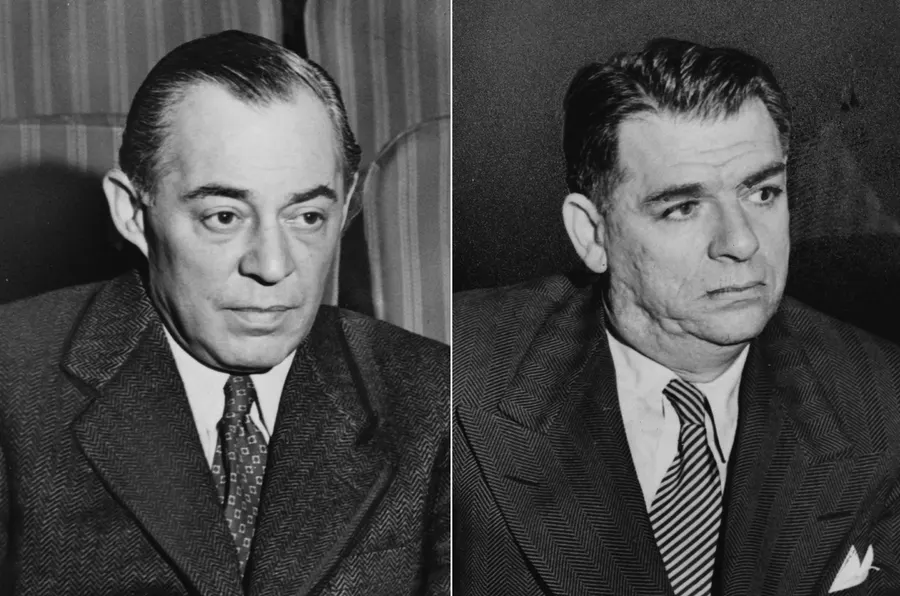
Richard Rodgers (left) and Oscar Hammerstein II, 1948.Richard Rodgers (left) and Oscar Hammerstein II, 1948.Image: Al Aumuller, World Telegram staff photographer · Public domain
culture · Americas

Oklahoma! opens on Broadway

The first musical by the composer Richard Rodgers and the lyricist Oscar Hammerstein II opened at the St James Theatre in New York on 31 March 1943. Set among cowboys and farmers in Indian Territory in 1906, Oklahoma! wove its songs and dances into the story instead of stopping it. It ran for 2,212 performances, a Broadway record at the time, won a special Pulitzer Prize and set the pattern for the ‘book musical’. Its original cast album is preserved in the Library of Congress.

Source: Library of Congress, National Recording Registry: Oklahoma! ↗
1949
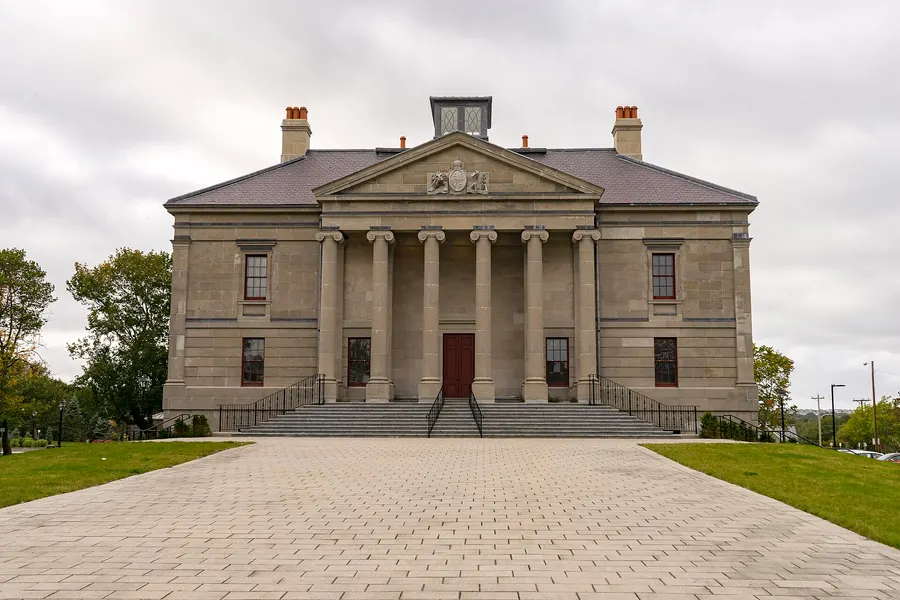
The Colonial Building in St John's, home of Newfoundland's legislature from 1850 to 1959, in 2017.The Colonial Building in St John’s, home of Newfoundland’s legislature from 1850 to 1959, in 2017.Image: Shhewitt · CC BY-SA 4.0
politics · Americas

Newfoundland joins Canada

In the last minute of 31 March, Newfoundland, a separate British dominion since the 19th century, became Canada’s tenth province. Its people had voted narrowly for union in a second referendum in July 1948, after a campaign led by the broadcaster Joey Smallwood, who became the province’s first premier.

Source: Heritage Newfoundland and Labrador, Memorial University: Confederation ↗
1959
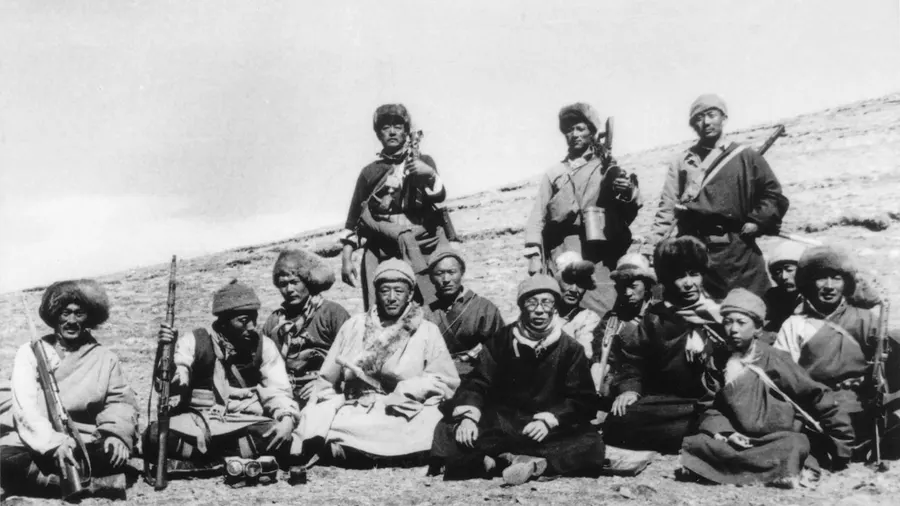
The Dalai Lama with members of the escort that protected him on his flight across the Himalayas, March 1959.The Dalai Lama with members of the escort that protected him on his flight across the Himalayas, March 1959.Image: Unknown photographer · Public domain
politics · Asia

The Dalai Lama reaches India

A fortnight after slipping out of Lhasa during the Tibetan uprising against Chinese rule, the 23-year-old 14th Dalai Lama crossed into India at Khenzimane, near Tawang. The Indian government gave him asylum, and he later set up a government-in-exile at Dharamsala, where he has lived ever since.

Source: Central Tibetan Administration: His Holiness’s escape to India ↗
1964
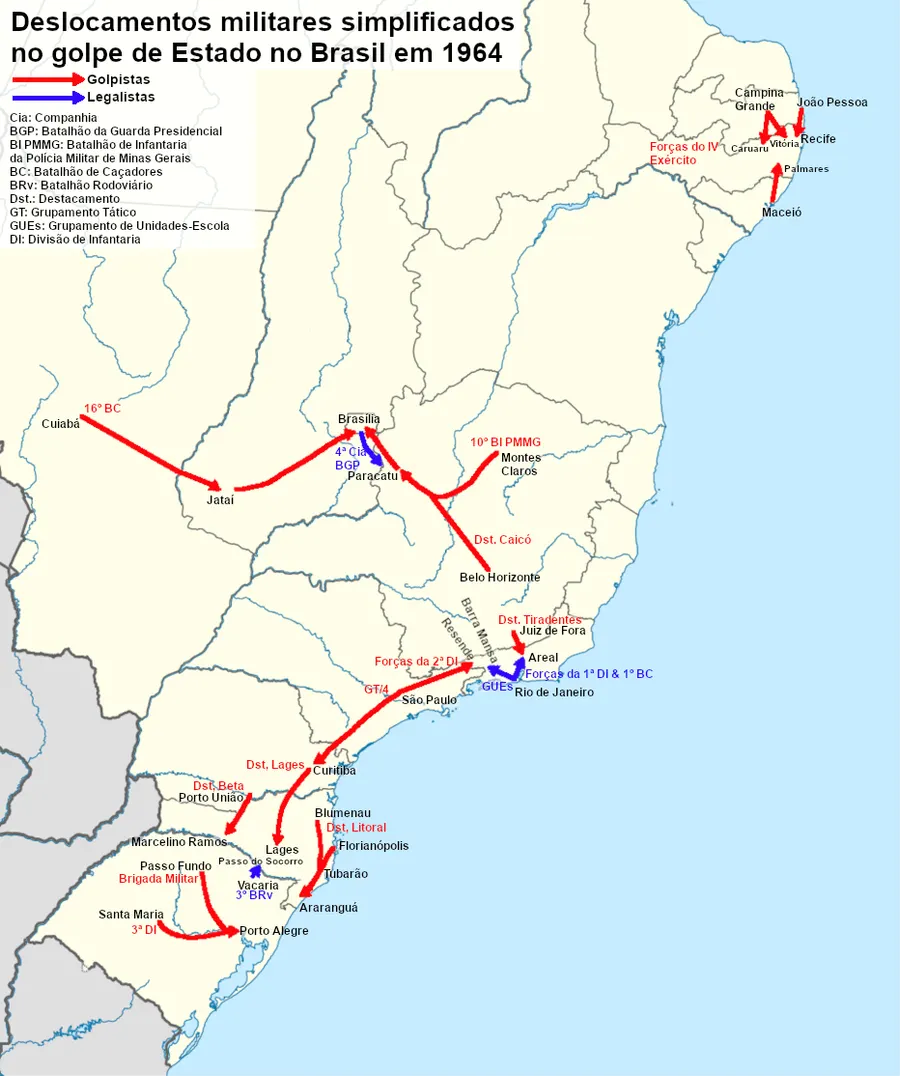
A map of the army's troop movements during the Brazilian coup of 1964.A map of the army’s troop movements during the Brazilian coup of 1964.Image: Map by NordNordWest (talk · contribs) + own work · CC BY 3.0
politics · Americas

A coup begins in Brazil

Before dawn on 31 March 1964 General Olímpio Mourão Filho ordered his troops out of Juiz de Fora in Minas Gerais and towards Rio de Janeiro, launching a revolt against the left-leaning president, João Goulart. Other commanders and state governors joined within hours. By the next day the rebels controlled most of the country, and Goulart soon fled to Uruguay. Congress chose General Humberto Castelo Branco as president, and the armed forces ruled Brazil for the next 21 years, until 1985.

Source: Encyclopaedia Britannica: Brazil, military intervention and dictatorship ↗
1966
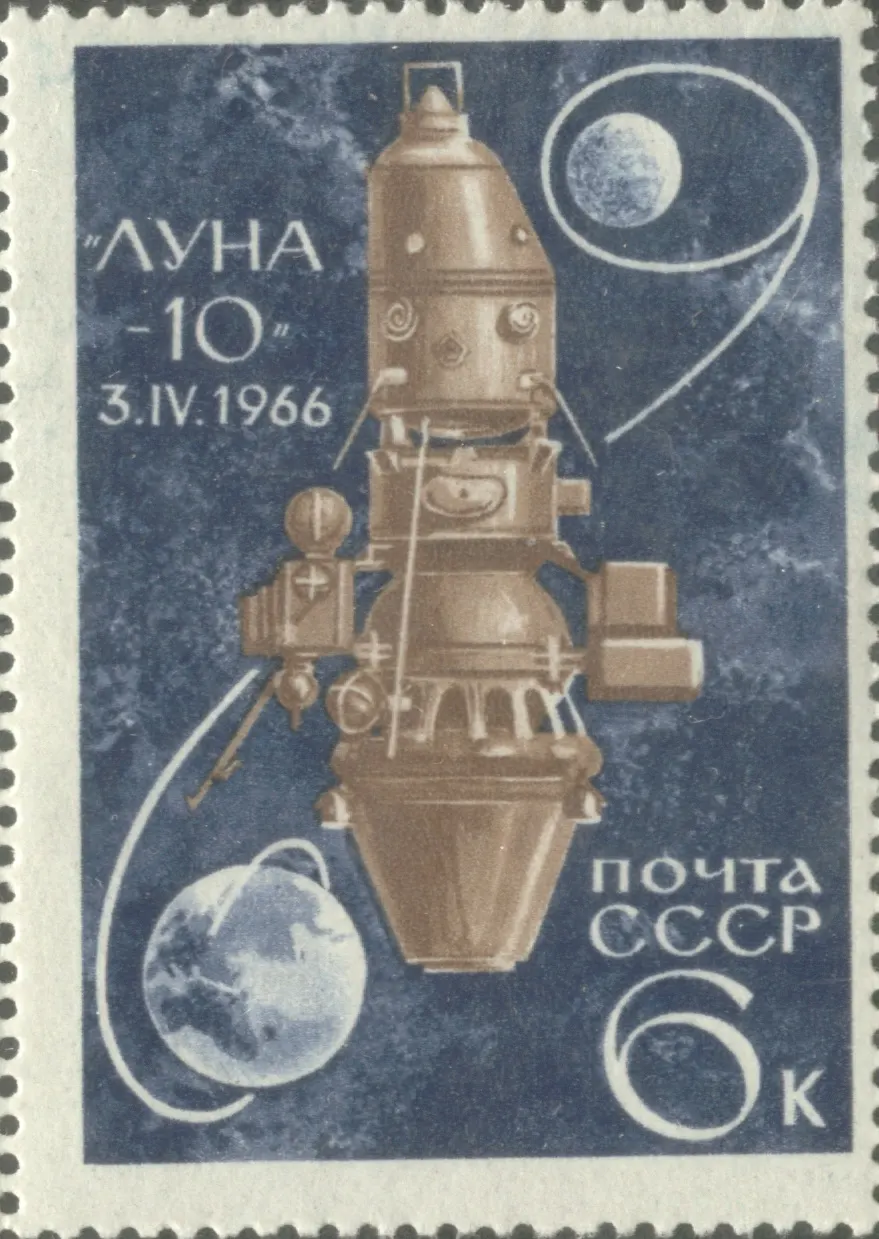
A Soviet stamp of 1966 celebrating Luna 10.A Soviet stamp of 1966 celebrating Luna 10.Image: Post of the Soviet Union · Public domain
science · Global

Luna 10 sets off to orbit the Moon

The Soviet Union launched Luna 10 on 31 March 1966. Three days later it became the first spacecraft to go into orbit around the Moon, or around any body other than the Earth and the Sun. Over nearly two months and 460 orbits it measured the Moon’s weak magnetic field, its radiation and the make-up of its rocks, and gave the first hints of ‘mascons’, dense patches under the surface that tug on passing spacecraft.

Source: NASA Space Science Data Coordinated Archive: Luna 10 ↗
1968
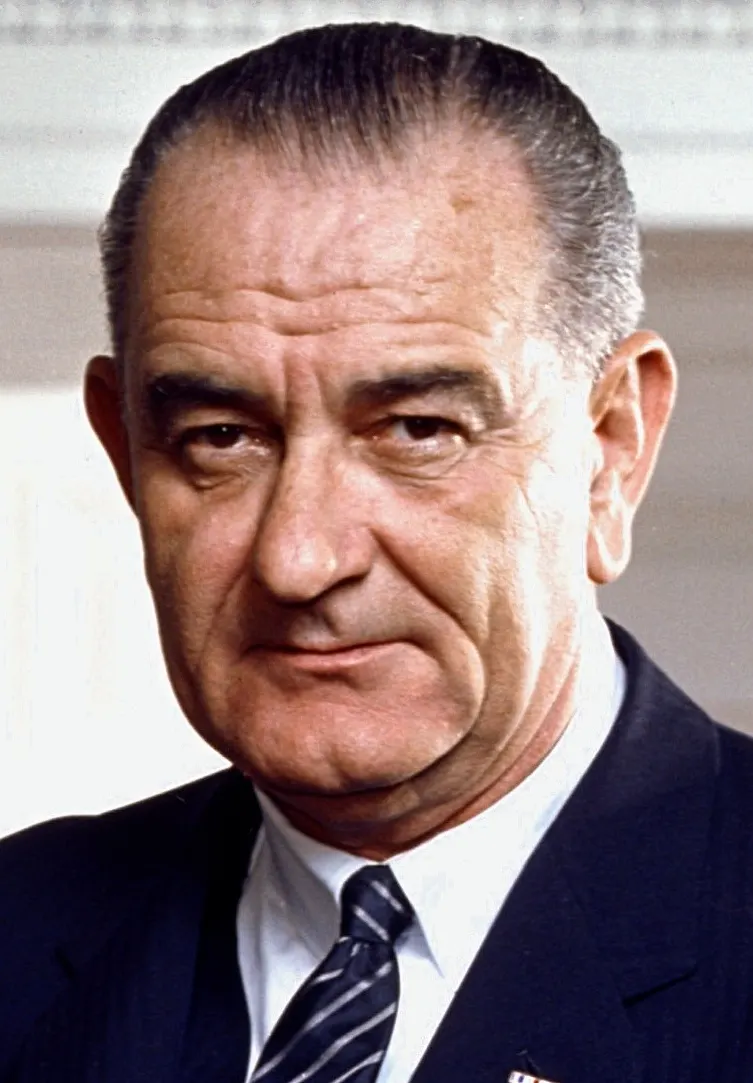
Lyndon B. Johnson in the Oval Office, photographed by Arnold Newman in 1964.Lyndon B. Johnson in the Oval Office, photographed by Arnold Newman in 1964.Image: Arnold Newman · Public domain
politics · Americas

Lyndon Johnson will not run again

In a television address about the Vietnam War, President Lyndon Johnson announced a partial halt to the bombing of North Vietnam and an offer of peace talks, then surprised the nation: ‘I shall not seek, and I will not accept, the nomination of my party for another term as your President.’

Source: LBJ Presidential Library: The President’s address to the nation, 31 March 1968 ↗
1970
The Japan Air Lines Boeing 727 Yodo at Fukuoka Airport, August 1969.The Japan Air Lines Boeing 727 Yodo at Fukuoka Airport, August 1969.Image: チャーリーマイクさん (Chikara Matsuno) · CC BY-SA 4.0
world · Asia

Japan’s first airliner hijacking

Nine members of the radical Japanese Red Army Faction, armed with swords and a pipe bomb, seized Japan Air Lines Flight 351, a Boeing 727 named Yodo, on a flight from Tokyo to Fukuoka. After releasing hostages at Fukuoka and at Seoul, where the airport had been disguised as Pyongyang, they flew on to North Korea, where they were given asylum. No one on board was killed.

Source: The Japan Times: Militant gets 12 years for ‘70 hijacking ↗
1991
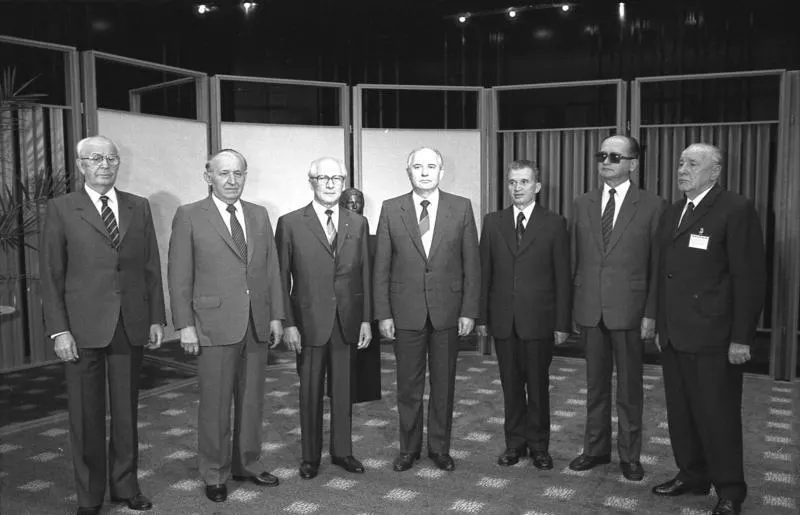
Leaders of the Warsaw Pact countries at a meeting in East Berlin, May 1987.Leaders of the Warsaw Pact countries at a meeting in East Berlin, May 1987.Image: Rainer Mittelstädt · CC BY-SA 3.0 de
politics · Europe

The Warsaw Pact’s military alliance ends

The joint military command of the Warsaw Pact, the Soviet-led alliance of Eastern Europe formed in 1955, was formally dissolved, as its six remaining members had agreed in Budapest in February. The treaty itself was ended in Prague that July, and the Soviet Union collapsed before the year was out.

Source: NATO: Formal dissolution of the military structures of the Warsaw Pact ↗
WHY THESE MOMENTS?

Significance before volume

This page is not the longest possible list of events. It is a chronological journey through 31 March, where each entry is chosen for historical significance, human interest and reliability.

Facts are checked against authoritative museums, archives, universities and reference works. Where sources disagree, the page says so.

EXPLORED THE DEEPER STORY?

Return to the highlights of 31 March

Discover the lighter side of the date with famous birthdays, culture, firsts and lives remembered.

Explore This Day →
← PREVIOUS DAY30 March
HISTORY & TIMELINE31 March
NEXT DAY →1 April