Explore 4 April

Explore 4 April: twelve nations sign the North Atlantic Treaty, Martin Luther King Jr is assassinated in Memphis, Angola’s long civil war formally ends and Pakistan hangs its former prime minister Zulfikar Ali Bhutto. Meet Maya Angelou, Muddy Waters and Robert Downey Jr, born on this date, and remember Oliver Goldsmith.

This day through time →11 verified events across 4 eras

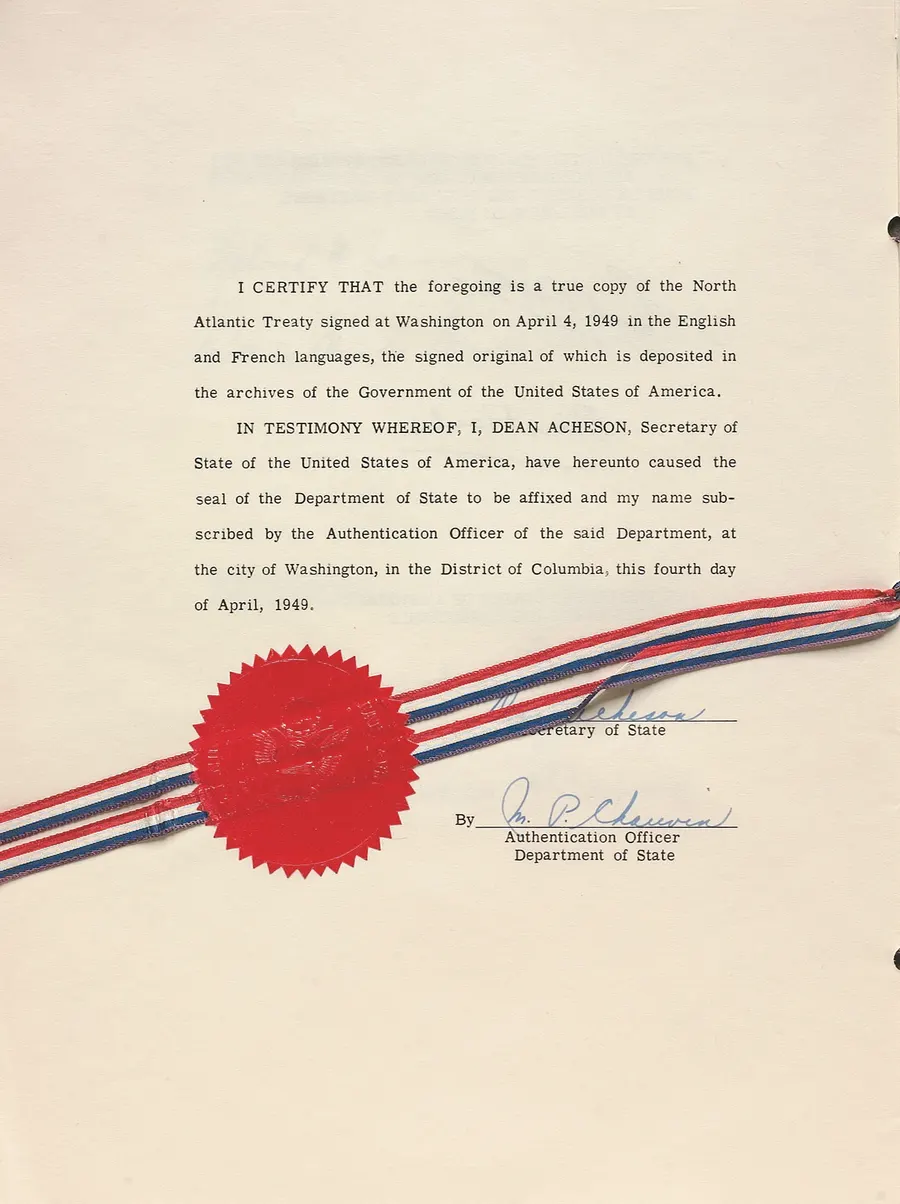
The authentication page of an official copy of the North Atlantic Treaty, signed and sealed by the US Secretary of State Dean Acheson.
Image creditPhoto by Daniel Bright · Public domainResized and cropped for display.

Twelve nations sign the North Atlantic Treaty

On 4 April 1949, in Washington, the foreign ministers of the United States, Canada and ten Western European countries signed the North Atlantic Treaty, creating NATO. The treaty is short, just 14 articles.

Its heart is Article 5: an armed attack on one member is to be treated as an attack on them all. Formed as the Cold War deepened, the alliance has grown from 12 members to more than 30, and Article 5 has been invoked only once, after the attacks on the United States in September 2001.

Read the full storyHistory & Timeline →Source: NATO: The founding treaty ↗
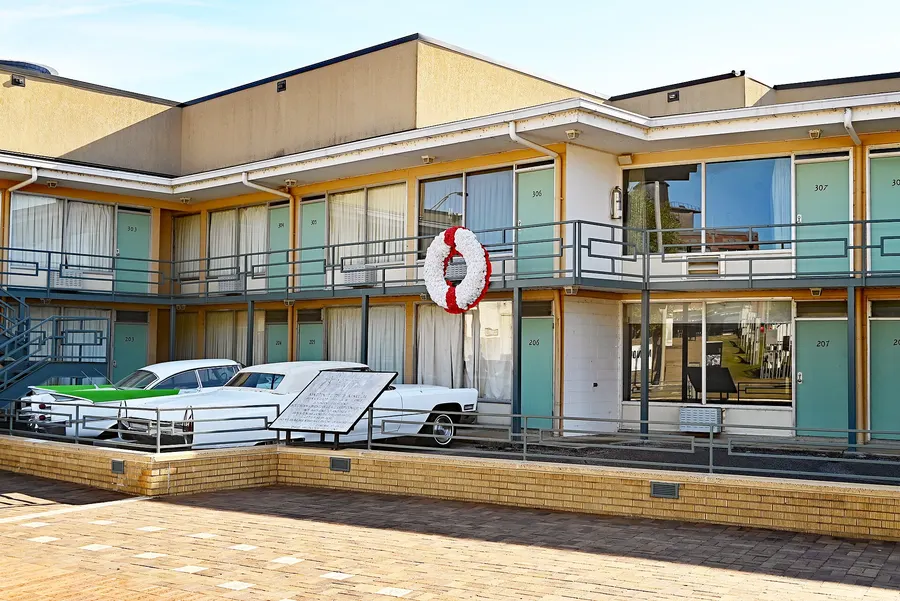

The Lorraine Motel in Memphis, now part of the National Civil Rights Museum; a wreath marks the balcony outside Room 306, 2022.
Image creditBubba73 · CC BY-SA 3.0Resized and cropped for display.

Martin Luther King Jr is assassinated

Just after six in the evening on 4 April 1968, Martin Luther King Jr was standing on the balcony of the Lorraine Motel in Memphis, Tennessee, where he had come to support striking sanitation workers, when he was shot by a sniper. He died in hospital an hour later, aged 39.

His death set off riots in more than a hundred American cities. James Earl Ray pleaded guilty to the killing and was sentenced to 99 years. Days later Congress passed the Fair Housing Act, one of the civil rights laws King had fought for.

Read the full storyHistory & Timeline →Source: Martin Luther King Jr. Research and Education Institute, Stanford University: Assassination of Martin Luther King Jr. ↗
A tank wrecked by a landmine, a relic of the civil war, in Angola, 2006.
Image creditMaraJara · CC BY-SA 4.0Resized and cropped for display.

Angola’s civil war ends

On 4 April 2002, in the capital Luanda, the commanders of Angola’s army and of the UNITA rebels formally signed a ceasefire agreement, the Luena Memorandum. It came six weeks after the UNITA leader Jonas Savimbi was killed in battle.

The war had begun at independence from Portugal in 1975 and, fed by the Cold War, had lasted 27 years, costing hundreds of thousands of lives and leaving the country strewn with landmines. Angola marks 4 April as Peace Day.

Read the full storyHistory & Timeline →Source: UN Peacemaker: Luena Memorandum of Understanding ↗
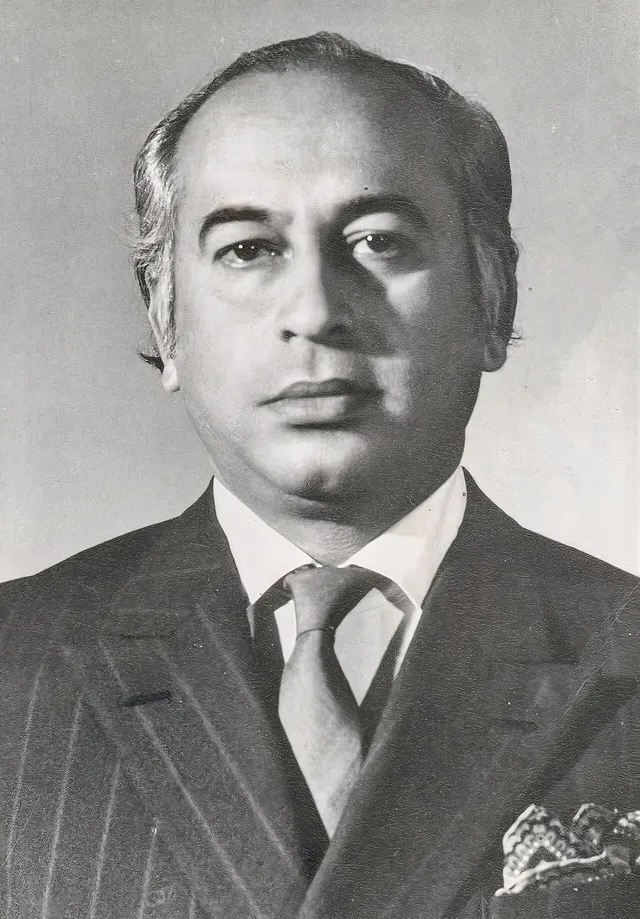
Zulfikar Ali Bhutto as President of Pakistan, in the early 1970s.
Image creditUnknown photographer. Office of President Zulfikar Ali Bhutto. · Public domainResized and cropped for display.

Pakistan hangs Zulfikar Ali Bhutto

In the early hours of 4 April 1979 Zulfikar Ali Bhutto, Pakistan’s former president and prime minister, was hanged in Rawalpindi jail. He had been overthrown in a military coup by General Zia-ul-Haq in 1977 and convicted of conspiring to murder a political opponent.

World leaders had appealed for clemency. His daughter Benazir later led his party and became prime minister, and in 2024 Pakistan’s Supreme Court ruled that he had not received a fair trial.

Read the full storyHistory & Timeline →Source: Encyclopaedia Britannica: Zulfikar Ali Bhutto ↗
♙
PEOPLE

Born Today

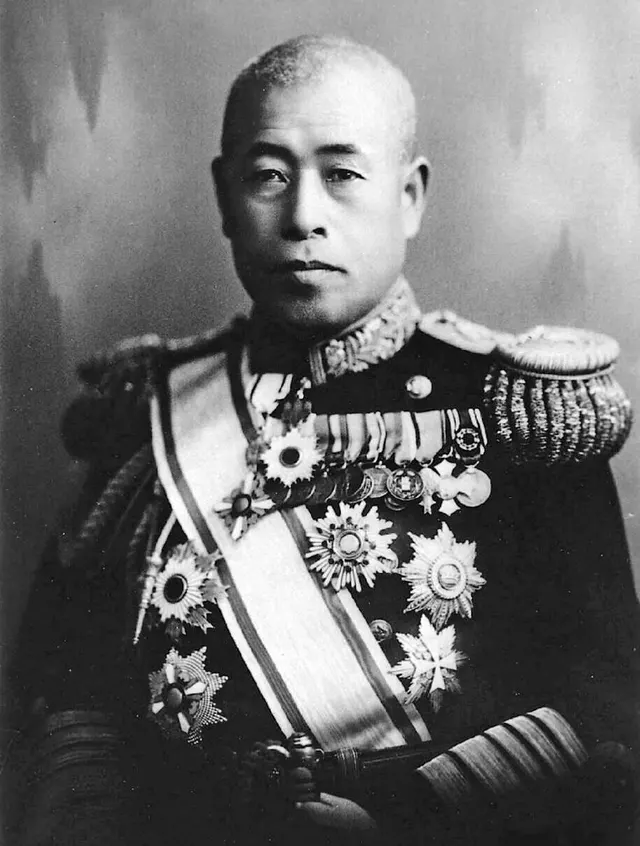
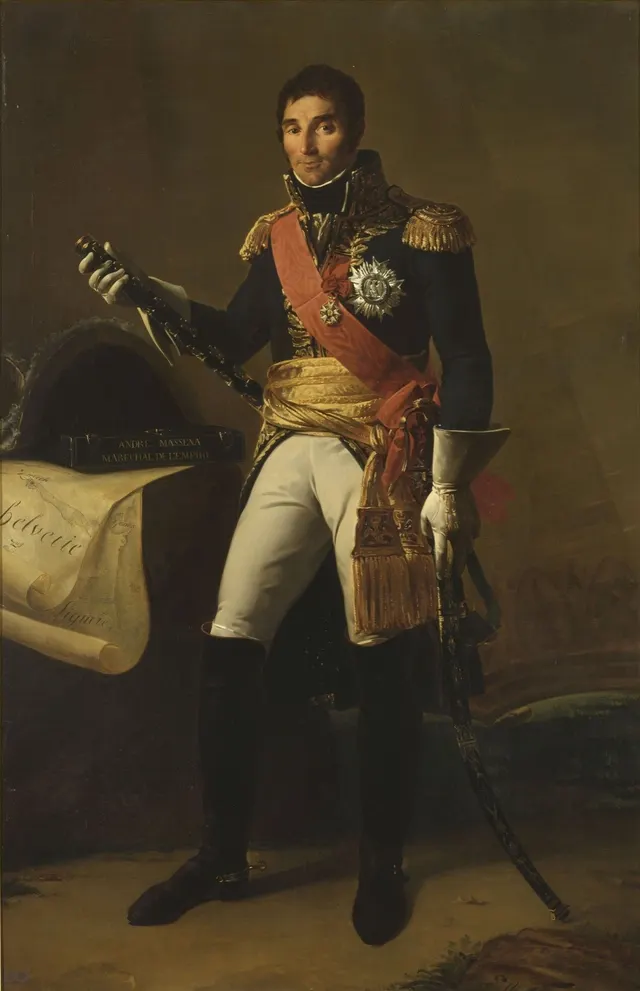
Isoroku Yamamoto
Image creditUnknown author · Public domainResized and cropped for display.

Isoroku Yamamoto

Japanese admiral who planned the attack on Pearl Harbor.

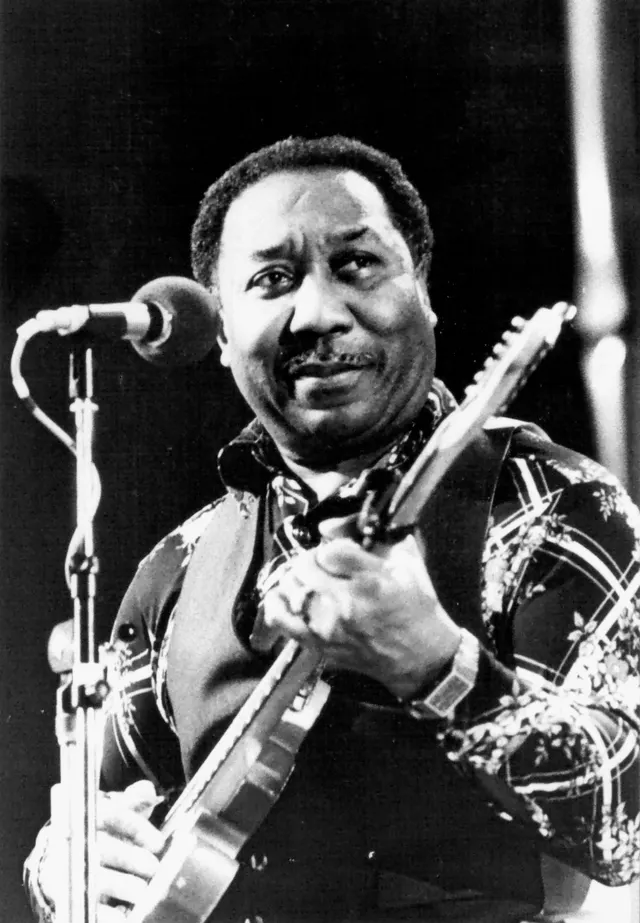
Muddy Waters
Image creditLionel Decoster · CC BY-SA 4.0Resized and cropped for display.

Muddy Waters

American bluesman whose electric Chicago blues shaped rock and roll.

Marguerite Duras
Image creditUnknown author · Public domainResized and cropped for display.

Marguerite Duras

French novelist and film-maker, author of The Lover and Hiroshima mon amour.

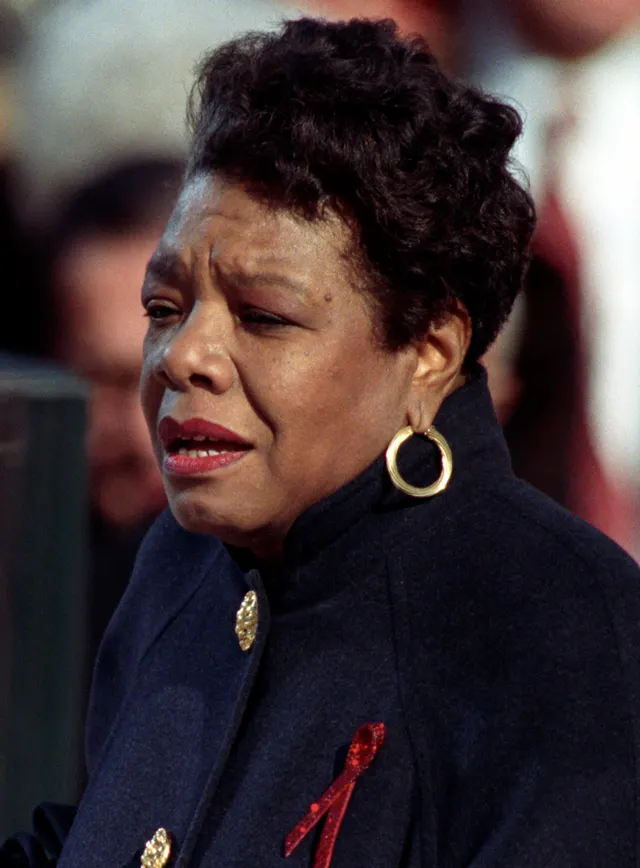
Maya Angelou
Image creditClinton Library · Public domainResized and cropped for display.

Maya Angelou

American poet and memoirist of I Know Why the Caged Bird Sings.

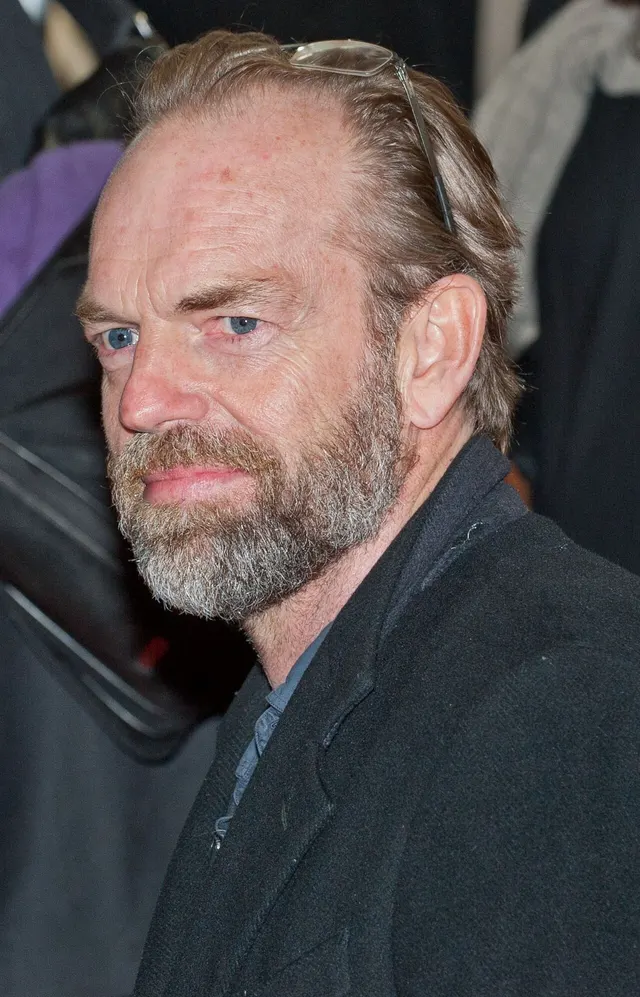
Hugo Weaving
Image creditSiebbi · CC BY 3.0Resized and cropped for display.

Hugo Weaving

Nigerian-born Australian actor of The Matrix and The Lord of the Rings.

Robert Downey Jr.
Image creditPhilipRomano · CC BY-SA 4.0Resized and cropped for display.

Robert Downey Jr.

American actor, Iron Man in the Marvel films and an Oscar winner for Oppenheimer.

◉
IDEAS THAT CHANGED THINGS

Firsts, Science & Discoveries

An Altair 8800 home computer, the machine for which Microsoft wrote its first product.
Image creditSwtpc6800 en:User:Swtpc6800 Michael Holley · Public domainResized and cropped for display.

Bill Gates and Paul Allen found Microsoft

Microsoft dates its founding to 4 April 1975, when two friends from Seattle, Bill Gates, then 19, and Paul Allen, 22, set up a partnership in Albuquerque, New Mexico. Their first product was a version of the BASIC programming language for the Altair 8800, an early home computer sold as a kit.

The name, first written Micro-Soft, joined ‘microcomputer’ and ‘software’. The company moved to the Seattle area in 1979, and its MS-DOS and Windows systems went on to run most of the world’s personal computers.

Read the full storyHistory & Timeline →Source: Microsoft: 50th anniversary ↗
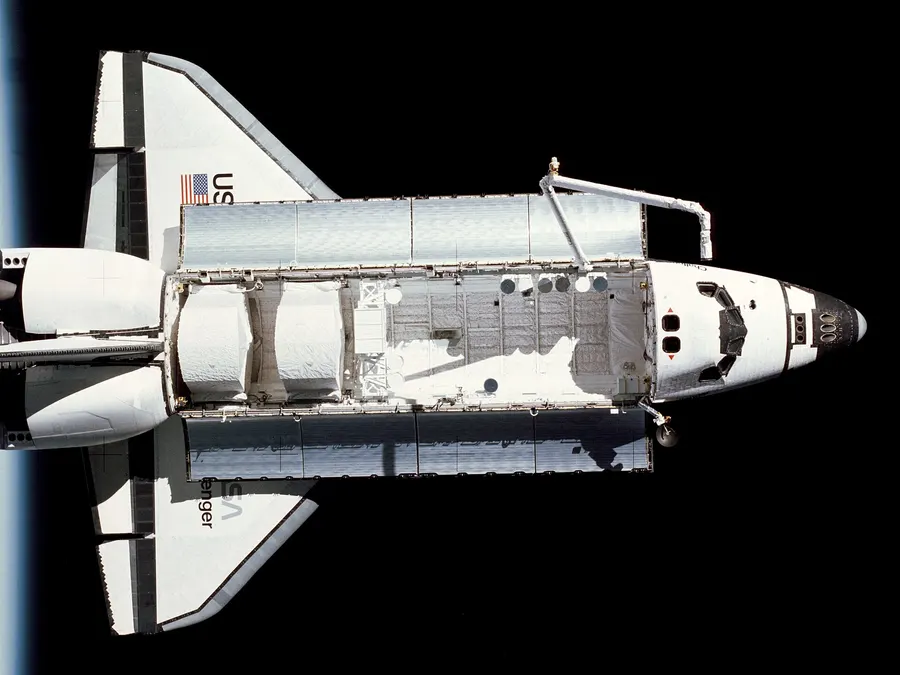
Challenger in orbit in June 1983, on its second mission, photographed from a free-flying satellite.
Image creditNASA · Public domainResized and cropped for display.

The space shuttle Challenger’s first flight

The second space shuttle, Challenger, lifted off from the Kennedy Space Center on its first mission, STS-6, on 4 April 1983. Its crew of four released the first of NASA’s Tracking and Data Relay Satellites.

Three days later Story Musgrave and Donald Peterson made the first spacewalk of the shuttle programme. Challenger flew nine missions, including those of the first American woman and the first Black American in space, before it broke apart soon after launch in January 1986.

Read the full storyHistory & Timeline →Source: NASA: STS-6 ↗
♫
MUSIC • FILM • BOOKS • CULTURE

Culture Stories

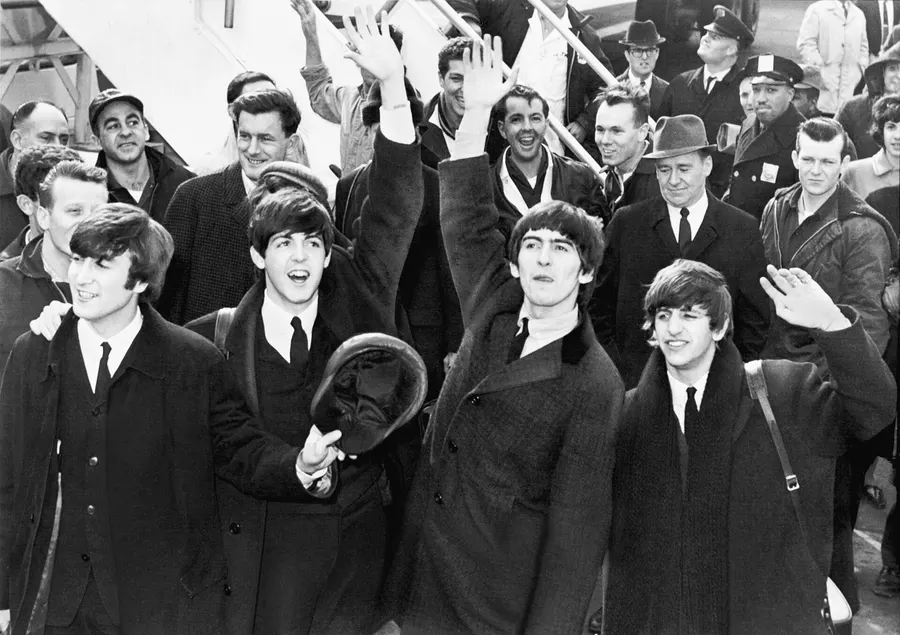
The Beatles arrive at Kennedy Airport in New York, February 1964.
Image creditUnited Press International, photographer unknown · Public domainResized and cropped for display.

The Beatles hold the top five

On the Billboard Hot 100 chart dated 4 April 1964, the Beatles held all of the top five places in America: ‘Can’t Buy Me Love’, ‘Twist and Shout’, ‘She Loves You’, ‘I Want to Hold Your Hand’ and ‘Please Please Me’.

Just two months after their first visit to the United States, it was the peak of Beatlemania. No other act has ever held the entire top five at once.

Read the full storyHistory & Timeline →Source: Billboard: April 4, 1964, the Beatles make Hot 100 history ↗
✦
LIVES REMEMBERED

Remembered Today

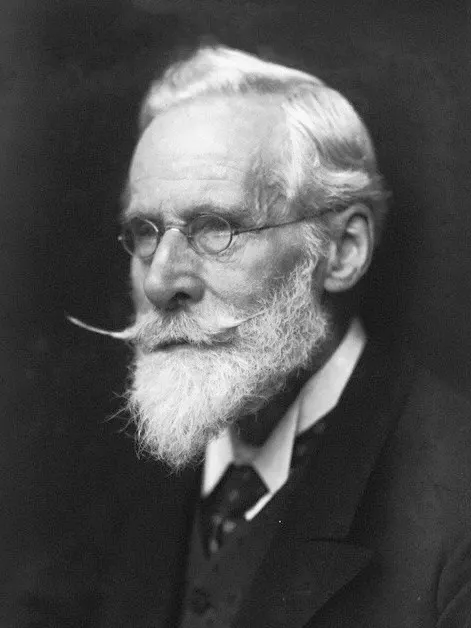
Oliver Goldsmith
Image creditJoshua Reynolds · Public domainResized and cropped for display.

Oliver Goldsmith

Irish writer of The Vicar of Wakefield and She Stoops to Conquer.

☉
AROUND THE WORLD

Observances & Anniversaries

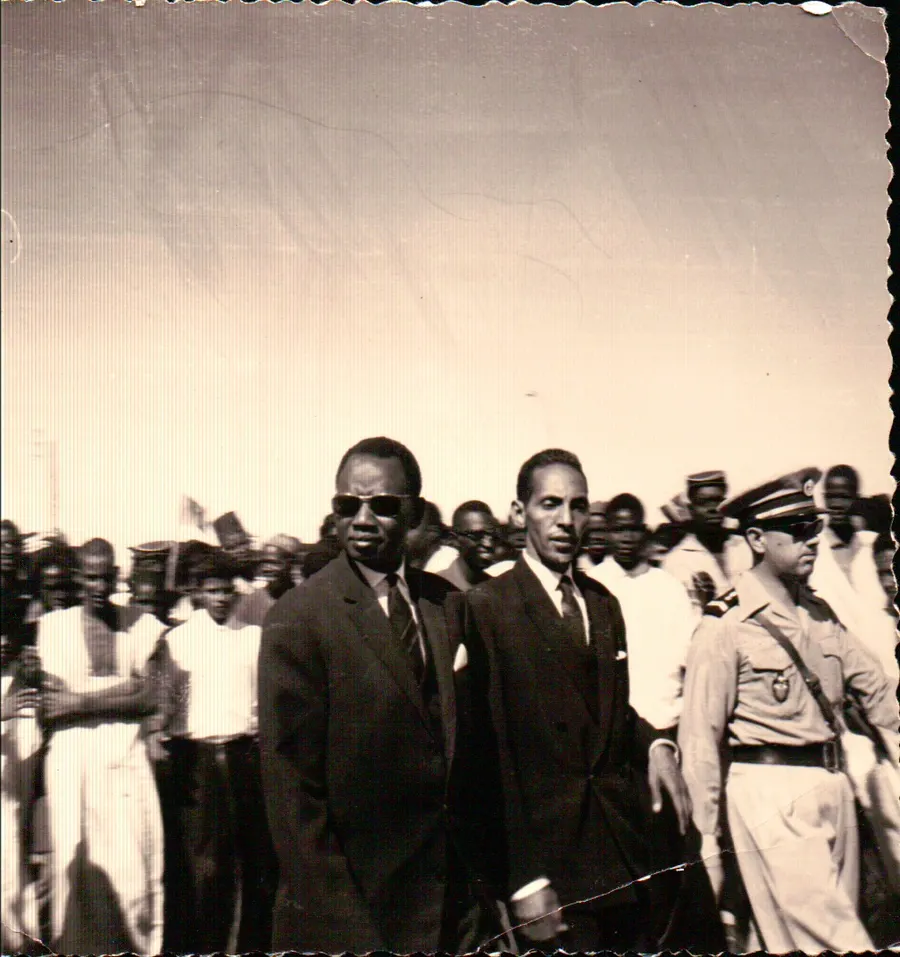
Mamadou Dia, who signed the 1960 accords as Senegal's prime minister, on a visit to Mauritania in 1962.
Mamadou Dia, who signed the 1960 accords as Senegal’s prime minister, on a visit to Mauritania in 1962.
Image creditBruno Christophe · CC BY-SA 3.0Resized and cropped for display.

Independence Day in Senegal

Senegal celebrates its national day on 4 April. On that day in 1960, in Paris, France signed agreements transferring power to the Mali Federation, which joined Senegal and French Sudan, now Mali. The signatories included Senegal’s prime minister, Mamadou Dia.

The federation became independent that June but broke up in August, and Senegal went its own way under President Léopold Sédar Senghor. It chose 4 April as its national day.

Source: INA, Fresques Indépendances: Independence Day in Senegal ↗
HISTORY & TIMELINE

Finished the highlights?

Follow 4 April chronologically, from the Middle Ages to the modern day, with 11 verified events and the sources behind them.

This day through time →