HISTORY & TIMELINE
2 April

A journey through
2 April in history

From Ponce de León’s landing in Florida in 1513 to India’s Cricket World Cup win in Mumbai in 2011, 2 April has seen the founding of the US Mint, the premiere of Beethoven’s First Symphony, the Titanic’s sea trials, the first night of 2001: A Space Odyssey and Yasser Arafat’s election as president of the State of Palestine. This timeline follows the date across five centuries.

III
A CHANGING WORLD

Early Modern Era

Exploration, political change, scientific development and expanding global connections.

1513
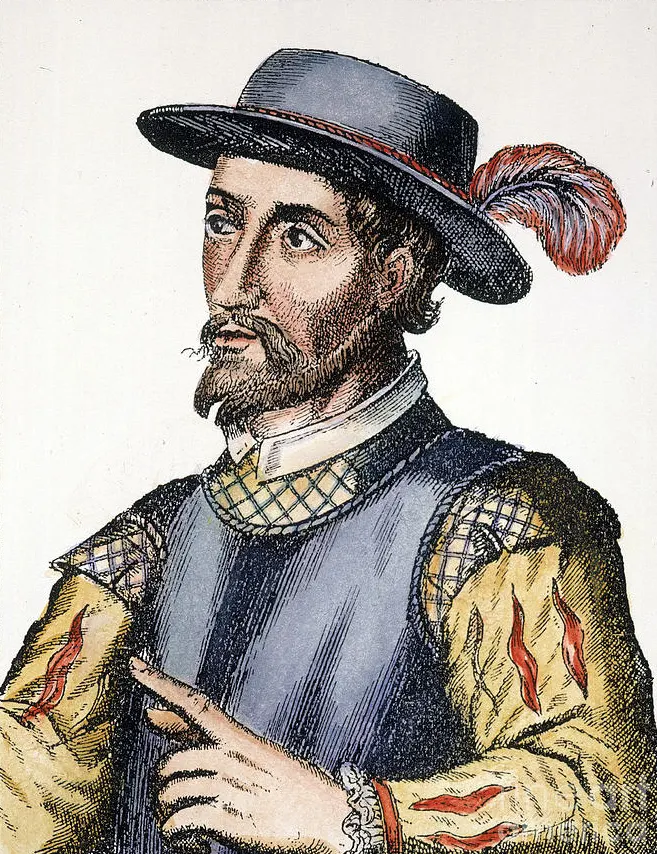
Juan Ponce de León in a coloured Spanish engraving of the 17th century.Juan Ponce de León in a coloured Spanish engraving of the 17th century.Image: Unknown author · Public domain
world · Americas

Ponce de León lands in Florida

On or about 2 April, the Spanish explorer Juan Ponce de León went ashore on the east coast of what is now Florida, having sighted it a few days earlier. He named it La Florida, after the Easter season, Pascua Florida, and is the first European known to have reached the mainland of today’s United States. Where exactly he landed is still debated.

Source: Florida Department of State: European exploration and colonization ↗
1792
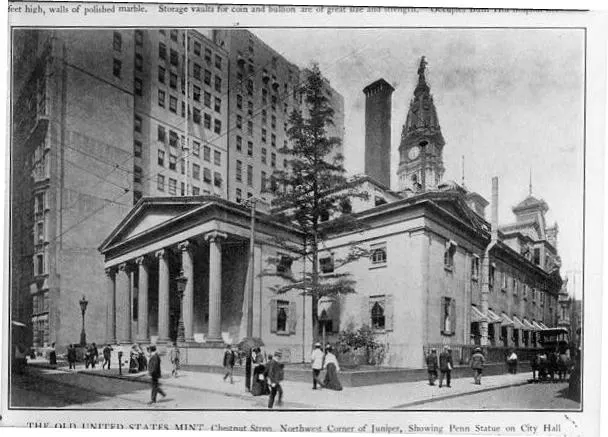
The second US Mint building in Philadelphia, pictured in 1902.The second US Mint building in Philadelphia, pictured in 1902.Image: Moses King · Public domain
world · Americas

The Coinage Act creates the US Mint

President George Washington signed the Coinage Act, which set up the first national mint in Philadelphia, then the capital, and made the dollar the unit of American money. The astronomer David Rittenhouse became its first director, and its first coins for circulation, copper cents, were delivered in 1793.

Source: United States Mint: Coinage Act of April 2, 1792 ↗
IV
THE NINETEENTH CENTURY

The 1800s

Industry, empire, invention, reform and a century of enormous transformation.

1800
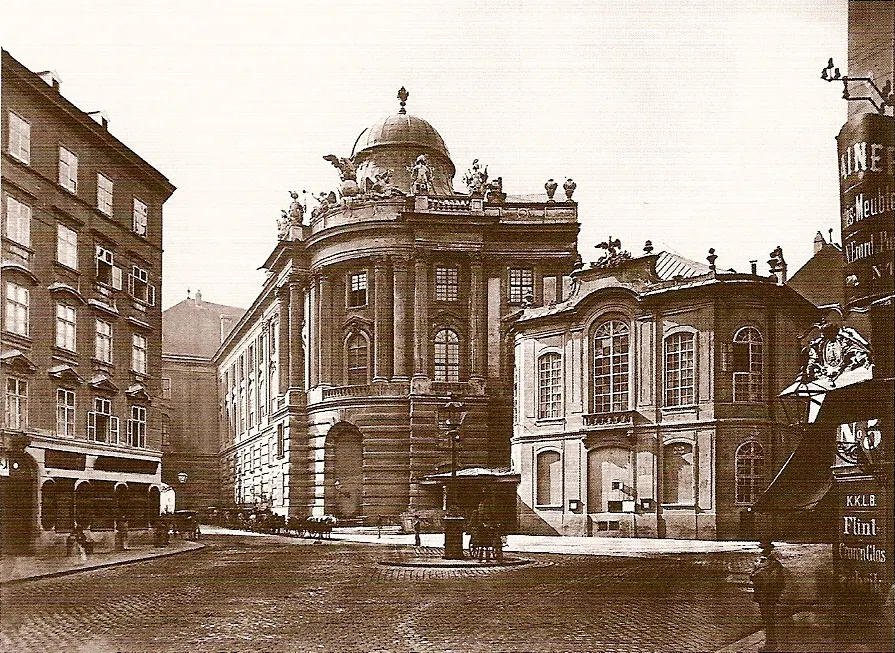
The old Burgtheater on the Michaelerplatz in Vienna, where the symphony was first played; photographed before its demolition in 1888.The old Burgtheater on the Michaelerplatz in Vienna, where the symphony was first played; photographed before its demolition in 1888.Image: Michael Frankenstein · Public domain
culture · Europe

Beethoven’s First Symphony is first heard

On 2 April 1800 the 29-year-old Ludwig van Beethoven held his first public benefit concert in Vienna, at the Burgtheater. Alongside a Mozart symphony and pieces by Haydn, the programme included the premiere of his own First Symphony in C major. Its opening, which starts away from the home key, surprised listeners. The symphony shows how much Beethoven owed to Haydn and Mozart, and hints at the boldness of the eight that would follow.

Source: Beethoven-Haus Bonn: Symphony no. 1 ↗
1801
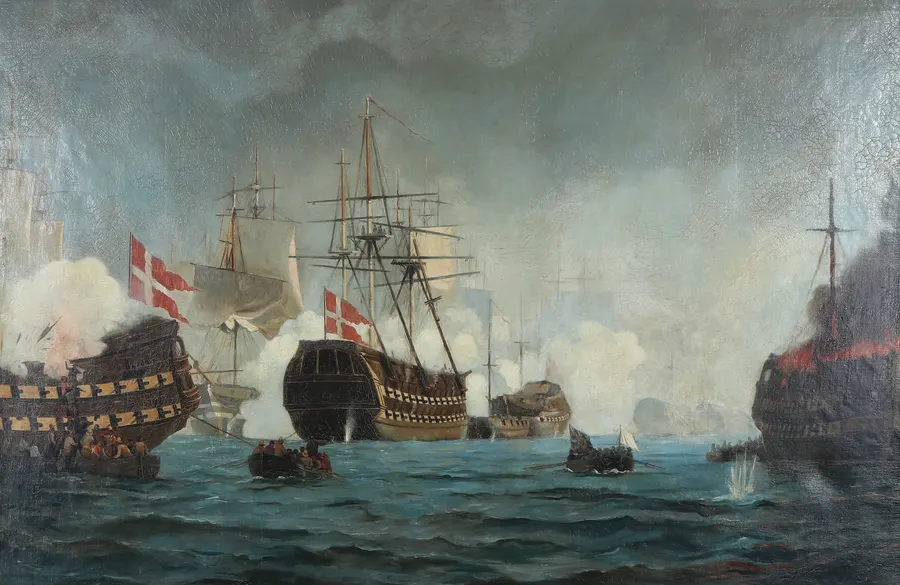
The Battle of Copenhagen, painted by the Danish artist Christian Mølsted.The Battle of Copenhagen, painted by the Danish artist Christian Mølsted.Image: Christian Mølsted · Public domain
world · Europe

Nelson fights the Battle of Copenhagen

On 2 April 1801 a British fleet attacked the Danish-Norwegian ships and floating batteries defending Copenhagen, to break up a league of northern countries that was trading with Napoleon’s France. Vice-Admiral Horatio Nelson led the assault in HMS Elephant. When his commander, Sir Hyde Parker, signalled him to break off, Nelson is said to have put his telescope to his blind eye and claimed not to see it, though the story may be a legend. The Danes fought hard, but agreed a truce, and the league soon fell apart.

Source: Encyclopaedia Britannica: Battle of Copenhagen (1801) ↗
V
THE TWENTIETH CENTURY

The 1900s

War and peace, technological leaps, social change, politics, sport and popular culture.

1912
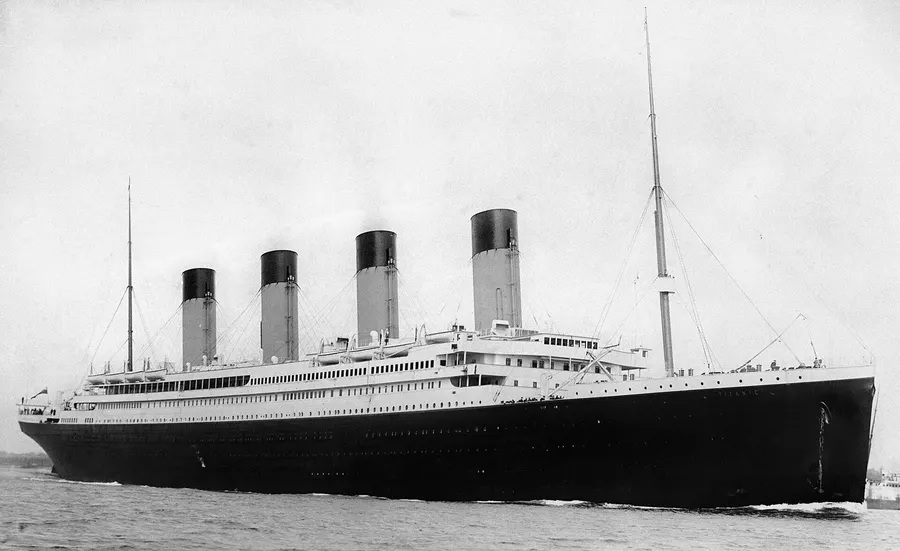
The Titanic leaves Southampton on her maiden voyage, 10 April 1912.The Titanic leaves Southampton on her maiden voyage, 10 April 1912.Image: Francis Godolphin Osbourne Stuart · Public domain
world · Europe

The Titanic’s sea trials

Tugs towed the new White Star liner Titanic out of the Harland and Wolff yard into Belfast Lough, where she was put through a day of speed, turning and stopping tests under Captain Edward Smith. Passed as fit by the Board of Trade, she sailed for Southampton that evening. Twelve days later she struck an iceberg on her maiden voyage.

Source: Encyclopedia Titanica: Sea trials ↗
1917
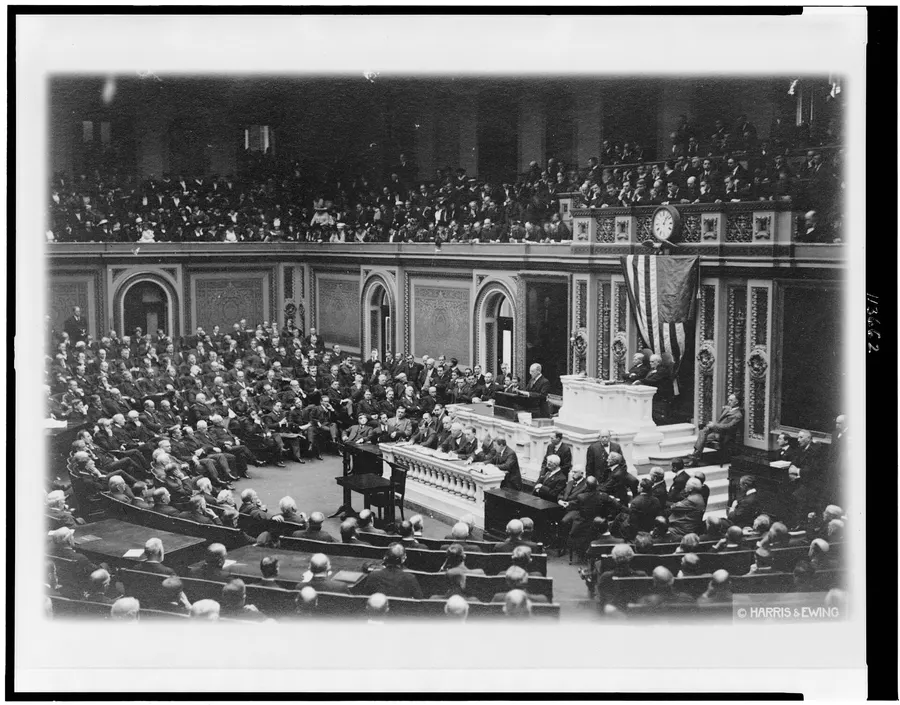
President Woodrow Wilson addressing a joint session of Congress in 1917.President Woodrow Wilson addressing a joint session of Congress in 1917.Image: Miscellaneous Items in High Demand, PPOC, Library of Congress · Public domain
world · Americas

‘The world must be made safe for democracy’

On the evening of 2 April 1917 President Woodrow Wilson went before a joint session of Congress and asked it to declare war on Germany. Germany had restarted unrestricted submarine attacks on shipping, and had secretly offered Mexico an alliance against the United States in the Zimmermann telegram. ‘The world must be made safe for democracy,’ Wilson said. The Senate voted for war two days later and the House on 6 April. More than two million American soldiers reached France before the war ended in November 1918.

Source: US National Archives: Address to Congress requesting a declaration of war against Germany ↗
1968
The Uptown Theater in Washington, DC, where the film had its world premiere, photographed by Carol M. Highsmith in the 2000s.The Uptown Theater in Washington, DC, where the film had its world premiere, photographed by Carol M. Highsmith in the 2000s.Image: Carol M. Highsmith · Public domain
culture · Americas

2001: A Space Odyssey has its premiere

Stanley Kubrick’s science-fiction film, written with Arthur C. Clarke, had its world premiere on 2 April 1968 at the Uptown Theater in Washington, DC, which had the city’s only Cinerama screen. Many critics were baffled at first, and Kubrick cut several minutes after the opening week. But its realistic spacecraft, released a year before the Moon landing, and its long silences made it one of the most influential films ever made.

Source: NASA History: 50 years ago, 1968 welcomed 2001 ↗
1982
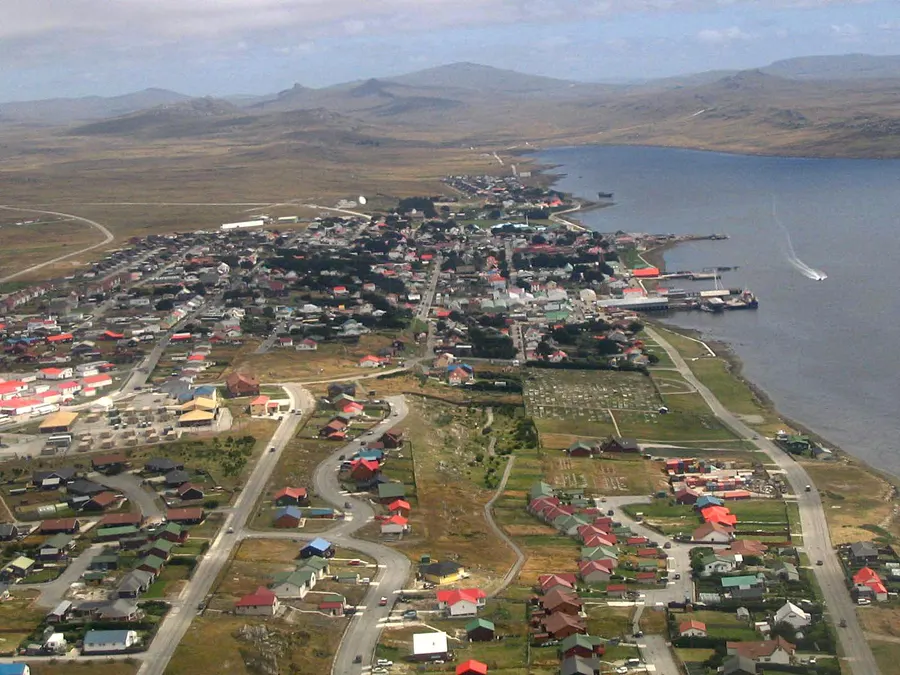
Stanley, the capital of the Falkland Islands, from the air.Stanley, the capital of the Falkland Islands, from the air.Image: Hohum (Wikimedia Commons) · CC BY-SA 3.0
world · Americas

Argentina invades the Falkland Islands

Before dawn on 2 April 1982 Argentine troops landed near Stanley, the capital of the Falkland Islands, a British territory in the South Atlantic that Argentina calls the Malvinas and has long claimed. The small garrison of Royal Marines surrendered after a brief fight, and South Georgia was taken the next day. Argentina’s military government, led by General Leopoldo Galtieri, had not expected Britain to fight back. Margaret Thatcher sent a naval task force, and after 74 days of war, in which more than 900 people died, Argentina surrendered on 14 June.

Source: Imperial War Museums: The Falklands conflict ↗
VI
2000 TO TODAY

Modern Day

The events of recent decades that have already become part of the historical record.

2005
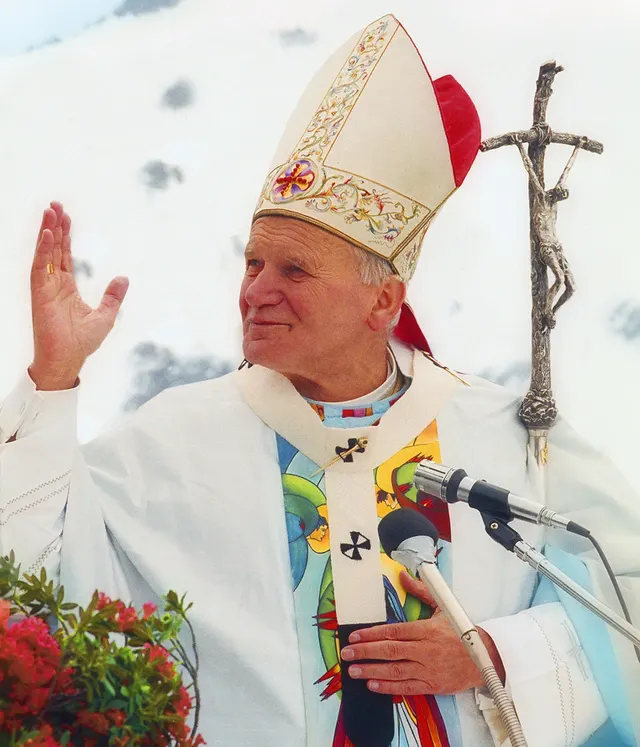
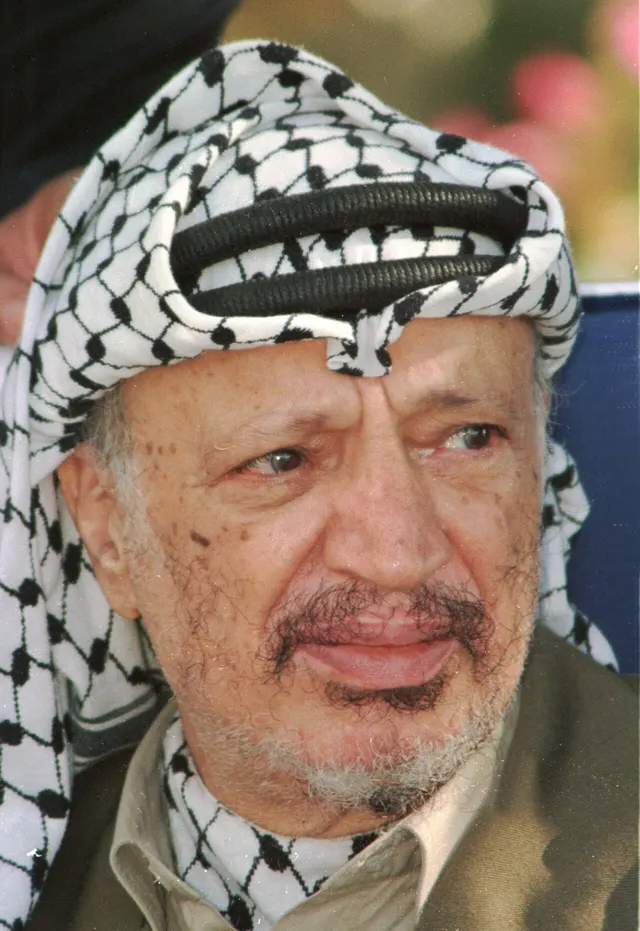
Pope John Paul II celebrating Mass on the Adamello mountain in the Italian Alps, 16 July 1988.Pope John Paul II celebrating Mass on the Adamello mountain in the Italian Alps, 16 July 1988.Image: Gregorini Demetrio · CC BY-SA 3.0
culture · Europe

Pope John Paul II dies

Pope John Paul II died in his apartment in the Vatican at 9.37 pm on 2 April 2005, aged 84, as crowds prayed in St Peter’s Square below. Born Karol Wojtyła in Poland, he had been pope since 1978, the first non-Italian for more than 450 years. He travelled to more than a hundred countries and is credited with helping to bring down communism in Eastern Europe. His funeral drew millions of pilgrims to Rome, and he was declared a saint in 2014.

Source: The Holy See: Biography of John Paul II ↗
2011
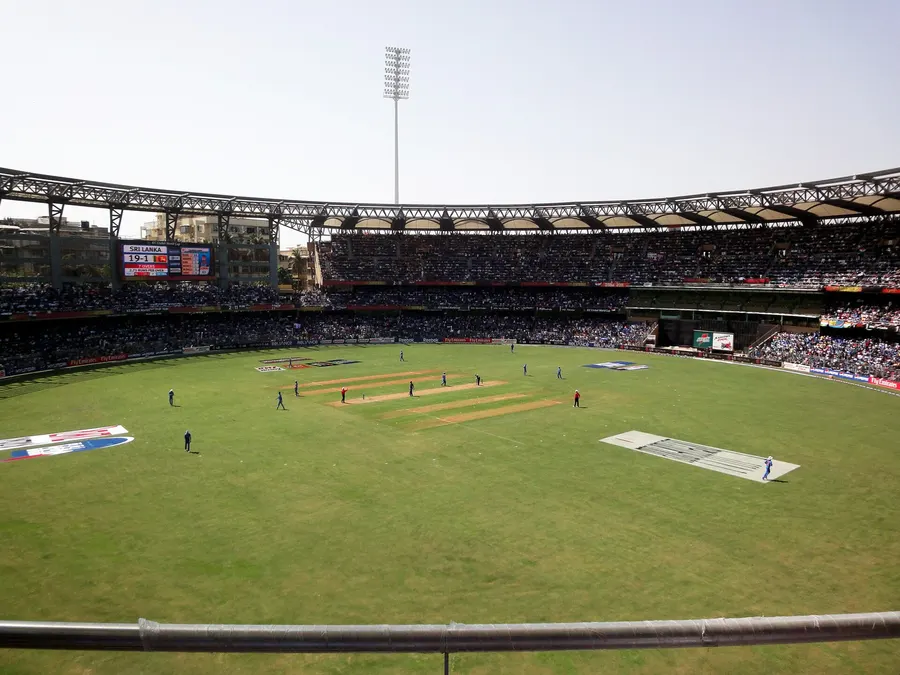
The Wankhede Stadium in Mumbai during the first innings of the final, 2 April 2011.The Wankhede Stadium in Mumbai during the first innings of the final, 2 April 2011.Image: G patkar · CC BY-SA 3.0
sport · Asia

India win the Cricket World Cup at home

At the Wankhede Stadium in Mumbai on 2 April 2011, India beat Sri Lanka by six wickets in the final of the Cricket World Cup. Chasing 275, they won with ten balls to spare, the captain MS Dhoni finishing the match with a six. It was India’s first World Cup win since 1983 and the first time a host country had won the tournament on home soil. Sachin Tendulkar, playing in his sixth World Cup, was carried round the ground by his team-mates.

Source: International Cricket Council: Men’s Cricket World Cup 2011 overview ↗
2015
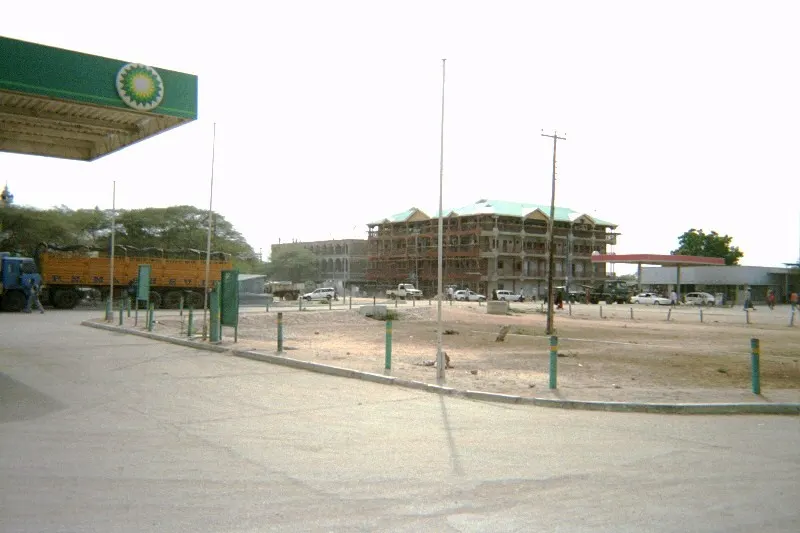
The centre of Garissa, in north-eastern Kenya, 2006.The centre of Garissa, in north-eastern Kenya, 2006.Image: Chking2 · CC BY-SA 3.0
world · Africa

The attack on Garissa University College

Before dawn, gunmen from the Somali Islamist group al-Shabaab stormed the university college at Garissa in north-eastern Kenya, took students hostage and singled out Christians. At least 147 people, most of them students, were killed before Kenyan forces killed the four attackers. It was Kenya’s deadliest attack since the US embassy bombing of 1998.

Source: Human Rights Watch: Kenya, at least 147 dead in Garissa attack ↗
RESEARCH

Sources & Further Reading

Selected authoritative references supporting the events on this page.

WHY THESE MOMENTS?

Significance before volume

This page is not the longest possible list of events. It is a chronological journey through 2 April, where each entry is chosen for historical significance, human interest and reliability.

Facts are checked against authoritative museums, archives, universities and reference works. Where sources disagree, the page says so.

EXPLORED THE DEEPER STORY?

Return to the highlights of 2 April

Discover the lighter side of the date with famous birthdays, culture, firsts and lives remembered.

Explore This Day →
← PREVIOUS DAY1 April
HISTORY & TIMELINE2 April
NEXT DAY →3 April