
HISTORY & TIMELINE
3 April

A journey through
3 April in history

From the crowning of Edward the Confessor at Winchester in 1043 to a military coup in Guinea in 1984, 3 April has seen the shooting of Jesse James, Oscar Wilde’s disastrous libel case, Stalin’s rise to General Secretary, Martin Luther King’s last speech, the first call on a handheld mobile phone and the Super Outbreak of tornadoes. This timeline follows the date across nearly a thousand years.

JUMP THROUGH TIME
II
THE MIDDLE AGES

Medieval History

Kingdoms, conflict, faith, power and the changing medieval world.

1043
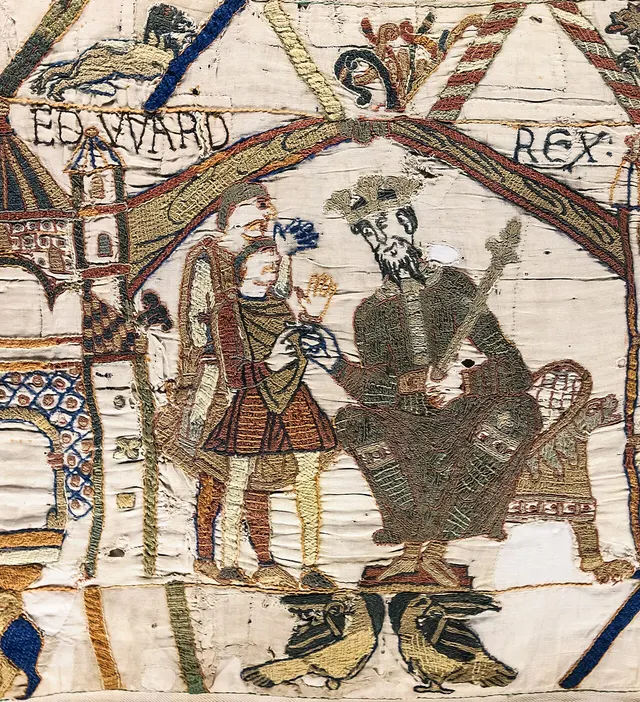
King Edward on his throne, in the opening scene of the Bayeux Tapestry.King Edward on his throne, in the opening scene of the Bayeux Tapestry.Image: Myrabella · Public domain
world · Europe

Edward the Confessor is crowned

On Easter Sunday Edward, son of King Æthelred and Emma of Normandy, was crowned King of England in the cathedral at Winchester, with the backing of the powerful Earl Godwin. He rebuilt Westminster Abbey, and his death without a son in January 1066 led to the Norman Conquest. The date is by the Julian calendar.

Source: Winchester Cathedral: Edward the Confessor’s coronation ↗
IV
THE NINETEENTH CENTURY

The 1800s

Industry, empire, invention, reform and a century of enormous transformation.

1860
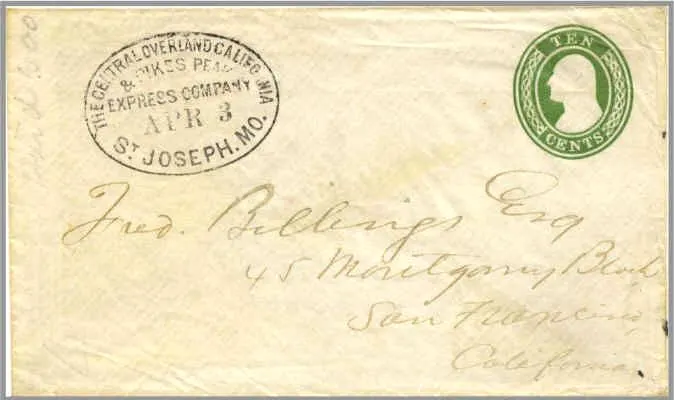
The only known surviving envelope from the first westbound Pony Express ride, postmarked at St Joseph, Missouri, on 3 April 1860.The only known surviving envelope from the first westbound Pony Express ride, postmarked at St Joseph, Missouri, on 3 April 1860.Image: Pony Express · Public domain
world · Americas

The Pony Express sets off

On the evening of 3 April 1860 a rider galloped out of St Joseph, Missouri, carrying a leather mail pouch with 49 letters and five telegrams, while another set off eastwards from Sacramento, California. Riders changed horses every 10 to 15 miles at relay stations across nearly 2,000 miles of plains, mountains and desert. The first westbound mail reached Sacramento about ten days later, less than half the time taken by stagecoach. But the service lost money, and it closed in October 1861, days after the transcontinental telegraph was completed.

Source: US National Park Service: The first ride on the Pony Express ↗
1882
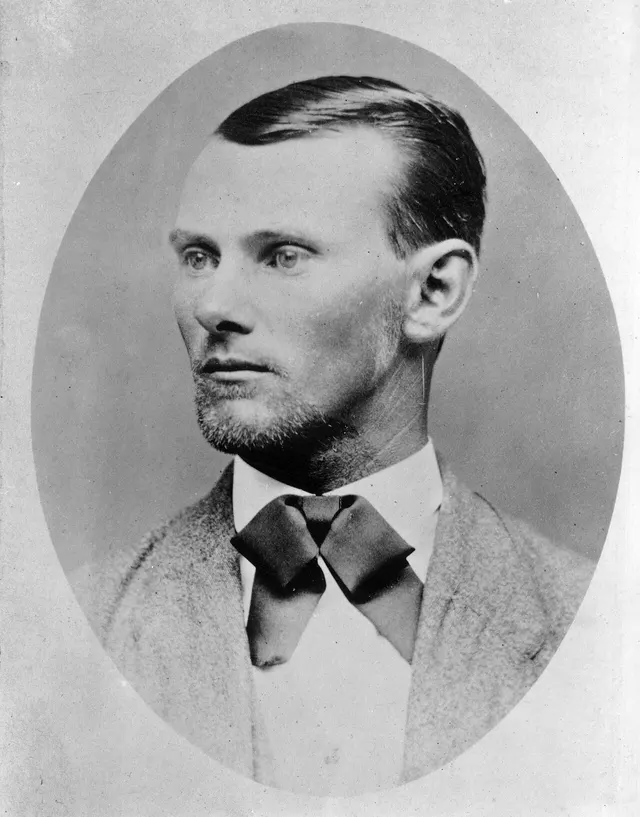
Jesse James, in a photograph held by the Library of Congress.Jesse James, in a photograph held by the Library of Congress.Image: Unknown photographer (Library of Congress scan) · Public domain
world · Americas

Robert Ford shoots Jesse James

The outlaw Jesse James, living quietly under a false name in St Joseph, Missouri, was shot in the back of the head by Robert Ford, a new member of his gang, as he stood on a chair to straighten a picture. Ford had been promised a share of the reward. He and his brother were sentenced to death, then pardoned by the governor the same day.

Source: State Historical Society of Missouri: Jesse James ↗
1895
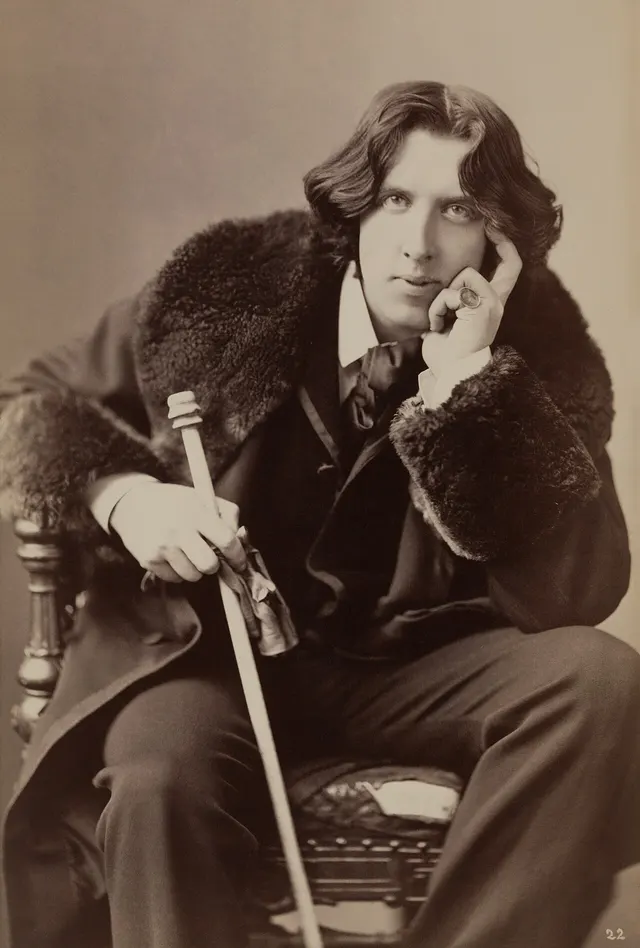
Oscar Wilde photographed by Napoleon Sarony in New York, 1882.Oscar Wilde photographed by Napoleon Sarony in New York, 1882.Image: Napoleon Sarony / Adam Cuerden · Public domain
culture · Europe

Oscar Wilde takes Queensberry to court

On 3 April 1895, with The Importance of Being Earnest playing to full houses, Oscar Wilde’s prosecution of the Marquess of Queensberry for criminal libel opened at the Old Bailey. Queensberry, the father of Wilde’s young lover Lord Alfred Douglas, had left a card at Wilde’s club accusing him of posing as a sodomite. Queensberry’s barrister, Edward Carson, produced evidence of Wilde’s relationships with young men, and the case collapsed within three days. Wilde was then arrested himself, convicted of gross indecency and sentenced to two years’ hard labour.

Source: UK National Archives: The life and court trials of Oscar Wilde ↗
V
THE TWENTIETH CENTURY

The 1900s

War and peace, technological leaps, social change, politics, sport and popular culture.

1922
politics · Europe

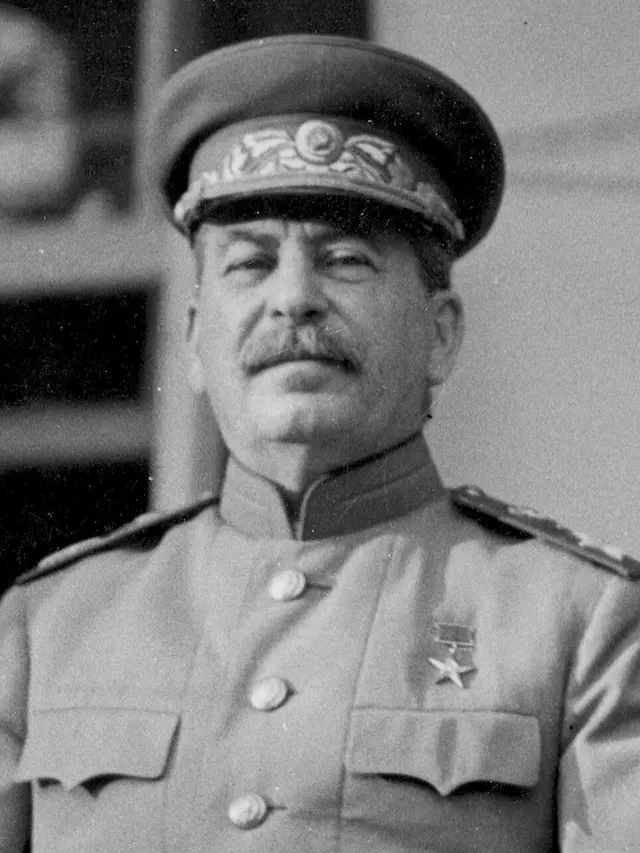
Stalin becomes General Secretary

At Lenin’s suggestion, the Central Committee of the Russian Communist Party made Joseph Stalin its General Secretary. It seemed an office job, but it let Stalin place his supporters throughout the party. After Lenin’s death in 1924 he used it to defeat his rivals, and he held power until he died in 1953.

Source: Encyclopaedia Britannica: Joseph Stalin ↗
1933
The Westland PV-3 at Martlesham in 1931, before it was modified for the Everest flight.The Westland PV-3 at Martlesham in 1931, before it was modified for the Everest flight.Image: TRSL · Public domain
world · Asia

The first flight over Mount Everest

On 3 April 1933 two British Westland biplanes took off from Purnea in India and climbed to about 33,000 feet to fly over the summit of Mount Everest, the first aircraft ever to do so. The pilots were the Marquess of Douglas and Clydesdale and David McIntyre, each with an observer taking photographs. The expedition was paid for by the wealthy Lady Houston. Dust haze spoiled many of the pictures, so the crews flew again on 19 April. Everest itself was not climbed until 1953.

Source: RAF Museum: British civil aviation, 1933 ↗
1942
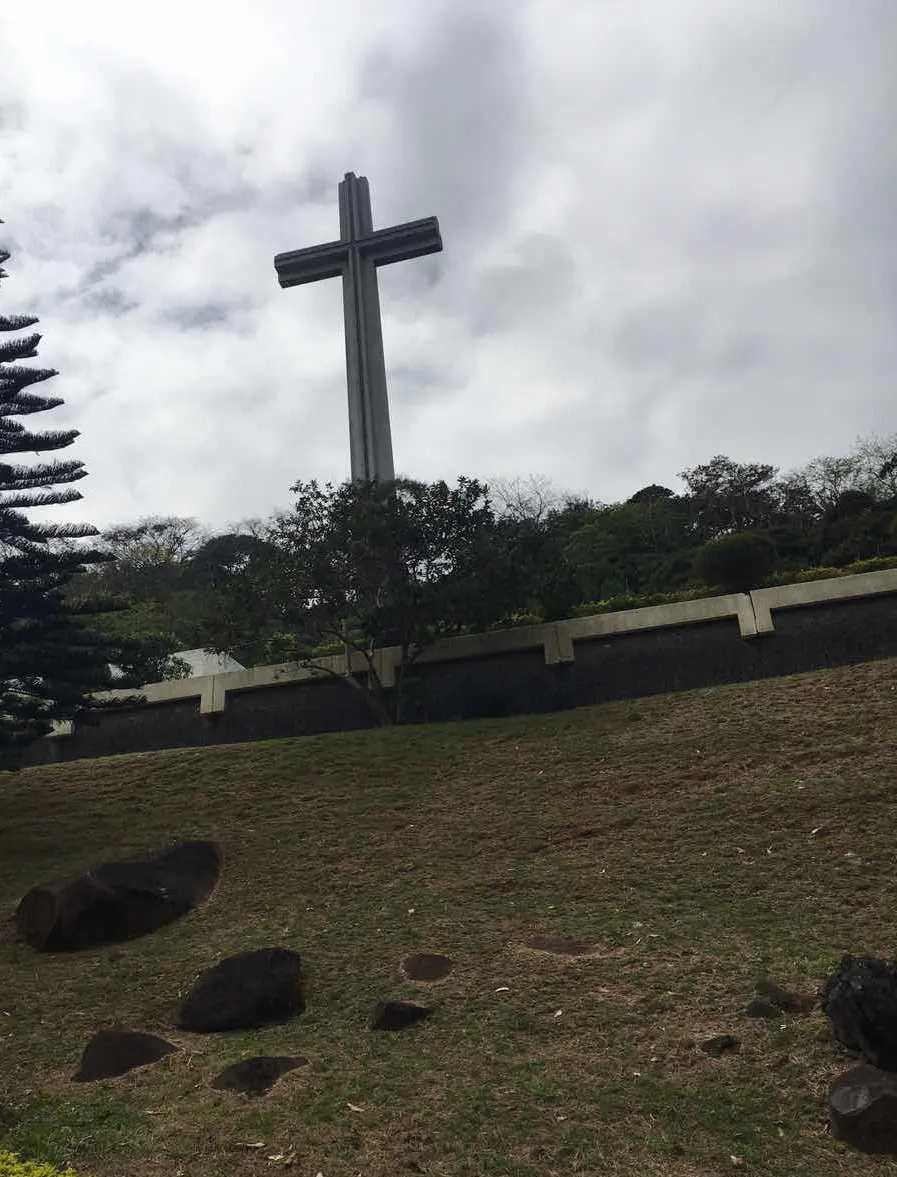
The memorial cross of the Mount Samat National Shrine in Bataan, 2017.The memorial cross of the Mount Samat National Shrine in Bataan, 2017.Image: LMP 2001 · CC BY-SA 4.0
world · Asia

The final Japanese assault on Bataan

On Good Friday, Japanese forces under General Masaharu Homma began their last offensive against the starving American and Filipino troops holding the Bataan peninsula in the Philippines. Six days later some 75,000 defenders surrendered, the largest surrender in American military history, and were forced on the brutal Bataan Death March.

Source: The National WWII Museum: The Battle of Bataan and the Bataan Death March ↗
1948
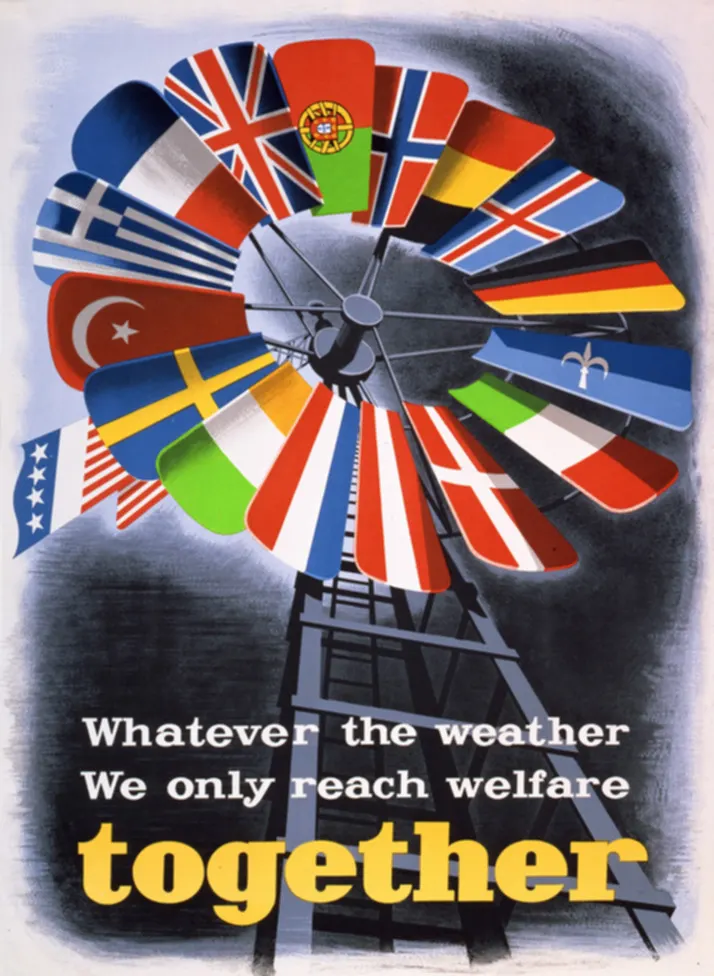
'Whatever the weather we only reach welfare together': a Marshall Plan poster of 1950, with the flags of the countries it aided.‘Whatever the weather we only reach welfare together’: a Marshall Plan poster of 1950, with the flags of the countries it aided.Image: E. Spreckmeester, for the Economic Cooperation Administration · Public domain
world · Europe

Truman signs the Marshall Plan

On 3 April 1948 President Harry Truman signed the Economic Cooperation Act, putting into effect the plan proposed by his Secretary of State, George Marshall, to rebuild the war-shattered economies of Western Europe. Over four years the United States gave more than $13 billion in food, fuel, machinery and loans to 17 countries, from Britain and France to Italy, Greece and West Germany. It helped Europe recover quickly, and bound Western Europe to America at the start of the Cold War.

Source: US National Archives: Marshall Plan (1948) ↗
1948
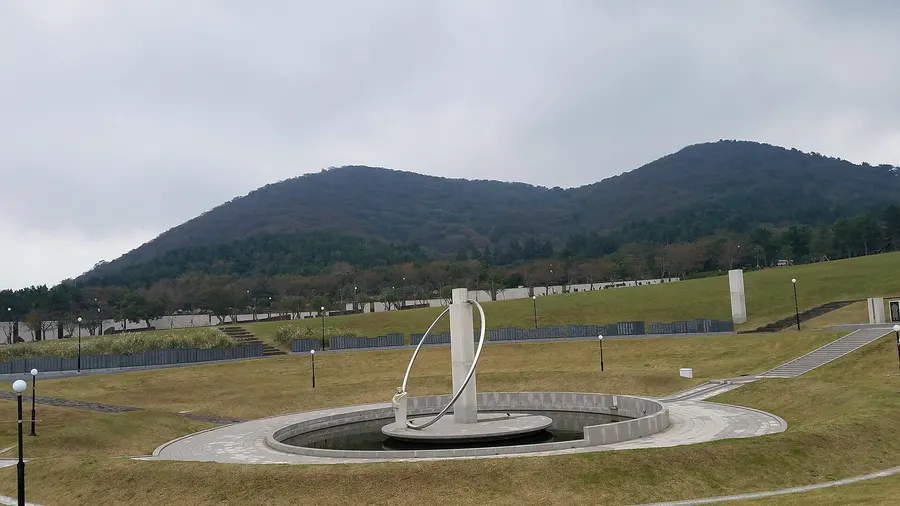
The memorial monument at the Jeju 4.3 Peace Park, Jeju Island, 2018.The memorial monument at the Jeju 4.3 Peace Park, Jeju Island, 2018.Image: GtDX8NNO3Efn2oF6q0s3 · CC BY-SA 4.0
world · Asia

The Jeju uprising begins

At about 2 am on 3 April 1948, armed members of the left-wing Workers’ Party attacked police stations across Jeju, an island off the south coast of Korea, then under American military rule. They opposed separate elections in the south that would divide Korea. The crackdown by police, soldiers and right-wing youth groups lasted into 1949 and burned whole villages. An official inquiry counted more than 14,000 victims, most of them killed by the security forces, and some estimates reach 30,000. South Korea apologised in 2003, and the island remembers the dead every 3 April.

Source: UNESCO Memory of the World: Revealing the truth, Jeju 4.3 archives ↗
1968
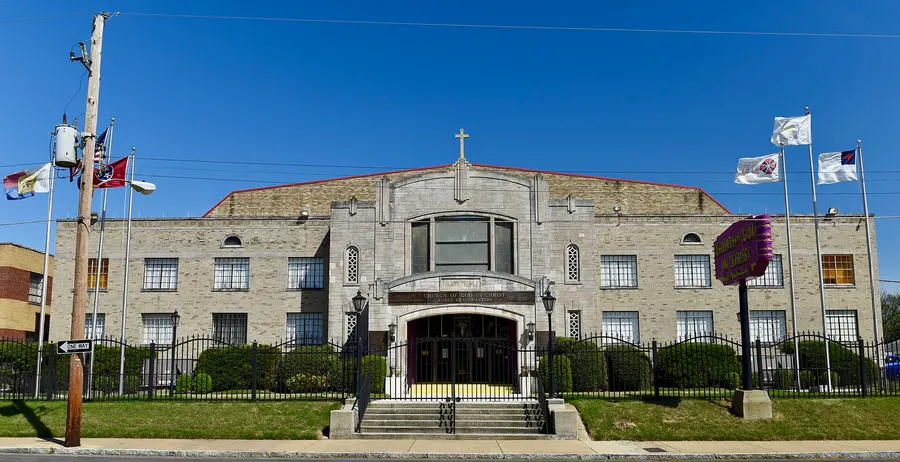
Mason Temple, Church of God in Christ, in Memphis, 2017.Mason Temple, Church of God in Christ, in Memphis, 2017.Image: Jim Roberts · CC BY-SA 4.0

world · Americas

Martin Luther King’s last speech

In Memphis to support striking Black sanitation workers, Martin Luther King Jr spoke on a stormy night at Mason Temple. He ended by saying he might not get there with them, but that ‘we, as a people, will get to the promised land’, words that seemed to foresee his death. He was shot dead the next evening.

Source: Martin Luther King Jr. Research and Education Institute, Stanford University: I’ve been to the mountaintop ↗
1973
Martin Cooper with a DynaTAC prototype phone like the one he used in 1973, at a forum in Taipei in 2007.Martin Cooper with a DynaTAC prototype phone like the one he used in 1973, at a forum in Taipei in 2007.Image: Rico Shen · CC BY-SA 3.0
science · Americas

The first call from a handheld mobile phone

Standing on a Manhattan street on 3 April 1973, the Motorola engineer Martin Cooper made the first public call from a handheld cellular phone. He rang his rival, Joel Engel of Bell Labs, to tell him where he was calling from. The prototype DynaTAC weighed about 1.1 kilograms and its battery lasted around 30 minutes. It took ten more years for the first handheld phone to go on sale.

Source: Smithsonian National Museum of American History: The true magic of dialing, Marty Cooper ↗
1974
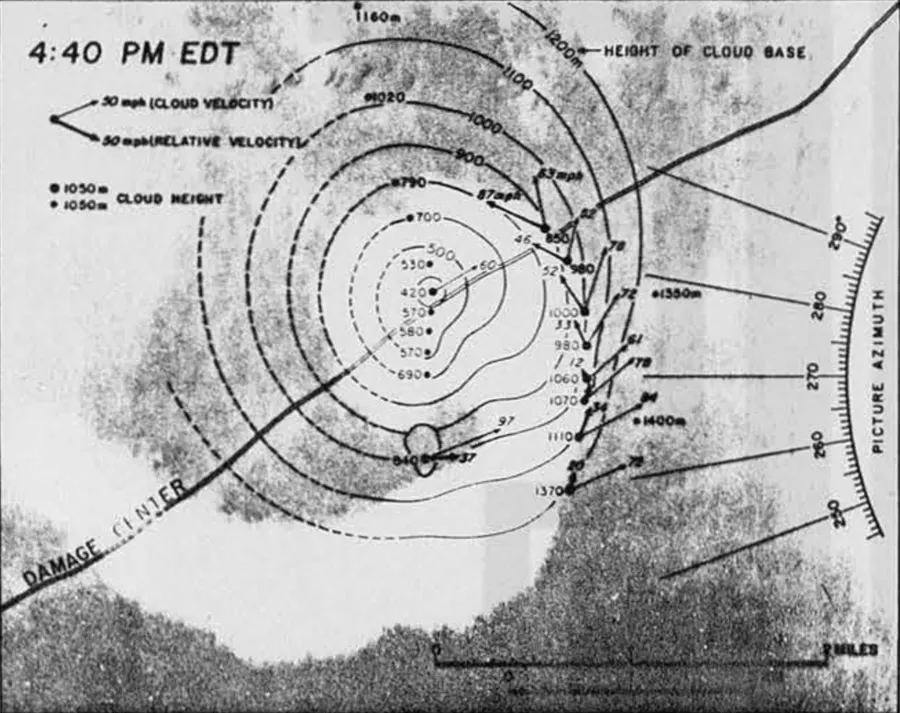
The storm that struck Xenia, Ohio, traced from radar at Wright-Patterson Air Force Base, 3 April 1974.The storm that struck Xenia, Ohio, traced from radar at Wright-Patterson Air Force Base, 3 April 1974.Image: 15th Weather Squadron at Wright-Patterson Air Force Base · Public domain
world · Americas

The Super Outbreak of tornadoes

Over less than a day, from the afternoon of 3 April into 4 April, 148 tornadoes tore across 13 American states and into Ontario, Canada, the largest outbreak then recorded. More than 300 people were killed; the town of Xenia, Ohio, was among the worst hit. Lessons from the disaster improved storm warnings across the United States.

Source: NOAA National Centers for Environmental Information: The April 3-4, 1974 Super Outbreak ↗
1984
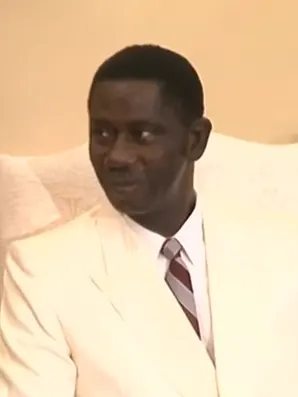
Lansana Conté on a visit to the White House, 1988.Lansana Conté on a visit to the White House, 1988.Image: White House Television Office · Public domain
politics · Africa

A bloodless coup in Guinea

A week after the death of Ahmed Sékou Touré, who had ruled Guinea since independence in 1958, army officers led by Colonel Lansana Conté seized power without bloodshed. They suspended the constitution, dissolved the ruling party and freed about 250 political prisoners. Conté ruled Guinea until his death in 2008.

Source: Encyclopaedia Britannica: Transitional Committee for National Recovery ↗
RESEARCH

Sources & Further Reading

Selected authoritative references supporting the events on this page.

Winchester Cathedral: Edward the Confessor’s coronation↗Encyclopaedia Britannica: Edward the Confessor↗US National Park Service: The first ride on the Pony Express↗Smithsonian National Postal Museum: The Pony Express↗State Historical Society of Missouri: Jesse James↗PBS American Experience: The life and death of Jesse James↗UK National Archives: The life and court trials of Oscar Wilde↗Famous Trials, University of Missouri-Kansas City School of Law: The trials of Oscar Wilde↗Encyclopaedia Britannica: Joseph Stalin↗Wikipedia: General Secretary of the Communist Party of the Soviet Union↗RAF Museum: British civil aviation, 1933↗Wikipedia: Houston-Mount Everest flight expedition↗The National WWII Museum: The Battle of Bataan and the Bataan Death March↗Encyclopaedia Britannica: Battle of Bataan↗US National Archives: Marshall Plan (1948)↗US Office of the Historian: Marshall Plan, 1948↗UNESCO Memory of the World: Revealing the truth, Jeju 4.3 archives↗Korea.net: Jeju April 3 incident↗Martin Luther King Jr. Research and Education Institute, Stanford University: I’ve been to the mountaintop↗US National Park Service: Mason Temple, Memphis↗Smithsonian National Museum of American History: The true magic of dialing, Marty Cooper↗Encyclopaedia Britannica: Martin Cooper↗NOAA National Centers for Environmental Information: The April 3-4, 1974 Super Outbreak↗NOAA: 50 years later, remembering the 1974 tornado Super Outbreak↗Encyclopaedia Britannica: Transitional Committee for National Recovery↗US Department of State: Background note, Guinea↗
WHY THESE MOMENTS?

Significance before volume

This page is not the longest possible list of events. It is a chronological journey through 3 April, where each entry is chosen for historical significance, human interest and reliability.

Facts are checked against authoritative museums, archives, universities and reference works. Where sources disagree, the page says so.

EXPLORED THE DEEPER STORY?

Return to the highlights of 3 April

Discover the lighter side of the date with famous birthdays, culture, firsts and lives remembered.

Explore This Day →
← PREVIOUS DAY2 April
HISTORY & TIMELINE3 April
NEXT DAY →4 April