Explore 19 March

Explore 19 March: a horseman steals the opening of the Sydney Harbour Bridge, Spain gets its first constitution, Germany occupies its ally Hungary and four old colonies become part of France. Meet David Livingstone, Wyatt Earp and Glenn Close, born on this date.

This day through time →12 verified events across 4 eras

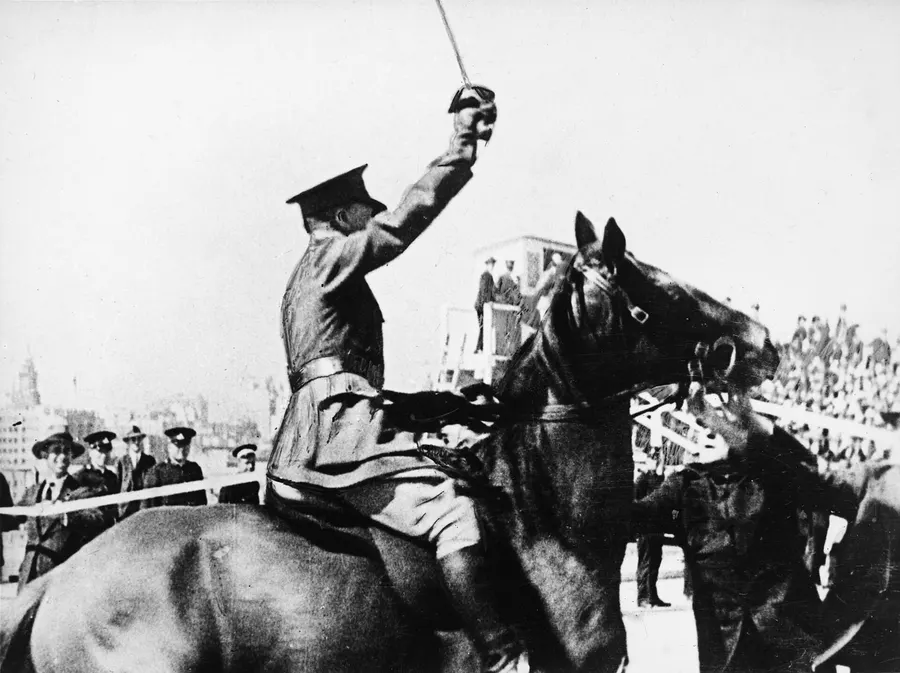
Francis de Groot slashes the ribbon at the opening of the Sydney Harbour Bridge, 19 March 1932.
Image creditThe Sydney Morning Herald · Public domainResized and cropped for display.

A horseman steals the opening of the Sydney Harbour Bridge

On 19 March 1932, before huge crowds, the Premier of New South Wales, Jack Lang, was about to cut the ribbon on the new Sydney Harbour Bridge. Francis de Groot, a member of the right-wing New Guard, rode forward on a borrowed horse and slashed it with his sword first, protesting that a member of the royal family should have done the honours.

Police hauled him away, the ribbon was tied back together and Lang opened the bridge. De Groot was fined five pounds for offensive behaviour. The bridge became the symbol of Sydney, and the episode part of Australian folklore.

Read the full storyHistory & Timeline →Source: National Museum of Australia: Sydney Harbour Bridge opens ↗
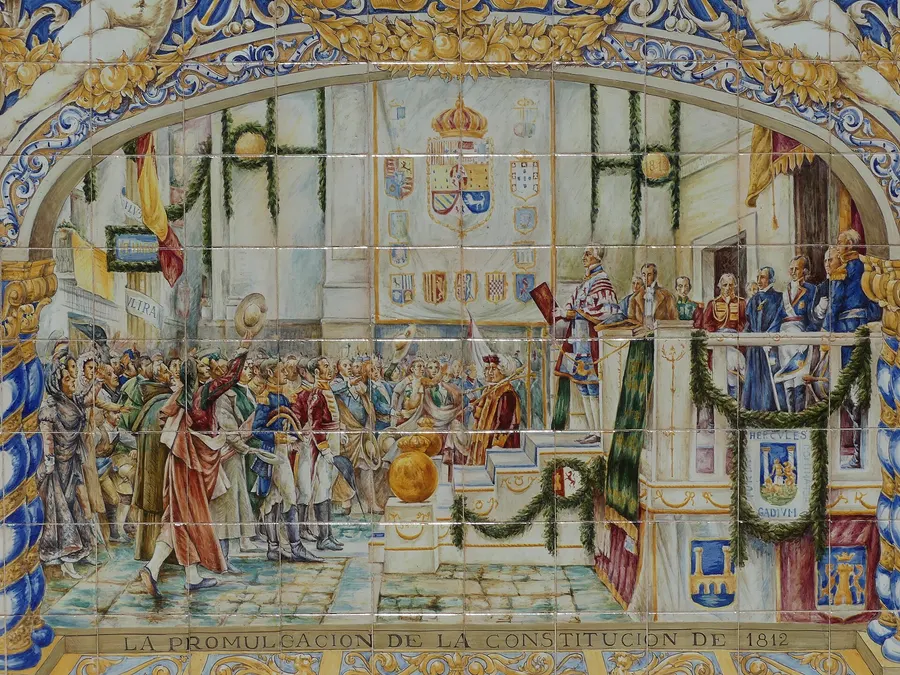
The promulgation of the Constitution of 1812, on a tiled bench in the Plaza de España in Seville, after a painting by Salvador Viniegra.
Image creditCarlosVdeHabsburgo · CC BY-SA 4.0Resized and cropped for display.

Spain’s first constitution

With French troops besieging the city, the Cortes meeting in Cádiz promulgated a constitution for the Spanish monarchy on 19 March 1812. It declared that sovereignty lay with the nation and divided power between the Crown, the Cortes and the courts.

Because it was issued on St Joseph’s Day, Spaniards nicknamed it ‘La Pepa’. It was soon overturned, but it became a founding text of liberalism in Spain, and inspired constitutions across Europe and Latin America.

Read the full storyHistory & Timeline →Source: Library of Congress: Constitution of the Spanish Monarchy, enacted in Cádiz on March 19, 1812 ↗
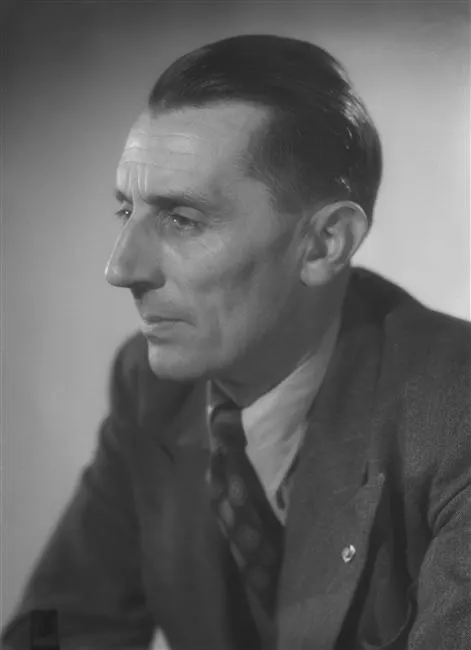
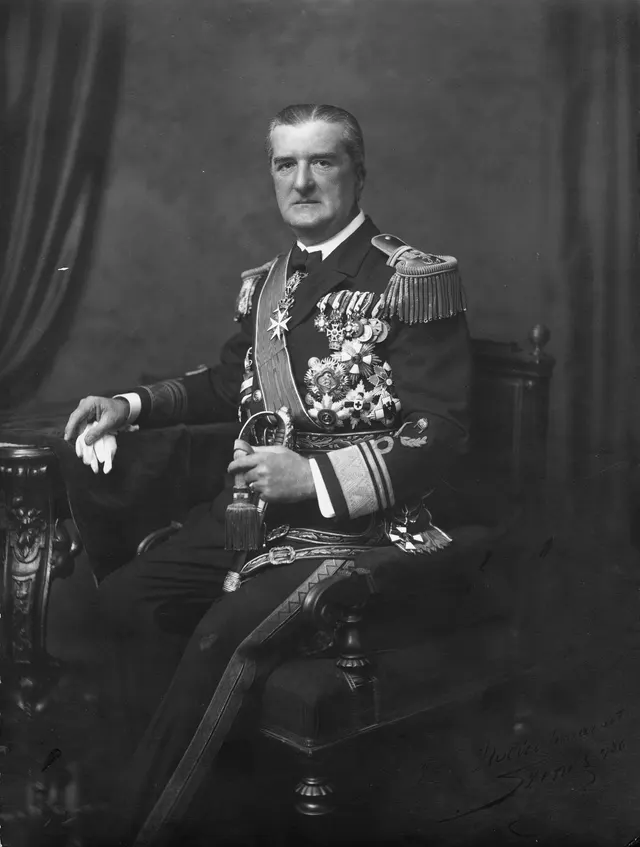
Miklós Horthy, regent of Hungary, photographed by Adolf Szenes.
Image creditAdolf Szenes · Public domainResized and cropped for display.

Germany occupies its ally Hungary

Learning that Hungary’s government had been secretly sounding out the Allies about an armistice, Hitler summoned the regent, Miklós Horthy, to a castle near Salzburg. While Horthy was away, German troops crossed the border on 19 March 1944 and met almost no resistance.

A pro-German government was installed. Within weeks the mass deportation of Hungary’s Jews to Auschwitz began, and within two months hundreds of thousands had been sent there, most of them to be murdered.

Read the full storyHistory & Timeline →Source: European Network Remembrance and Solidarity: Nazi German occupation of Hungary ↗
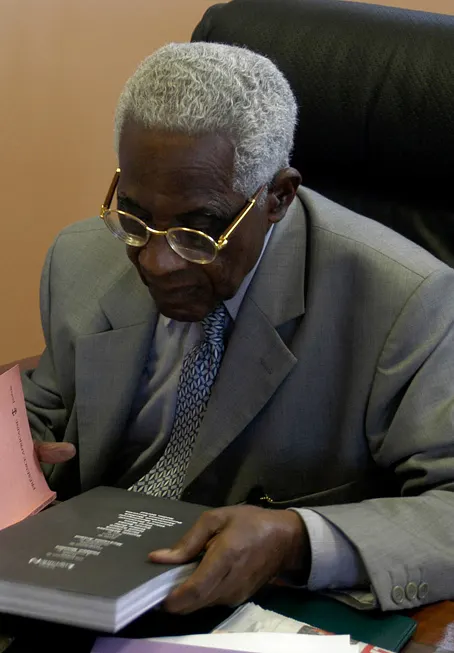
The Martinican poet and politician Aimé Césaire in 2003.
Image creditJean Baptiste Devaux · CC BY-SA 4.0Resized and cropped for display.

Four old colonies become part of France

A law of 19 March 1946 turned France’s four oldest colonies, Guadeloupe, Martinique and French Guiana in the Americas and Réunion in the Indian Ocean, into departments of France, with the same status as those at home.

It was carried unanimously, sponsored by overseas deputies led by the Martinican poet Aimé Césaire. For many it answered a century of demands for full equality since the abolition of slavery in 1848.

Read the full storyHistory & Timeline →Source: Légifrance (French government): Loi n° 46-451 du 19 mars 1946 ↗
♙
PEOPLE

Born Today

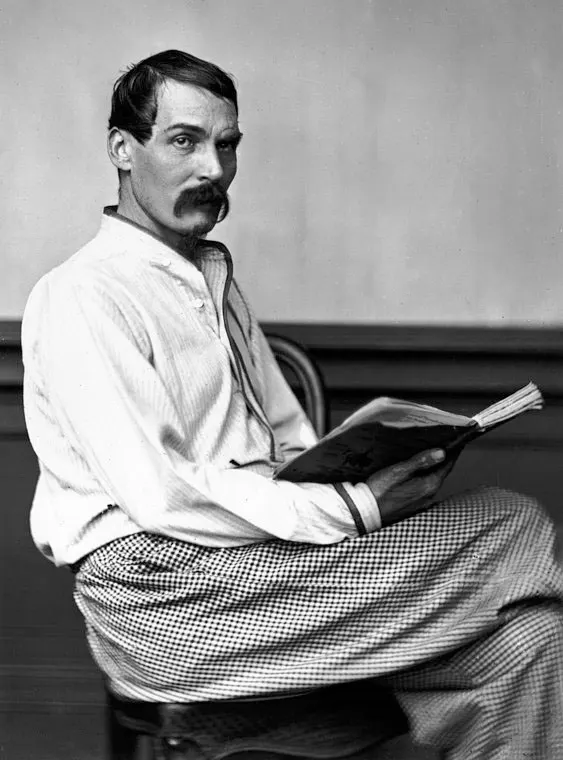
Richard Francis Burton
Image creditRischgitz · Public domainResized and cropped for display.

Richard Francis Burton

British explorer, linguist and translator of The Arabian Nights.

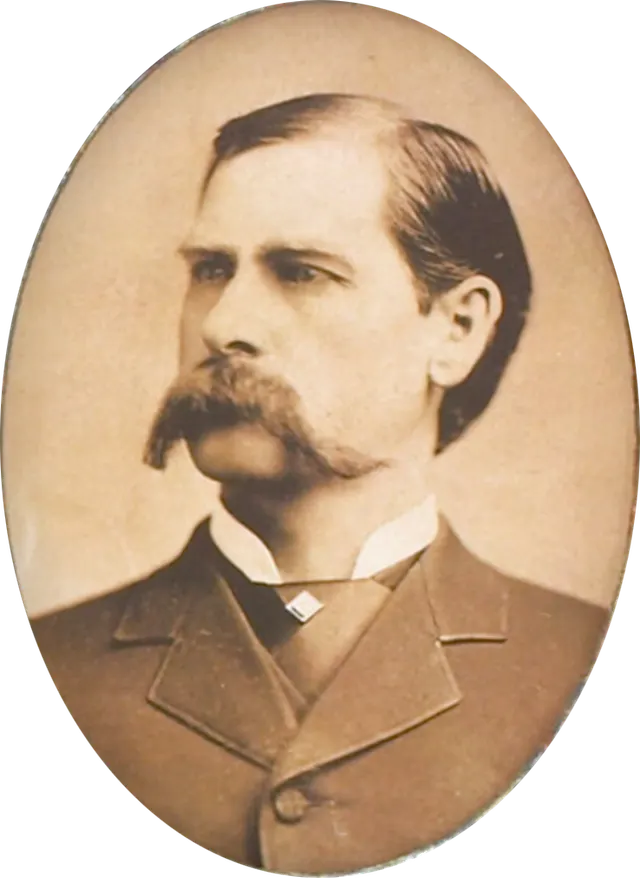
Wyatt Earp
Image creditunattributed · Public domainResized and cropped for display.

Wyatt Earp

American lawman of the gunfight at the O.K. Corral.

Frédéric Joliot-Curie
Image creditStudio Harcourt · Public domainResized and cropped for display.

Frédéric Joliot-Curie

French physicist; Nobel Prize in Chemistry, 1935, with his wife Irène.

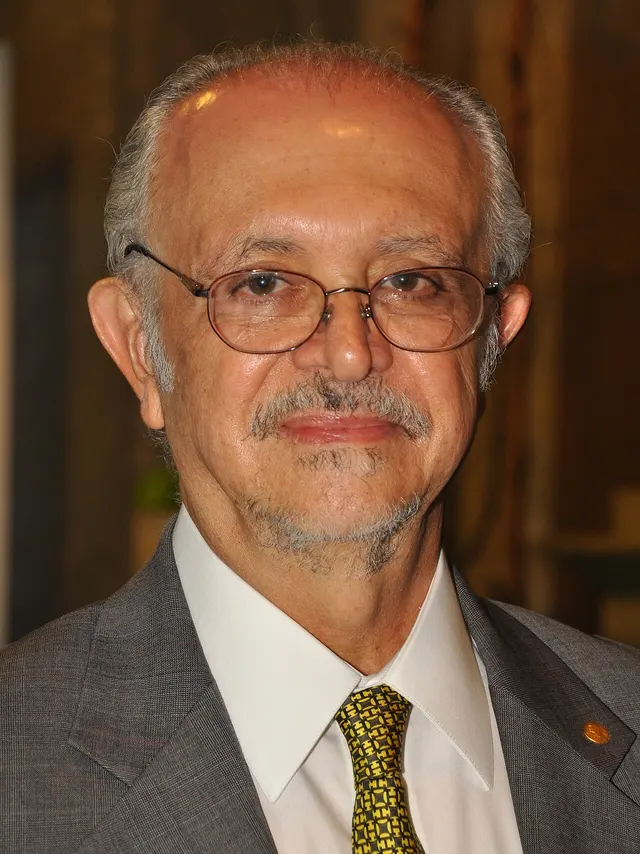
Mario Molina
Image creditJanwikifoto · CC BY-SA 3.0Resized and cropped for display.

Mario Molina

Mexican chemist who warned of damage to the ozone layer; Nobel Prize in Chemistry, 1995.

Glenn Close
Image creditMax Surprenant · CC BY 4.0Resized and cropped for display.

Glenn Close

American actress of Fatal Attraction and Dangerous Liaisons.

Bruce Willis
Image creditGage Skidmore · CC BY-SA 3.0Resized and cropped for display.

Bruce Willis

American actor of Die Hard and The Sixth Sense.

◉
IDEAS THAT CHANGED THINGS

Firsts, Science & Discoveries

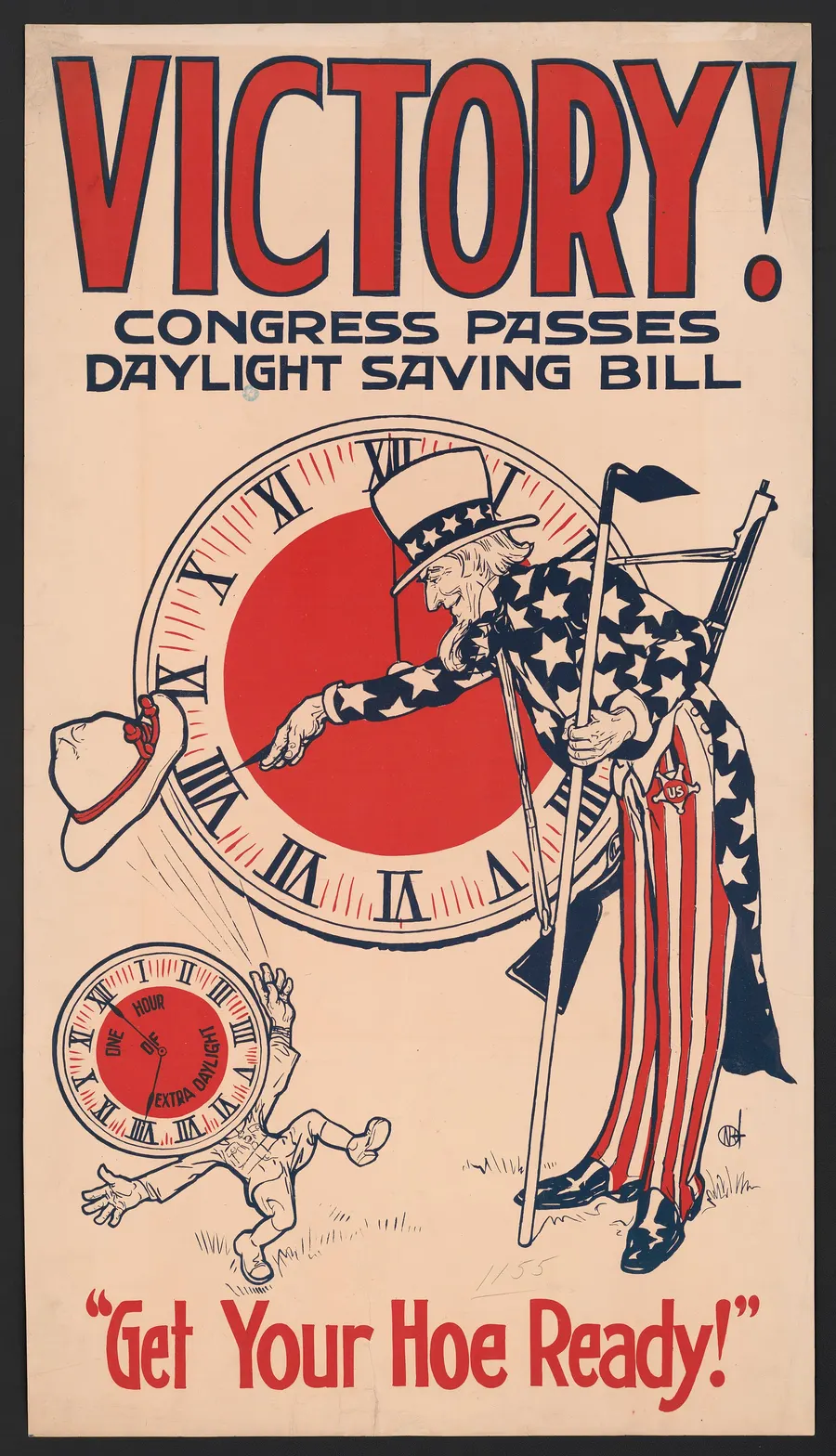
'Victory! Congress passes daylight saving bill', a poster of 1918 with Uncle Sam turning a clock forward.
‘Victory! Congress passes daylight saving bill’, a poster of 1918 with Uncle Sam turning a clock forward.
Image creditUnited Cigar Stores Company · Public domainResized and cropped for display.

America sets its clocks by law

On 19 March 1918 President Woodrow Wilson signed the Standard Time Act, the first federal law on time in the United States. It set up the country’s time zones, which the railways had been using since 1883, and put the Interstate Commerce Commission in charge of their boundaries.

It also brought in daylight saving time as a wartime measure to save fuel, with clocks going forward on 31 March. Daylight saving was repealed the next year, but the time zones stayed.

Read the full storyHistory & Timeline →Source: US Statutes at Large: An Act to save daylight and to provide standard time for the United States (40 Stat. 450) ↗
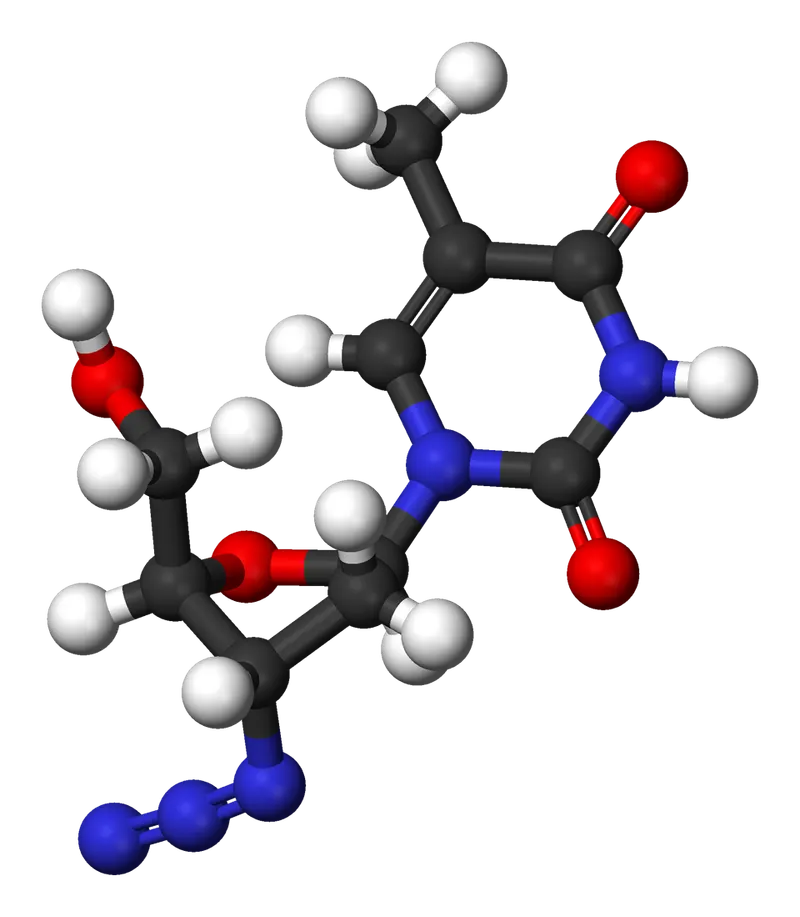
A ball-and-stick model of the zidovudine (AZT) molecule.
Image creditBenjah-bmm27 · Public domainResized and cropped for display.

The first drug against HIV is approved

On 19 March 1987 the US Food and Drug Administration approved zidovudine, better known as AZT, the first medicine for HIV and AIDS. Trials had shown that it could prolong patients’ lives.

AZT alone could only slow the disease. Later combinations of drugs turned HIV from a death sentence into a manageable condition.

Read the full storyHistory & Timeline →Source: Smithsonian National Museum of American History: A brief history of AZT ↗
♫
MUSIC • FILM • BOOKS • CULTURE

Culture Stories

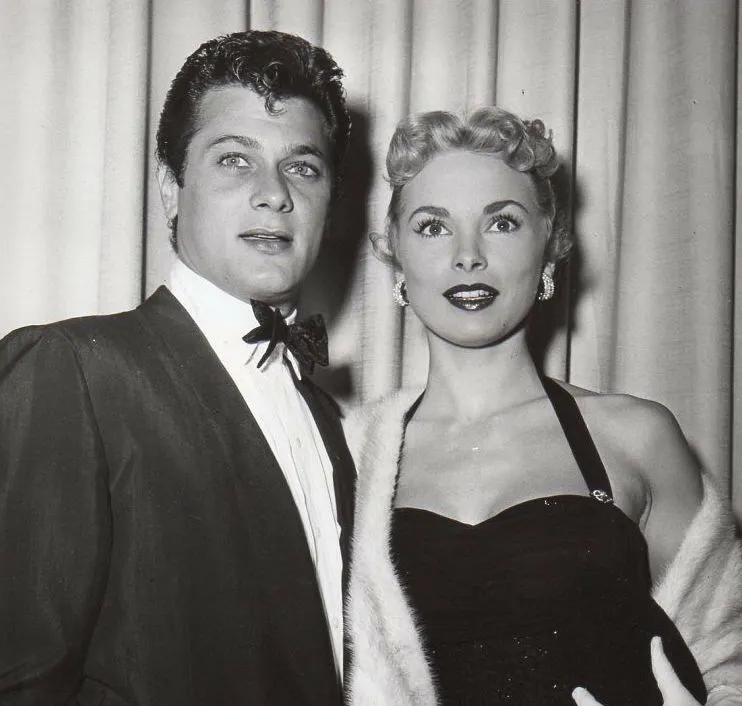
Tony Curtis and Janet Leigh at the 25th Academy Awards, 19 March 1953.
Image creditUnknown photographer · Public domainResized and cropped for display.

The Oscars go on television

On 19 March 1953 the 25th Academy Awards were broadcast on NBC television for the first time, from two stages at once: the Pantages Theatre in Hollywood, with Bob Hope as host, and a theatre in New York.

Tens of millions watched. The Greatest Show on Earth won best picture, and the ceremony has been a fixture of television ever since.

Read the full storyHistory & Timeline →Source: Academy of Motion Picture Arts and Sciences: Academy Awards presentation history ↗
✦
LIVES REMEMBERED

Remembered Today

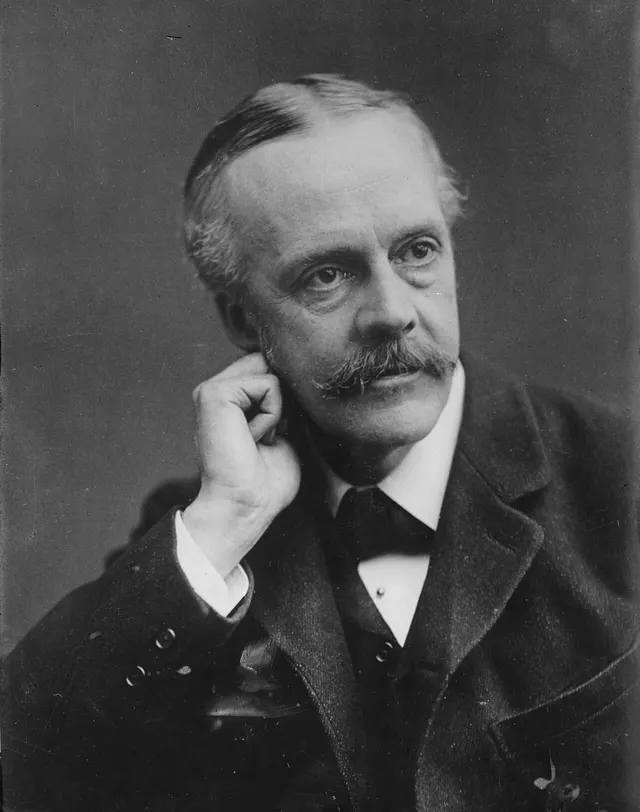
Arthur Balfour
Image creditBain News Service · Public domainResized and cropped for display.

Arthur Balfour

British prime minister and author of the Balfour Declaration of 1917.

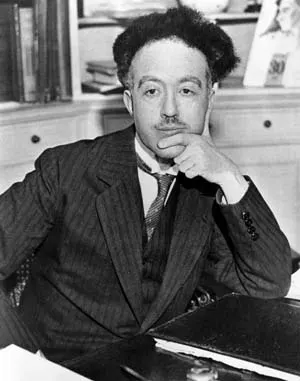
Louis de Broglie
Image creditUnknown photographer · Public domainResized and cropped for display.

Louis de Broglie

French physicist who showed that matter behaves as waves; Nobel Prize in Physics, 1929.

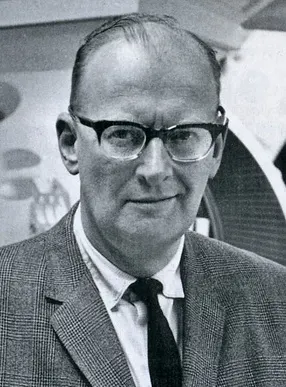
Arthur C. Clarke
Image creditITU Pictures · CC BY 2.0Resized and cropped for display.

Arthur C. Clarke

British science-fiction writer of 2001: A Space Odyssey, who died in Sri Lanka.

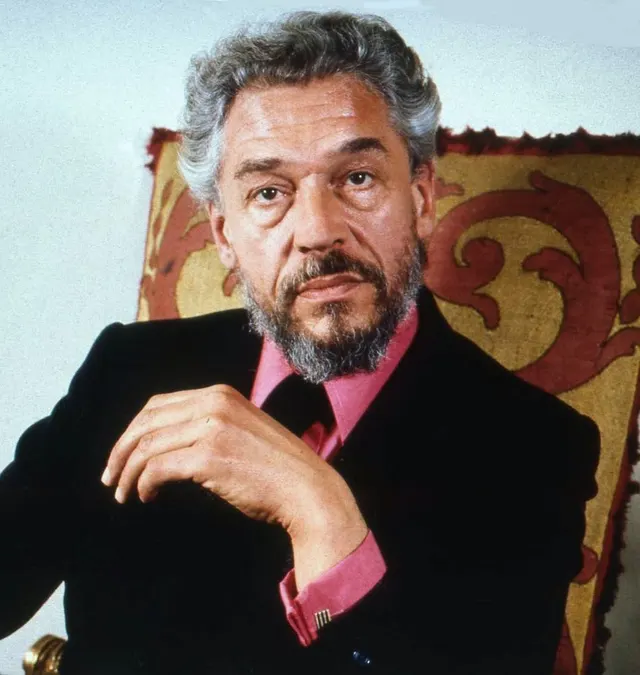
Paul Scofield
Image creditAllan warren · CC BY-SA 3.0Resized and cropped for display.

Paul Scofield

English actor; Oscar winner as Thomas More in A Man for All Seasons.

☉
AROUND THE WORLD

Observances & Anniversaries

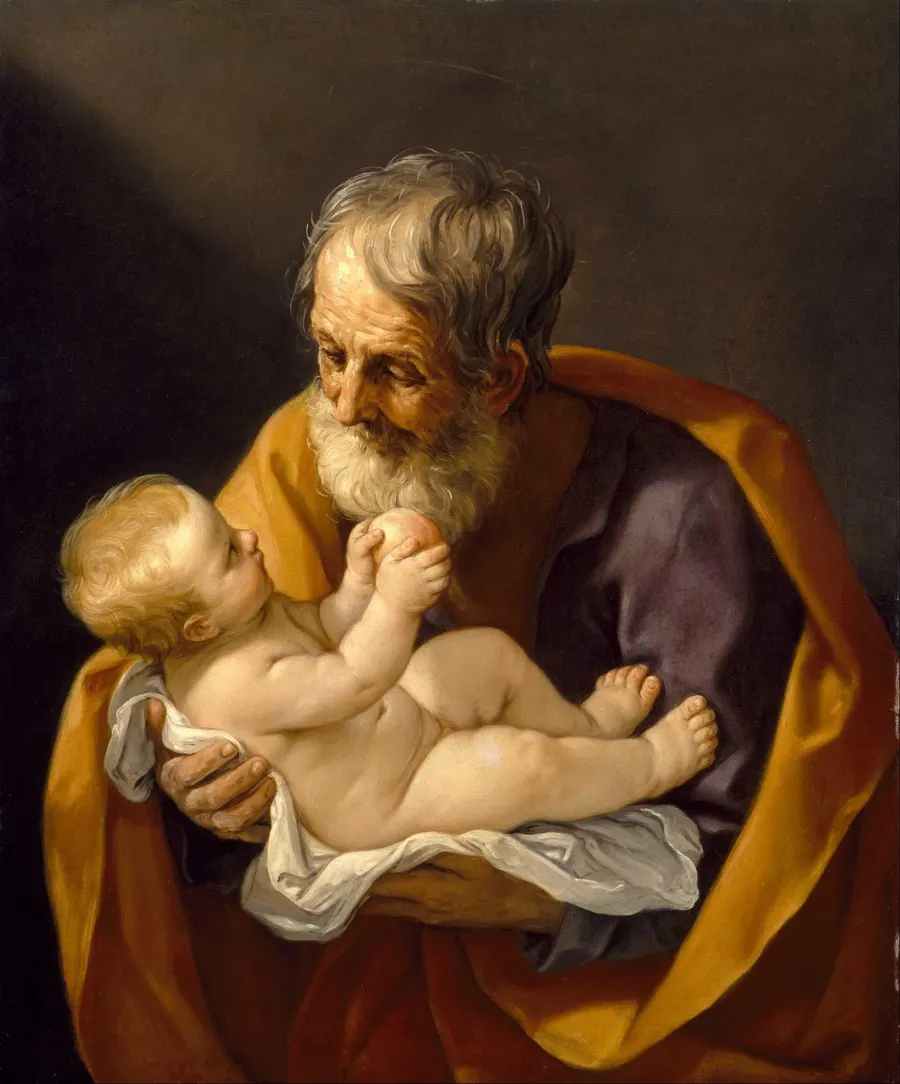
Saint Joseph and the Christ Child, painted by Guido Reni.
Image creditGuido Reni · Public domainResized and cropped for display.

St Joseph’s Day

19 March is the chief feast of St Joseph, husband of the Virgin Mary, in the Western Church. It is Father’s Day in Italy, Spain and Portugal, and in several countries of Latin America and Africa.

Customs range from St Joseph’s altars and zeppole pastries in Italy to the burning of the great sculptures that ends Valencia’s Las Fallas festival.

Source: Encyclopaedia Britannica: St. Joseph ↗
HISTORY & TIMELINE

Finished the highlights?

Follow 19 March chronologically, from the Middle Ages to the modern day, with 12 verified events and the sources behind them.

This day through time →