
HISTORY & TIMELINE
19 March

A journey through
19 March in history

From the last stand of China’s Song dynasty in 1279 to the first strikes on Libya in 2011, 19 March has seen the United States set its clocks and reject the Treaty of Versailles, a carrier burn off Japan and a flag raised on South Georgia. This timeline follows the date across more than seven centuries.

JUMP THROUGH TIME
II
THE MIDDLE AGES

Medieval History

Kingdoms, conflict, faith, power and the changing medieval world.

1279
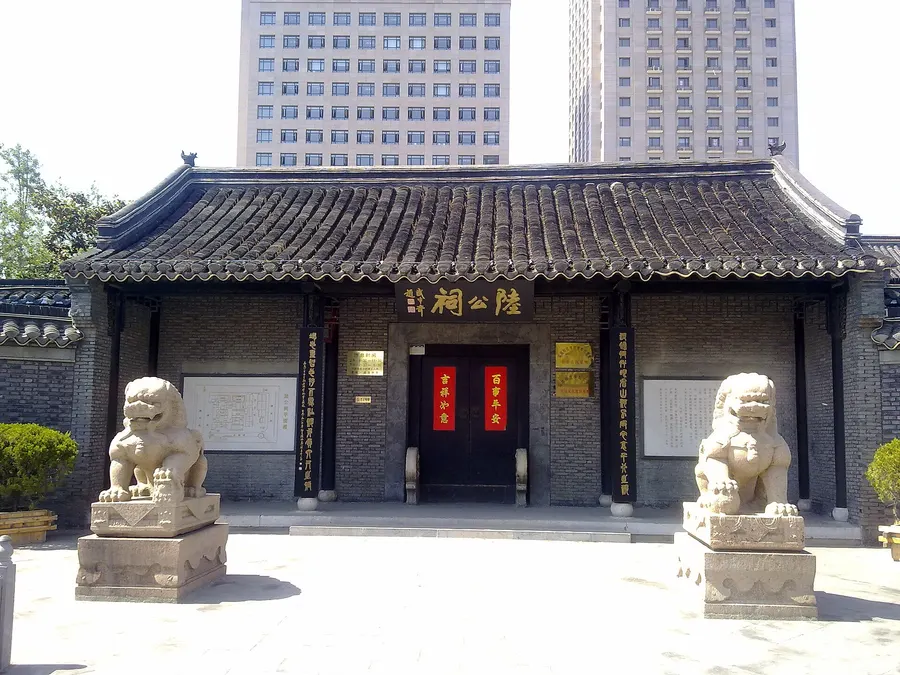
The memorial temple to the Song chancellor Lu Xiufu in Yancheng, Jiangsu, 2011.The memorial temple to the Song chancellor Lu Xiufu in Yancheng, Jiangsu, 2011.Image: 风之清扬 · CC BY-SA 3.0
world · Asia

The battle of Yamen ends the Song dynasty

Off Yamen on the coast of Guangdong, a Mongol Yuan fleet cut off and destroyed the last fleet of China’s Song dynasty. The Song chancellor Lu Xiufu leapt into the sea with the child emperor rather than surrender. Kublai Khan’s Yuan dynasty now ruled all of China. The date is by the calendar historians use for the period.

Source: US Naval Institute, Naval History: A clash of fleets, a dynasty’s end ↗
IV
THE NINETEENTH CENTURY

The 1800s

Industry, empire, invention, reform and a century of enormous transformation.

1812
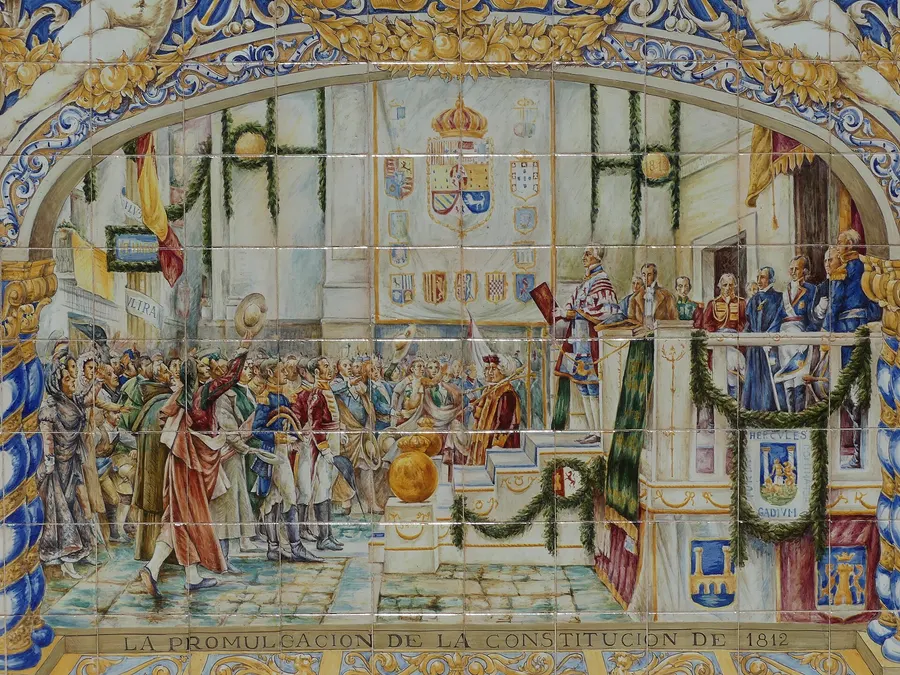
The promulgation of the Constitution of 1812, on a tiled bench in the Plaza de España in Seville, after a painting by Salvador Viniegra.The promulgation of the Constitution of 1812, on a tiled bench in the Plaza de España in Seville, after a painting by Salvador Viniegra.Image: CarlosVdeHabsburgo · CC BY-SA 4.0
politics · Europe

Spain’s first constitution

With French troops besieging the city, the Cortes meeting in Cádiz promulgated a constitution for the Spanish monarchy on 19 March 1812. It declared that sovereignty lay with the nation and divided power between the Crown, the Cortes and the courts. Because it was issued on St Joseph’s Day, Spaniards nicknamed it ‘La Pepa’. It was soon overturned, but it became a founding text of liberalism in Spain, and inspired constitutions across Europe and Latin America.

Source: Library of Congress: Constitution of the Spanish Monarchy, enacted in Cádiz on March 19, 1812 ↗
V
THE TWENTIETH CENTURY

The 1900s

War and peace, technological leaps, social change, politics, sport and popular culture.

1918
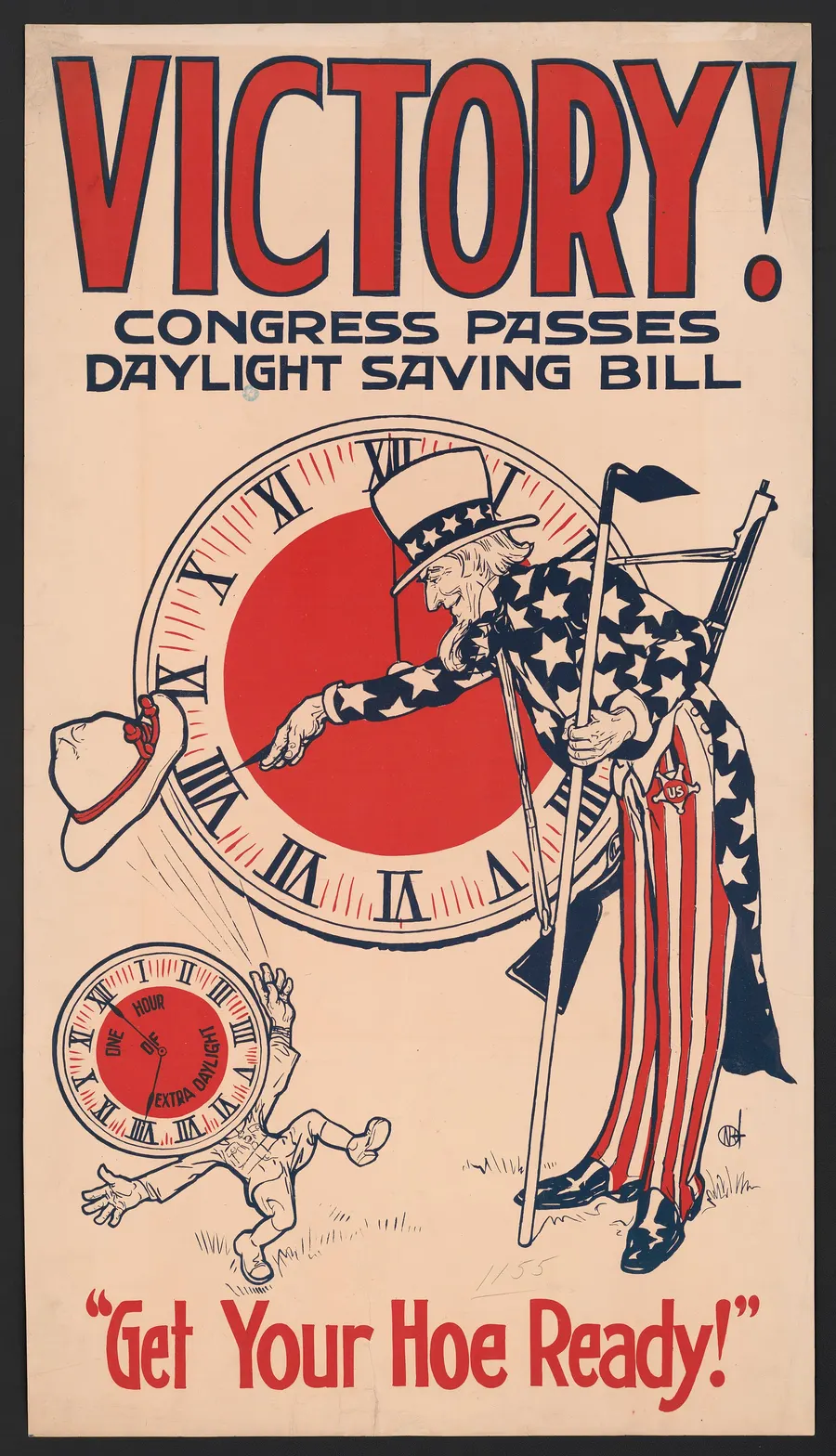
'Victory! Congress passes daylight saving bill', a poster of 1918 with Uncle Sam turning a clock forward.‘Victory! Congress passes daylight saving bill’, a poster of 1918 with Uncle Sam turning a clock forward.Image: United Cigar Stores Company · Public domain
science · Americas

America sets its clocks by law

On 19 March 1918 President Woodrow Wilson signed the Standard Time Act, the first federal law on time in the United States. It set up the country’s time zones, which the railways had been using since 1883, and put the Interstate Commerce Commission in charge of their boundaries. It also brought in daylight saving time as a wartime measure to save fuel, with clocks going forward on 31 March. Daylight saving was repealed the next year, but the time zones stayed.

Source: US Statutes at Large: An Act to save daylight and to provide standard time for the United States (40 Stat. 450) ↗
1920
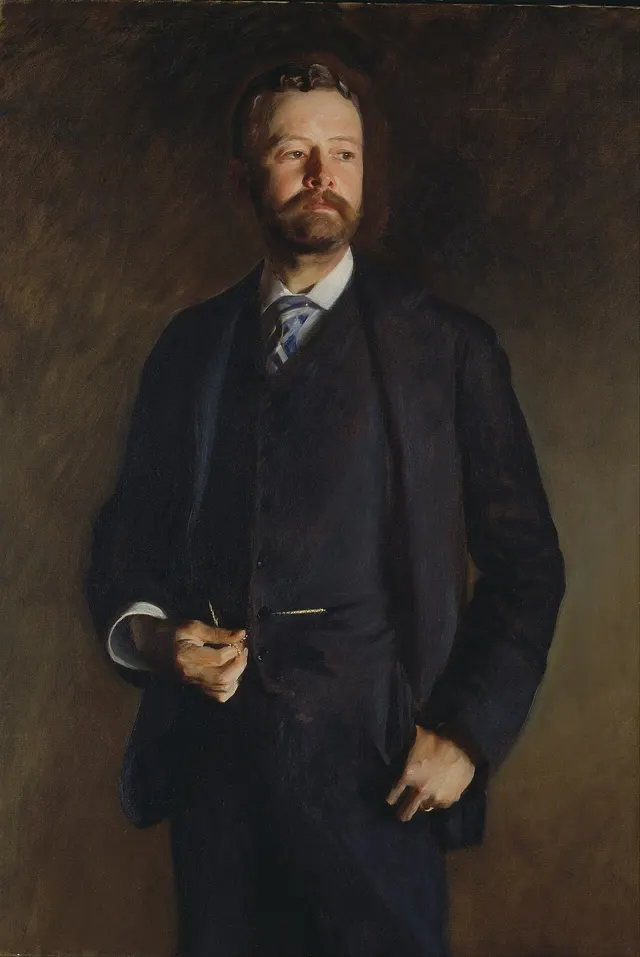
Senator Henry Cabot Lodge, painted by John Singer Sargent.Senator Henry Cabot Lodge, painted by John Singer Sargent.Image: John Singer Sargent · Public domain
politics · Americas

The US Senate rejects the Treaty of Versailles again

For the second time, the Senate failed to ratify the peace treaty that ended the First World War, voting 49 to 35, seven short of the two-thirds needed. Senators led by Henry Cabot Lodge wanted limits on America’s duties to the League of Nations, and President Wilson refused to accept them. The United States never joined the League.

Source: United States Senate: Senate rejects Treaty of Versailles ↗
1932
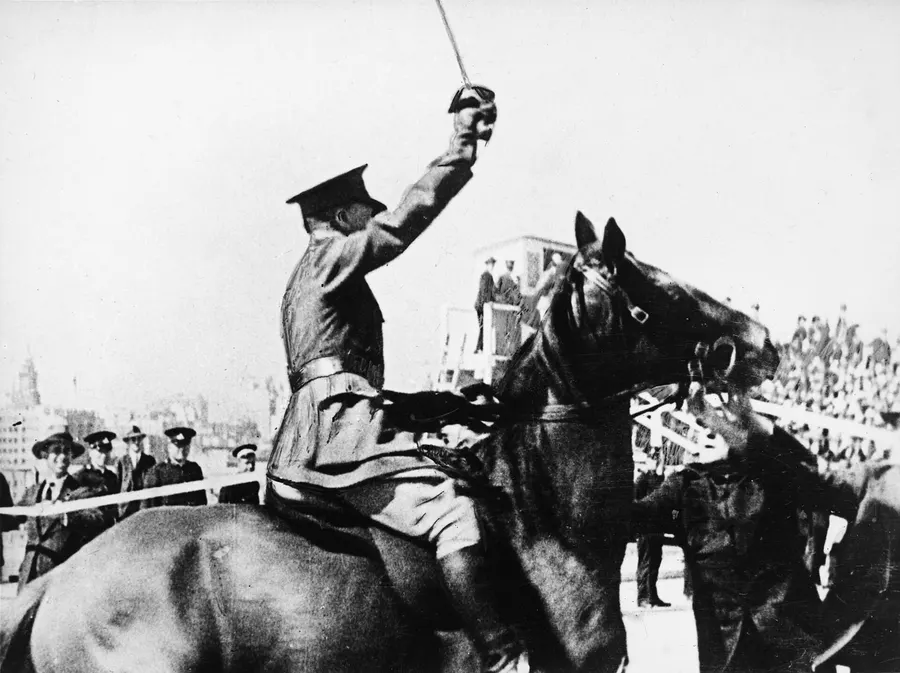
Francis de Groot slashes the ribbon at the opening of the Sydney Harbour Bridge, 19 March 1932.Francis de Groot slashes the ribbon at the opening of the Sydney Harbour Bridge, 19 March 1932.Image: The Sydney Morning Herald · Public domain
culture · Oceania

A horseman steals the opening of the Sydney Harbour Bridge

On 19 March 1932, before huge crowds, the Premier of New South Wales, Jack Lang, was about to cut the ribbon on the new Sydney Harbour Bridge. Francis de Groot, a member of the right-wing New Guard, rode forward on a borrowed horse and slashed it with his sword first, protesting that a member of the royal family should have done the honours. Police hauled him away, the ribbon was tied back together and Lang opened the bridge. De Groot was fined five pounds for offensive behaviour. The bridge became the symbol of Sydney, and the episode part of Australian folklore.

Source: National Museum of Australia: Sydney Harbour Bridge opens ↗
1944
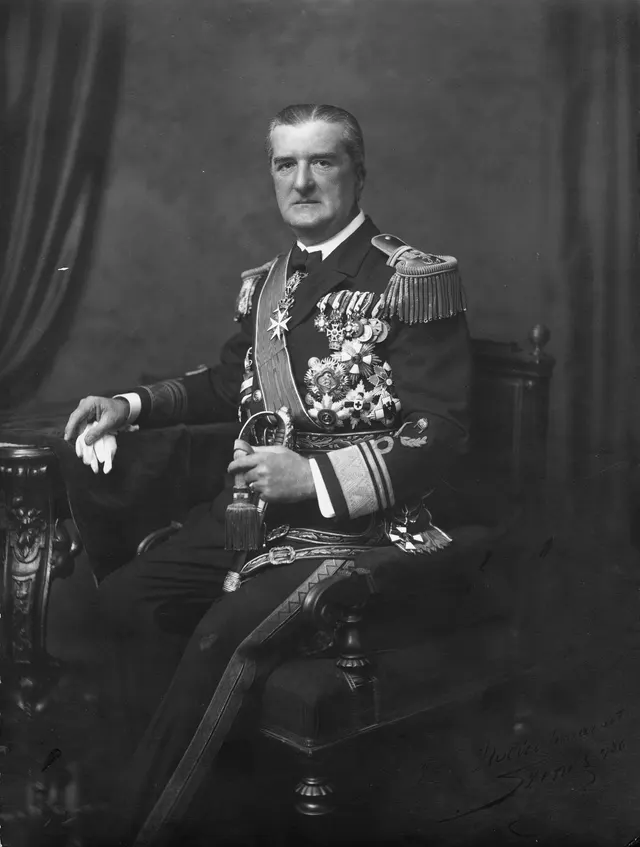
Miklós Horthy, regent of Hungary, photographed by Adolf Szenes.Miklós Horthy, regent of Hungary, photographed by Adolf Szenes.Image: Adolf Szenes · Public domain
world · Europe

Germany occupies its ally Hungary

Learning that Hungary’s government had been secretly sounding out the Allies about an armistice, Hitler summoned the regent, Miklós Horthy, to a castle near Salzburg. While Horthy was away, German troops crossed the border on 19 March 1944 and met almost no resistance. A pro-German government was installed. Within weeks the mass deportation of Hungary’s Jews to Auschwitz began, and within two months hundreds of thousands had been sent there, most of them to be murdered.

Source: European Network Remembrance and Solidarity: Nazi German occupation of Hungary ↗
1945
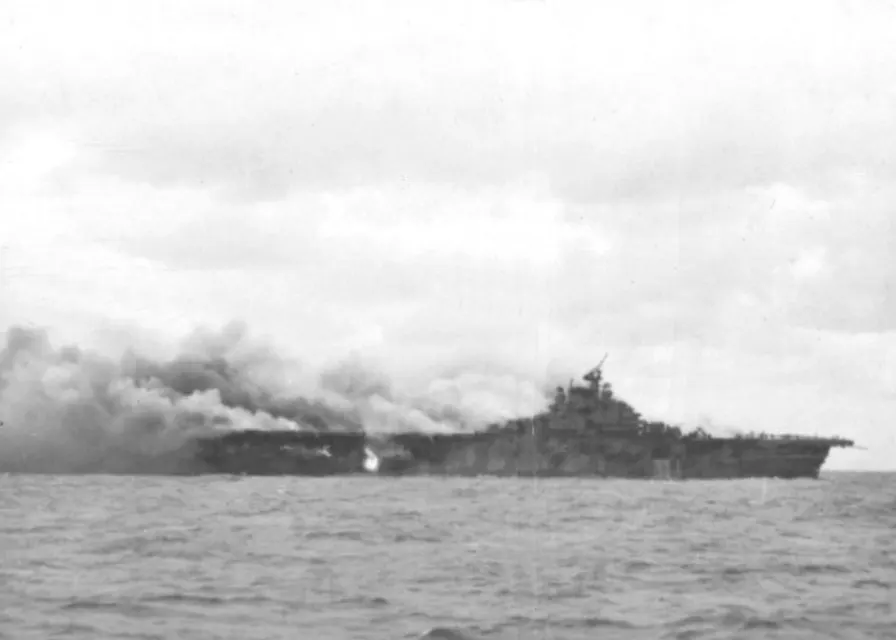
USS Franklin burning and listing on 19 March 1945.USS Franklin burning and listing on 19 March 1945.Image: USN · Public domain
world · Asia

The carrier USS Franklin is set ablaze off Japan

A single Japanese aircraft hit the carrier USS Franklin with two bombs as she prepared to launch strikes on Japan. Fuelled and armed planes on her decks exploded, and more than 700 of her crew were killed. The survivors saved the ship, which reached New York under her own power weeks later.

Source: Naval History and Heritage Command: USS Franklin (CV-13) war damage report no. 56 ↗
1946
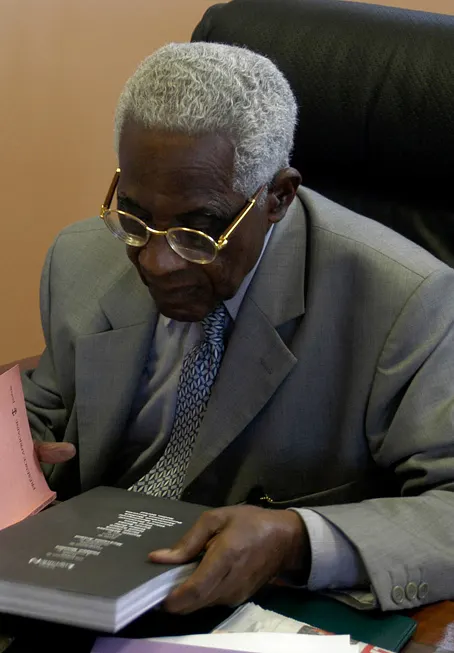
The Martinican poet and politician Aimé Césaire in 2003.The Martinican poet and politician Aimé Césaire in 2003.Image: Jean Baptiste Devaux · CC BY-SA 4.0

politics · Americas

Four old colonies become part of France

A law of 19 March 1946 turned France’s four oldest colonies, Guadeloupe, Martinique and French Guiana in the Americas and Réunion in the Indian Ocean, into departments of France, with the same status as those at home. It was carried unanimously, sponsored by overseas deputies led by the Martinican poet Aimé Césaire. For many it answered a century of demands for full equality since the abolition of slavery in 1848.

Source: Légifrance (French government): Loi n° 46-451 du 19 mars 1946 ↗
1953
Tony Curtis and Janet Leigh at the 25th Academy Awards, 19 March 1953.Tony Curtis and Janet Leigh at the 25th Academy Awards, 19 March 1953.Image: Unknown photographer · Public domain
culture · Americas

The Oscars go on television

On 19 March 1953 the 25th Academy Awards were broadcast on NBC television for the first time, from two stages at once: the Pantages Theatre in Hollywood, with Bob Hope as host, and a theatre in New York. Tens of millions watched. The Greatest Show on Earth won best picture, and the ceremony has been a fixture of television ever since.

Source: Academy of Motion Picture Arts and Sciences: Academy Awards presentation history ↗
1982
Leith Harbour on South Georgia in 2011, with the ruins of its whaling station at the water's edge.Leith Harbour on South Georgia in 2011, with the ruins of its whaling station at the water’s edge.Image: Liam Quinn from Canada · CC BY-SA 2.0
world · Americas

An Argentine flag is raised on South Georgia

Argentine scrap-metal workers landed at the old whaling station of Leith Harbour on the British island of South Georgia without the proper permission, and raised the Argentine flag. Marines disguised as civilians were among them. The row escalated into Argentina’s invasion of the Falkland Islands on 2 April and the Falklands War.

Source: Friends of South Georgia Island: War and conflict ↗
1987
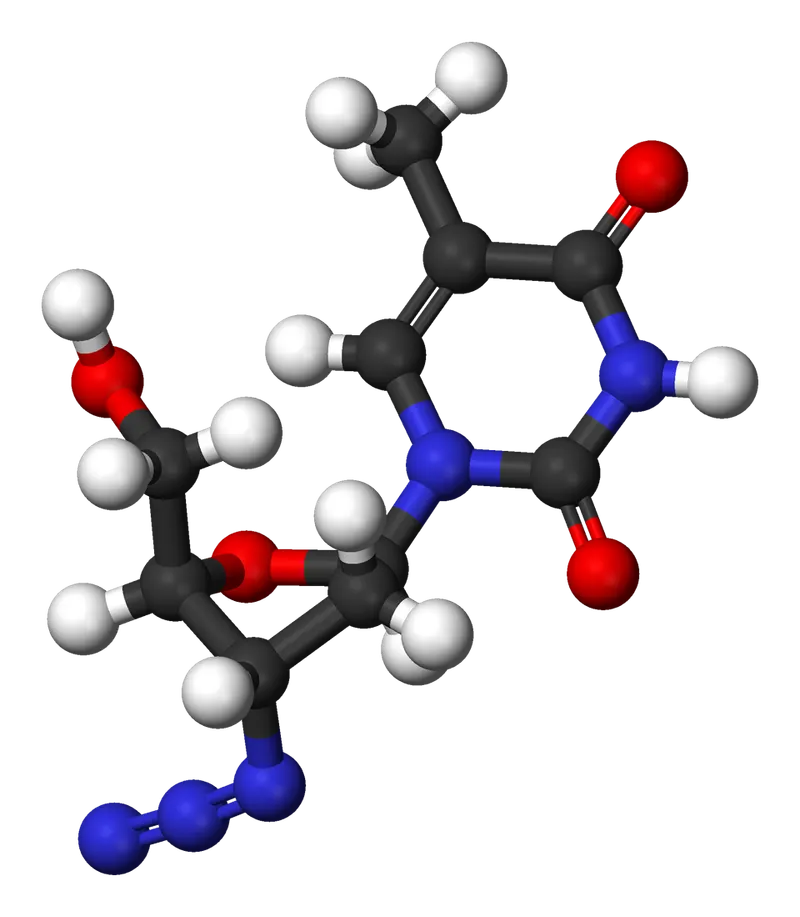
A ball-and-stick model of the zidovudine (AZT) molecule.A ball-and-stick model of the zidovudine (AZT) molecule.Image: Benjah-bmm27 · Public domain
science · Americas

The first drug against HIV is approved

On 19 March 1987 the US Food and Drug Administration approved zidovudine, better known as AZT, the first medicine for HIV and AIDS. Trials had shown that it could prolong patients’ lives. AZT alone could only slow the disease. Later combinations of drugs turned HIV from a death sentence into a manageable condition.

Source: Smithsonian National Museum of American History: A brief history of AZT ↗
VI
2000 TO TODAY

Modern Day

The events of recent decades that have already become part of the historical record.

2011
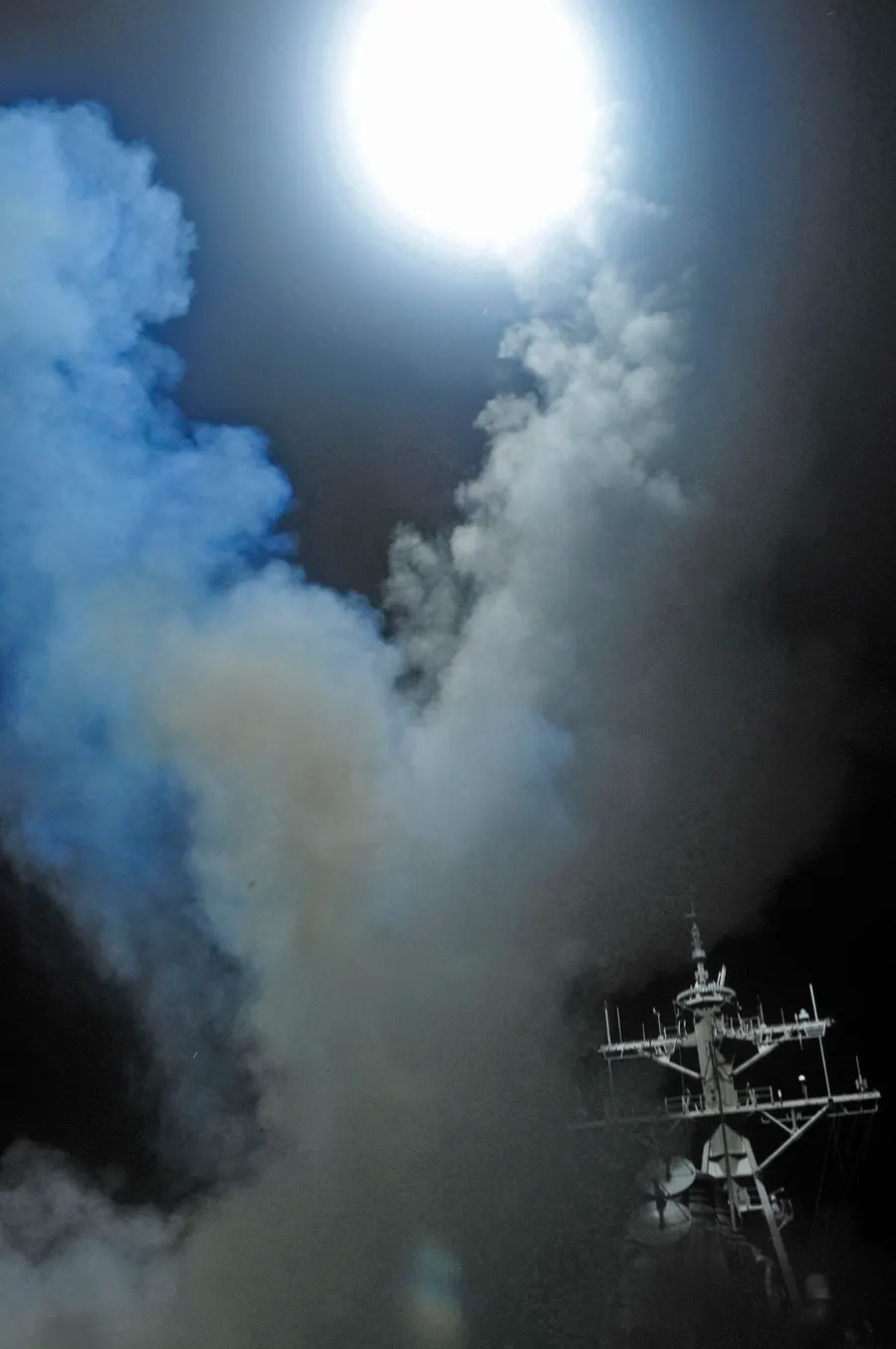
The destroyer USS Barry launches a Tomahawk missile against Libya, 19 March 2011.The destroyer USS Barry launches a Tomahawk missile against Libya, 19 March 2011.Image: Jonathan Sunderman, US Navy · Public domain
world · Africa

Air strikes begin over Libya

Two days after the UN Security Council authorised a no-fly zone to protect civilians, French jets struck Colonel Gaddafi’s forces advancing on Benghazi, and that evening American and British ships and submarines fired more than 100 cruise missiles at Libya’s air defences. NATO took command at the end of March, and Gaddafi’s rule collapsed that autumn.

Source: Congressional Research Service: Operation Odyssey Dawn (Libya), background and issues for Congress ↗
RESEARCH

Sources & Further Reading

Selected authoritative references supporting the events on this page.

US Naval Institute, Naval History: A clash of fleets, a dynasty’s end↗Oxford University Press blog: Song dynasty falls as Mongols complete conquest of China↗Library of Congress: Constitution of the Spanish Monarchy, enacted in Cádiz on March 19, 1812↗Wikipedia: Spanish Constitution of 1812↗US Statutes at Large: An Act to save daylight and to provide standard time for the United States (40 Stat. 450)↗Wikipedia: Standard Time Act↗United States Senate: Senate rejects Treaty of Versailles↗Ohio State University, Origins: The Versailles Treaty fight↗National Museum of Australia: Sydney Harbour Bridge opens↗National Film and Sound Archive of Australia: The opening of the Sydney Harbour Bridge, cutting the ribbon↗European Network Remembrance and Solidarity: Nazi German occupation of Hungary↗Wikipedia: German invasion of Hungary (1944)↗Naval History and Heritage Command: USS Franklin (CV-13) war damage report no. 56↗US Naval Institute, Naval History: After the attack, expanding the story of the USS Franklin↗Légifrance (French government): Loi n° 46-451 du 19 mars 1946↗Fondation pour la mémoire de l’esclavage: 1946, loi pour la départementalisation↗Academy of Motion Picture Arts and Sciences: Academy Awards presentation history↗The Hollywood Reporter: First televised Oscars, rewatching the full 1953 show↗Friends of South Georgia Island: War and conflict↗Wikipedia: Invasion of South Georgia↗Smithsonian National Museum of American History: A brief history of AZT↗Encyclopaedia Britannica: AZT↗Congressional Research Service: Operation Odyssey Dawn (Libya), background and issues for Congress↗Wikipedia: Operation Odyssey Dawn↗
WHY THESE MOMENTS?

Significance before volume

This page is not the longest possible list of events. It is a chronological journey through 19 March, where each entry is chosen for historical significance, human interest and reliability.

Facts are checked against authoritative museums, archives, universities and reference works. Where sources disagree, the page says so.

EXPLORED THE DEEPER STORY?

Return to the highlights of 19 March

Discover the lighter side of the date with famous birthdays, culture, firsts and lives remembered.

Explore This Day →
← PREVIOUS DAY18 March
HISTORY & TIMELINE19 March
NEXT DAY →20 March