
HISTORY & TIMELINE
18 March

A journey through
18 March in history

From an assassination in Thessaloniki in 1913 to the greatest art theft in American history in 1990, 18 March has seen treaties signed in Riga and Évian, the deadliest tornado in US history, Vesuvius’s last eruption and the first walk in space. This timeline follows the date across more than a century.

JUMP THROUGH TIME
IV
THE NINETEENTH CENTURY

The 1800s

Industry, empire, invention, reform and a century of enormous transformation.

1871
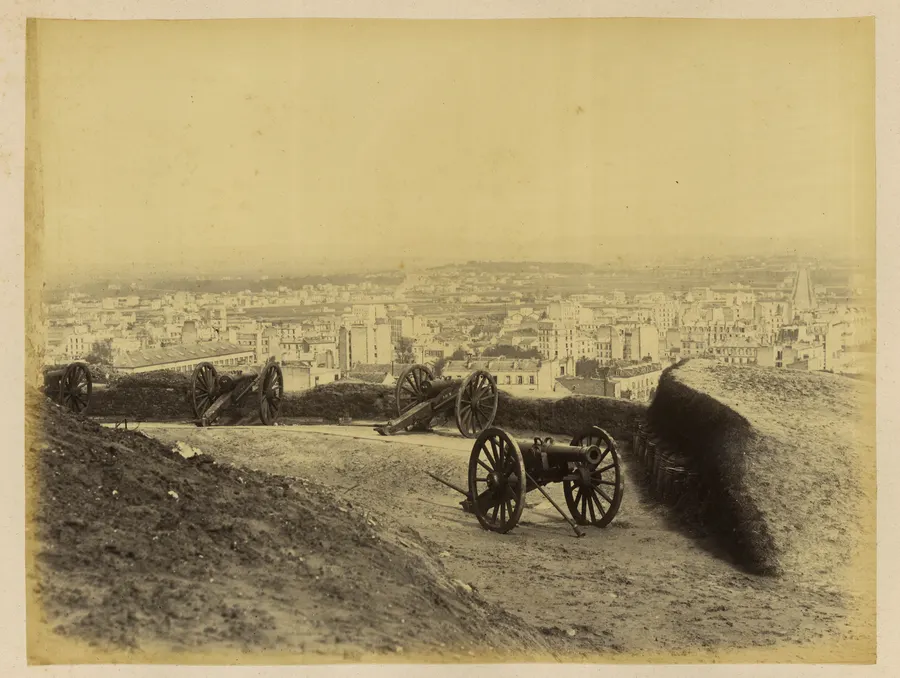
Cannon on the heights of Montmartre, photographed by Bruno Braquehais in 1870-71.Cannon on the heights of Montmartre, photographed by Bruno Braquehais in 1870-71.Image: Braquehais, Bruno, 1823-1875 · Public domain
politics · Europe

Paris rises: the Commune begins

Before dawn on 18 March 1871, weeks after France’s defeat by Prussia, government troops climbed Montmartre to take away cannon held by the Paris National Guard, guns the city had paid for during the siege. Crowds of National Guardsmen and local people, many of them women, surrounded the soldiers, and many troops refused to fire. Two generals were seized and shot that day. The head of the government, Adolphe Thiers, pulled his army and ministers out to Versailles, and the city’s National Guard took over. The Paris Commune was proclaimed ten days later, and crushed in the ‘Bloody Week’ of late May.

Source: Encyclopaedia Britannica: Commune of Paris ↗
V
THE TWENTIETH CENTURY

The 1900s

War and peace, technological leaps, social change, politics, sport and popular culture.

1913
King George I of Greece, about 1912.King George I of Greece, about 1912.Image: Unknown photographer · Public domain
politics · Europe

King George I of Greece is assassinated

On his afternoon walk near the White Tower in Thessaloniki, a city taken by Greece only months earlier in the First Balkan War, King George I was shot in the back by a lone gunman and died within the hour. He had reigned for almost 50 years. The date is 5 March in the Julian calendar Greece then used.

Source: Encyclopaedia Britannica: George I, king of Greece ↗
1921
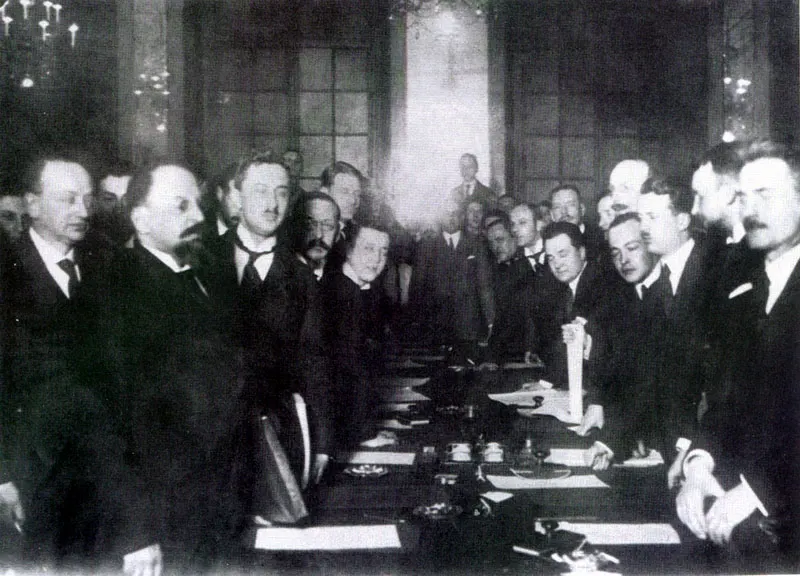
The signing of the Polish-Soviet peace treaty in Riga, 18 March 1921.The signing of the Polish-Soviet peace treaty in Riga, 18 March 1921.Image: unknown-anonymous · Public domain
politics · Europe

The Peace of Riga

Poland, Soviet Russia and Soviet Ukraine signed a treaty in Riga ending the Polish-Soviet War. It gave Poland large parts of today’s western Belarus and western Ukraine, a border that lasted until 1939, and in effect divided the Ukrainian and Belarusian lands between the two states.

Source: Encyclopaedia Britannica: Treaty of Riga ↗
1922
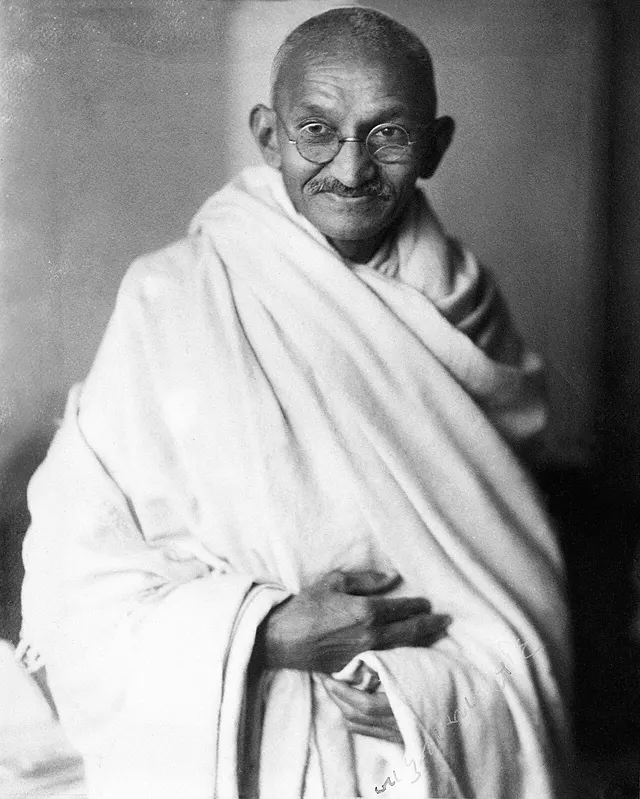
Mahatma Gandhi in a London studio photograph, 1931.Mahatma Gandhi in a London studio photograph, 1931.Image: Elliott & Fry · Public domain
politics · Asia

Gandhi is sentenced for sedition

Gandhi was charged with sedition for three articles in his weekly paper, Young India. At his trial in Ahmedabad he pleaded guilty and asked the judge, C. N. Broomfield, to give him the heaviest penalty the law allowed. On 18 March 1922 he was sentenced to six years in prison, the same term once given to the nationalist leader Tilak. He was released early, on grounds of ill health, in February 1924.

Source: Mani Bhavan Gandhi Sangrahalaya (mkgandhi.org): The Great Trial of 1922 ↗
1925
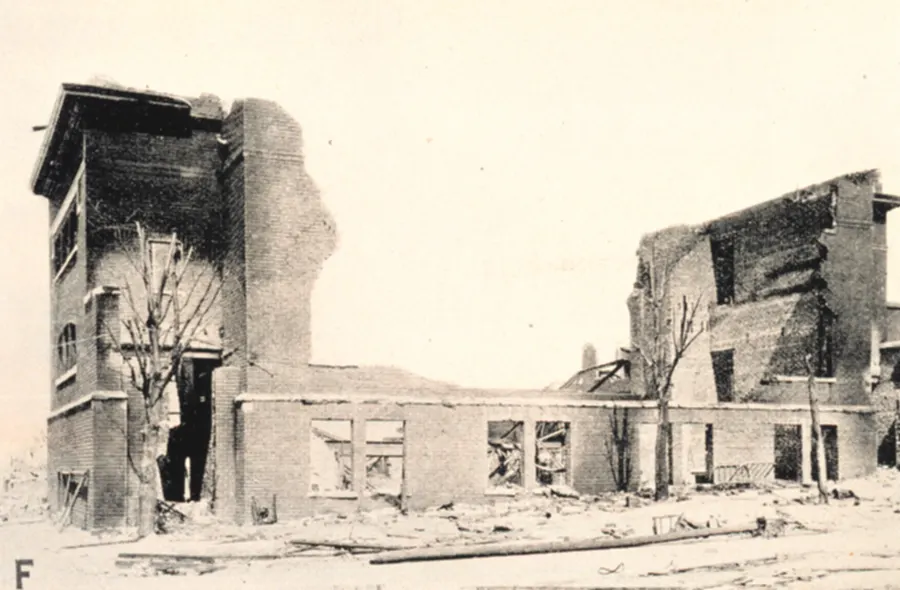
The Baptist church at Murphysboro, Illinois, wrecked by the Tri-State Tornado in 1925.The Baptist church at Murphysboro, Illinois, wrecked by the Tri-State Tornado in 1925.Image: Unknown photographer · Public domain
world · Americas

The Tri-State Tornado

A tornado tore across south-east Missouri, southern Illinois and south-west Indiana for about three and a half hours, along a track of some 350 kilometres. It killed 695 people, 234 of them in Murphysboro, Illinois, and remains the deadliest tornado in US history.

Source: NOAA, National Weather Service Heritage: The Tri-State Tornado of 1925 ↗
1938
President Lázaro Cárdenas of Mexico, about 1935.President Lázaro Cárdenas of Mexico, about 1935.Image: Unknown photographer · Public domain
politics · Americas

Mexico takes over its oil

When the foreign oil companies in Mexico refused to obey a Supreme Court ruling in favour of their workers, President Lázaro Cárdenas announced on the evening of 18 March 1938 that their property would be expropriated. About 17 companies, among them Standard Oil and Royal Dutch Shell, were affected. Mexicans rallied behind him, many donating money to help pay compensation. The state oil company, PEMEX, was created that June, and Mexico marks 18 March every year.

Source: US Office of the Historian: Mexican oil, 1937-1945 ↗
1944
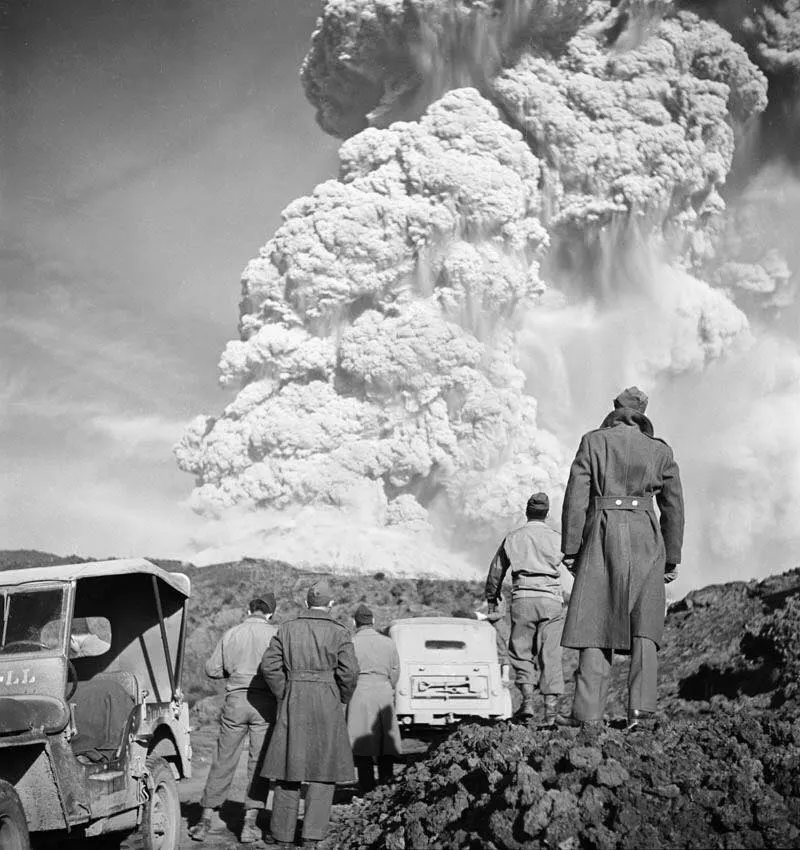
American soldiers watch Vesuvius erupt in 1944.American soldiers watch Vesuvius erupt in 1944.Image: Unknown photographer · Public domain
world · Europe

Vesuvius erupts for the last time

The most violent phase of Vesuvius’s latest eruption began, pouring lava over the villages of San Sebastiano and Massa and killing 26 people. Ash and rock destroyed dozens of American bombers at an airfield near Pompeii, in the middle of the Allied campaign in Italy. The volcano has not erupted since.

Source: Smithsonian Institution, Global Volcanism Program: Vesuvius ↗
1962
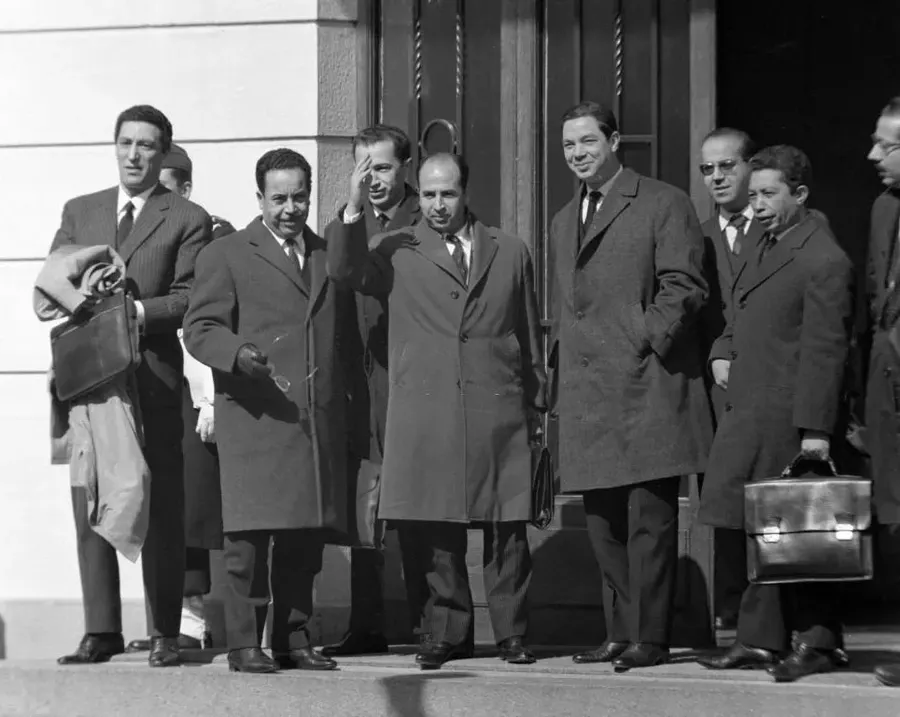
The Algerian delegation at Évian, 18 March 1962.The Algerian delegation at Évian, 18 March 1962.Image: UtCon Collection · Public domain
politics · Africa

The Évian Accords end the Algerian War

At Évian-les-Bains on Lake Geneva, representatives of France and of the Algerian nationalists’ provisional government signed agreements on 18 March 1962 to end nearly eight years of war. A ceasefire took effect at noon the next day. Algerians voted almost unanimously for independence that July, and Algeria became independent on 5 July 1962. The violence did not stop at once: the settlers’ secret army, the OAS, stepped up its bombings, and Algerians who had fought for France faced reprisals.

Source: Ohio State University, Origins: The Evian Accords, an uncertain peace ↗
1965
science · Europe

The first walk in space

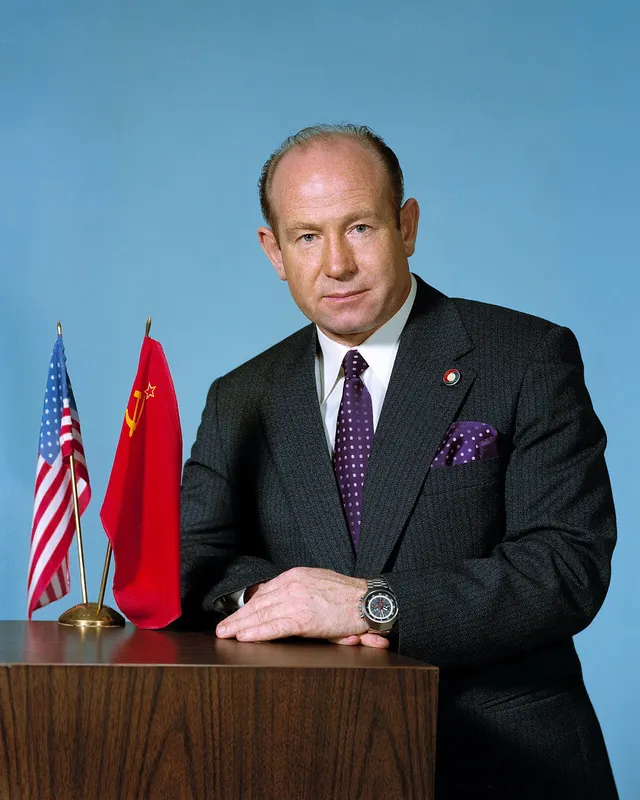
On 18 March 1965 the Soviet cosmonaut Alexei Leonov squeezed out of Voskhod 2 through an inflatable airlock and floated in open space on a tether for about 12 minutes, the first person ever to do so. His suit swelled so much in the vacuum that he could not get back inside. He let out some of its oxygen to shrink it and wriggled in. The landing next day went wrong too: he and Pavel Belyayev came down far off course, in snowy forest in the Urals.

Source: Encyclopaedia Britannica: Aleksei Leonov ↗
1970
Lon Nol, who took power in Cambodia in 1970.Lon Nol, who took power in Cambodia in 1970.Image: Unknown photographer · Public domain
politics · Asia

Prince Sihanouk is deposed in Cambodia

While Prince Norodom Sihanouk was abroad, Cambodia’s National Assembly voted to remove him as head of state and gave emergency powers to Prime Minister Lon Nol. Sihanouk allied with the Khmer Rouge from exile in Beijing, feeding a civil war that ended with the Khmer Rouge taking power in 1975.

Source: Library of Congress Country Studies (mirror): Cambodia, the March 1970 coup d’état ↗
1977
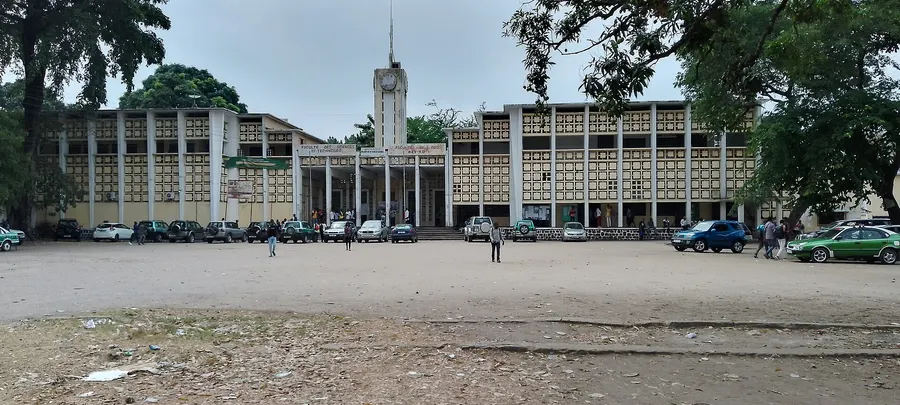
The faculty of sciences and technology of Marien Ngouabi University in Brazzaville.The faculty of sciences and technology of Marien Ngouabi University in Brazzaville.Image: Orlen00 · CC BY-SA 4.0
politics · Africa

President Marien Ngouabi is killed in Brazzaville

Marien Ngouabi, president of the People’s Republic of the Congo since 1968, was shot dead at his residence in Brazzaville. The circumstances are still disputed. A military committee took power, and the country’s university now bears his name.

Source: Encyclopaedia Britannica: Marien Ngouabi ↗
1990
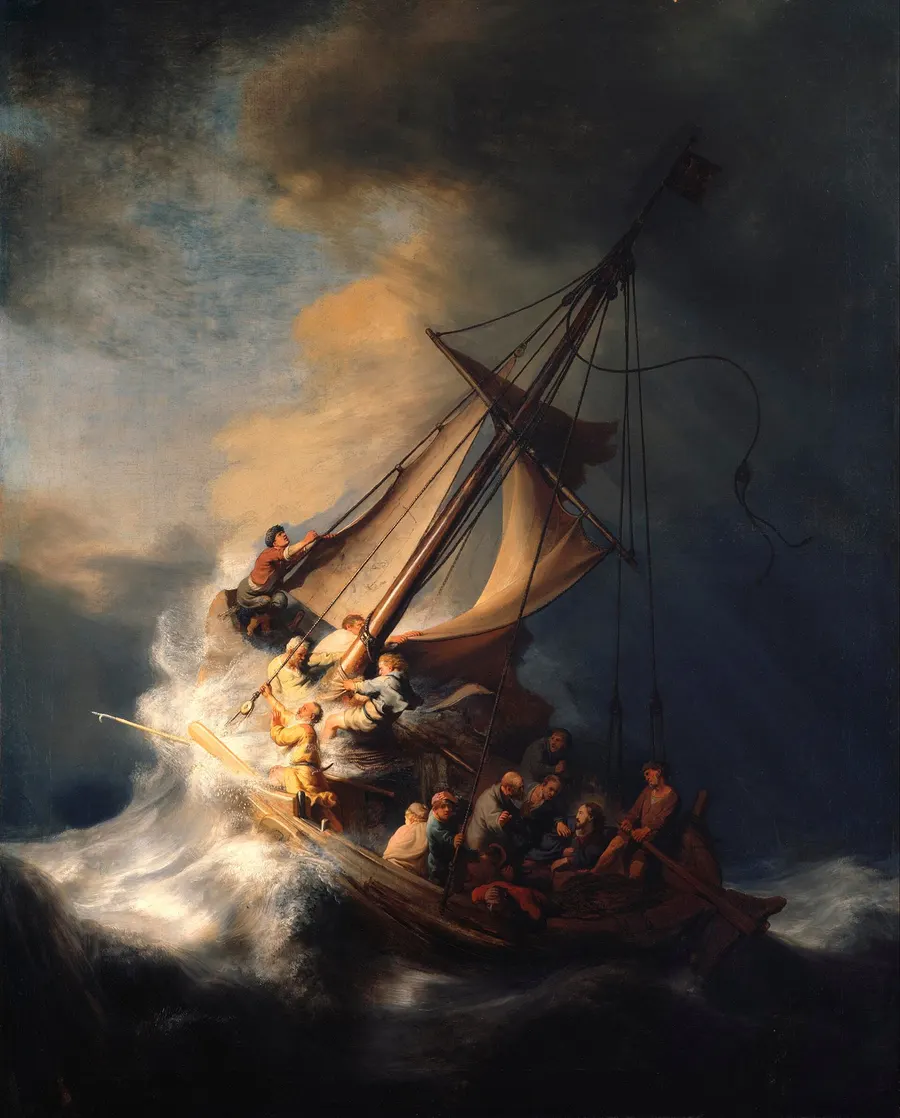
Rembrandt's Christ in the Storm on the Sea of Galilee (1633), one of the works stolen and still missing.Rembrandt’s Christ in the Storm on the Sea of Galilee (1633), one of the works stolen and still missing.Image: Rembrandt · Public domain
culture · Americas

The greatest art theft in American history

In the early hours of 18 March 1990 two men dressed as police officers talked their way into the Isabella Stewart Gardner Museum in Boston, tied up the two guards and spent 81 minutes inside. They left with 13 works, including Vermeer’s The Concert and Rembrandt’s only seascape. The theft has never been solved and none of the works has been found. The museum offers a reward of 10 million dollars, and empty frames still hang where the paintings were.

Source: Isabella Stewart Gardner Museum: The theft ↗
WHY THESE MOMENTS?

Significance before volume

This page is not the longest possible list of events. It is a chronological journey through 18 March, where each entry is chosen for historical significance, human interest and reliability.

Facts are checked against authoritative museums, archives, universities and reference works. Where sources disagree, the page says so.

EXPLORED THE DEEPER STORY?

Return to the highlights of 18 March

Discover the lighter side of the date with famous birthdays, culture, firsts and lives remembered.

Explore This Day →
← PREVIOUS DAY17 March
HISTORY & TIMELINE18 March
NEXT DAY →19 March