HISTORY & TIMELINE
17 March

A journey through
17 March in history

From a treaty that divided South-East Asia in 1824 to a treaty that bound Western Europe together in 1948, 17 March has seen war in Taranaki, a shipwreck at Gibraltar, a quiet sacrifice in Antarctica and the opening of a death camp. This timeline follows the date across two centuries.

JUMP THROUGH TIME
III
A CHANGING WORLD

Early Modern Era

Exploration, political change, scientific development and expanding global connections.

1776
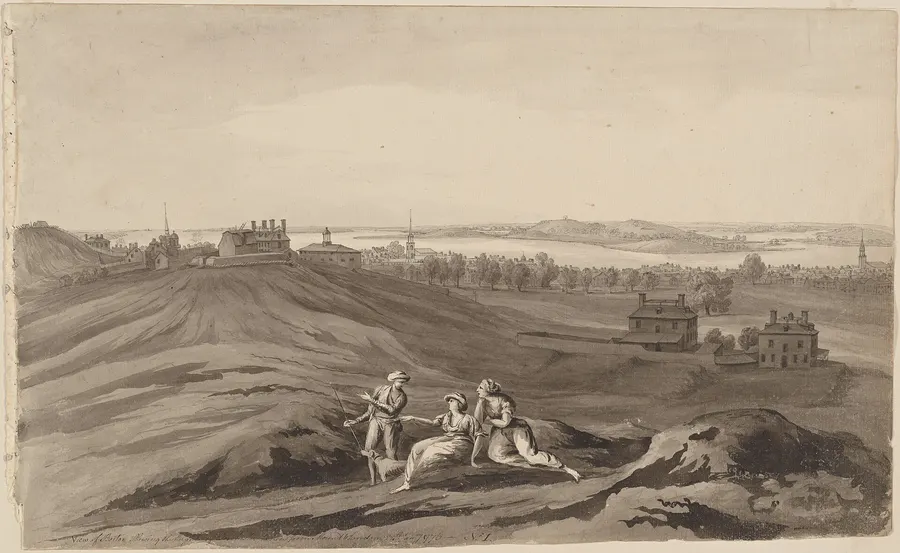
Boston and the heights of Dorchester, sketched from a hill outside the town on 24 January 1776.Boston and the heights of Dorchester, sketched from a hill outside the town on 24 January 1776.Image: Unknown artist (New York Public Library) · Public domain
world · Americas

The British leave Boston

For eleven months after the fighting at Lexington and Concord, American militia besieged the British army in Boston. Early in March 1776 George Washington’s men fortified Dorchester Heights overnight with cannon dragged from Fort Ticonderoga, putting the town and harbour within range. Rather than attack the heights, General William Howe chose to leave. On 17 March 1776 about 11,000 soldiers and Loyalists sailed away for Halifax, Nova Scotia. It was Washington’s first great success of the war, and Boston still marks the day as Evacuation Day.

Source: US National Park Service: The evacuation of Boston, 1776 ↗
IV
THE NINETEENTH CENTURY

The 1800s

Industry, empire, invention, reform and a century of enormous transformation.

1824
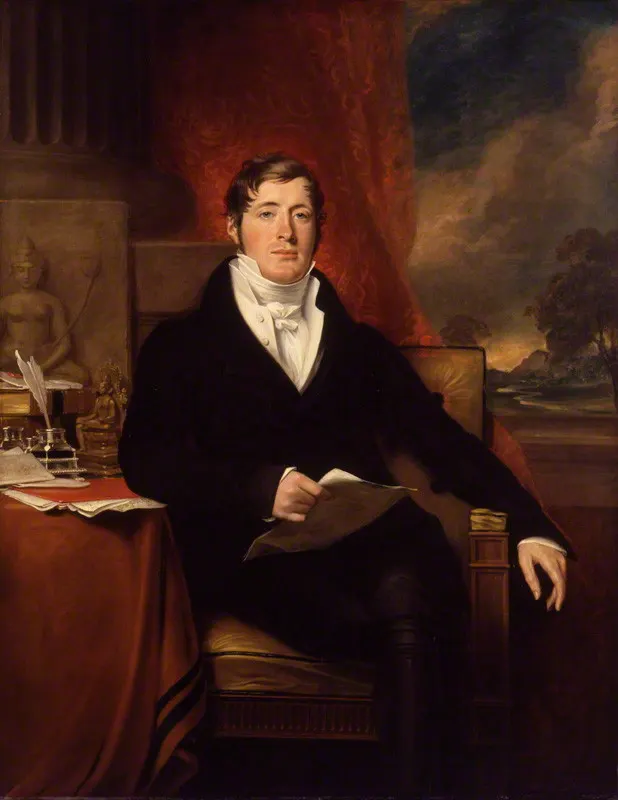
Sir Stamford Raffles, founder of British Singapore, painted by George Francis Joseph.Sir Stamford Raffles, founder of British Singapore, painted by George Francis Joseph.Image: George Francis Joseph · Public domain
politics · Asia

Britain and the Netherlands divide South-East Asia

In the Treaty of London, the Dutch gave up Malacca and their Indian trading posts and accepted British Singapore, while Britain handed over Bencoolen and its other holdings on Sumatra. The line it drew between a British sphere on the Malay Peninsula and a Dutch sphere to the south roughly foreshadows today’s border between Malaysia and Singapore on one side and Indonesia on the other.

Source: National Library Board Singapore: Signing of the Anglo-Dutch Treaty (Treaty of London) of 1824 ↗
1860
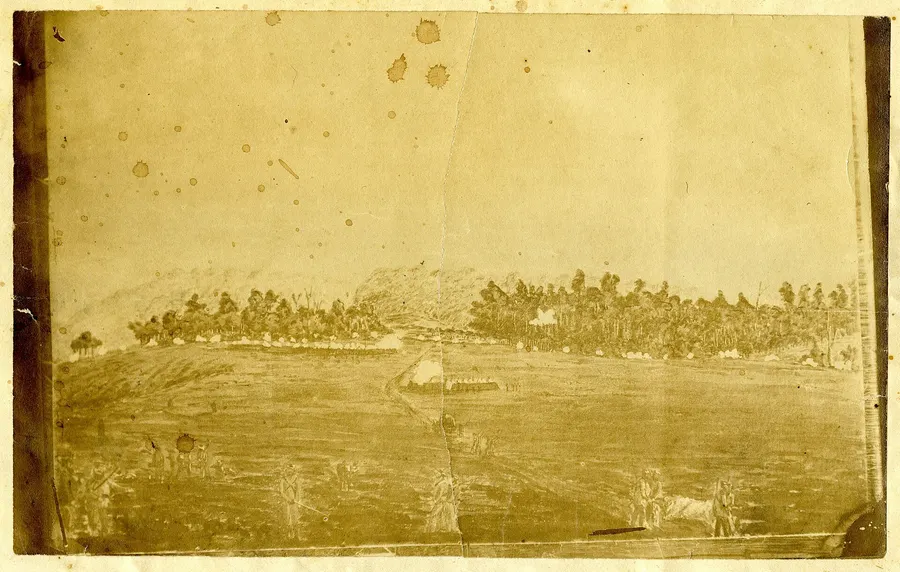
A sketch of British positions at Huirangi in Taranaki during the war, 1861 (Archives New Zealand).A sketch of British positions at Huirangi in Taranaki during the war, 1861 (Archives New Zealand).Image: Archives New Zealand from New Zealand · CC BY-SA 2.0
world · Oceania

The First Taranaki War begins

At Waitara in New Zealand, British troops attacked a pā built overnight by Te Āti Awa under Wiremu Kīngi Te Rangitāke, who opposed the disputed sale of the Pekapeka block to the colonial government. The pā withstood about 200 artillery rounds. Fighting went on until a truce in 1861, but the land grievances remained.

Source: Te Ara, the Encyclopedia of New Zealand: Taranaki region, Māori-Pākehā conflict ↗
1861
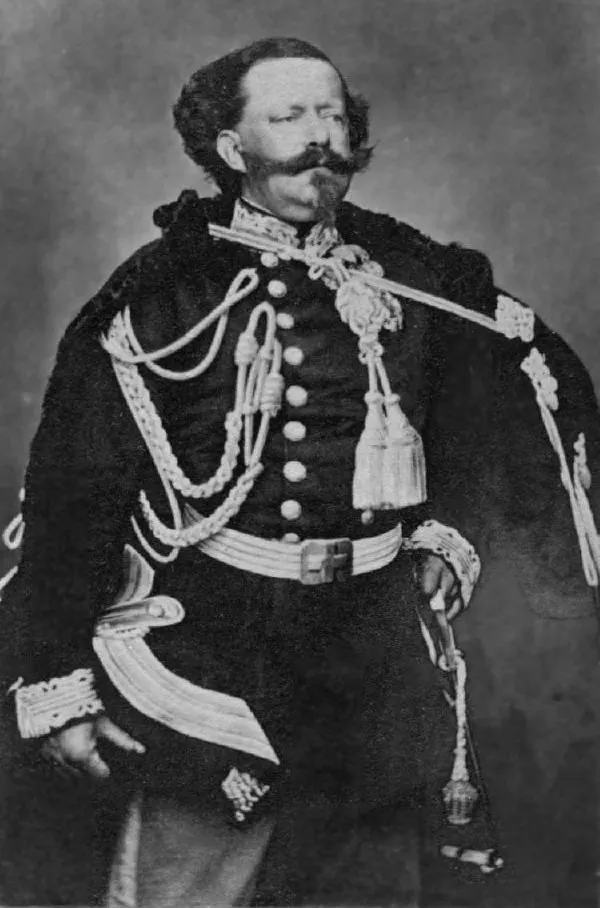
Victor Emmanuel II, the first king of a united Italy.Victor Emmanuel II, the first king of a united Italy.Image: Eugène Disdéri · Public domain
politics · Europe

Italy becomes a kingdom

After two years of war, Garibaldi’s march through the south and a series of votes in the old Italian states, the first Italian Parliament met in Turin and declared Victor Emmanuel II, King of Sardinia, to be King of Italy. The law took effect on 17 March 1861. The new kingdom still lacked Venice, which joined in 1866, and Rome, taken in 1870. Italy marks 17 March as the anniversary of its unification.

Source: EBSCO Research Starters: Italy is proclaimed a kingdom ↗
1891
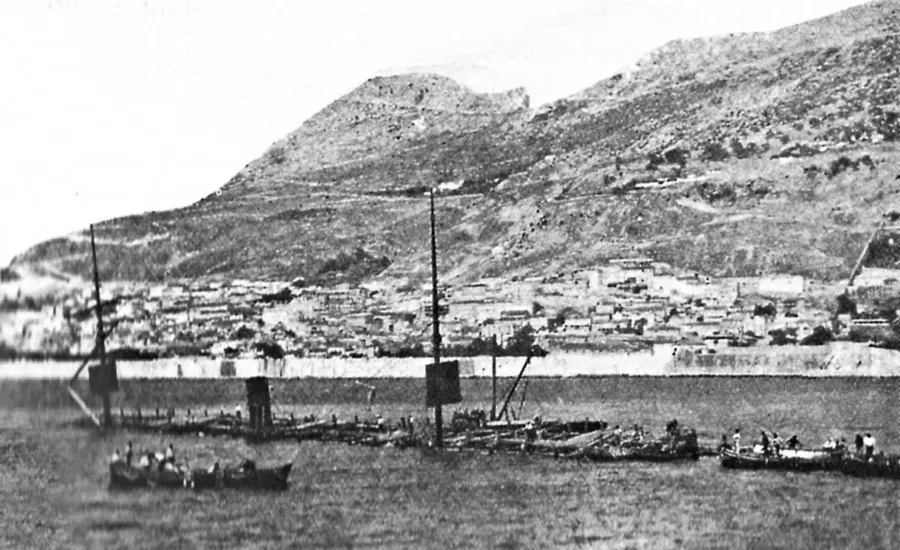
The wreck of the Utopia in Gibraltar harbour, 1891.The wreck of the Utopia in Gibraltar harbour, 1891.Image: Unknown photographer · Public domain
world · Europe

The emigrant ship Utopia sinks at Gibraltar

In a gale in the Bay of Gibraltar, the steamer Utopia, carrying mostly Italian emigrants from Naples to New York, struck the anchored battleship HMS Anson and sank within about 20 minutes. More than 550 people died. Victims were buried in Gibraltar, and the ship was later raised.

Source: Gibraltar Chronicle: The Utopia disaster, March 17, 1891 ↗
1897
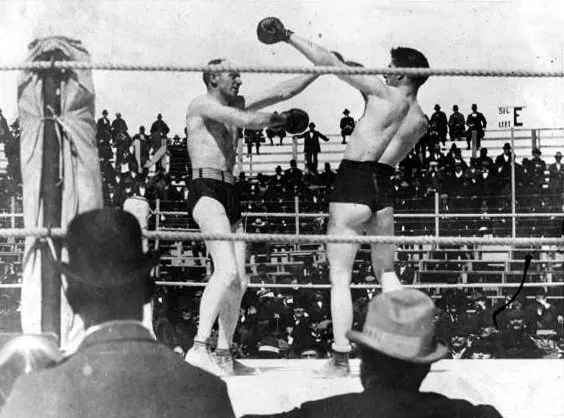
Bob Fitzsimmons and James J. Corbett in the ring at Carson City, 17 March 1897.Bob Fitzsimmons and James J. Corbett in the ring at Carson City, 17 March 1897.Image: Unknown photographer · Public domain
sport · Americas

A title fight becomes the longest film yet made

On St Patrick’s Day 1897, in an open-air ring at Carson City, Nevada, the Cornish-born, New Zealand-raised Bob Fitzsimmons knocked out the world heavyweight champion James J. Corbett with a blow to the stomach in the 14th round. Enoch Rector filmed the whole bout with three cameras. The finished film ran for about 100 minutes, the longest ever made at the time, and is often called the first feature film. Only fragments survive.

Source: Library of Congress: Corbett-Fitzsimmons fight (excerpts) ↗
V
THE TWENTIETH CENTURY

The 1900s

War and peace, technological leaps, social change, politics, sport and popular culture.

1905
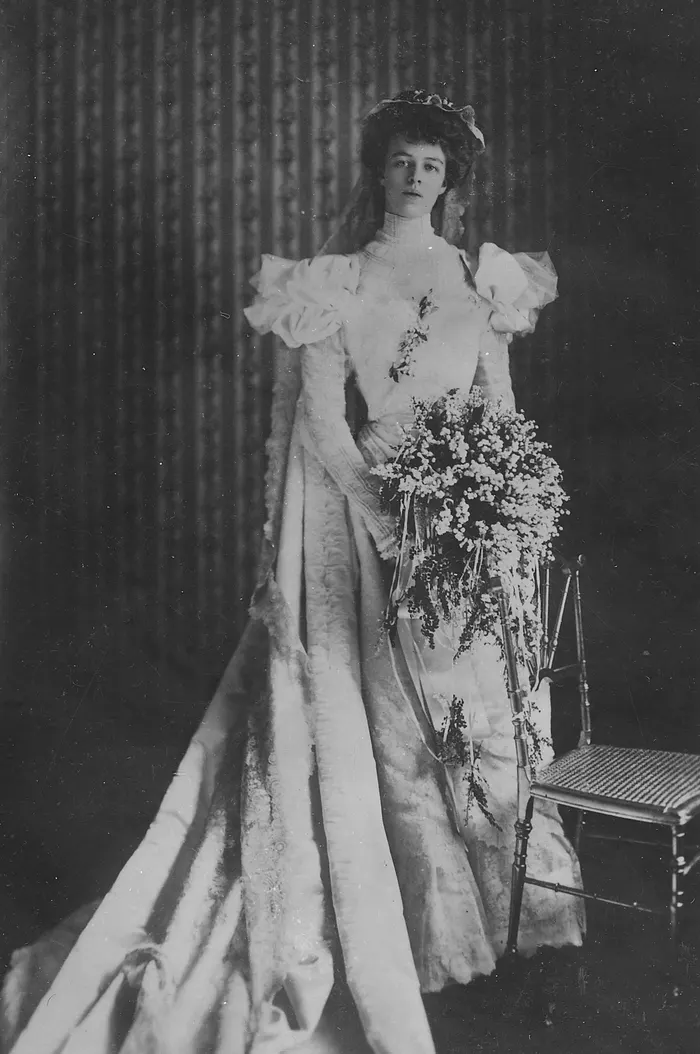
Eleanor Roosevelt in her wedding dress, photographed by Pach Brothers in New York in 1905.Eleanor Roosevelt in her wedding dress, photographed by Pach Brothers in New York in 1905.Image: Pach Brothers · Public domain
politics · Americas

Franklin and Eleanor Roosevelt marry

Franklin Delano Roosevelt married his distant cousin Eleanor Roosevelt in New York City. Her uncle, President Theodore Roosevelt, in town for the St Patrick’s Day parade, gave the bride away. Franklin became president in 1933, and Eleanor one of the most influential first ladies in American history.

Source: FDR Presidential Library and Museum: Document of the month, March ↗
1912
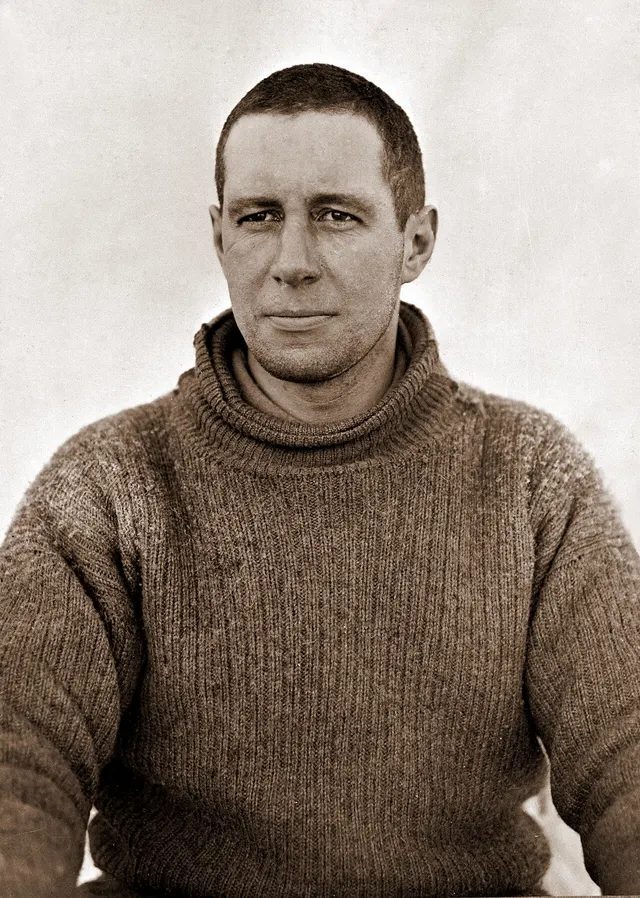
Lawrence Oates on the British Antarctic Expedition, about 1911, photographed by Herbert Ponting.Lawrence Oates on the British Antarctic Expedition, about 1911, photographed by Herbert Ponting.Image: Herbert Ponting · Public domain
world · Global

Captain Oates walks out into the blizzard

On or about 17 March, probably his 32nd birthday, the frostbitten Lawrence Oates left the tent of Scott’s party returning from the South Pole, so as not to slow his companions. Scott recorded his last words as ‘I am just going outside and may be some time’. His body was never found; Scott, Wilson and Bowers died about two weeks later.

Source: Scott Polar Research Institute: Scott’s last expedition diaries, March 1912 ↗
1942
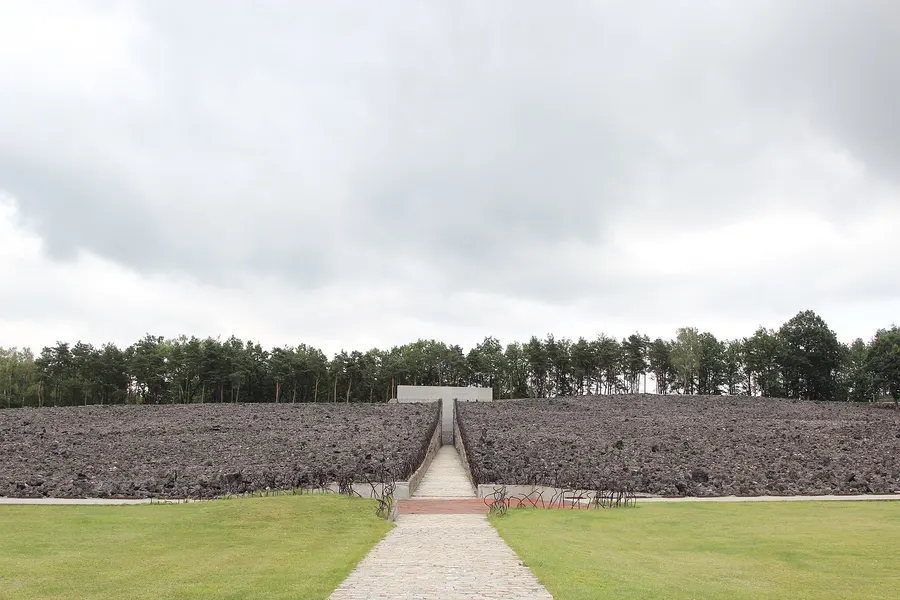
The memorial at Bełżec, 2018.The memorial at Bełżec, 2018.Image: Fallaner · CC BY-SA 4.0
world · Europe

The killings begin at Bełżec

At Bełżec in occupied Poland, the first of the three death camps of Operation Reinhard, mass murder began with the arrival of Jews deported from the Lublin ghetto. By the end of 1942 about 434,500 Jews had been killed there, according to the US Holocaust Memorial Museum. Almost no one survived.

Source: United States Holocaust Memorial Museum: Belzec ↗
1948
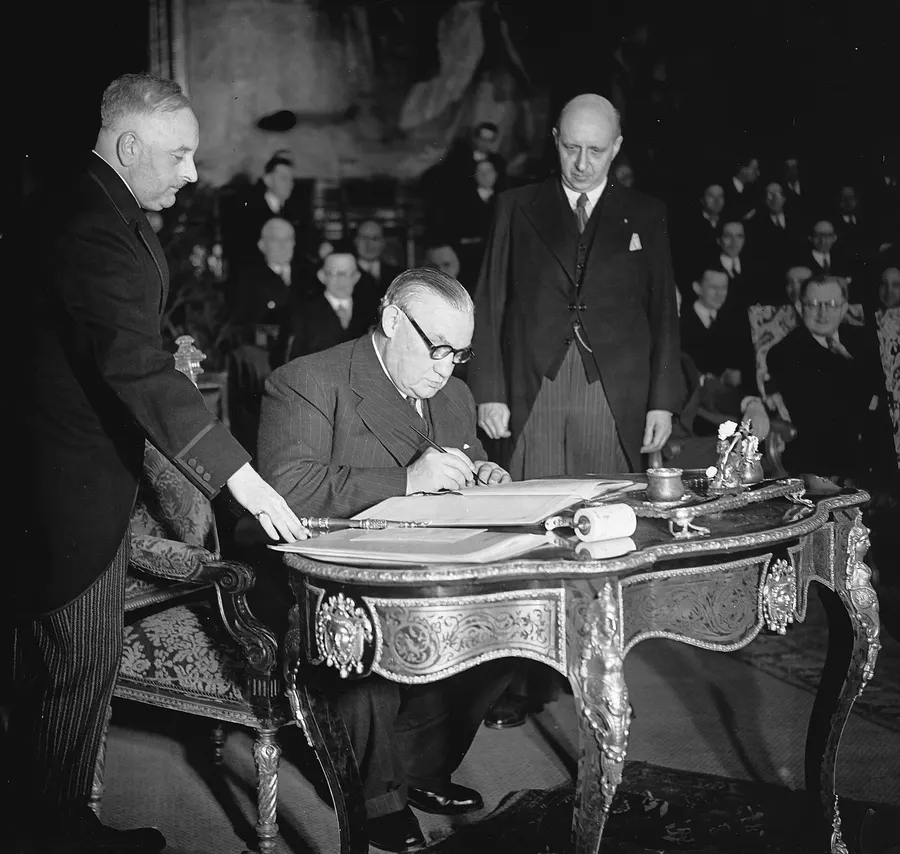
The British foreign secretary Ernest Bevin signs the Brussels Treaty, 17 March 1948.The British foreign secretary Ernest Bevin signs the Brussels Treaty, 17 March 1948.Image: Noske, J.D. / Anefo · CC BY-SA 3.0 nl
politics · Europe

The Treaty of Brussels

Britain, France, Belgium, the Netherlands and Luxembourg signed a 50-year pact of economic, social and cultural cooperation and mutual defence, weeks after the Communist takeover in Czechoslovakia. NATO regards it as a key step towards the North Atlantic Treaty signed the following year.

Source: NATO: Signature of the Brussels Treaty ↗
1950
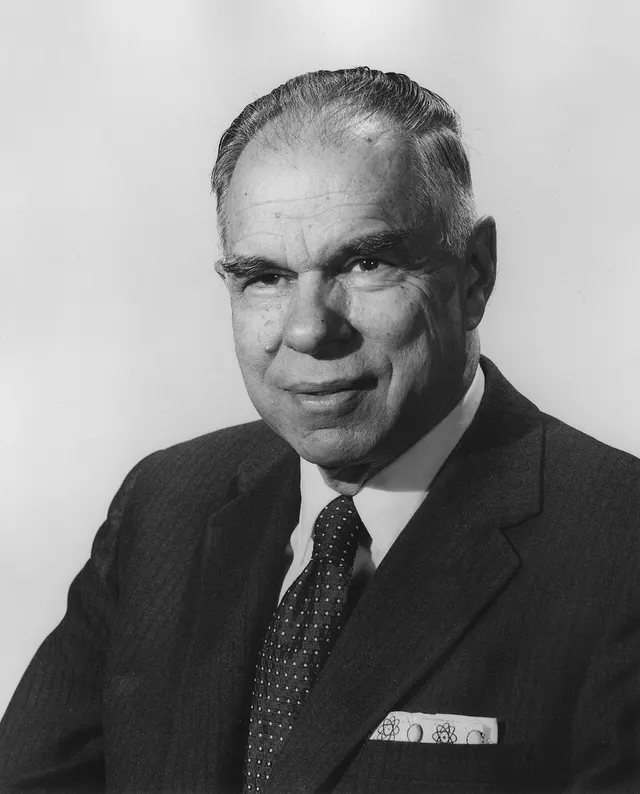
Glenn Seaborg, a member of the team that made element 98, about 1964.Glenn Seaborg, a member of the team that made element 98, about 1964.Image: Atomic Energy Commission. (1946 - 01/19/1975) · Public domain
science · Americas

Californium is announced

On 17 March 1950 the University of California at Berkeley announced a new element, number 98. Stanley Thompson, Kenneth Street, Albert Ghiorso and Glenn Seaborg had made it by firing helium nuclei at a speck of curium in the university’s cyclotron. Only about 5,000 atoms were produced at first. They named it californium, after the state and the university. One form of it is now used as a powerful source of neutrons.

Source: California State Library: Element 98 is named for the Golden State ↗
1958
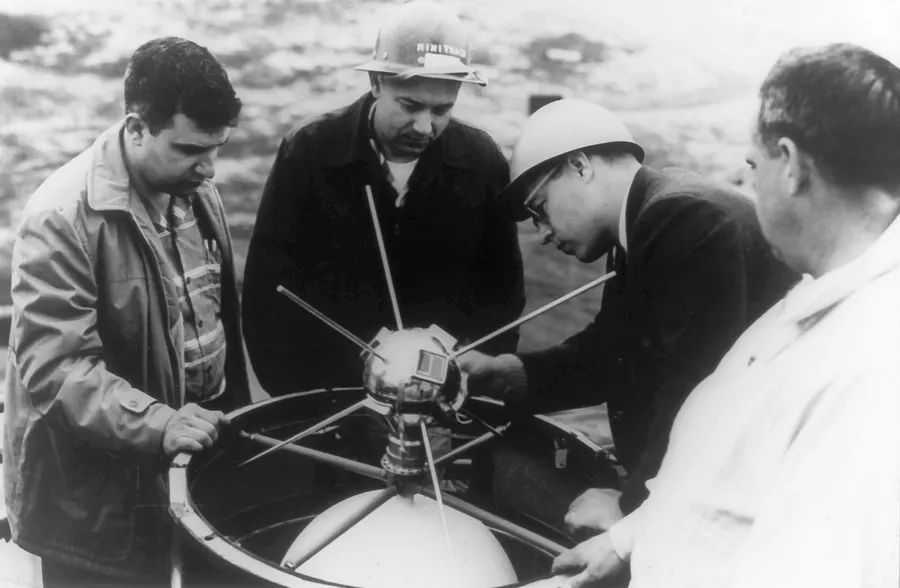
Scientists of the US Naval Research Laboratory mount the Vanguard 1 satellite on its rocket, 1958.Scientists of the US Naval Research Laboratory mount the Vanguard 1 satellite on its rocket, 1958.Image: US Naval Research Laboratory · Public domain
science · Global

Vanguard 1, the oldest satellite still in orbit

On 17 March 1958 the United States launched Vanguard 1 from Cape Canaveral. The shiny sphere, about 16 centimetres across, was the first satellite powered by solar cells, and the Soviet leader Khrushchev mocked it as ‘the grapefruit’. Tracking its orbit showed that the Earth is slightly pear-shaped. It fell silent in 1964, but it is still circling the planet, the oldest human-made object in orbit.

Source: NASA Space Science Data Coordinated Archive: Vanguard 1 ↗
1959
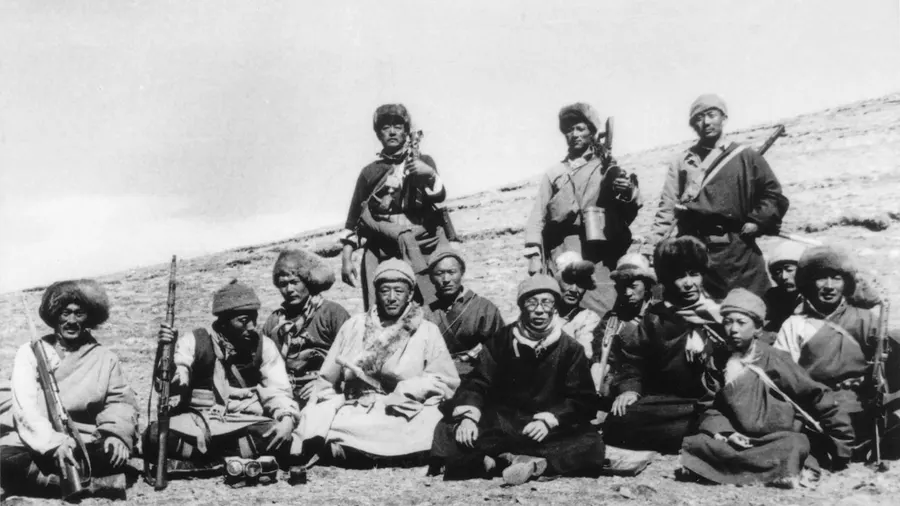
The Dalai Lama with members of the escort that protected him on his flight across the Himalayas, March 1959.The Dalai Lama with members of the escort that protected him on his flight across the Himalayas, March 1959.Image: Unknown photographer · Public domain
politics · Asia

The Dalai Lama escapes from Lhasa

A week after Tibetans rose against Chinese rule and surrounded his summer palace to protect him, the 23-year-old Dalai Lama slipped out of the Norbulingka on the night of 17 March 1959, disguised as a soldier. His family and ministers followed. Travelling mostly by night, the party crossed the Himalayas and reached India on 31 March. The Dalai Lama set up a government in exile, later based in Dharamsala, where he has lived ever since.

Source: Office of His Holiness the Dalai Lama: Birth to exile ↗
1992
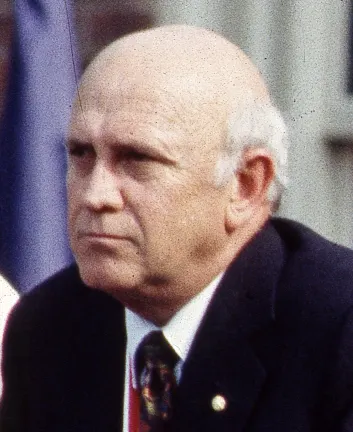
F. W. de Klerk in Philadelphia in 1993.F. W. de Klerk in Philadelphia in 1993.Image: Carol M. Highsmith · Public domain
politics · Africa

White South Africans vote to end apartheid

On 17 March 1992 South Africa’s white voters, the only ones allowed to take part, were asked whether they backed President F. W. de Klerk’s talks on a new constitution. He had said he would resign if he lost. About 69 per cent voted yes on a turnout of about 85 per cent. The result cleared the way for negotiations with Nelson Mandela’s ANC and for the first election open to all South Africans in April 1994.

Source: South African History Online: The 1992 whites-only referendum ↗
RESEARCH

Sources & Further Reading

Selected authoritative references supporting the events on this page.

US National Park Service: The evacuation of Boston, 1776↗George Washington’s Mount Vernon: Siege of Boston↗National Library Board Singapore: Signing of the Anglo-Dutch Treaty (Treaty of London) of 1824↗Wikipedia: Anglo-Dutch Treaty of 1824↗Te Ara, the Encyclopedia of New Zealand: Taranaki region, Māori-Pākehā conflict↗Waitangi Treaty Grounds: War in Taranaki, 1860-1863↗EBSCO Research Starters: Italy is proclaimed a kingdom↗Wikipedia: Proclamation of the Kingdom of Italy↗Gibraltar Chronicle: The Utopia disaster, March 17, 1891↗Wikipedia: SS Utopia↗Library of Congress: Corbett-Fitzsimmons fight (excerpts)↗Science Museum Group: Frames from ‘The Corbett Fitzsimmons Fight’↗FDR Presidential Library and Museum: Document of the month, March↗Roosevelt House, Hunter College: The Roosevelts and a St Patrick’s Day wedding↗Scott Polar Research Institute: Scott’s last expedition diaries, March 1912↗Royal Museums Greenwich: History of Antarctic explorers↗United States Holocaust Memorial Museum: Belzec↗Bełżec Museum-Memorial: Timeline↗NATO: Signature of the Brussels Treaty↗Encyclopaedia Britannica: Brussels Treaty↗California State Library: Element 98 is named for the Golden State↗Los Alamos National Laboratory: Californium↗NASA Space Science Data Coordinated Archive: Vanguard 1↗NASA: Vanguard satellite, 1958↗Office of His Holiness the Dalai Lama: Birth to exile↗Tibet Museum: From home to exile, remembering March 17, 1959↗History Today: Golda Meir becomes Israeli prime minister↗National Geographic: Who was Golda Meir?↗South African History Online: The 1992 whites-only referendum↗EBSCO Research Starters: Whites vote to end apartheid in South Africa↗
WHY THESE MOMENTS?

Significance before volume

This page is not the longest possible list of events. It is a chronological journey through 17 March, where each entry is chosen for historical significance, human interest and reliability.

Facts are checked against authoritative museums, archives, universities and reference works. Where sources disagree, the page says so.

EXPLORED THE DEEPER STORY?

Return to the highlights of 17 March

Discover the lighter side of the date with famous birthdays, culture, firsts and lives remembered.

Explore This Day →
← PREVIOUS DAY16 March
HISTORY & TIMELINE17 March
NEXT DAY →18 March