Explore 17 March

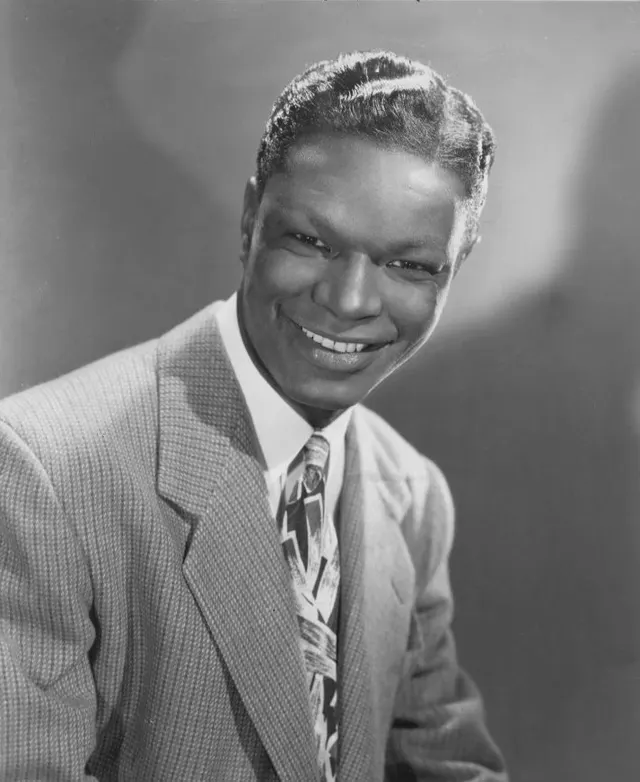
Explore 17 March: the British leave Boston, Italy becomes a kingdom, the young Dalai Lama escapes from Lhasa and white South Africans vote to negotiate an end to apartheid. Meet Nat King Cole, Rudolf Nureyev and Sheikh Mujibur Rahman, born on this date, and mark St Patrick’s Day.

This day through time →15 verified events across 3 eras

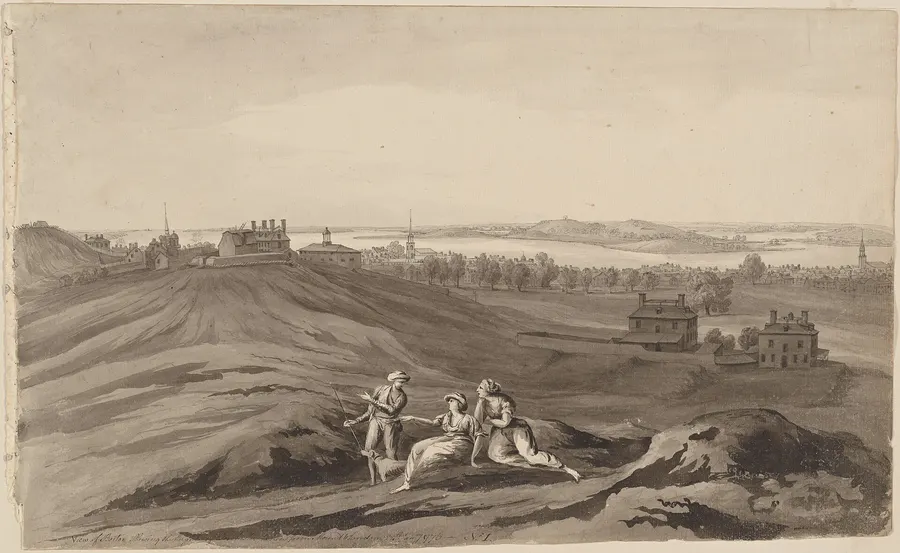
Boston and the heights of Dorchester, sketched from a hill outside the town on 24 January 1776.
Image creditUnknown artist (New York Public Library) · Public domainResized and cropped for display.

The British leave Boston

For eleven months after the fighting at Lexington and Concord, American militia besieged the British army in Boston. Early in March 1776 George Washington’s men fortified Dorchester Heights overnight with cannon dragged from Fort Ticonderoga, putting the town and harbour within range.

Rather than attack the heights, General William Howe chose to leave. On 17 March 1776 about 11,000 soldiers and Loyalists sailed away for Halifax, Nova Scotia. It was Washington’s first great success of the war, and Boston still marks the day as Evacuation Day.

Read the full storyHistory & Timeline →Source: US National Park Service: The evacuation of Boston, 1776 ↗
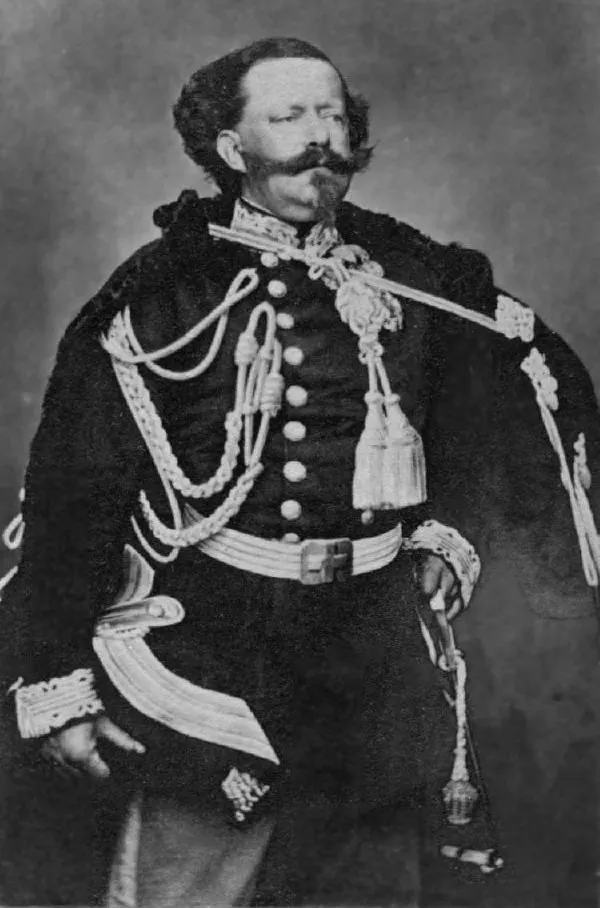
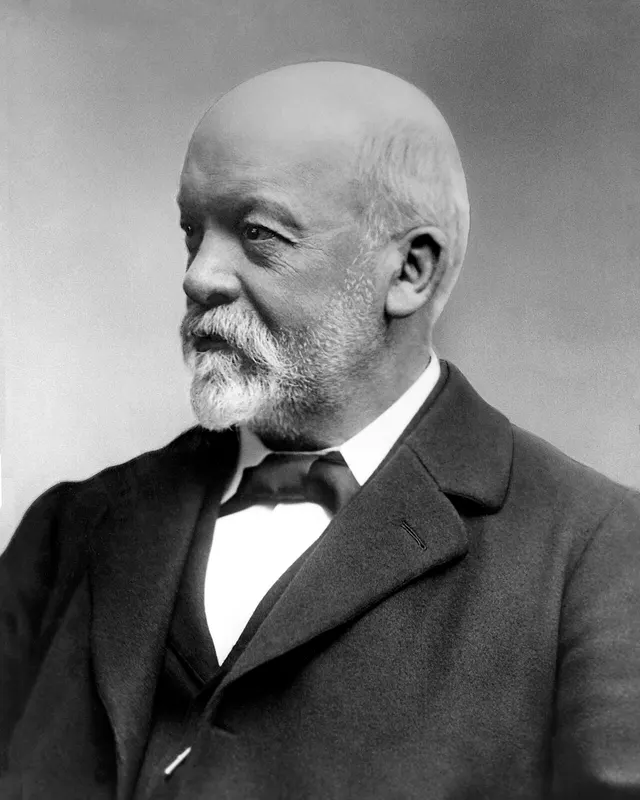
Victor Emmanuel II, the first king of a united Italy.
Image creditEugène Disdéri · Public domainResized and cropped for display.

Italy becomes a kingdom

After two years of war, Garibaldi’s march through the south and a series of votes in the old Italian states, the first Italian Parliament met in Turin and declared Victor Emmanuel II, King of Sardinia, to be King of Italy. The law took effect on 17 March 1861.

The new kingdom still lacked Venice, which joined in 1866, and Rome, taken in 1870. Italy marks 17 March as the anniversary of its unification.

Read the full storyHistory & Timeline →Source: EBSCO Research Starters: Italy is proclaimed a kingdom ↗
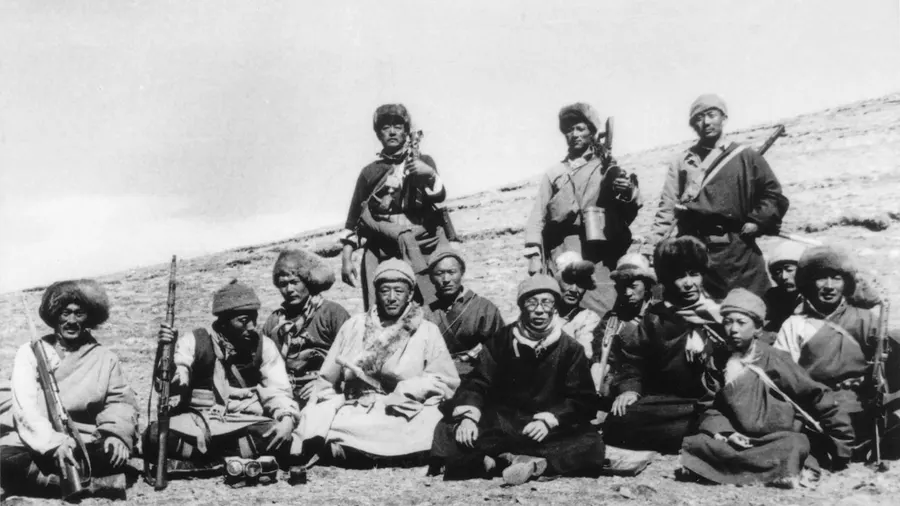
The Dalai Lama with members of the escort that protected him on his flight across the Himalayas, March 1959.
Image creditUnknown photographer · Public domainResized and cropped for display.

The Dalai Lama escapes from Lhasa

A week after Tibetans rose against Chinese rule and surrounded his summer palace to protect him, the 23-year-old Dalai Lama slipped out of the Norbulingka on the night of 17 March 1959, disguised as a soldier. His family and ministers followed.

Travelling mostly by night, the party crossed the Himalayas and reached India on 31 March. The Dalai Lama set up a government in exile, later based in Dharamsala, where he has lived ever since.

Read the full storyHistory & Timeline →Source: Office of His Holiness the Dalai Lama: Birth to exile ↗
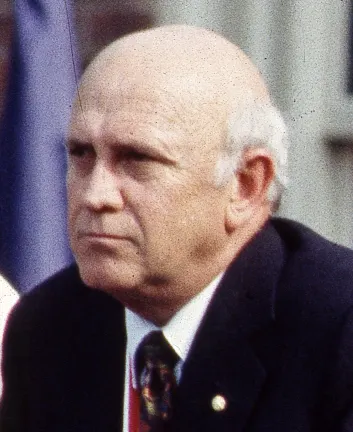
F. W. de Klerk in Philadelphia in 1993.
Image creditCarol M. Highsmith · Public domainResized and cropped for display.

White South Africans vote to end apartheid

On 17 March 1992 South Africa’s white voters, the only ones allowed to take part, were asked whether they backed President F. W. de Klerk’s talks on a new constitution. He had said he would resign if he lost.

About 69 per cent voted yes on a turnout of about 85 per cent. The result cleared the way for negotiations with Nelson Mandela’s ANC and for the first election open to all South Africans in April 1994.

Read the full storyHistory & Timeline →Source: South African History Online: The 1992 whites-only referendum ↗
♙
PEOPLE

Born Today

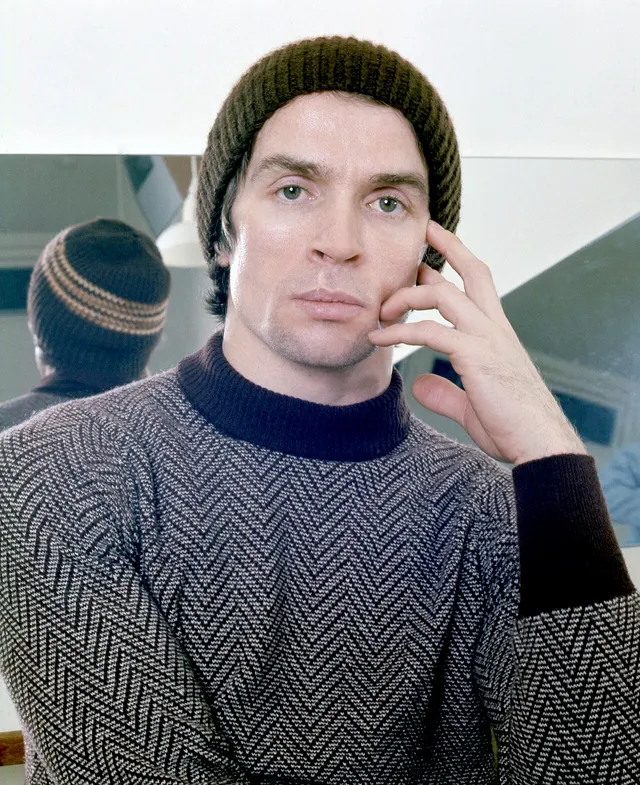
Rudolf Nureyev
Image creditAllan Warren · CC BY-SA 3.0Resized and cropped for display.

Rudolf Nureyev

Soviet-born ballet star who defected to the West in 1961.

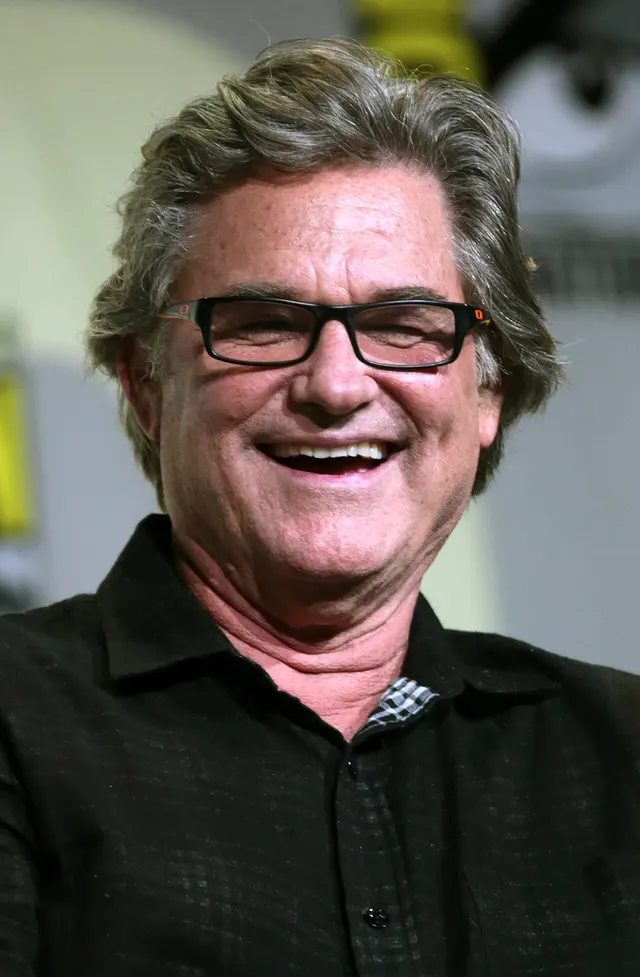
Kurt Russell
Image creditGage Skidmore · CC BY-SA 3.0Resized and cropped for display.

Kurt Russell

American actor of Escape from New York and The Thing.

Katie Ledecky
Image creditMledecky · CC0Resized and cropped for display.

Katie Ledecky

American swimmer, one of the most successful Olympians of her time.

◉
IDEAS THAT CHANGED THINGS

Firsts, Science & Discoveries

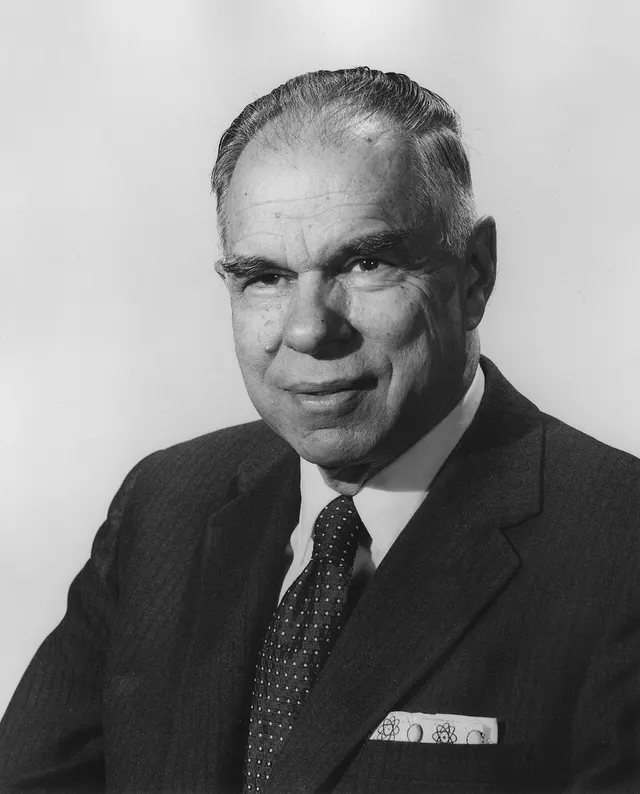
Glenn Seaborg, a member of the team that made element 98, about 1964.
Image creditAtomic Energy Commission. (1946 - 01/19/1975) · Public domainResized and cropped for display.

Californium is announced

On 17 March 1950 the University of California at Berkeley announced a new element, number 98. Stanley Thompson, Kenneth Street, Albert Ghiorso and Glenn Seaborg had made it by firing helium nuclei at a speck of curium in the university’s cyclotron. Only about 5,000 atoms were produced at first.

They named it californium, after the state and the university. One form of it is now used as a powerful source of neutrons.

Read the full storyHistory & Timeline →Source: California State Library: Element 98 is named for the Golden State ↗
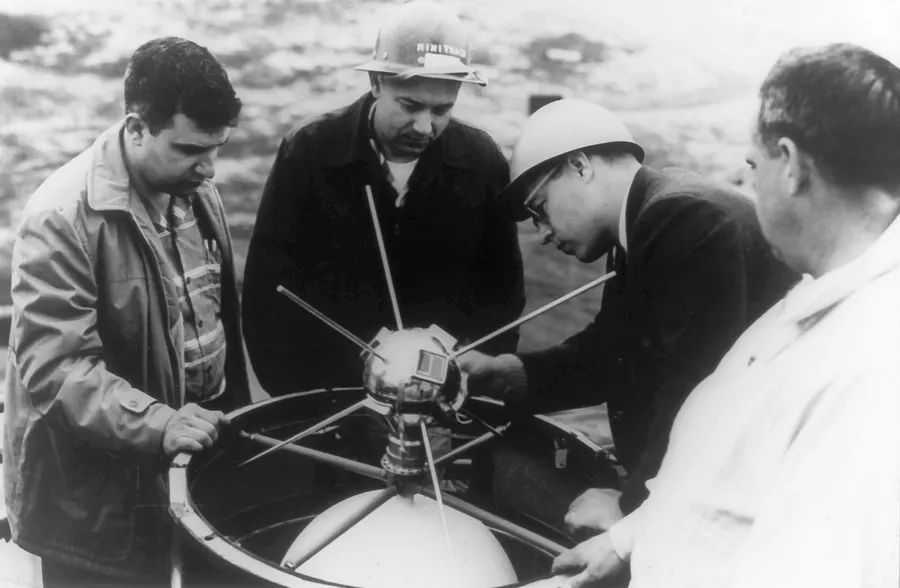
Scientists of the US Naval Research Laboratory mount the Vanguard 1 satellite on its rocket, 1958.
Image creditUS Naval Research Laboratory · Public domainResized and cropped for display.

Vanguard 1, the oldest satellite still in orbit

On 17 March 1958 the United States launched Vanguard 1 from Cape Canaveral. The shiny sphere, about 16 centimetres across, was the first satellite powered by solar cells, and the Soviet leader Khrushchev mocked it as ‘the grapefruit’.

Tracking its orbit showed that the Earth is slightly pear-shaped. It fell silent in 1964, but it is still circling the planet, the oldest human-made object in orbit.

Read the full storyHistory & Timeline →Source: NASA Space Science Data Coordinated Archive: Vanguard 1 ↗
☆
SPORTING HISTORY

Sporting Moments

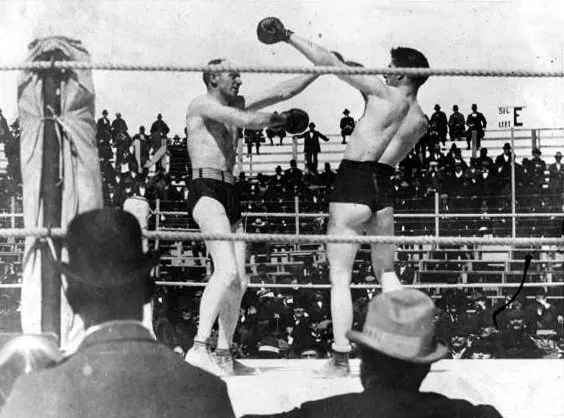
Bob Fitzsimmons and James J. Corbett in the ring at Carson City, 17 March 1897.
Image creditUnknown photographer · Public domainResized and cropped for display.

A title fight becomes the longest film yet made

On St Patrick’s Day 1897, in an open-air ring at Carson City, Nevada, the Cornish-born, New Zealand-raised Bob Fitzsimmons knocked out the world heavyweight champion James J. Corbett with a blow to the stomach in the 14th round.

Enoch Rector filmed the whole bout with three cameras. The finished film ran for about 100 minutes, the longest ever made at the time, and is often called the first feature film. Only fragments survive.

Read the full storyHistory & Timeline →Source: Library of Congress: Corbett-Fitzsimmons fight (excerpts) ↗
✦
LIVES REMEMBERED

Remembered Today

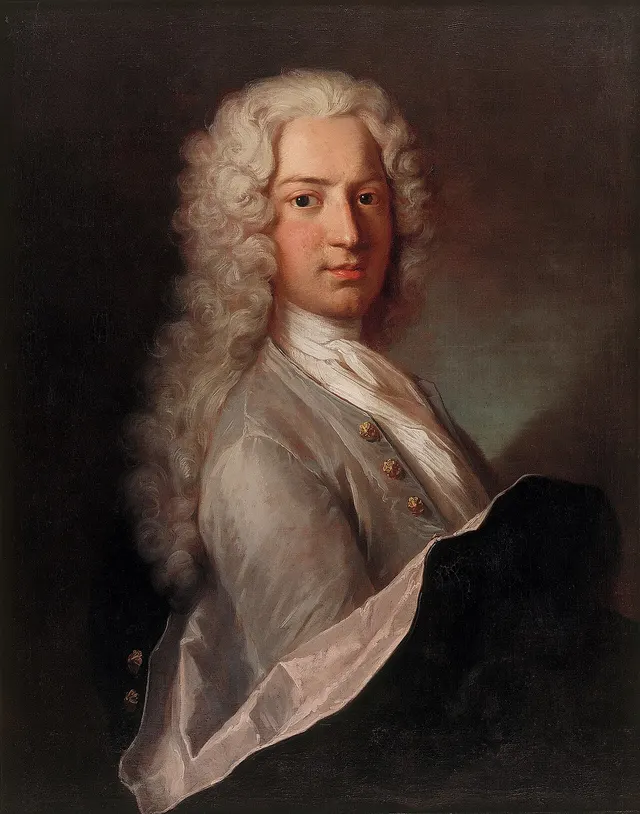
Daniel Bernoulli
Image creditUnknownEdited by Bammesk · CC BY-SA 4.0Resized and cropped for display.

Daniel Bernoulli

Swiss mathematician whose principle links the speed and pressure of a moving fluid.

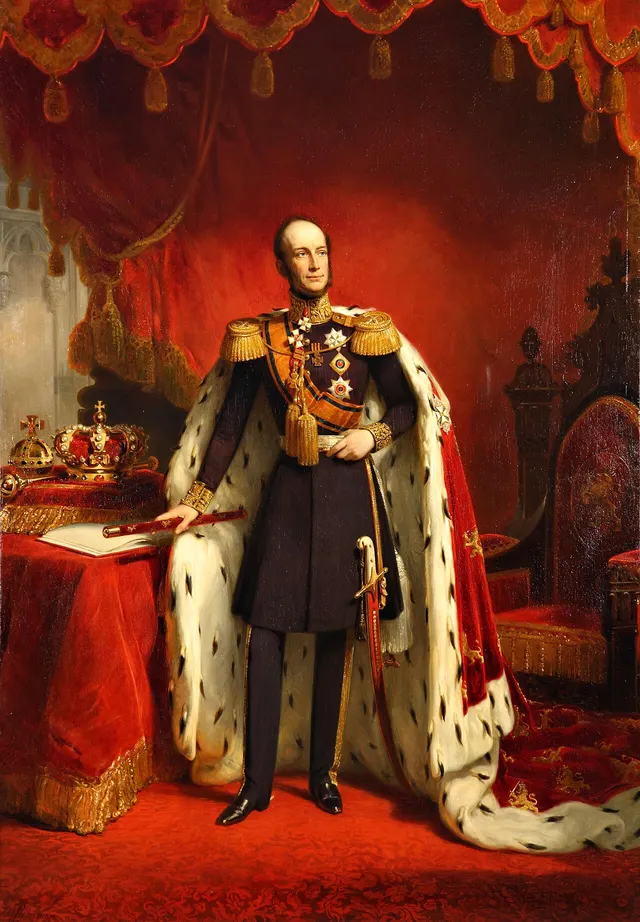
William II of the Netherlands
Image creditNicolaas Pieneman · Public domainResized and cropped for display.

William II of the Netherlands

King who accepted the liberal Dutch constitution of 1848.

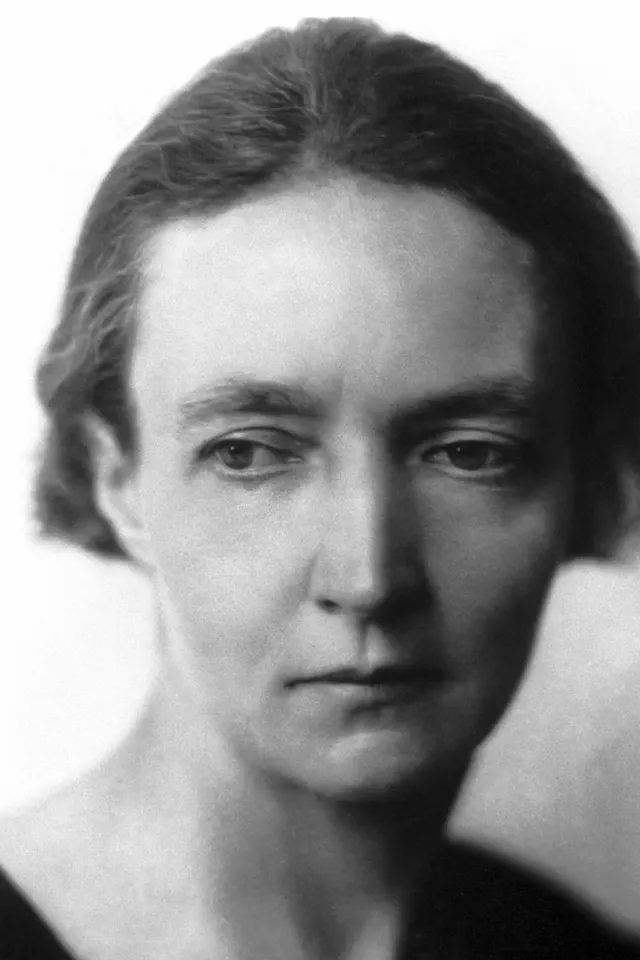
Irène Joliot-Curie
Image creditNobel Foundation · Public domainResized and cropped for display.

Irène Joliot-Curie

French physicist, daughter of Marie Curie; Nobel Prize in Chemistry, 1935.

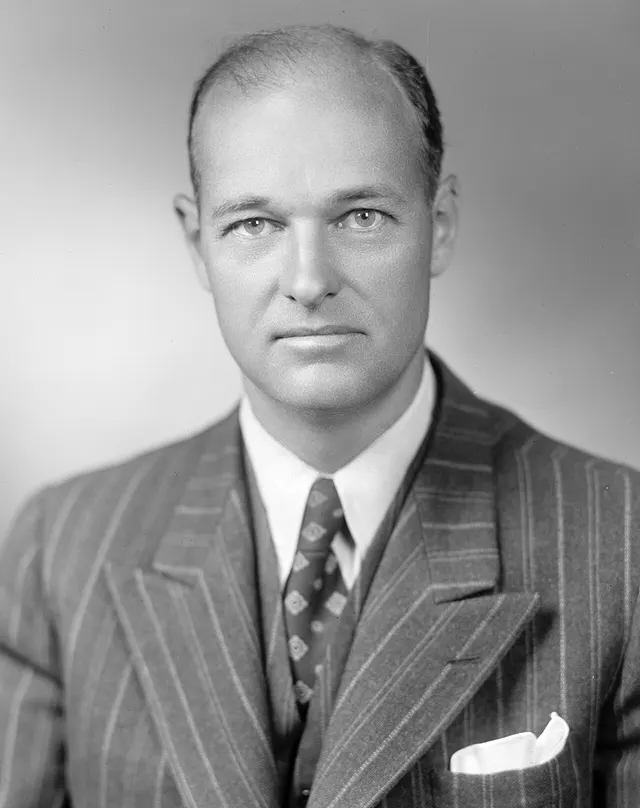
George F. Kennan
Image creditHarris & Ewing · Public domainResized and cropped for display.

George F. Kennan

American diplomat whose ‘containment’ idea shaped Cold War policy.

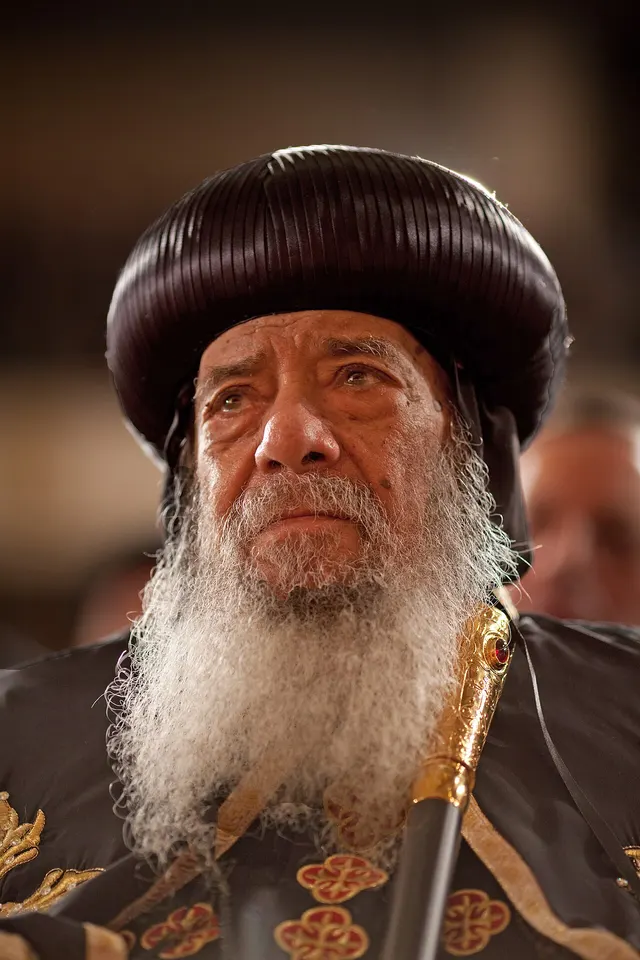
Pope Shenouda III
Image creditChuck Kennedy · Public domainResized and cropped for display.

Pope Shenouda III

Head of Egypt’s Coptic Orthodox Church for four decades.

☉
AROUND THE WORLD

Observances & Anniversaries

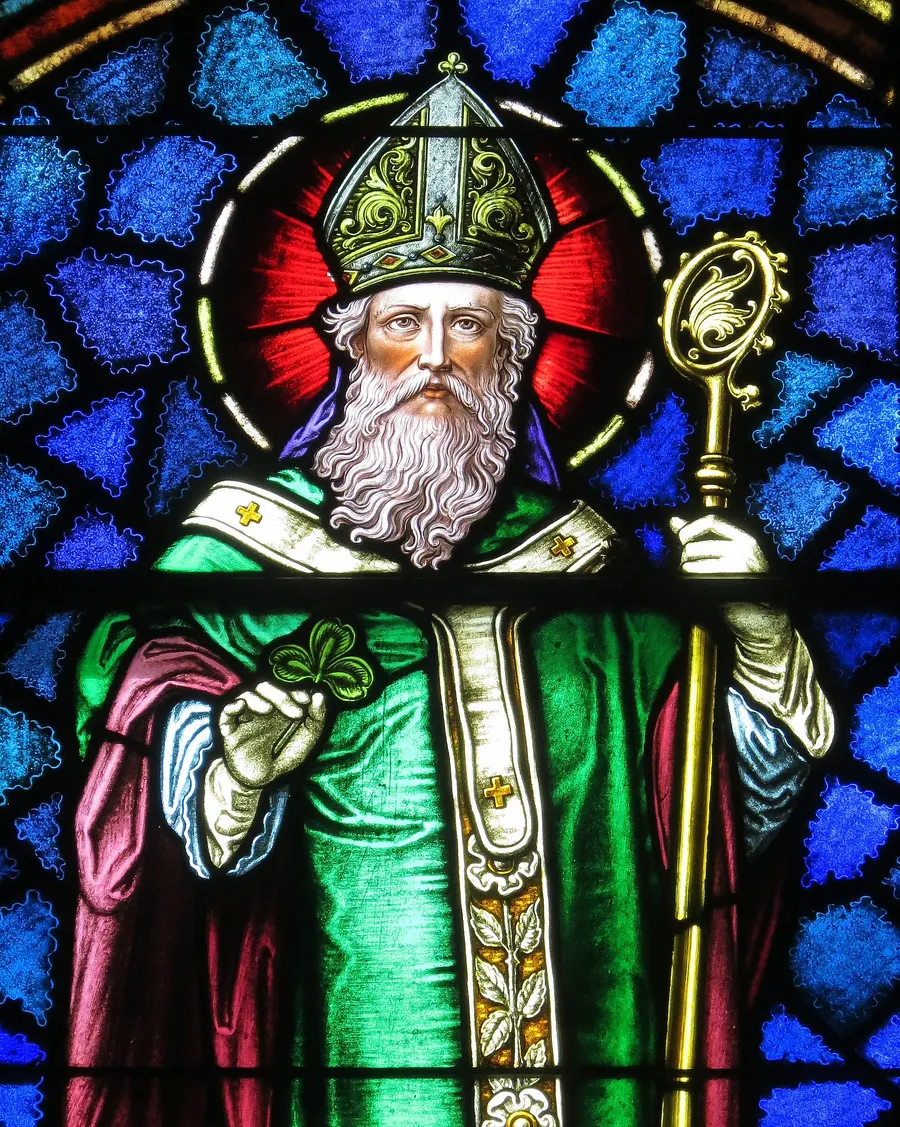
St Patrick in a stained-glass window at St Patrick's Church, Junction City, Ohio.
St Patrick in a stained-glass window at St Patrick’s Church, Junction City, Ohio.
Image creditNheyob · CC BY-SA 4.0Resized and cropped for display.

St Patrick’s Day

17 March is the traditional date of the death of St Patrick, the patron saint of Ireland, in the fifth century. Born in Roman Britain, he was carried off to Ireland by raiders as a boy, escaped, and later returned as a missionary.

His feast became a public holiday in Ireland in 1903 and is now celebrated around the world with parades, music and a great deal of green.

Source: Government of Ireland (Ireland.ie): What is St Patrick’s Day? ↗
HISTORY & TIMELINE

Finished the highlights?

Follow 17 March chronologically, from the Middle Ages to the modern day, with 15 verified events and the sources behind them.

This day through time →