Explore 18 March

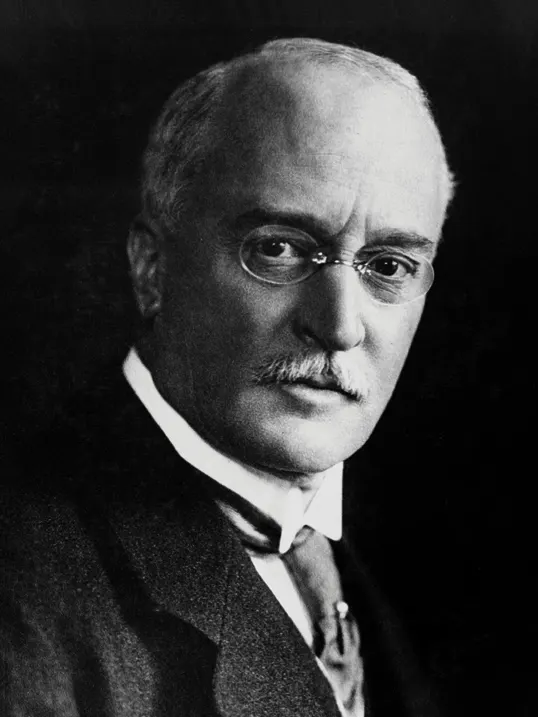
Explore 18 March: Paris rises and the Commune begins, Gandhi is sentenced for sedition, Mexico takes over its oil and the Évian Accords end the Algerian War. Meet Grover Cleveland, Rudolf Diesel and Wilfred Owen, born on this date.

This day through time →12 verified events across 2 eras

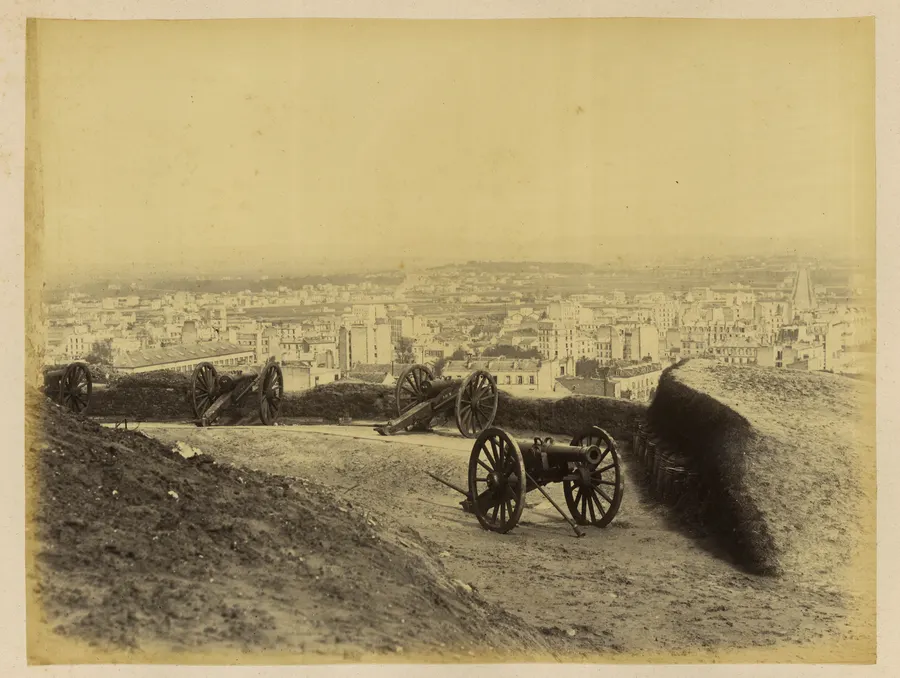
Cannon on the heights of Montmartre, photographed by Bruno Braquehais in 1870-71.
Image creditBraquehais, Bruno, 1823-1875 · Public domainResized and cropped for display.

Paris rises: the Commune begins

Before dawn on 18 March 1871, weeks after France’s defeat by Prussia, government troops climbed Montmartre to take away cannon held by the Paris National Guard, guns the city had paid for during the siege. Crowds of National Guardsmen and local people, many of them women, surrounded the soldiers, and many troops refused to fire.

Two generals were seized and shot that day. The head of the government, Adolphe Thiers, pulled his army and ministers out to Versailles, and the city’s National Guard took over. The Paris Commune was proclaimed ten days later, and crushed in the ‘Bloody Week’ of late May.

Read the full storyHistory & Timeline →Source: Encyclopaedia Britannica: Commune of Paris ↗
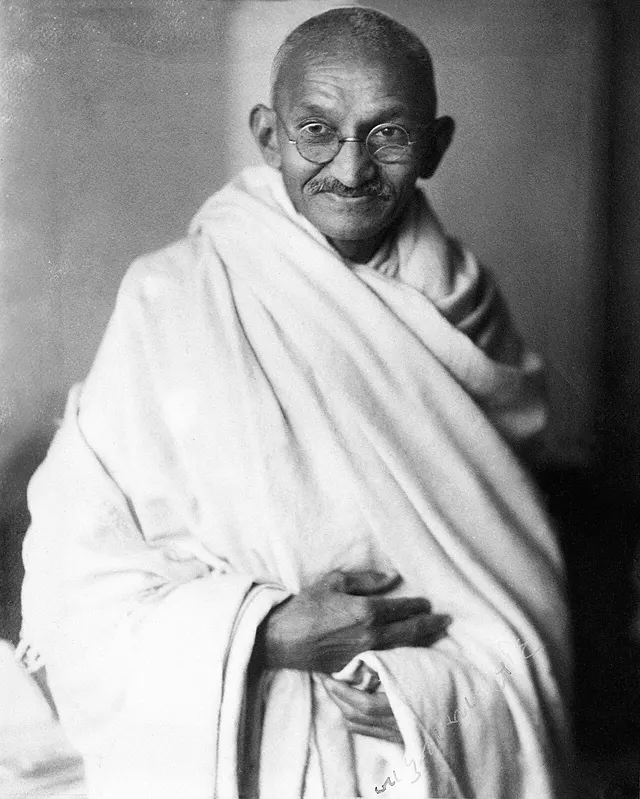
Mahatma Gandhi in a London studio photograph, 1931.
Image creditElliott & Fry · Public domainResized and cropped for display.

Gandhi is sentenced for sedition

Gandhi was charged with sedition for three articles in his weekly paper, Young India. At his trial in Ahmedabad he pleaded guilty and asked the judge, C. N. Broomfield, to give him the heaviest penalty the law allowed.

On 18 March 1922 he was sentenced to six years in prison, the same term once given to the nationalist leader Tilak. He was released early, on grounds of ill health, in February 1924.

Read the full storyHistory & Timeline →Source: Mani Bhavan Gandhi Sangrahalaya (mkgandhi.org): The Great Trial of 1922 ↗
President Lázaro Cárdenas of Mexico, about 1935.
Image creditUnknown photographer · Public domainResized and cropped for display.

Mexico takes over its oil

When the foreign oil companies in Mexico refused to obey a Supreme Court ruling in favour of their workers, President Lázaro Cárdenas announced on the evening of 18 March 1938 that their property would be expropriated. About 17 companies, among them Standard Oil and Royal Dutch Shell, were affected.

Mexicans rallied behind him, many donating money to help pay compensation. The state oil company, PEMEX, was created that June, and Mexico marks 18 March every year.

Read the full storyHistory & Timeline →Source: US Office of the Historian: Mexican oil, 1937-1945 ↗
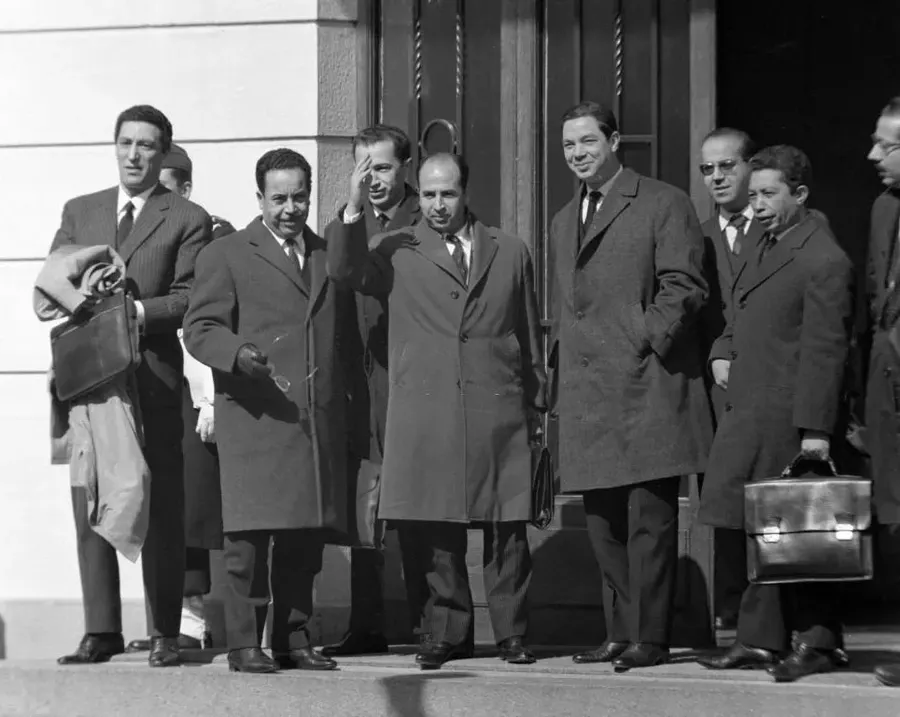
The Algerian delegation at Évian, 18 March 1962.
Image creditUtCon Collection · Public domainResized and cropped for display.

The Évian Accords end the Algerian War

At Évian-les-Bains on Lake Geneva, representatives of France and of the Algerian nationalists’ provisional government signed agreements on 18 March 1962 to end nearly eight years of war. A ceasefire took effect at noon the next day.

Algerians voted almost unanimously for independence that July, and Algeria became independent on 5 July 1962. The violence did not stop at once: the settlers’ secret army, the OAS, stepped up its bombings, and Algerians who had fought for France faced reprisals.

Read the full storyHistory & Timeline →Source: Ohio State University, Origins: The Evian Accords, an uncertain peace ↗
♙
PEOPLE

Born Today

Grover Cleveland
Image creditNapoleon Sarony · Public domainResized and cropped for display.

Grover Cleveland

The only US president to serve two terms that were not back to back.

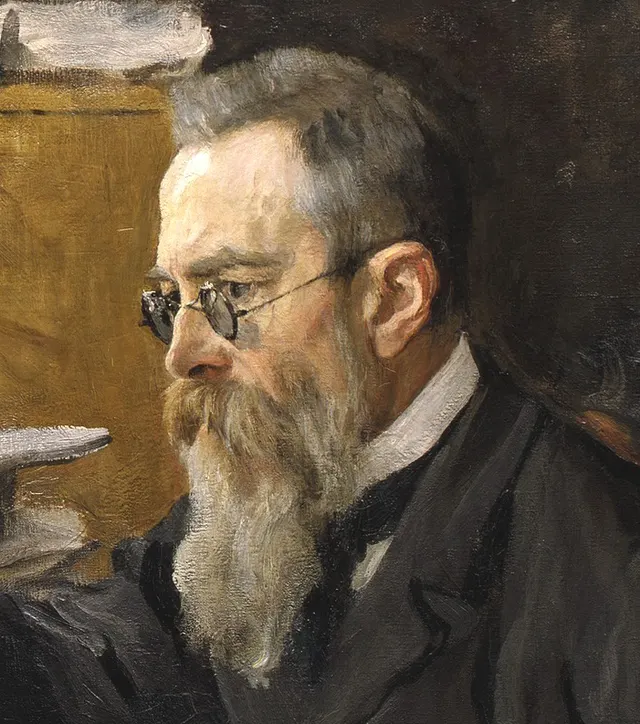
Nikolai Rimsky-Korsakov
Image creditValentin Serov · Public domainResized and cropped for display.

Nikolai Rimsky-Korsakov

Russian composer of Scheherazade (born 6 March in the Russian calendar of the day).

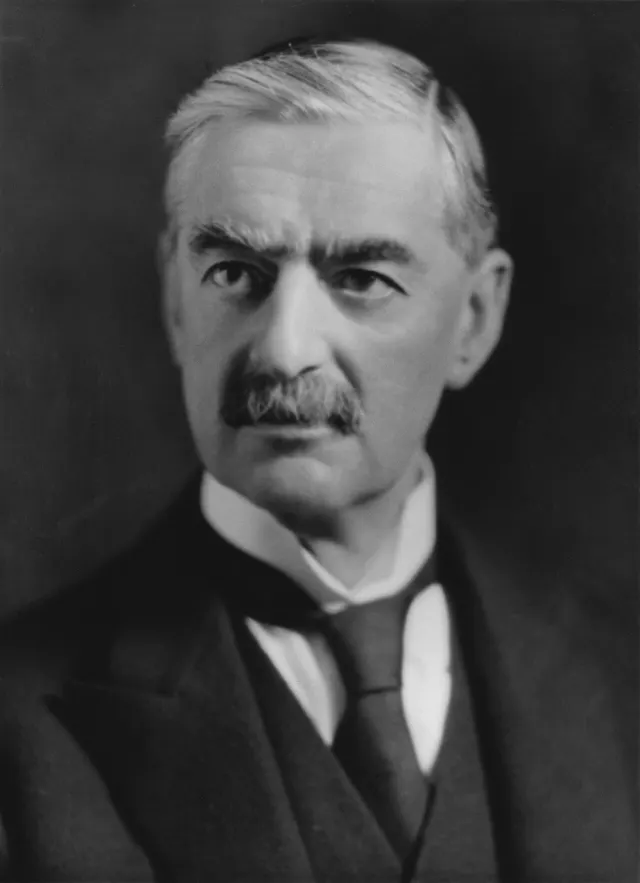
Neville Chamberlain
Image creditBassano Ltd · Public domainResized and cropped for display.

Neville Chamberlain

British prime minister from 1937 to 1940, remembered for the Munich Agreement.

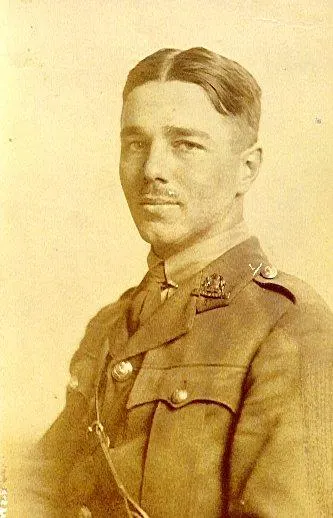
Wilfred Owen
Image creditAllex Langié · CC BY-SA 3.0Resized and cropped for display.

Wilfred Owen

English poet of the First World War, killed a week before the armistice.

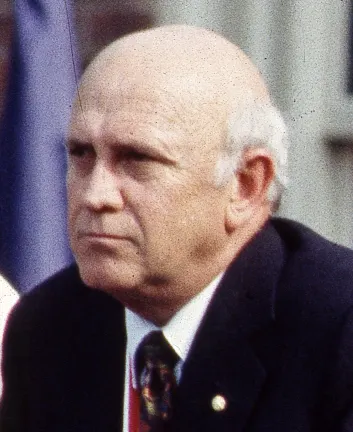
F. W. de Klerk
Image creditCarol M. Highsmith · Public domainResized and cropped for display.

F. W. de Klerk

South African president who ended apartheid; Nobel Peace Prize with Nelson Mandela, 1993.

Queen Latifah
Image creditGage Skidmore · CC BY-SA 3.0Resized and cropped for display.

Queen Latifah

American rapper and actress, a pioneer of women in hip hop.

◉
IDEAS THAT CHANGED THINGS

Firsts, Science & Discoveries

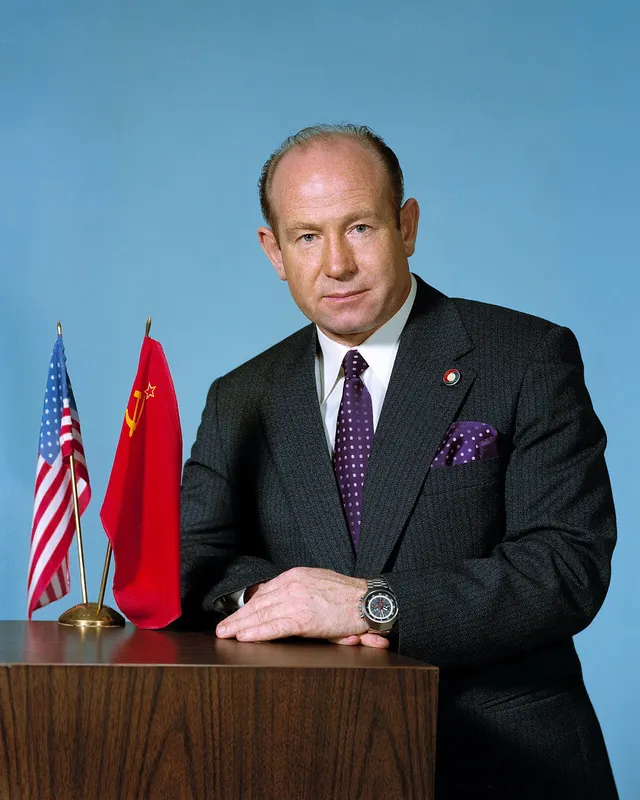
The first walk in space

On 18 March 1965 the Soviet cosmonaut Alexei Leonov squeezed out of Voskhod 2 through an inflatable airlock and floated in open space on a tether for about 12 minutes, the first person ever to do so.

His suit swelled so much in the vacuum that he could not get back inside. He let out some of its oxygen to shrink it and wriggled in. The landing next day went wrong too: he and Pavel Belyayev came down far off course, in snowy forest in the Urals.

Read the full storyHistory & Timeline →Source: Encyclopaedia Britannica: Aleksei Leonov ↗
♫
MUSIC • FILM • BOOKS • CULTURE

Culture Stories

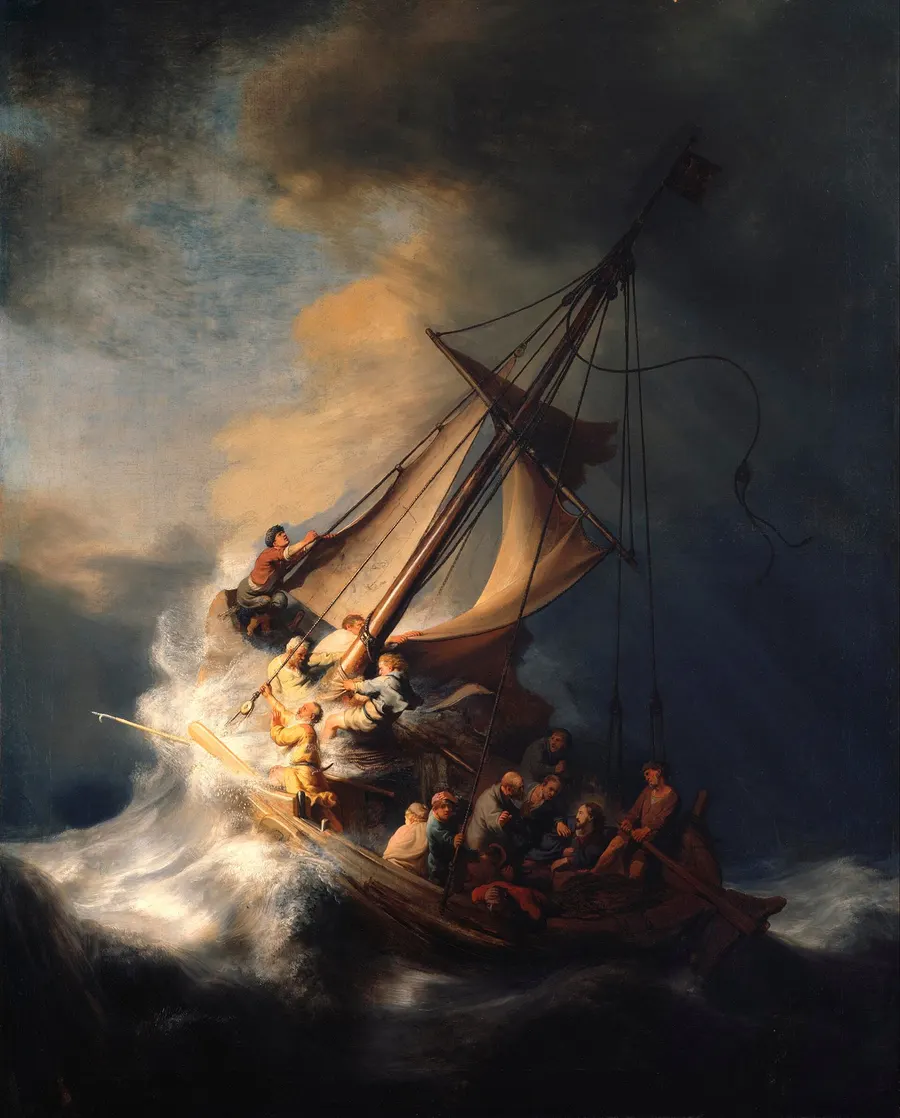
Rembrandt's Christ in the Storm on the Sea of Galilee (1633), one of the works stolen and still missing.
Rembrandt’s Christ in the Storm on the Sea of Galilee (1633), one of the works stolen and still missing.
Image creditRembrandt · Public domainResized and cropped for display.

The greatest art theft in American history

In the early hours of 18 March 1990 two men dressed as police officers talked their way into the Isabella Stewart Gardner Museum in Boston, tied up the two guards and spent 81 minutes inside. They left with 13 works, including Vermeer’s The Concert and Rembrandt’s only seascape.

The theft has never been solved and none of the works has been found. The museum offers a reward of 10 million dollars, and empty frames still hang where the paintings were.

Read the full storyHistory & Timeline →Source: Isabella Stewart Gardner Museum: The theft ↗
✦
LIVES REMEMBERED

Remembered Today

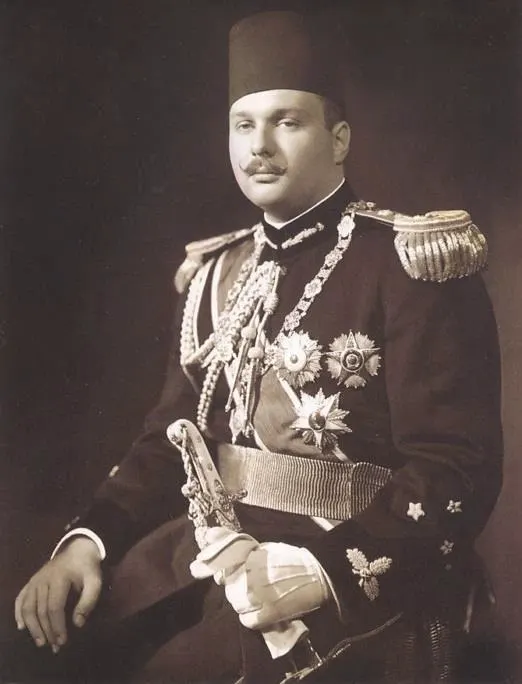
Farouk I of Egypt
Image creditUnknown · Public domainResized and cropped for display.

Farouk I of Egypt

Egypt’s last reigning king, overthrown in 1952.

HISTORY & TIMELINE

Finished the highlights?

Follow 18 March chronologically, from the Middle Ages to the modern day, with 12 verified events and the sources behind them.

This day through time →