
HISTORY & TIMELINE
20 March

A journey through
20 March in history

From a schoolhouse meeting in Wisconsin in 1854 to a nerve-gas attack on the Tokyo subway in 1995, 20 March has seen an earthquake level a city in the Andes, the first world treaty on inventions and a general’s promise made on a railway platform in the Australian outback. This timeline follows the date across two centuries.

III
A CHANGING WORLD

Early Modern Era

Exploration, political change, scientific development and expanding global connections.

1602
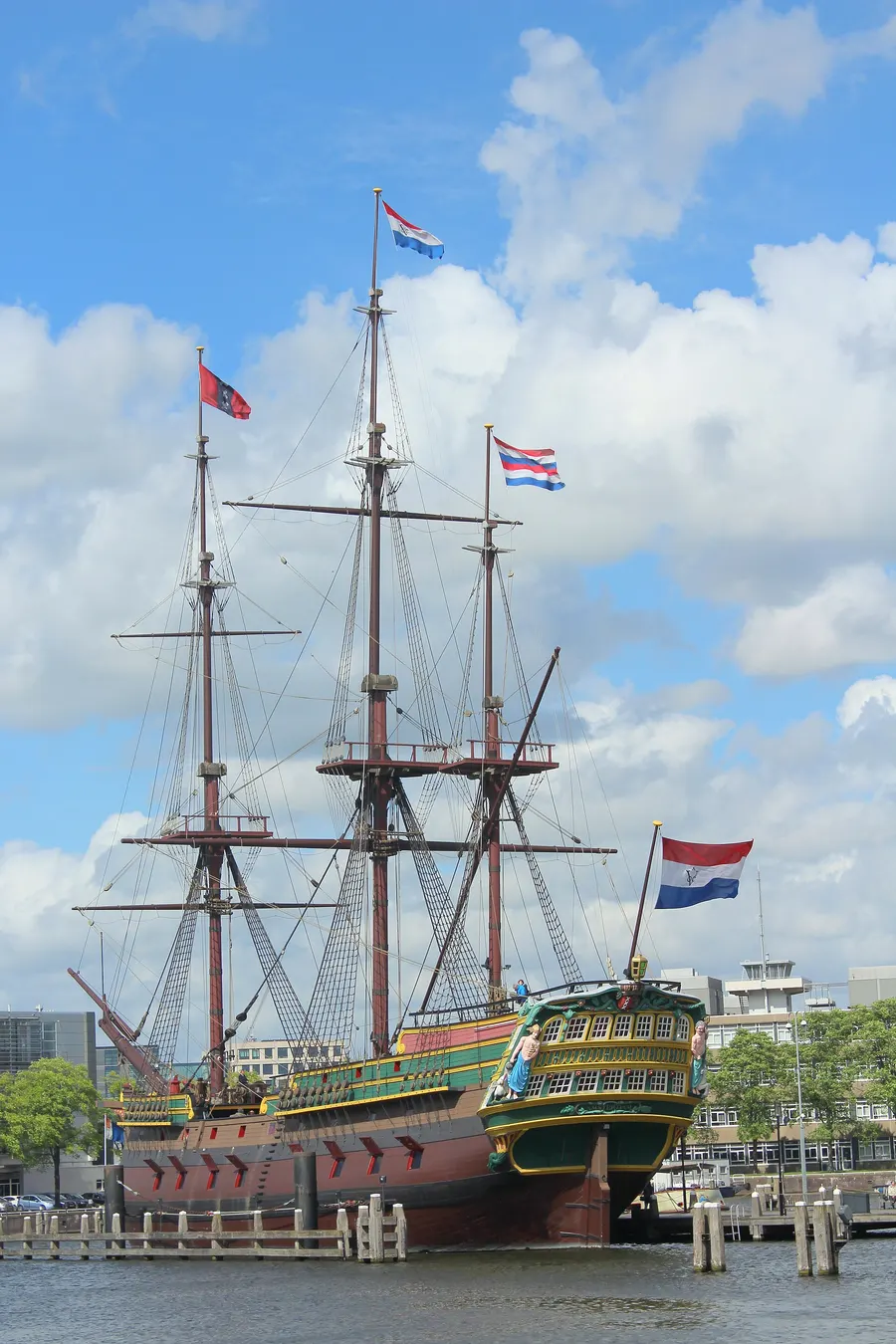
A replica of the VOC ship Amsterdam, lost on her maiden voyage in 1749, at the National Maritime Museum in Amsterdam.A replica of the VOC ship Amsterdam, lost on her maiden voyage in 1749, at the National Maritime Museum in Amsterdam.Image: Martinvl · CC BY-SA 4.0
world · Asia

The Dutch East India Company is founded

On 20 March 1602 the States General of the Dutch Republic granted a charter to the United East India Company, the VOC, giving it a 21-year monopoly on Dutch trade in Asia. It could also make treaties, build forts and wage war, almost like a state. Anyone could buy shares, and more than a thousand people did. The VOC is often called the first multinational company. For two centuries it dominated the spice trade from its base at Batavia, now Jakarta, often by force, until it was dissolved in 1799.

Source: Nationaal Archief (National Archives of the Netherlands): Octrooi voor de VOC (1602) ↗
IV
THE NINETEENTH CENTURY

The 1800s

Industry, empire, invention, reform and a century of enormous transformation.

1800
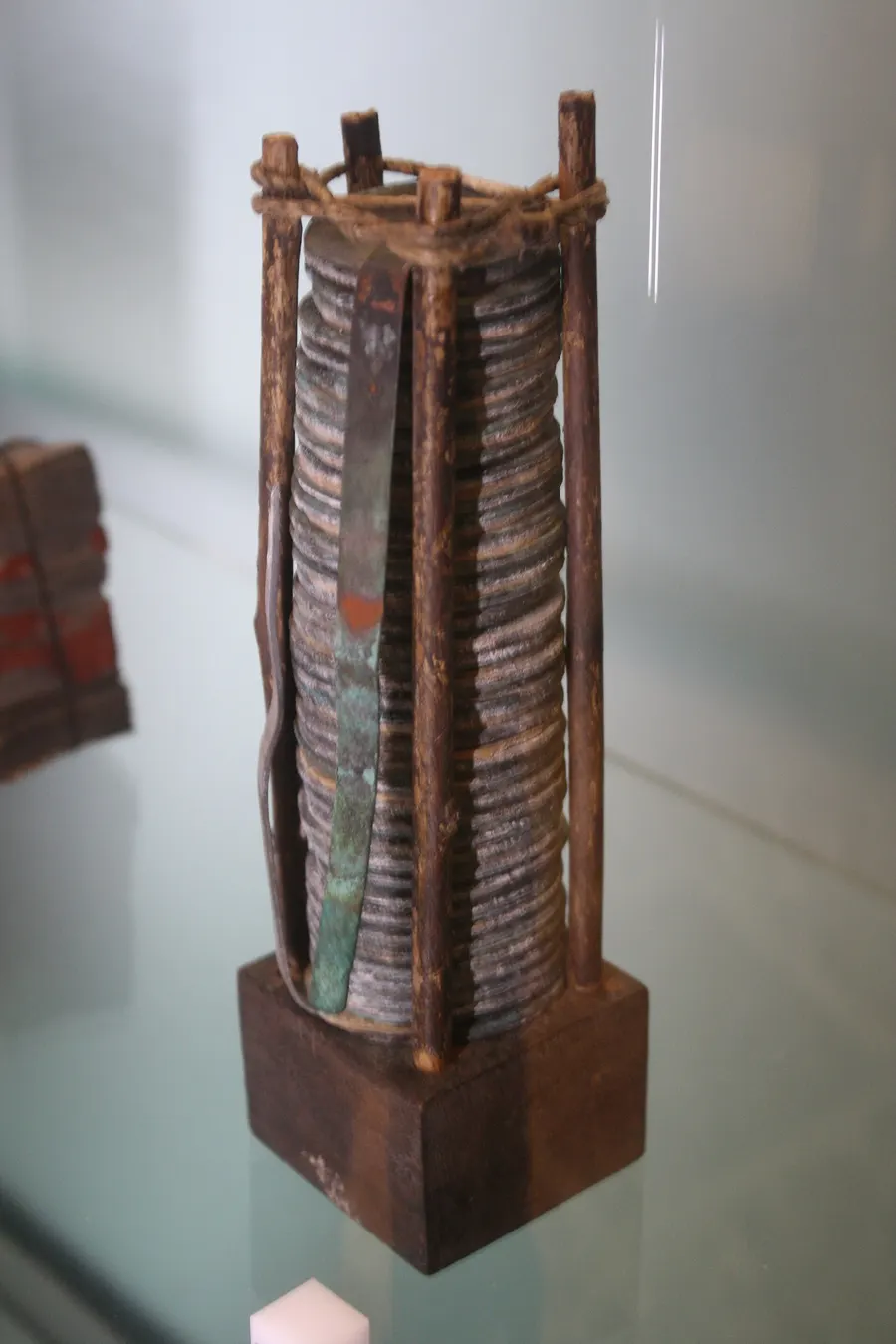
One of Volta's piles, kept at the Tempio Voltiano in Como.One of Volta’s piles, kept at the Tempio Voltiano in Como.Image: Dario Crespi · CC BY-SA 4.0
science · Europe

Volta describes the first battery

On 20 March 1800 Alessandro Volta, professor of physics at Pavia, dated a letter to Sir Joseph Banks of the Royal Society in London describing his ‘pile’: discs of two different metals stacked up with pieces of card soaked in salt water between them. It was the first device to give a steady electric current rather than a single spark. Within weeks others were using it to split water, and the unit of electrical potential, the volt, is named after him.

Source: Royal Society, Science in the Making: Letter from Alessandro Volta to Joseph Banks ↗
1815
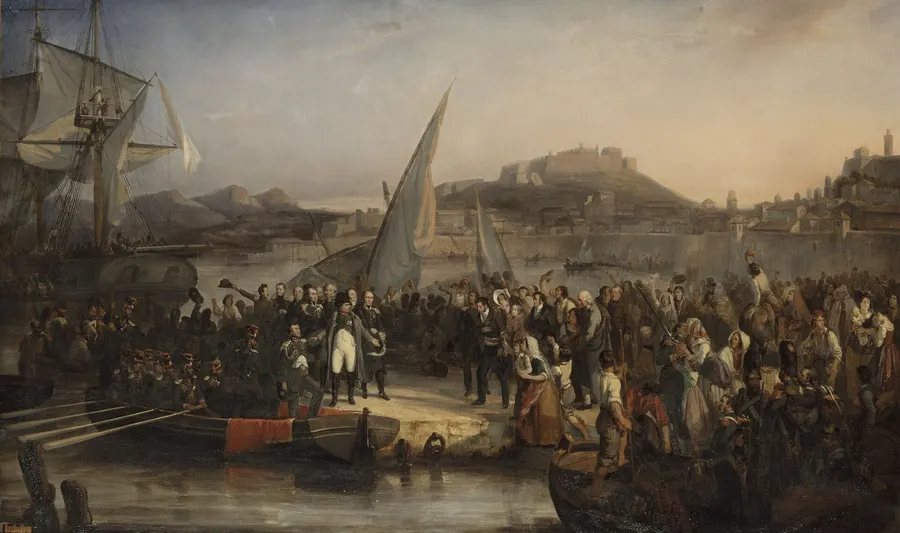
Napoleon leaving Elba, painted by Joseph Beaume in 1836.Napoleon leaving Elba, painted by Joseph Beaume in 1836.Image: Joseph Beaume · Public domain
world · Europe

Napoleon returns to Paris

Napoleon escaped from exile on the island of Elba and landed near Cannes on 1 March 1815 with about a thousand men. The troops sent to stop him went over to his side, and King Louis XVIII fled. Late on the evening of 20 March, Napoleon reached the Tuileries Palace in Paris to cheering crowds. It was the start of the Hundred Days. They ended at Waterloo on 18 June, and Louis XVIII was back in Paris by 8 July.

Source: Encyclopaedia Britannica: Hundred Days ↗
1852
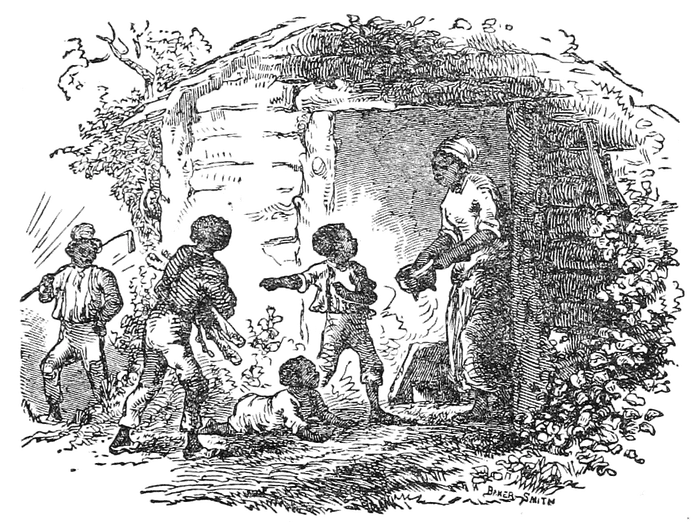
The title-page illustration from the first edition of Uncle Tom's Cabin, 1852.The title-page illustration from the first edition of Uncle Tom’s Cabin, 1852.Image: From the first edition (John P. Jewett, 1852) · Public domain

culture · Americas

Uncle Tom’s Cabin is published as a book

Harriet Beecher Stowe’s novel of slavery had already appeared in weekly parts in an anti-slavery paper. On 20 March 1852 John P. Jewett of Boston published it in two volumes. About 10,000 copies sold in the first week and some 300,000 in the United States in its first year. It became the best-selling American novel of the 19th century and turned many readers in the North against slavery in the years before the Civil War.

Source: Vassar College Special Collections: Aspects of the publishing history of Uncle Tom’s Cabin ↗
1854
The Little White Schoolhouse in Ripon, Wisconsin, 2012.The Little White Schoolhouse in Ripon, Wisconsin, 2012.Image: Royalbroil · CC BY-SA 3.0
politics · Americas

A schoolhouse meeting in Ripon

In a small schoolhouse in Ripon, Wisconsin, about fifty men and a few women met to oppose the Kansas-Nebraska Act, which could spread slavery into new territories, and called for a new party under the name ‘Republican’. Ripon is often called the birthplace of the Republican Party, though Jackson, Michigan, also claims the title.

Source: US Government Publishing Office (GovInfo): S. Con. Res. 96, 2004 ↗
1861
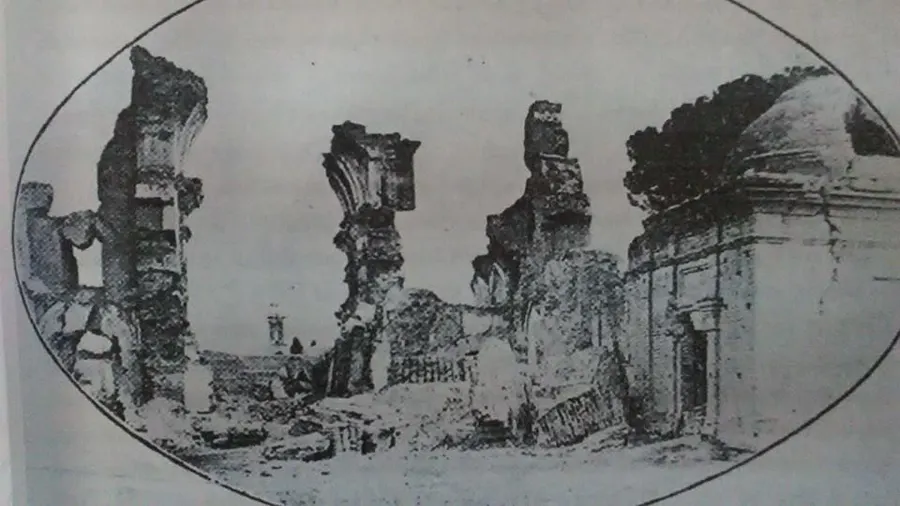
The ruins of the church of San Francisco in Mendoza, destroyed in the earthquake of 1861, photographed around 1900.The ruins of the church of San Francisco in Mendoza, destroyed in the earthquake of 1861, photographed around 1900.Image: Unknown photographer · Public domain
world · Americas

An earthquake destroys Mendoza

Late at night a powerful earthquake almost completely destroyed the colonial city of Mendoza in western Argentina. Estimates of the dead range from about 6,000 to 12,000, perhaps two-thirds of the population. The city was rebuilt nearby with wide streets and large squares designed to give people safe open space in future earthquakes.

Source: Geological Society of London, Quarterly Journal: Notice of the occurrence of an earthquake on the 20th of March, 1861, in Mendoza ↗
1883
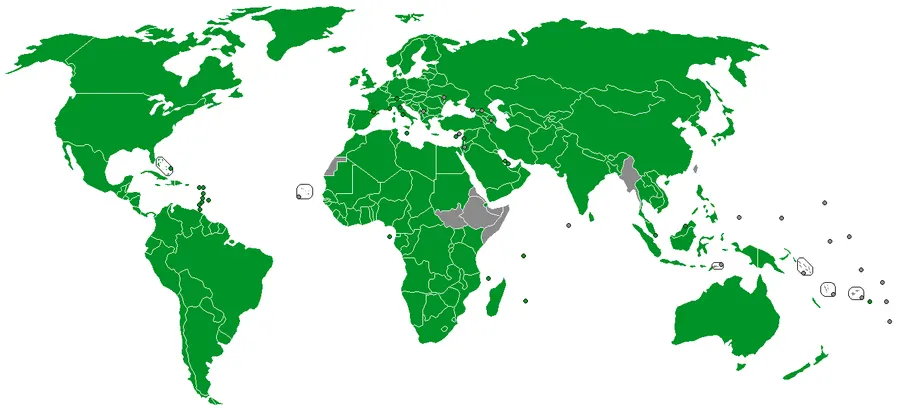
A map of the Paris Convention's member states in 2012.A map of the Paris Convention’s member states in 2012.Image: Japinderum · CC BY-SA 3.0
science · Global

The first world treaty on inventions

Eleven countries signed the Paris Convention for the Protection of Industrial Property, the first major international agreement to protect patents, trademarks and designs across borders. It promised foreign inventors the same treatment as local ones. Now run by the World Intellectual Property Organization, it has about 180 member states.

Source: World Intellectual Property Organization: Summary of the Paris Convention (1883) ↗
V
THE TWENTIETH CENTURY

The 1900s

War and peace, technological leaps, social change, politics, sport and popular culture.

1916
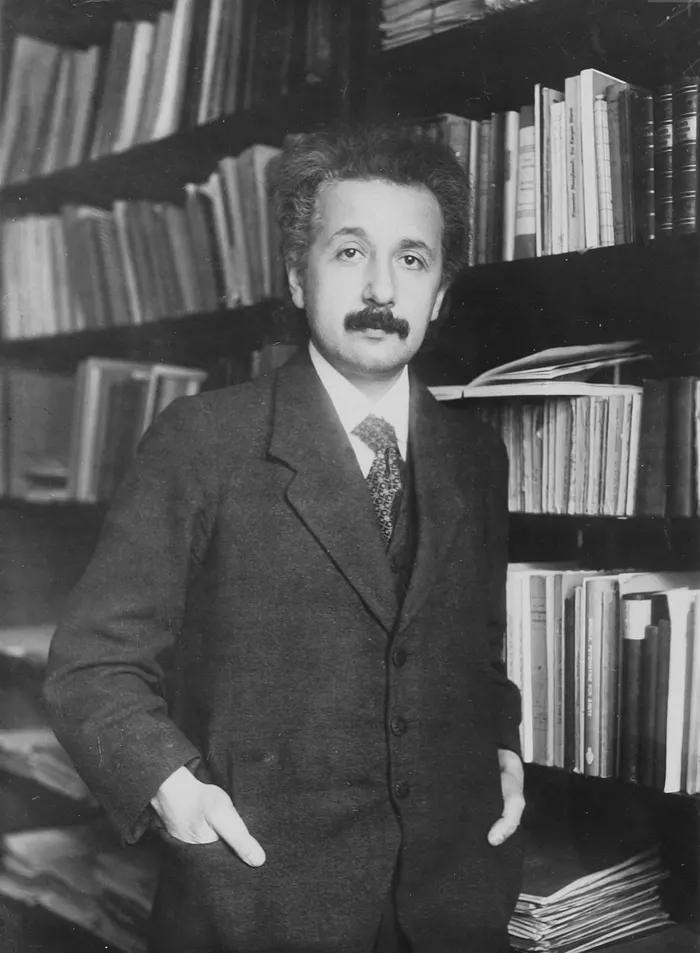
Albert Einstein in the study of his friend Paul Ehrenfest in Leiden, 1916.Albert Einstein in the study of his friend Paul Ehrenfest in Leiden, 1916.Image: Paul Ehrenfest · Public domain
science · Europe

Einstein sends off his theory of gravity

On 20 March 1916 the journal Annalen der Physik received Albert Einstein’s paper ‘The Foundation of the General Theory of Relativity’. Published that May, it gave the first complete account of his new theory of gravity. It described gravity not as a force but as the bending of space and time by mass. It explained a puzzle in Mercury’s orbit and predicted that the Sun bends starlight, which astronomers confirmed in 1919.

Source: Annalen der Physik (Wiley Online Library): Die Grundlage der allgemeinen Relativitätstheorie ↗
1942
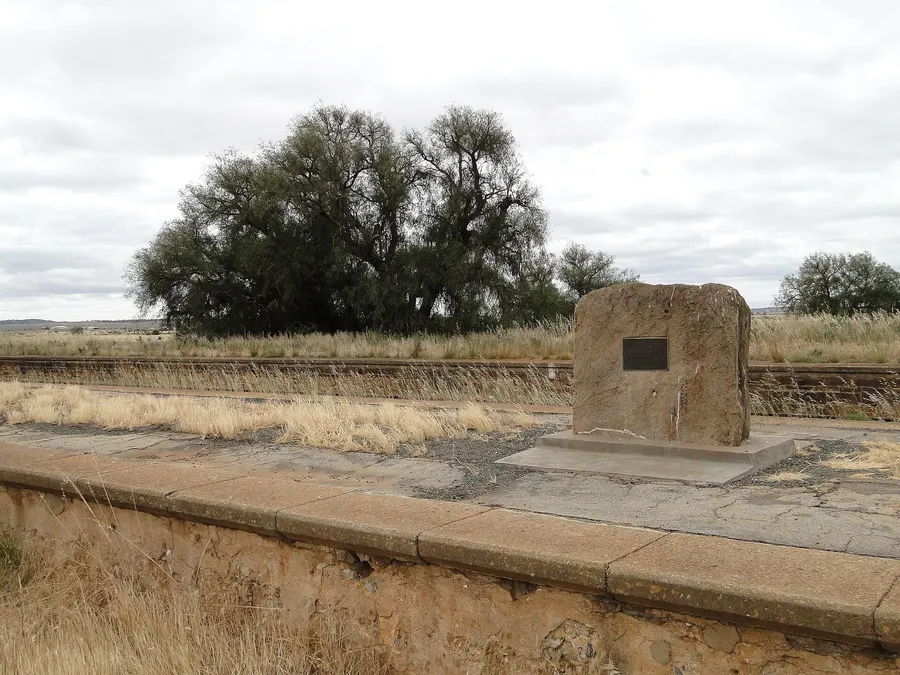
The monument on the platform at Terowie railway station, South Australia, where MacArthur spoke, 2013.The monument on the platform at Terowie railway station, South Australia, where MacArthur spoke, 2013.Image: Peterdownunder · CC BY-SA 3.0
world · Oceania

‘I shall return’

Ordered out of the besieged Philippines, General Douglas MacArthur reached Australia and, while changing trains at Terowie in South Australia, told reporters he had come through and would return. The Adelaide Advertiser printed the words the next morning, and they became a famous wartime pledge. He landed back in the Philippines at Leyte in October 1944.

Source: ABC News (Australia): Terowie remembers MacArthur’s ‘I shall return’ speech ↗
1956
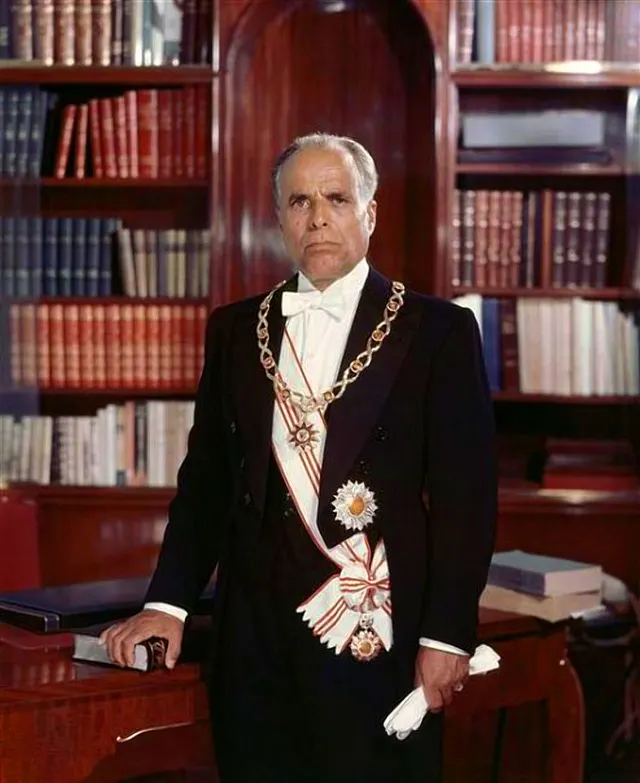
Habib Bourguiba, Tunisia's first prime minister and later its president, in 1960.Habib Bourguiba, Tunisia’s first prime minister and later its president, in 1960.Image: Habib Osman · Public domain
politics · Africa

Tunisia wins its independence

On 20 March 1956 France and Tunisia signed a protocol in Paris recognising Tunisia’s full independence, ending a French protectorate that had lasted since 1881. It followed internal self-government agreed the year before. The nationalist leader Habib Bourguiba became prime minister. The next year the monarchy was abolished and he became president. Tunisia celebrates 20 March as its Independence Day.

Source: CVCE, University of Luxembourg: Protocol of agreement between France and Tunisia (20 March 1956) ↗
1995
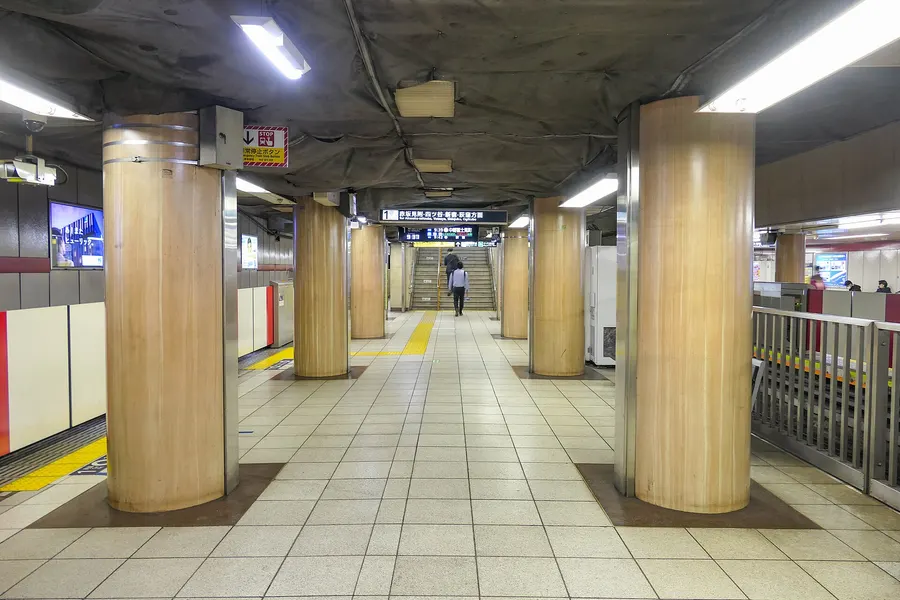
The Marunouchi Line platform at Kasumigaseki Station in Tokyo, 2022.The Marunouchi Line platform at Kasumigaseki Station in Tokyo, 2022.Image: MaedaAkihiko · CC BY-SA 4.0
world · Asia

The Tokyo subway sarin attack

In the morning rush hour, members of the Aum Shinrikyo cult released the nerve agent sarin on five Tokyo subway trains converging on the government district of Kasumigaseki. Thirteen people died and thousands more were injured. The cult’s leader and twelve followers were later executed.

Source: Encyclopaedia Britannica: Tokyo subway attack of 1995 ↗
VI
2000 TO TODAY

Modern Day

The events of recent decades that have already become part of the historical record.

2003
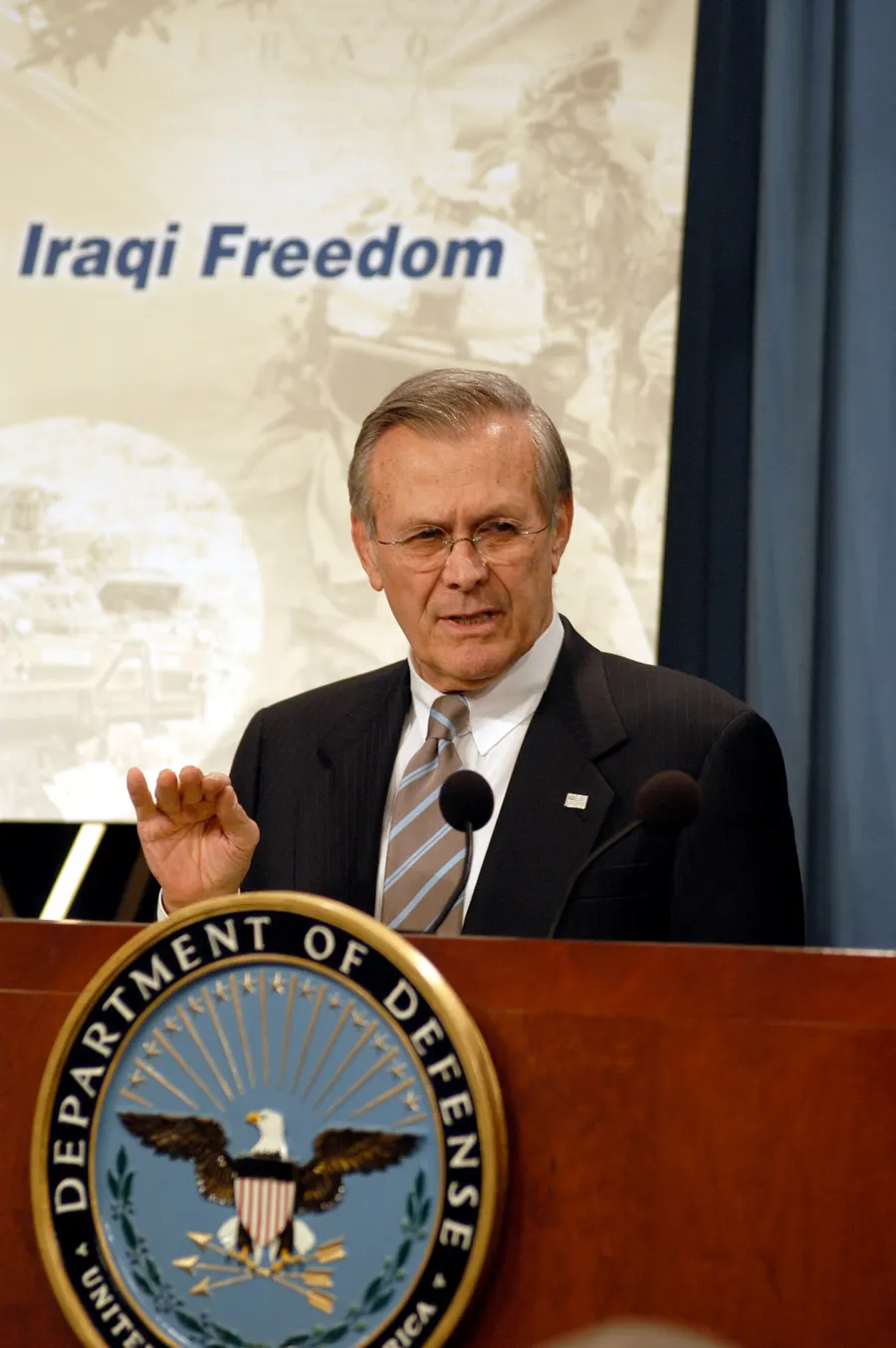
The US defence secretary Donald Rumsfeld answers questions about the air strikes on Baghdad, 21 March 2003.The US defence secretary Donald Rumsfeld answers questions about the air strikes on Baghdad, 21 March 2003.Image: Helene C. Stikkel · Public domain
world · Middle East

The invasion of Iraq begins

Before dawn on 20 March 2003, Baghdad time (the evening of 19 March in Washington), American cruise missiles and stealth bombers struck targets in the Iraqi capital. Within about a day, American and British ground forces, with Australian and Polish contingents, crossed into Iraq from Kuwait. Baghdad fell on 9 April and Saddam Hussein’s government collapsed. The weapons of mass destruction given as the main reason for the war were never found, and years of insurgency and heavy civilian losses followed.

Source: Imperial War Museums: The 2003 invasion of Iraq ↗
RESEARCH

Sources & Further Reading

Selected authoritative references supporting the events on this page.

Nationaal Archief (National Archives of the Netherlands): Octrooi voor de VOC (1602)↗World History Encyclopedia: Dutch East India Company↗Royal Society, Science in the Making: Letter from Alessandro Volta to Joseph Banks↗Philosophical Transactions of the Royal Society: On the electricity excited by the mere contact of conducting substances of different kinds↗Encyclopaedia Britannica: Hundred Days↗Brown University Library: Waterloo 1815, the Hundred Days↗Vassar College Special Collections: Aspects of the publishing history of Uncle Tom’s Cabin↗National Women’s History Museum: Harriet Beecher Stowe↗US Government Publishing Office (GovInfo): S. Con. Res. 96, 2004↗Library of Congress: Republican schoolhouse, Ripon (photograph)↗Geological Society of London, Quarterly Journal: Notice of the occurrence of an earthquake on the 20th of March, 1861, in Mendoza↗Springer: The 1861 earthquake at Mendoza, Argentina↗World Intellectual Property Organization: Summary of the Paris Convention (1883)↗WIPO Lex: Paris Convention treaty text↗Annalen der Physik (Wiley Online Library): Die Grundlage der allgemeinen Relativitätstheorie↗NASA Astrophysics Data System: Die Grundlage der allgemeinen Relativitätstheorie↗ABC News (Australia): Terowie remembers MacArthur’s ‘I shall return’ speech↗Smithsonian Magazine: General MacArthur’s WWII comeback began in Australia↗CVCE, University of Luxembourg: Protocol of agreement between France and Tunisia (20 March 1956)↗Encyclopaedia Britannica: Tunisia, the protectorate 1881-1956↗Encyclopaedia Britannica: Tokyo subway attack of 1995↗US Department of Health and Human Services (CHEMM): Tokyo subway sarin attack case study↗Imperial War Museums: The 2003 invasion of Iraq↗Naval History and Heritage Command: Operation Iraqi Freedom↗
WHY THESE MOMENTS?

Significance before volume

This page is not the longest possible list of events. It is a chronological journey through 20 March, where each entry is chosen for historical significance, human interest and reliability.

Facts are checked against authoritative museums, archives, universities and reference works. Where sources disagree, the page says so.

EXPLORED THE DEEPER STORY?

Return to the highlights of 20 March

Discover the lighter side of the date with famous birthdays, culture, firsts and lives remembered.

Explore This Day →
← PREVIOUS DAY19 March
HISTORY & TIMELINE20 March
NEXT DAY →21 March