HISTORY & TIMELINE
11 March

A journey through
11 March in history

From the great eruption of Etna in 1669 to the World Health Organization’s pandemic warning in 2020, 11 March has seen natural disasters, new beginnings for nations and the opening of an international court. This timeline follows the date across more than three centuries.

III
A CHANGING WORLD

Early Modern Era

Exploration, political change, scientific development and expanding global connections.

1669
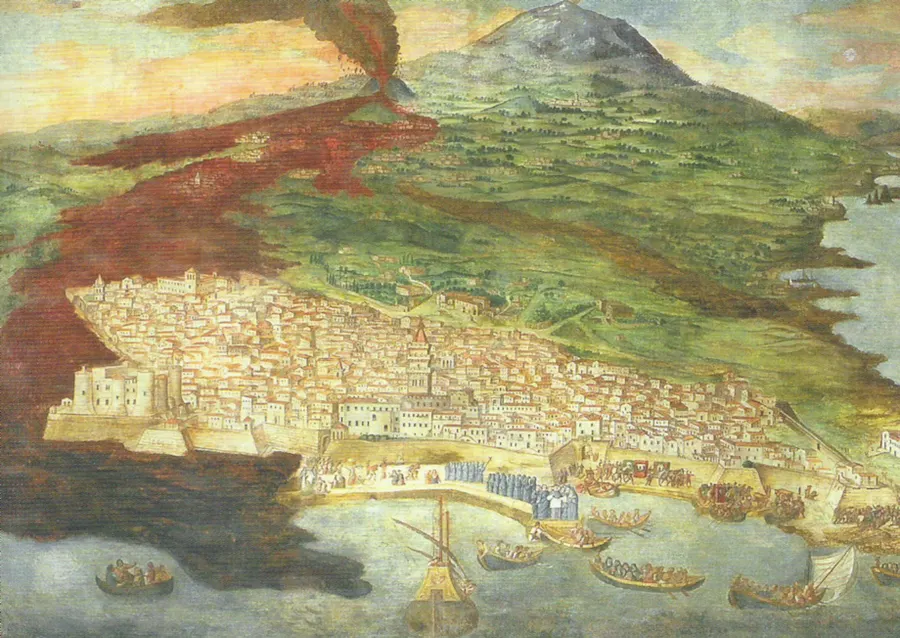
Lava reaching Catania in 1669, in a fresco by Giacinto Platania in Catania Cathedral.Lava reaching Catania in 1669, in a fresco by Giacinto Platania in Catania Cathedral.Image: Giacinto Platania · Public domain
science · Europe

Etna’s most destructive eruption begins

On 11 March 1669 a fissure opened on the southern slope of Mount Etna in Sicily, above the village of Nicolosi. Over the next four months the volcano poured out more lava than in any other eruption in its recorded history, building the twin cones of the Monti Rossi. The lava buried villages, reached the western part of the city of Catania and flowed into the sea, pushing the coastline out by about a kilometre. The eruption ended in July.

Source: Encyclopaedia Britannica: Mount Etna ↗
IV
THE NINETEENTH CENTURY

The 1800s

Industry, empire, invention, reform and a century of enormous transformation.

1851
The poster for the first performance of Rigoletto at La Fenice, Venice, on 11 March 1851.The poster for the first performance of Rigoletto at La Fenice, Venice, on 11 March 1851.Image: Teatro La Fenice · Public domain
culture · Europe

Verdi’s Rigoletto opens in Venice

Giuseppe Verdi’s Rigoletto, with a libretto by Francesco Maria Piave based on Victor Hugo’s play Le Roi s’amuse, was first performed at La Fenice in Venice on 11 March 1851. The censors had objected to showing a king as a heartless seducer, so the story was moved to the court of an invented Duke of Mantua. Verdi wrote most of the music in about forty days. The first night was a great success, and the Duke’s aria ‘La donna è mobile’ soon became one of the best-known tunes in opera.

Source: Encyclopaedia Britannica: Rigoletto ↗
1888
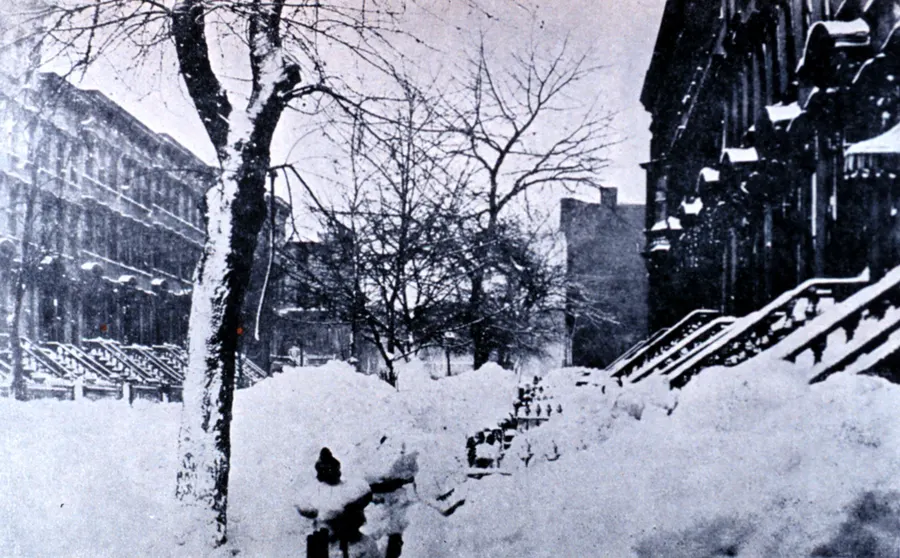
Park Place in Brooklyn after the blizzard, 14 March 1888.Park Place in Brooklyn after the blizzard, 14 March 1888.Image: Unknown photographer · Public domain
world · Americas

The Great Blizzard strikes the US north-east

Rain turned to heavy snow on the night of 11 March, and for three days a blizzard with winds of up to 80 miles an hour buried the Atlantic coast from Chesapeake Bay to Maine. New York City had 22 inches of snow and far deeper drifts, and more than 400 people died.

Source: Encyclopaedia Britannica: Great Blizzard of 1888 ↗
V
THE TWENTIETH CENTURY

The 1900s

War and peace, technological leaps, social change, politics, sport and popular culture.

1941
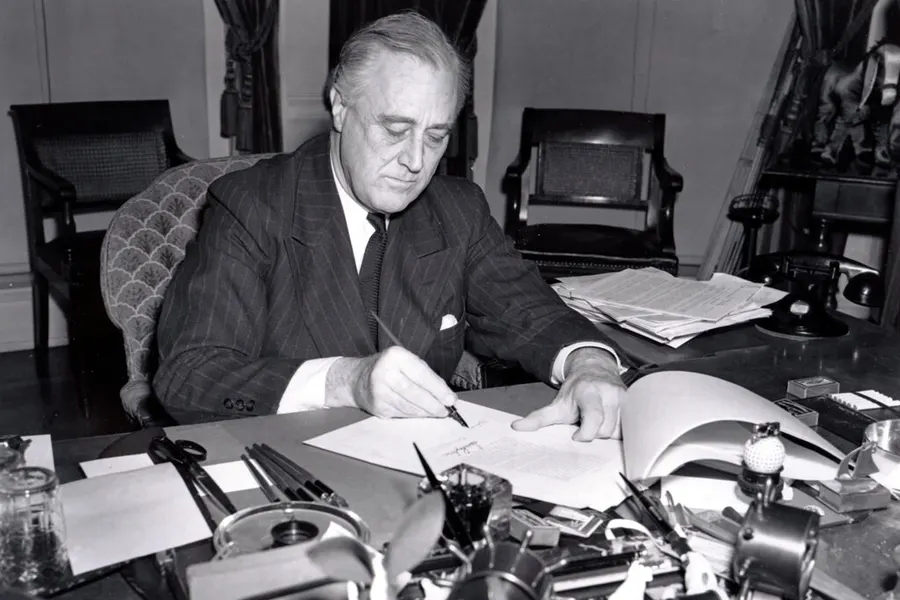
President Roosevelt signing the Lend-Lease bill, 11 March 1941.President Roosevelt signing the Lend-Lease bill, 11 March 1941.Image: Unknown photographer (Library of Congress) · Public domain
world · Americas

Roosevelt signs the Lend-Lease Act

After two months of debate in Congress, President Franklin Roosevelt signed a law allowing the United States to lend or lease war supplies to any country whose defence he judged vital to American security, while staying officially neutral. Britain received the first aid, and by the end of the war more than thirty countries had been supplied.

Source: National Archives: Lend-Lease Act ↗
1942
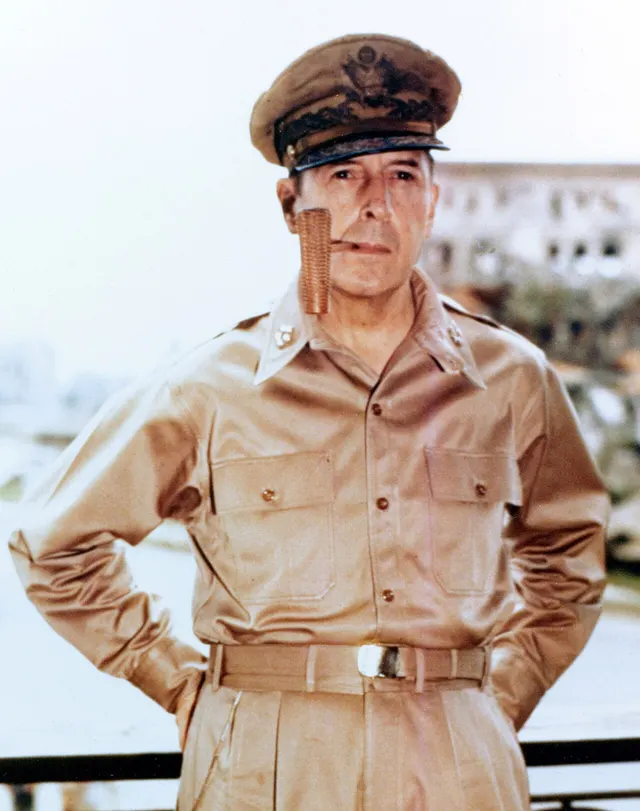
General Douglas MacArthur.General Douglas MacArthur.Image: Photographer not credited. · Public domain
world · Asia

MacArthur leaves Corregidor

On President Roosevelt’s orders, General Douglas MacArthur, his family and some of his staff slipped away from the besieged island fortress of Corregidor in the Philippines by night in PT boats. They reached Mindanao and flew on to Australia, where MacArthur promised: ‘I shall return.’ He landed again in the Philippines in October 1944.

Source: National WWII Museum: MacArthur returns to the Philippines ↗
1985
politics · Europe

Gorbachev becomes Soviet leader

The day after Konstantin Chernenko died, the Soviet Politburo and then the Central Committee chose Mikhail Gorbachev, aged 54 and the youngest member of the Politburo, as General Secretary of the Communist Party on 11 March 1985. The veteran foreign minister Andrei Gromyko proposed him. Gorbachev’s reforms of openness and restructuring, glasnost and perestroika, and his talks with the West helped end the Cold War. Within seven years the Soviet Union itself had dissolved.

Source: Wilson Center Digital Archive: Politburo session nominating Gorbachev as General Secretary ↗
1990
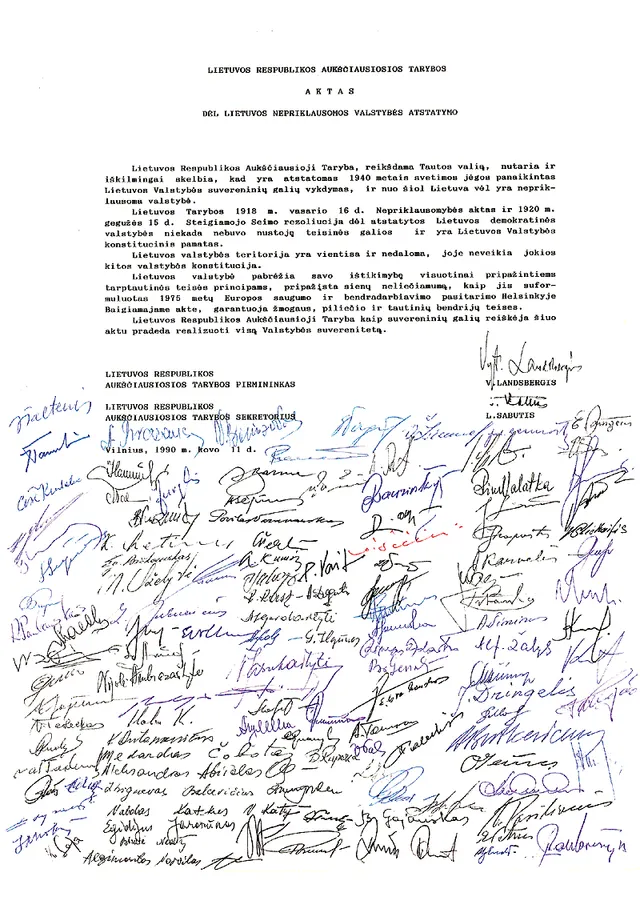
The Act of the Re-Establishment of the State of Lithuania, signed on 11 March 1990.The Act of the Re-Establishment of the State of Lithuania, signed on 11 March 1990.Image: Supreme Council of Lithuania · Public domain
politics · Europe

Lithuania declares its independence restored

Late on the evening of 11 March 1990, after a session lasting nearly fifteen hours, Lithuania’s newly elected Supreme Council voted 124 to 0, with six abstentions, to restore the country’s independence. The act declared that the sovereignty abolished by foreign forces in 1940 was restored. Vytautas Landsbergis was elected to lead the council that same day. Lithuania was the first Soviet republic to break away. Moscow answered with an economic blockade and, in January 1991, a deadly military crackdown in Vilnius, but the Soviet Union recognised its independence in September 1991. The day is a national holiday in Lithuania.

Source: Seimas of the Republic of Lithuania: 11 March, Day of Restoration of Independence ↗
1990
President Patricio Aylwin and General Augusto Pinochet at the handover of power, 1990.President Patricio Aylwin and General Augusto Pinochet at the handover of power, 1990.Image: Biblioteca del Congreso Nacional - Chile · CC BY-SA 3.0 cl
politics · Americas

Chile returns to democracy

On 11 March 1990, before the National Congress in Valparaíso, General Augusto Pinochet handed the presidency to Patricio Aylwin, a Christian Democrat elected the previous December. It ended almost seventeen years of military rule that began with the coup of 1973. Pinochet had lost a referendum on staying in power in 1988, but he remained head of the army until 1998. Aylwin set up a commission to investigate the killings and disappearances of the dictatorship. Chile’s presidents have taken office on 11 March ever since.

Source: Encyclopaedia Britannica: Patricio Aylwin ↗
VI
2000 TO TODAY

Modern Day

The events of recent decades that have already become part of the historical record.

2003
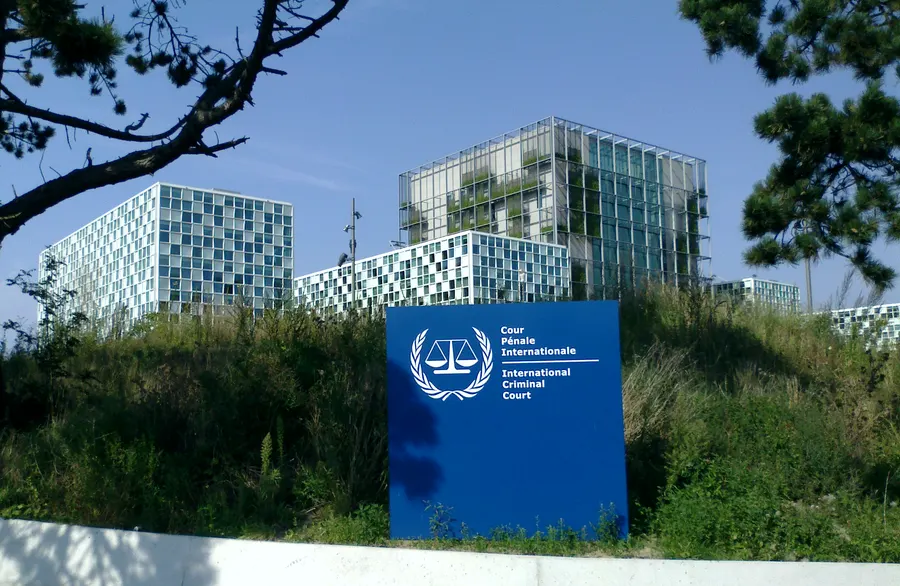
The International Criminal Court's permanent building in The Hague, 2016.The International Criminal Court’s permanent building in The Hague, 2016.Image: OSeveno · CC BY-SA 4.0
world · Global

The International Criminal Court is inaugurated

In The Hague, eighteen judges, eleven men and seven women, were sworn in as the first members of the International Criminal Court, the first permanent court able to try individuals for genocide, crimes against humanity and war crimes. They elected the Canadian Philippe Kirsch as the court’s first president.

Source: UN News: UN officials hail inauguration of international criminal court ↗
2004
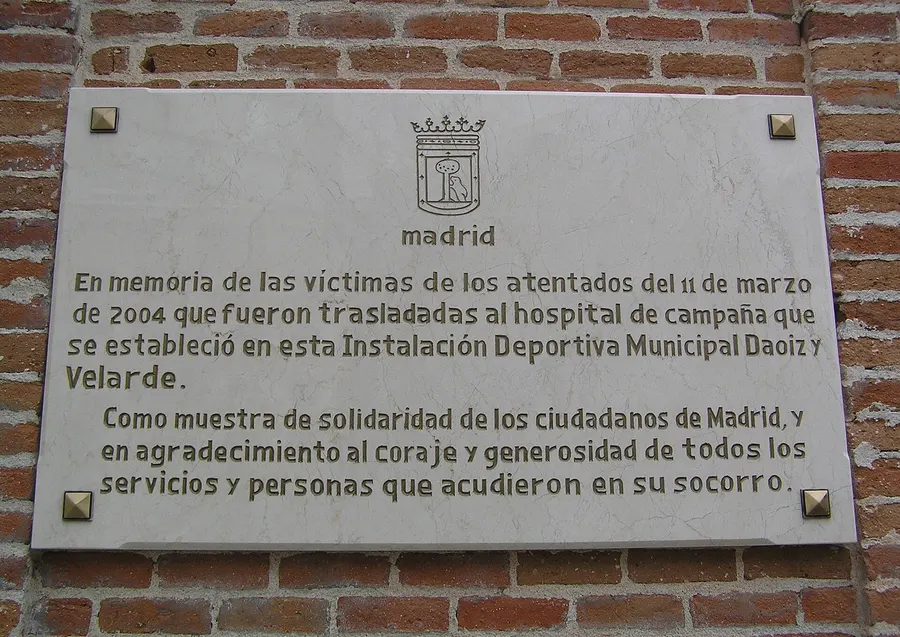
A plaque in Madrid in memory of the victims of 11 March 2004.A plaque in Madrid in memory of the victims of 11 March 2004.Image: Mr. Tickle · CC BY-SA 3.0
world · Europe

Bombs on Madrid’s commuter trains

During the morning rush hour, ten bombs exploded on four commuter trains in and around Madrid’s Atocha station, killing 191 people and injuring more than 1,800. The attack, three days before a general election, was carried out by militants inspired by al-Qaeda. The European Union now remembers all victims of terrorism on 11 March.

Source: Encyclopaedia Britannica: Madrid train bombings of 2004 ↗
2011
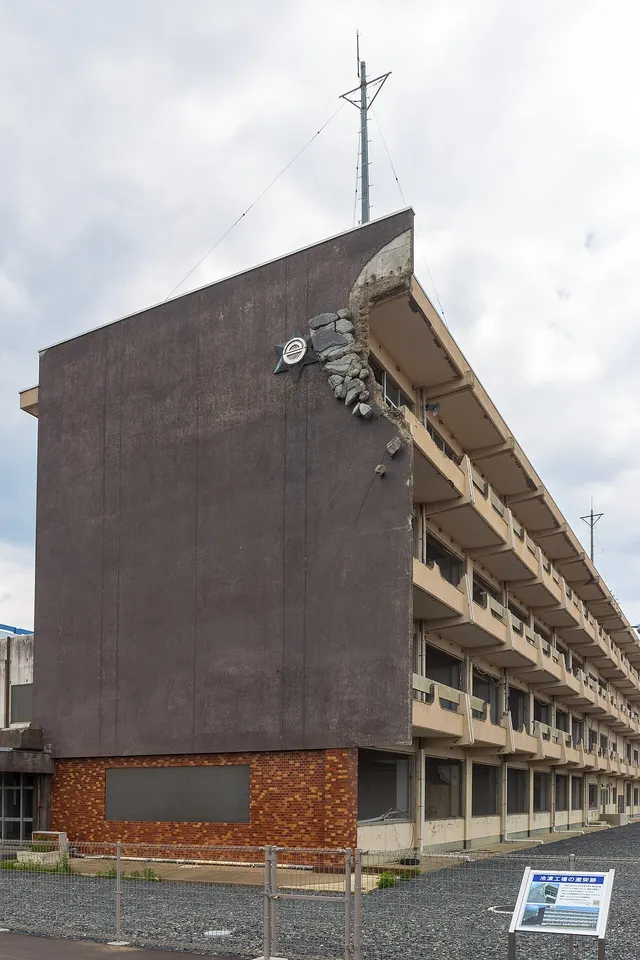
The former Kesennuma Koyo High School, struck by the tsunami and now kept as a memorial museum, photographed in 2019.The former Kesennuma Koyo High School, struck by the tsunami and now kept as a memorial museum, photographed in 2019.Image: Yasu · CC BY-SA 3.0
world · Asia

An earthquake and tsunami devastate north-eastern Japan

At 2.46 in the afternoon of 11 March 2011 a magnitude 9.0 earthquake struck under the sea about 130 kilometres east of Sendai. It was the strongest ever recorded in Japan, and it sent a tsunami more than 30 metres high in places surging up to 5 kilometres inland along the north-east coast. About 18,500 people were killed or never found, and more than 120,000 buildings were destroyed. The waves also knocked out the backup power at the Fukushima Daiichi nuclear plant, causing the worst nuclear accident since Chernobyl.

Source: US Geological Survey: Japan lashed by powerful earthquake, devastating tsunami ↗
2020
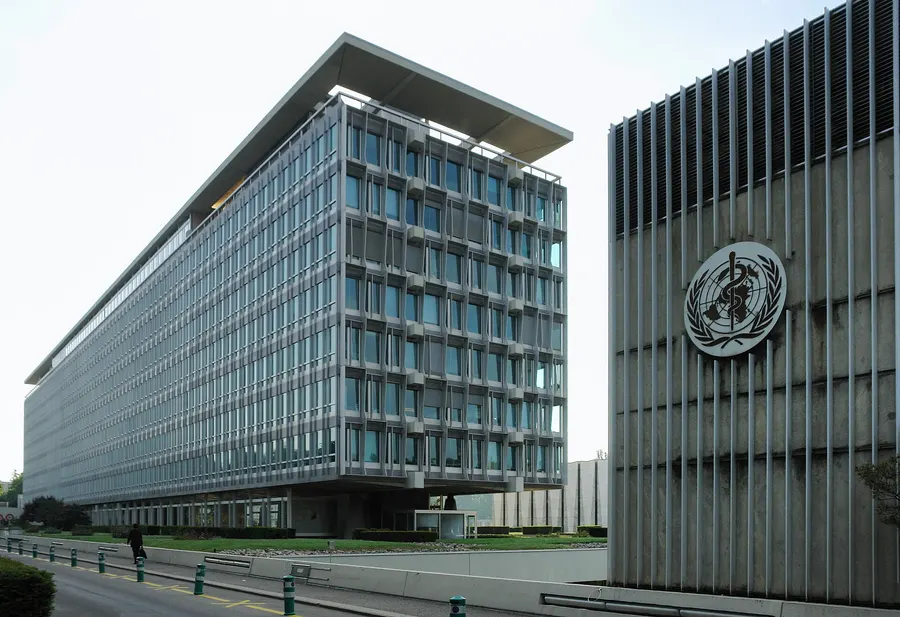
The World Health Organization's headquarters in Geneva.The World Health Organization’s headquarters in Geneva.Image: Yann Forget · CC BY-SA 3.0
science · Global

The WHO calls COVID-19 a pandemic

At a press briefing on 11 March 2020 the Director-General of the World Health Organization, Tedros Adhanom Ghebreyesus, said that COVID-19 could now be characterised as a pandemic. In the previous two weeks the number of cases outside China had risen thirteen-fold, and the number of countries affected had tripled. It was the first pandemic known to be caused by a coronavirus. Tedros warned of alarming levels of inaction, and within days much of the world was in lockdown.

Source: World Health Organization: Director-General’s opening remarks at the media briefing, 11 March 2020 ↗
RESEARCH

Sources & Further Reading

Selected authoritative references supporting the events on this page.

WHY THESE MOMENTS?

Significance before volume

This page is not the longest possible list of events. It is a chronological journey through 11 March, where each entry is chosen for historical significance, human interest and reliability.

Facts are checked against authoritative museums, archives, universities and reference works. Where sources disagree, the page says so.

EXPLORED THE DEEPER STORY?

Return to the highlights of 11 March

Discover the lighter side of the date with famous birthdays, culture, firsts and lives remembered.

Explore This Day →
← PREVIOUS DAY10 March
HISTORY & TIMELINE11 March
NEXT DAY →12 March