HISTORY & TIMELINE
10 March

A journey through
10 March in history

From the sighting of the Galápagos in 1535 to the arrival of a NASA orbiter at Mars in 2006, 10 March has brought discoveries, uprisings and disasters. This timeline follows the date across nearly five centuries.

III
A CHANGING WORLD

Early Modern Era

Exploration, political change, scientific development and expanding global connections.

1535
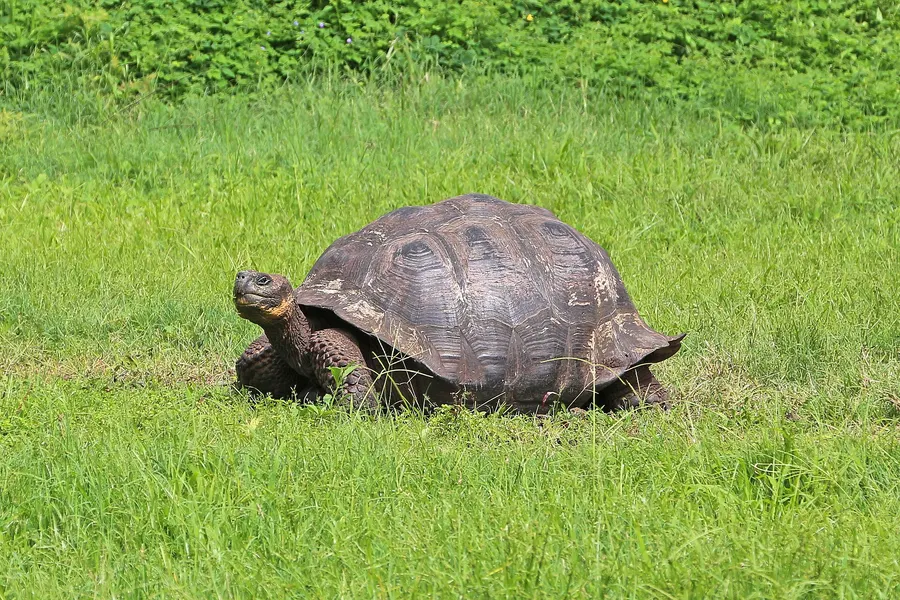
A Santa Cruz giant tortoise in Galápagos National Park, Ecuador.A Santa Cruz giant tortoise in Galápagos National Park, Ecuador.Image: Bernard Gagnon · CC BY-SA 3.0
world · Americas

A lost bishop comes upon the Galápagos

In February 1535 Tomás de Berlanga, Bishop of Panama, sailed for Peru on the orders of the Spanish king. Becalmed near the Equator and carried west by strong currents, his ship drifted for days until, on 10 March by the calendar then in use, the crew sighted unknown islands. Desperate for water, they went ashore. Berlanga’s report to the king gave the first description of the islands and their giant tortoises, or galápagos, which later gave the islands their name.

Source: Galápagos Conservancy: History of Galápagos ↗
IV
THE NINETEENTH CENTURY

The 1800s

Industry, empire, invention, reform and a century of enormous transformation.

1804
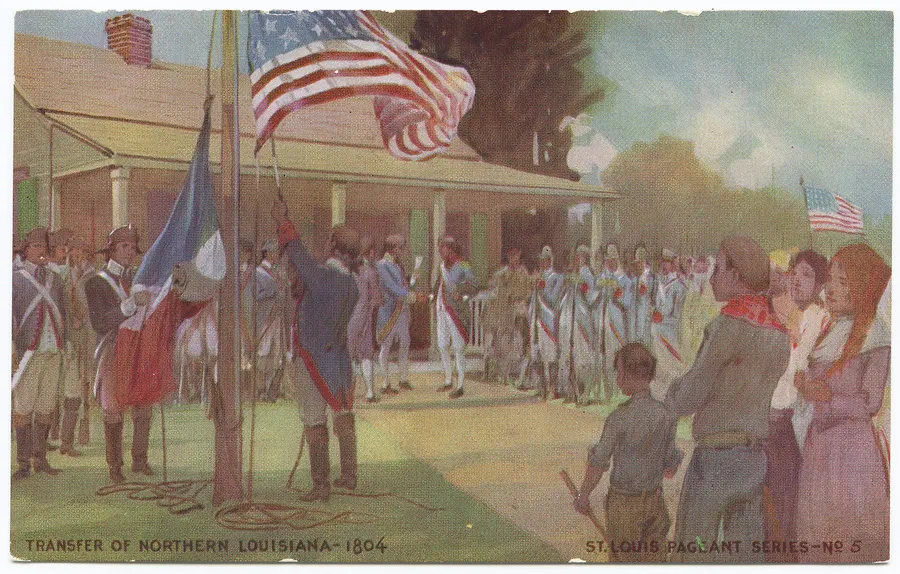
The transfer of Upper Louisiana at St Louis, as imagined in a pageant print of 1914.The transfer of Upper Louisiana at St Louis, as imagined in a pageant print of 1914.Image: After F. L. Stoddard (St. Louis Pageant series, 1914) · Public domain
politics · Americas

The United States takes over Upper Louisiana

At St Louis, a day after Spain formally handed Upper Louisiana to France, Captain Amos Stoddard took possession for the United States and the Stars and Stripes was raised. Because three flags flew over the town in two days, the ceremony is remembered as Three Flags Day. Meriwether Lewis was among the witnesses.

Source: National Park Service: US takes possession of Louisiana ↗
1831
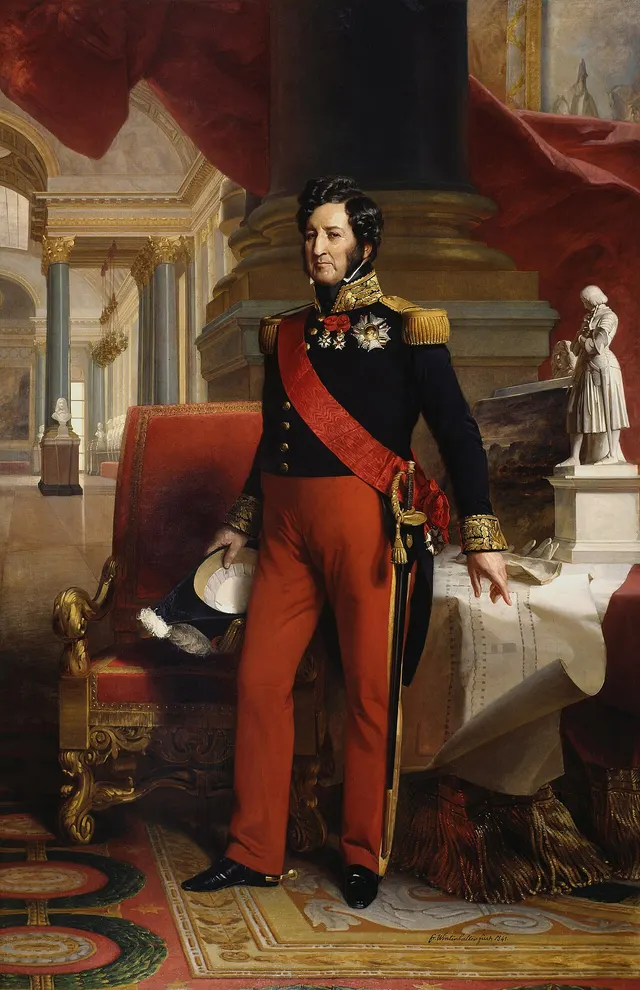
King Louis-Philippe of France, in a portrait of 1841.King Louis-Philippe of France, in a portrait of 1841.Image: Franz Xaver Winterhalter · Public domain
world · Europe

The French Foreign Legion is created

A royal ordinance of King Louis-Philippe, following a law passed the day before, created a legion of foreign soldiers to serve outside mainland France, chiefly in Algeria, which France had invaded in 1830. Recruits could enlist under a declared name. The first legionnaires landed in Algeria that summer.

Source: French Ministry of the Armed Forces (Chemins de mémoire): The French Foreign Legion ↗
1876
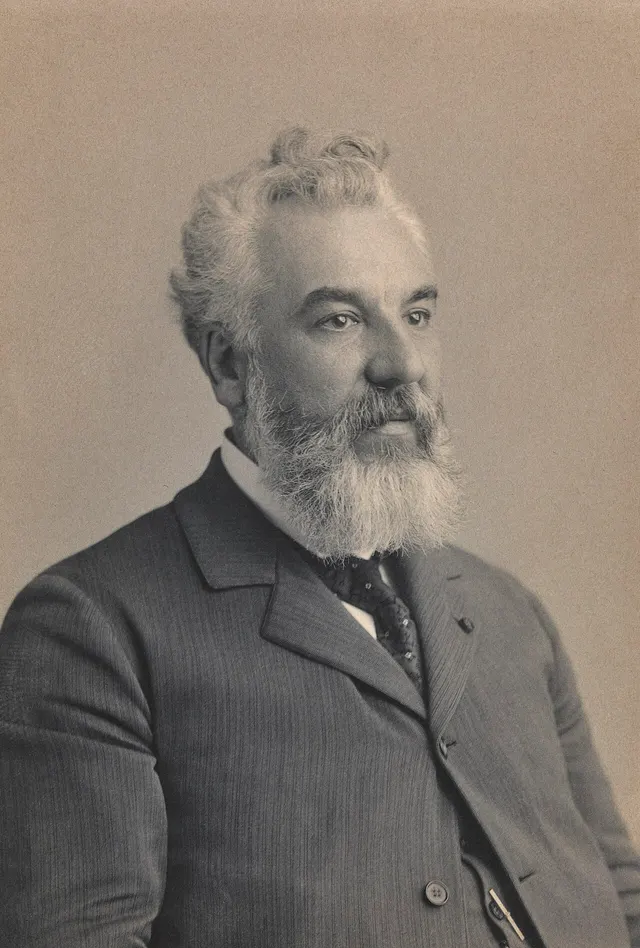
Alexander Graham Bell in 1895.Alexander Graham Bell in 1895.Image: Unknown authorUnknown author · CC0
science · Americas

‘Mr Watson, come here’

On 10 March 1876, three days after his telephone patent was granted, Alexander Graham Bell spoke into his instrument in his Boston workshop to his assistant Thomas Watson in the next room: ‘Mr Watson, come here, I want to see you.’ Watson heard the words and came. Bell recorded the moment in his notebook that day. He wrote to his father the same evening that the day might come when wires would bring speech into houses just as they brought water and gas.

Source: Library of Congress: Alexander Graham Bell papers, collection highlights ↗
V
THE TWENTIETH CENTURY

The 1900s

War and peace, technological leaps, social change, politics, sport and popular culture.

1906
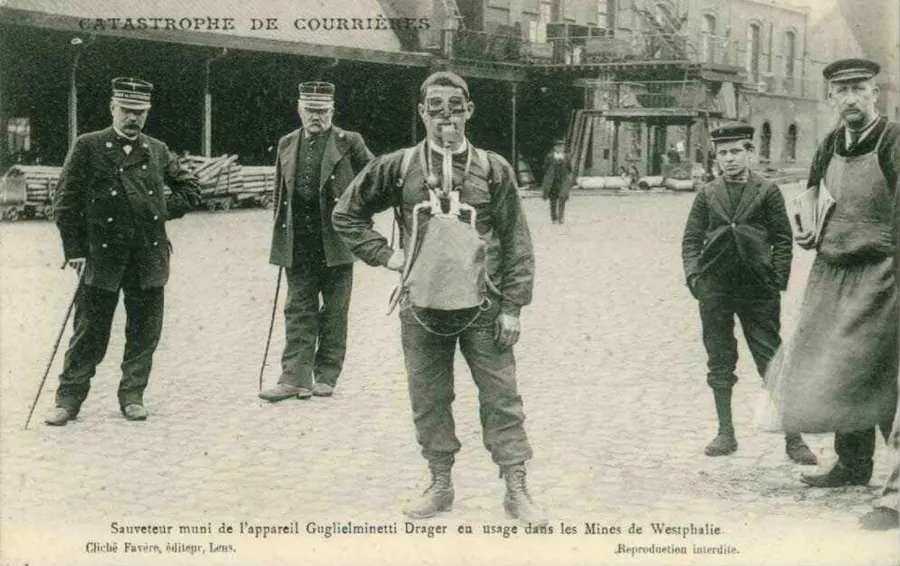
Rescuers with breathing apparatus at Courrières, on a postcard of 1906.Rescuers with breathing apparatus at Courrières, on a postcard of 1906.Image: Unknown photographer (postcard, 1906) · Public domain
world · Europe

The Courrières mine disaster

An explosion tore through the Courrières company’s coal mines in the Pas-de-Calais in northern France early in the morning, killing 1,099 miners, the worst mining disaster in Europe’s history. Thirteen survivors emerged twenty days later. Rescue teams came from Germany to help, and the disaster led to strikes across the coalfield.

Source: Deutsches Bergbau-Museum Bochum: The mining disaster of Courrières 1906 ↗
1914
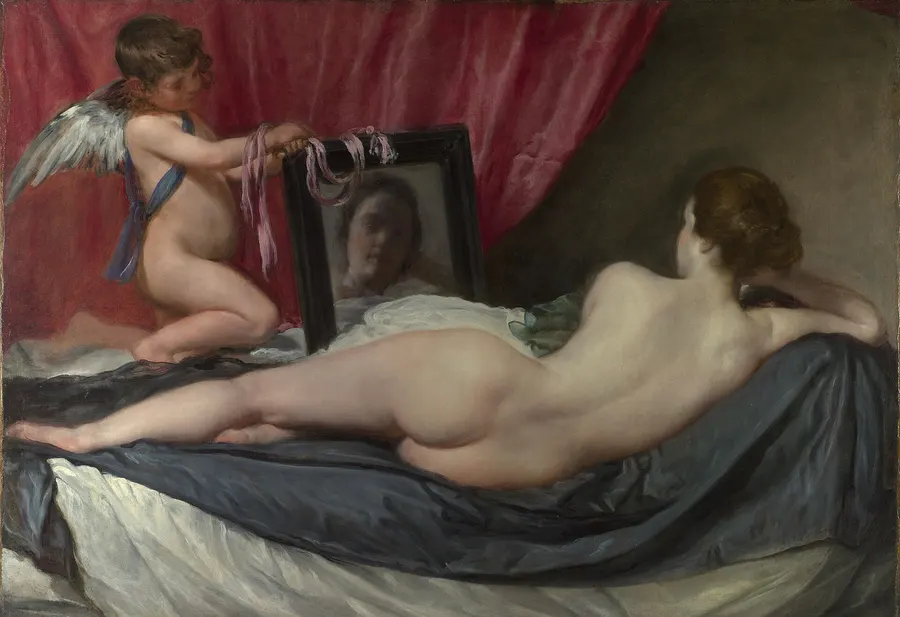
The Rokeby Venus (The Toilet of Venus) by Diego Velázquez, about 1647-51, in the National Gallery, London.The Rokeby Venus (The Toilet of Venus) by Diego Velázquez, about 1647-51, in the National Gallery, London.Image: Diego Velázquez · Public domain
culture · Europe

A suffragette slashes the Rokeby Venus

On 10 March 1914 the suffragette Mary Richardson walked into the National Gallery in London and attacked Velázquez’s painting of Venus with a meat cleaver, cutting the canvas several times. It was a protest against the arrest of the suffrage leader Emmeline Pankhurst the day before. Richardson said she had tried to destroy the most beautiful woman in mythology because the government was destroying Mrs Pankhurst. She was jailed for six months, and the painting was skilfully restored.

Source: History Today: Deeds not words, the slashing of the Rokeby Venus ↗
1945
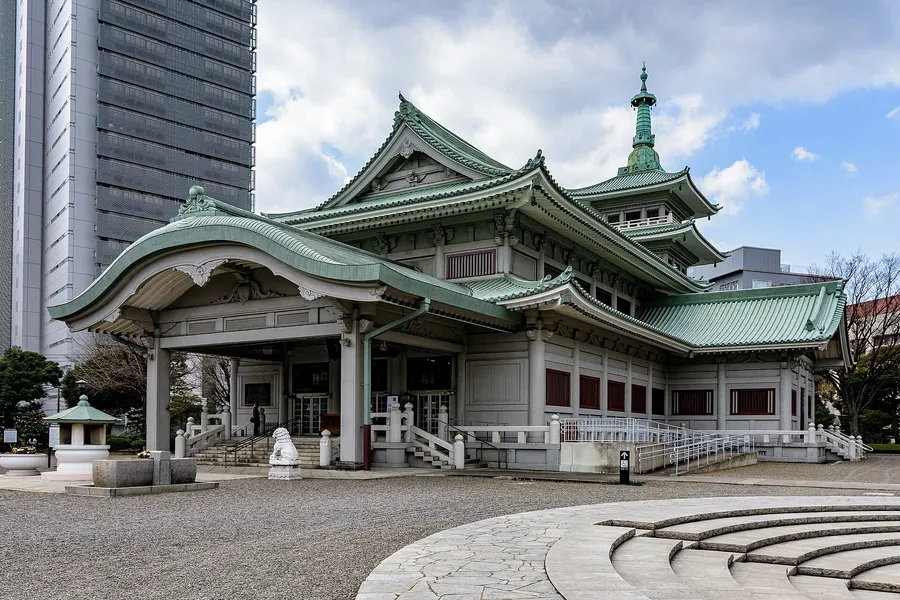
The Tokyo Metropolitan Memorial Hall in Yokoamichō Park, Sumida, where the victims of the raids are remembered.The Tokyo Metropolitan Memorial Hall in Yokoamichō Park, Sumida, where the victims of the raids are remembered.Image: Lcsschiller · CC BY-SA 4.0

world · Asia

Fire bombs destroy much of Tokyo

Late on 9 March 1945 more than 300 American B-29 bombers took off from the Mariana Islands for Tokyo. Flying low, just after midnight on 10 March they began dropping incendiary bombs on the crowded, largely wooden districts east of the city centre, and strong winds spread the fires into a firestorm. About 16 square miles of the city burned. Around 100,000 people were killed and more than a million were left homeless, making it the deadliest single air raid in history. Japan remembers the victims every year on 10 March.

Source: National WWII Museum: Hellfire on Earth, Operation Meetinghouse ↗
1952
Fulgencio Batista at a press conference at Camp Columbia, Havana, on the day of the coup, 10 March 1952.Fulgencio Batista at a press conference at Camp Columbia, Havana, on the day of the coup, 10 March 1952.Image: Unknown photographer · Public domain
politics · Americas

Batista seizes power in Cuba

In the early hours of 10 March 1952 General Fulgencio Batista, a former president who was trailing in the race for elections due that June, took control of the Camp Columbia army base in Havana. President Carlos Prío Socarrás fled, and the coup was almost bloodless. Batista’s rule grew harsher and more corrupt. His seizure of power drove a young lawyer, Fidel Castro, to armed revolt, and Batista fled Cuba on 1 January 1959.

Source: US Office of the Historian: Foreign Relations of the United States 1952-54, vol. IV, document 325 ↗
1959
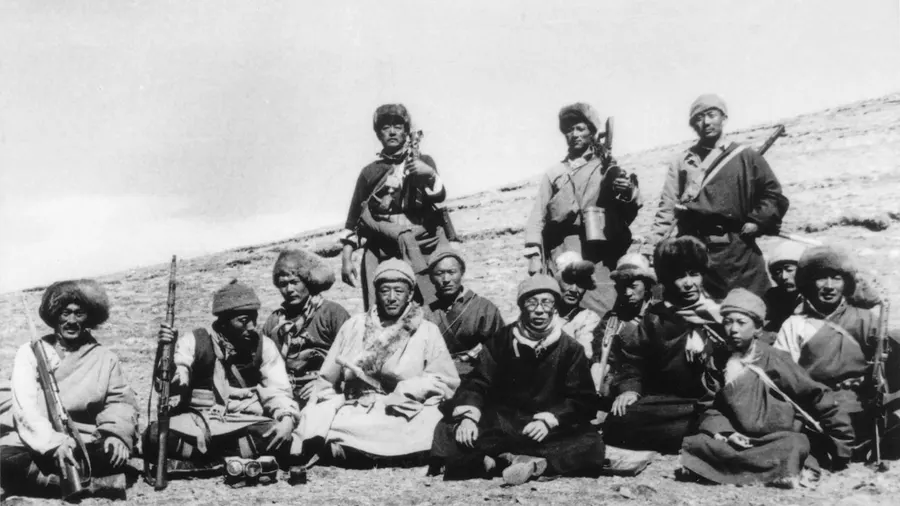
The Dalai Lama (seated, centre) with members of the escort who protected him during his flight to India, March 1959.The Dalai Lama (seated, centre) with members of the escort who protected him during his flight to India, March 1959.Image: Unknown photographer · Public domain
politics · Asia

Tibetans rise against Chinese rule in Lhasa

On the morning of 10 March 1959 thousands of Tibetans surrounded the Norbulingka, the Dalai Lama’s summer palace in Lhasa. They feared he would be seized if he accepted an invitation to a performance at the Chinese army’s headquarters, and the protest grew into a revolt against Chinese rule. On 17 March the Dalai Lama slipped out of the city in disguise. He reached India at the end of the month, and Chinese troops crushed the rising. Tens of thousands of Tibetans followed him into exile, where the anniversary is marked each year as Tibetan Uprising Day.

Source: Central Tibetan Administration: Tibetan Uprising Day ↗
1977
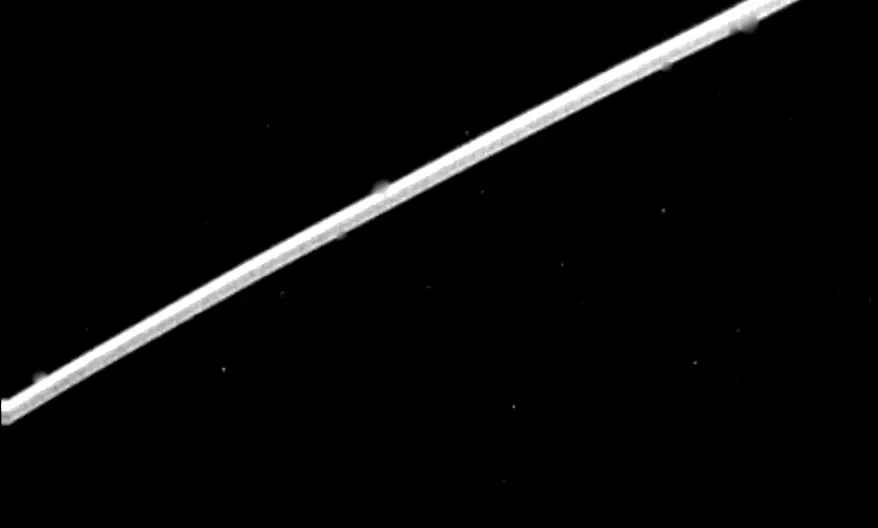
The epsilon ring of Uranus, photographed by Voyager 2 in January 1986.The epsilon ring of Uranus, photographed by Voyager 2 in January 1986.Image: NASA/JPL · Public domain

science · Global

Astronomers discover the rings of Uranus

On 10 March 1977 James Elliot, Edward Dunham and Douglas Mink were watching Uranus pass in front of a star from NASA’s Kuiper Airborne Observatory, a telescope carried in a converted cargo plane. To their surprise the starlight dimmed several times before and after the planet crossed it. The dips revealed narrow rings around Uranus, only the second ring system then known after Saturn’s. Five were found at first and nine soon after, and Voyager 2 photographed them in 1986.

Source: MIT News: James Elliot, discoverer of the rings of Uranus ↗
VI
2000 TO TODAY

Modern Day

The events of recent decades that have already become part of the historical record.

2000
The Nasdaq MarketSite in Times Square, New York, 2021.The Nasdaq MarketSite in Times Square, New York, 2021.Image: ajay_suresh · CC BY 2.0
world · Americas

The dot-com bubble reaches its peak

The Nasdaq Composite index, packed with internet and technology shares, closed at a record 5,048.62. The bubble then burst: by October 2002 the index had lost more than three-quarters of its value, and many young internet companies had gone out of business.

Source: Nasdaq: Nasdaq Composite hits 5,000 ↗
2006
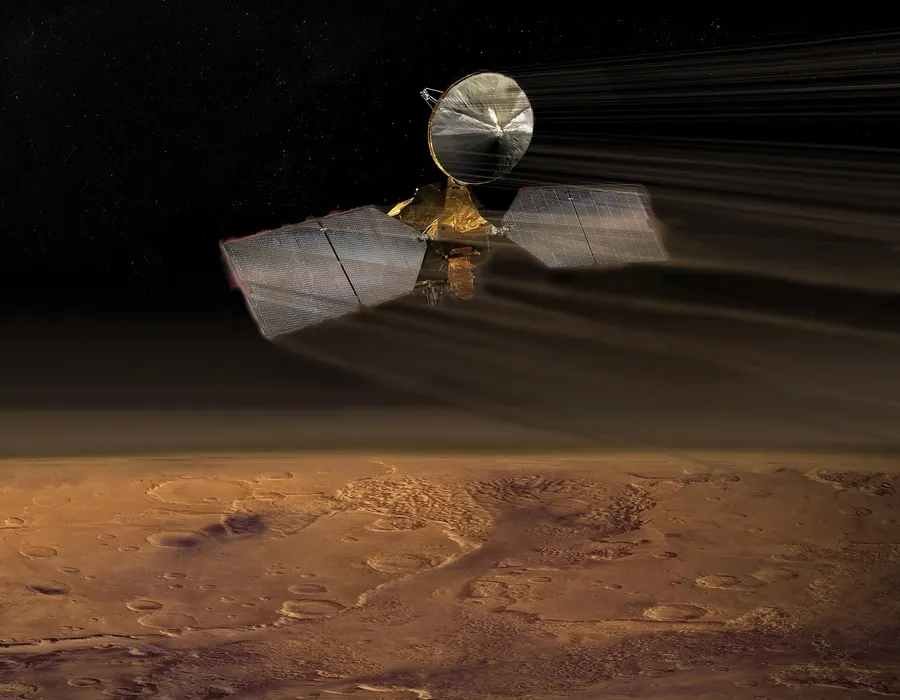
An artist's impression of the Mars Reconnaissance Orbiter skimming the Martian atmosphere.An artist’s impression of the Mars Reconnaissance Orbiter skimming the Martian atmosphere.Image: NASA/JPL/Corby Waste · Public domain
science · Global

NASA’s Mars Reconnaissance Orbiter reaches Mars

On 10 March 2006 the Mars Reconnaissance Orbiter fired its six main engines for about 27 minutes to slow down enough to be captured by the planet’s gravity. Engineers at NASA’s Jet Propulsion Laboratory cheered when its signal returned from behind Mars. Over the next six months the craft dipped repeatedly into the thin upper atmosphere to shrink its orbit. Its powerful camera has since mapped the planet in fine detail and scouted landing sites for later missions.

Source: NASA Jet Propulsion Laboratory: Robotic NASA craft begins orbiting Mars ↗
RESEARCH

Sources & Further Reading

Selected authoritative references supporting the events on this page.

Galápagos Conservancy: History of Galápagos↗Charles Darwin Foundation (Galapagueana): The discovery↗National Park Service: US takes possession of Louisiana↗City of St. Louis: Transfer of Upper Louisiana↗French Ministry of the Armed Forces (Chemins de mémoire): The French Foreign Legion↗FSALE (Foreign Legion veterans’ federation): Why the Legion’s day is Camerone and not 10 March 1831↗Library of Congress: Alexander Graham Bell papers, collection highlights↗Library of Congress Information Bulletin: ‘Mr. Watson, come here’↗Deutsches Bergbau-Museum Bochum: The mining disaster of Courrières 1906↗Encyclopédie d’histoire numérique de l’Europe (Sorbonne): A disaster, Courrières 1906↗History Today: Deeds not words, the slashing of the Rokeby Venus↗The Art Newspaper: How Velázquez’s Rokeby Venus became a symbol of public pride and political protest↗mkgandhi.org (Gandhi Book Centre): The arrest of Mahatma Gandhi↗mkgandhi.org: The Great Trial of 1922↗National WWII Museum: Hellfire on Earth, Operation Meetinghouse↗Encyclopaedia Britannica: Bombing of Tokyo↗US Office of the Historian: Foreign Relations of the United States 1952-54, vol. IV, document 325↗Encyclopaedia Britannica: Fulgencio Batista↗Central Tibetan Administration: Tibetan Uprising Day↗Encyclopaedia Britannica: Tibet since 1900↗MIT News: James Elliot, discoverer of the rings of Uranus↗NASA Technical Reports Server: The rings of Uranus (Elliot, Dunham and Mink, 1977)↗Nasdaq: Nasdaq Composite hits 5,000↗Federal Reserve Bank of St. Louis (FRED): Nasdaq Composite index↗NASA Jet Propulsion Laboratory: Robotic NASA craft begins orbiting Mars↗NASA Jet Propulsion Laboratory: Ten years of discovery by Mars Reconnaissance Orbiter↗
WHY THESE MOMENTS?

Significance before volume

This page is not the longest possible list of events. It is a chronological journey through 10 March, where each entry is chosen for historical significance, human interest and reliability.

Facts are checked against authoritative museums, archives, universities and reference works. Where sources disagree, the page says so.

EXPLORED THE DEEPER STORY?

Return to the highlights of 10 March

Discover the lighter side of the date with famous birthdays, culture, firsts and lives remembered.

Explore This Day →
← PREVIOUS DAY9 March
HISTORY & TIMELINE10 March
NEXT DAY →11 March