
HISTORY & TIMELINE
9 March

A journey through
9 March in history

From Cabral’s departure for the Indies in 1500 to the deportation of Archbishop Makarios in 1956, 9 March has seen voyages, landmark books and the birth of a great football club. This timeline follows the date across nearly five centuries.

JUMP THROUGH TIME
III
A CHANGING WORLD

Early Modern Era

Exploration, political change, scientific development and expanding global connections.

1500
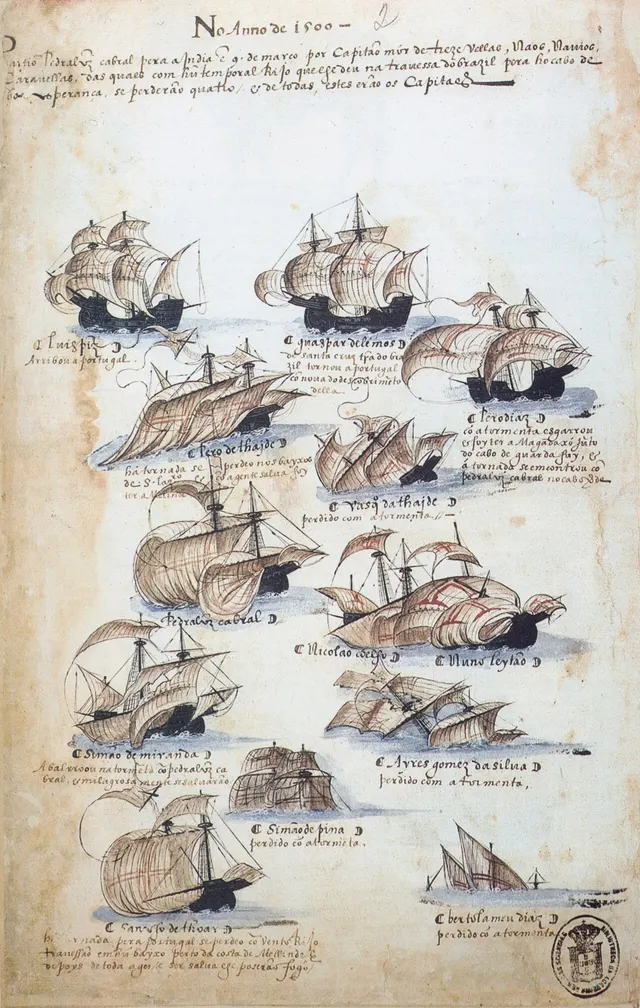
Cabral's fleet as drawn in a Portuguese record of about 1568.Cabral’s fleet as drawn in a Portuguese record of about 1568.Image: Unknown authorUnknown author · Public domain
world · Europe

Cabral’s fleet sails from Lisbon

A fleet of thirteen ships under Pedro Álvares Cabral left Lisbon for India, following Vasco da Gama’s route. Swinging far out into the Atlantic, it sighted the coast of Brazil on 22 April and claimed it for Portugal before sailing on to India. The dates are those of the calendar then in use.

Source: Encyclopaedia Britannica: Pedro Álvares Cabral ↗
1776
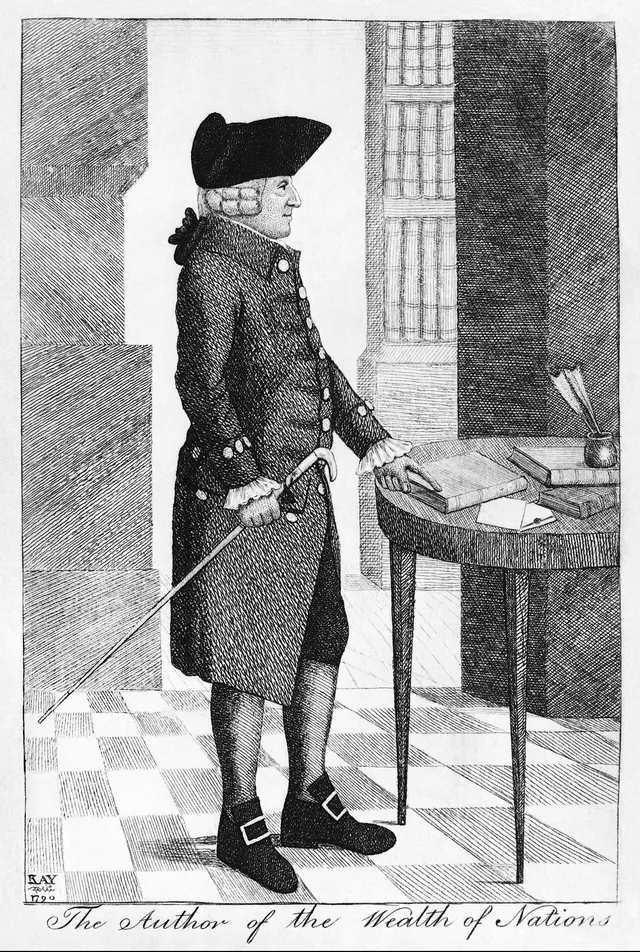
Adam Smith, 'the author of the Wealth of Nations', in an engraving by John Kay, 1790.Adam Smith, ‘the author of the Wealth of Nations’, in an engraving by John Kay, 1790.Image: John Kay · Public domain
culture · Europe

Adam Smith publishes The Wealth of Nations

On 9 March 1776 the London publishers William Strahan and Thomas Cadell brought out An Inquiry into the Nature and Causes of the Wealth of Nations, in two large volumes, by the Scottish philosopher Adam Smith. Smith argued that the division of labour and free exchange, guided by self-interest, made nations rich. The first edition sold out in about six months, and the book became a founding text of modern economics.

Source: Adam Smith Works (Liberty Fund): Glasgow Edition, editor’s introduction ↗
1796
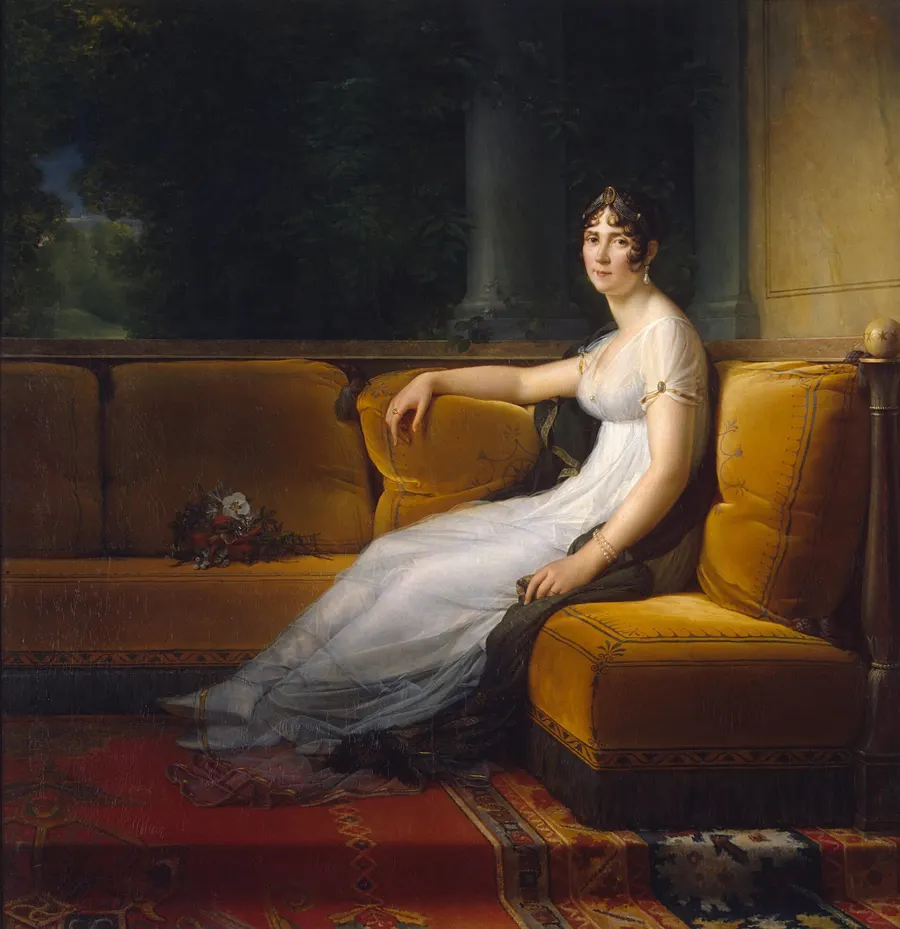
Joséphine at Malmaison, painted by François Gérard in 1801.Joséphine at Malmaison, painted by François Gérard in 1801.Image: François Gérard · Public domain
politics · Europe

Napoleon marries Joséphine

General Napoleon Bonaparte married Joséphine de Beauharnais, a widow whose first husband had died in the Terror, in a civil ceremony in Paris. He arrived about two hours late. Two days later he left to command the French army in Italy. The couple divorced in 1809 because she had not given him an heir.

Source: Fondation Napoléon: Life of Joséphine ↗
IV
THE NINETEENTH CENTURY

The 1800s

Industry, empire, invention, reform and a century of enormous transformation.

1841
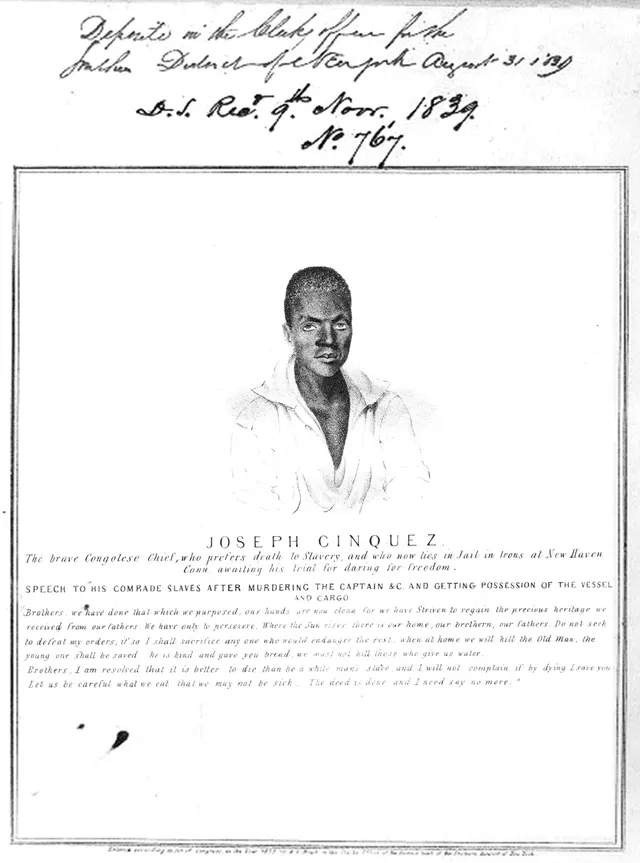
A broadside of 1839 with a portrait of Joseph Cinqué (Sengbe Pieh), leader of the revolt on the Amistad.A broadside of 1839 with a portrait of Joseph Cinqué (Sengbe Pieh), leader of the revolt on the Amistad.Image: Moses Yale Beach, portrait probably by James or Isaac Sheffield · Public domain
world · Americas

The Supreme Court frees the Amistad Africans

In 1839 Africans kidnapped from the region of Sierra Leone and shipped to Cuba rose up aboard the Spanish schooner Amistad. The ship ended up off Long Island, and the captives were jailed in Connecticut while Spain demanded their return. On 9 March 1841 the US Supreme Court, in an opinion by Justice Joseph Story, ruled that they had never been lawful property and were free. The survivors sailed home to Africa in 1842.

Source: Library of Congress: United States v. The Amistad, 40 U.S. 518 (1841) ↗
1862
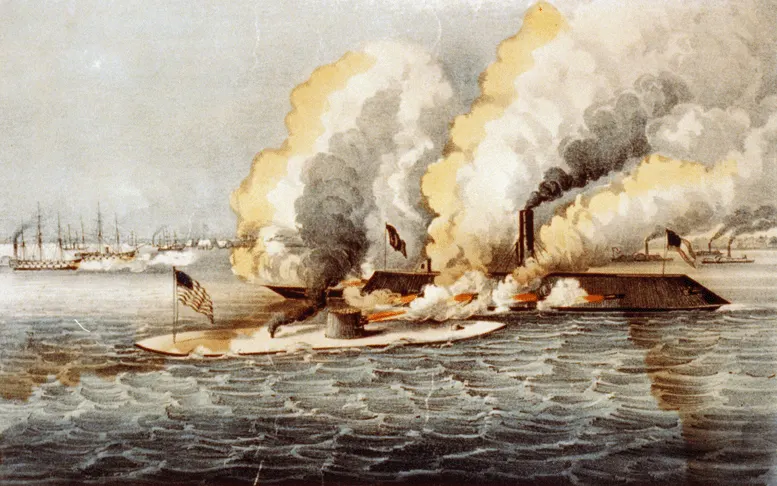
The Monitor and the Merrimac (CSS Virginia) at Hampton Roads, in a Currier & Ives print of 1862.The Monitor and the Merrimac (CSS Virginia) at Hampton Roads, in a Currier & Ives print of 1862.Image: Currier & Ives · Public domain

world · Americas

The first battle between ironclad warships

On 8 March 1862 the Confederate ironclad CSS Virginia, rebuilt from the scuttled USS Merrimack, rammed and sank the wooden warship Cumberland at Hampton Roads, Virginia. That night the Union’s new turreted ironclad, USS Monitor, arrived from New York. On the morning of 9 March the two iron ships fought for about four hours, often at close range, but neither could sink the other. It was the first fight between ironclads, and it made the world’s wooden navies obsolete.

Source: Naval History and Heritage Command: Battle of Hampton Roads ↗
V
THE TWENTIETH CENTURY

The 1900s

War and peace, technological leaps, social change, politics, sport and popular culture.

1908
San Siro stadium in Milan during an Inter match, 2019.San Siro stadium in Milan during an Inter match, 2019.Image: Vincenzo.togni · CC BY-SA 4.0
sport · Europe

Internazionale is founded in Milan

On the evening of 9 March 1908 a group of members who had broken away from the Milan Football and Cricket Club met at the Orologio restaurant near Milan’s cathedral and founded Football Club Internazionale. They wanted a club open to foreign players as well as Italians, hence the name. The painter Giorgio Muggiani chose black and blue as the club’s colours. Inter went on to win the European Cup three times.

Source: FC Internazionale Milano: 9 March 1908 ↗
1916
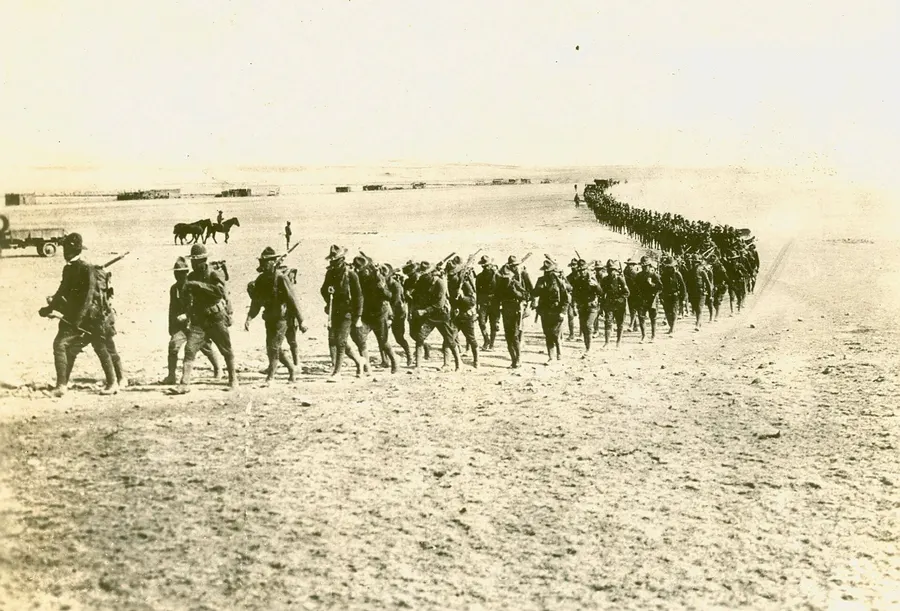
US infantry marching across the plains south of Columbus, New Mexico, in 1916.US infantry marching across the plains south of Columbus, New Mexico, in 1916.Image: US Army (Military History Institute) · Public domain
world · Americas

Pancho Villa raids Columbus, New Mexico

Before dawn several hundred of the Mexican revolutionary Pancho Villa’s men attacked the border town of Columbus, New Mexico, and the US Army camp there, burning part of the town before soldiers drove them back. President Wilson sent General John Pershing into Mexico to catch Villa, but the expedition never found him.

Source: US Army: Centennial of the Pancho Villa raid ↗
1932
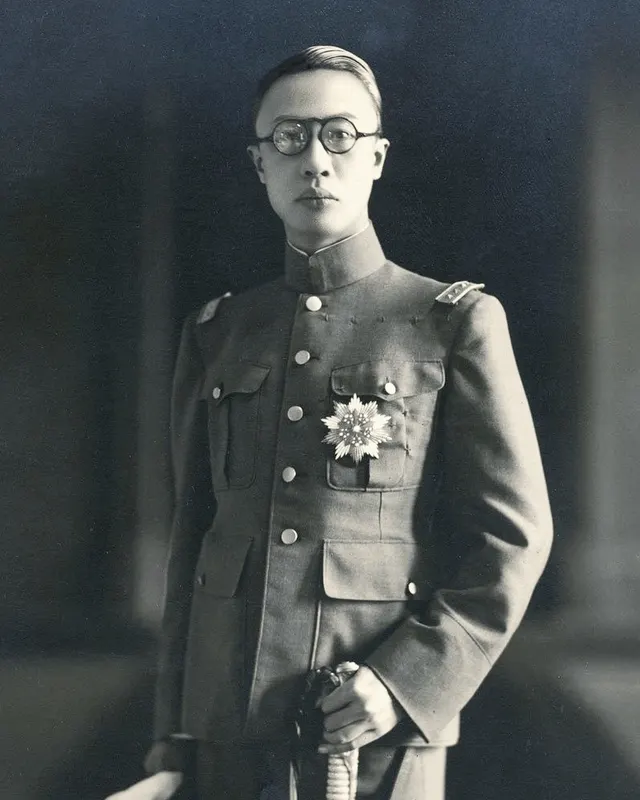
Puyi during the Manchukuo period.Puyi during the Manchukuo period.Image: Unknown authorUnknown author · Public domain
politics · Asia

Puyi becomes head of Japan’s puppet state

On 9 March 1932 Puyi, who had been the last emperor of China as a small boy, was installed as ‘Chief Executive’ of Manchukuo, the state Japan had created in north-east China after seizing Manchuria. The ceremony took place in Changchun, renamed Hsinking as the new capital. Real power lay with the Japanese army. In 1934 Puyi was enthroned as emperor of Manchukuo, which collapsed when the Soviet Union invaded in August 1945.

Source: Academy of Chinese Studies (Chinese Culture): Puyi and Manchukuo ↗
1956
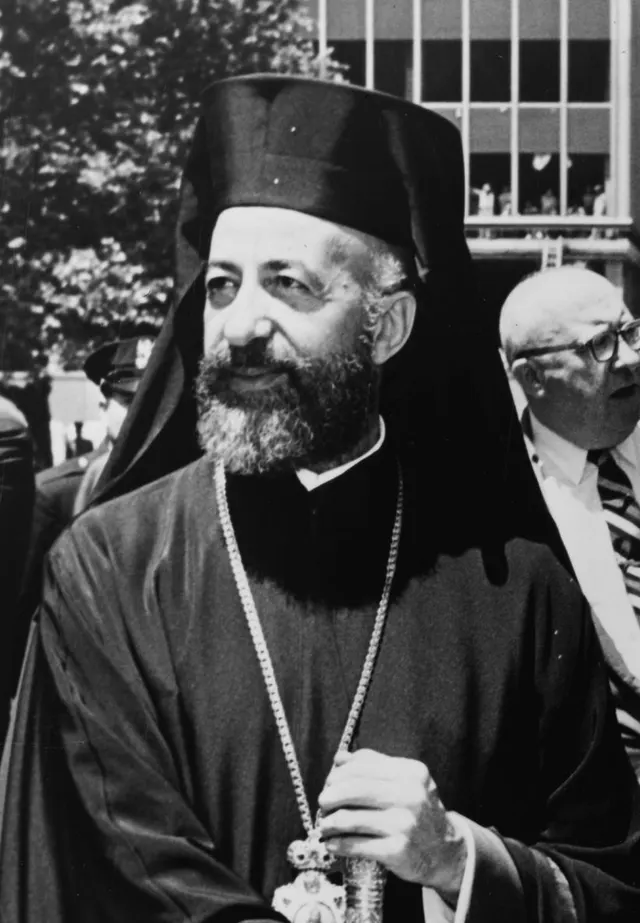
Archbishop Makarios in New York, 1962.Archbishop Makarios in New York, 1962.Image: Orlando Fernandez, New York World-Telegram and the Sun · Public domain
politics · Europe

Britain deports Archbishop Makarios

On 9 March 1956 British officials in Cyprus seized Archbishop Makarios, the leader of the Greek Cypriot campaign for union with Greece, at Nicosia airport as he was about to board a flight. Talks with the governor, Sir John Harding, had broken down amid an armed campaign by the EOKA movement. Makarios and three companions were sent into exile in the Seychelles. He was released a year later, and in 1960 he became the first president of an independent Cyprus.

Source: UK Parliament Hansard: Cyprus (deportations), 12 March 1956 ↗
1959
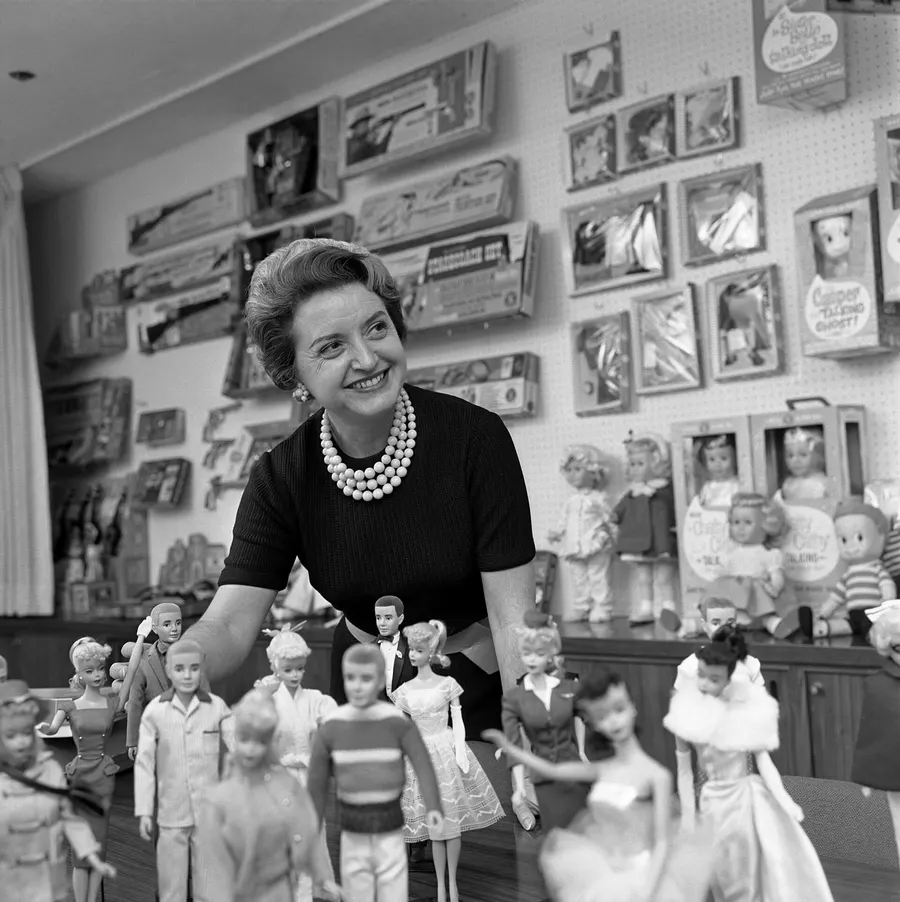
Ruth Handler of Mattel with a collection of Barbie dolls, 1961.Ruth Handler of Mattel with a collection of Barbie dolls, 1961.Image: Los Angeles Times (photographer unknown), restored by Adam Cuerden · CC BY 4.0
culture · Americas

Barbie makes her debut

On 9 March 1959 the toy company Mattel showed a new doll at the American International Toy Fair in New York. Ruth Handler, one of Mattel’s founders, had noticed her daughter Barbara playing with paper dolls of grown-up women, and named the doll Barbie after her. The first Barbie wore a black-and-white striped swimsuit and came as a blonde or a brunette. She became one of the best-selling toys ever made.

Source: Encyclopaedia Britannica: When did Barbie make her debut? ↗
1961
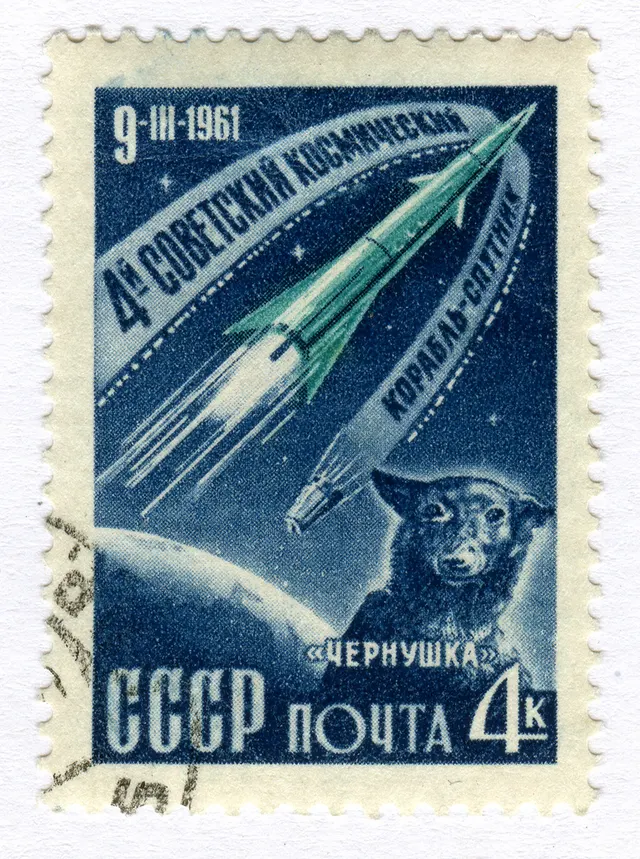
A Soviet stamp of 1961 honouring the flight of the dog Chernushka.A Soviet stamp of 1961 honouring the flight of the dog Chernushka.Image: Post of the Soviet Union · Public domain
science · Europe

Chernushka the dog rehearses the first human spaceflight

On 9 March 1961 the Soviet Union launched a Vostok spacecraft carrying a dog called Chernushka, along with mice, a guinea pig and a life-size dummy nicknamed Ivan Ivanovich. The craft made a single orbit of the Earth and landed safely, and the dummy was ejected to test the seat. The flight, known in the West as Sputnik 9, was a rehearsal. A month later, on 12 April, Yuri Gagarin made the same journey and became the first person in space.

Source: NASA Space Science Data Coordinated Archive: Korabl-Sputnik 4 ↗
WHY THESE MOMENTS?

Significance before volume

This page is not the longest possible list of events. It is a chronological journey through 9 March, where each entry is chosen for historical significance, human interest and reliability.

Facts are checked against authoritative museums, archives, universities and reference works. Where sources disagree, the page says so.

EXPLORED THE DEEPER STORY?

Return to the highlights of 9 March

Discover the lighter side of the date with famous birthdays, culture, firsts and lives remembered.

Explore This Day →
← PREVIOUS DAY8 March
HISTORY & TIMELINE9 March
NEXT DAY →10 March