
HISTORY & TIMELINE
12 March

A journey through
12 March in history

From the founding of the Girl Scouts in 1912 to the enlargement of NATO in 1999, 12 March has brought new nations, new alliances and the proposal that became the World Wide Web. This timeline follows the date across the twentieth century.

JUMP THROUGH TIME
V
THE TWENTIETH CENTURY

The 1900s

War and peace, technological leaps, social change, politics, sport and popular culture.

1912
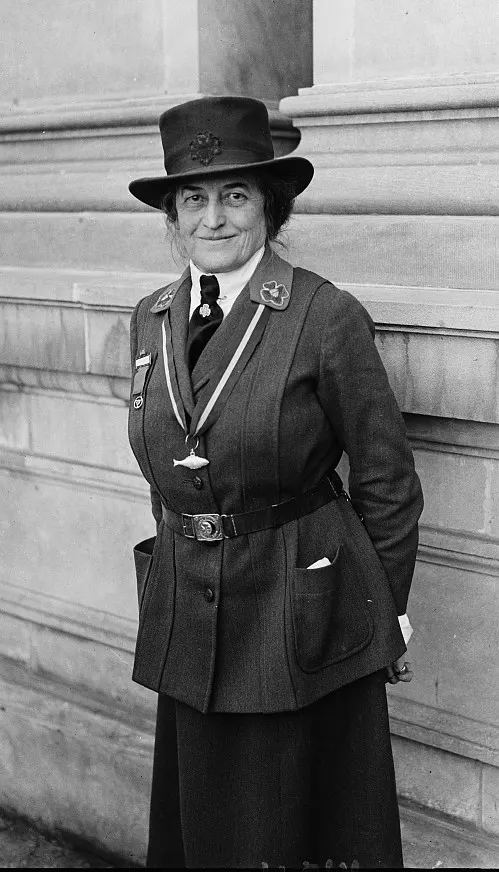
Juliette Gordon Low in uniform, 1923.Juliette Gordon Low in uniform, 1923.Image: Unknown authorUnknown author · Public domain
world · Americas

Juliette Gordon Low founds the Girl Scouts

In Savannah, Georgia, Juliette Gordon Low registered the first eighteen members of her new organisation for girls, inspired by the Girl Guides she had met in Britain. The group was first called the Girl Guides and grew into the Girl Scouts of the USA.

Source: Girl Scouts of the USA: Our history ↗
1913
The ceremony naming Canberra, 12 March 1913, with Prime Minister Andrew Fisher at the centre.The ceremony naming Canberra, 12 March 1913, with Prime Minister Andrew Fisher at the centre.Image: Unknown photographer · Public domain
politics · Oceania

Australia’s new capital is named Canberra

At a ceremony on a hill in the Australian countryside on 12 March 1913, Lady Denman, wife of the Governor-General, announced the name of the nation’s future capital: Canberra. Foundation stones were laid for a column to mark the start of the city. The name comes from the Aboriginal people of the area. Parliament moved to Canberra from Melbourne in 1927.

Source: National Archives of Australia: Lady Denman names Canberra ↗
1928
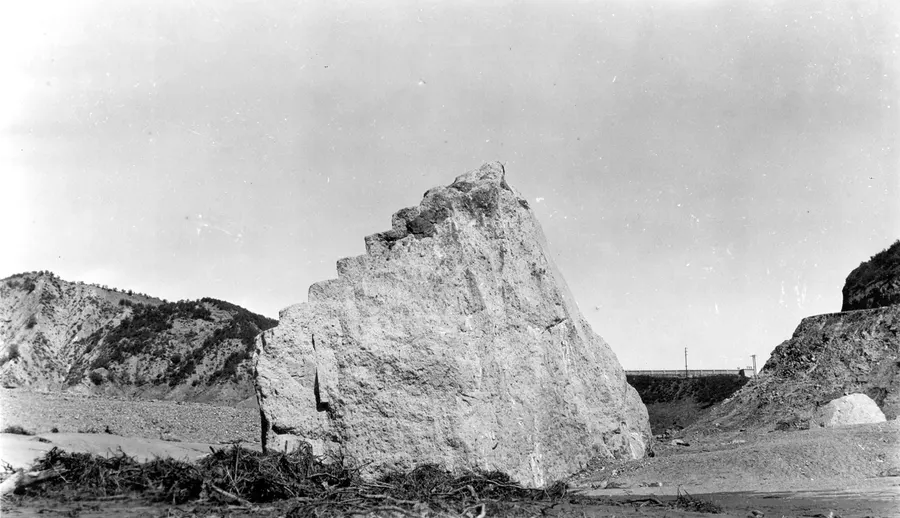
A huge concrete block from the dam, carried half a mile downstream, photographed by the US Geological Survey on 17 March 1928.A huge concrete block from the dam, carried half a mile downstream, photographed by the US Geological Survey on 17 March 1928.Image: H. T. Stearns, US Geological Survey · Public domain
world · Americas

The St Francis Dam gives way

Just before midnight the St Francis Dam, built two years earlier to store water for Los Angeles, collapsed, sending a wall of water down San Francisquito Canyon and the Santa Clara River valley to the sea. At least 431 people died. The engineer William Mulholland, who had inspected the leaking dam that day, took full responsibility.

Source: Encyclopaedia Britannica: St. Francis Dam disaster ↗
1930
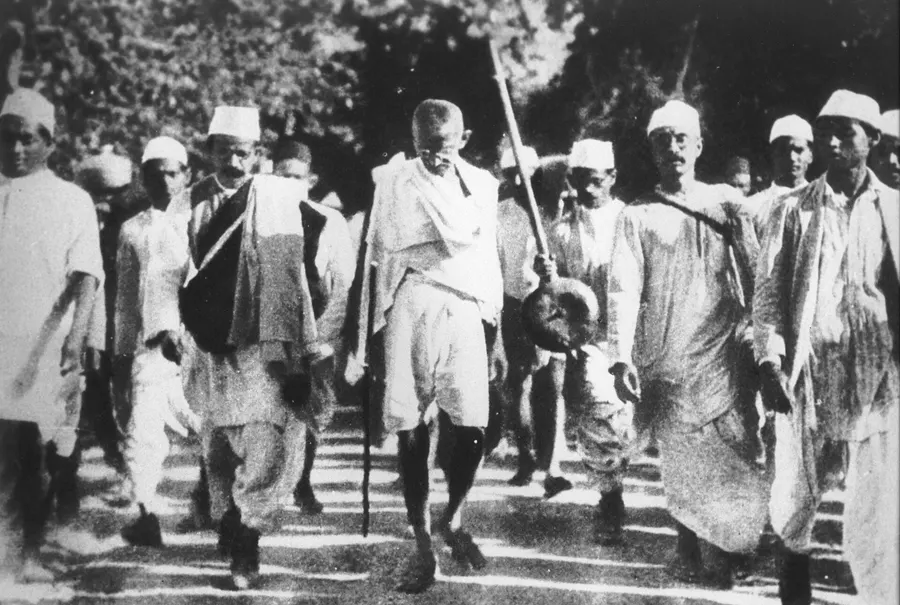
Gandhi and his companions during the Salt March, March 1930.Gandhi and his companions during the Salt March, March 1930.Image: Unknown photographer · Public domain
politics · Asia

Gandhi begins the Salt March

On 12 March 1930 Mohandas Gandhi, aged 60, walked out of his ashram at Sabarmati near Ahmedabad with 78 followers, bound for the sea at Dandi, about 240 miles away. His target was the salt tax: British law made it a crime for Indians to make or sell their own salt. Thousands joined the march along the way. On 6 April, at Dandi, Gandhi picked up a handful of natural salt, breaking the law, and civil disobedience spread across India. By the end of the year about 60,000 people had been jailed.

Source: Sabarmati Ashram: History ↗
1938
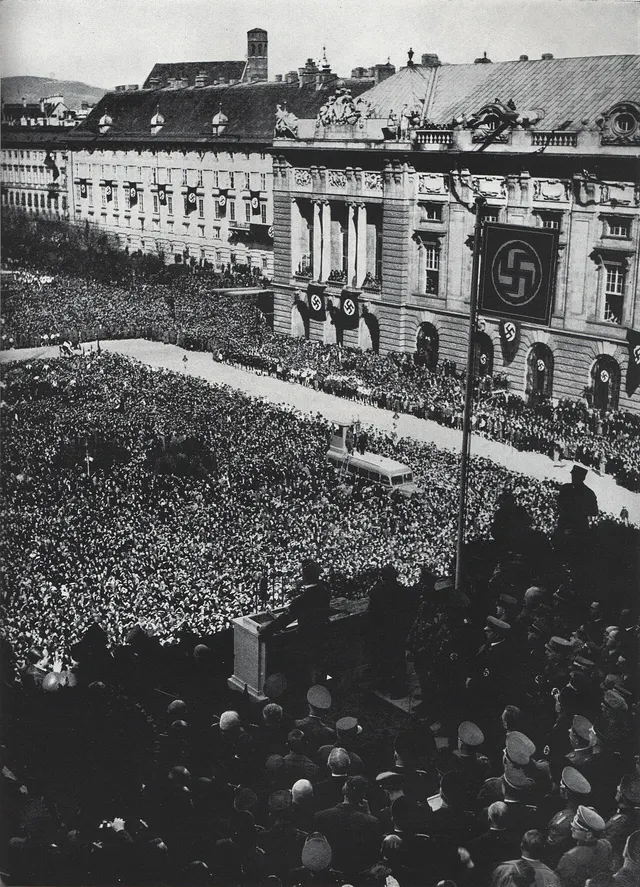
Crowds on the Heldenplatz in Vienna to hear Hitler speak, 15 March 1938.Crowds on the Heldenplatz in Vienna to hear Hitler speak, 15 March 1938.Image: Heinrich Hoffmann · Public domain
world · Europe

German troops march into Austria

Early on 12 March 1938 German troops crossed the Austrian border. They met no armed resistance, and in many places cheering crowds. That afternoon Hitler entered his birthplace, Braunau, and went on to Linz. The next day a law declared Austria part of the German Reich. It was Nazi Germany’s first seizure of another country’s territory. Persecution of Austria’s Jews began at once, with public humiliation, looting and arrests.

Source: United States Holocaust Memorial Museum: German annexation of Austria ↗
1947
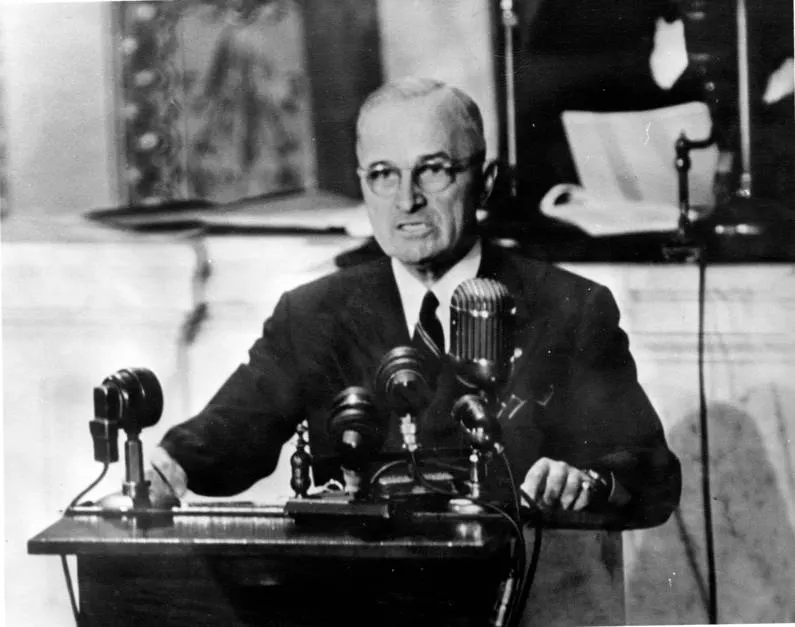
President Truman addressing a joint session of Congress, 12 March 1947.President Truman addressing a joint session of Congress, 12 March 1947.Image: Harry S. Truman Library & Museum · Public domain
politics · Americas

Truman sets out the Truman Doctrine

President Harry Truman asked a joint session of Congress for $400 million in aid for Greece and Turkey, after Britain said it could no longer support them. He declared that the United States must support free peoples resisting subjugation. The speech became a founding statement of the Cold War policy of containment.

Source: National Archives: Truman Doctrine ↗
1968
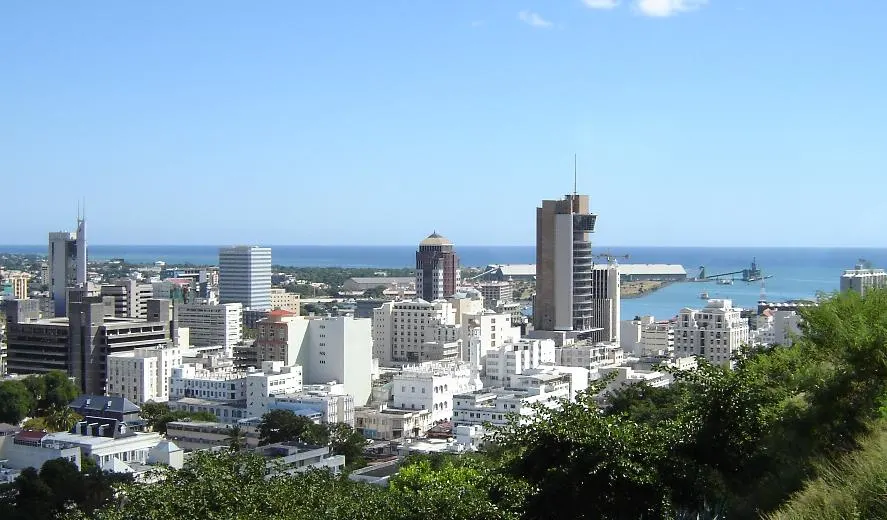
Port Louis, the capital of Mauritius, seen from the Citadel.Port Louis, the capital of Mauritius, seen from the Citadel.Image: Thierry · CC BY-SA 3.0
politics · Africa

Mauritius becomes independent

On 12 March 1968 the Indian Ocean island of Mauritius, under British rule since 1810, became an independent state within the Commonwealth, with a governor-general representing the British monarch. Exactly 24 years later, on 12 March 1992, Mauritius became a republic with its own president as head of state. Both anniversaries are celebrated together each year as National Day.

Source: Encyclopaedia Britannica: Mauritius, independence ↗
1989
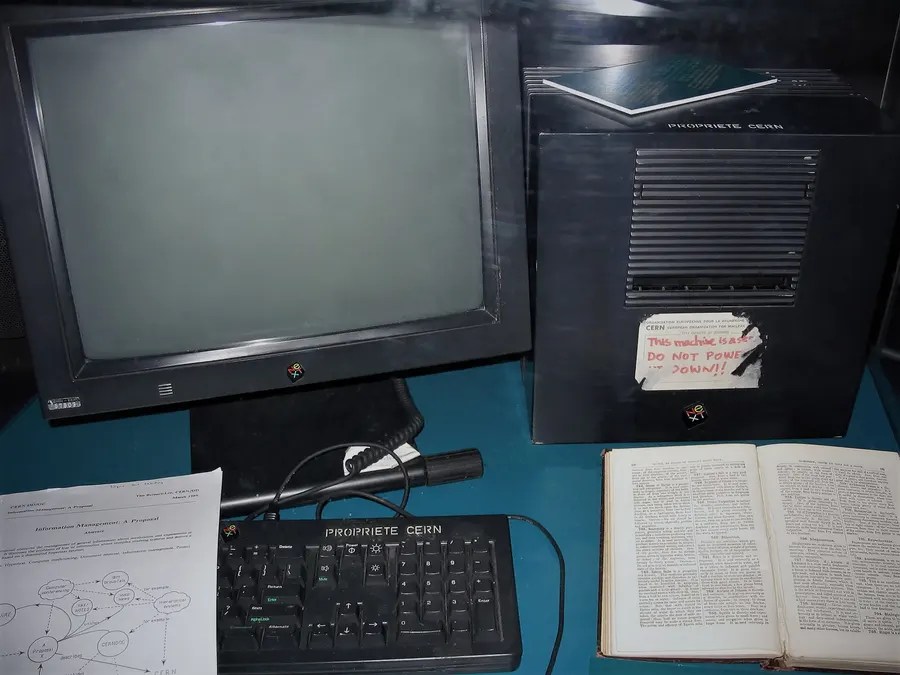
The NeXT computer that Tim Berners-Lee used as the first web server at CERN.The NeXT computer that Tim Berners-Lee used as the first web server at CERN.Image: Coolcaesar (English Wikipedia) · CC BY-SA 3.0
science · Europe

Tim Berners-Lee proposes the World Wide Web

In March 1989 Tim Berners-Lee, a British computer scientist at CERN, the European physics laboratory near Geneva, handed his boss a paper called ‘Information Management: A Proposal’. It described a system of linked documents that researchers anywhere could share. His boss wrote on the cover: ‘Vague but exciting.’ 12 March 1989 is now celebrated as the web’s birthday. Berners-Lee built the first browser and server in 1990, and in 1993 CERN made the web’s software free for anyone to use.

Source: Science Museum: Happy 25th birthday, World Wide Web ↗
1993
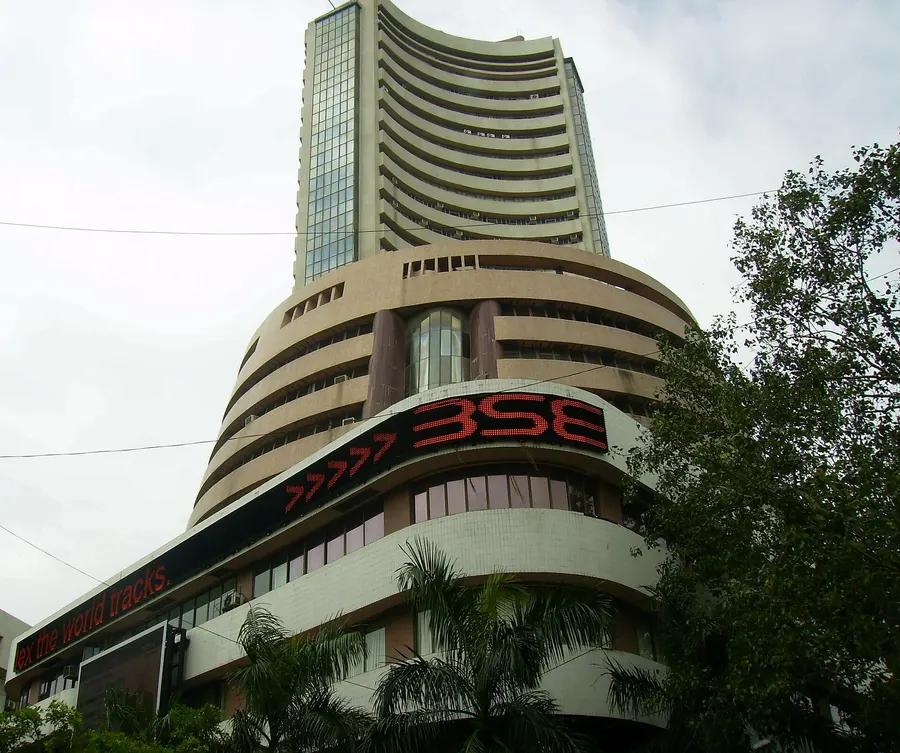
The Bombay Stock Exchange building, one of the targets, photographed in 2007.The Bombay Stock Exchange building, one of the targets, photographed in 2007.Image: Niyantha Shekhar · CC BY 2.0
world · Asia

Bomb attacks in Bombay

Twelve bombs exploded across Bombay (now Mumbai) in about two hours, at targets including the Bombay Stock Exchange, the Air India building and busy markets. India’s Central Bureau of Investigation counted 257 dead and more than 700 injured. The attacks were planned by a crime syndicate in revenge for the destruction of the Babri Masjid mosque in 1992.

Source: Encyclopaedia Britannica: Major terror attacks in Delhi and Mumbai ↗
1999
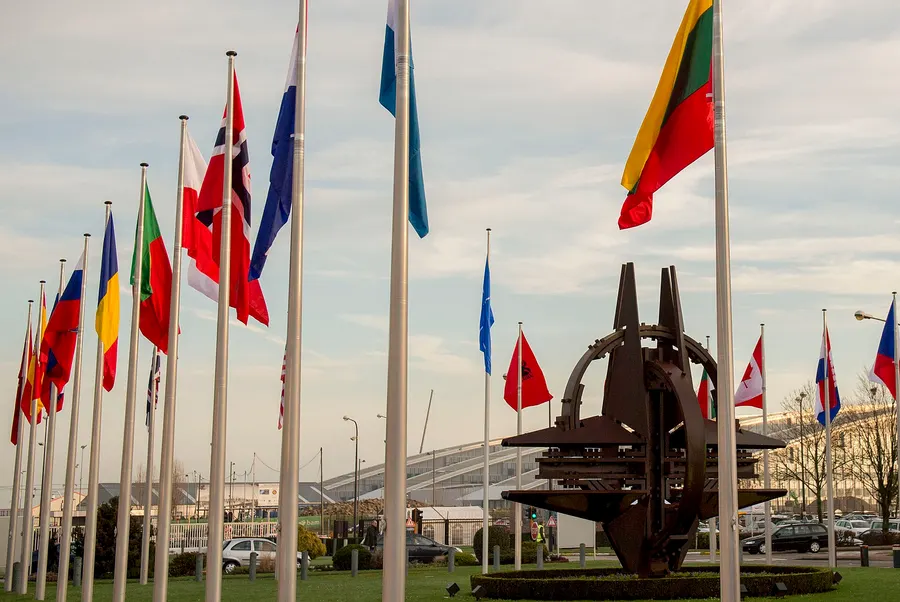
Members' flags at the entrance to NATO's headquarters in Brussels, 2016.Members’ flags at the entrance to NATO’s headquarters in Brussels, 2016.Image: Senior Master Sgt. Adrian Cadiz · Public domain
politics · Europe

Poland, Hungary and the Czech Republic join NATO

At the Truman Library in Independence, Missouri, the foreign ministers of the Czech Republic, Hungary and Poland handed over their countries’ documents of accession to the US Secretary of State, Madeleine Albright, who had been born in Czechoslovakia. They were the first former members of the Warsaw Pact to join the alliance, which grew to nineteen members.

Source: NATO: The Czech, Hungarian and Polish foreign ministers deposit their instruments of accession ↗
WHY THESE MOMENTS?

Significance before volume

This page is not the longest possible list of events. It is a chronological journey through 12 March, where each entry is chosen for historical significance, human interest and reliability.

Facts are checked against authoritative museums, archives, universities and reference works. Where sources disagree, the page says so.

EXPLORED THE DEEPER STORY?

Return to the highlights of 12 March

Discover the lighter side of the date with famous birthdays, culture, firsts and lives remembered.

Explore This Day →
← PREVIOUS DAY11 March
HISTORY & TIMELINE12 March
NEXT DAY →13 March