HISTORY & TIMELINE
7 March

A journey through
7 March in history

From Napoleon’s capture of Jaffa in 1799 to the break between Iran and Britain in 1989, 7 March has brought turning points in war, exploration and the struggle for civil rights. This timeline follows the date across nearly two centuries.

JUMP THROUGH TIME
III
A CHANGING WORLD

Early Modern Era

Exploration, political change, scientific development and expanding global connections.

1799
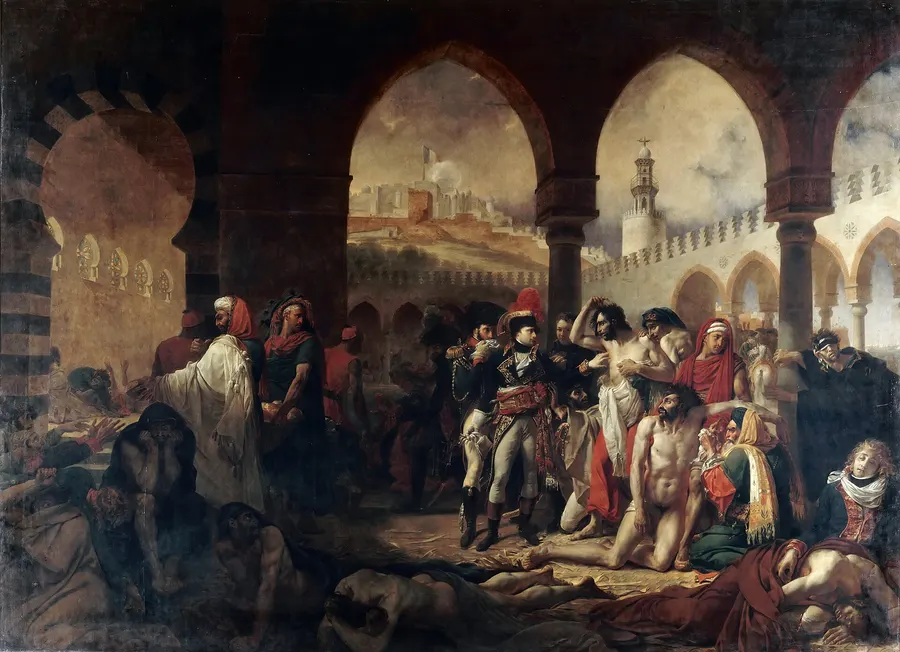
Bonaparte Visiting the Plague Victims of Jaffa, painted by Antoine-Jean Gros in 1804.Bonaparte Visiting the Plague Victims of Jaffa, painted by Antoine-Jean Gros in 1804.Image: Antoine-Jean Gros · Public domain
world · Asia

Napoleon’s army storms Jaffa

During his campaign from Egypt into Syria, Napoleon Bonaparte’s army took the Ottoman port of Jaffa after a short siege, and the town was sacked. In the days that followed several thousand Ottoman prisoners were executed on his orders, and plague broke out among the French troops.

Source: Fondation Napoléon: Bonaparte’s despatches from Egypt, part IV ↗
IV
THE NINETEENTH CENTURY

The 1800s

Industry, empire, invention, reform and a century of enormous transformation.

1850
politics · Americas

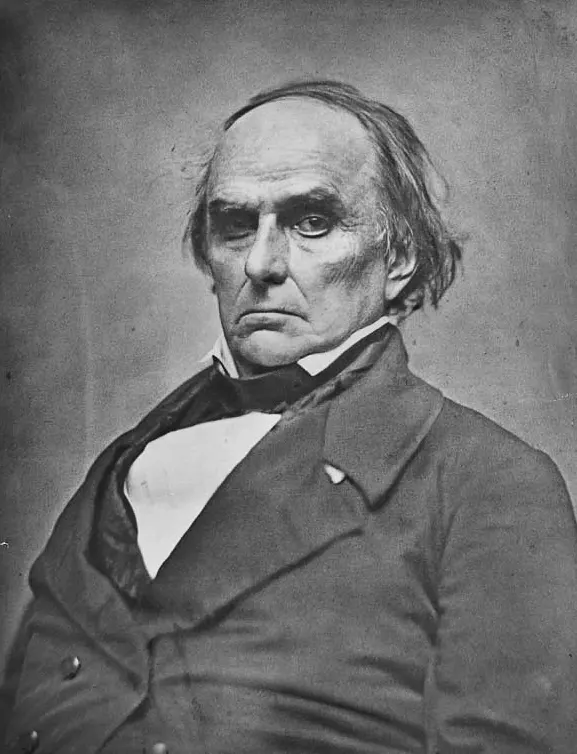
Daniel Webster’s ‘Seventh of March’ speech

Senator Daniel Webster of Massachusetts spoke for more than three hours in support of Henry Clay’s compromise on slavery, opening ‘not as a Massachusetts man, nor as a Northern man, but as an American’. His backing helped pass the Compromise of 1850 but enraged abolitionists in New England.

Source: US Senate: Daniel Webster’s Seventh of March speech ↗
1876
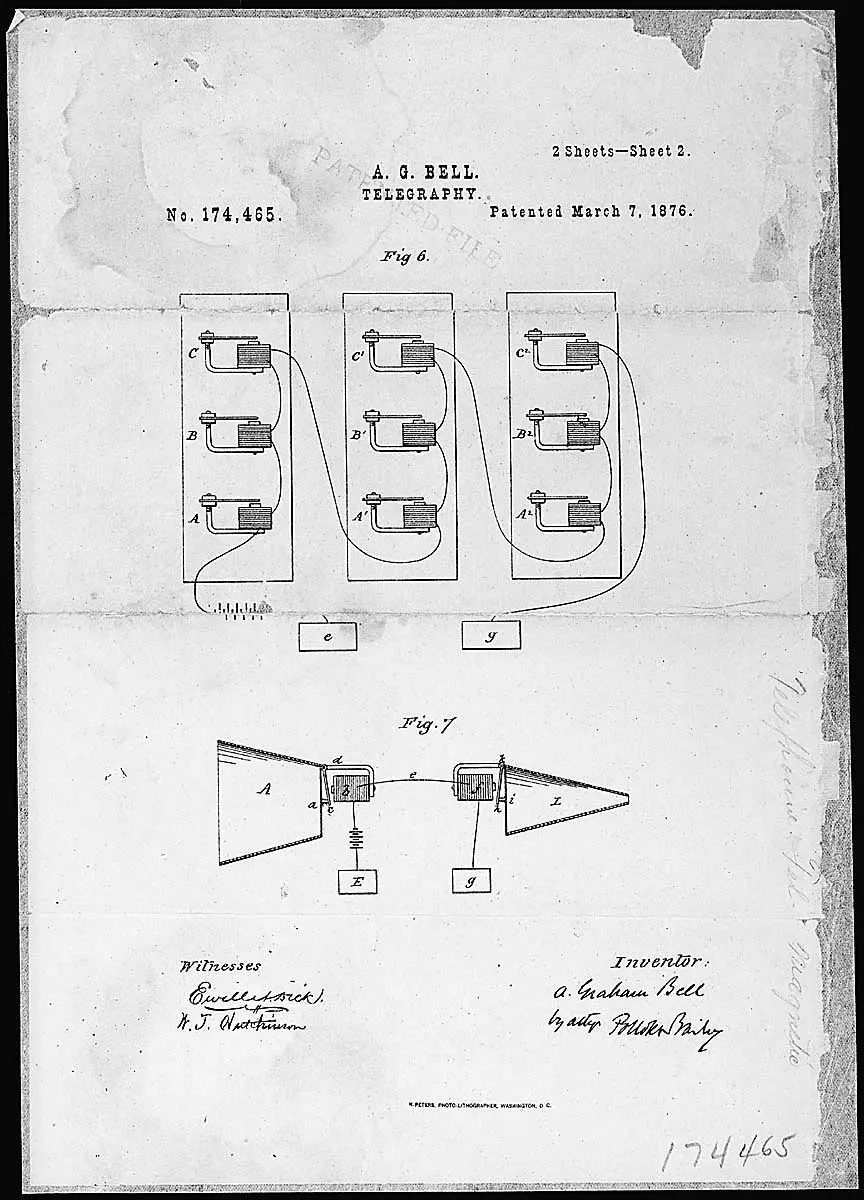
The drawing from Alexander Graham Bell's telephone patent, 1876.The drawing from Alexander Graham Bell’s telephone patent, 1876.Image: Alexander Graham Bell · Public domain
science · Americas

Bell is granted a patent for the telephone

On 7 March 1876 Alexander Graham Bell was granted US patent number 174,465, for ‘Improvements in Telegraphy’, describing a way to send the human voice along a wire. He had filed it on 14 February, only hours before the inventor Elisha Gray lodged a notice for a similar device. Three days later Bell spoke the first words over his instrument. The patent survived years of court challenges and is often called the most valuable ever issued.

Source: Library of Congress: Who is credited with inventing the telephone? ↗
V
THE TWENTIETH CENTURY

The 1900s

War and peace, technological leaps, social change, politics, sport and popular culture.

1902
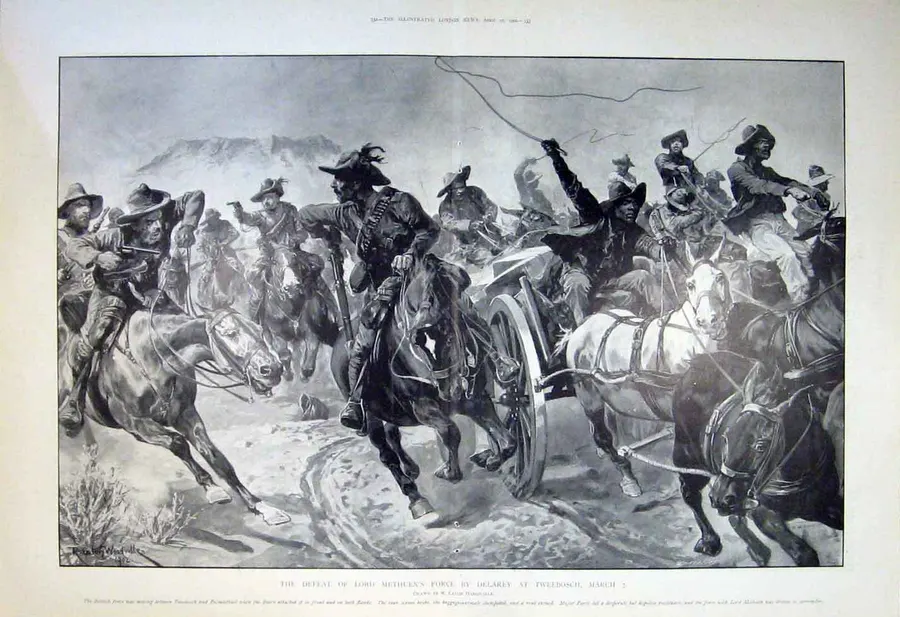
An illustration of 1902 showing de la Rey's commandos attacking Lord Methuen's column at Tweebosch.An illustration of 1902 showing de la Rey’s commandos attacking Lord Methuen’s column at Tweebosch.Image: Unknown illustrator · Public domain
world · Africa

De la Rey defeats Methuen at Tweebosch

In the Second Boer War, Boer commandos under General Koos de la Rey routed a British column in the western Transvaal and captured its commander, Lord Methuen, who had been wounded. De la Rey released him so he could be treated in hospital. It was the last major Boer victory before peace was signed that May.

Source: South African History Online: De la Rey releases Lord Methuen ↗
1912
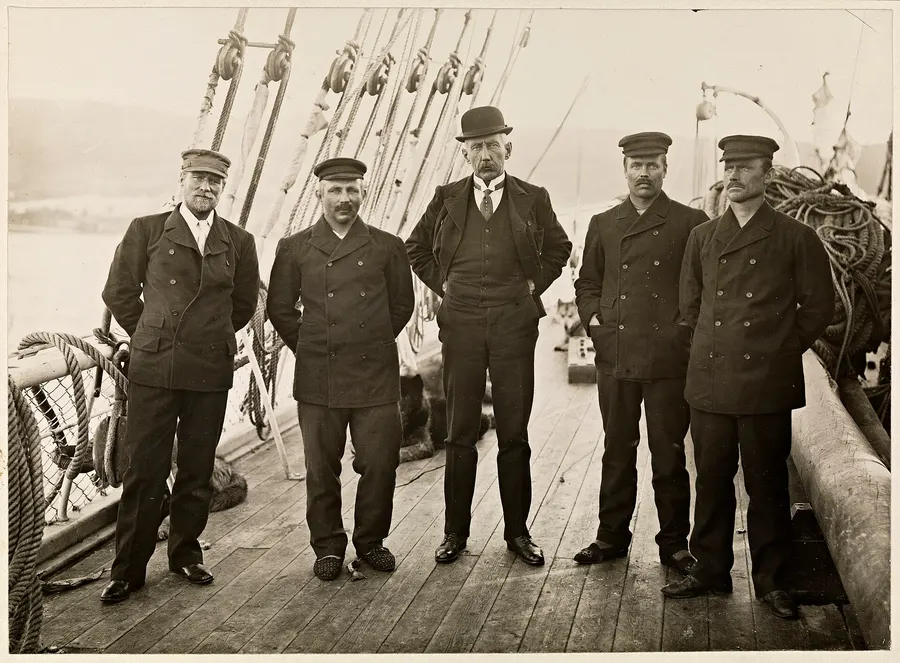
Hassel, Wisting, Amundsen, Bjaaland and Hanssen, the five who reached the South Pole, on the Fram's deck at Hobart, March 1912.Hassel, Wisting, Amundsen, Bjaaland and Hanssen, the five who reached the South Pole, on the Fram’s deck at Hobart, March 1912.Image: Unknown photographer (National Library of Norway) · Public domain
world · Oceania

Amundsen brings news of the South Pole to Hobart

On 7 March 1912 Roald Amundsen’s ship Fram reached Hobart in Tasmania, the first port it could make after leaving Antarctica. From there Amundsen sent word to Norway that his party of five had reached the South Pole on 14 December 1911, more than a month ahead of Robert Falcon Scott. The Norwegians had travelled with skis and dog sledges and returned safely to their base. The world did not yet know that Scott and his four companions had died on their return journey.

Source: Fram Museum: The third Fram expedition, 1910-1914 ↗
1936
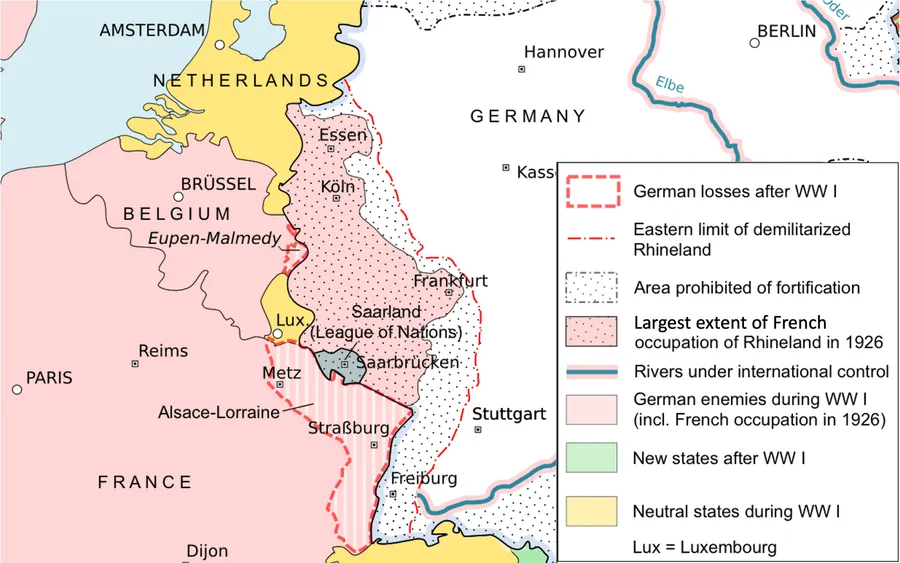
A map of western Germany after the First World War, showing the demilitarised Rhineland.A map of western Germany after the First World War, showing the demilitarised Rhineland.Image: Soerfm · CC BY-SA 4.0
world · Europe

Hitler sends troops into the Rhineland

On 7 March 1936 German troops marched into the Rhineland, the strip of Germany along the borders with France, Belgium and the Netherlands that the Treaty of Versailles and the Locarno treaties had declared a demilitarised zone. It was a gamble, since Germany’s army was still small. Britain and France protested but did not act; the French government would not risk mobilisation. The success emboldened Hitler, and it foreshadowed the appeasement over Austria and Czechoslovakia two years later.

Source: United States Holocaust Memorial Museum: Remilitarisation of the Rhineland ↗
1945
The Ludendorff Bridge seen from the railway tunnel on the east bank, days after its capture in March 1945.The Ludendorff Bridge seen from the railway tunnel on the east bank, days after its capture in March 1945.Image: Sgt. William Spangle, US Army Signal Corps · Public domain
world · Europe

US troops seize the bridge at Remagen

Men of the US 9th Armored Division reached the Ludendorff railway bridge over the Rhine at Remagen and found it still standing after German demolition charges failed. They crossed and held it, giving the Allies their first foothold across the Rhine. The damaged bridge collapsed ten days later, by which time other crossings had been built.

Source: National WWII Museum: Crossing the Rhine at Remagen ↗
1965
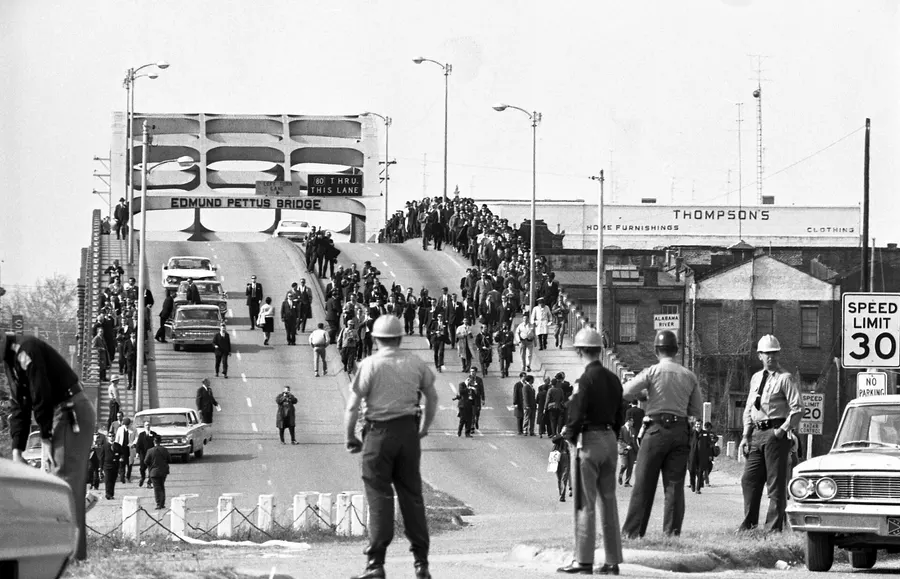
Alabama officers wait for the marchers at the end of the Edmund Pettus Bridge, 7 March 1965.Alabama officers wait for the marchers at the end of the Edmund Pettus Bridge, 7 March 1965.Image: U.S. Department of Justice · Public domain
world · Americas

‘Bloody Sunday’ on the Edmund Pettus Bridge

On Sunday 7 March 1965 about 600 people set out from Selma, Alabama, to march to the state capital, Montgomery, to demand the right to vote. Led by John Lewis and Hosea Williams, they crossed the Edmund Pettus Bridge and were met by state troopers and a local posse, who attacked them with clubs, tear gas and horses. Lewis’s skull was fractured, and dozens of marchers were taken to hospital. Television pictures of the attack shocked the nation. Within days President Lyndon Johnson called for new voting laws, and the Voting Rights Act became law on 6 August 1965.

Source: National Park Service: Bloody Sunday ↗
1971
Sheikh Mujibur Rahman speaks at the Ramna Racecourse in Dhaka, 7 March 1971.Sheikh Mujibur Rahman speaks at the Ramna Racecourse in Dhaka, 7 March 1971.Image: Press Information Department · Public domain

politics · Asia

Sheikh Mujibur Rahman’s 7 March speech

On 7 March 1971 Sheikh Mujibur Rahman addressed a vast crowd at the Ramna Racecourse in Dhaka, then in East Pakistan. His Awami League had won a majority in Pakistan’s 1970 election, but the military rulers had refused to hand over power. Speaking without a written text, he declared that ‘the struggle this time is the struggle for our freedom’ and set out a campaign of non-cooperation. Within weeks war had broken out, and Bangladesh won its independence that December. In 2017 UNESCO added the speech to its Memory of the World register.

Source: UNESCO Memory of the World: The historic 7th March speech ↗
1989
Ayatollah Ruhollah Khomeini.Ayatollah Ruhollah Khomeini.Image: Ali Kaveh[1][2][3] · Public domain
politics · Asia

Iran breaks off relations with Britain over The Satanic Verses

Three weeks after Ayatollah Khomeini issued a fatwa against the novelist Salman Rushdie, Iran cut diplomatic ties with Britain, accusing it of failing to stop insults to Islam. The British embassy in Tehran had reopened only months before. Relations were restored in 1990, but ambassadors were not exchanged until 1999.

Source: UK Parliament Hansard: Iran, diplomatic relations, 8 March 1989 ↗
WHY THESE MOMENTS?

Significance before volume

This page is not the longest possible list of events. It is a chronological journey through 7 March, where each entry is chosen for historical significance, human interest and reliability.

Facts are checked against authoritative museums, archives, universities and reference works. Where sources disagree, the page says so.

EXPLORED THE DEEPER STORY?

Return to the highlights of 7 March

Discover the lighter side of the date with famous birthdays, culture, firsts and lives remembered.

Explore This Day →
← PREVIOUS DAY6 March
HISTORY & TIMELINE7 March
NEXT DAY →8 March