
69
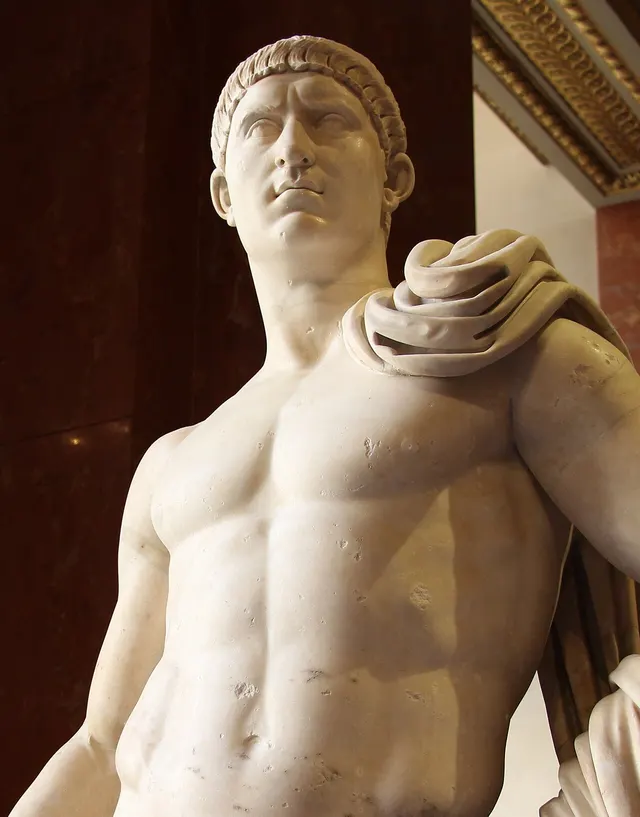 A Roman marble statue of the emperor Otho in the Louvre, Paris.Image: Fred Romero from Paris, France · CC BY 2.0
politics · Europe
Emperor Otho ends his brief reign
On 16 April 69, after his army had been beaten by the forces of his rival Vitellius near Bedriacum in northern Italy, the Roman emperor Otho took his own life. He had ruled for barely three months. Ancient writers said he chose to die rather than prolong a civil war. It was the middle of the Year of the Four Emperors, which ended with Vespasian in power.
Source: De Imperatoribus Romanis (Loyola University Chicago): Otho ↗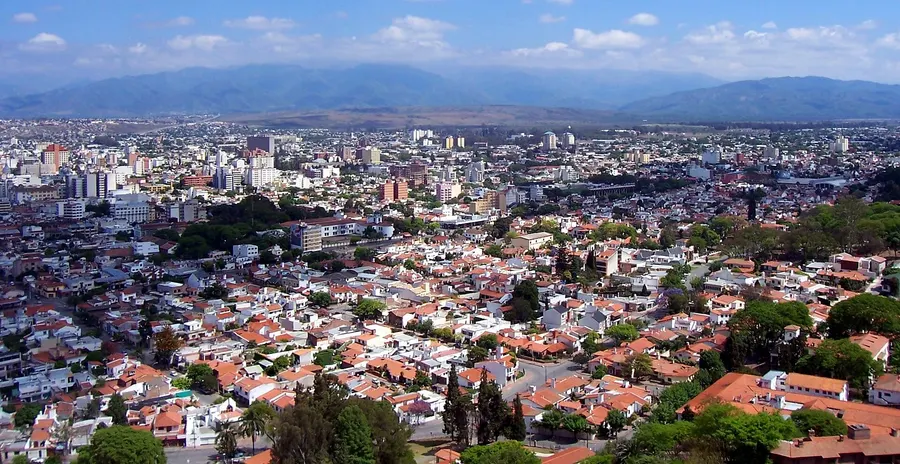 The city of Salta in north-west Argentina, with the Andes foothills behind.Image:
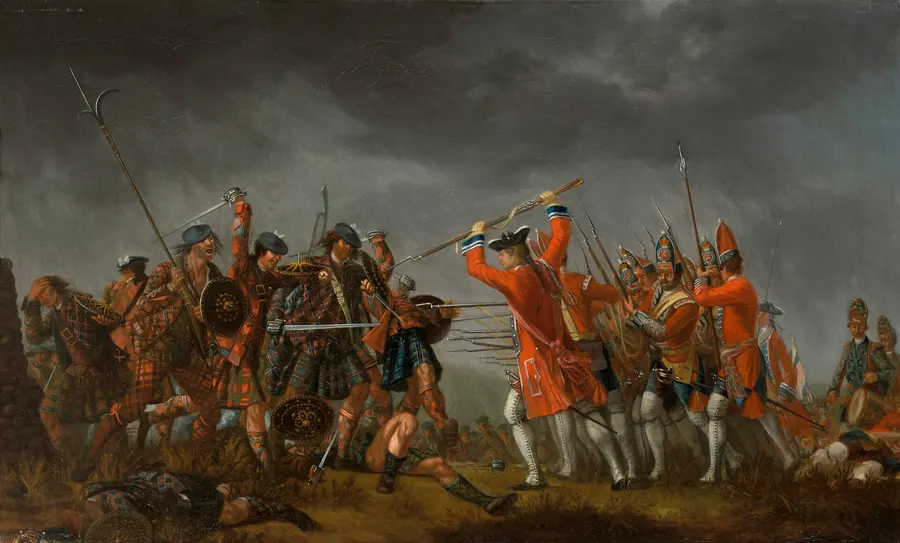 An Incident in the Rebellion of 1745, David Morier’s painting of the fighting at Culloden.Image:
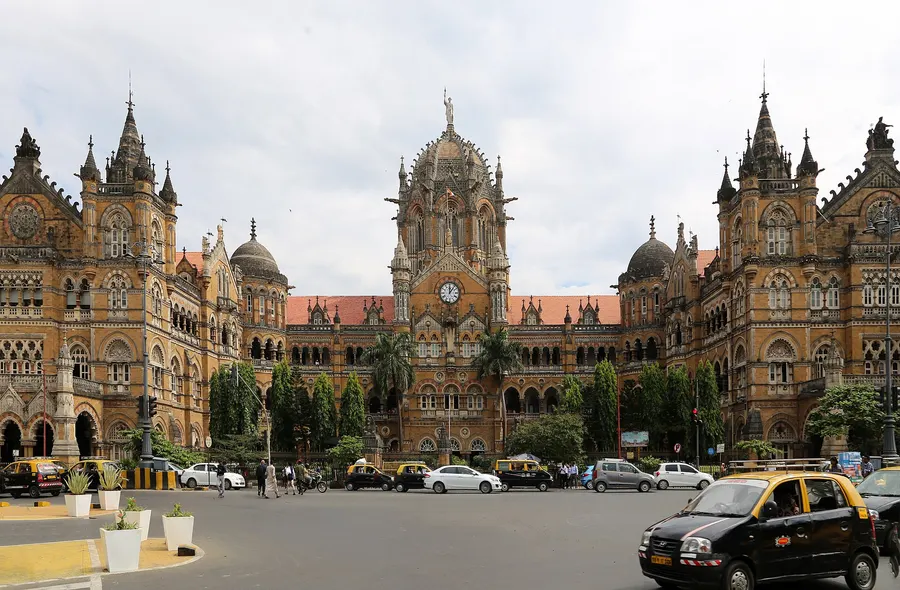 Chhatrapati Shivaji Maharaj Terminus in Mumbai, the great Victorian station that replaced Bori Bunder, where the first train set off.Image:
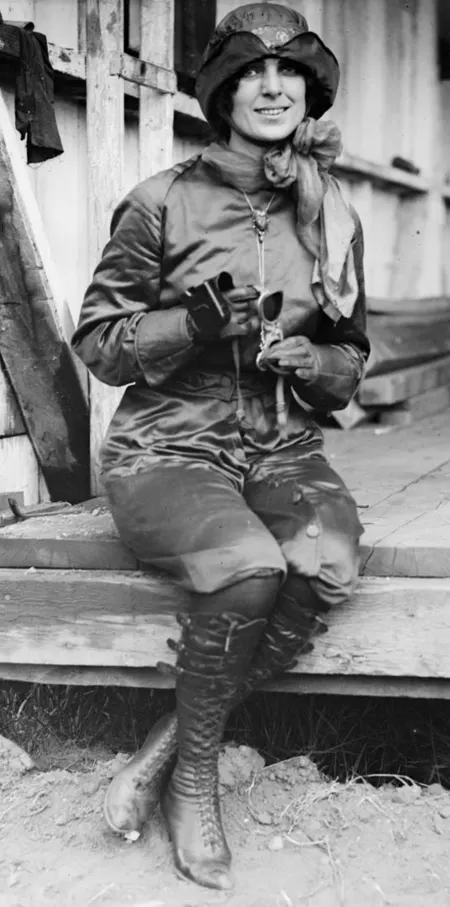 Harriet Quimby in her flying outfit in 1911.Image:
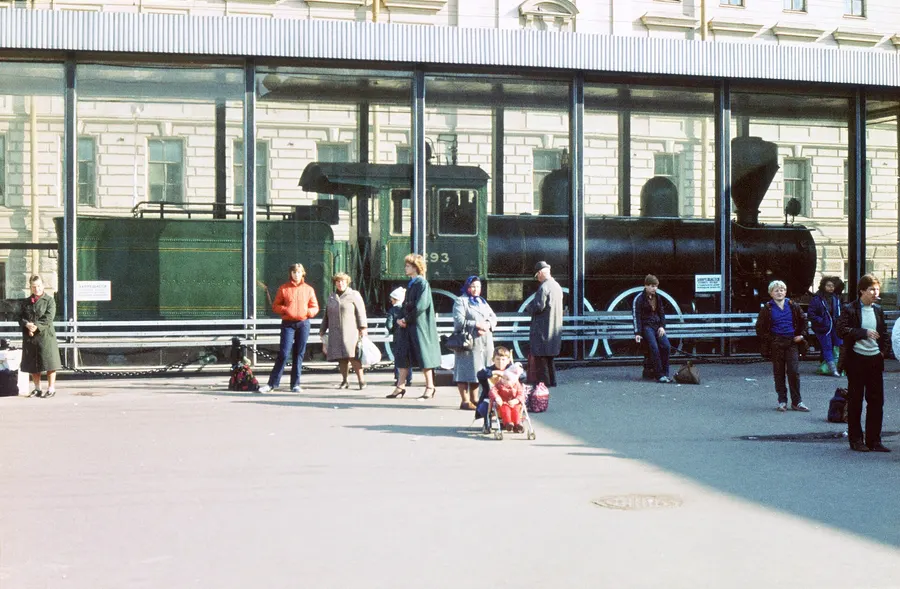 Locomotive No. 293, kept at the Finland Station in St Petersburg, which carried Lenin on his secret journeys later in 1917.Image:
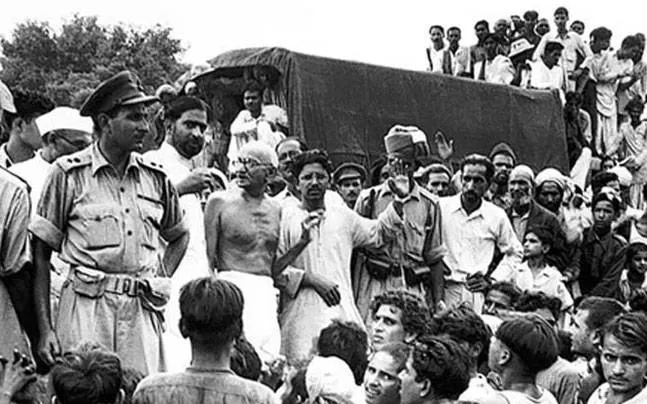 Gandhi among crowds in Champaran in 1917, with Sub-Inspector Qurban Ali.Image:
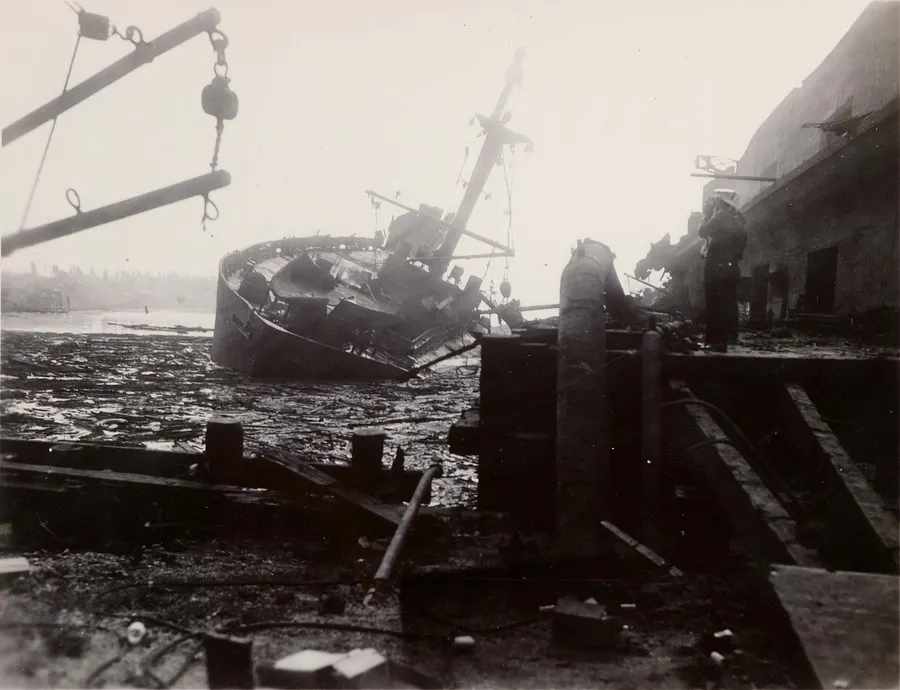 The wrecked SS Wilson B. Keene at Texas City, three days after the explosions (University of Houston Libraries).Image:
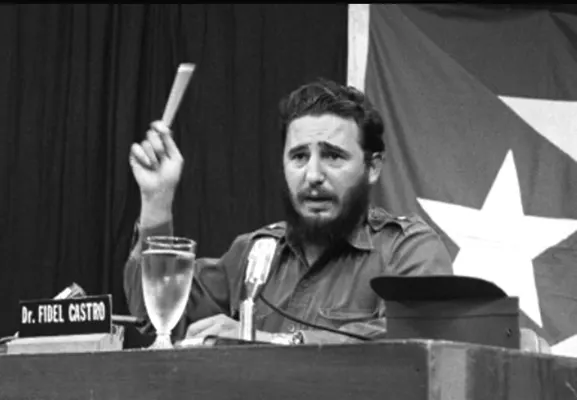 Fidel Castro speaking in Havana in 1961.Image:
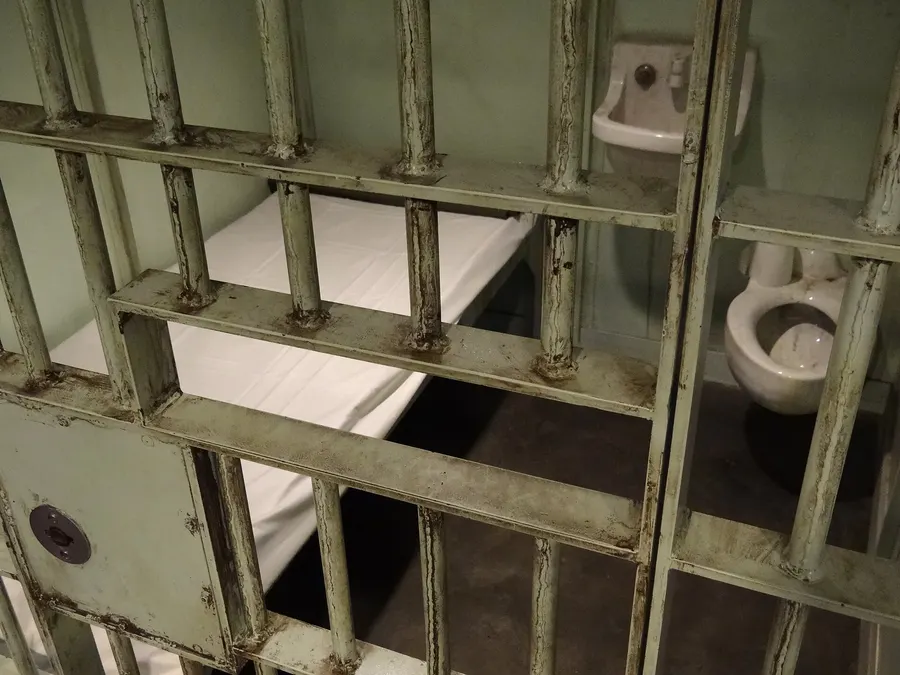 A recreation of King’s Birmingham jail cell at the National Civil Rights Museum in Memphis.Image:
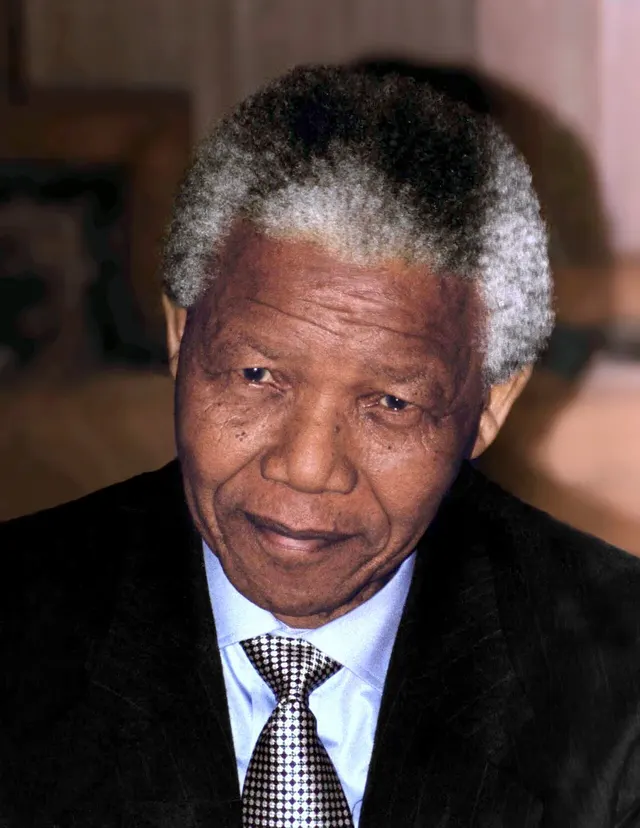 Nelson Mandela in 1994.Image:
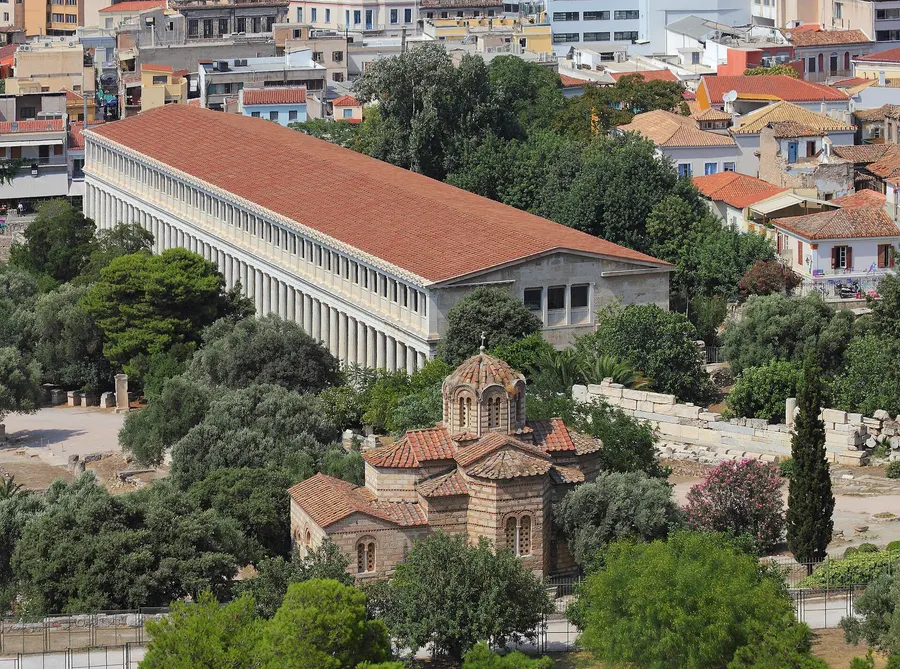 The rebuilt Stoa of Attalos in Athens, where the Treaty of Accession was signed, seen from the Acropolis.Image: