
HISTORY & TIMELINE
15 April

A journey through
15 April in history

From the Battle of Formigny in 1450 to the fire that tore through Notre-Dame in 2019, 15 April has seen the Yamasee War break out in Carolina, America’s first lasting school for deaf children open, Jackie Robinson break baseball’s colour line, Tokyo Disneyland open its gates and a volcanic ash cloud empty Europe’s skies. This timeline follows the date across more than five centuries.

II
THE MIDDLE AGES

Medieval History

Kingdoms, conflict, faith, power and the changing medieval world.

1450
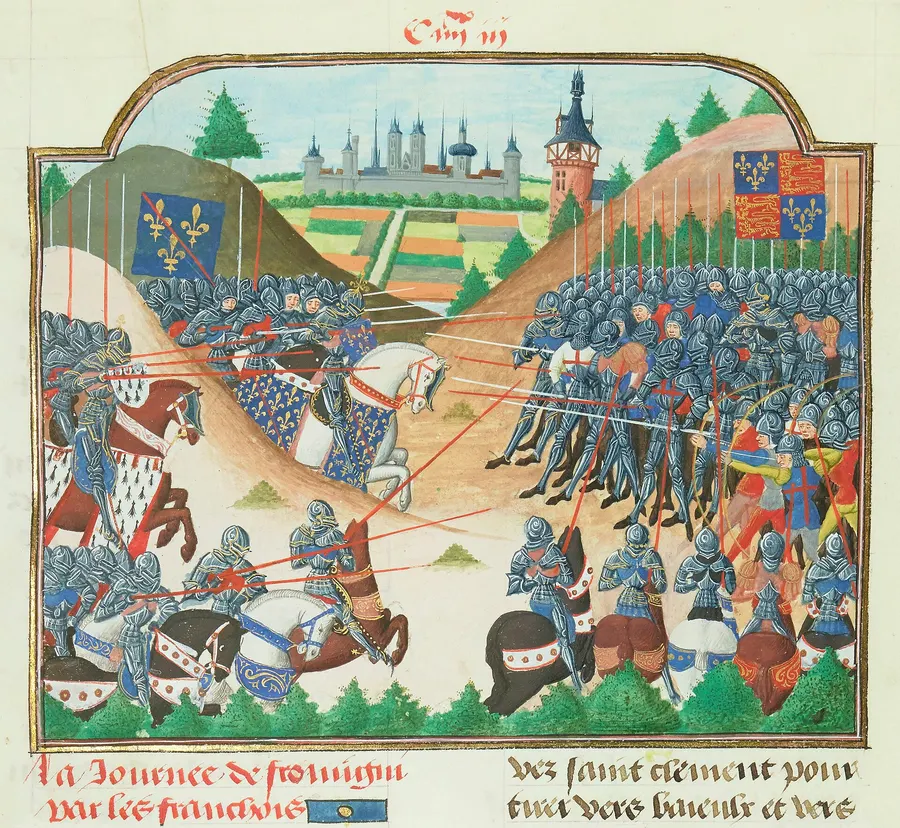
The Battle of Formigny in a 15th-century French manuscript illustration.The Battle of Formigny in a 15th-century French manuscript illustration.Image: AnonymousUnknown author · Public domain
world · Europe

French cannon help win Normandy back at Formigny

On 15 April 1450 a French army under the Count of Clermont caught an English relief force led by Sir Thomas Kyriel near the village of Formigny, between Valognes and Caen. The English archers held a strong position for hours until French guns and the arrival of fresh troops under the Constable de Richemont broke them. It was one of the first battles in which field artillery played a real part. Within months the whole of Normandy was in French hands, and the Hundred Years’ War was nearly over.

Source: Britannica: Battle of Formigny ↗
III
A CHANGING WORLD

Early Modern Era

Exploration, political change, scientific development and expanding global connections.

1715
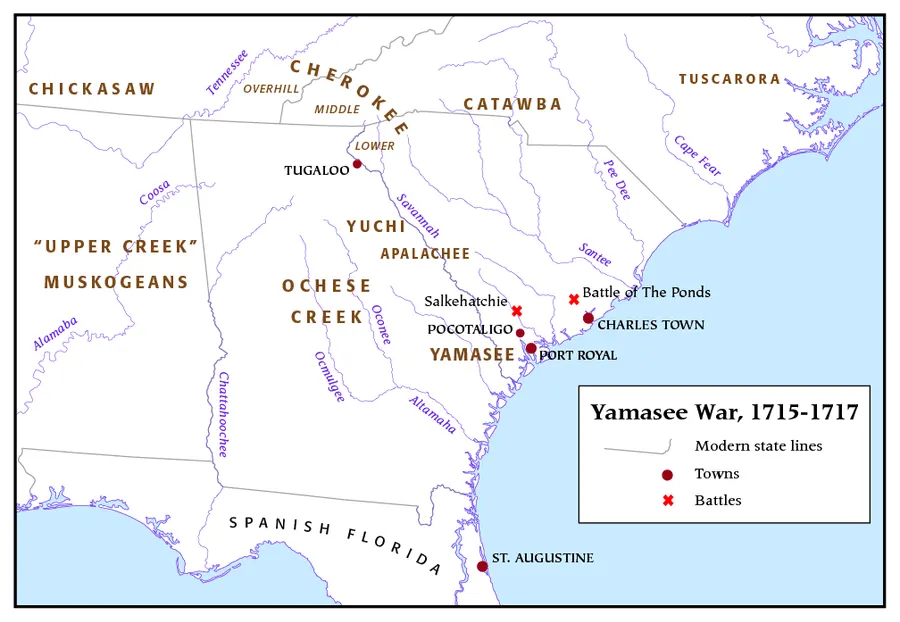
A modern map of the Yamasee War of 1715 to 1717 in the south-eastern colonies.A modern map of the Yamasee War of 1715 to 1717 in the south-eastern colonies.Image: Pfly · CC BY-SA 3.0
world · Americas

The Yamasee War erupts in Carolina

At dawn on Good Friday, 15 April 1715, Yamasee warriors at Pocotaligo, near present-day Beaufort, killed the English traders and colonial agents who had come to negotiate with them. Years of debt, land-grabbing and slave raiding by the traders lay behind the rising, and other nations soon joined it. Raids along the southern frontier drove settlers back towards Charles Town and brought the colony close to collapse. The war reshaped alliances across the South-East and helped lead to Carolina becoming a royal colony.

Source: South Carolina Encyclopedia: Yamassee War ↗
IV
THE NINETEENTH CENTURY

The 1800s

Industry, empire, invention, reform and a century of enormous transformation.

1817
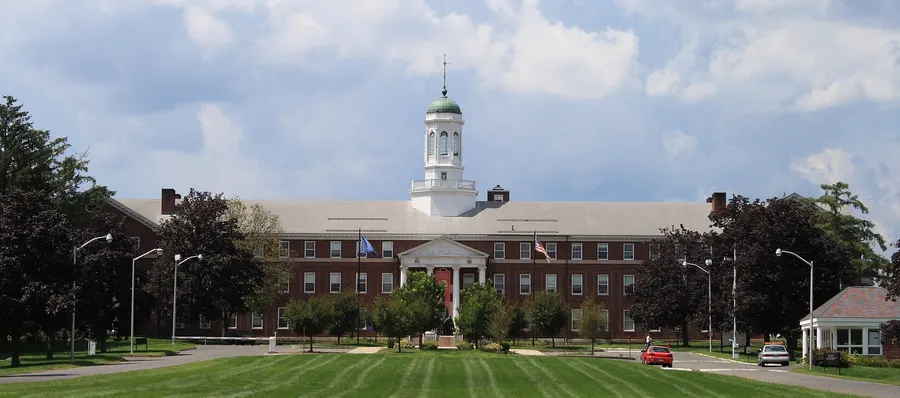
The main building of the American School for the Deaf in West Hartford, Connecticut, in 2008.The main building of the American School for the Deaf in West Hartford, Connecticut, in 2008.Image: Ragesoss · CC BY-SA 3.0
world · Americas

America’s first lasting school for deaf children opens

On 15 April 1817 Thomas Hopkins Gallaudet and the French deaf teacher Laurent Clerc opened a school for deaf pupils in rooms at a hotel in Hartford, Connecticut. The first class numbered seven, among them Alice Cogswell, the neighbour’s daughter whose needs had first set Gallaudet on the path. The sign language taught there, blending French signs with local ones, grew into American Sign Language. Now the American School for the Deaf, it is the oldest permanent school of its kind in the United States.

Source: American School for the Deaf: History and Cogswell Heritage House ↗
1874
Claude Monet's Impression, Sunrise, the painting that gave the Impressionists their name.Claude Monet’s Impression, Sunrise, the painting that gave the Impressionists their name.Image: Claude Monet · Public domain
culture · Europe

The Impressionists stage their own show

On the evening of 15 April 1874 a group of painters shut out of, or tired of, the official Paris Salon opened an exhibition of their own in the former studio of the photographer Nadar on the boulevard des Capucines. About thirty artists, among them Monet, Renoir, Degas, Morisot, Pissarro, Sisley and Cézanne, showed some 165 works. Only around 3,500 people came in a month, a tiny fraction of the Salon’s crowds, and many critics mocked the loose brushwork. One of them, Louis Leroy, borrowed the title of Monet’s harbour scene Impression, Sunrise to sneer at the ‘Impressionists’, and the name stuck.

Source: National Gallery of Art: 1874, the birth of Impressionism ↗
V
THE TWENTIETH CENTURY

The 1900s

War and peace, technological leaps, social change, politics, sport and popular culture.

1945
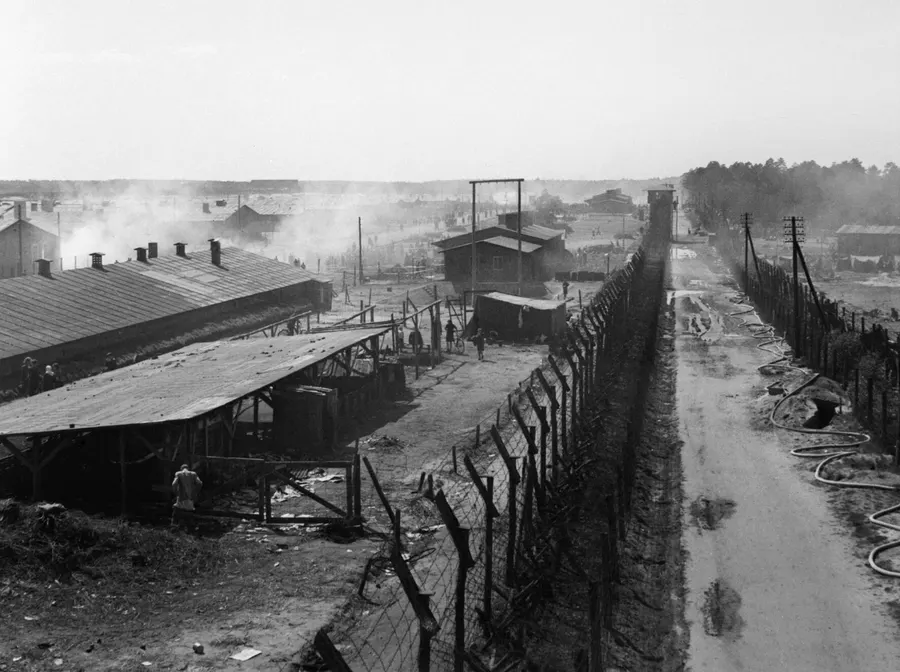
Camp No. 1 at Bergen-Belsen, largely evacuated, seen from a guard tower after the liberation in April 1945 (Imperial War Museums).Camp No. 1 at Bergen-Belsen, largely evacuated, seen from a guard tower after the liberation in April 1945 (Imperial War Museums).Image: No 5 Army Film & Photographic Unit, Oakes, H (Sgt) · Public domain
world · Europe

British troops reach Bergen-Belsen

On 15 April 1945 soldiers of the British 11th Armoured Division and the 63rd Anti-Tank Regiment entered Bergen-Belsen concentration camp in northern Germany, under a local truce agreed with the retreating German forces. Inside they found some 60,000 starving and gravely ill prisoners and thousands of unburied dead, with typhus spreading through the huts. The army organised emergency food and medical care, but many of the survivors were too weak to recover. Film and photographs taken by British cameramen and reporters brought the reality of the Nazi camps to audiences at home, and the evacuated camp was burned to halt the disease.

Source: Imperial War Museums: The liberation of Bergen-Belsen ↗
1947
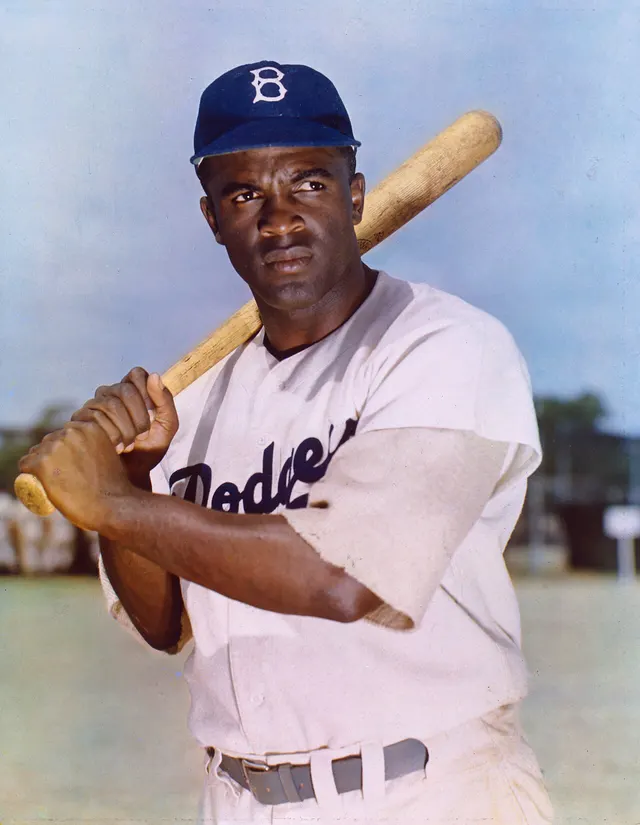
Jackie Robinson in a Brooklyn Dodgers uniform (National Portrait Gallery, Washington).Jackie Robinson in a Brooklyn Dodgers uniform (National Portrait Gallery, Washington).Image: Harry Warnecke, Frank Livia, Robert F. Cranston and William Klein · CC0
sport · Americas

Jackie Robinson walks out at Ebbets Field

On 15 April 1947 Jackie Robinson took his place at first base for the Brooklyn Dodgers against the Boston Braves, in front of 26,623 spectators. He became the first Black player in the modern major leagues, ending an unwritten colour line that had kept African Americans out for more than sixty years. He went hitless that day but scored a run in a Dodgers win, and by the autumn had been named the first Rookie of the Year despite abuse from rival players and crowds. Every major-league player now wears his number 42 on 15 April each year.

Source: National Baseball Hall of Fame: April 15, 1947, a first draft of history ↗
1958
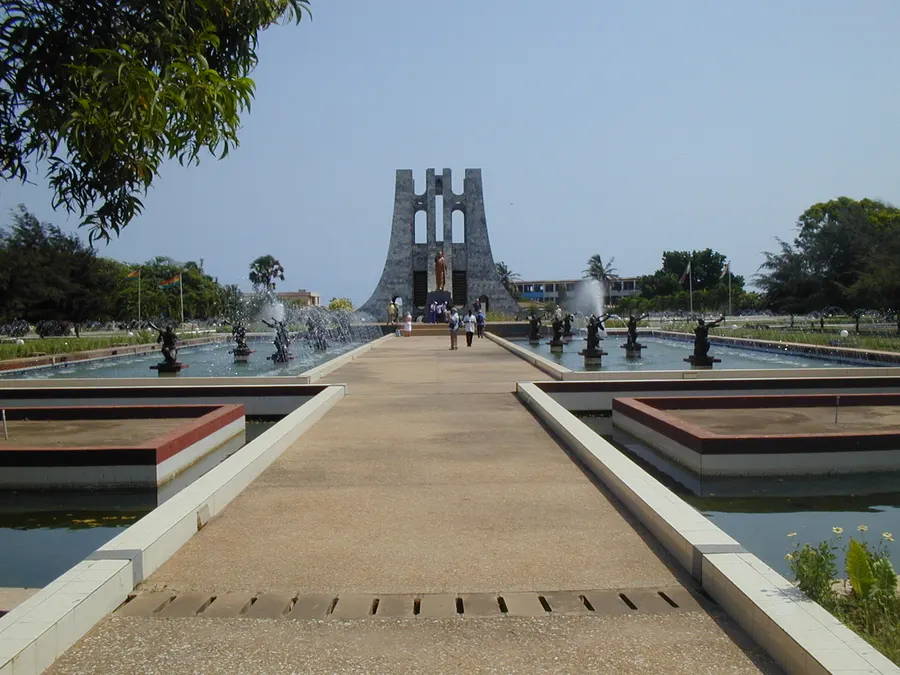
The Kwame Nkrumah Mausoleum in Accra, where Ghana's first leader is buried.The Kwame Nkrumah Mausoleum in Accra, where Ghana’s first leader is buried.Image: Simon Ontoyin · CC BY-SA 3.0
world · Africa

Africa’s independent states meet in Accra

On 15 April 1958 Kwame Nkrumah, prime minister of a Ghana barely a year free of British rule, opened the first Conference of Independent African States in Accra. Delegates came from the only eight independent countries on the continent at that time: Ghana, Egypt, Ethiopia, Liberia, Libya, Morocco, Sudan and Tunisia. Over a week of talks they pledged support for peoples still under colonial rule and called for an annual Africa Freedom Day, first kept on 15 April. The meeting is seen as the first step towards the Organisation of African Unity, whose founding on 25 May 1963 later became Africa Day.

Source: allAfrica: 50th anniversary of the First Conference of Independent African States, 15 April 1958 ↗
1983
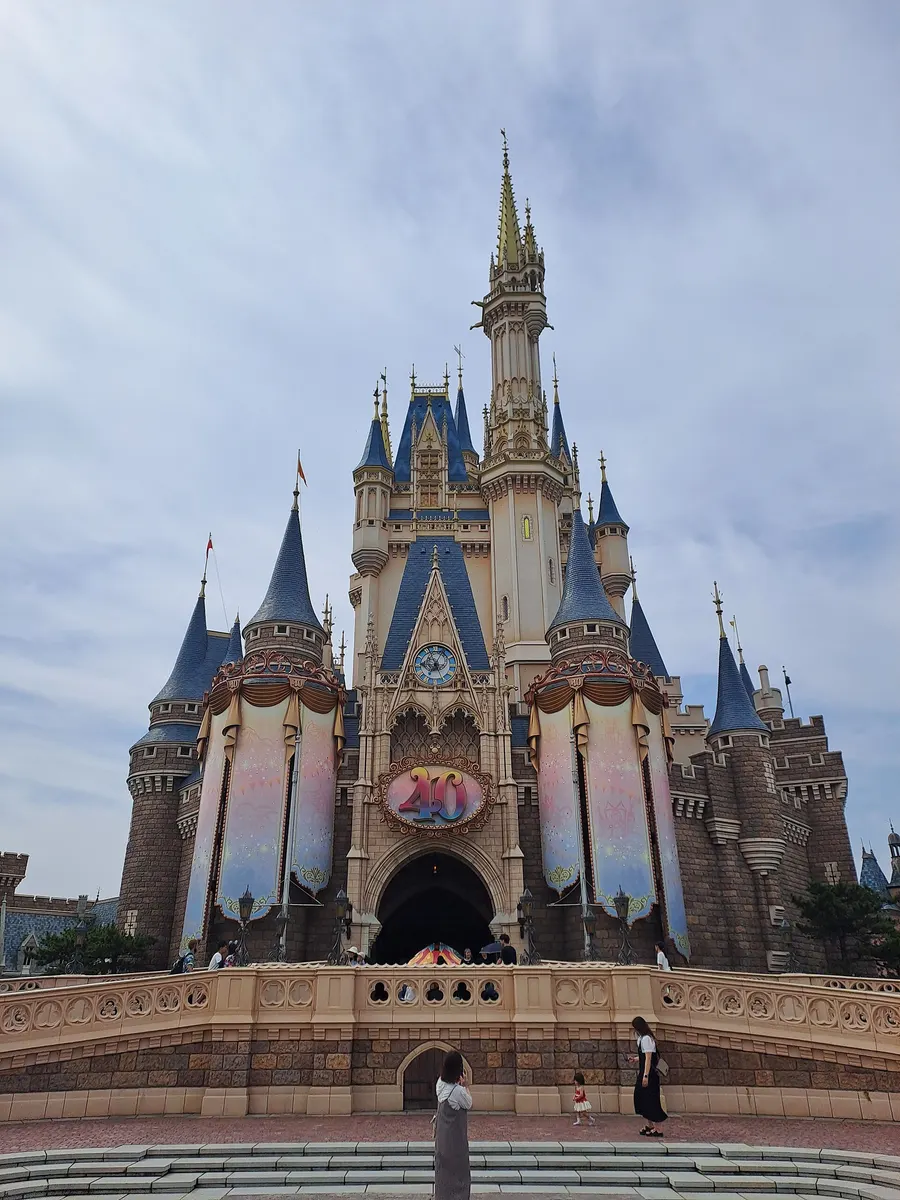
Cinderella Castle at Tokyo Disneyland during the park's 40th anniversary in 2023.Cinderella Castle at Tokyo Disneyland during the park’s 40th anniversary in 2023.Image: LMP 2001 · CC BY-SA 4.0
culture · Asia

Tokyo Disneyland opens its gates

On 15 April 1983 Tokyo Disneyland opened at Urayasu, on land reclaimed from Tokyo Bay, the first Disney theme park outside the United States. It is owned and run by the Japanese Oriental Land Company under licence, rather than by Disney itself. Rain moved the opening ceremony under the glass roof of the park’s World Bazaar. The park became one of the most visited in the world and showed that the American theme-park model could flourish abroad.

Source: Oriental Land Co.: Opening of Tokyo Disneyland ↗
1989
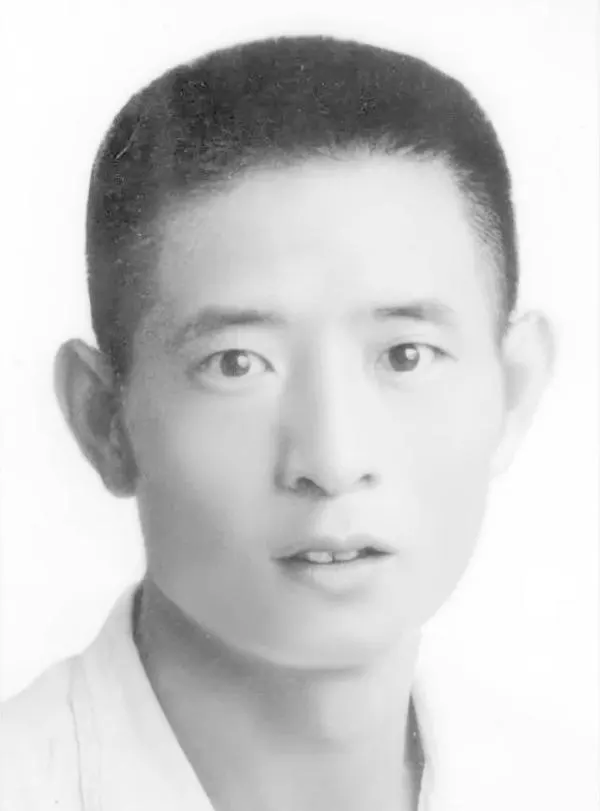
Hu Yaobang as a young Communist Party official in north Sichuan, around 1950.Hu Yaobang as a young Communist Party official in north Sichuan, around 1950.Image: unknown author · Public domain
politics · Asia

Hu Yaobang’s death sets Beijing’s students in motion

Hu Yaobang, the reform-minded former head of China’s Communist Party who had been forced out in 1987, died in Beijing on 15 April 1989, a week after suffering a heart attack. Students and intellectuals saw him as a champion of openness, and within hours tributes began appearing at universities and in Tiananmen Square. Mourning soon grew into demands for press freedom and an end to official corruption, and by his funeral on 22 April tens of thousands had gathered outside the Great Hall of the People. The protests spread to cities across China and lasted seven weeks, until the army cleared the square on the night of 3 to 4 June.

Source: Britannica: Hu Yaobang ↗
1989
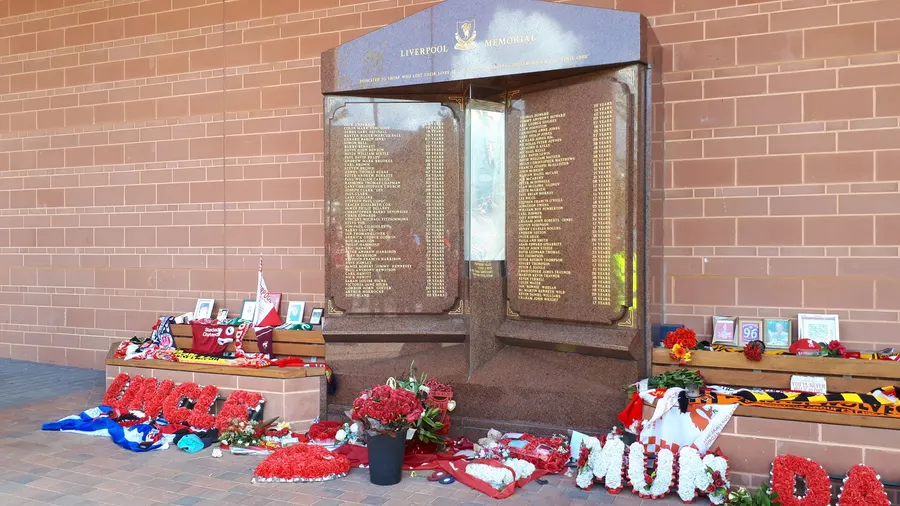
The Hillsborough memorial at Anfield, Liverpool, with flowers and scarves.The Hillsborough memorial at Anfield, Liverpool, with flowers and scarves.Image: Mike Pennington · CC BY-SA 2.0
world · Europe

The Hillsborough disaster

On 15 April 1989 a fatal crush developed in the Leppings Lane terrace at Sheffield’s Hillsborough stadium during the FA Cup semi-final between Liverpool and Nottingham Forest. Ninety-seven Liverpool supporters eventually lost their lives. The Taylor Report blamed a failure of police control and led to all-seater grounds in England’s top divisions. After a long campaign by families, the 2016 inquests found that the victims had been unlawfully killed and that fans were not to blame.

Source: Independent Office for Police Conduct: The Hillsborough disaster ↗
VI
2000 TO TODAY

Modern Day

The events of recent decades that have already become part of the historical record.

2010
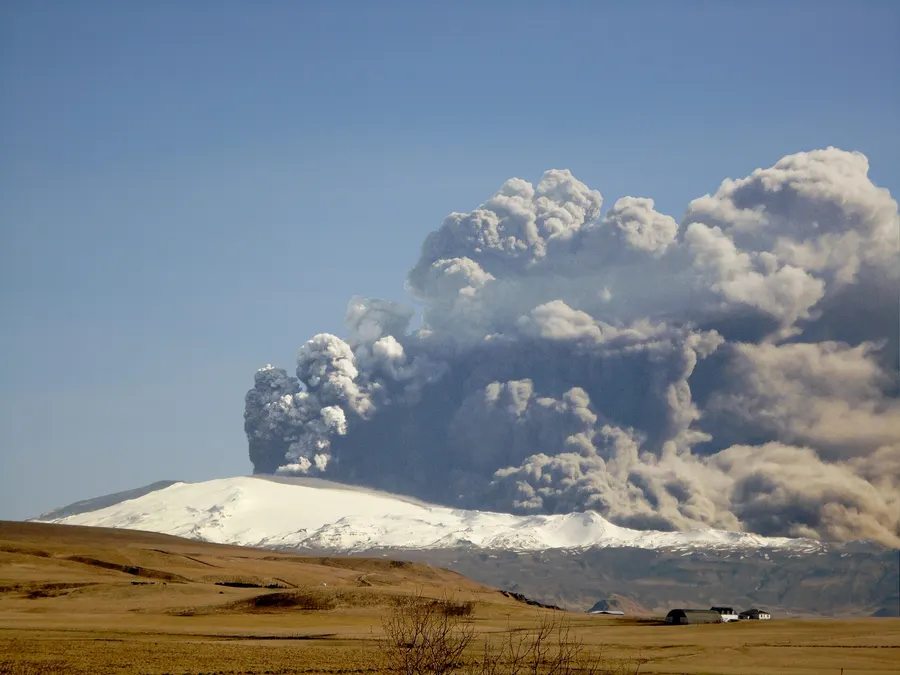
Eyjafjallajökull erupting on 17 April 2010.Eyjafjallajökull erupting on 17 April 2010.Image: Árni Friðriksson · CC BY-SA 3.0
science · Europe

A volcanic ash cloud empties Europe’s skies

On 15 April 2010 a plume of fine ash from Eyjafjallajökull, erupting beneath an Icelandic ice cap, drifted south-east across the North Atlantic and airports in Britain, Ireland, Norway and beyond began shutting down. Glass-like volcanic ash can melt inside jet engines and make them fail, so regulators closed airspace over much of northern and western Europe. In about a week some 100,000 flights were cancelled and roughly 10 million passenger journeys disrupted, the greatest closure of European skies since the Second World War. The crisis pushed scientists, engine makers and regulators to agree safe ash-concentration limits so that planes could fly around future eruptions.

Source: NASA Earth Observatory: Ash plume across the North Atlantic ↗
2019
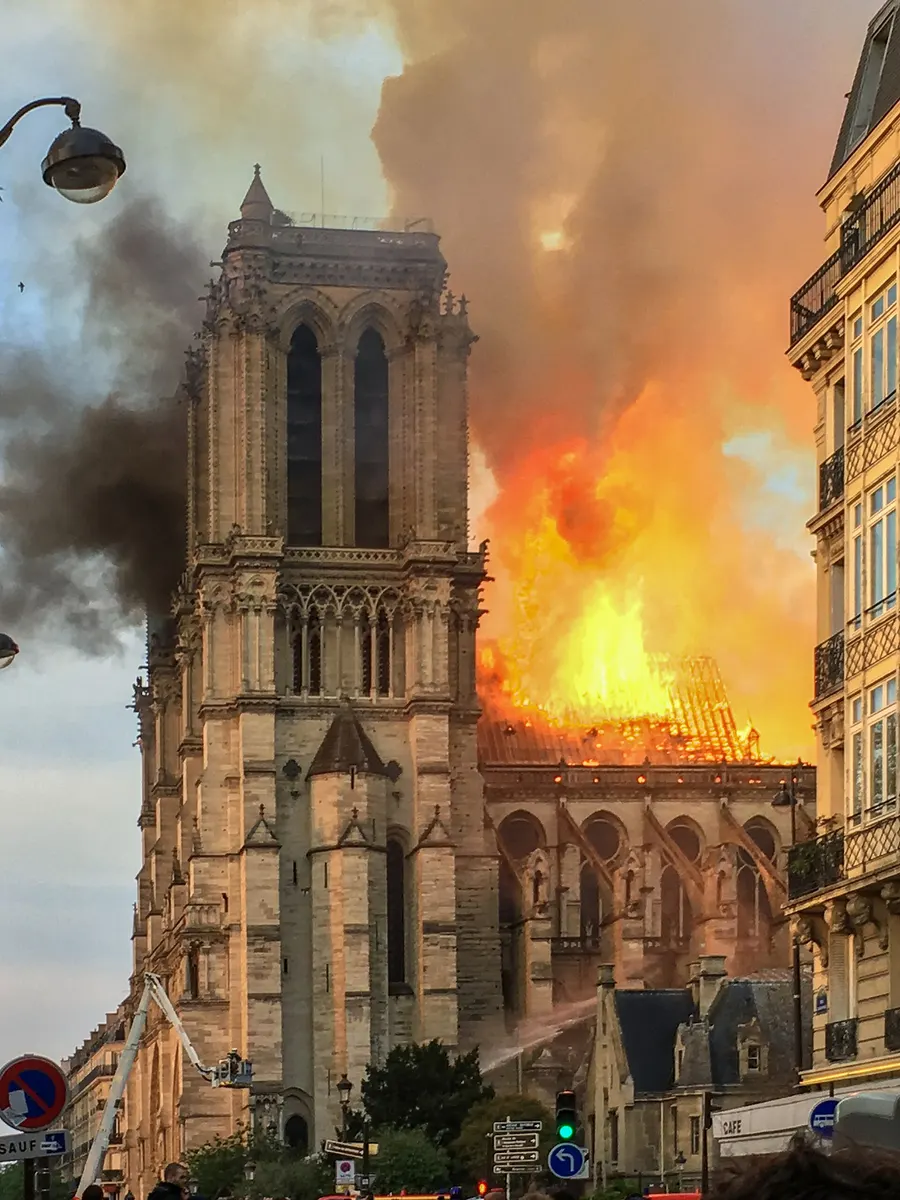
Fire in the roof of Notre-Dame, seen from Square René-Viviani at 7.51 pm on 15 April 2019.Fire in the roof of Notre-Dame, seen from Square René-Viviani at 7.51 pm on 15 April 2019.Image: LeLaisserPasserA38 · CC BY-SA 4.0
culture · Europe

Fire tears through the roof of Notre-Dame

Early on the evening of 15 April 2019 fire broke out in the timber roof space of Notre-Dame de Paris, the Gothic cathedral on the Île de la Cité. Crowds along the Seine watched as the nineteenth-century spire toppled and most of the medieval oak roof burned away. Firefighters saved the two west towers, and the stone vaults largely held, protecting the great rose windows and many treasures below. After more than five years of restoration using oak and traditional craft skills, the cathedral reopened on 7 December 2024.

Source: Britannica: Notre-Dame de Paris ↗
WHY THESE MOMENTS?

Significance before volume

This page is not the longest possible list of events. It is a chronological journey through 15 April, where each entry is chosen for historical significance, human interest and reliability.

Facts are checked against authoritative museums, archives, universities and reference works. Where sources disagree, the page says so.

EXPLORED THE DEEPER STORY?

Return to the highlights of 15 April

Discover the lighter side of the date with famous birthdays, culture, firsts and lives remembered.

Explore This Day →
← PREVIOUS DAY14 April
HISTORY & TIMELINE15 April
NEXT DAY →16 April