Explore 2 May

Explore 2 May: Madrid rises against Napoleon’s troops, Charles II charters the Hudson’s Bay Company, Ethiopia and Italy sign the fateful Treaty of Wuchale, and the world’s first jet airliner service takes off from London. Meet Theodor Herzl, Alessandro Scarlatti and Brian Lara, born on this date, and remember Athanasius of Alexandria.

This day through time →11 verified events across 4 eras

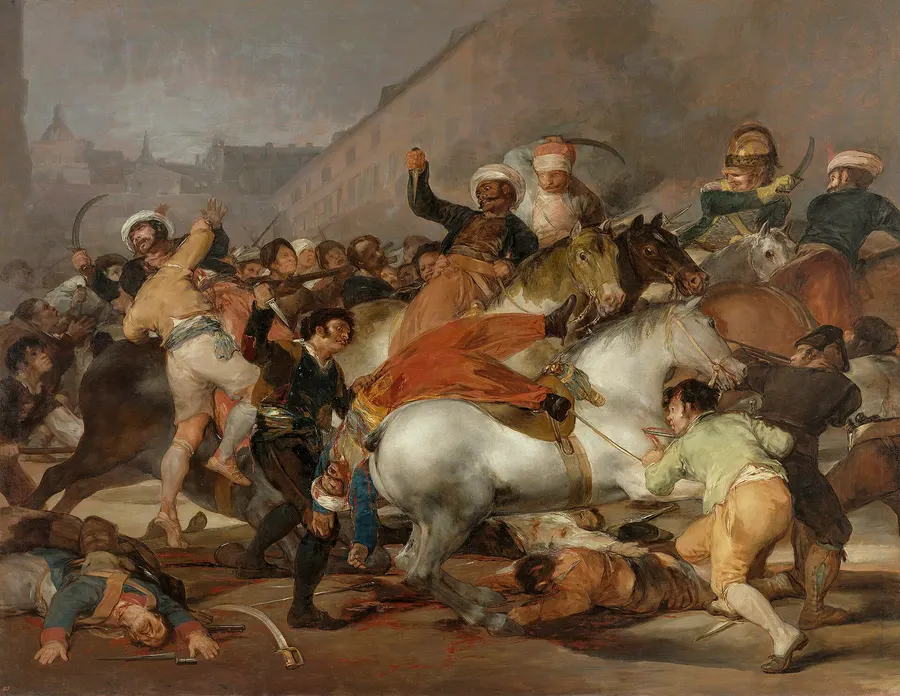
Goya's painting of 2 May 1808 in Madrid, showing townspeople attacking Napoleon's Mameluke cavalry.
Goya’s painting of 2 May 1808 in Madrid, showing townspeople attacking Napoleon’s Mameluke cavalry.
Image creditFrancisco Goya · Public domainResized and cropped for display.

Madrid rises against Napoleon’s army

On the morning of 2 May 1808 a crowd gathered outside the royal palace in Madrid to stop French troops taking the last members of the Spanish royal family away to France. French forces had occupied the city since March, and when they opened fire on the crowd the protest turned into street fighting across the capital, joined by a handful of Spanish artillery officers.

Marshal Joachim Murat crushed the rising within hours and ordered mass executions the following day. The repression backfired: news of it spread across Spain and set off a nationwide revolt that grew into the long Peninsular War. Francisco Goya later painted both days, and 2 May is still a holiday in the Madrid region.

Read the full storyHistory & Timeline →Source: Britannica: Dos de Mayo Uprising ↗
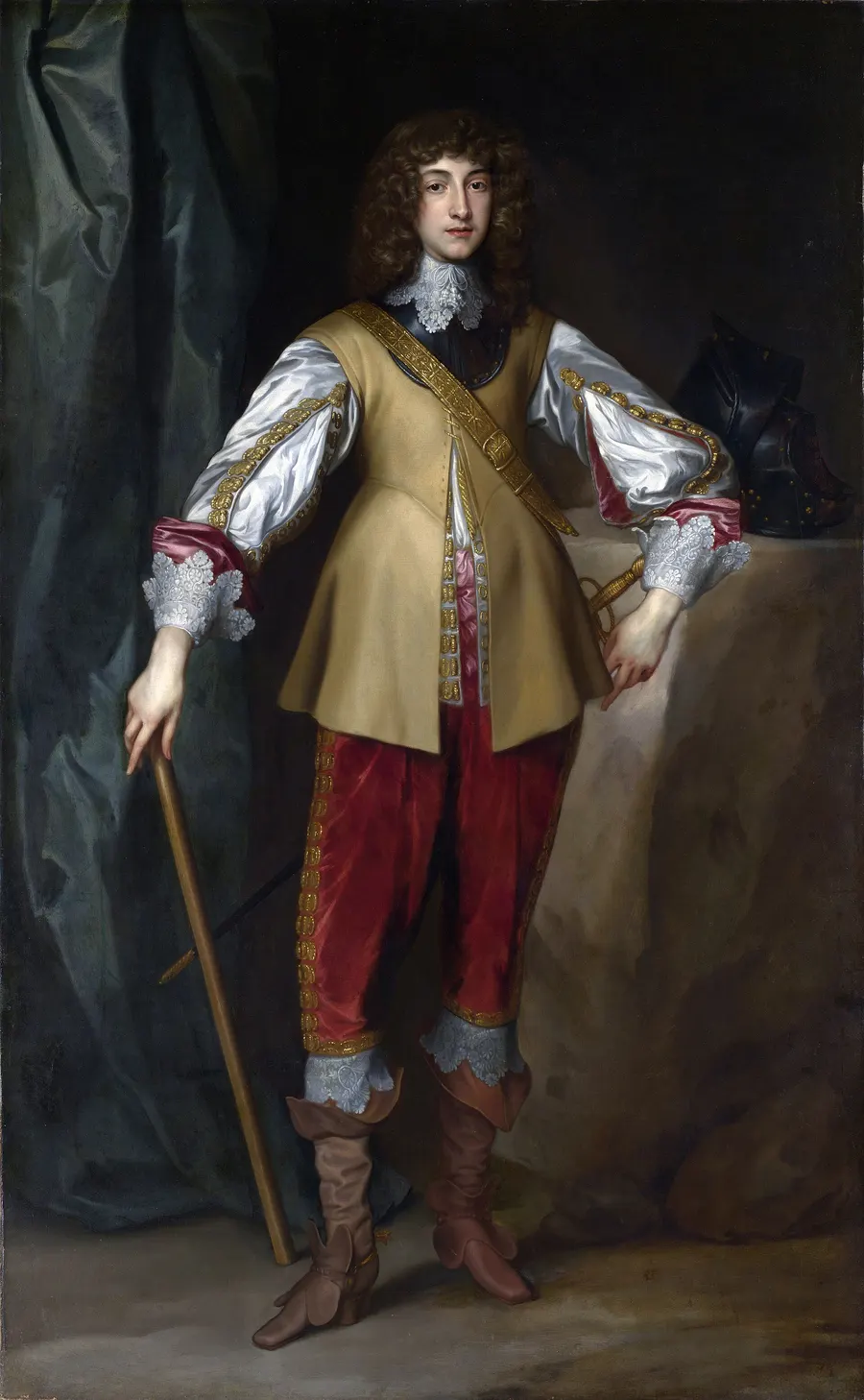
Anthony van Dyck's portrait of the young Prince Rupert, about 1637. He became the Hudson's Bay Company's first governor.
Anthony van Dyck’s portrait of the young Prince Rupert, about 1637. He became the Hudson’s Bay Company’s first governor.
Image creditAnthony van Dyck · Public domainResized and cropped for display.

Charles II charters the Hudson’s Bay Company

On 2 May 1670 King Charles II granted a royal charter to ‘the Governor and Company of Adventurers of England trading into Hudson’s Bay’. It gave the company sole rights to trade across all the lands whose rivers drain into Hudson Bay, a vast territory named Rupert’s Land after the king’s cousin Prince Rupert, its first governor.

The land covered more than a third of present-day Canada, and was home to Cree, Dene and many other Indigenous nations who became the company’s partners in the fur trade. The company later handed Rupert’s Land to the new Canadian state in 1870 and survived for centuries as a retailer.

Read the full storyHistory & Timeline →Source: The Royal Charter for incorporating the Hudson’s Bay Company (Internet Archive) ↗
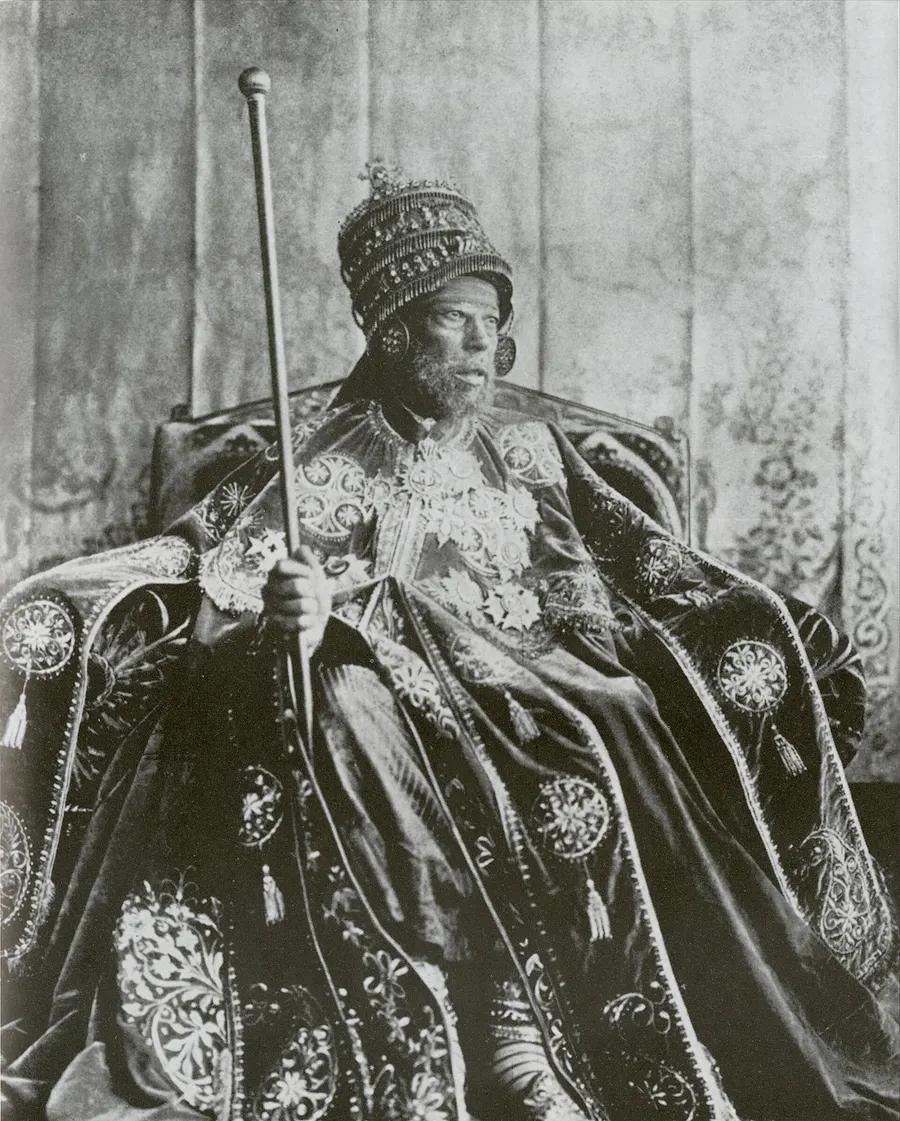
Menelik II in his coronation robes as Emperor of Ethiopia.
Image creditUnknown authorUnknown author · Public domainResized and cropped for display.

Ethiopia and Italy sign the Treaty of Wuchale

On 2 May 1889 Menelik II, soon to be crowned Emperor of Ethiopia, signed a treaty of friendship with Italy’s envoy Count Pietro Antonelli at Wuchale. It recognised Italian control of land in what became Eritrea in return for money and arms.

The two versions of Article 17 did not match. The Amharic text said Ethiopia could use Italy for its foreign dealings, while the Italian text said it must, which Rome took to mean a protectorate. Menelik rejected that reading and later renounced the treaty, and the dispute ended in Italy’s defeat at Adwa in 1896.

Read the full storyHistory & Timeline →Source: Britannica: Treaty of Wichale ↗
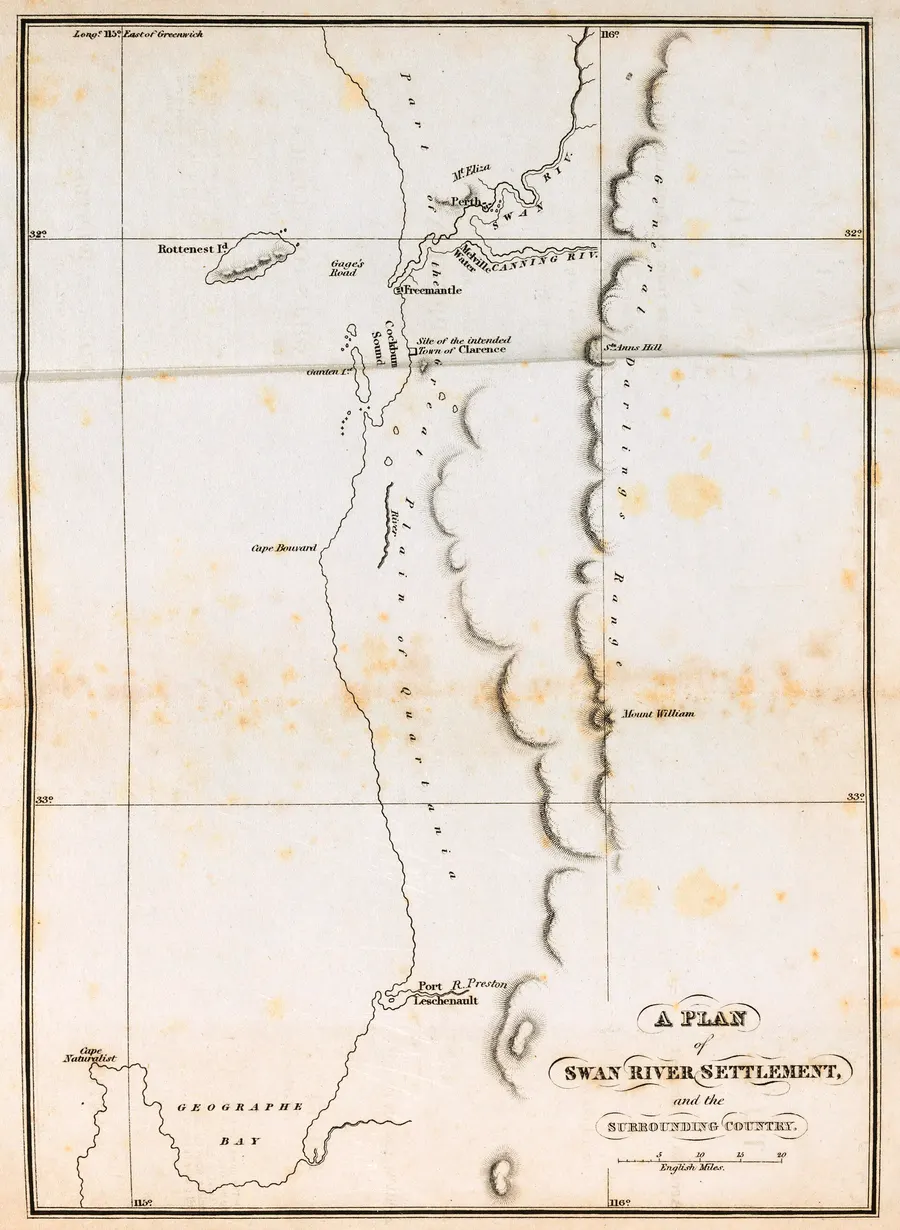
A plan of the Swan River settlement and the surrounding country, published in 1831.
Image creditcartographer unknown · Public domainResized and cropped for display.

Britain claims the west coast of Australia

On 2 May 1829 Captain Charles Fremantle of HMS Challenger landed at the mouth of the Swan River and raised the Union flag. In his report he wrote that he had taken possession of the whole west coast of New Holland for the British Crown.

The claim came only weeks before the first settlers of the Swan River Colony arrived, the start of what is now Western Australia. The land was already the country of the Noongar people, whose presence the claim ignored. The port city of Fremantle takes its name from the captain.

Read the full storyHistory & Timeline →Source: Documenting Democracy (National Archives of Australia): Western Australia founding documents ↗
♙
PEOPLE

Born Today

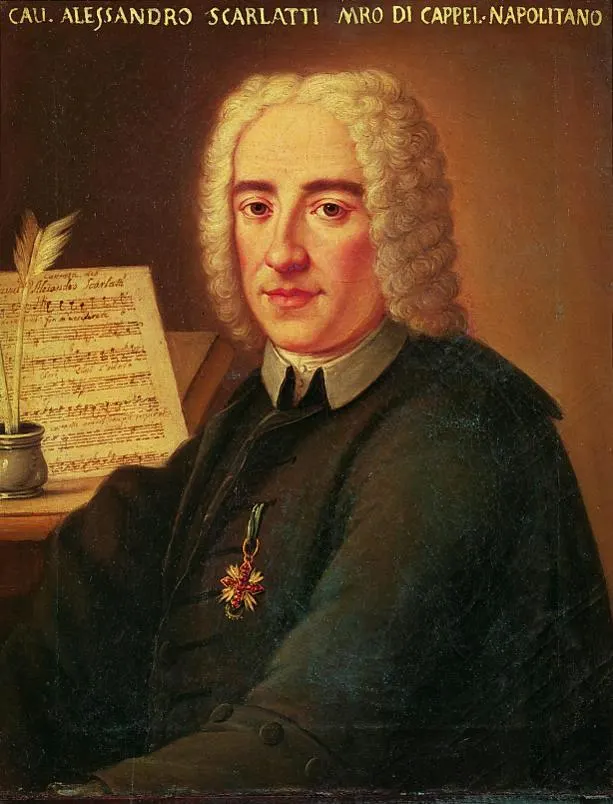
Alessandro Scarlatti
Image creditUnidentified painter · Public domainResized and cropped for display.

Alessandro Scarlatti

Italian composer who led the Neapolitan school of opera.

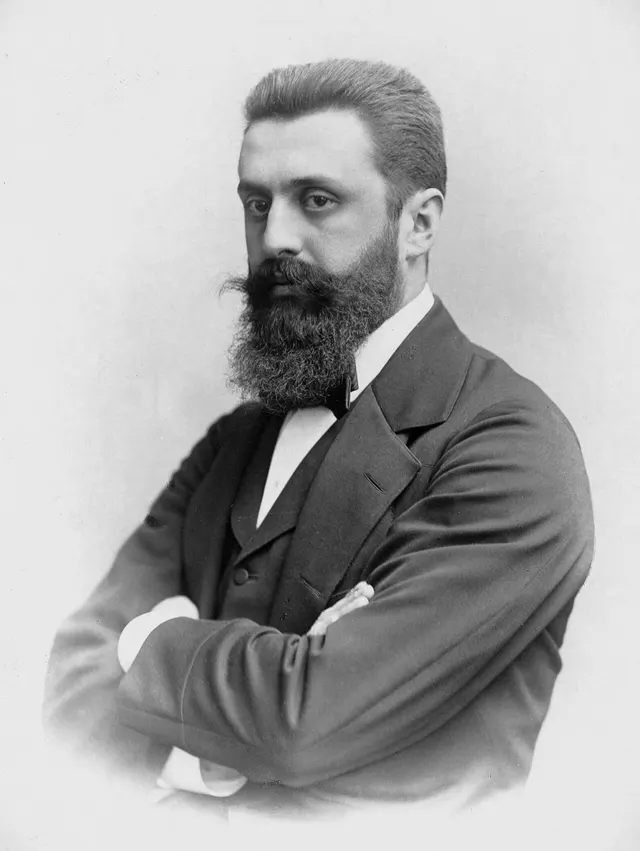
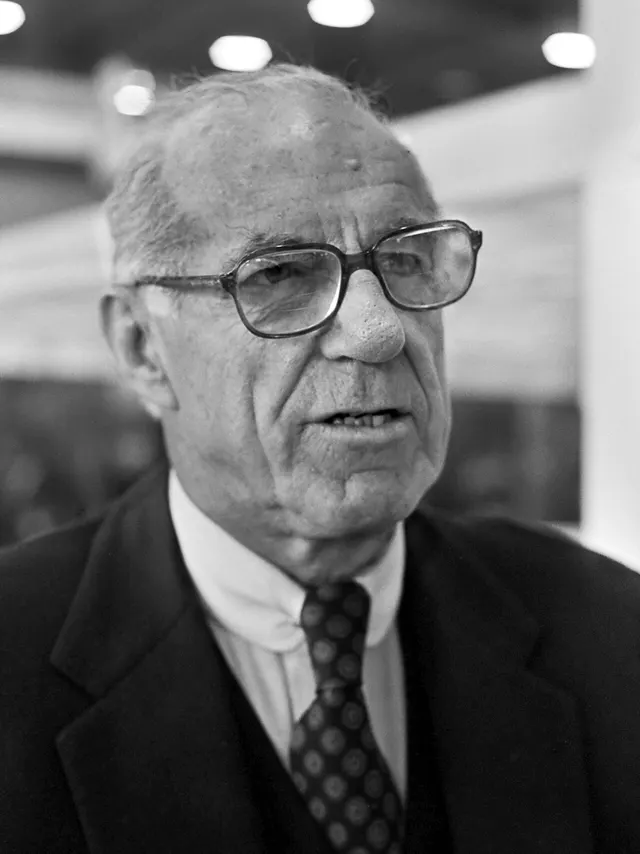
Theodor Herzl
Image creditCarl Pietzner · Public domainResized and cropped for display.

Theodor Herzl

Journalist who founded modern political Zionism.

Benjamin Spock
Image creditBert Verhoeff for Anefo · CC0Resized and cropped for display.

Benjamin Spock

Paediatrician whose baby-care book guided generations of parents.

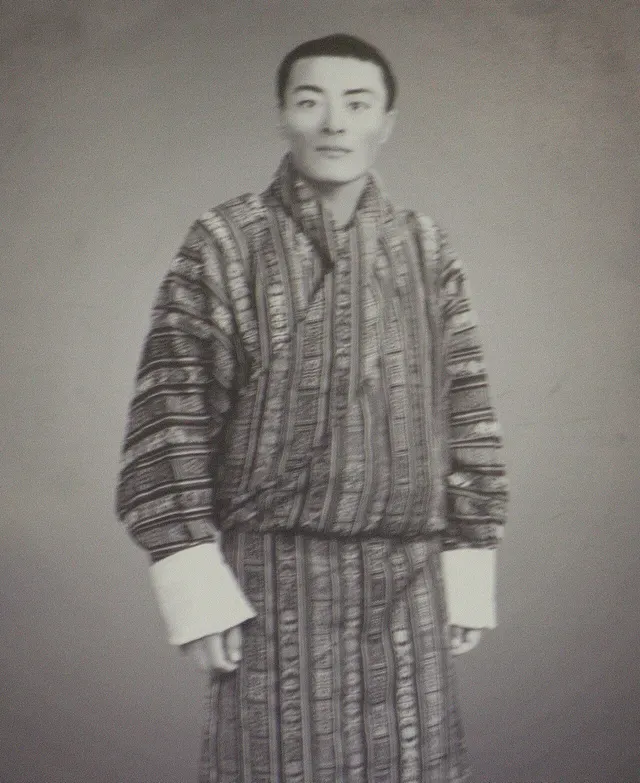
Jigme Dorji Wangchuck
Image creditBenjamin Goetzinger · CC BY-SA 4.0Resized and cropped for display.

Jigme Dorji Wangchuck

Third King of Bhutan, who began opening the country to the wider world.

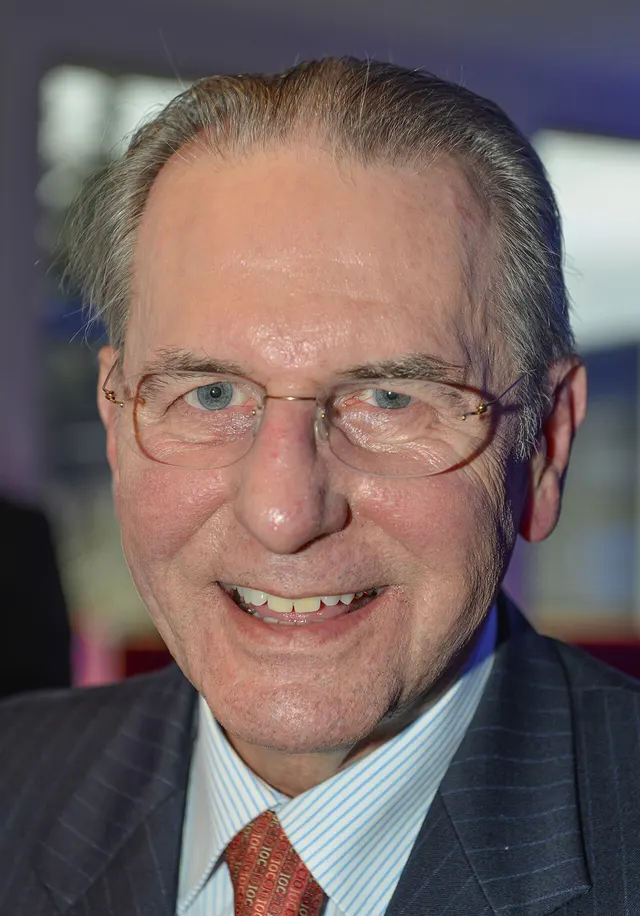
Jacques Rogge
Image creditRalf Roletschek · CC BY 3.0Resized and cropped for display.

Jacques Rogge

Belgian surgeon and sailor who led the International Olympic Committee.

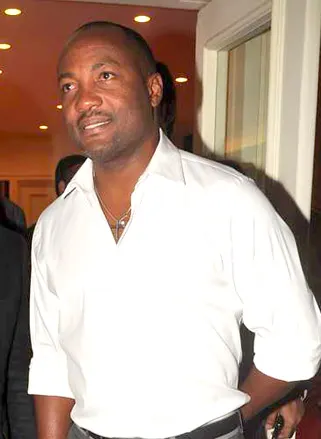
Brian Lara
Image creditBollywood Hungama · CC BY 3.0Resized and cropped for display.

Brian Lara

Trinidadian batsman who holds the record for the highest Test innings.

David Beckham
Image creditSoccer Aid for Unicef · CC BY 3.0Resized and cropped for display.

David Beckham

English footballer famed for his passing and free kicks.

◉
IDEAS THAT CHANGED THINGS

Firsts, Science & Discoveries

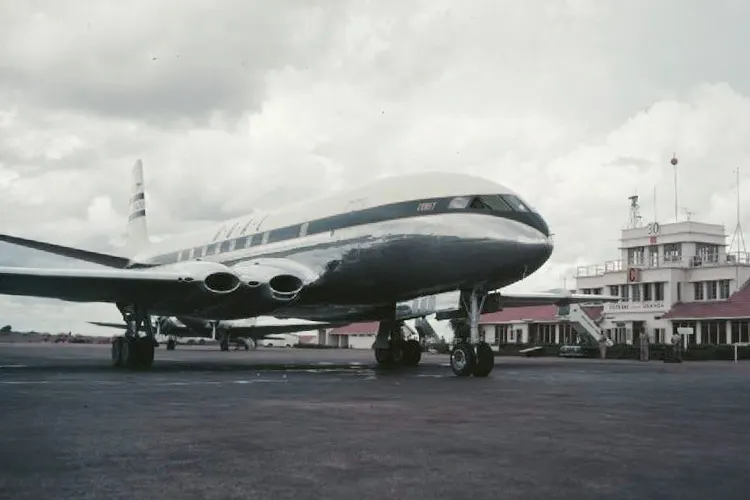
A BOAC Comet on its way from London to Johannesburg, stopping at Entebbe in Uganda, 1952.
Image creditMinistry of Information official photographer · Public domainResized and cropped for display.

The first jet airliner service takes off

On the afternoon of 2 May 1952 a BOAC de Havilland Comet 1 left London for Johannesburg with 36 fare-paying passengers, the first scheduled passenger service ever flown by a jet airliner. It called at Rome, Beirut, Khartoum, Entebbe and Livingstone and landed the next day, slightly ahead of schedule.

The trip took about a day instead of the several days needed by propeller aircraft. The Comet’s lead was short-lived, as a series of crashes in 1953-54 caused by metal fatigue grounded the fleet, but lessons from its failures shaped every jet airliner that followed.

Read the full storyHistory & Timeline →Source: South African History Online: The first regular jet flight leaves London for Johannesburg ↗
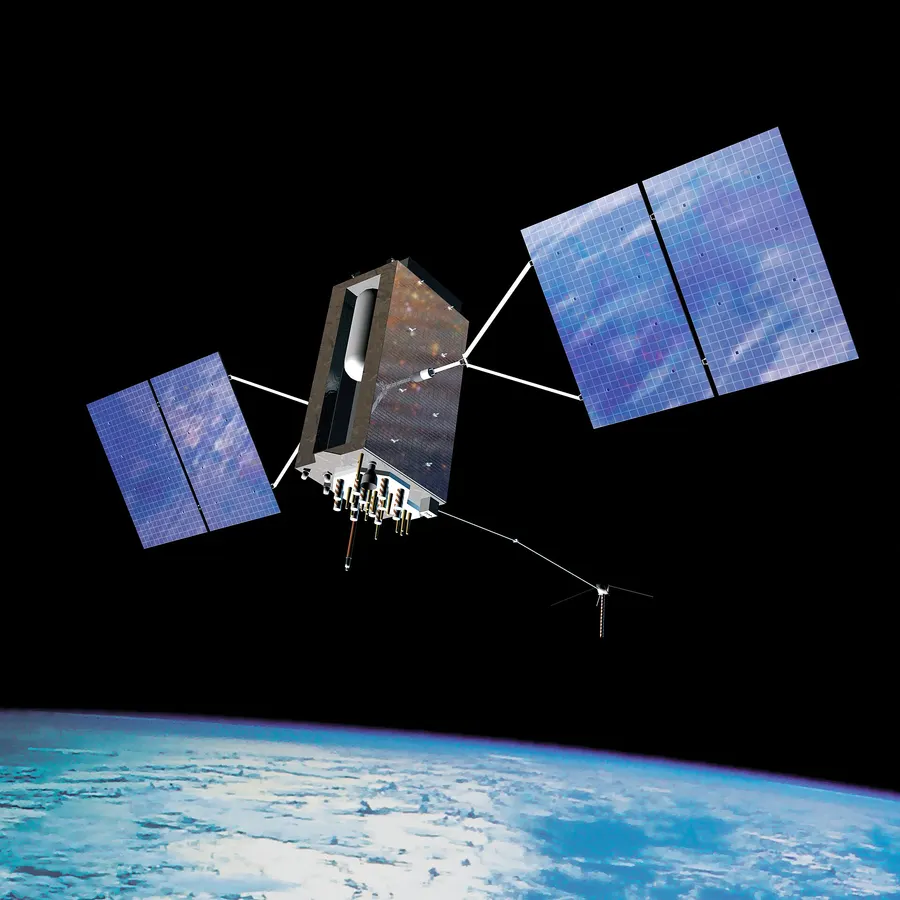
An artist's impression of a later GPS satellite (Block IIIA) in orbit above the Earth.
An artist’s impression of a later GPS satellite (Block IIIA) in orbit above the Earth.
Image creditU.S. Air Force · Public domainResized and cropped for display.

GPS becomes precise for everyone

Shortly after 04:00 UTC on 2 May 2000 every GPS satellite stopped adding a deliberate error to its public signal. The feature, called Selective Availability, had been kept for security reasons and limited ordinary receivers to an accuracy of roughly 45 metres.

President Bill Clinton had ordered the change the day before. Overnight, civilian receivers became accurate to within a few metres, opening the way for in-car satellite navigation, mobile phone mapping and many other everyday uses.

Read the full storyHistory & Timeline →Source: GPS.gov: Selective Availability ↗
☆
SPORTING HISTORY

Sporting Moments

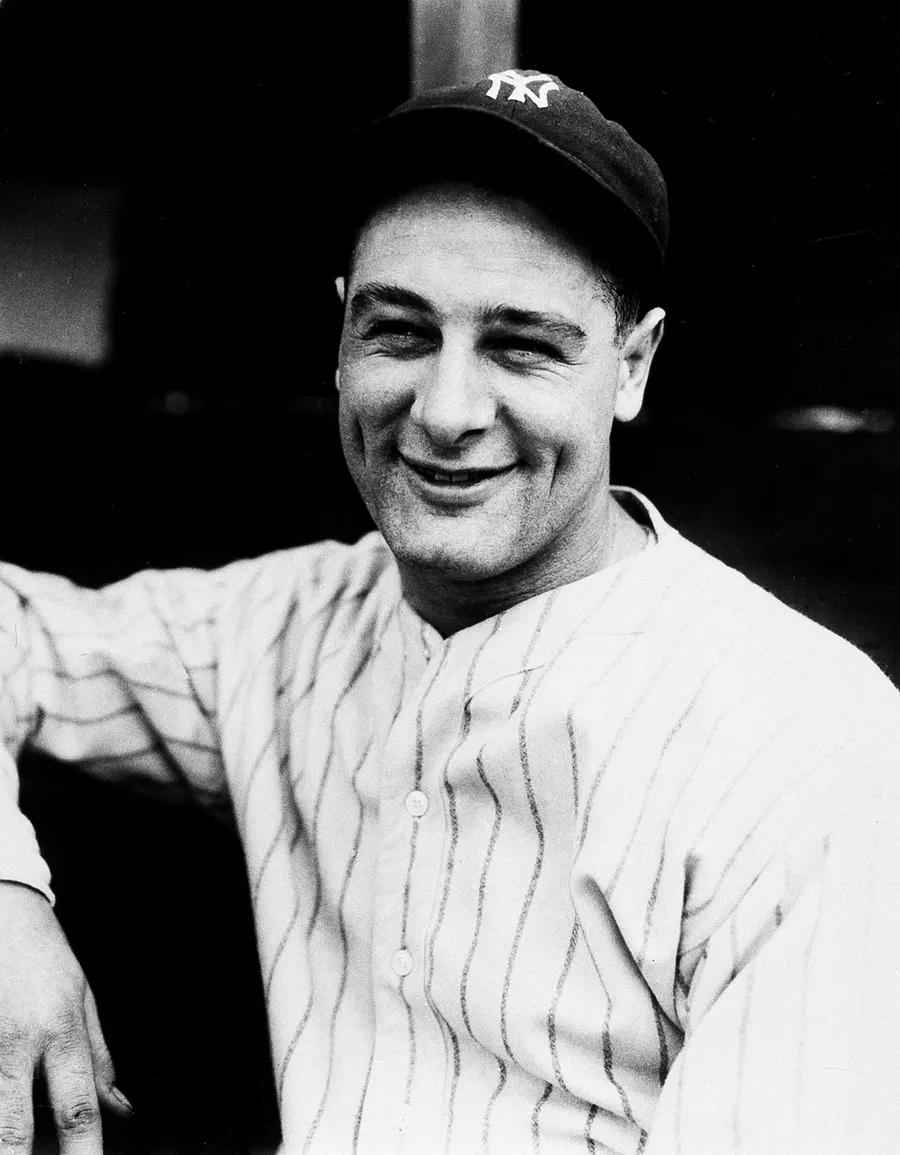
Lou Gehrig playing for the New York Yankees in 1923.
Image creditUnknown author · Public domainResized and cropped for display.

Lou Gehrig ends his record run

Before a game against the Detroit Tigers on 2 May 1939, the New York Yankees captain Lou Gehrig told his manager to leave him out of the line-up. It was the first game he had missed since 1925, ending a run of 2,130 consecutive matches that stood as a record for 56 years.

Gehrig had been struggling badly and did not yet know why. Weeks later doctors diagnosed amyotrophic lateral sclerosis, the incurable disease now often called Lou Gehrig’s disease in North America, and he never played again.

Read the full storyHistory & Timeline →Source: Society for American Baseball Research: May 2, 1939, Lou Gehrig’s streak ends in Detroit ↗
✦
LIVES REMEMBERED

Remembered Today

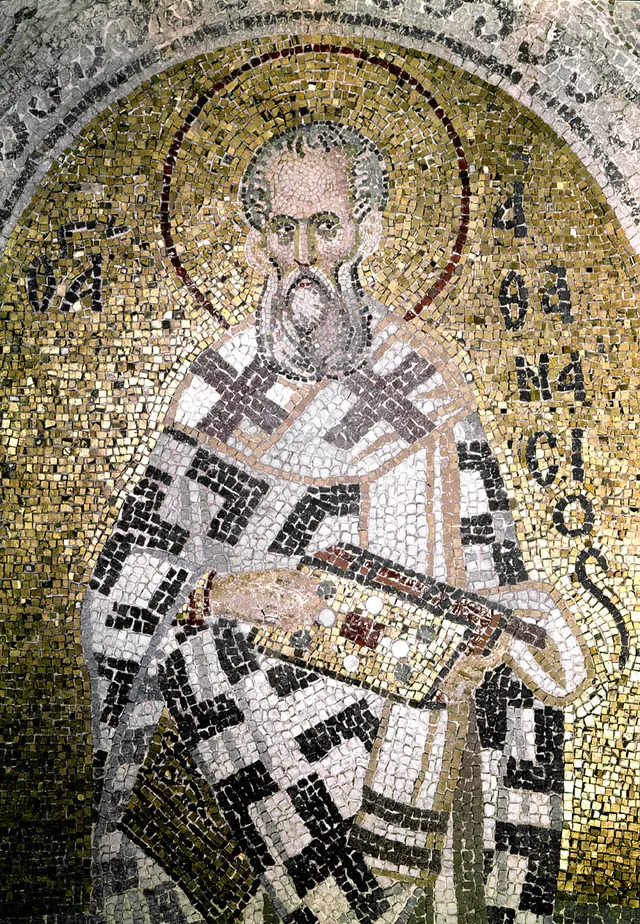
Athanasius of Alexandria
Image creditByzantine Institute staff · CC0Resized and cropped for display.

Athanasius of Alexandria

Bishop of Alexandria who defended the Nicene Creed through five exiles.

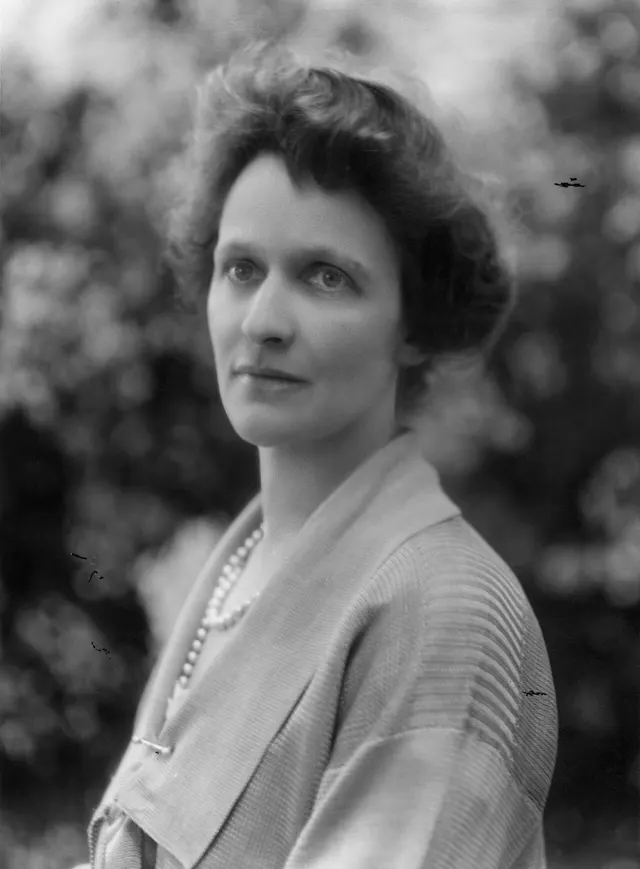
Nancy Astor
Image creditBassano Ltd · Public domainResized and cropped for display.

Nancy Astor

American-born politician who became the first woman to take a seat in the House of Commons.

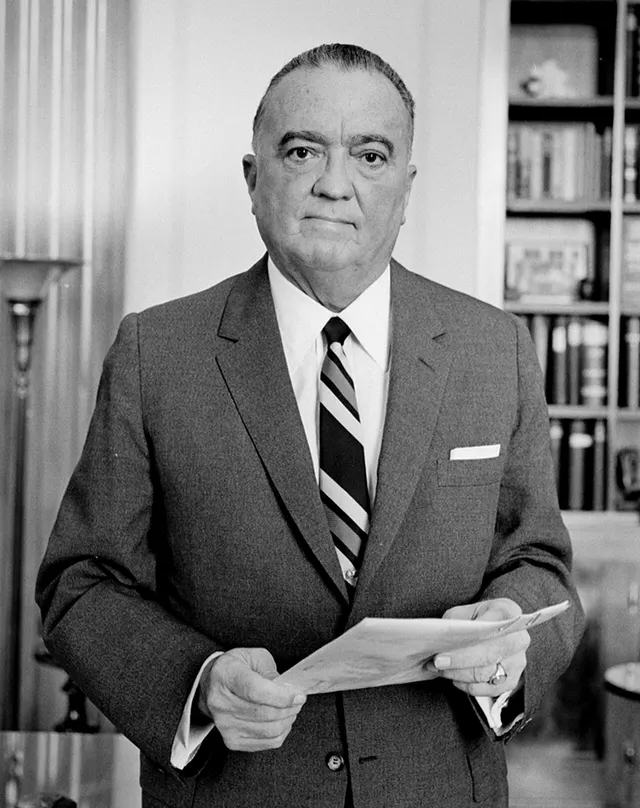
J. Edgar Hoover
Image creditMarion S. Trikosko · Public domainResized and cropped for display.

J. Edgar Hoover

First director of the FBI, which he ran for nearly half a century.

☉
AROUND THE WORLD

Observances & Anniversaries

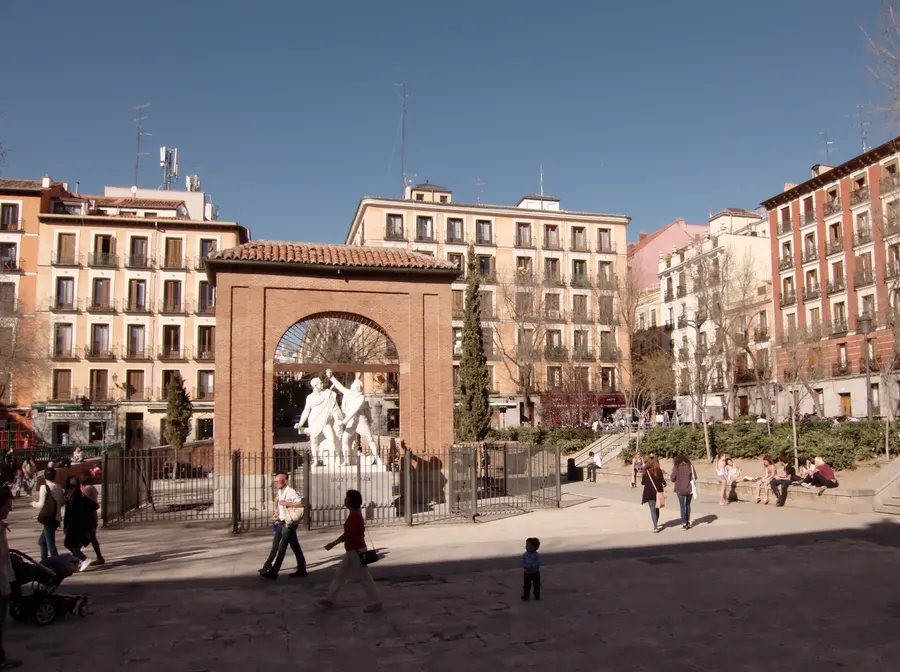
The Plaza del Dos de Mayo in Madrid's Malasaña district, with its monument to the artillery officers Daoíz and Velarde.
The Plaza del Dos de Mayo in Madrid’s Malasaña district, with its monument to the artillery officers Daoíz and Velarde.
Image creditNicolas Vigier from Paris, France · CC0Resized and cropped for display.

Day of the Community of Madrid

The Madrid region keeps 2 May as its official holiday, the Fiesta de la Comunidad de Madrid, in memory of the 1808 uprising against French occupation. It was set by regional law in 1984 and is marked with a military parade, wreath-laying and celebrations in the Malasaña district, where some of the fiercest fighting took place.

Source: Comunidad de Madrid: Calendario laboral ↗
HISTORY & TIMELINE

Finished the highlights?

Follow 2 May chronologically, from the Middle Ages to the modern day, with 11 verified events and the sources behind them.

This day through time →