
HISTORY & TIMELINE
8 May

A journey through
8 May in history

From the Visigothic king Reccared’s council at Toledo in 589 to Costa Rica’s first woman president taking office in 2010, 8 May has seen England and France agree a peace at Brétigny, a Spanish expedition reach the Mississippi, a revolutionary court send Lavoisier to the guillotine, a volcano destroy Saint-Pierre in Martinique, two climbers reach the top of Everest without bottled oxygen and the Soviet Union pull out of the Los Angeles Olympics. This timeline follows the date across fourteen centuries.

I
EARLIEST RECORDS

Ancient & Early History

The earliest worthwhile records and events connected with this date.

589
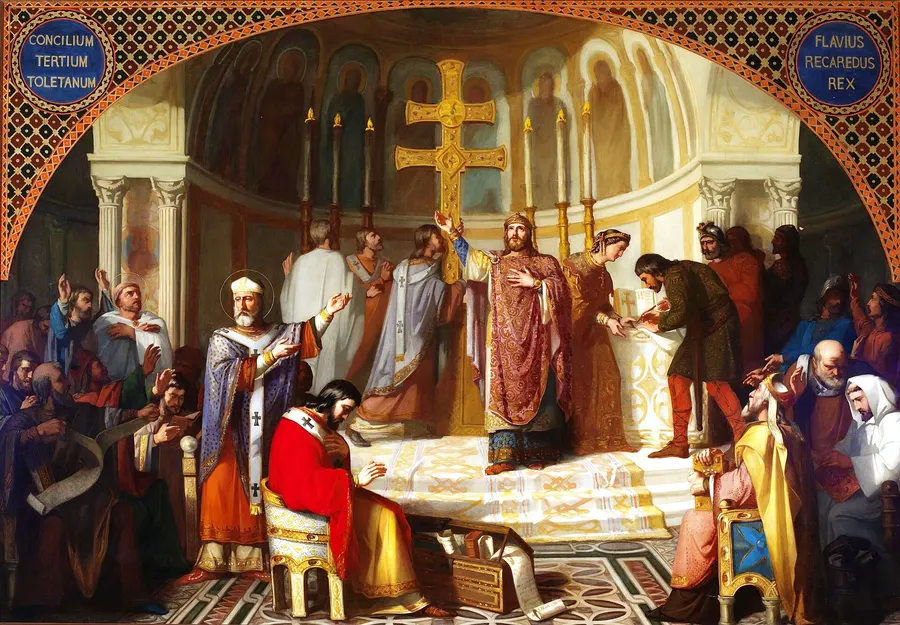
The Third Council of Toledo as painted by José Martí y Monsó in 1862 (Museo del Prado).The Third Council of Toledo as painted by José Martí y Monsó in 1862 (Museo del Prado).Image: José Martí y Monsó · Public domain
culture · Europe

The Visigoths turn Catholic at the Third Council of Toledo

On 8 May 589 King Reccared of the Visigoths opened a church council at Toledo, the capital of his kingdom in Spain. Before some 72 bishops, with Leander of Seville presiding, he publicly gave up the Arian form of Christianity his people had followed and professed the Catholic creed, calling on Arian bishops and nobles to do the same. The council marked the entry of Visigothic Spain into the Catholic Church and bound church and crown closely together.

Source: Konziliengeschichte (council history lexicon): Toledo III ↗
II
THE MIDDLE AGES

Medieval History

Kingdoms, conflict, faith, power and the changing medieval world.

1360
A 19th-century map of France at the time of the Treaty of Brétigny, from John Richard Green's history of England.A 19th-century map of France at the time of the Treaty of Brétigny, from John Richard Green’s history of England.Image: John Richard Green · Public domain
politics · Europe

England and France agree a peace at Brétigny

On 8 May 1360, at Brétigny near Chartres, English and French envoys agreed terms to end the first phase of the Hundred Years’ War. King John II of France, captured at Poitiers four years earlier, was to be ransomed for three million gold crowns, and Edward III was to hold Aquitaine and other lands in full sovereignty in return for giving up his claim to the French crown. The treaty was ratified at Calais that October, but war broke out again in 1369.

Source: Britannica: Treaty of Brétigny ↗
III
A CHANGING WORLD

Early Modern Era

Exploration, political change, scientific development and expanding global connections.

1541
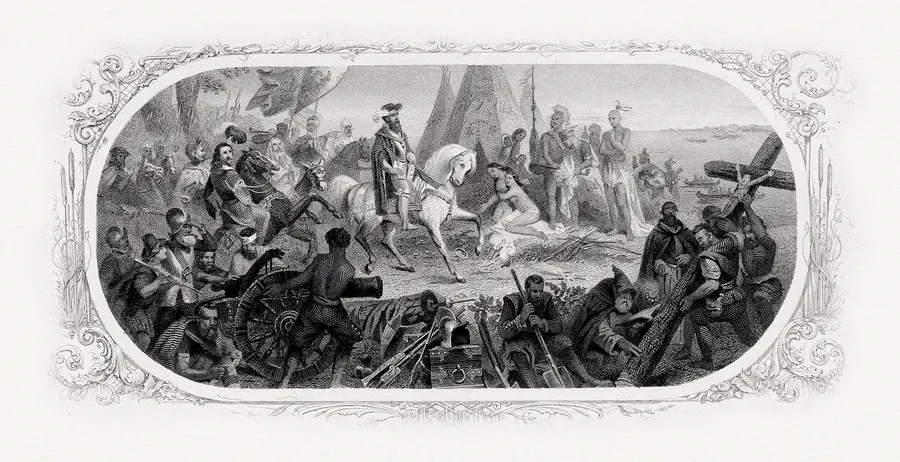
An engraving after William H. Powell's painting of de Soto reaching the Mississippi, by the US Bureau of Engraving and Printing.An engraving after William H. Powell’s painting of de Soto reaching the Mississippi, by the US Bureau of Engraving and Printing.Image: The Bureau of Engraving and Printing · Public domain
world · Americas

De Soto’s expedition reaches the Mississippi

On 8 May 1541 the Spanish conquistador Hernando de Soto and his army reached the Mississippi River, south of present-day Memphis, after two years of marching through the south-east of North America in search of gold. They were among the first Europeans to see the great river. The Spaniards built barges and crossed into what is now Arkansas, but found no riches, and de Soto died beside the Mississippi the following year.

Source: EBSCO Research Starters: Hernando de Soto discovers the Mississippi River ↗
1794
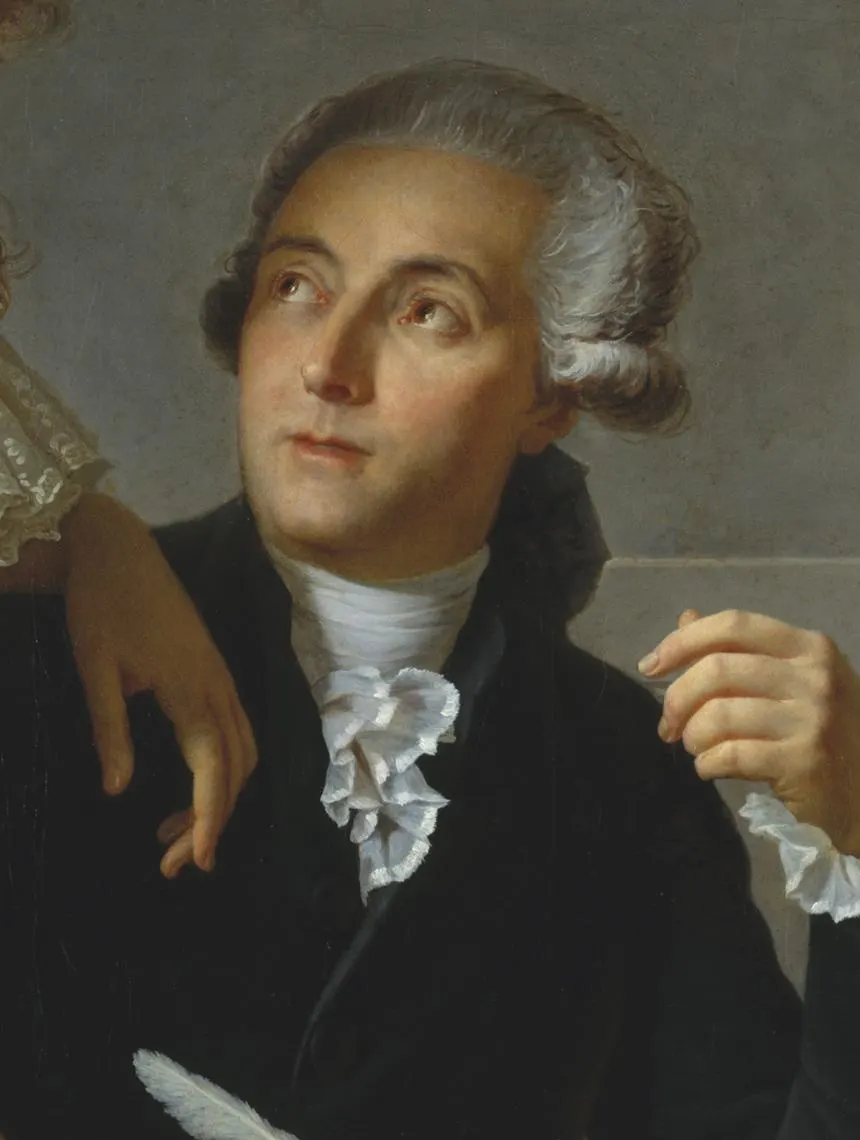
Antoine Lavoisier, detail of the portrait of him and his wife painted by Jacques-Louis David in 1788.Antoine Lavoisier, detail of the portrait of him and his wife painted by Jacques-Louis David in 1788.Image: Jacques-Louis David · Public domain
science · Europe

Lavoisier, founder of modern chemistry, is guillotined

On 8 May 1794, during the Terror, the chemist Antoine-Laurent Lavoisier was guillotined in Paris along with other former members of the Ferme générale, the private company that had collected taxes for the king. He was condemned not for his science but for his part in that widely hated business. Lavoisier had shown that burning is a reaction with oxygen, named oxygen and hydrogen, helped to create a system of chemical names still used today and set out the principle that matter is conserved in chemical reactions. The mathematician Joseph-Louis Lagrange is said to have remarked that it took only a moment to cut off his head, but a century might not produce another like it.

Source: Science History Institute: Antoine-Laurent Lavoisier ↗
IV
THE NINETEENTH CENTURY

The 1800s

Industry, empire, invention, reform and a century of enormous transformation.

1886
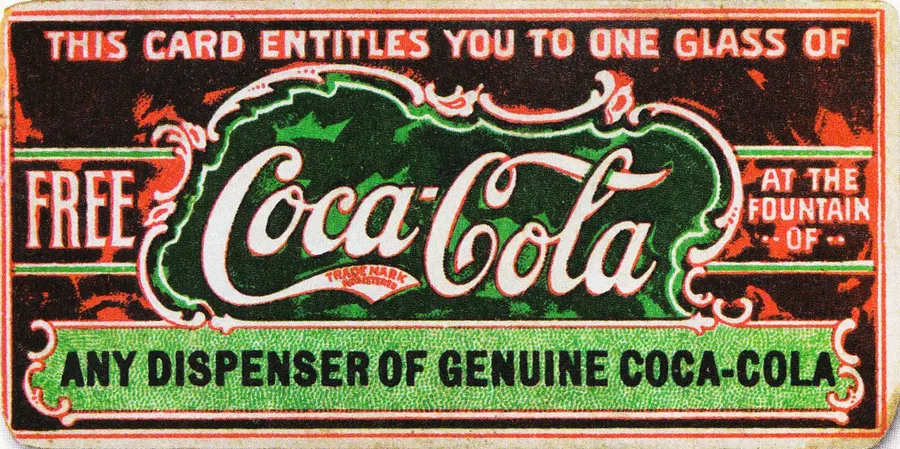
A card for a free glass of Coca-Cola from about 1888, believed to be the first coupon ever.A card for a free glass of Coca-Cola from about 1888, believed to be the first coupon ever.Image: Coca-Cola Company · Public domain
world · Americas

The first glass of Coca-Cola is sold in Atlanta

On 8 May 1886 John Pemberton, an Atlanta pharmacist, carried a jug of a new syrup down the street to Jacobs’ Pharmacy. Mixed with carbonated water at the soda fountain, it was judged excellent and put on sale at five cents a glass. Sales were tiny at first, averaging about nine glasses a day in the first year, and the name and its flowing script were suggested by Pemberton’s bookkeeper, Frank Robinson. After Pemberton’s death the business passed to Asa Candler, and the drink grew into one of the best-known brands in the world.

Source: Georgia Historical Society: Birthplace of Coca-Cola marker ↗
V
THE TWENTIETH CENTURY

The 1900s

War and peace, technological leaps, social change, politics, sport and popular culture.

1902
Saint-Pierre in Martinique today, rebuilt beneath Mount Pelée.Saint-Pierre in Martinique today, rebuilt beneath Mount Pelée.Image: Zinneke · CC BY-SA 4.0
world · Americas

Mount Pelée destroys Saint-Pierre

At about eight in the morning of 8 May 1902 Mount Pelée on the French Caribbean island of Martinique erupted, sending a searing cloud of hot gas and ash down its slopes. Within about two minutes it reached Saint-Pierre, the island’s main town, and killed almost all of its roughly 28,000 people. It was the deadliest volcanic eruption of the twentieth century, and its study taught scientists much about the fast-moving clouds now called pyroclastic flows.

Source: U.S. Geological Survey: Volcano Watch - Chronology of a volcanic disaster ↗
1903
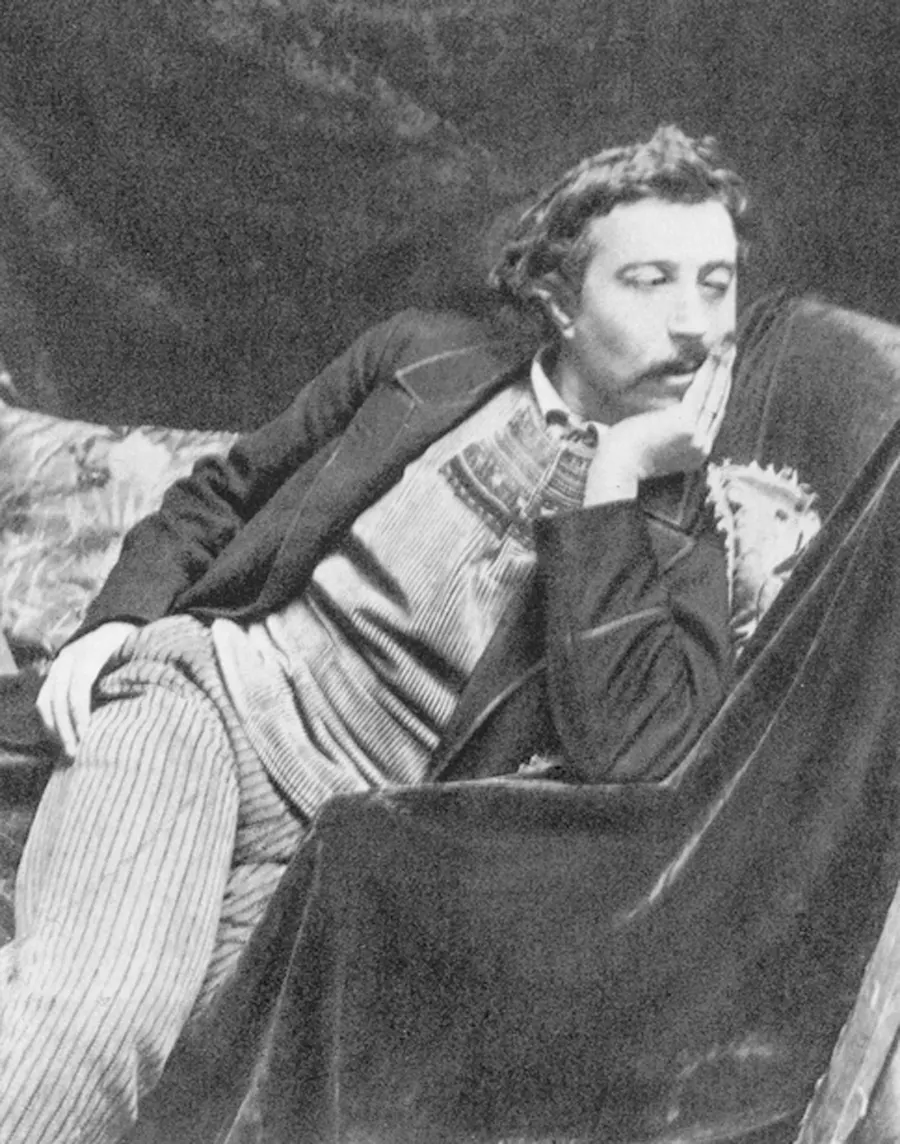
Paul Gauguin photographed in about 1891, the year he first sailed for Tahiti.Paul Gauguin photographed in about 1891, the year he first sailed for Tahiti.Image: Louis-Maurice Boutet de Monvel · Public domain
culture · Oceania

Paul Gauguin dies in the Marquesas Islands

On 8 May 1903 the French painter Paul Gauguin died at Atuona on Hiva Oa, in the Marquesas Islands of French Polynesia, where he had settled two years earlier in a house he called the House of Pleasure. He was 54, in poor health and in trouble with the colonial authorities, whom he had repeatedly attacked. Gauguin had left a career as a stockbroker to paint, working in Brittany and alongside Van Gogh in Arles before sailing for Tahiti in 1891. His bold flat colour and scenes of Polynesian life shaped later painters, though his conduct on the islands, including his relationships with very young girls, is now widely questioned. He is buried in the cemetery above Atuona.

Source: Britannica: Paul Gauguin ↗
1933
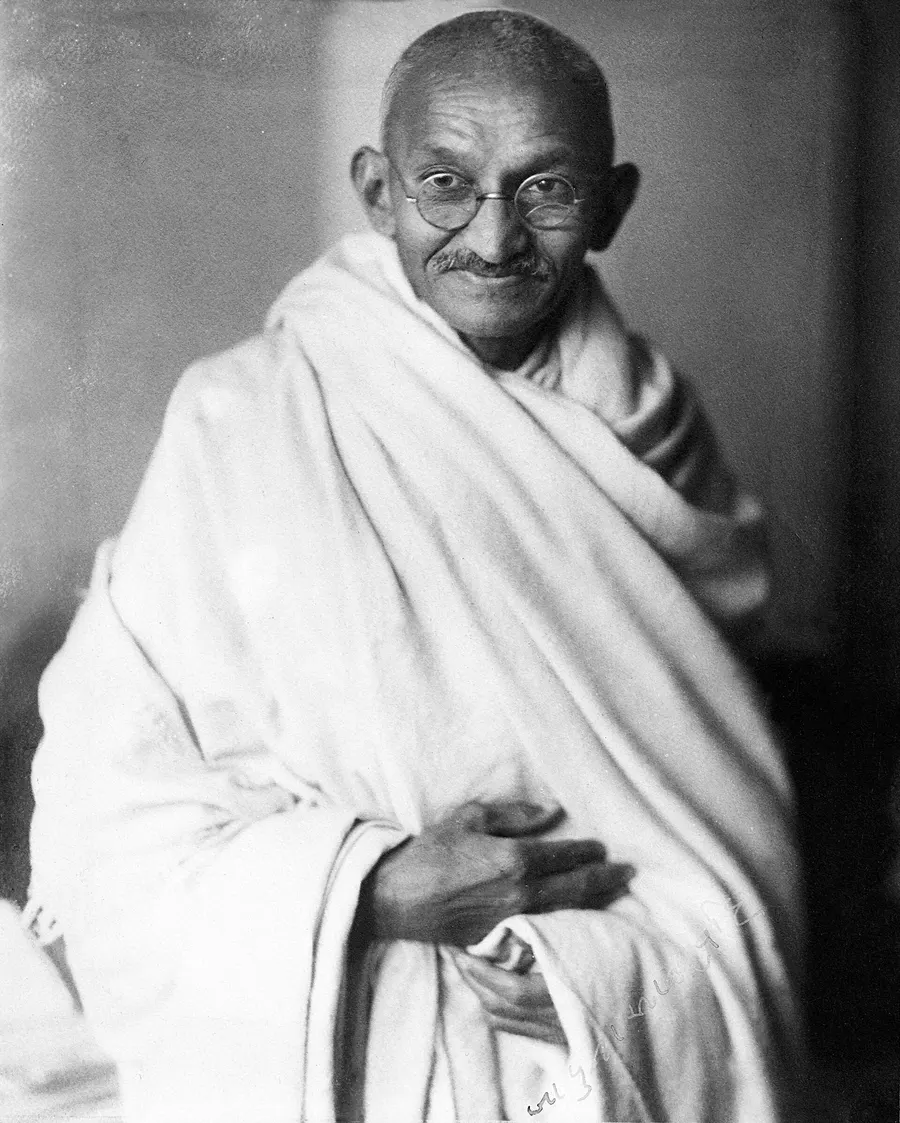
Mahatma Gandhi in a studio portrait taken in 1931.Mahatma Gandhi in a studio portrait taken in 1931.Image: Elliott & Fry · Public domain
world · Asia

Gandhi begins a 21-day fast against untouchability

On 8 May 1933 Mahatma Gandhi, held in Yerwada jail near Poona, began a fast of 21 days which he described as one of self-purification for the cause of the so-called untouchable castes, whom he called Harijans. The British authorities released him from prison that evening, and he carried on fasting at a private house in Poona until 29 May. The fast was meant to press caste Hindus to open temples, wells and schools to those they had shut out. Not all Dalit leaders welcomed it: B. R. Ambedkar rejected the name Harijan and the idea that reform should be led by the upper castes, and argued instead for political rights.

Source: Gandhi Book Centre (mkgandhi.org): Years of fasts of Mahatma Gandhi ↗
1942
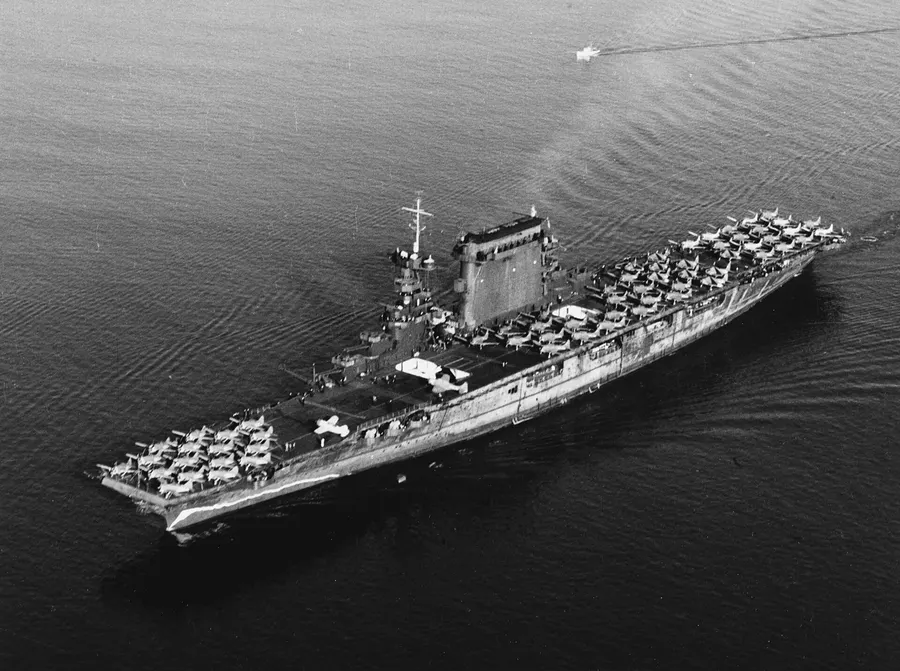
USS Lexington, the American carrier lost in the battle, leaving San Diego in October 1941.USS Lexington, the American carrier lost in the battle, leaving San Diego in October 1941.Image: Unknown author · Public domain
world · Oceania

The Battle of the Coral Sea checks Japan’s advance

On 8 May 1942, the last day of fighting in the Coral Sea between New Guinea and the Solomon Islands, American and Japanese carrier aircraft struck at each other’s fleets. The American carrier USS Lexington was torpedoed and bombed, and by evening she had been abandoned and sunk, while the Yorktown and the Japanese carrier Shokaku were damaged. It was the first sea battle in which the opposing ships never fired on each other and fought entirely through aircraft. Japan lost fewer ships, but its invasion force bound for Port Moresby turned back, the first time its advance across the Pacific had been checked since Pearl Harbor. Australians remember the battle as a turning point in the defence of their country.

Source: Australian War Memorial: Battle of the Coral Sea, 4-8 May 1942 ↗
1945
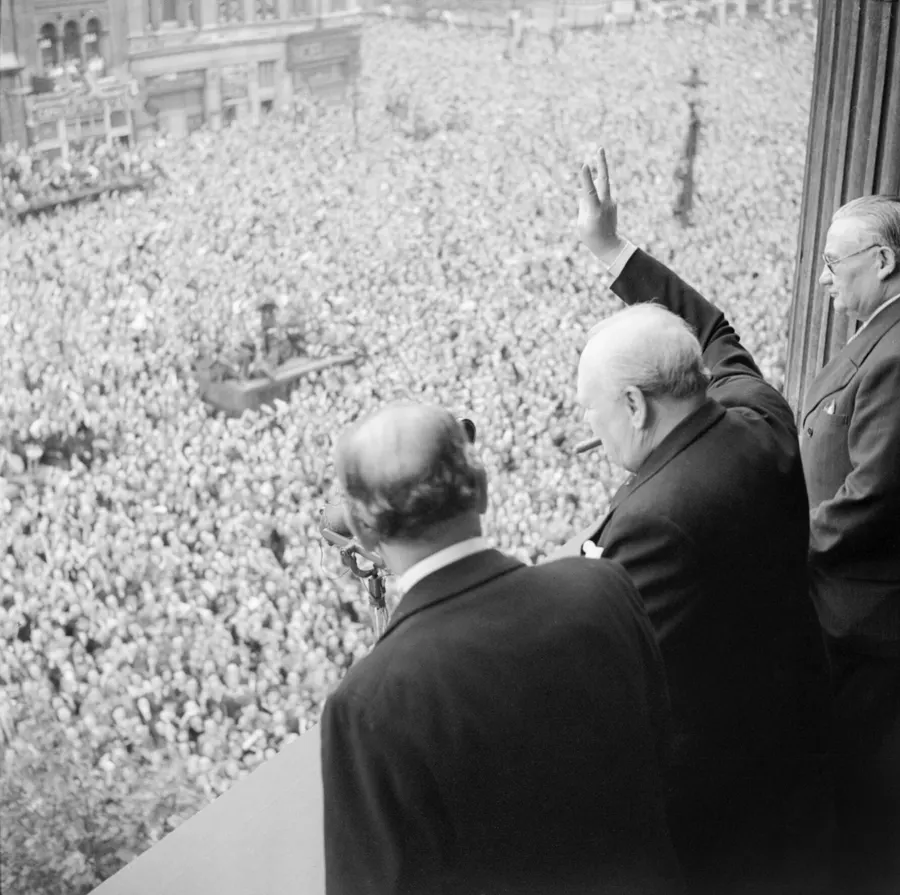
Winston Churchill waves to the crowds in Whitehall, London, on VE Day, 8 May 1945.Winston Churchill waves to the crowds in Whitehall, London, on VE Day, 8 May 1945.Image: Major W. G. Horton, War Office official photographer · Public domain
world · Europe

Victory in Europe: the war against Germany ends

Germany’s unconditional surrender, signed at Reims in the early hours of 7 May 1945, came into force at one minute past eleven on the night of 8 May. In Britain the government declared 8 May a public holiday, and at three in the afternoon Winston Churchill told the nation by radio that the war in Europe was over. Huge crowds filled Whitehall and gathered outside Buckingham Palace, where the King and the royal family came out on the balcony, and towns across Britain and the Allied countries held street parties and services of thanksgiving. For many the day was bittersweet: families mourned those who had not come home, and the war against Japan went on for three more months. The Soviet Union, where the surrender took effect after midnight Moscow time, marked victory on 9 May.

Source: Imperial War Museums: What you need to know about VE Day ↗
1945
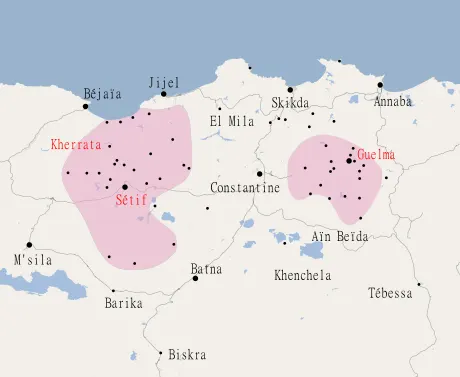
A map of the areas around Sétif, Guelma and Kherrata in north-eastern Algeria where the repression of May and June 1945 took place.A map of the areas around Sétif, Guelma and Kherrata in north-eastern Algeria where the repression of May and June 1945 took place.Image: Houmouvazine · CC BY-SA 4.0
politics · Africa

A victory march at Sétif turns to bloodshed

On 8 May 1945, as Europe celebrated victory, marchers in Sétif in French-ruled Algeria carried Algerian nationalist flags and called for equality. A policeman shot a flag-bearer, violence followed in which Europeans were killed, and French forces and settler militias answered with weeks of repression around Sétif, Guelma and Kherrata. The number of Algerians killed is disputed, from about 1,500 in French figures of the time to 45,000 in later Algerian estimates, and the events hardened support for independence.

Source: EBSCO Research Starters: Algerian nationalists riot at Sétif ↗
1978
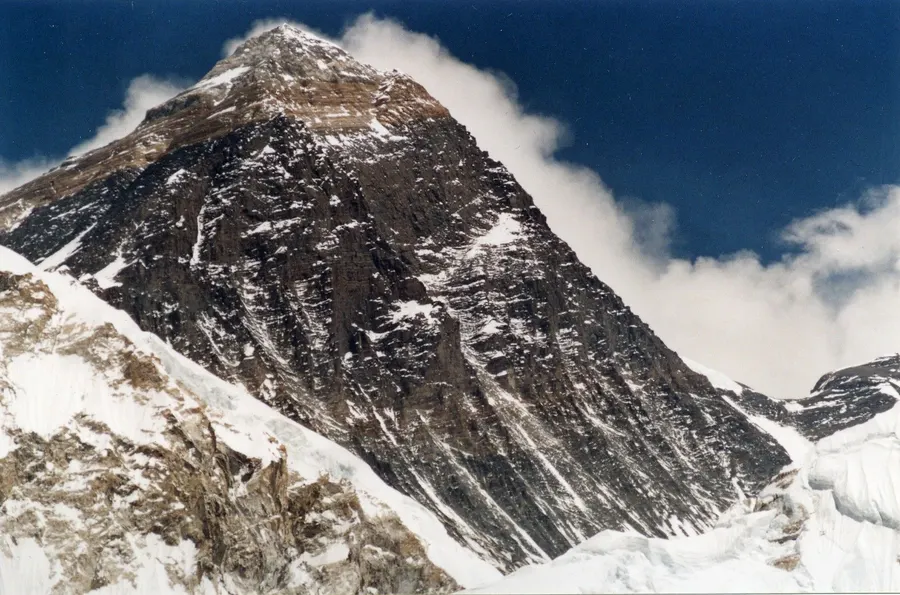
Mount Everest seen from Kala Patthar in Nepal, on the southern side climbed by Messner and Habeler.Mount Everest seen from Kala Patthar in Nepal, on the southern side climbed by Messner and Habeler.Image: Uwe Gille · CC BY-SA 3.0
sport · Asia

Everest is climbed without bottled oxygen

On 8 May 1978 the South Tyrolean climber Reinhold Messner and the Austrian Peter Habeler reached the summit of Mount Everest without breathing supplementary oxygen. Many doctors and mountaineers had believed that a person could not survive at that height without it, or would suffer lasting brain damage. The pair came down exhausted but unharmed, having shown that the highest point on Earth was within reach of human lungs alone. Two years later Messner went back and climbed Everest solo, again without oxygen, and he later became the first person to climb all fourteen of the world’s 8,000-metre peaks.

Source: Britannica: Reinhold Messner ↗
1984
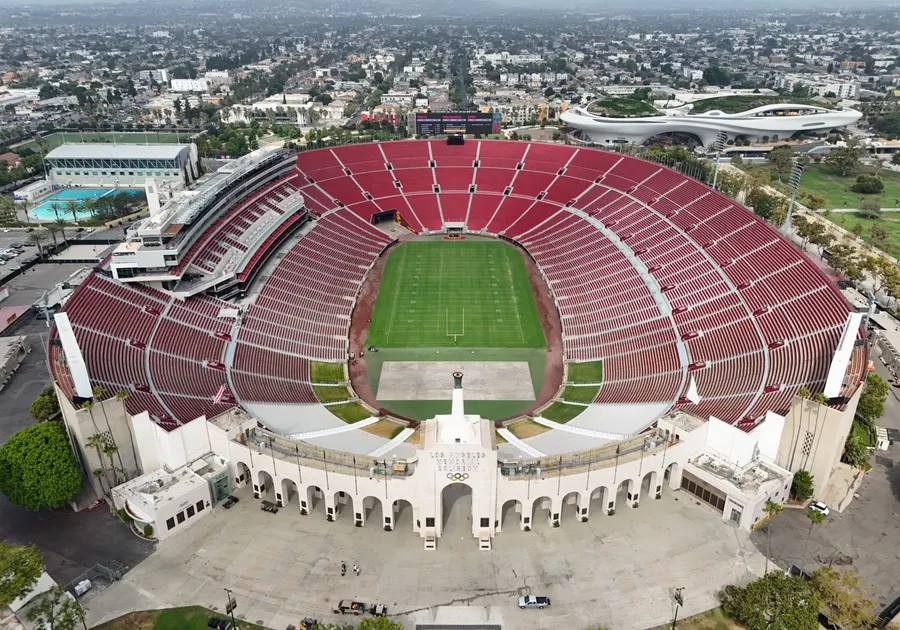
The Los Angeles Memorial Coliseum, main stadium of the 1984 Olympic Games.The Los Angeles Memorial Coliseum, main stadium of the 1984 Olympic Games.Image: Quintin Soloviev · CC BY 4.0
sport · Global

The Soviet Union pulls out of the Los Angeles Olympics

On 8 May 1984 the Soviet Union announced that its athletes would not take part in the Summer Olympic Games in Los Angeles, saying the United States would not guarantee their safety. The move was widely seen as a reply to the American-led boycott of the Moscow Games four years earlier. Most of the Soviet bloc followed, and many of the absent countries held their own Friendship Games that summer.

Source: The Washington Post (archive, 9 May 1984): Soviets withdraw from Los Angeles Olympics ↗
VI
2000 TO TODAY

Modern Day

The events of recent decades that have already become part of the historical record.

2010
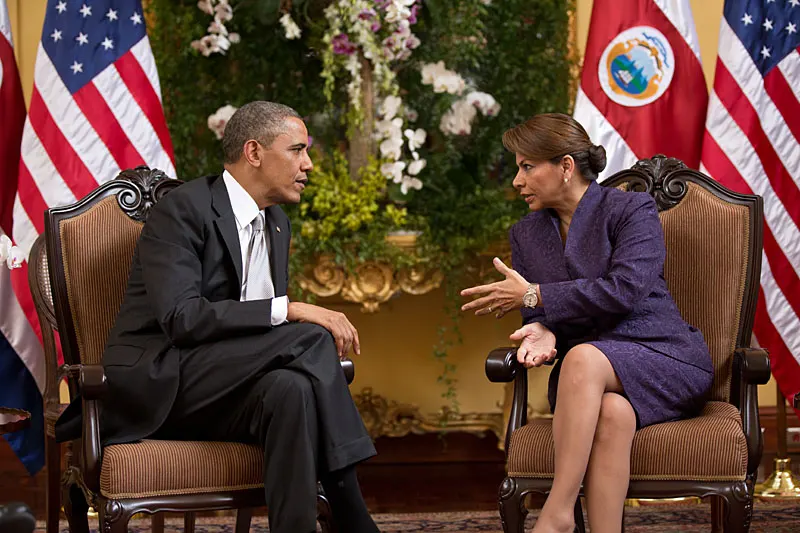
President Laura Chinchilla meeting President Barack Obama in San José, Costa Rica, in May 2013.President Laura Chinchilla meeting President Barack Obama in San José, Costa Rica, in May 2013.Image: Pete Souza · Public domain
politics · Americas

Costa Rica swears in its first woman president

On 8 May 2010 Laura Chinchilla took office as president of Costa Rica, the first woman to lead the country. A political scientist and former vice-president, she had won the February election for the National Liberation Party. She served a single four-year term, which ended on 8 May 2014.

Source: Britannica: Laura Chinchilla ↗
RESEARCH

Sources & Further Reading

Selected authoritative references supporting the events on this page.

Konziliengeschichte (council history lexicon): Toledo III↗Museo Nacional del Prado: The Third Council of Toledo↗Wikipedia: Third Council of Toledo↗Britannica: Treaty of Brétigny↗The Gascon Rolls Project: The treaty of Brétigny, 8 May 1360↗Wikipedia: Treaty of Brétigny↗EBSCO Research Starters: Hernando de Soto discovers the Mississippi River↗Wikipedia: Hernando de Soto↗Science History Institute: Antoine-Laurent Lavoisier↗American Chemical Society: Antoine-Laurent Lavoisier, The Chemical Revolution (landmark)↗History Today: Antoine Lavoisier guillotined↗Georgia Historical Society: Birthplace of Coca-Cola marker↗The Coca-Cola Company: The birth of a refreshing idea↗Wikipedia: Coca-Cola↗U.S. Geological Survey: Volcano Watch - Chronology of a volcanic disaster↗Earth Magazine: May 8, 1902, the deadly eruption of Mount Pelée↗Wikipedia: 1902 eruption of Mount Pelée↗Britannica: Paul Gauguin↗Art UK: Gauguin, Paul, 1848-1903↗Wikipedia: Paul Gauguin↗Gandhi Book Centre (mkgandhi.org): Years of fasts of Mahatma Gandhi↗South African History Online: Gandhi timeline 1930-1939↗Wikipedia: List of fasts undertaken by Mahatma Gandhi↗Australian War Memorial: Battle of the Coral Sea, 4-8 May 1942↗Naval History and Heritage Command: Battle of the Coral Sea↗Britannica: Battle of the Coral Sea↗Imperial War Museums: What you need to know about VE Day↗International Churchill Society: VE Day, 8 May 1945↗Wikipedia: Victory in Europe Day↗EBSCO Research Starters: Algerian nationalists riot at Sétif↗France 24: Remembering Sétif, the VE Day colonial massacres↗Wikipedia: Sétif and Guelma massacre↗Britannica: Reinhold Messner↗Britannica: Peter Habeler↗American Alpine Journal: Asia, Nepal, Mount Everest, Austrian Expedition↗The Washington Post (archive, 9 May 1984): Soviets withdraw from Los Angeles Olympics↗Wikipedia: 1984 Summer Olympics boycott↗Britannica: Laura Chinchilla↗Wikipedia: Laura Chinchilla↗
WHY THESE MOMENTS?

Significance before volume

This page is not the longest possible list of events. It is a chronological journey through 8 May, where each entry is chosen for historical significance, human interest and reliability.

Facts are checked against authoritative museums, archives, universities and reference works. Where sources disagree, the page says so.

EXPLORED THE DEEPER STORY?

Return to the highlights of 8 May

Discover the lighter side of the date with famous birthdays, culture, firsts and lives remembered.

Explore This Day →
← PREVIOUS DAY7 May
HISTORY & TIMELINE8 May
NEXT DAY →9 May