
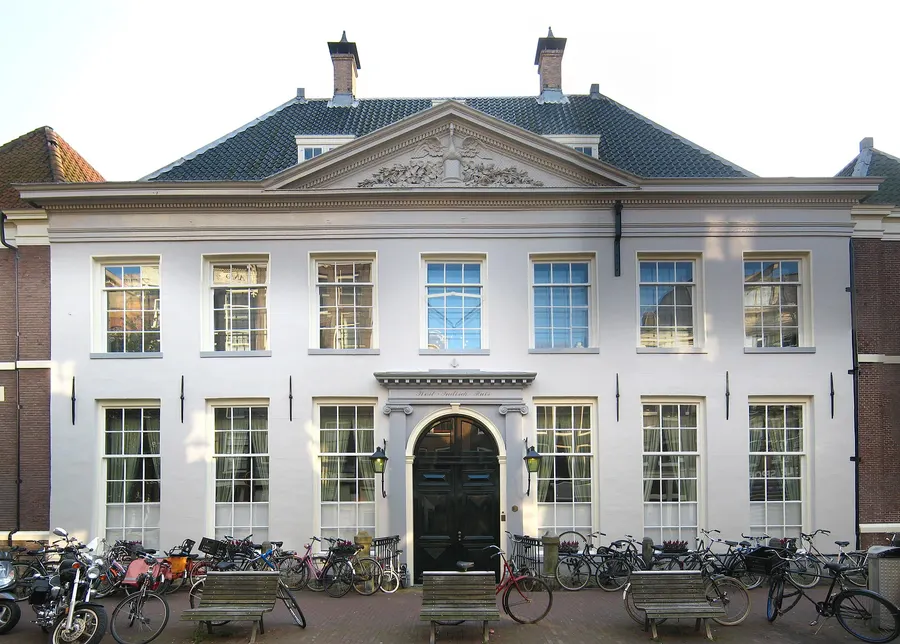
 The West-Indisch Huis (West India House) on the Herenmarkt in Amsterdam, once used by the companyImage: S Sepp · CC BY-SA 3.0
The Dutch West India Company receives its charter
Twenty years after the Dutch East India Company was set up to trade with Asia, merchants in the young Dutch Republic wanted a similar company for the Atlantic. On 3 June 1621 the States General, the republic’s governing body, granted a charter to the Dutch West India Company, giving it a 24-year monopoly on Dutch trade with the Americas and West Africa. The charter ran to 45 articles and placed the company under a board of directors, the Lords Nineteen. It was far more than a trading licence. The company could make treaties, build forts, raise soldiers, found colonies and fight Spain, then at war with the Dutch. It went on to found New Netherland, with its capital New Amsterdam on Manhattan, to seize part of Brazil for a time, to capture Elmina on the Gold Coast, and to become one of the main carriers in the Atlantic slave trade.
Source: Library of Congress: Charter given by the States General on the date of June the third, 1621 ↗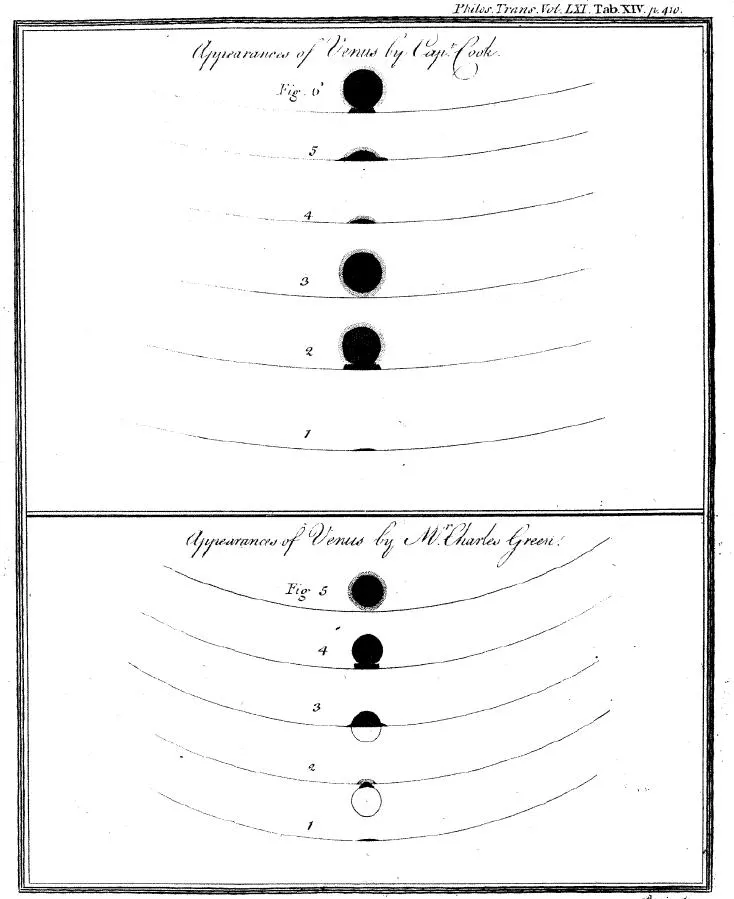 Drawings by Cook and Green of how Venus appeared against the Sun during the transit of 1769Image:
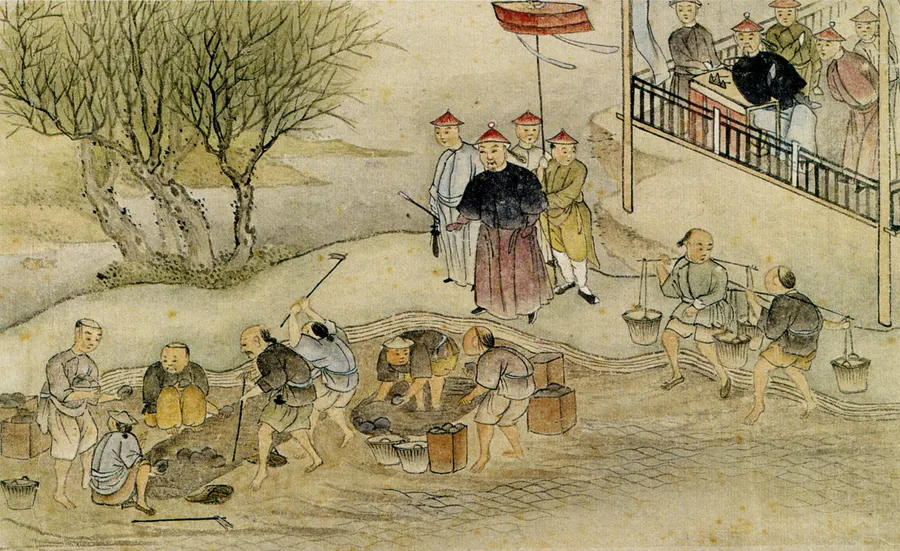 Chinese workers destroying confiscated opium in 1839, in a painting by a Chinese artistImage:
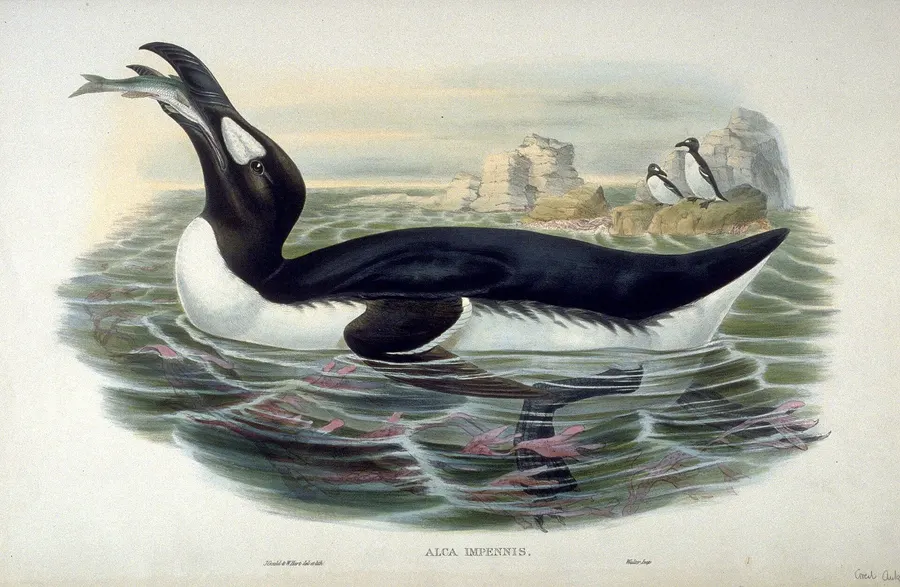 The great auk, in a hand-coloured plate by John GouldImage:
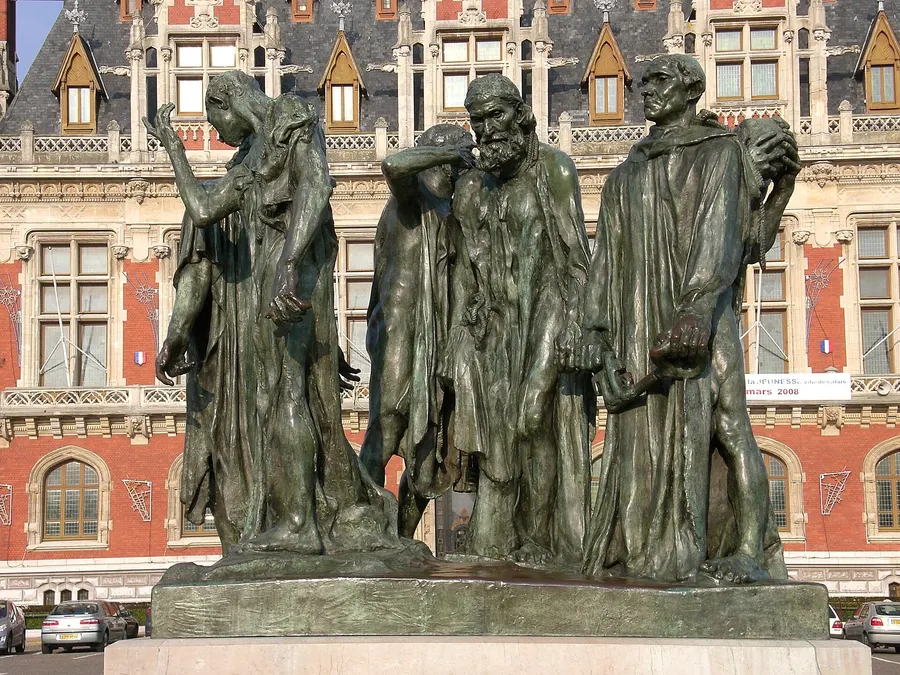 Rodin’s Burghers of Calais in front of the town hall in CalaisImage:
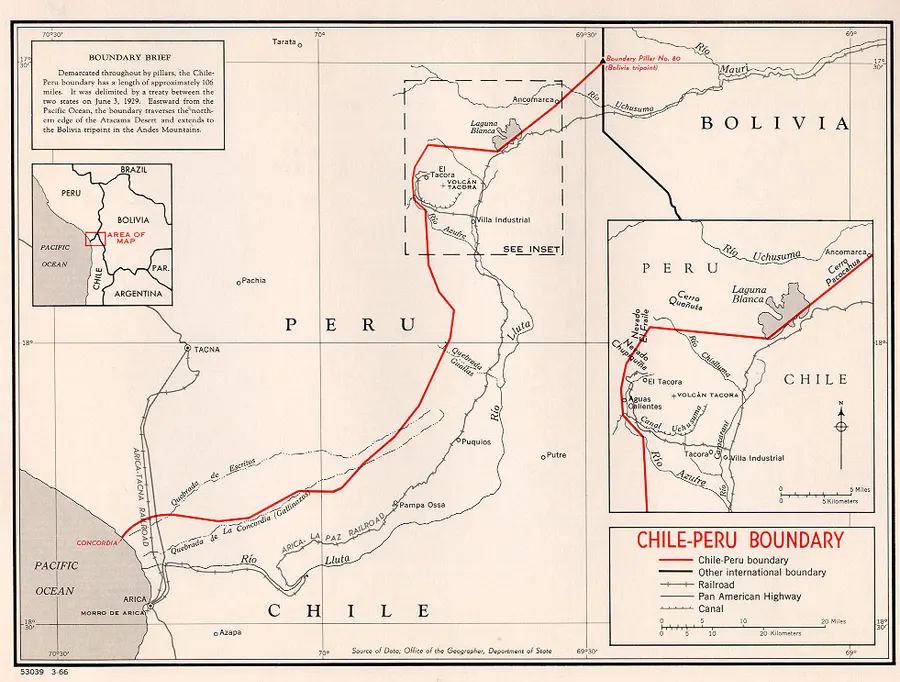 A US State Department map of the Chile-Peru boundary drawn by the 1929 treatyImage:
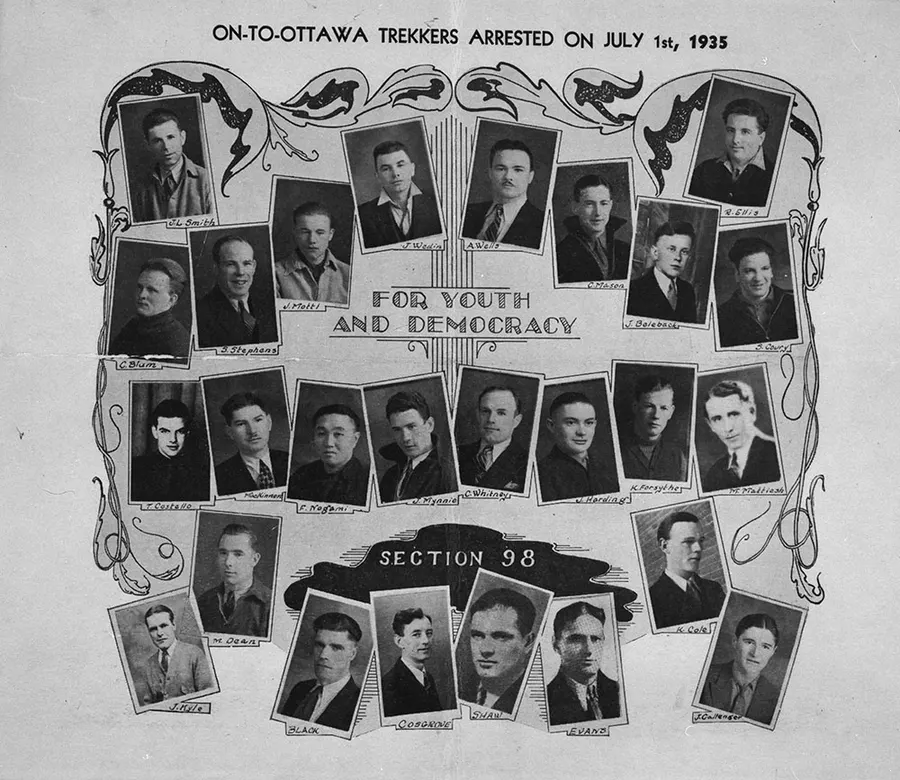 A Communist Party of Canada poster showing the On-to-Ottawa trekkers arrested on 1 July 1935Image:
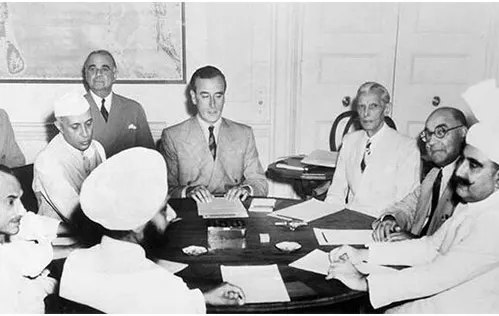 Lord Mountbatten at the conference table with Nehru, Jinnah and other Indian leaders during the partition talks of 1947Image:
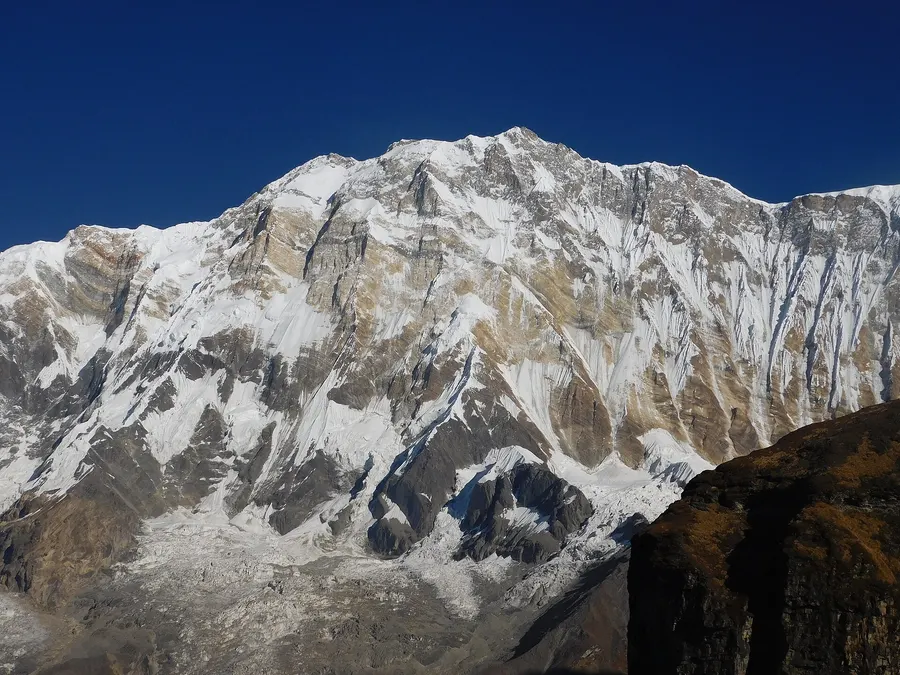 The south face of Annapurna I in NepalImage:
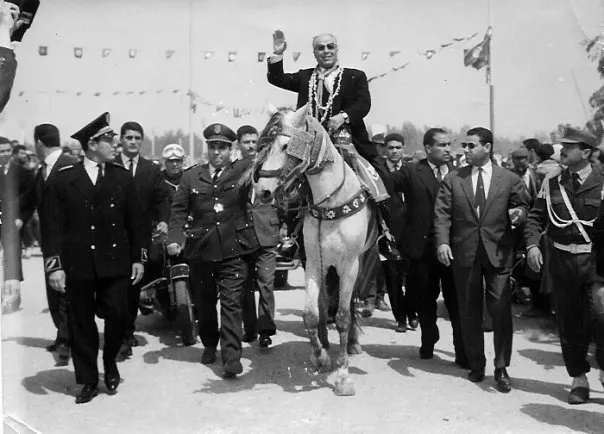 Habib Bourguiba on horseback during his triumphant return to Tunis on 1 June 1955Image:
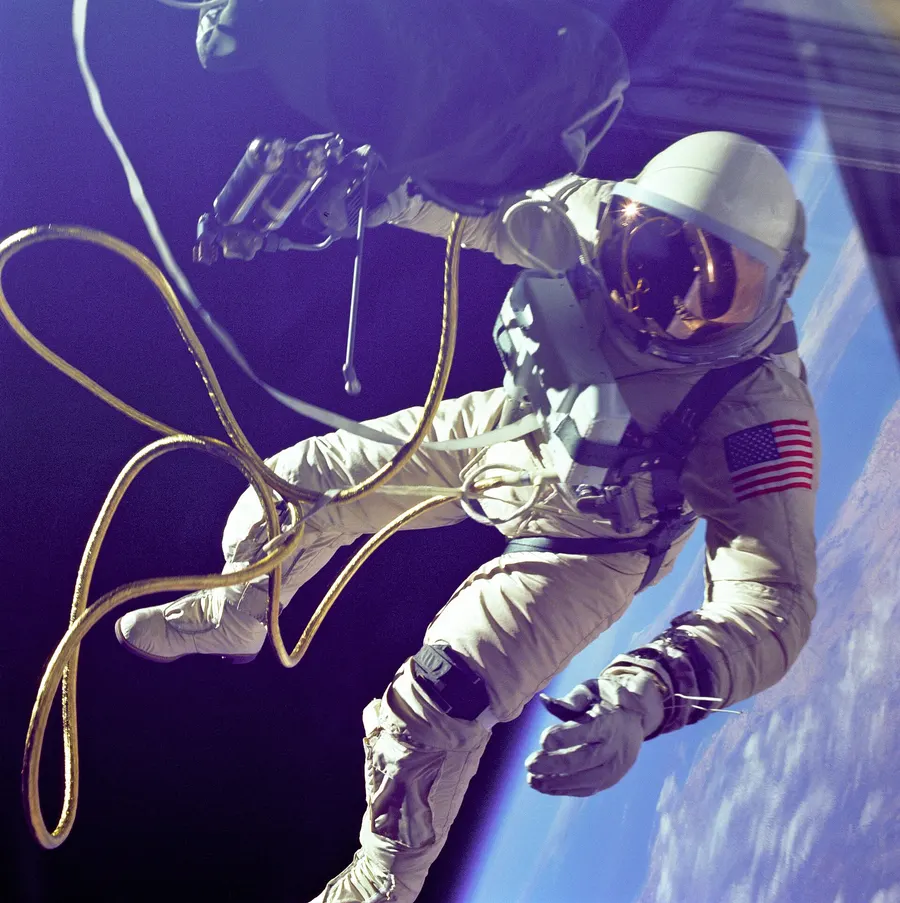 Ed White floating outside Gemini 4 on 3 June 1965, photographed by James McDivittImage:
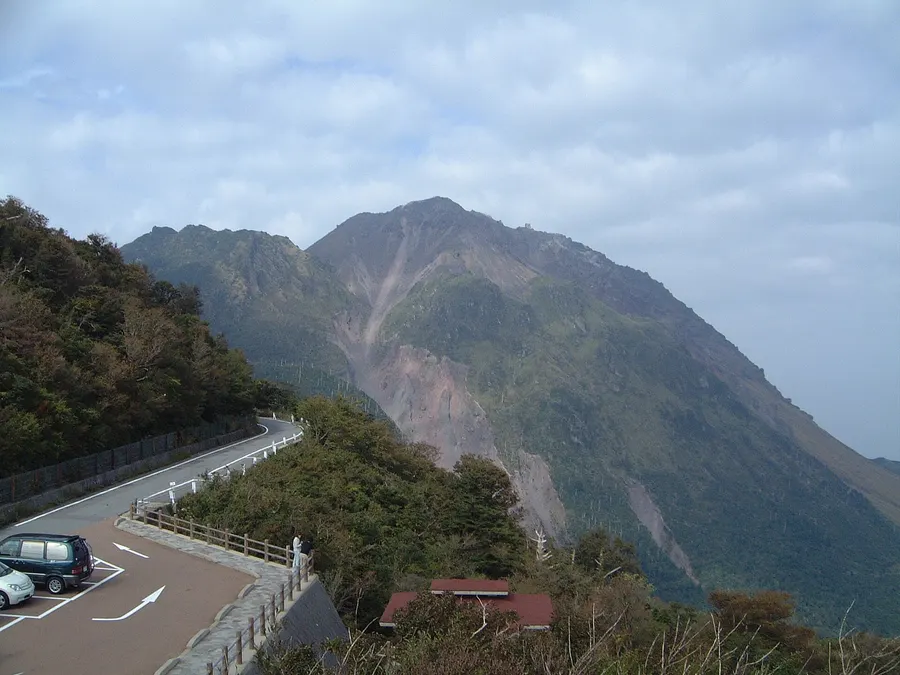 The Fugen-dake peak of Unzen with Heisei-shinzan, the new summit built by the 1990s eruptionImage:
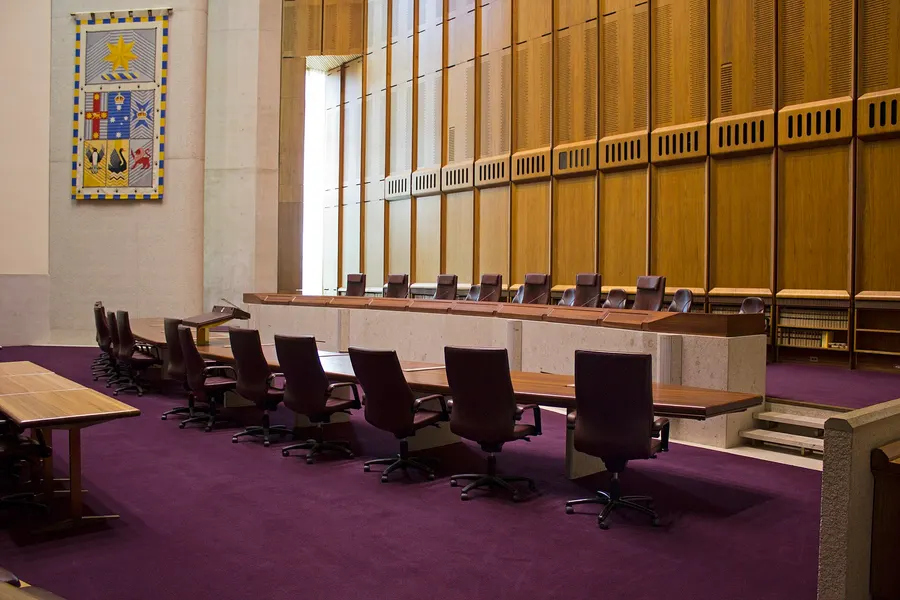 Courtroom 1 of the High Court of Australia in CanberraImage:
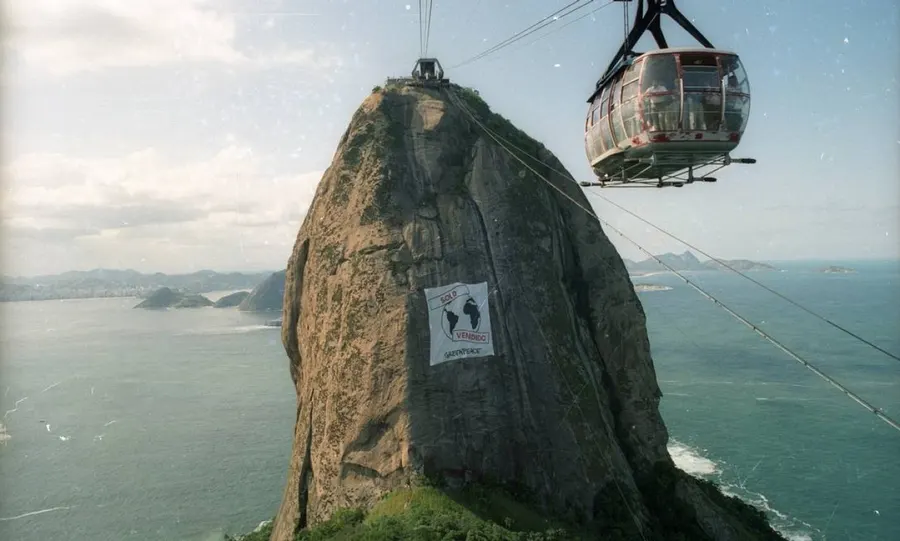 A Greenpeace banner on Rio’s Sugarloaf Mountain during the Earth Summit of 1992Image: