656The caliph Uthman is killed in Medina
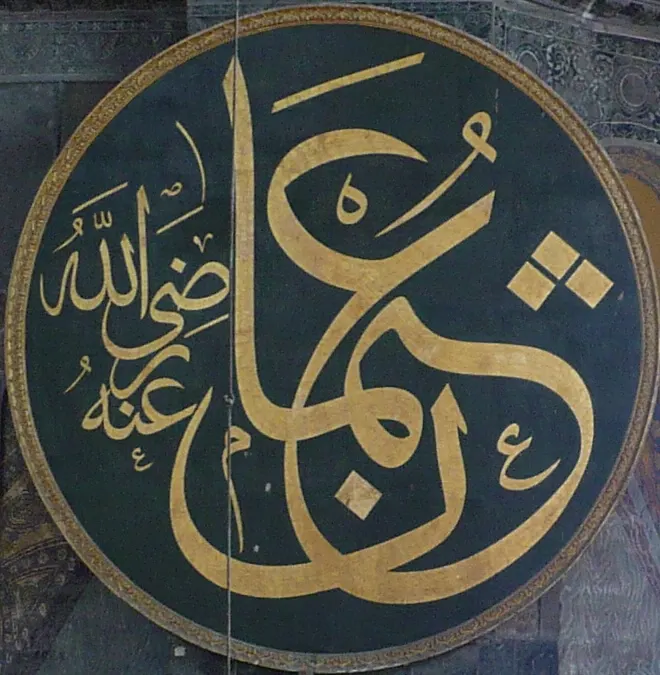
Uthman ibn Affan was one of the earliest converts to Islam and a member of the wealthy Umayyad clan of Mecca. He married two of the Prophet Muhammad’s daughters in turn, and in 644 he was chosen as the third caliph. His twelve years in power saw Arab armies push further into Iran and North Africa, and he is remembered for having an authorised text of the Qur’an compiled and copies sent to the chief cities of the empire.
But many Muslims resented his habit of giving governorships and wealth to his own relatives, and discontent grew in the garrison towns of Egypt and Iraq. In 656 rebels from the provinces came to Medina and besieged the aged caliph in his house. On 17 June 656 they broke in and killed him. His death opened the first civil war within the Muslim community, as Ali became caliph and was challenged by those who demanded revenge for Uthman, a split whose echoes are still felt today.
Read the full storyHistory & Timeline →Source: Britannica: Uthman ibn Affan ↗
1789France’s commoners declare themselves the National Assembly
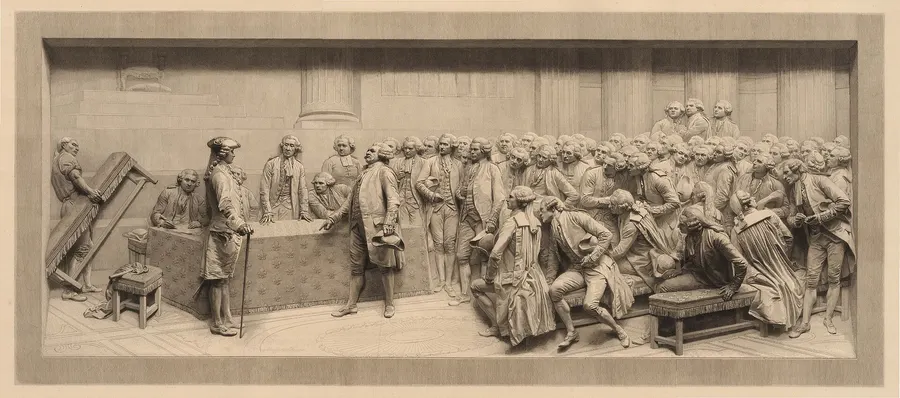
Faced with a bankrupt treasury, Louis XVI called the Estates-General, France’s old assembly of clergy, nobles and commoners, which had not met since 1614. It opened at Versailles on 5 May 1789 and at once became stuck on a single question: whether the deputies would vote by head, which favoured the numerous representatives of the Third Estate, or by order, which let the clergy and nobility outvote them.
After weeks of deadlock the commoners acted alone. On 17 June 1789, on a motion by the Abbé Sieyès, the deputies of the Third Estate declared themselves the National Assembly, claiming to speak for the whole nation and inviting the other orders to join them. Many parish priests soon did. When they were shut out of their hall three days later, the deputies swore the Tennis Court Oath not to part until France had a constitution. The king gave way, and the old order of estates never recovered.
Read the full storyHistory & Timeline →Source: Britannica: French Revolution, events of 1789 ↗
1944Iceland proclaims its republic at Þingvellir
Iceland had been ruled from Norway and then Denmark since the 13th century. In 1918 it became a separate kingdom sharing the Danish king, under an agreement that could be reviewed after 25 years. When Germany occupied Denmark in April 1940, the link was cut in practice: Iceland took over its own foreign affairs, British and then American troops arrived on the island, and in 1941 the Althing chose Sveinn Björnsson as regent to exercise the king’s powers.
In 1944 Icelanders voted by an overwhelming majority to end the union and found a republic. On 17 June 1944 the new state was proclaimed at Þingvellir, the plain where the Althing had first met in about 930, and Sveinn Björnsson became its first president. The date was chosen because it was the birthday of Jón Sigurðsson, the scholar who had led the 19th-century campaign for self-government, and 17 June has been Iceland’s National Day ever since.
Read the full storyHistory & Timeline →Source: Britannica: Iceland, modern Iceland ↗
1953East German workers rise against their government
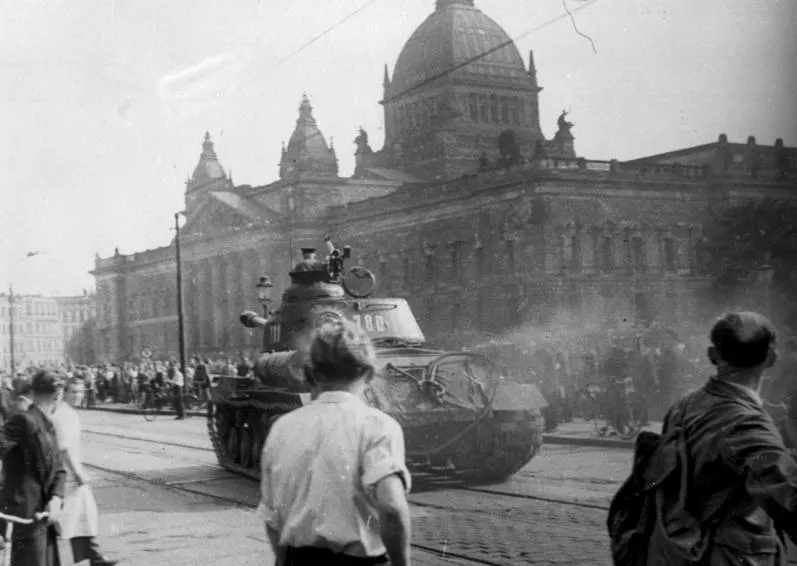
In 1953 East Germany’s communist rulers were pushing through a harsh programme of building socialism. Food was short, prices were rising and the government ordered workers to produce more for the same pay. On 16 June construction workers on East Berlin’s showpiece Stalinallee downed tools and marched on government offices, and news of their protest spread across the country by radio.
On 17 June 1953 strikes and demonstrations broke out in hundreds of towns and cities, and demands for lower quotas turned into calls for free elections and the government’s resignation. It was the first popular uprising in the Soviet bloc after the Second World War. The East German regime could not control it alone: Soviet tanks were sent in and martial law was declared. Britannica counts at least 21 people killed, and other estimates are higher. West Germany made 17 June a national holiday, the Day of German Unity, until reunification in 1990.
Read the full storyHistory & Timeline →Source: Britannica: History of Germany, the era of partition ↗
1991South Africa repeals the law that sorted its people by race
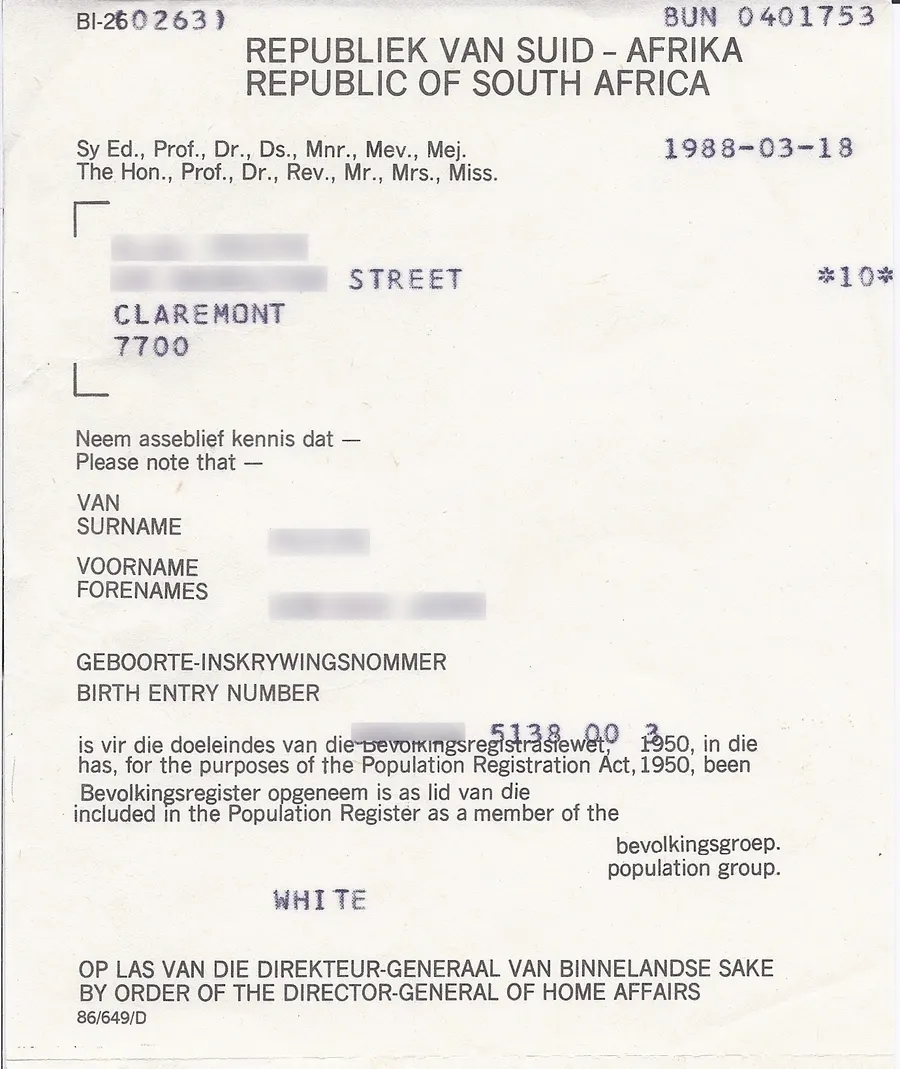
The Population Registration Act of 1950 was one of the foundations of apartheid. It required every South African to be classified by race and entered in a national register, and that classification decided where people could live, which schools they could attend, whom they could marry and what work they could do. Officials made the decisions using appearance, descent and social standing, and families could be divided when relatives were classified differently.
After President F. W. de Klerk lifted the ban on the African National Congress and freed Nelson Mandela in 1990, the whites-only Parliament began dismantling apartheid’s legal framework. On 17 June 1991 it voted to repeal the Population Registration Act, and in the same session the other pillar laws that had divided land and residential areas by race were also scrapped. The vote did not give Black South Africans the vote; that came with the first democratic elections in 1994.
Read the full storyHistory & Timeline →Source: Britannica: Population Registration Act ↗