1756Prisoners are crowded into the Black Hole of Calcutta
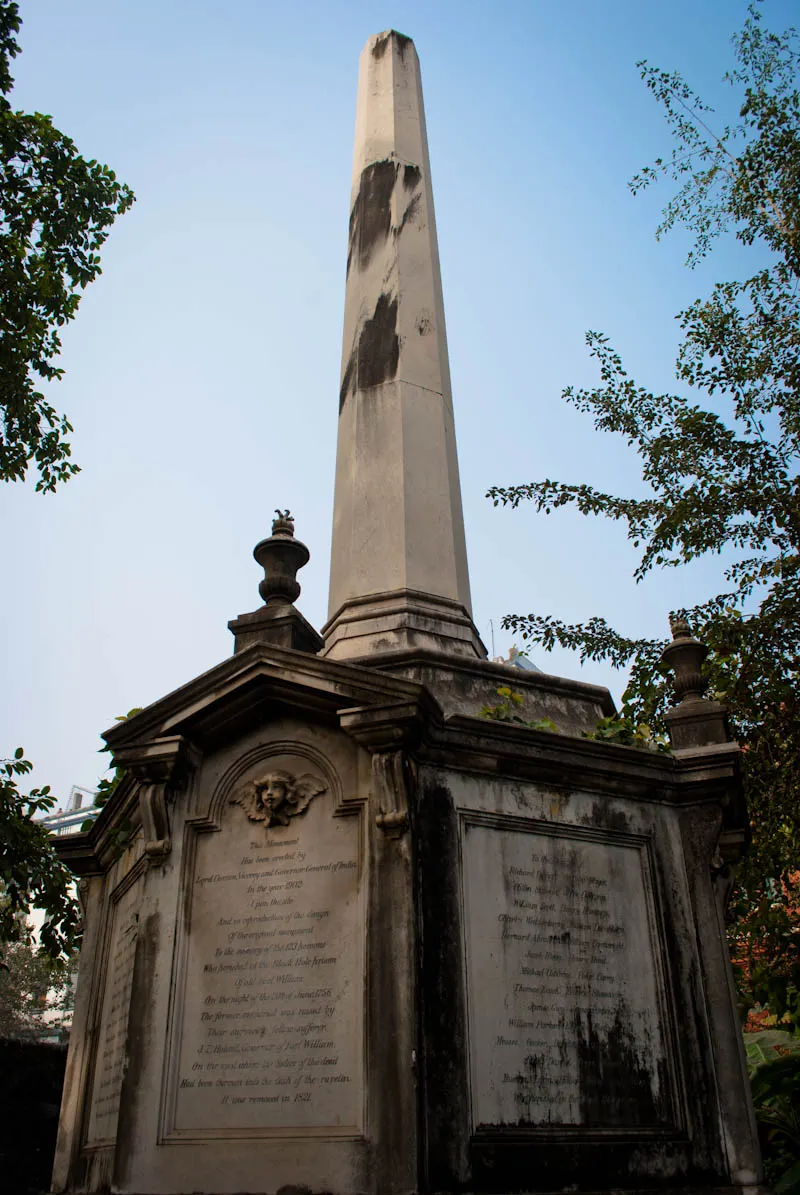
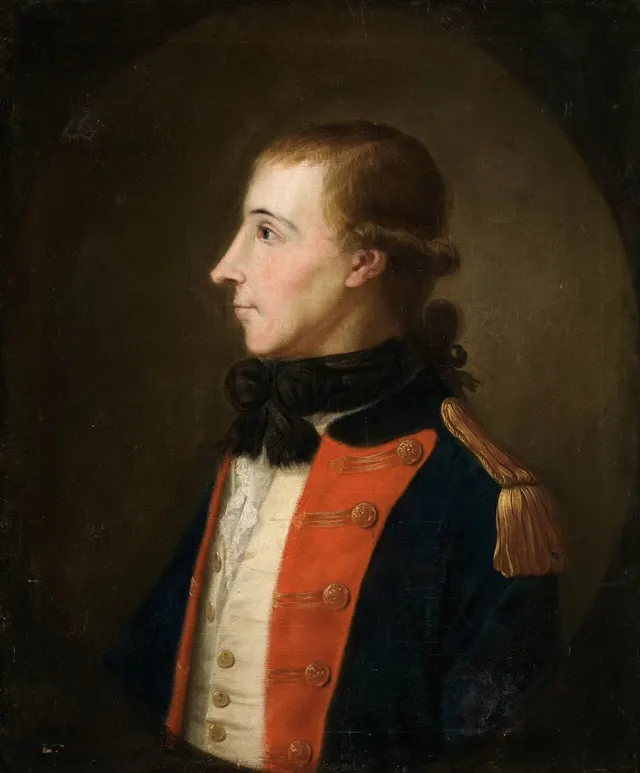
In the 1750s the East India Company was strengthening the defences of Fort William, its trading base at Calcutta, without the permission of the young nawab of Bengal, Siraj al-Dawlah. The nawab saw the fortifications as a challenge to his authority, and in June 1756 he marched on the city. Many of the English, including the governor, fled down the river, and the remaining defenders surrendered under John Zephaniah Holwell.
On the night of 20 June 1756 the European prisoners were shut into the fort’s small punishment cell, a room about 5.5 by 4 metres with two small windows, in the heat of a Bengal summer. By morning most of them were dead. How many were held is disputed: Holwell later wrote of 146 prisoners, while a later study put the figure at about 64, and Britannica records that 21 survived the night. The story was retold in Britain for generations, and the Company’s recapture of Calcutta and its victory at Plassey in 1757 opened the way to British rule in Bengal.
Read the full storyHistory & Timeline →Source: Britannica: Black Hole of Calcutta ↗
1837An eighteen-year-old Victoria wakes to find herself queen
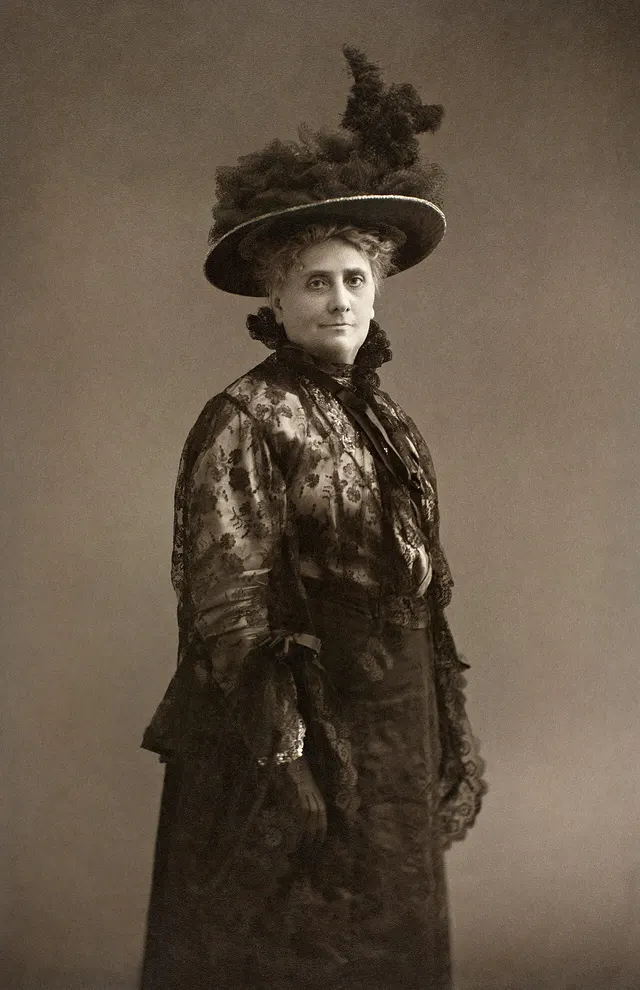
King William IV, the third son of George III, had come to the throne in 1830 at the age of 64. He had no surviving legitimate children, so his heir was his niece Victoria, the only child of his late brother Edward, Duke of Kent. She had been brought up quietly at Kensington Palace under a strict regime devised by her mother, and the king was said to be determined to live until she came of age, so that there would be no regency. She turned eighteen on 24 May 1837.
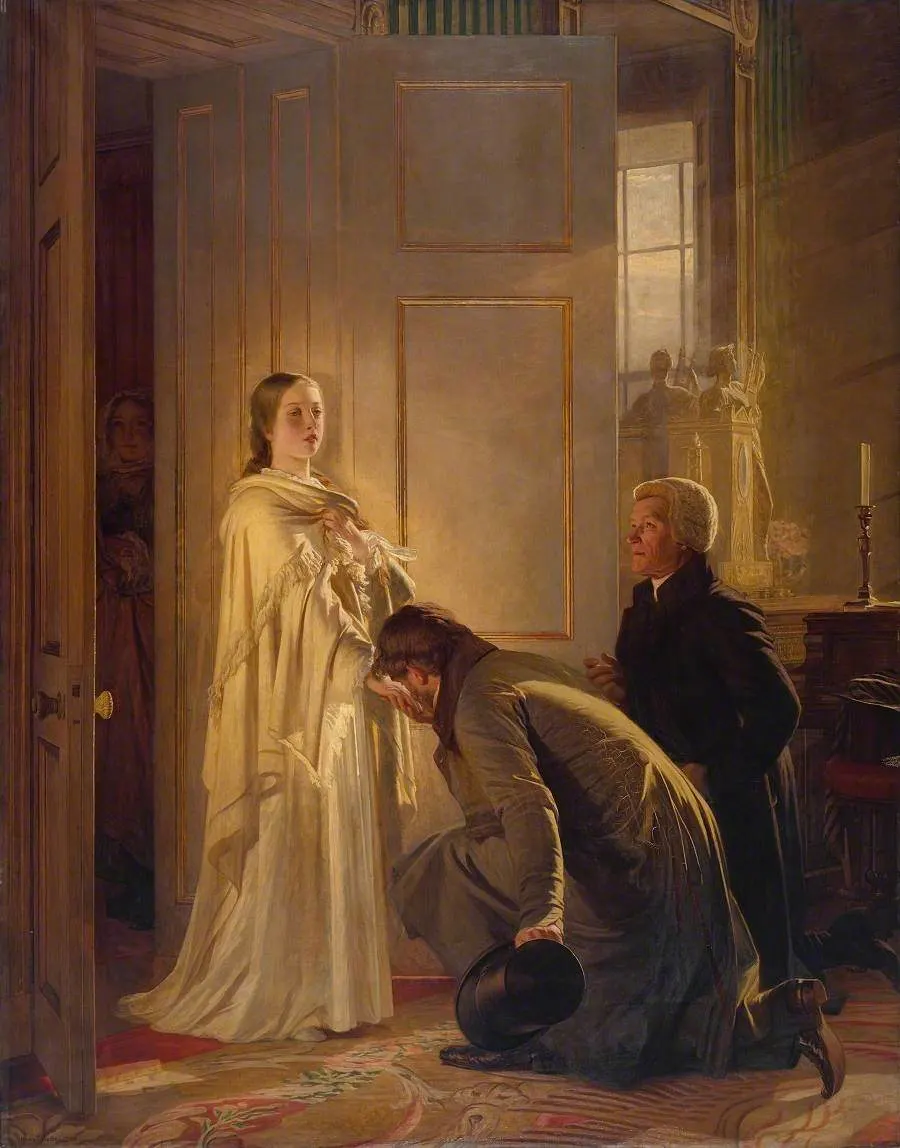
Less than a month later William IV died at Windsor Castle in the early hours of 20 June 1837. The archbishop of Canterbury and the lord chamberlain drove to Kensington and woke the young princess to tell her she was queen. Her reign was to last almost 64 years, the longest of any British monarch until Elizabeth II, and gave its name to an age. Hanover, which could not be ruled by a woman, passed to her uncle Ernest Augustus, ending the link between the two crowns.
Read the full storyHistory & Timeline →Source: Britannica: Victoria, accession to the throne ↗
1863West Virginia becomes the 35th state
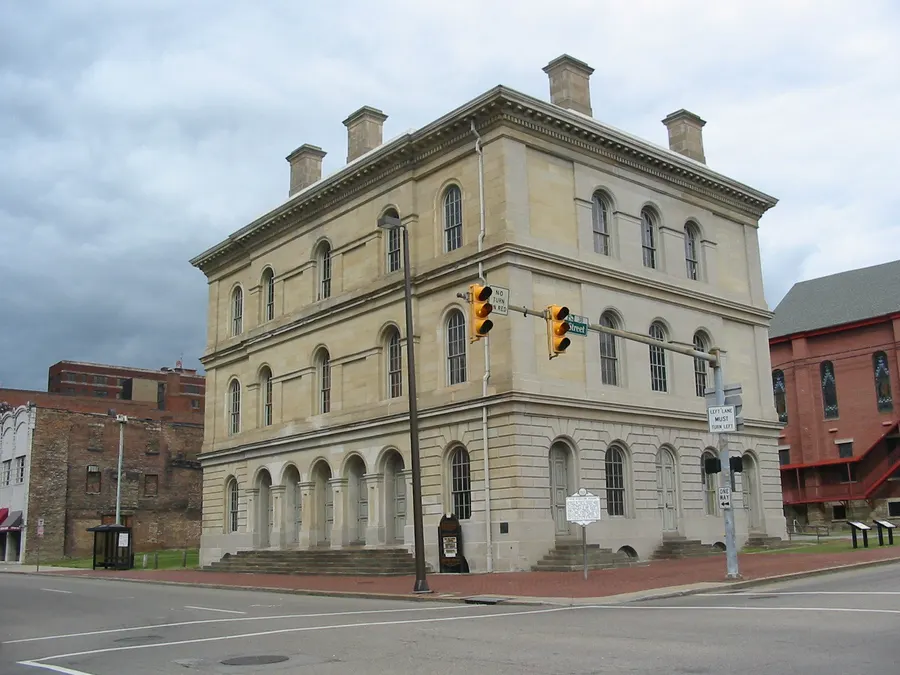
When Virginia voted to leave the Union in 1861, many people in its mountainous north-western counties refused to follow. They had few slaves, felt neglected by the planters who dominated the state’s politics, and traded along the Ohio River with the free states. Delegates met in conventions at Wheeling, declared the secession void and set up a Restored Government of Virginia loyal to the Union, with Francis H. Pierpont as governor.
That loyal government then gave its consent for the western counties to form a new state. Congress passed a statehood bill, and President Lincoln signed it at the end of 1862 on condition that the new state adopt a plan for the gradual end of slavery. With that condition met, West Virginia entered the Union on 20 June 1863 as the 35th state, with Arthur I. Boreman as its first governor. It remains the only state formed by breaking away from a Confederate state during the Civil War, and 20 June is still celebrated there as West Virginia Day.
Read the full storyHistory & Timeline →Source: Britannica: West Virginia, history ↗
1948The Deutsche Mark arrives in western Germany
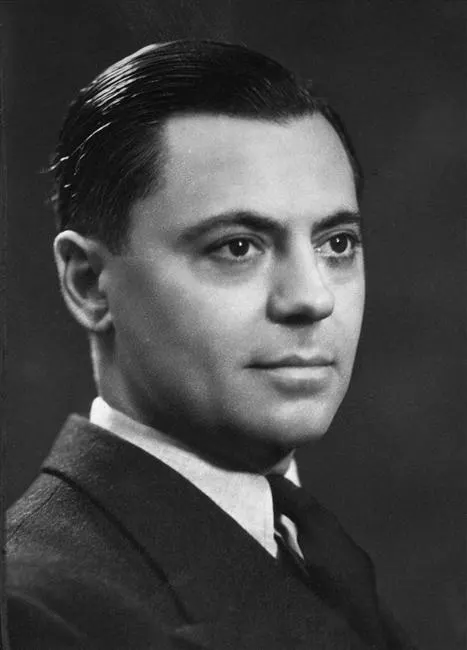
Three years after the Second World War, Germany’s old currency, the Reichsmark, was close to worthless. Prices were frozen and goods were rationed, so shops stood half empty while much of the country’s trade went on through barter and the black market, where cigarettes served as money. The American, British and French occupation authorities decided to replace it with a new currency in their three western zones.
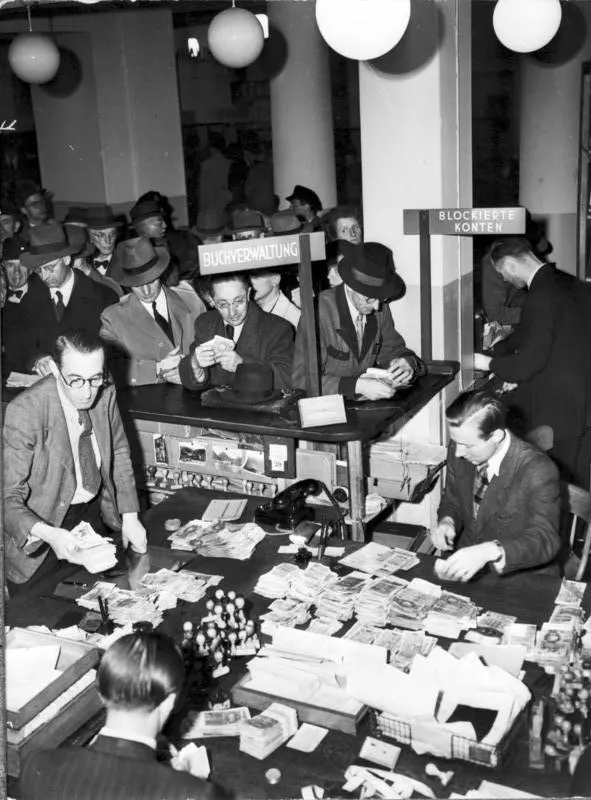
The law came into force on Sunday 20 June 1948. That day each person in the western zones could collect 40 Deutsche Mark from the ration offices in exchange for 60 Reichsmark, with a further 20 to follow; from 21 June the new money was the only legal tender. Wages and rents were converted at one to one, but savings shrank to less than a tenth. Almost at once goods reappeared in shop windows, helped by the lifting of many price controls, and the reform came to be seen as the start of West Germany’s economic miracle. The Soviet Union answered with a currency reform of its own and a blockade of West Berlin.
Read the full storyHistory & Timeline →Source: Deutsche Bundesbank: The economic and currency reform of 1948 ↗
1960The Mali Federation becomes independent
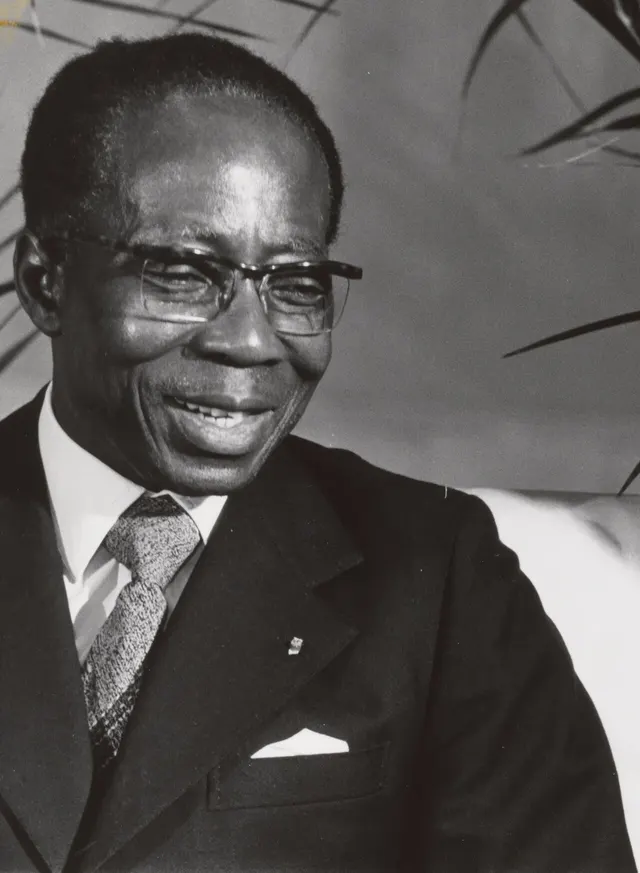
As France loosened its hold on its West African colonies in the late 1950s, some African leaders hoped to keep the region together rather than let it break into many small states. Senegal and the Sudanese Republic, the former French Sudan, joined in the Mali Federation, which took effect on 4 April 1959. Its name recalled the great medieval empire of Mali. Modibo Keïta of the Sudanese Republic led the federal government, and the Senegalese poet-politician Léopold Sédar Senghor presided over its assembly.
On 20 June 1960 the federation achieved full independence, while remaining within the French Community. The union lasted barely two months. The two partners disagreed over how power should be shared and how tightly the federation should be run, and on 20 August 1960 Senegal seceded. Both became separate independent republics: Senegal under Senghor, and the Sudanese Republic, which kept the name and became the Republic of Mali under Keïta.
Read the full storyHistory & Timeline →Source: Britannica: Mali Federation ↗