Explore 26 June

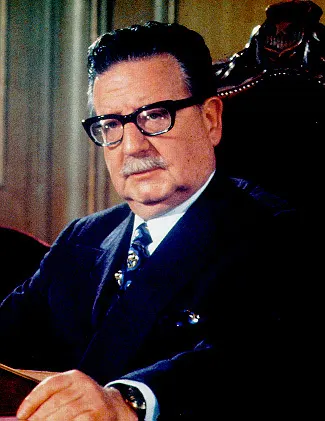
Explore 26 June: fifty nations sign the United Nations Charter, Madagascar wins its independence, John F. Kennedy tells West Berlin ‘Ich bin ein Berliner’ and Richard III takes the English throne. Born today: Sunthorn Phu, Salvador Allende and Babe Didrikson Zaharias.

This day through time →12 verified events across 4 eras

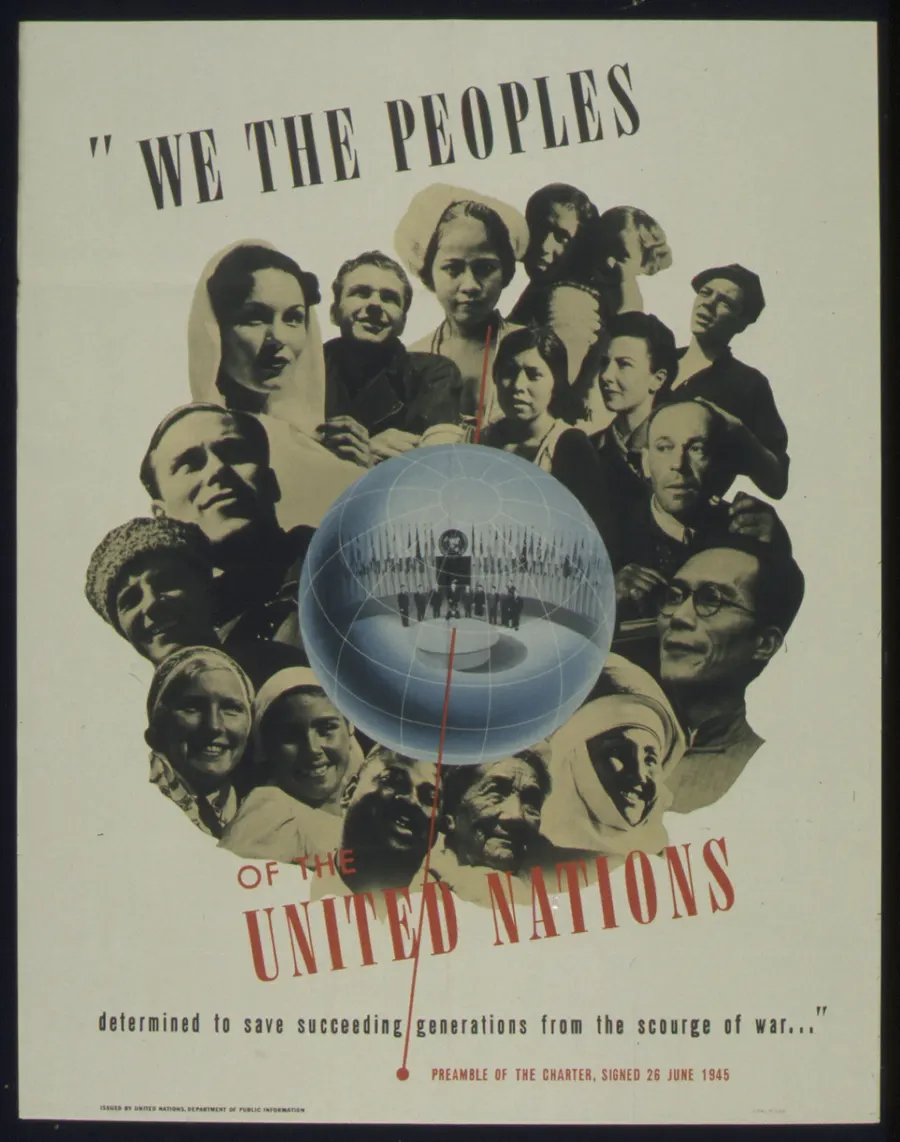
A US government poster of the 1940s quoting the opening words of the UN Charter, 'We the peoples of the United Nations'
A US government poster of the 1940s quoting the opening words of the UN Charter, ‘We the peoples of the United Nations’
Image creditUnknown author · Public domainResized and cropped for display.

Fifty nations sign the United Nations Charter

Even before the Second World War was over, the Allies were planning an organisation that could keep the peace better than the League of Nations had. Proposals drawn up at Dumbarton Oaks in Washington in 1944 and refined at Yalta were taken to San Francisco, where delegates of 50 nations met from 25 April 1945 at the United Nations Conference on International Organization. For two months they argued over the details, from the powers of the Security Council to the rights of small states and colonial peoples.

On 26 June 1945, the last day of the conference, the delegates signed the finished Charter, together with the Statute of the new International Court of Justice. Its preamble opens with the words ‘We the peoples of the United Nations’, determined to save later generations from the scourge of war. Poland, which had not been represented, signed later as the 51st founding member. The Charter came into force on 24 October 1945, once enough countries had ratified it, and that date is now kept as United Nations Day.

Read the full storyHistory & Timeline →Source: United Nations: The San Francisco Conference ↗
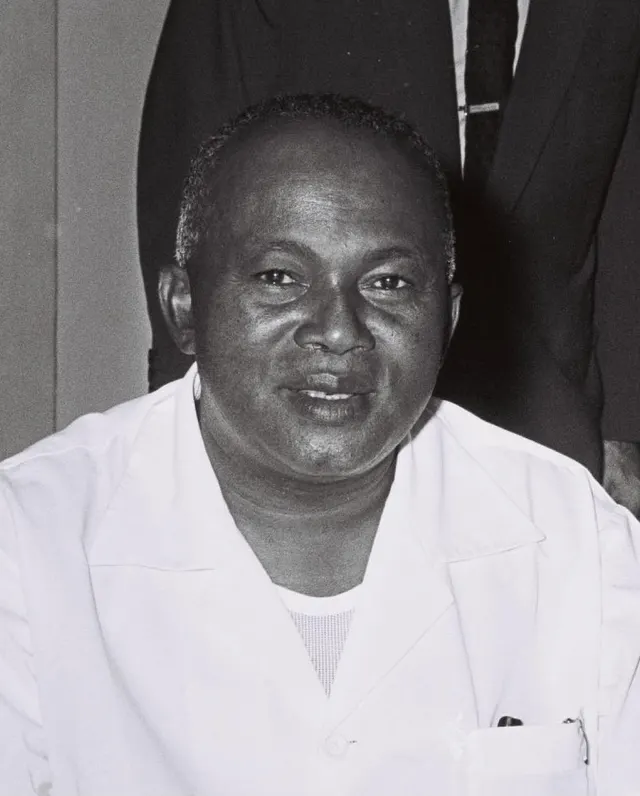
Philibert Tsiranana, Madagascar's first president, photographed on a visit to Israel in August 1961
Philibert Tsiranana, Madagascar’s first president, photographed on a visit to Israel in August 1961
Image creditState of Israel Press Office · Public domainResized and cropped for display.

Madagascar becomes independent from France

France conquered Madagascar in the 1890s, ending the Merina kingdom that had ruled much of the island, and in 1947 it put down a large uprising at the cost of many thousands of lives. After the Second World War, though, French Africa moved step by step towards self-government. In 1958 the island voted to become an autonomous republic within the French Community, and the schoolteacher-turned-politician Philibert Tsiranana, whose Social Democratic Party drew its strength from the coastal peoples, became its leader.

Negotiations with Paris followed, and on 26 June 1960 Madagascar became fully independent as the Malagasy Republic, with Tsiranana as its first president. It was one of the many African countries that gained independence in 1960. Tsiranana kept close ties with France and governed until 1972, when protests forced him from power. Madagascar celebrates 26 June as its national day.

Read the full storyHistory & Timeline →Source: Britannica: Philibert Tsiranana ↗
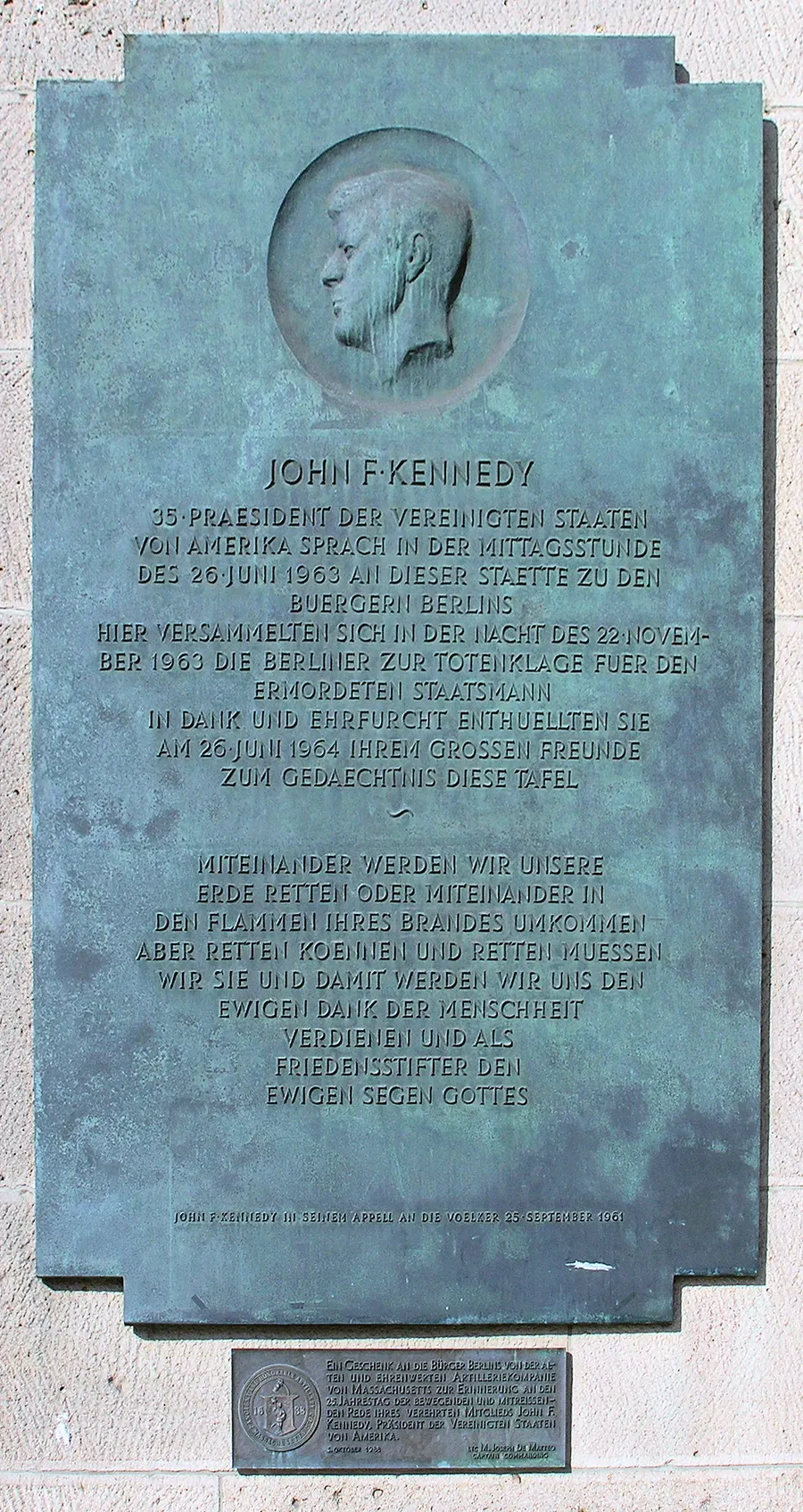
The memorial plaque to John F. Kennedy at the Rathaus Schöneberg in Berlin, on the square now named after him
Image creditOTFW, Berlin · CC BY-SA 3.0Resized and cropped for display.

Kennedy tells West Berlin ‘Ich bin ein Berliner’

In August 1961 East Germany sealed off West Berlin with barbed wire and then a concrete wall, cutting families apart and leaving the western half of the city an island inside communist territory. Two years later President John F. Kennedy made a tour of West Germany, and on 26 June 1963 he spent a day in West Berlin. He looked over the Wall at the Brandenburg Gate and at Checkpoint Charlie before driving to the Rathaus Schöneberg, West Berlin’s city hall.

From its steps he spoke to a crowd of hundreds of thousands in the square below. Challenging anyone who doubted the difference between the free world and the communist one, he repeated ‘Let them come to Berlin’, and he ended by saying that all free people, wherever they lived, were citizens of Berlin, and so he too took pride in the words ‘Ich bin ein Berliner’. The speech became one of the best-remembered of the Cold War, and the square where it was given was later renamed John-F.-Kennedy-Platz.

Read the full storyHistory & Timeline →Source: JFK Library: Remarks at the Rudolph Wilde Platz, Berlin, 26 June 1963 ↗
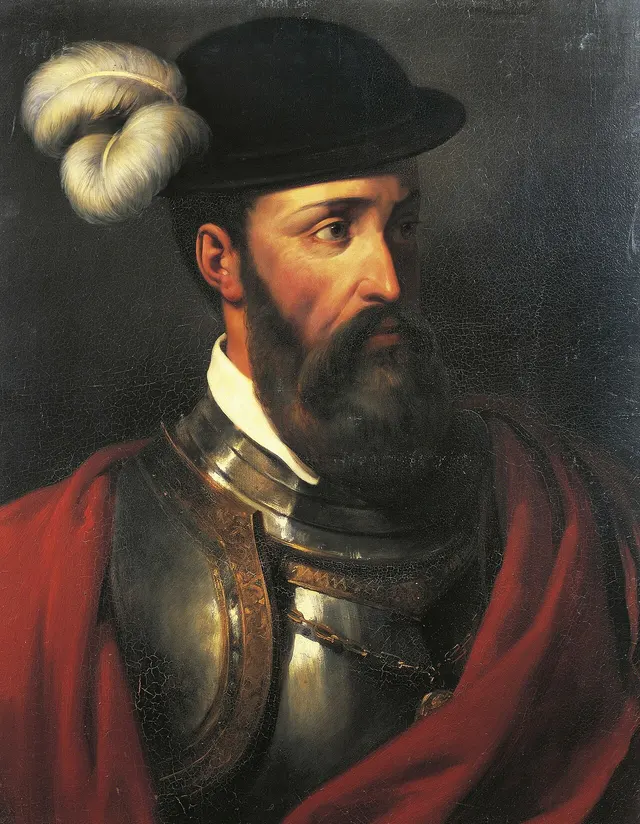
Francisco Pizarro in a 19th-century portrait by the French painter Amable-Paul Coutan
Image creditAmable-Paul Coutan · Public domainResized and cropped for display.

Francisco Pizarro is killed in Lima

Francisco Pizarro and his partner Diego de Almagro led the small Spanish force that overthrew the Inca Empire in the 1530s. The two soon fell out over the spoils, above all over who should rule the old Inca capital of Cuzco. The quarrel became a civil war among the conquerors, and in 1538 Almagro was defeated and executed on the orders of Pizarro’s brother Hernando.

Almagro’s followers gathered around his son, also called Diego, in Lima, the city Pizarro had founded in 1535 as his capital. Poor, watched and fearing they would be eliminated, they struck first. On 26 June 1541 a band of them burst into Pizarro’s palace and killed the old governor after a desperate fight. The younger Almagro declared himself governor of Peru, but a royal official defeated him in battle the next year and he was executed.

Read the full storyHistory & Timeline →Source: Britannica: Francisco Pizarro ↗
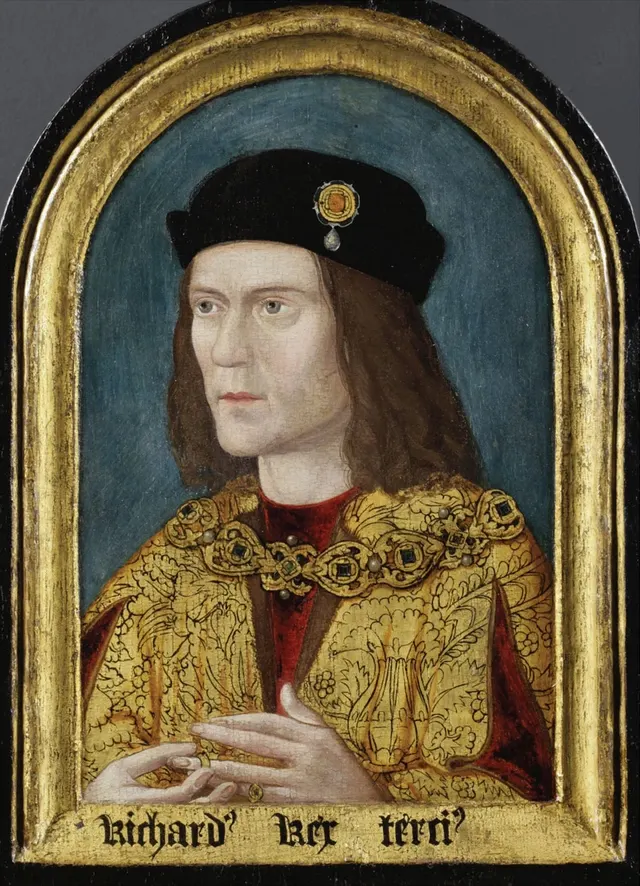
An early Tudor portrait of Richard III, painted some decades after his death
Image creditBarthel ii · Public domainResized and cropped for display.

Richard III takes the English throne

When Edward IV died in April 1483, his elder son became king as Edward V at the age of twelve, and the late king’s brother Richard, Duke of Gloucester, was named Protector. Within weeks Richard had seized control of the boy, arrested or executed rivals, and lodged Edward and his younger brother in the Tower of London. On 22 June a preacher in London declared that Edward IV’s marriage had been invalid and his children illegitimate, and on 25 June an assembly of lords and commons asked Richard to take the crown.

On 26 June 1483 Richard accepted, and his reign as Richard III was dated from that day; he was crowned at Westminster on 6 July. The two princes were never seen in public again, and their fate has been argued over ever since. Richard ruled for barely two years before he was killed at the Battle of Bosworth in August 1485, the last English king to die in battle.

Read the full storyHistory & Timeline →Source: Britannica: Richard III, usurpation ↗

♙
PEOPLE

Born Today

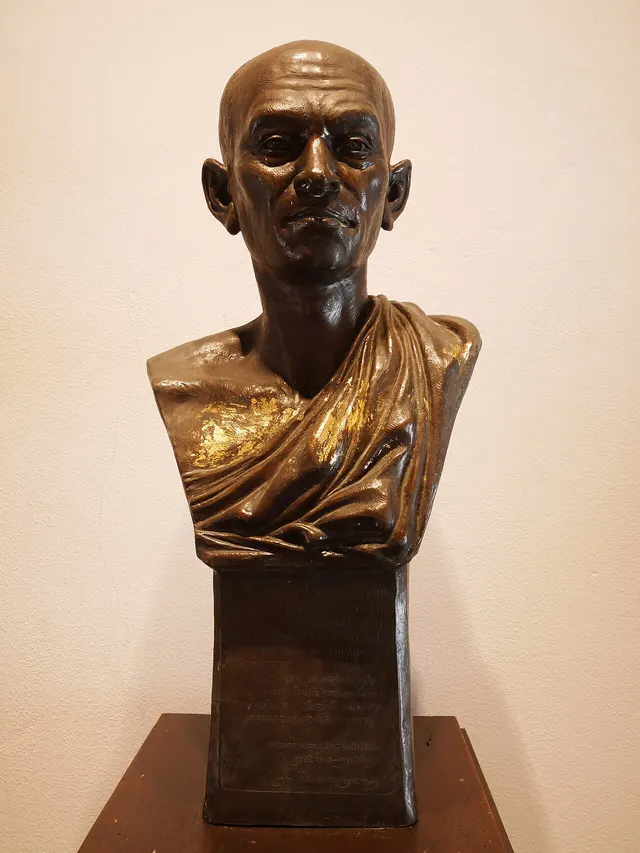
Sunthorn Phu
Image creditกสิณธร ราชโอรส · CC BY-SA 4.0Resized and cropped for display.

Sunthorn Phu

Thailand’s best-loved poet, author of the long verse romance Phra Aphai Mani; his birthday is celebrated in Thailand as Sunthorn Phu Day.

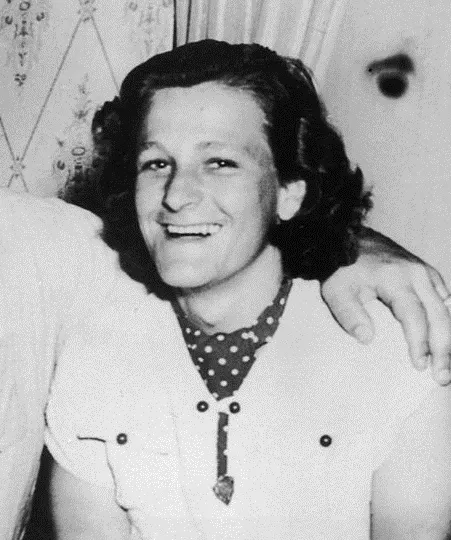
Babe Didrikson Zaharias
Image creditACME · Public domainResized and cropped for display.

Babe Didrikson Zaharias

American all-round athlete who won two Olympic gold medals in 1932 and went on to become one of the great champions of women’s golf.

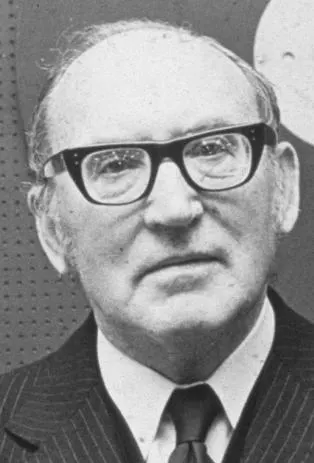
Maurice Wilkes
Image creditUnknown author · CC BY 2.0 ukResized and cropped for display.

Maurice Wilkes

British computer scientist who built EDSAC at Cambridge, one of the first practical stored-program computers, and won the Turing Award in 1967.

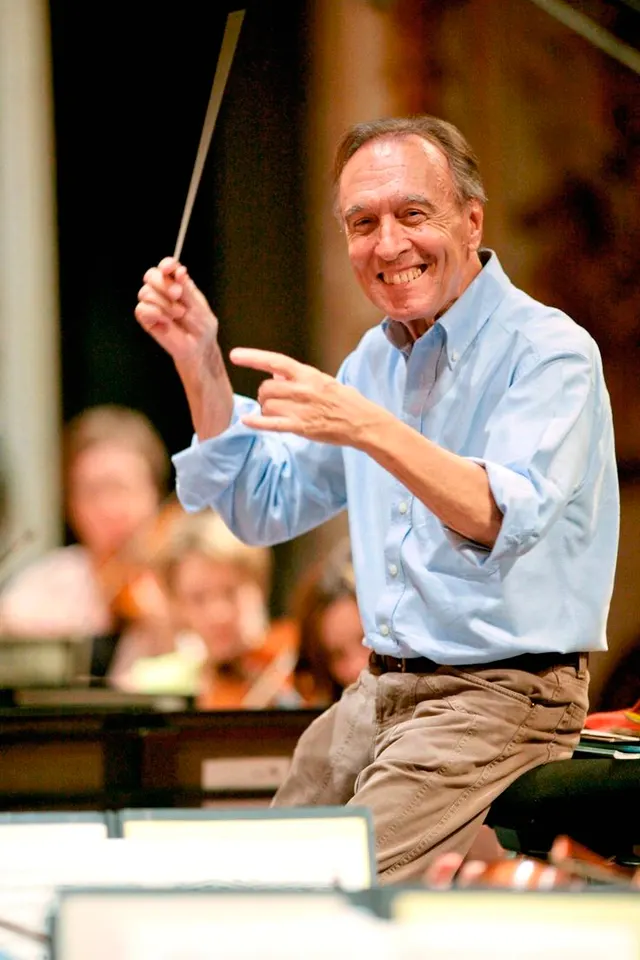
Claudio Abbado
Image creditSenato della Repubblica · CC BY 3.0 itResized and cropped for display.

Claudio Abbado

Italian conductor who led La Scala in Milan, the London Symphony Orchestra, the Vienna State Opera and the Berlin Philharmonic.

Gilberto Gil
Image creditRicardo Stuckert / PR · CC BY-SA 4.0Resized and cropped for display.

Gilberto Gil

Brazilian singer and songwriter, a founder of the Tropicália movement, who later served as his country’s minister of culture.

Paolo Maldini
Image creditGOAL TV · CC BY 3.0Resized and cropped for display.

Paolo Maldini

Italian defender who spent his whole 25-year playing career at AC Milan and won the European Cup or Champions League five times.

◉
IDEAS THAT CHANGED THINGS

Firsts, Science & Discoveries

Liquid fluorine, a pale yellow liquid, in a glass tube cooled to about -196°C
Image creditFulvio314 · CC BY-SA 3.0Resized and cropped for display.

Henri Moissan isolates fluorine

Chemists had known for decades that the mineral fluorspar contained an unknown element, but every attempt to free it failed. Fluorine is so reactive that it attacks almost anything it touches, including glass and most metals, and several of the chemists who tried to isolate it were badly poisoned by the hydrogen fluoride they worked with.

The French chemist Henri Moissan took a new approach. He passed an electric current through a solution of potassium fluoride in liquid hydrogen fluoride, chilled well below freezing, in an apparatus made of platinum. On 26 June 1886 a gas bubbled up at one electrode that set silicon alight on contact: he had isolated fluorine at last. Moissan went on to build a powerful electric furnace, and in 1906 he received the Nobel Prize in Chemistry for both achievements. Fluorine compounds are now used in everything from toothpaste to non-stick pans.

Read the full storyHistory & Timeline →Source: NobelPrize.org: Henri Moissan, biographical ↗
☆
SPORTING HISTORY

Sporting Moments

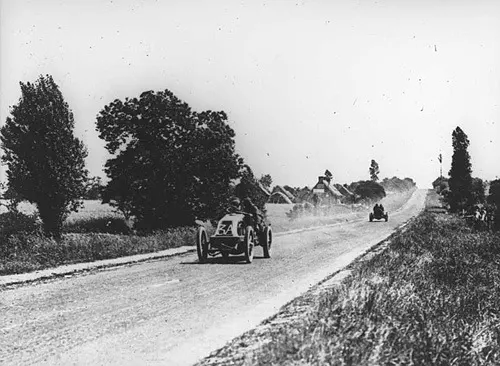
Ferenc Szisz's Renault on the road during the 1906 Grand Prix near Le Mans
Ferenc Szisz’s Renault on the road during the 1906 Grand Prix near Le Mans
Image creditAnonymous · Public domainResized and cropped for display.

The first Grand Prix is run at Le Mans

Early motor races were often run from city to city on open roads, and after a series of deadly crashes these were stopped. The Automobile Club de France wanted a great international race of its own, and chose a closed triangle of public roads east of Le Mans, about 103 kilometres round, passing through Saint-Calais and La Ferté-Bernard.

The Grand Prix de l’ACF was run over two days, 26 and 27 June 1906, with six laps on each day. More than 30 cars started,, but only 11 finished. The winner was the Hungarian-born driver Ferenc Szisz in a Renault, who was helped by new detachable wheel rims that made tyre changes far quicker. Italy’s Felice Nazzaro was second in a Fiat. The race gave its name to Grand Prix motor racing, and it led to the founding of the club that still runs the 24 Hours of Le Mans.

Read the full storyHistory & Timeline →Source: Automobile Club de l’Ouest (lemans.org): The 110th anniversary of the first ACF Grand Prix ↗
♫
MUSIC • FILM • BOOKS • CULTURE

Culture Stories

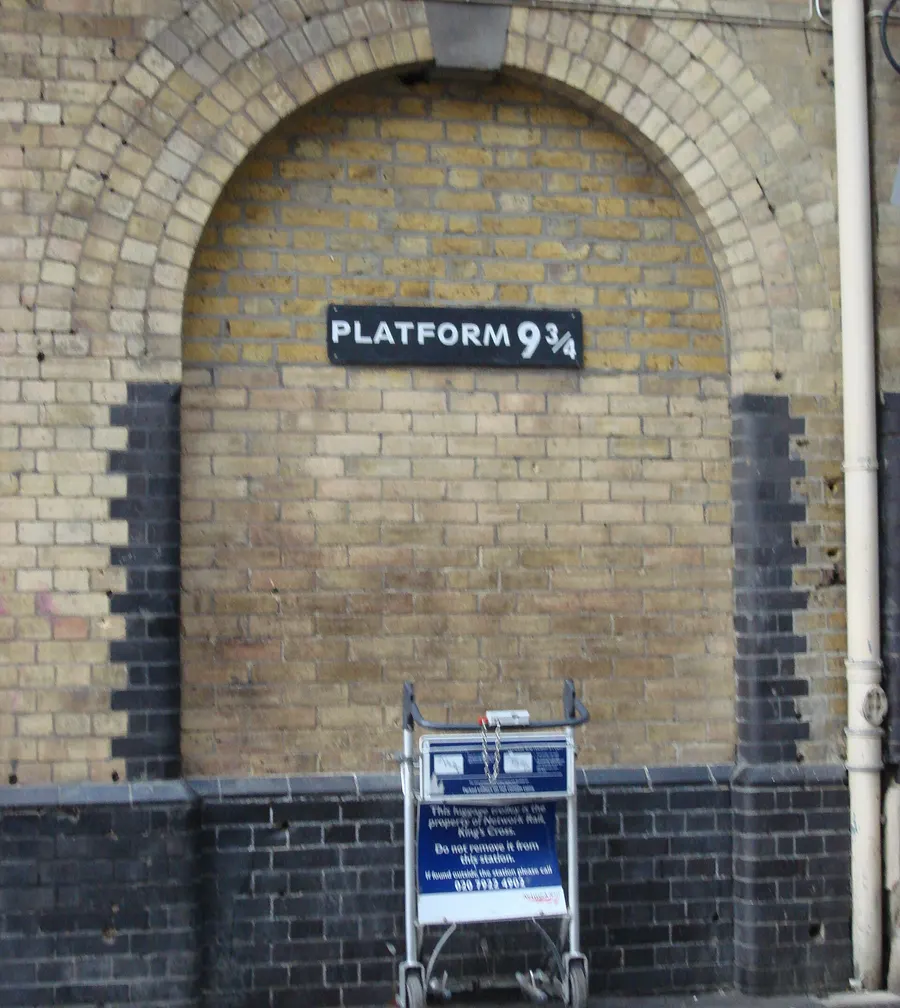
A 'Platform 9¾' sign on a wall at King's Cross station in London, a nod to the books
A ‘Platform 9¾’ sign on a wall at King’s Cross station in London, a nod to the books
Image creditOxyman · CC BY 2.5Resized and cropped for display.

The first Harry Potter book is published

J. K. Rowling began writing about a boy who discovers he is a wizard in 1990, and finished the first book in Edinburgh while bringing up her young daughter on her own. Several publishers turned it down before Bloomsbury, a London publisher, accepted it for its children’s list.

Harry Potter and the Philosopher’s Stone came out on 26 June 1997 in a small first print run of hardbacks, with little publicity. Word of mouth did the rest. The book won prizes, appeared in the United States in 1998 as Harry Potter and the Sorcerer’s Stone, and was followed by six more titles, the last in 2007. The series has sold more than 500 million copies, been translated into dozens of languages and spawned eight films, and it drew a generation of children into reading long books.

Read the full storyHistory & Timeline →Source: DCMS Libraries (UK government): How will you mark 20 years since Harry Potter appeared? ↗
✦
LIVES REMEMBERED

Remembered Today

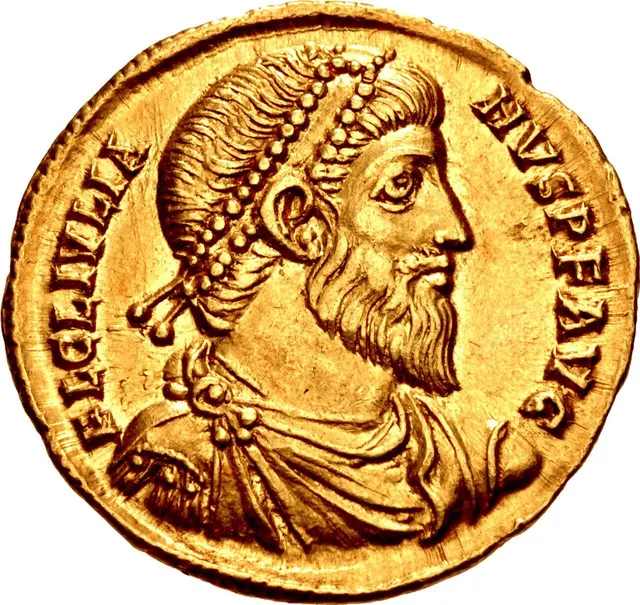
Julian
Image creditClassical Numismatic Group · CC BY-SA 2.5Resized and cropped for display.

Julian

The last pagan Roman emperor, who tried to revive the old gods; he died of a wound received in a clash with the Persian army in Mesopotamia.

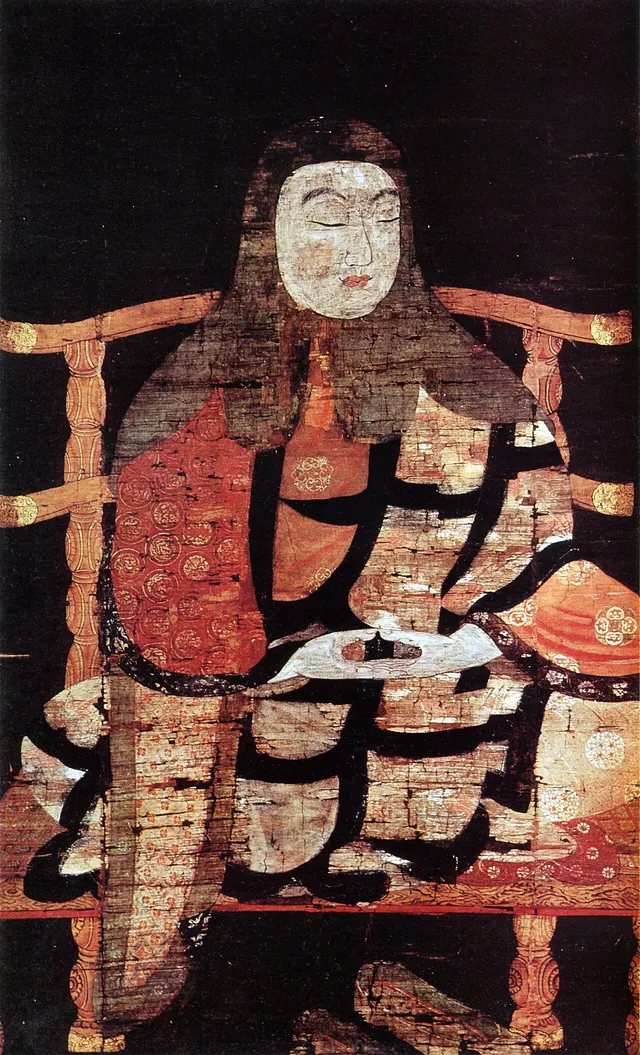
Saichō
Image creditUnknown author · Public domainResized and cropped for display.

Saichō

Japanese Buddhist monk who studied in China and founded the Tendai school on Mount Hiei, near Kyoto.

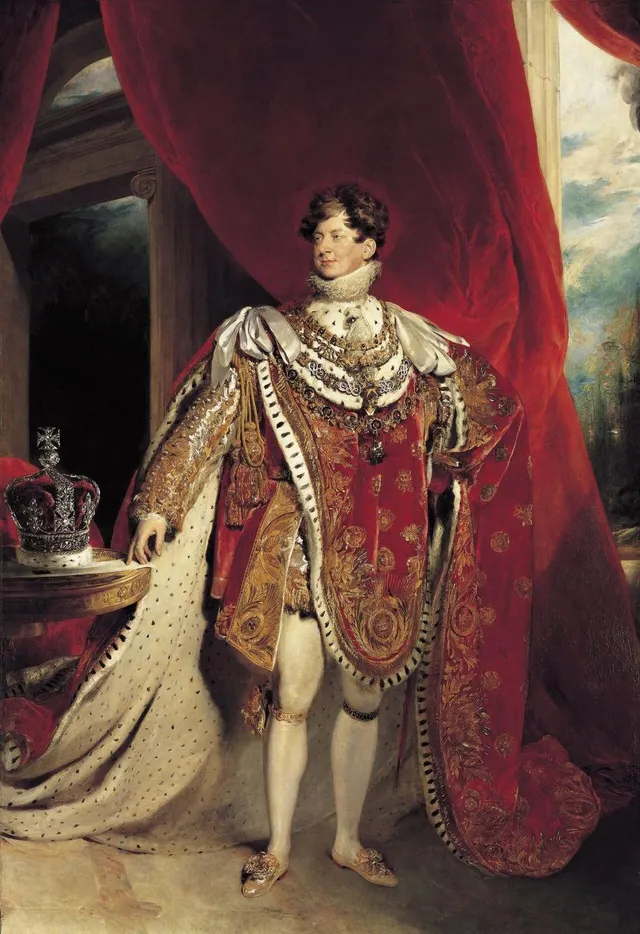
George IV
Image creditThomas Lawrence · Public domainResized and cropped for display.

George IV

King of the United Kingdom from 1820, and regent for his father George III from 1811, remembered for his extravagance and the Brighton Pavilion.

Marc-Vivien Foé

Cameroonian midfielder who collapsed and died on the pitch during a Confederations Cup semi-final in Lyon, aged 28.

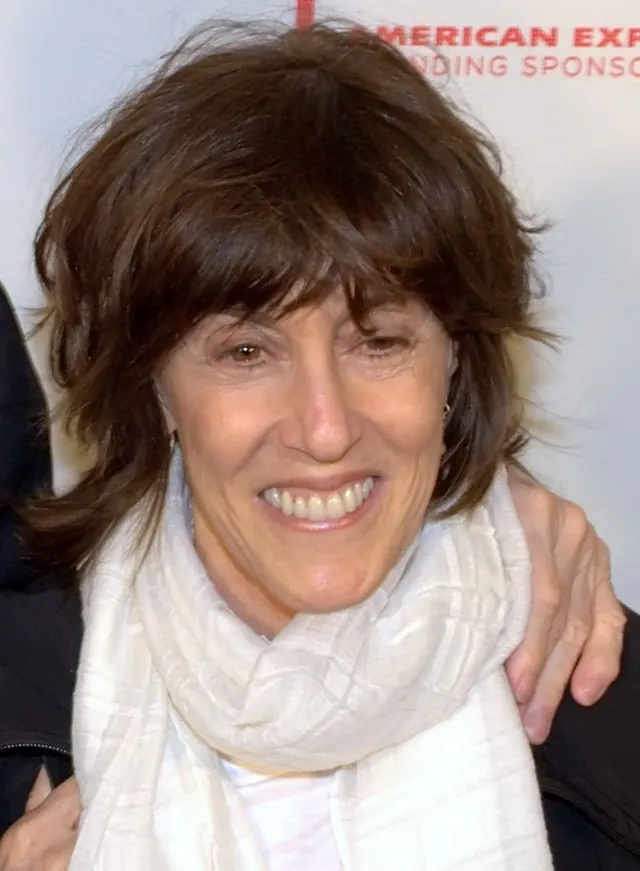
Nora Ephron
Image creditDavid Shankbone · CC BY 3.0Resized and cropped for display.

Nora Ephron

American writer and film-maker who wrote When Harry Met Sally and directed Sleepless in Seattle.

☉
AROUND THE WORLD

Observances & Anniversaries

The flag of the United Nations.
Image creditSee File history below for details. Denelson83, Zscout370 ve Madden · Public domainResized and cropped for display.

International Day against Drug Abuse and Illicit Trafficking

The United Nations General Assembly chose 26 June for this day in December 1987, as a sign of its determination to work towards a world free of drug abuse.

Known as World Drug Day, it is led by the UN Office on Drugs and Crime, which publishes its annual World Drug Report around this date.

Source: United Nations: International Day against Drug Abuse and Illicit Trafficking ↗
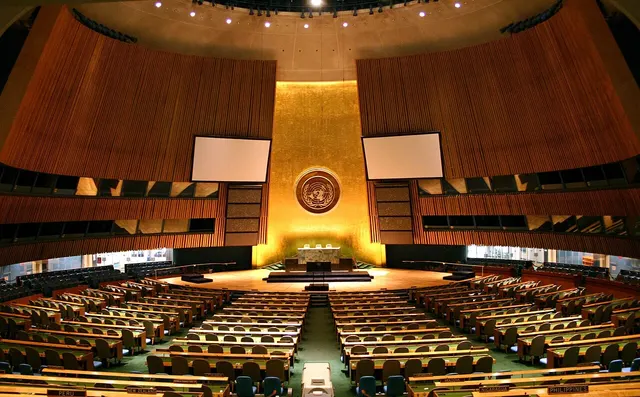
The UN General Assembly hall in New York.
Image creditPatrick Gruban, cropped and downsampled by Pine · CC BY-SA 2.0Resized and cropped for display.

International Day in Support of Victims of Torture

On 26 June 1987 the UN Convention against Torture and Other Cruel, Inhuman or Degrading Treatment or Punishment came into force. Ten years later the General Assembly made the anniversary an international day.

It is a day to support people who have survived torture and to press for its complete abolition.

Source: United Nations: International Day in Support of Victims of Torture ↗
HISTORY & TIMELINE

Finished the highlights?

Follow 26 June chronologically, from the Middle Ages to the modern day, with 12 verified events and the sources behind them.

This day through time →