Explore 30 June

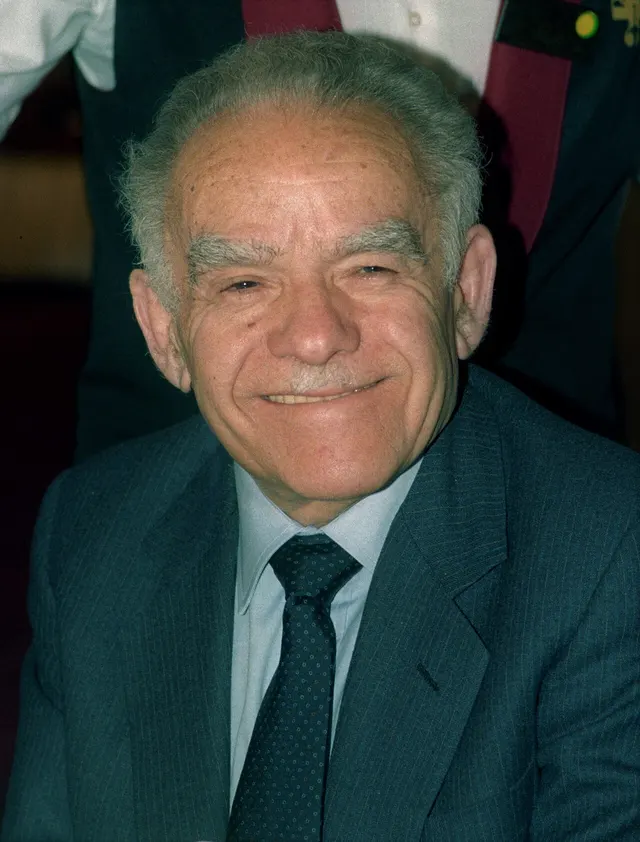
Explore 30 June: the Congo wins its independence from Belgium, Haile Selassie pleads with the League of Nations, Hitler turns on his own storm troopers and Lincoln signs away Yosemite for public use. Born today: Czesław Miłosz, Robert Ballard and Michael Phelps.

This day through time →15 verified events across 5 eras

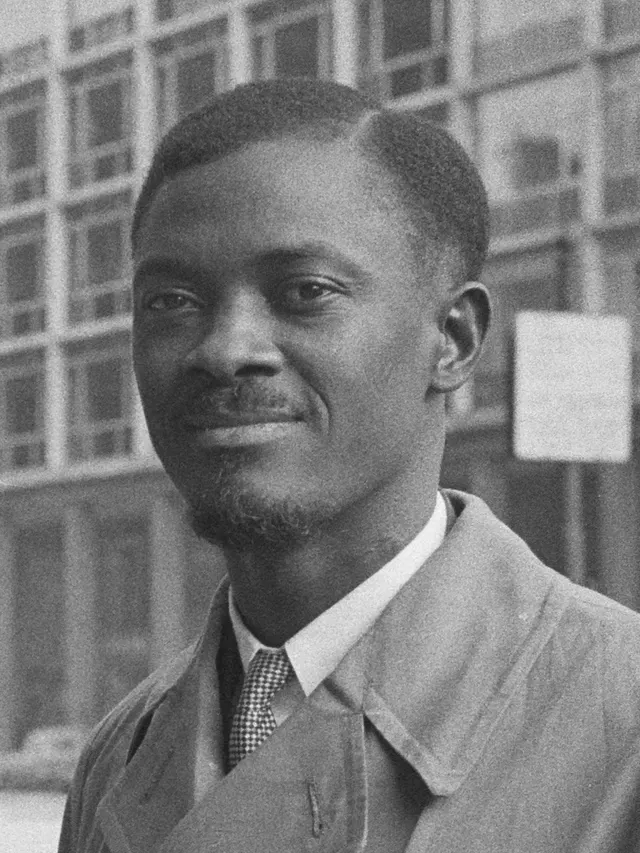
Patrice Lumumba, the Congo's first prime minister, photographed in 1960
Patrice Lumumba, the Congo’s first prime minister, photographed in 1960
Image creditHarry Pot for Anefo ) · CC BY 4.0Resized and cropped for display.

The Congo becomes independent from Belgium

For more than half a century Belgium ruled the vast Congo basin, first as the private property of King Leopold II and then, from 1908, as a colony. Few Congolese were allowed higher education or a share in government, and as late as the mid-1950s Belgian planners imagined independence decades away. Riots in Léopoldville in January 1959 changed the timetable. At a round-table conference in Brussels in early 1960 Belgium agreed to hand over power within months, and elections that May made Joseph Kasavubu head of state and the nationalist Patrice Lumumba prime minister.

On 30 June 1960 King Baudouin came to Léopoldville, now Kinshasa, to proclaim the independence of the Republic of the Congo. His speech praised the work of Leopold II and of Belgian colonisers. Lumumba, who had not been expected to speak, answered with a fierce account of the humiliations Congolese people had suffered under colonial rule, which delighted many listeners and alarmed Belgium. Within a week the army had mutinied against its Belgian officers, and the new state slid into the long Congo Crisis. The Democratic Republic of the Congo still celebrates 30 June as its Independence Day.

Read the full storyHistory & Timeline →Source: Britannica: Belgian Congo ↗
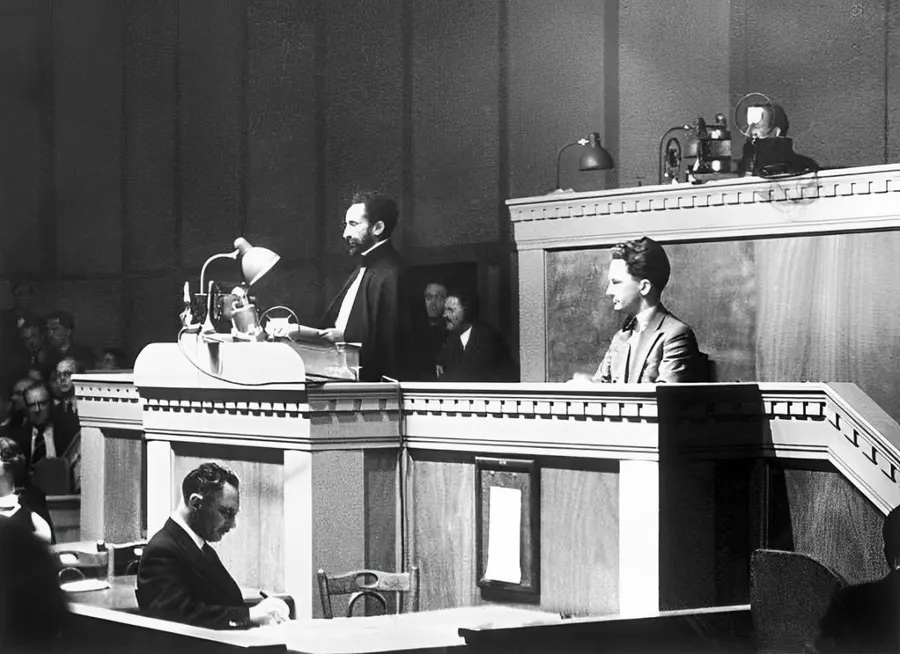
Emperor Haile Selassie addressing the Assembly of the League of Nations in Geneva in 1936
Image creditBettmann Archive · Public domainResized and cropped for display.

Haile Selassie appeals to the League of Nations

In October 1935 Mussolini’s Italy invaded Ethiopia, one of the only African countries still free of European rule and, like Italy, a member of the League of Nations. The League condemned the attack and imposed limited economic sanctions, but it did not stop Italy’s oil supplies, and Italian forces used aircraft and poison gas against Ethiopian troops and civilians. In May 1936 they took Addis Ababa, and the emperor Haile Selassie went into exile.

On 30 June 1936 the emperor stood before the League’s Assembly in Geneva. He began in French and then spoke in Amharic, describing the gas attacks and asking the member states whether they would honour their promise to protect a small nation against a powerful one. The League did not act: within weeks its members lifted their sanctions against Italy. The speech made Haile Selassie a world figure and is remembered as a warning of the failure of collective security in the years before the Second World War. He returned to Addis Ababa in 1941, after British and Ethiopian forces drove the Italians out.

Read the full storyHistory & Timeline →Source: UN Archives Geneva: Ethiopia, speech by the Emperor Haile Selassie to the League Assembly ↗
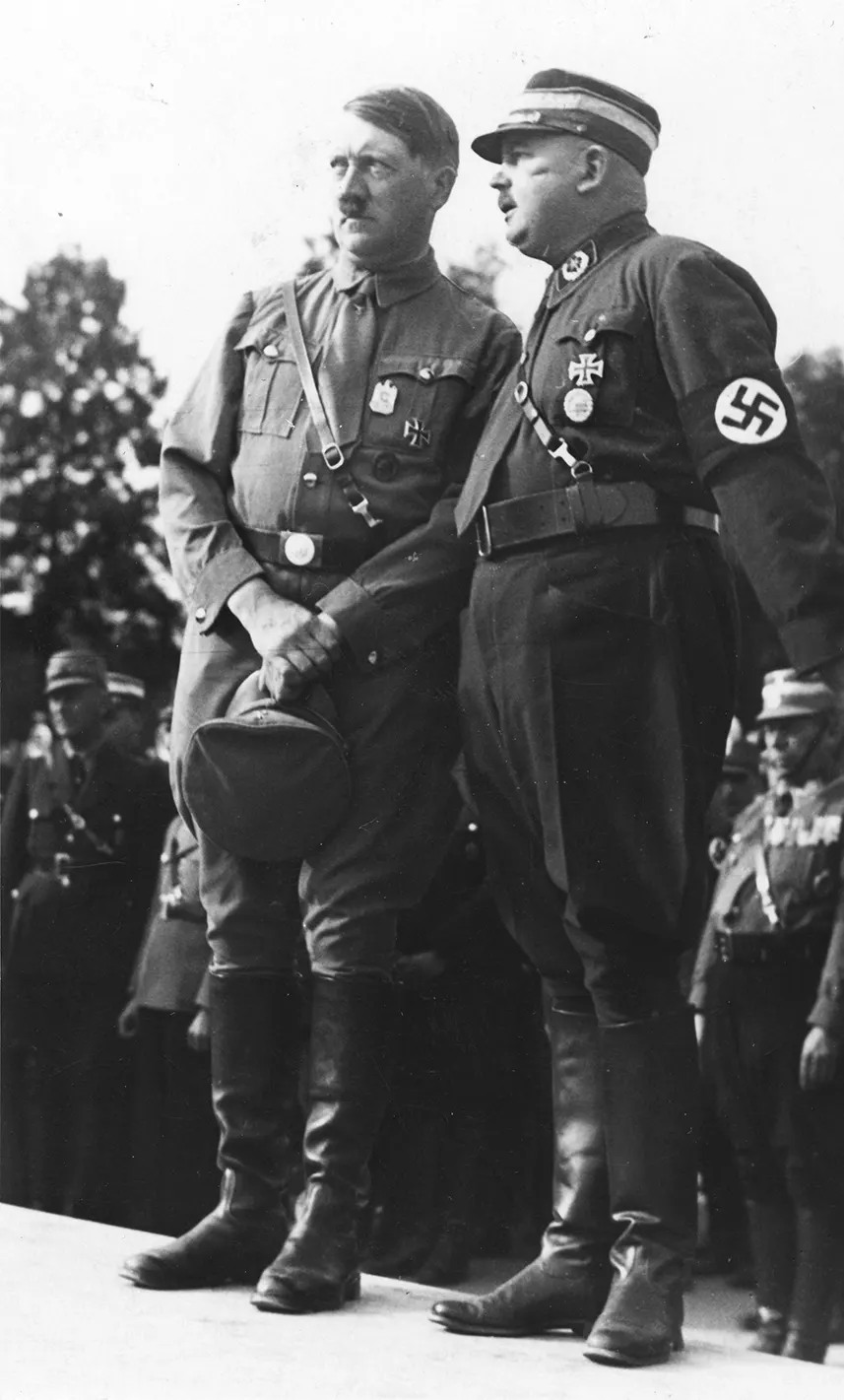
Adolf Hitler with the SA leader Ernst Röhm at the Nazi Party rally in Nuremberg in 1933, a year before the purge
Image creditUnknown · CC BY-SA 3.0 deResized and cropped for display.

Hitler purges the SA in the Night of the Long Knives

Hitler became Germany’s chancellor in January 1933, but his power was not yet complete. The Nazi storm troopers, the SA, had grown to some three million men under their chief of staff Ernst Röhm, who talked of a ‘second revolution’ and wanted his brownshirts to absorb the regular army. The generals, business leaders and the ageing President Hindenburg were alarmed, and Hitler needed their support.

Early on 30 June 1934 Hitler himself led a raid on SA leaders gathered at a resort hotel at Bad Wiessee in Bavaria, while SS units and the Gestapo arrested and shot people across Germany. Röhm was killed in his cell on 1 July. The killings reached far beyond the SA: among the victims were the former chancellor Kurt von Schleicher and his wife, and Gregor Strasser, once Hitler’s rival within the party. The exact number killed has never been established. Hitler justified the murders as the crushing of a plot, the army stood aside, and when Hindenburg died in August Hitler took the presidency as well, with the soldiers swearing an oath of loyalty to him personally.

Read the full storyHistory & Timeline →Source: Britannica: Night of the Long Knives ↗
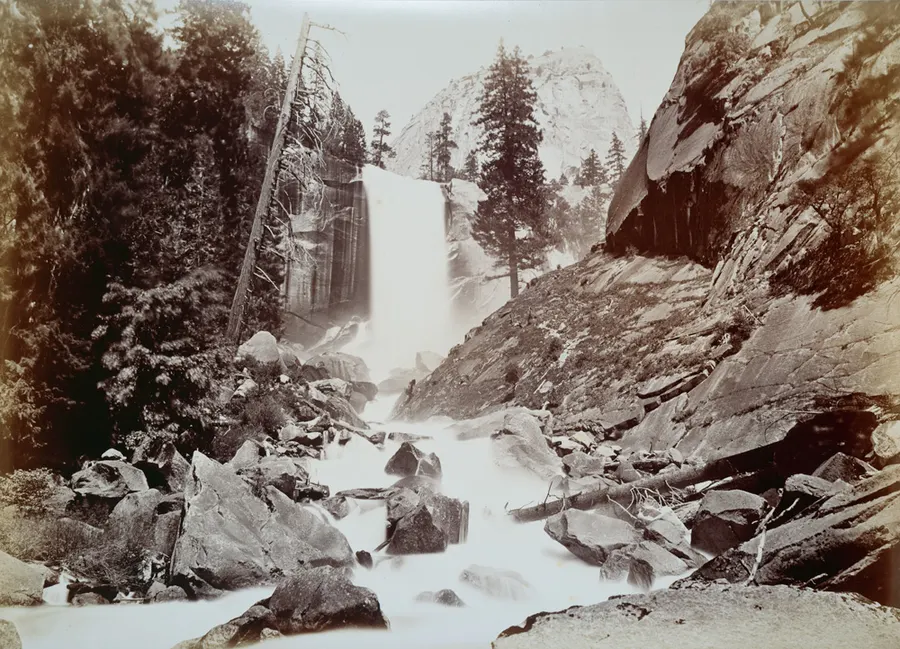
The Vernal Fall in Yosemite Valley, photographed by Carleton Watkins in the 1860s
Image creditCarleton Watkins · Public domainResized and cropped for display.

Lincoln signs the Yosemite Grant

The Ahwahneechee people had lived in Yosemite Valley for generations before a militia unit entered it in 1851, during a campaign to drive them out. Within a few years tourists were arriving to see its granite cliffs and waterfalls, and the giant sequoias of the nearby Mariposa Grove, and settlers began to claim land. A group of Californians, worried that the valley would be fenced off and exploited, asked their senator John Conness to protect it.

In the middle of the Civil War, on 30 June 1864, President Abraham Lincoln signed the act granting Yosemite Valley and the Mariposa Big Tree Grove to the state of California, on condition that they be held ‘for public use, resort, and recreation’ for all time. It was the first time the US government had set aside land specifically so that it could be preserved and enjoyed by the public, an idea that led to the world’s first national park at Yellowstone in 1872. California handed the valley back to the federal government in 1906, when it became part of Yosemite National Park.

Read the full storyHistory & Timeline →Source: National Park Service: Yosemite Grant Act of 1864 ↗
The Spaniards' night-time flight from Tenochtitlan, in a late 17th-century painting from a series on the conquest of Mexico
The Spaniards’ night-time flight from Tenochtitlan, in a late 17th-century painting from a series on the conquest of Mexico
Image creditUnknown author · Public domainResized and cropped for display.

The Spaniards flee Tenochtitlan on La Noche Triste

Hernán Cortés and his Spanish soldiers had been received in Tenochtitlan, the island capital of the Aztec (Mexica) empire, in November 1519, and soon made the emperor Moctezuma II their prisoner. In 1520, while Cortés was away on the coast, his deputy Pedro de Alvarado attacked Mexica nobles during the festival of Toxcatl and killed many of them. The city rose in revolt. When Cortés returned, the Spaniards were besieged in their palace, and Moctezuma died during the fighting.

The Spaniards decided to break out under cover of darkness along one of the causeways that linked the island to the mainland. On the night of 30 June 1520 (some accounts give the night of 30 June to 1 July) they were spotted, and Mexica warriors attacked from canoes and the causeway. Hundreds of Spaniards and many more of their Tlaxcalan allies were killed or drowned, many weighed down by looted gold. The Spaniards remembered it as La Noche Triste, the ‘Sad Night’. The survivors reached Tlaxcala, regrouped, and returned the next year to besiege and destroy the city.

Read the full storyHistory & Timeline →Source: Britannica: Noche Triste ↗

♙
PEOPLE

Born Today

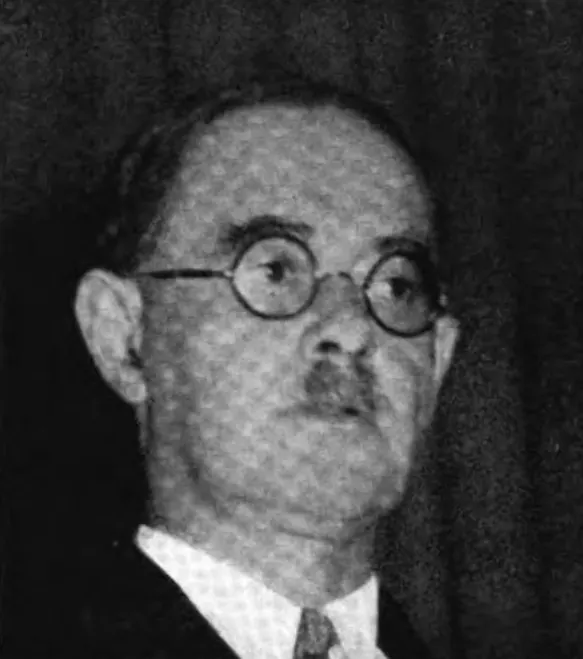
Harold Laski
Image creditUnknown author · Public domainResized and cropped for display.

Harold Laski

British political theorist and teacher at the London School of Economics, an influential figure in the Labour Party.

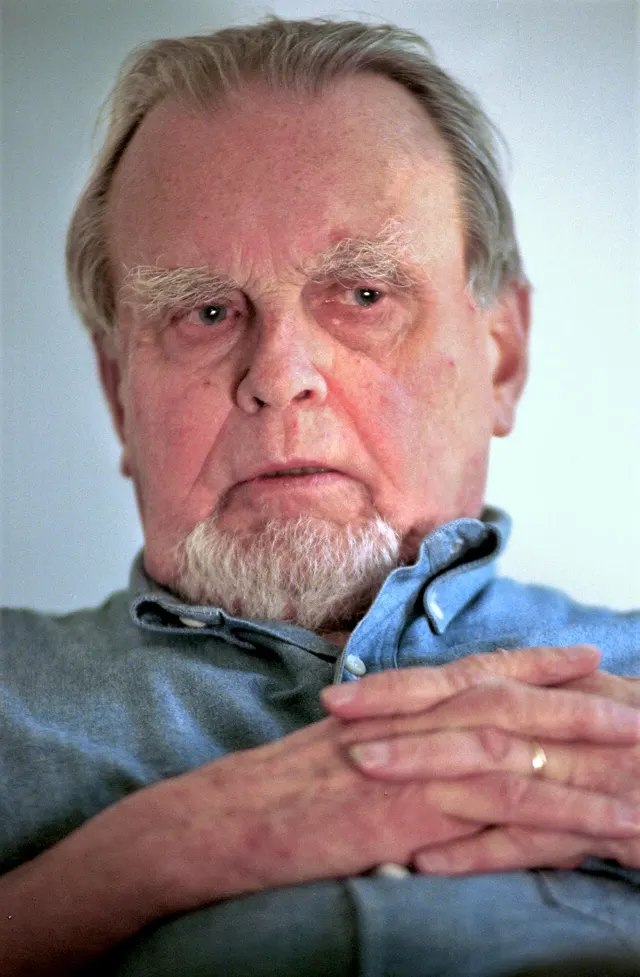
Czesław Miłosz
Image creditArtur Pawłowski · CC BY-SA 4.0Resized and cropped for display.

Czesław Miłosz

Polish poet and essayist, author of The Captive Mind, who won the Nobel Prize in Literature in 1980.

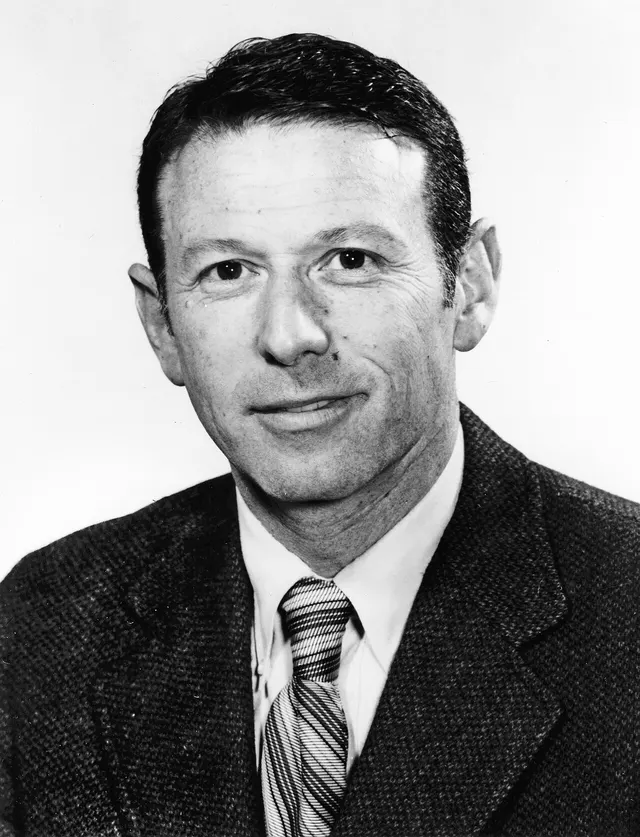
Paul Berg
Image creditUnknown author · Public domainResized and cropped for display.

Paul Berg

American biochemist whose work on recombinant DNA won him a share of the 1980 Nobel Prize in Chemistry.

Robert Ballard
Image creditTitanic Belfast · CC BY 2.0Resized and cropped for display.

Robert Ballard

American ocean explorer who led the team that found the wreck of the Titanic in 1985.

Yngwie Malmsteen
Image creditAlterna2 http://www.alterna2.com · CC BY 2.0Resized and cropped for display.

Yngwie Malmsteen

Swedish guitarist known for blending heavy metal with the virtuoso style of classical music.

Mike Tyson
Image creditSuper Festivals · CC BY 2.0Resized and cropped for display.

Mike Tyson

American boxer who became the youngest world heavyweight champion in 1986, at the age of 20.

Michael Phelps
Image creditAgência Brasil Fotografias · CC BY 2.0Resized and cropped for display.

Michael Phelps

American swimmer who won 28 Olympic medals, 23 of them gold, more than any other athlete.

◉
IDEAS THAT CHANGED THINGS

Firsts, Science & Discoveries

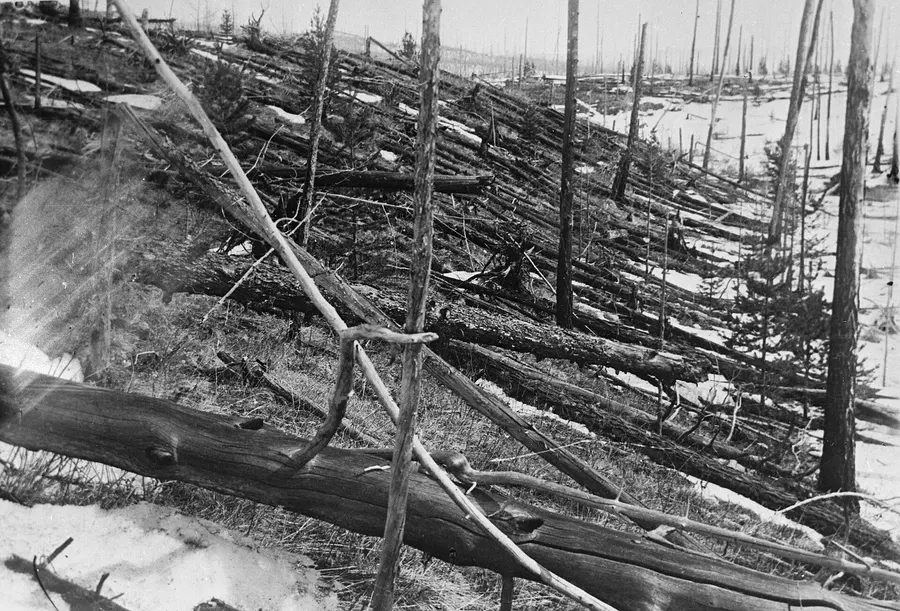
Trees flattened by the Tunguska blast, photographed by Leonid Kulik's expedition in the late 1920s
Trees flattened by the Tunguska blast, photographed by Leonid Kulik’s expedition in the late 1920s
Image creditLeonid Kulik, the expedition to the Tunguska event · Public domainResized and cropped for display.

A huge explosion flattens the forest at Tunguska in Siberia

At about a quarter past seven on the morning of 30 June 1908, people in central Siberia saw a fireball cross the sky, followed by a blast that knocked people off their feet and shook buildings dozens of kilometres away. The explosion, over thinly populated forest near the Podkamennaya Tunguska River, flattened trees across some 2,000 square kilometres. Its energy is estimated at up to about 15 megatons of TNT, around a thousand times the power of the Hiroshima bomb.

Because the area was so remote, no scientist reached it until the mineralogist Leonid Kulik led an expedition in 1927. He found the trees laid out in a vast radial pattern, but no crater. Most scientists now think a stony asteroid, perhaps 50 to 100 metres across, exploded in the air several kilometres above the ground, so that almost nothing of it reached the surface. Tunguska remains the largest impact event in recorded history, and the United Nations now marks its anniversary as International Asteroid Day.

Read the full storyHistory & Timeline →Source: Britannica: Tunguska event ↗
☆
SPORTING HISTORY

Sporting Moments

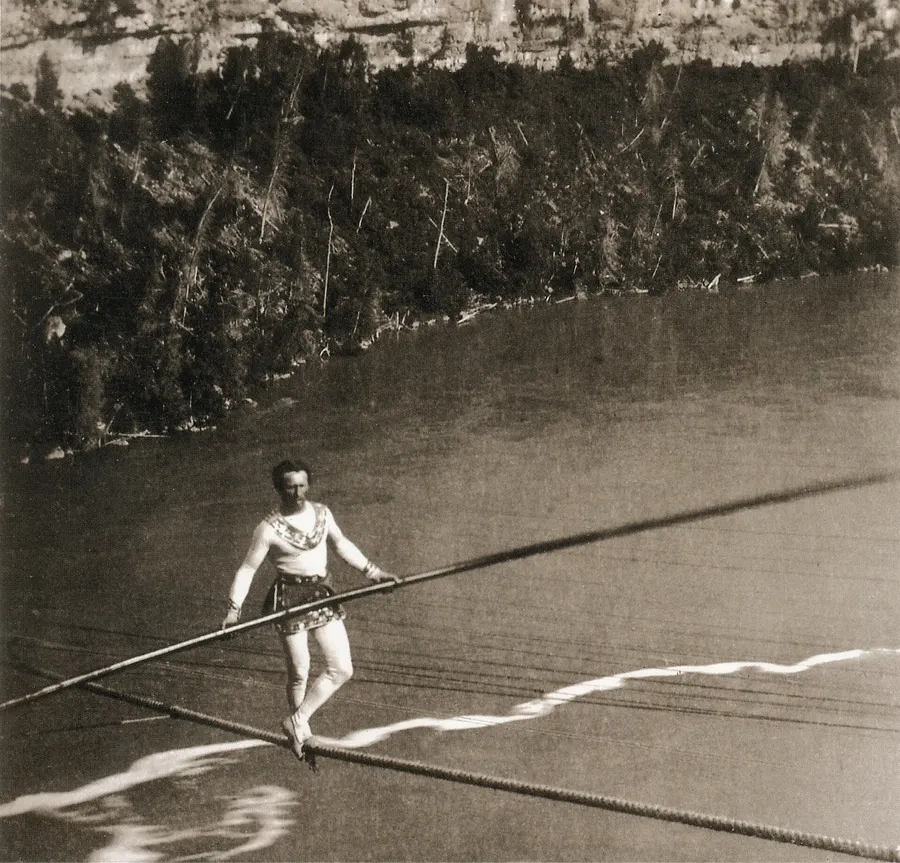
Blondin on his tightrope over the Niagara River, photographed by William England in 1859
Image creditWilliam England · Public domainResized and cropped for display.

Blondin crosses the Niagara gorge on a tightrope

Jean-François Gravelet, known as Blondin, had trained as an acrobat in France since early childhood and came to the United States with a travelling troupe. He announced that he would do what no one had tried: walk across the gorge of the Niagara River, just below the falls, on a rope stretched from the American side to the Canadian side, with no net beneath him.

On 30 June 1859, in front of thousands of spectators, he set out across a rope about 330 metres long, high above the water, carrying a long balancing pole. Halfway over he lowered a line to a boat below and drew up a bottle to drink from before walking on to Canada, then made the crossing back. Over the next two summers he repeated the feat many times with new tricks, walking blindfolded, pushing a wheelbarrow and even carrying his manager on his back, and he went on performing into old age.

Read the full storyHistory & Timeline →Source: Library of Congress, Headlines and Heroes: The Daredevils of Niagara Falls ↗
♫
MUSIC • FILM • BOOKS • CULTURE

Culture Stories

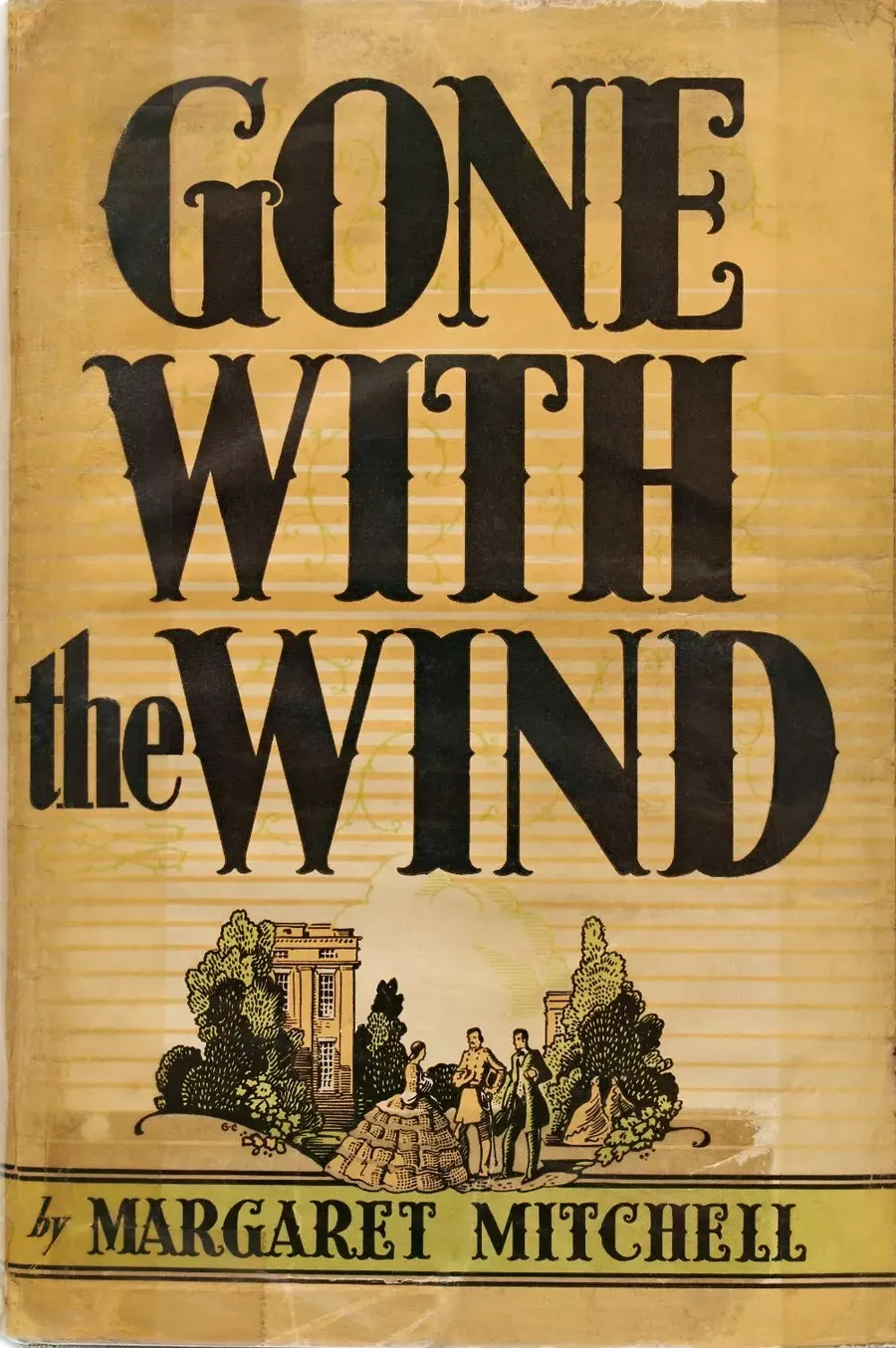
The dust jacket of the first edition of Gone with the Wind, published by Macmillan in 1936
Image creditMacmillan Publishers · Public domainResized and cropped for display.

Margaret Mitchell’s Gone with the Wind is published

Margaret Mitchell, a former reporter for the Atlanta Journal, began writing a novel about Georgia in the Civil War and Reconstruction in the 1920s while recovering from an injury. She worked on it for years, writing chapters out of order and keeping the pages in envelopes. In 1935 an editor from the Macmillan company visited Atlanta, heard about the manuscript and signed her up, and she spent months pulling it into shape and checking its facts.

Gone with the Wind was published on 30 June 1936. The story of the headstrong Scarlett O’Hara sold in huge numbers, passing a million copies within six months, and won the Pulitzer Prize for fiction in 1937. The 1939 film made it even more famous. The novel has also long been criticised for its romantic picture of the slave-holding South and its racist portrayal of Black characters. It was the only novel Mitchell published.

Read the full storyHistory & Timeline →Source: Britannica: Gone with the Wind (novel) ↗
✦
LIVES REMEMBERED

Remembered Today

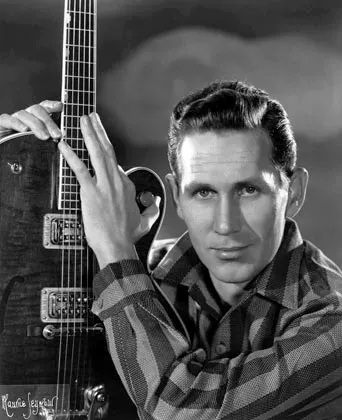
Chet Atkins
Image creditGretsch Guitar News · Public domainResized and cropped for display.

Chet Atkins

American guitarist and record producer who helped create the smooth Nashville sound of country music.

☉
AROUND THE WORLD

Observances & Anniversaries

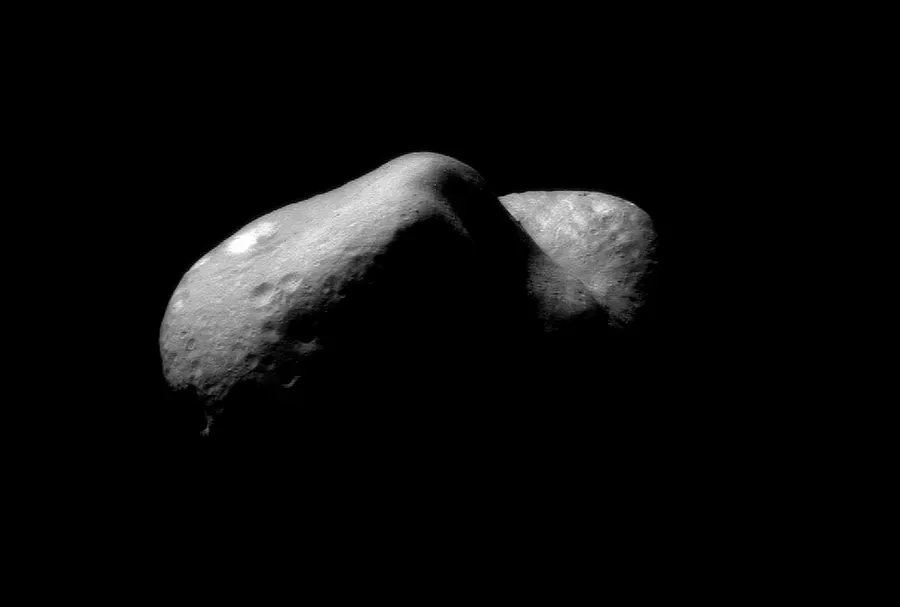
The asteroid Eros, photographed by NASA's NEAR Shoemaker spacecraft
The asteroid Eros, photographed by NASA’s NEAR Shoemaker spacecraft
Image creditNASA/NEAR Project (JHU/APL). · Public domainResized and cropped for display.

International Asteroid Day

The United Nations marks 30 June as International Asteroid Day, the anniversary of the Tunguska explosion over Siberia in 1908. The General Assembly proclaimed the day in December 2016 to raise public awareness of the hazard of asteroid impacts and of what the world would need to do if a dangerous object were found on course for Earth.

Source: United Nations: International Asteroid Day ↗
HISTORY & TIMELINE

Finished the highlights?

Follow 30 June chronologically, from the Middle Ages to the modern day, with 15 verified events and the sources behind them.

This day through time →