1905Sailors seize the Russian battleship Potemkin
In the summer of 1905 the Russian Empire was in turmoil. Its army and navy were losing a war against Japan, and strikes and protests against the tsar had spread from St Petersburg to cities across the country. In the Black Sea Fleet the new battleship Potemkin was one of the most powerful ships afloat, but her crew were resentful of harsh discipline and poor conditions.
On 27 June 1905 (14 June in the old Russian calendar) the sailors protested about meat they said was unfit to eat. The argument turned into a confrontation in which several officers were killed or thrown into the sea, and a sailor, Afanasy Matyushenko, took command. The ship steamed to Odesa, where a general strike was under way, and when troops fired on crowds in the port the city was left in bloodshed. With no other ships joining them, the mutineers sailed on and surrendered the Potemkin to the Romanian authorities at Constanța, opening her sea cocks first. Some were later caught and executed or exiled. Sergei Eisenstein’s 1925 film Battleship Potemkin made the mutiny one of the most famous episodes of the 1905 revolution.
Read the full storyHistory & Timeline →Source: Britannica: Potemkin (Russian battleship) ↗
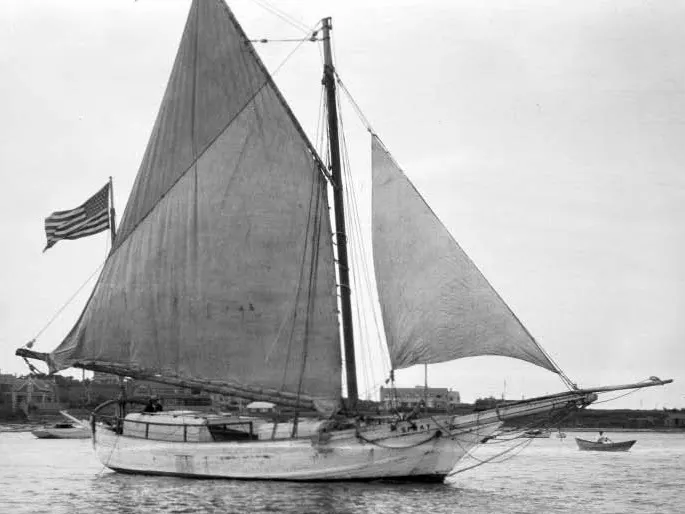
1898Joshua Slocum completes the first solo voyage around the world
Joshua Slocum, born in Nova Scotia, had spent his working life as a merchant captain, but by the 1890s the age of sail was ending and he had no ship. He was given an old wreck of a fishing boat, the Spray, and spent many months rebuilding her into a sturdy sloop about 11 metres long. In April 1895 he set out from Boston with no crew at all.
His route took him across the Atlantic to the Azores and Gibraltar, back across to South America, through the Strait of Magellan, and on across the Pacific to Samoa and Australia, round the Cape of Good Hope and home by way of the West Indies. At one o’clock in the morning of 27 June 1898 he dropped anchor at Newport, Rhode Island, having covered some 46,000 miles in a little over three years. No one had sailed alone around the world before. His account, Sailing Alone Around the World, published in 1899, is still read as a classic of the sea.
Read the full storyHistory & Timeline →Source: Britannica: Joshua Slocum ↗
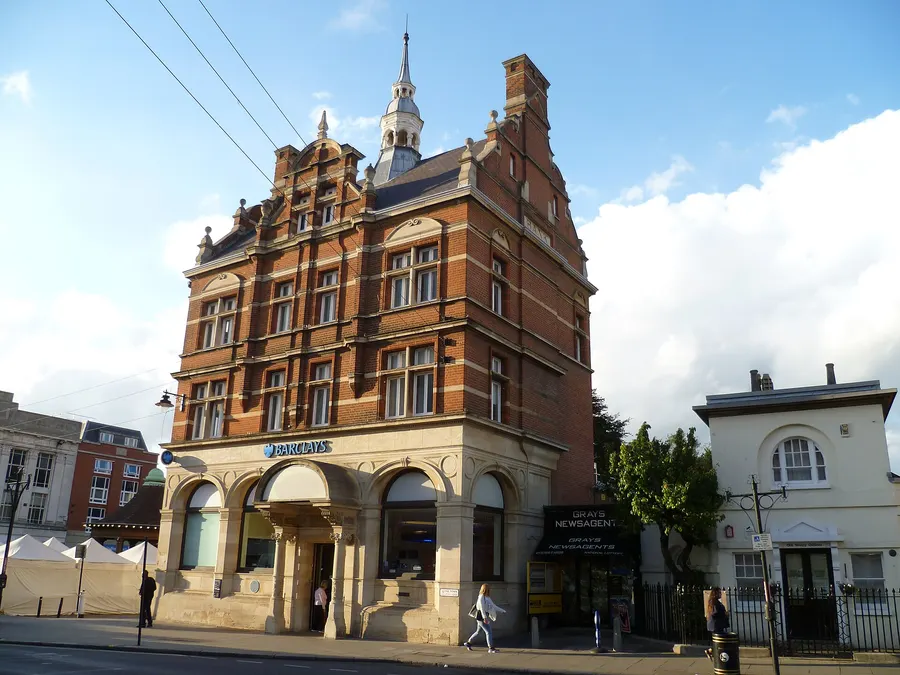
1967The world’s first cash machine opens in Enfield
In the 1960s banks kept short hours, and customers who missed them had no way of getting cash until the next working day. Barclays decided to try a machine that would hand out banknotes around the clock, and chose its branch at 20 The Town in Enfield, north London, partly because it had a good wide pavement and was close to the bank’s head office.
The machine was opened on 27 June 1967 in front of a curious crowd, and the comedy actor Reg Varney, star of the television series On the Buses, made the first withdrawal. It worked very differently from a modern cash machine. Customers used special paper vouchers, a little like cheques, which were checked against a personal number, and each one could be exchanged for £10 in cash, the most the machine would pay out at a time. Cash machines soon spread around the world, and Historic England has since listed the Enfield branch for its place in the history of banking.
Read the full storyHistory & Timeline →Source: Historic England: London bank, home to the world’s first cash machine, listed ↗
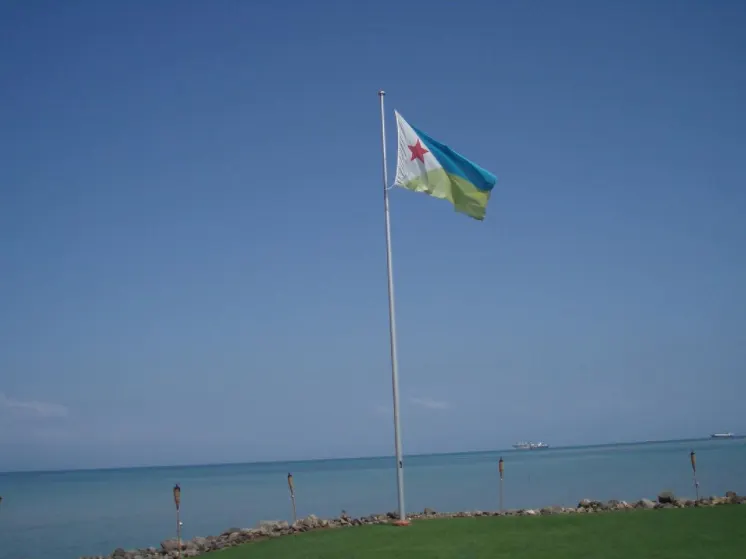
1977Djibouti becomes independent from France
Djibouti sits at the southern mouth of the Red Sea, beside the narrow strait of Bab el-Mandeb, one of the busiest shipping lanes in the world. France took control of the area in the late 19th century and ran it as French Somaliland, and from 1967 as the French Territory of the Afars and the Issas, after its two largest peoples. Its port grew on the railway that linked the coast with Addis Ababa in Ethiopia.
Pressure for independence grew through the 1970s, and after talks in Paris in which Hassan Gouled Aptidon was one of the chief negotiators, the territory became the independent Republic of Djibouti on 27 June 1977. Hassan Gouled Aptidon became its first president and held the office until 1999. France kept a military base in the new country, and its position on the sea lanes between the Mediterranean and the Indian Ocean has kept Djibouti strategically important ever since.
Read the full storyHistory & Timeline →Source: Britannica: History of Djibouti ↗
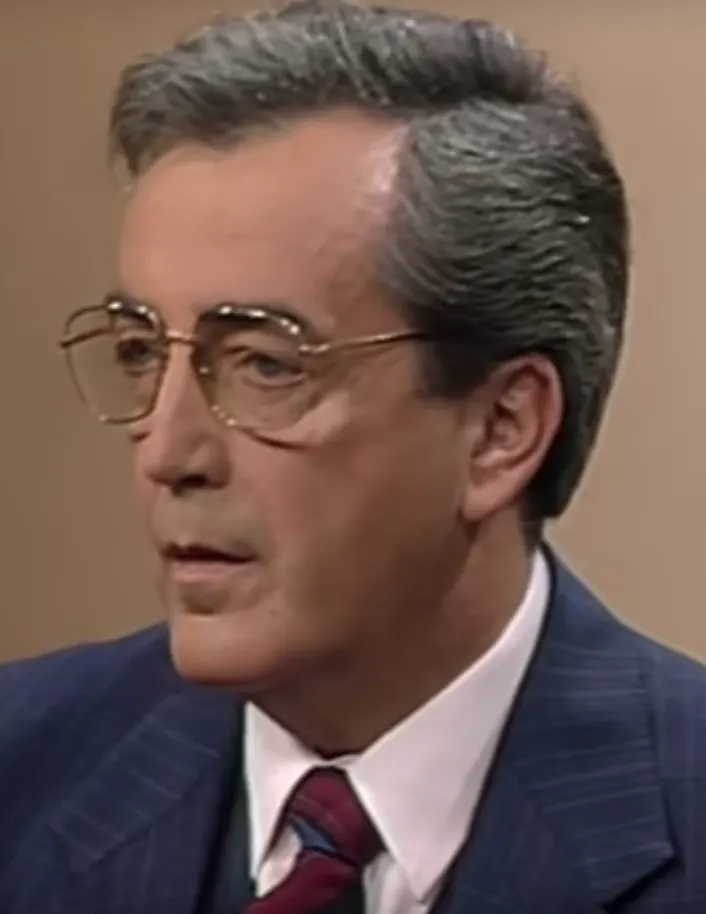
1989Austria and Hungary cut a hole in the Iron Curtain
For forty years a fortified fence of barbed wire and alarms ran along Hungary’s border with Austria, part of the Iron Curtain that divided communist Eastern Europe from the West. By 1989 Hungary’s reforming government no longer saw the point of it, and on 2 May it began to take down the surveillance equipment and wire.
On 27 June 1989 the two countries’ foreign ministers, Alois Mock of Austria and Gyula Horn of Hungary, met at the border and together cut through the fence with wire cutters for the cameras. The symbolic act, suggested by the Austrian side, was seen around the world. Many East Germans took it as a sign that a way to the West was opening, and over the summer growing numbers of them travelled to Hungary hoping to cross. The flow of people helped build the pressure that brought down the Berlin Wall that November.
Read the full storyHistory & Timeline →Source: CVCE (University of Luxembourg): Alois Mock and Gyula Horn open the Iron Curtain between Austria and Hungary, 27 June 1989 ↗