
363
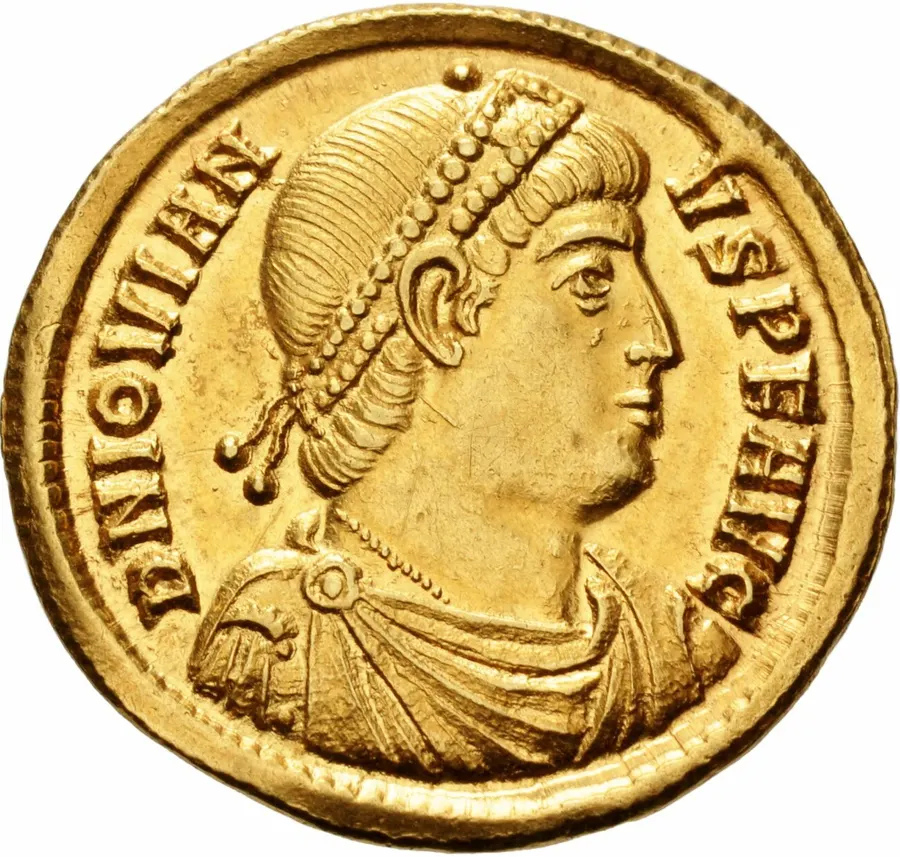 A gold solidus coin of the emperor Jovian, struck in 363-364Image:
politics · Middle East
The Roman army proclaims Jovian emperor
The emperor Julian had invaded the Persian Empire in 363, but his army was forced to retreat up the Tigris, and on 26 June he was killed in a skirmish. With the army stranded deep in Mesopotamia, the officers had to choose a successor at once. The next day the troops acclaimed Jovian, a senior officer of the imperial guard. To get his men home he agreed a humiliating peace, handing back Roman lands and cities to Persia. A Christian, he ended Julian’s attempt to revive the old pagan religion, but he died in February 364 after only eight months in power.
Source: Britannica: Jovian ↗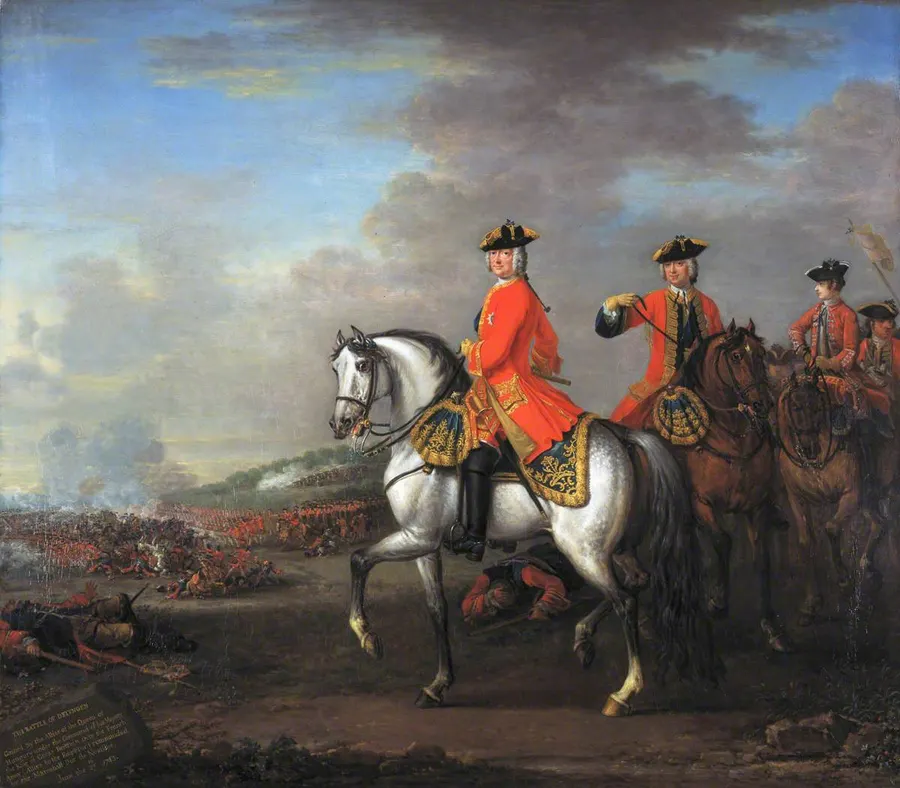 John Wootton’s painting of George II on horseback at the Battle of DettingenImage:
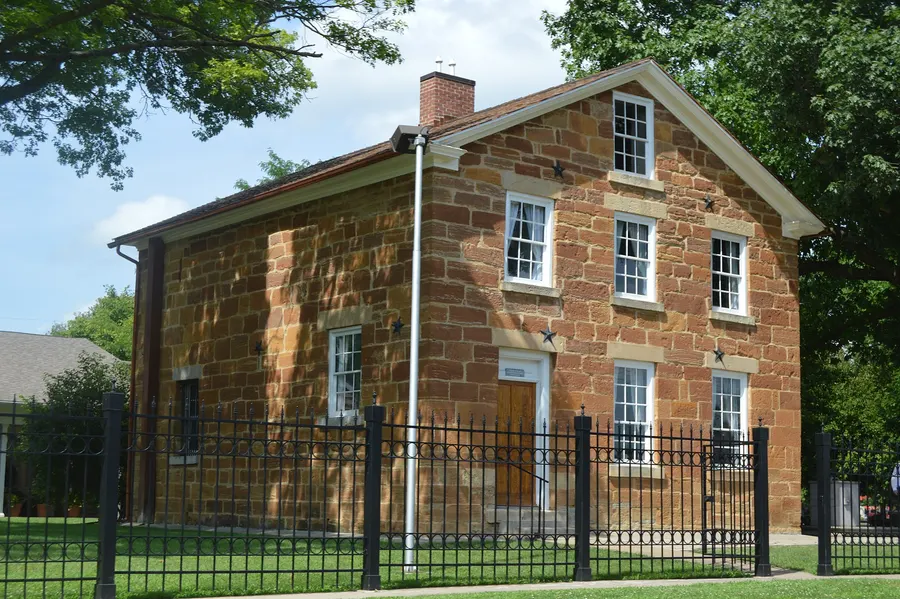 The old jail at Carthage, Illinois, where Joseph and Hyrum Smith were killedImage:
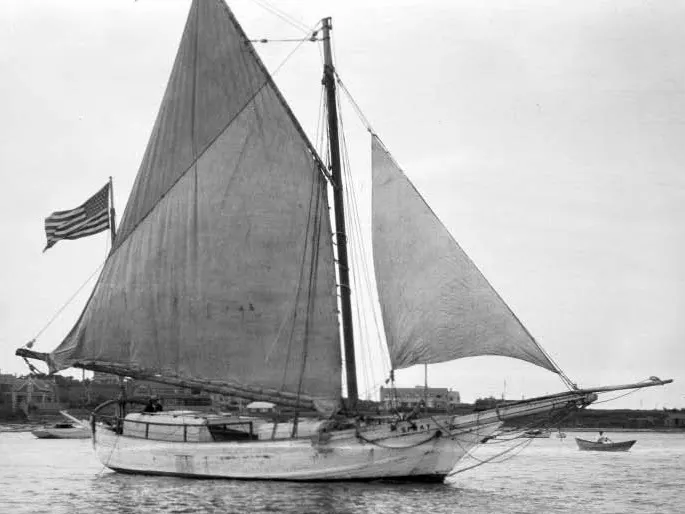 Joshua Slocum’s sloop Spray, the small boat in which he sailed alone around the worldImage:
 The battleship Potemkin at Constanța in Romania in 1905, where the mutineers finally gave up the shipImage:
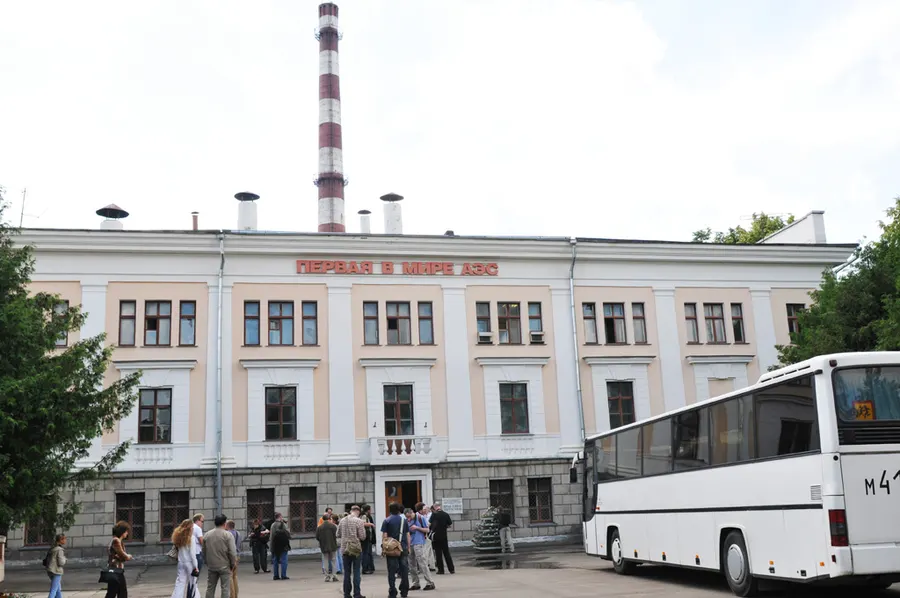 The Obninsk nuclear power station in 2009, after it closed and became a museumImage:
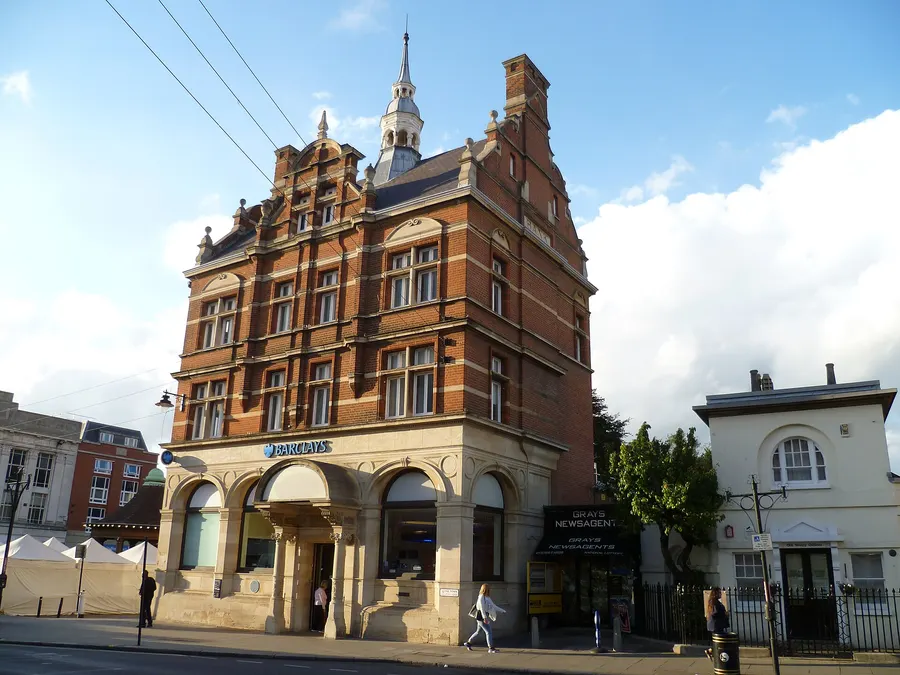 The Barclays branch in Enfield Town, north London, where the world’s first cash machine was installedImage:
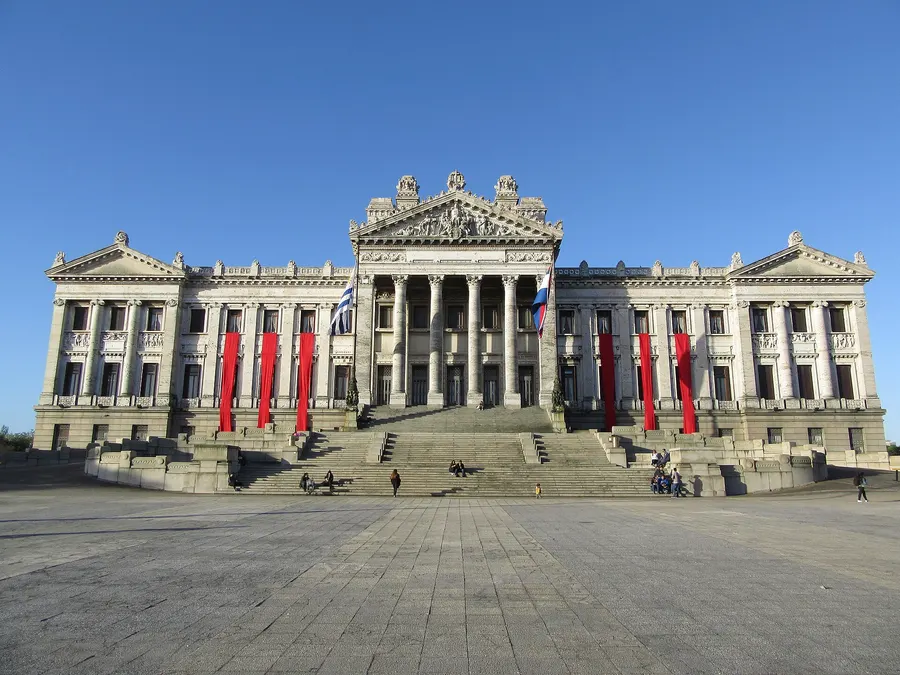 The Legislative Palace in Montevideo, home of Uruguay’s parliamentImage:
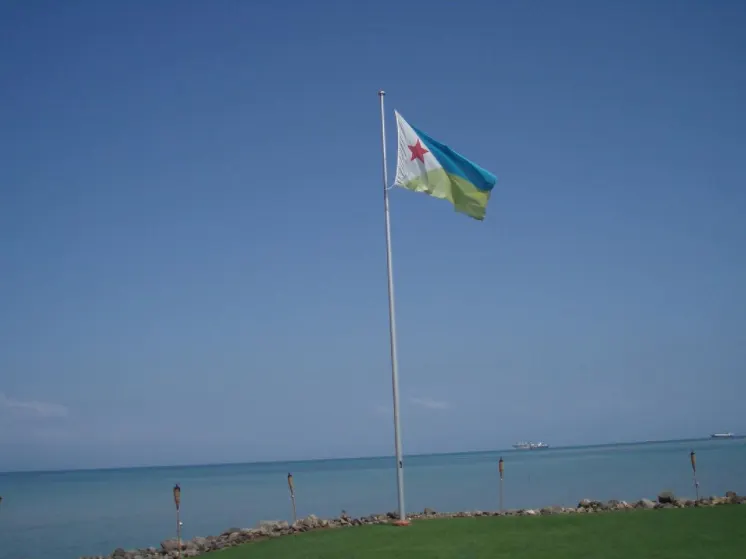 The flag of Djibouti flying beside the seaImage:
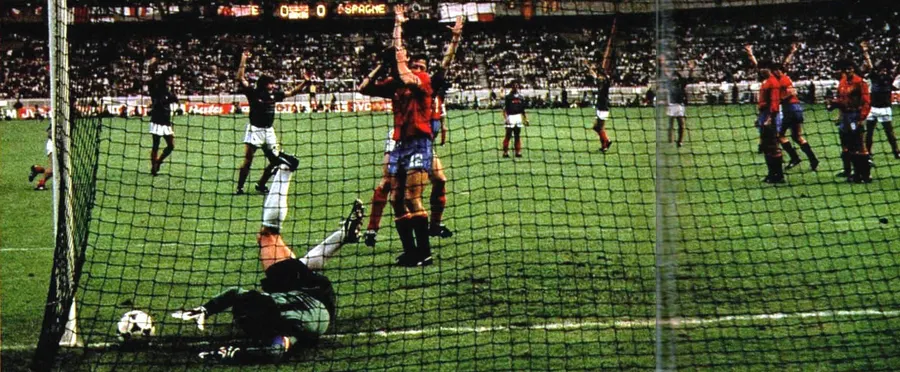 Michel Platini’s free kick goes in during the Euro 1984 final between France and SpainImage:
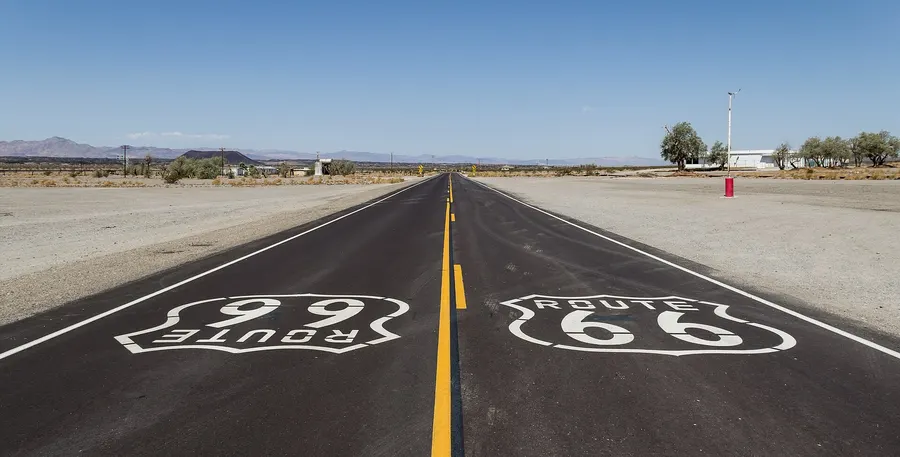 The old Route 66 near Amboy in the Mojave Desert, California, with the highway’s shield painted on the roadImage:
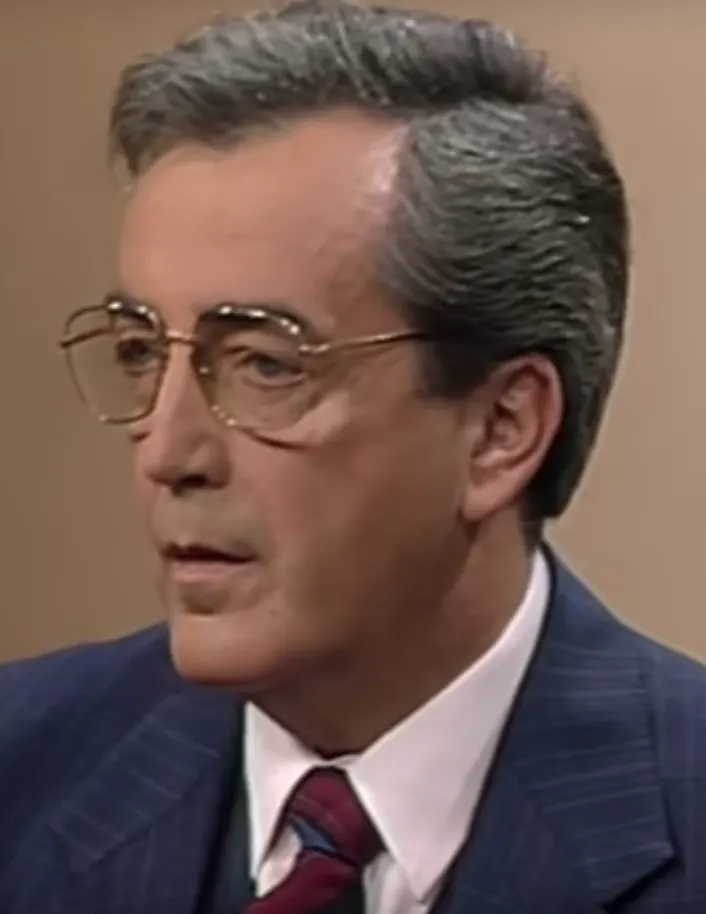 Alois Mock, Austria’s foreign minister, in 1986Image:
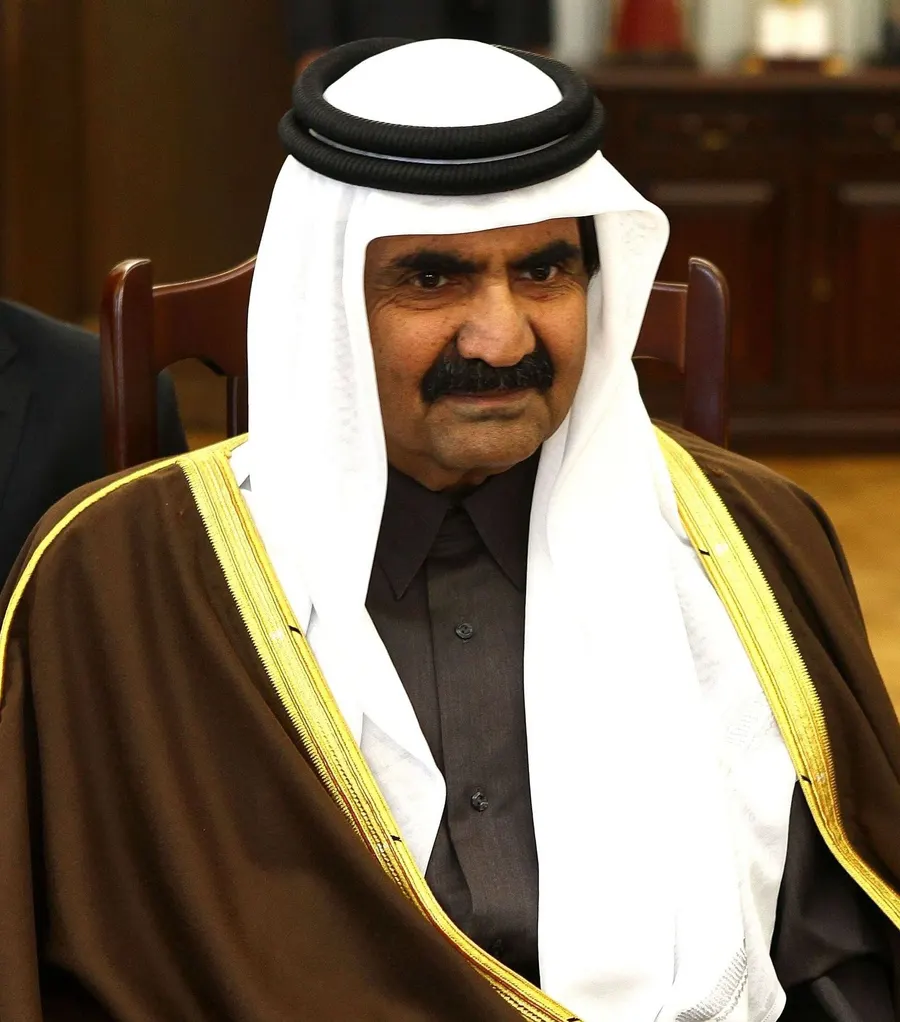 Sheikh Hamad bin Khalifa Al Thani, emir of Qatar, at the Polish Senate in 2011Image:
 The asteroid Ryugu photographed by Hayabusa2 in September 2018Image: