
HISTORY & TIMELINE
28 June

A journey through
28 June in history

The story of 28 June runs from the crusaders’ desperate sortie against Kerbogha outside Antioch in 1098 to a heavyweight title fight in Las Vegas that ended with a bitten ear in 1997. In between come the election of Charles V as emperor, Oda Nobunaga’s victory at Nagashino, the coronation of the young Queen Victoria, the first night of the ballet Giselle, a meteorite from Mars landing in Egypt, the shots in Sarajevo that led to the First World War, the treaty that formally ended it, the first paying passengers across the Atlantic by air, the Five Principles of Peaceful Coexistence, the Poznań workers’ revolt, Malcolm X’s new organisation and the Stonewall uprising.

JUMP THROUGH TIME
II
THE MIDDLE AGES

Medieval History

Kingdoms, conflict, faith, power and the changing medieval world.

1098
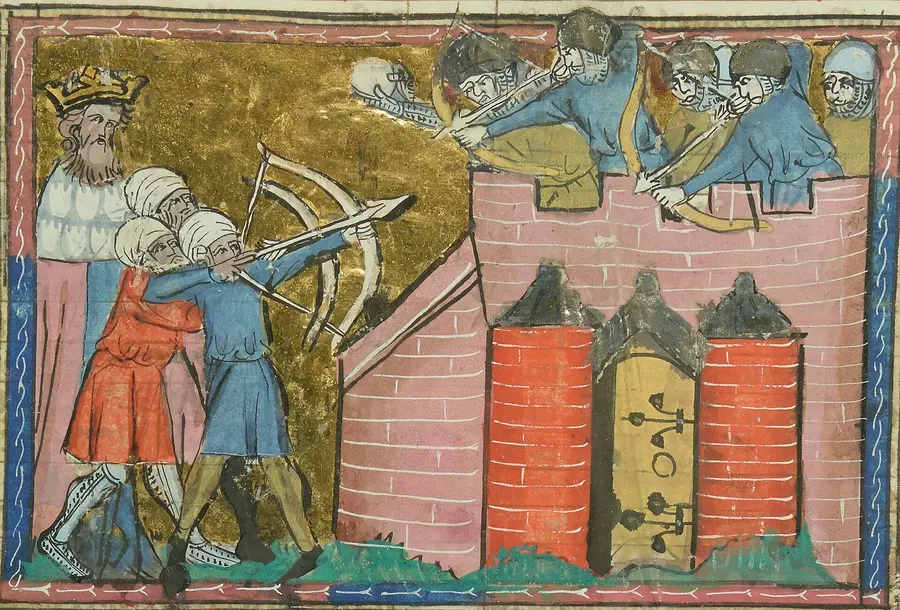
A medieval manuscript painting of Kerbogha's forces besieging Antioch, held at the time by the crusadersA medieval manuscript painting of Kerbogha’s forces besieging Antioch, held at the time by the crusadersImage: Anonymous · Public domain
world · Middle East

Crusaders break out of Antioch and rout Kerbogha’s army

The armies of the First Crusade had spent a miserable winter outside Antioch, one of the great fortified cities of northern Syria, before a traitor let them over the walls at the start of June 1098. Within days they were themselves trapped. A large relief army under Kerbogha, the Turkish governor of Mosul, arrived and shut the crusaders inside the city they had just taken, short of food and horses and with some of their leaders slipping away. Morale was restored in a strange way. A pilgrim named Peter Bartholomew claimed that visions had shown him where the lance that pierced Christ’s side lay buried, and a spearhead was dug up in the cathedral of St Peter. On 28 June the crusaders marched out to fight with the relic carried before them. Kerbogha’s coalition of emirs, divided and distrustful of him, broke up rather than stand, and the crusaders were left in possession of Antioch. The road to Jerusalem, which they would take the following year, was open.

Source: Britannica: Siege of Antioch (1097-1098) ↗
III
A CHANGING WORLD

Early Modern Era

Exploration, political change, scientific development and expanding global connections.

1519
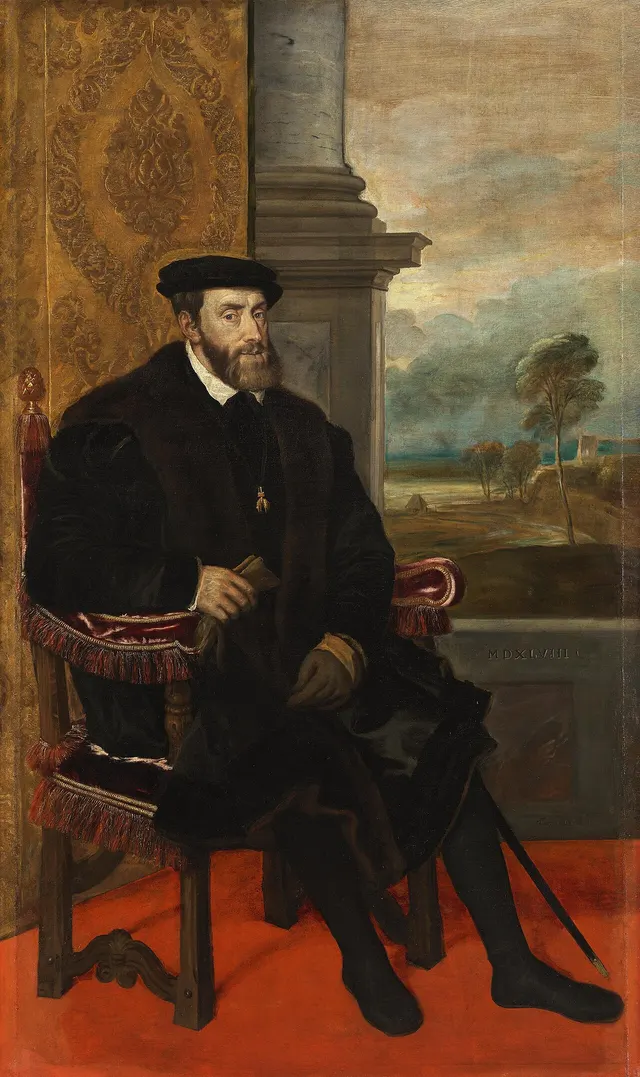
A portrait of Charles V, seated, formerly attributed to TitianA portrait of Charles V, seated, formerly attributed to TitianImage: Attributed to Titian · Public domain
politics · Europe

Charles of Spain is elected Holy Roman Emperor

When the emperor Maximilian I died in January 1519, his grandson Charles, already king of Spain and lord of the Netherlands, competed for the imperial crown against Francis I of France. Both sides spent heavily to win over the seven electors, and Charles’s campaign was largely paid for with loans from the Augsburg banking family of the Fuggers. On 28 June 1519 the electors meeting at Frankfurt chose Charles, who became Charles V and ruled the largest collection of lands in Europe since Charlemagne.

Source: Britannica: Charles V, Holy Roman emperor ↗
1575
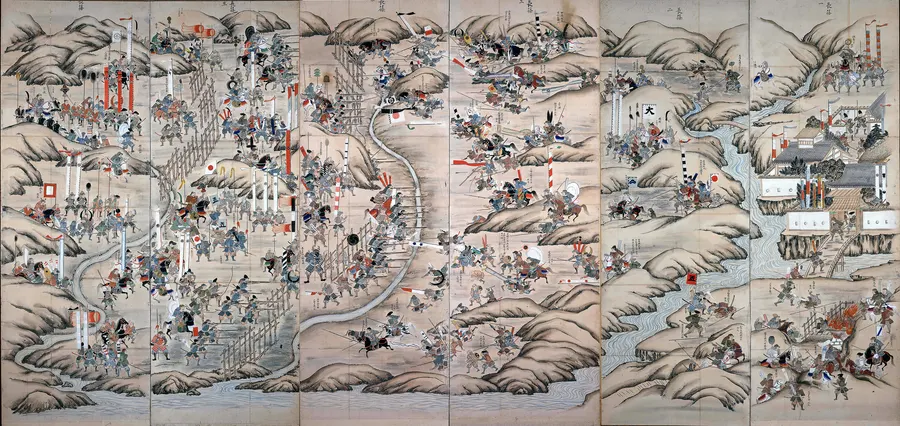
The Battle of Nagashino on a Japanese folding screen of the Edo period, painted long after the battleThe Battle of Nagashino on a Japanese folding screen of the Edo period, painted long after the battleImage: Unknown author (Edo period, circa 18th century) · Public domain
world · Asia

Oda Nobunaga’s musketeers win the Battle of Nagashino

In the spring of 1575 Takeda Katsuyori, heir to one of the most feared warrior houses in Japan, laid siege to the castle of Nagashino in Mikawa province, held for Tokugawa Ieyasu. Tokugawa called on his ally Oda Nobunaga, the warlord who was fighting to bring the country under his control, and together they marched to relieve it with an army far larger than Katsuyori’s. Nobunaga placed several thousand foot soldiers armed with matchlock guns behind a wooden palisade, and when the Takeda horsemen and infantry charged across the open ground they were cut down by the volleys. Most accounts give the date as 28 June 1575, though some give 29 June. The Takeda lost thousands of men and many of their best commanders, and never recovered. The battle became the famous example of how firearms, first brought to Japan by Portuguese traders in 1543, changed the way its wars were fought.

Source: Britannica: Battle of Nagashino ↗
IV
THE NINETEENTH CENTURY

The 1800s

Industry, empire, invention, reform and a century of enormous transformation.

1838
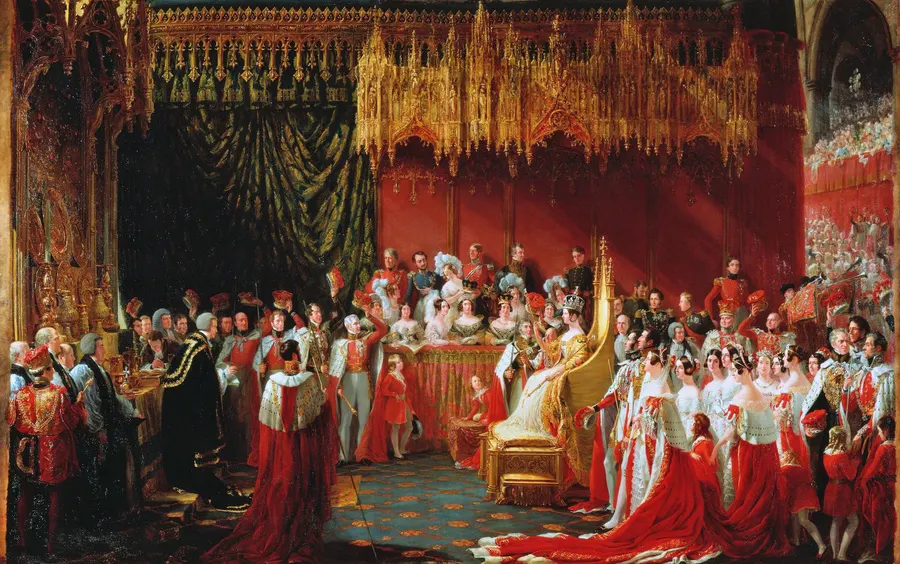
The Coronation of Queen Victoria in Westminster Abbey, 28 June 1838, painted by Sir George HayterThe Coronation of Queen Victoria in Westminster Abbey, 28 June 1838, painted by Sir George HayterImage: George Hayter · Public domain
world · Europe

Queen Victoria is crowned in Westminster Abbey

A year after coming to the throne, the 19-year-old Victoria was crowned in Westminster Abbey on 28 June 1838. The service lasted about five hours and had barely been rehearsed: the coronation ring was forced on to the wrong finger, an elderly peer, Lord Rolle, stumbled on the steps while paying homage, and a bishop told the queen the ceremony was over before it was. Crowds filled London for the procession, and Victoria went on to reign for more than 63 years.

Source: Westminster Abbey: Queen Victoria ↗
1841
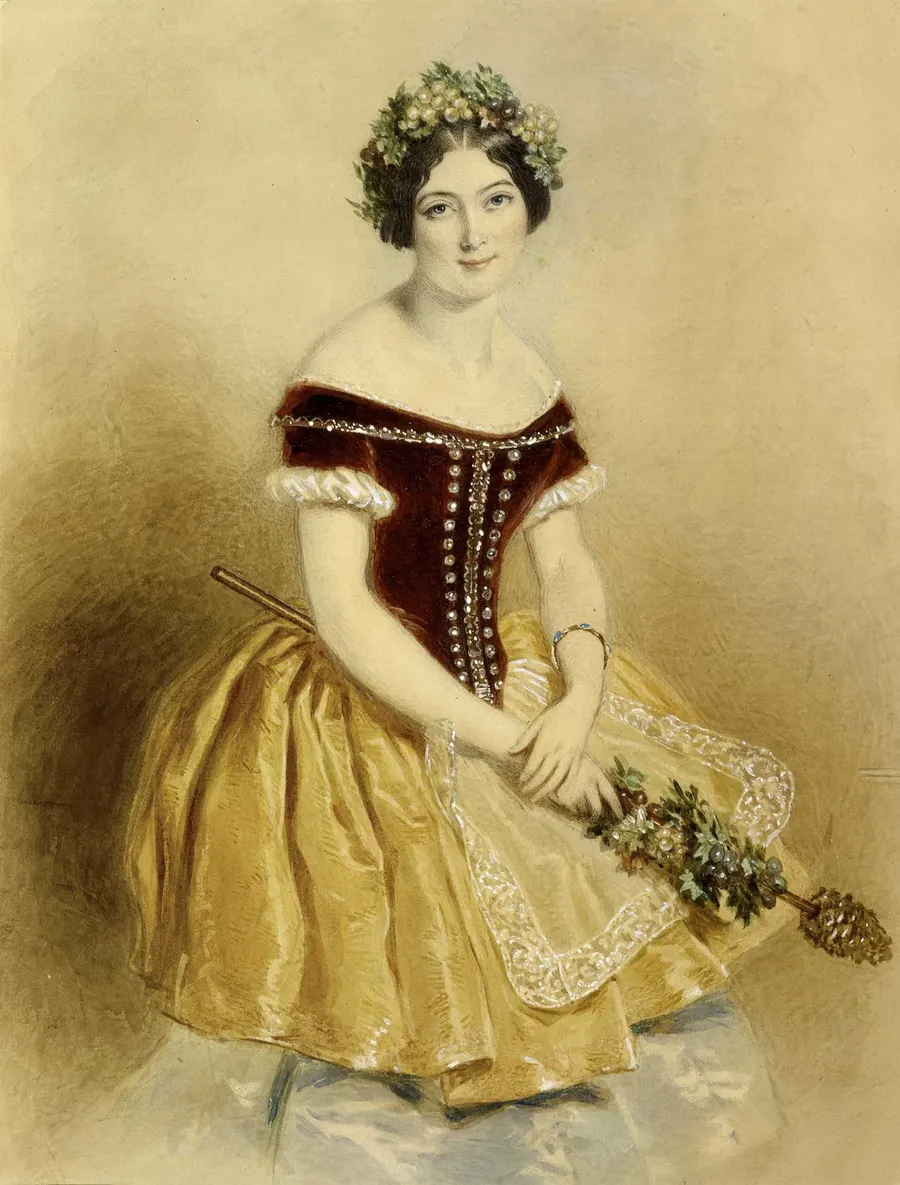
Carlotta Grisi in the title role of Giselle, in a coloured print of the 1840sCarlotta Grisi in the title role of Giselle, in a coloured print of the 1840sImage: John Henry Robinson (1796–1871), after Alfred Edward Chalon (1780-1860) · Public domain
culture · Europe

The ballet Giselle is first performed in Paris

The idea came from the poet Théophile Gautier, who had read Heinrich Heine’s retelling of a Slavic legend about the wilis, the ghosts of young women who died before their wedding day and dance men to death. Gautier imagined a village girl who dies of a broken heart after being deceived by a nobleman, then returns as a spirit to protect him from the vengeful wilis. The composer Adolphe Adam wrote the music, and the leading role was made for Carlotta Grisi, a young Italian dancer who had just joined the Paris Opéra. Giselle opened at the Paris Opéra on 28 June 1841 and was an immediate success. It reached Russia the following year, and it was there, rather than in France, that it was kept alive and reshaped through the nineteenth century. With its sunny first act and its moonlit second act of white-clad ghosts, it became the model of the Romantic ballet and is still one of the most often danced ballets in the world.

Source: Britannica: Giselle ↗
V
THE TWENTIETH CENTURY

The 1900s

War and peace, technological leaps, social change, politics, sport and popular culture.

1911
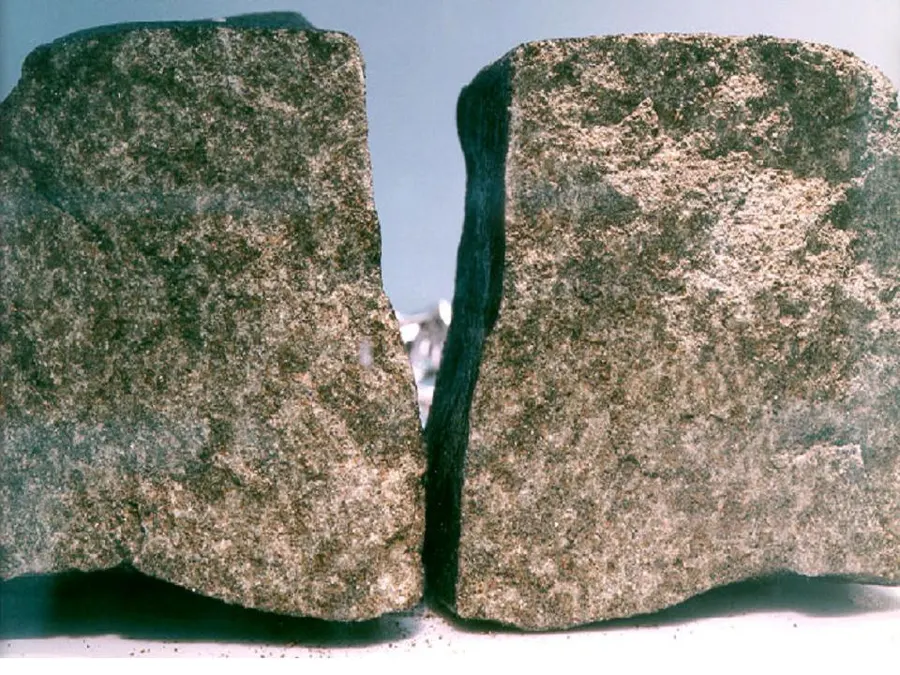
A fragment of the Nakhla meteorite, in a NASA photographA fragment of the Nakhla meteorite, in a NASA photographImage: NASA · Public domain
science · Africa

A meteorite from Mars falls near Alexandria

At about nine o’clock on the morning of 28 June 1911, people in the Nakhla district near Alexandria in Egypt saw a fireball explode in the sky. About 40 stones came down over a wide area, some burying themselves in the ground, and together they weighed around 10 kilograms. The pieces were collected and sent to museums, where they were recognised as an unusual volcanic rock. Only decades later did scientists show that Nakhla, along with a small family of similar meteorites, had come from Mars, blasted off the planet’s surface by an impact. The rock formed from lava about 1.3 billion years ago, and it contains minerals that were altered by water, making it one of the first clues that liquid water once moved through the Martian crust. Meteorites of its type are still called nakhlites after it.

Source: NASA Jet Propulsion Laboratory: The Nakhla Meteorite ↗
1914
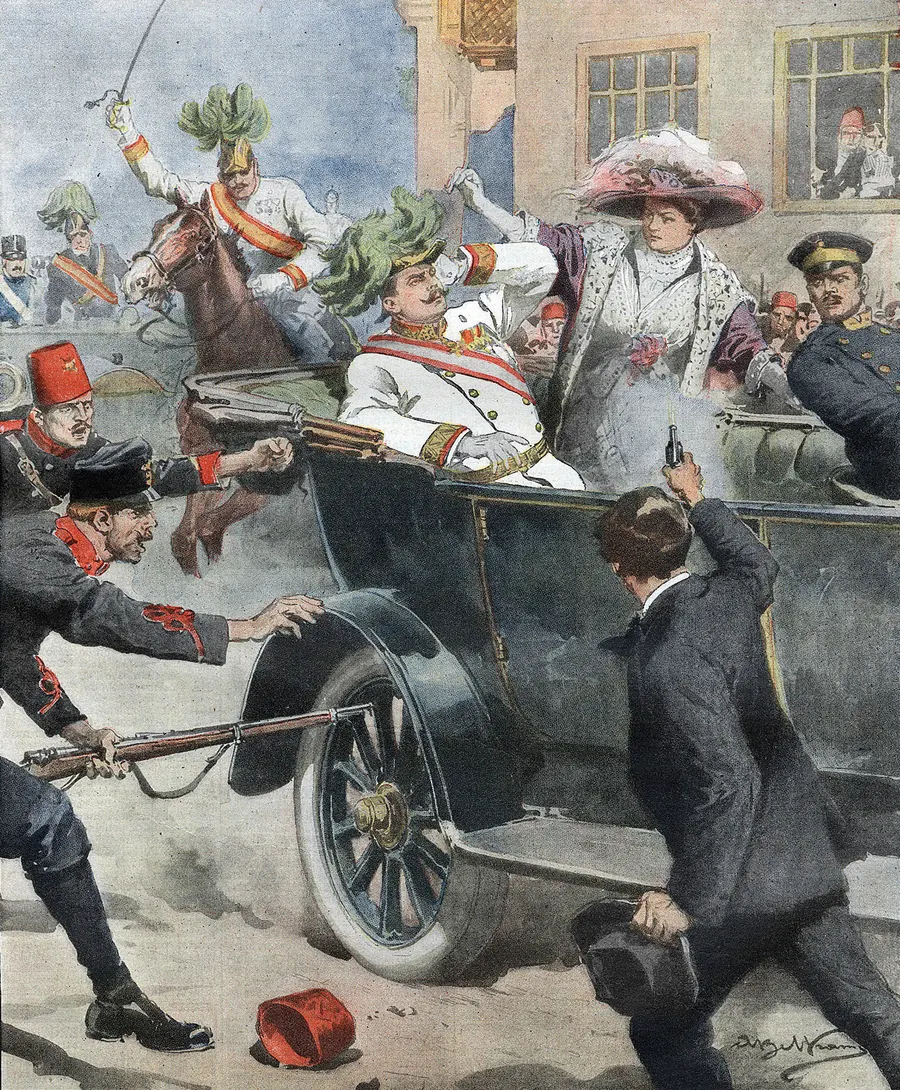
The shooting in Sarajevo as imagined by Achille Beltrame for the Italian weekly La Domenica del Corriere in July 1914The shooting in Sarajevo as imagined by Achille Beltrame for the Italian weekly La Domenica del Corriere in July 1914Image: Achille Beltrame · Public domain
politics · Europe

Archduke Franz Ferdinand is shot dead in Sarajevo

Franz Ferdinand, nephew and heir of the aged Austrian emperor Franz Joseph, went to Sarajevo in June 1914 to watch army manoeuvres in Bosnia, which Austria-Hungary had annexed six years earlier to the fury of neighbouring Serbia. Waiting for his motorcade on 28 June was a group of young Bosnian Serb nationalists, armed with help from a secret Serbian society. One of them threw a bomb that bounced off the archduke’s car and wounded people in the vehicle behind. Later that morning the archduke set off to visit the wounded in hospital. His driver took a wrong turn and stopped to reverse, just where one of the conspirators, 19-year-old Gavrilo Princip, was standing. Princip fired twice, killing Franz Ferdinand and his wife Sophie. Austria-Hungary blamed Serbia and, backed by Germany, declared war on it exactly a month later. Within days the alliances of Europe had pulled the great powers into the First World War.

Source: Britannica: Franz Ferdinand, archduke of Austria-Este ↗
1919
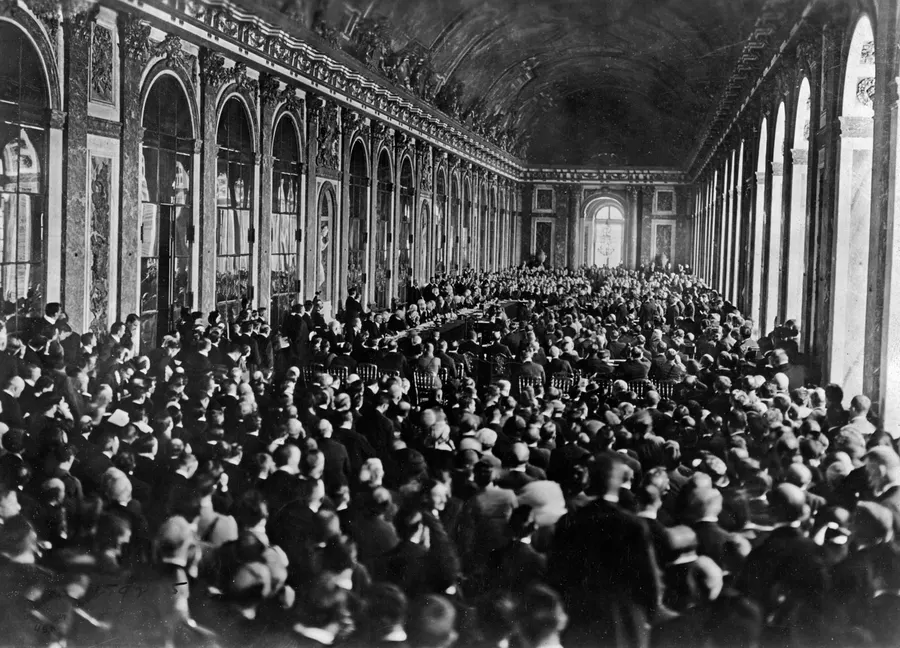
Delegates and guests crowd the Hall of Mirrors at Versailles for the signing of the treaty on 28 June 1919Delegates and guests crowd the Hall of Mirrors at Versailles for the signing of the treaty on 28 June 1919Image: Unknown · Public domain
politics · Europe

The Treaty of Versailles is signed in the Hall of Mirrors

The fighting of the First World War had stopped with the armistice of November 1918, but a formal peace took months to write. At the Paris Peace Conference the terms were shaped by the leaders of the victorious powers, above all Woodrow Wilson of the United States, Georges Clemenceau of France and David Lloyd George of Britain. The German delegation was not allowed to negotiate and, faced with the threat of renewed war, its government reluctantly agreed to sign. The place and day were chosen with care. The ceremony was held in the Hall of Mirrors at Versailles, where the German Empire had been proclaimed in 1871, on 28 June 1919, five years to the day after the shots in Sarajevo. Germany gave up territory and all its colonies, accepted strict limits on its armed forces and was required to pay reparations. The treaty also set up the League of Nations. Its terms were bitterly resented in Germany, and argument over whether they were too harsh or not harsh enough has continued ever since.

Source: Château de Versailles: The Treaty of Versailles, 1919 ↗
1939
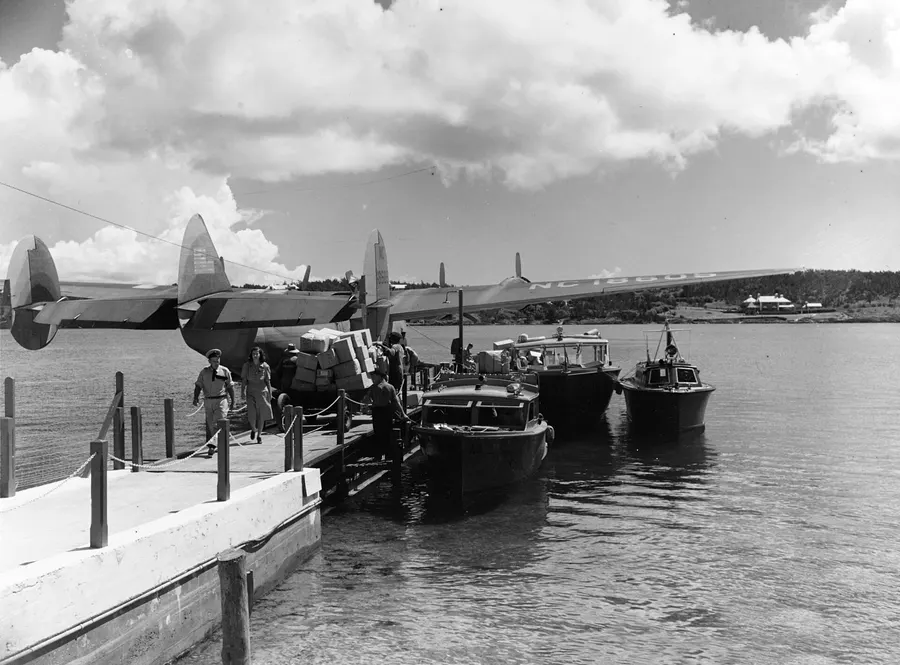
The Dixie Clipper moored at Darrell's Island, Bermuda, in September 1942, three years after the first passenger flightThe Dixie Clipper moored at Darrell’s Island, Bermuda, in September 1942, three years after the first passenger flightImage: T/4 Fred A. Courter, U.S. Army · Public domain
world · Americas

Pan Am flies the first paying passengers across the Atlantic

On 28 June 1939 the Pan American Airways flying boat Dixie Clipper, a Boeing 314, left Port Washington on Long Island carrying 22 passengers and a crew of 11. Stopping in the Azores and overnight in Lisbon, it reached Marseille on 30 June, completing the first scheduled passenger flight across the Atlantic. Its sister ship, the Yankee Clipper, had opened a transatlantic airmail service the month before. Within weeks the outbreak of the Second World War cut the route short.

Source: Smithsonian National Air and Space Museum: ‘Passenger Number One’ on Pan American’s first transatlantic flight ↗
1954
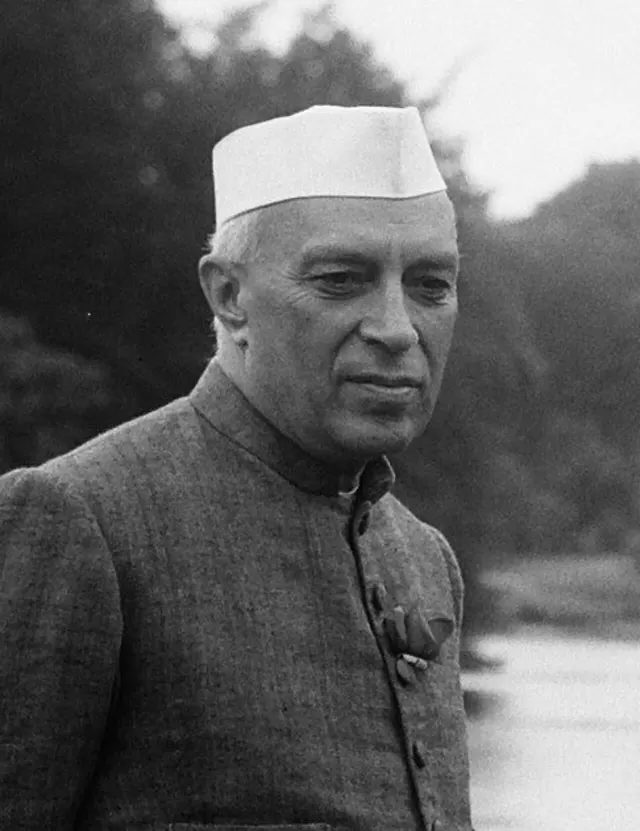
Jawaharlal Nehru, pictured on a visit to the Netherlands in 1957Jawaharlal Nehru, pictured on a visit to the Netherlands in 1957Image: Harry Pot · CC0
politics · Asia

China and India set out the Five Principles of Peaceful Coexistence

During a visit to New Delhi, the Chinese premier Zhou Enlai and the Indian prime minister Jawaharlal Nehru issued a joint statement on 28 June 1954 committing their countries to five principles: respect for each other’s territory and sovereignty, non-aggression, non-interference in internal affairs, equality and mutual benefit, and peaceful coexistence. Known in India as Panchsheel, the principles had first appeared in an agreement on trade with Tibet that April. China made a similar statement with Burma the next day, and the principles became a watchword of the non-aligned nations, though they did not prevent war between China and India in 1962.

Source: Ministry of External Affairs, Government of India: Panchsheel ↗
1964
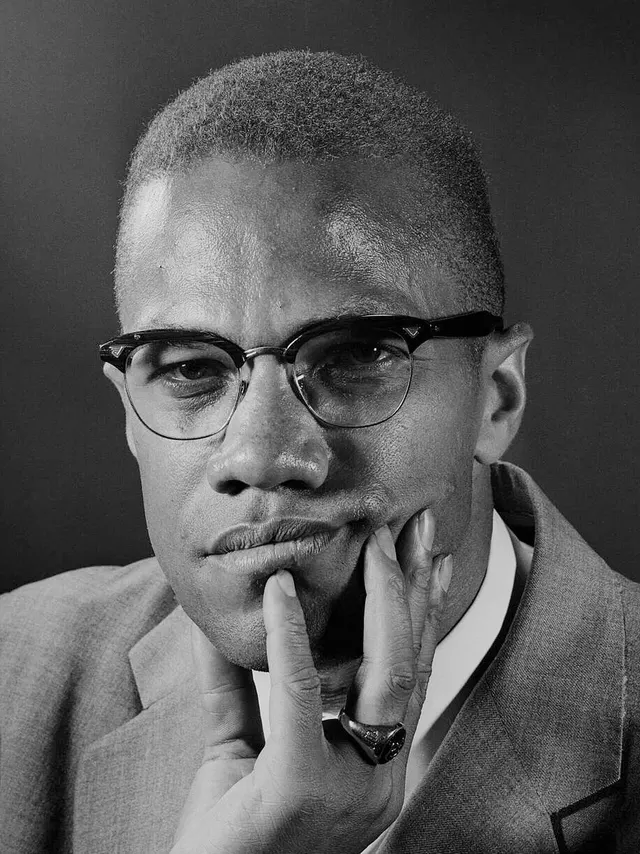
Malcolm X in a press photograph of 1964Malcolm X in a press photograph of 1964Image: Eddie Adams · Public domain
world · Americas

Malcolm X launches the Organization of Afro-American Unity

After breaking with the Nation of Islam and travelling in Africa and the Middle East, Malcolm X set out to build a secular movement that would link Black Americans with the newly independent nations of Africa. Modelled on the Organization of African Unity, the Organization of Afro-American Unity was formally founded that week, and on 28 June 1964 Malcolm X introduced it to the public at a rally at the Audubon Ballroom in Harlem. He was assassinated in the same ballroom less than eight months later.

Source: Britannica: Organization of Afro-American Unity ↗
1969
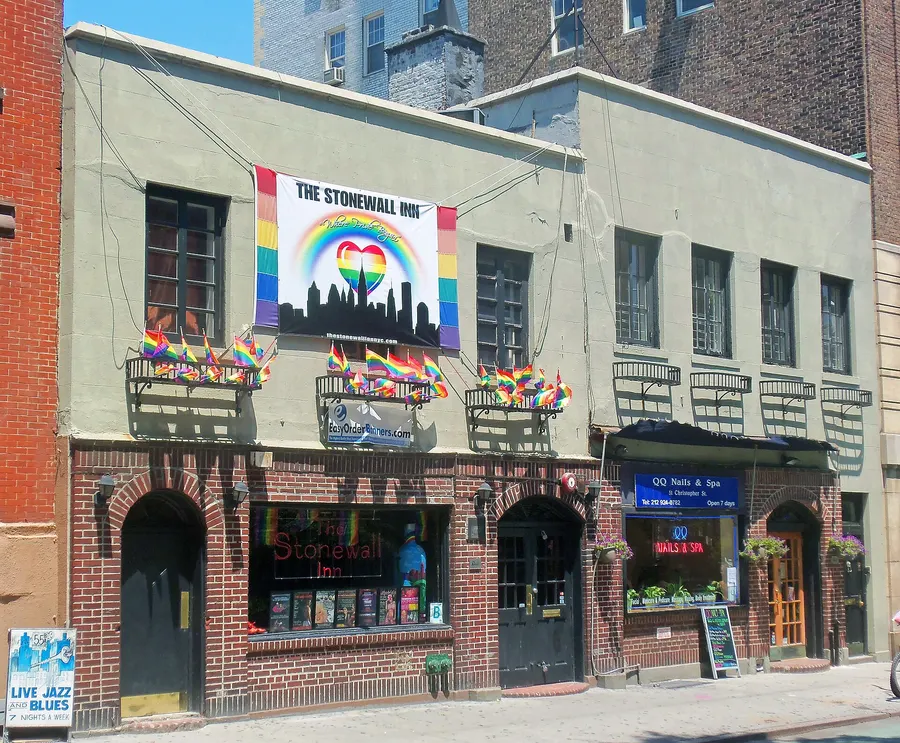
The Stonewall Inn on Christopher Street, New York, decorated for Pride in 2012The Stonewall Inn on Christopher Street, New York, decorated for Pride in 2012Image: Daniel Case · CC BY-SA 3.0
world · Americas

A police raid on the Stonewall Inn sparks an uprising

In the 1960s gay men, lesbians and transgender people in New York could be arrested for how they dressed or whom they danced with, and the bars where they met were raided often. The Stonewall Inn in Greenwich Village, run without a liquor licence, was one of the few places where they could gather openly. In the early hours of 28 June 1969 plain-clothes police officers arrived with a warrant, began questioning the customers and arrested staff and several patrons. This time the crowd that gathered outside did not melt away. People jeered at the police and threw coins, bottles and debris, and the officers ended up barricaded inside the bar. Protests and clashes went on for several nights. In the months that followed new and far more outspoken campaigning groups were founded, and on the first anniversary marchers walked from Greenwich Village in what is remembered as one of the first Pride marches. The Stonewall Inn is now at the heart of a US national monument.

Source: US National Park Service: Stonewall National Monument, history and culture ↗
1997
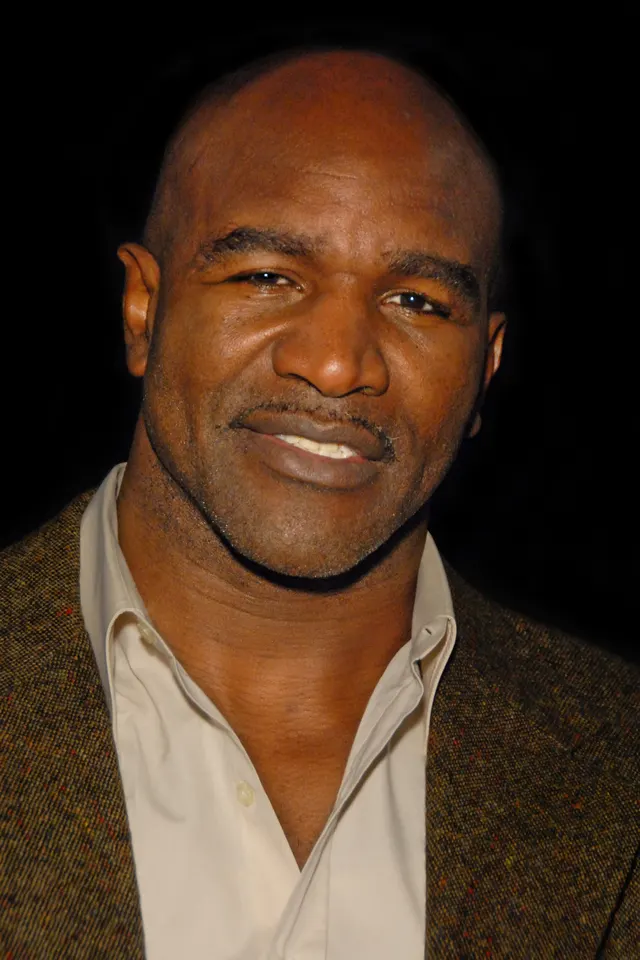
Evander Holyfield in Los Angeles in 2011Evander Holyfield in Los Angeles in 2011Image: Toglenn · CC BY-SA 3.0
sport · Americas

Mike Tyson is disqualified for biting Evander Holyfield

Evander Holyfield had taken the WBA heavyweight title from Mike Tyson in November 1996, stopping him in the eleventh round of a fight in which Tyson was the heavy favourite. Their rematch at the MGM Grand Garden Arena in Las Vegas on 28 June 1997 was one of the most anticipated and lucrative events in boxing history. In the third round, frustrated and complaining of head-butts, Tyson spat out his mouthguard in a clinch and bit Holyfield’s right ear, tearing away part of it. The referee, Mills Lane, deducted points and let the fight go on, but Tyson then bit the other ear. At the end of the round he was disqualified. Nevada’s boxing commission later fined him 3 million dollars and withdrew his licence for more than a year, and the ‘bite fight’ became one of the most notorious nights in sport.

Source: ESPN: Mike Tyson-Evander Holyfield 2, looking back at the ‘bite fight’ 25 years later ↗
RESEARCH

Sources & Further Reading

Selected authoritative references supporting the events on this page.

Britannica: Siege of Antioch (1097-1098)↗World History Encyclopedia: The Siege of Antioch, 1097-98 CE↗Britannica: Charles V, Holy Roman emperor↗Die Welt der Habsburger: Charles V and the dream of a universal monarchy↗Britannica: Battle of Nagashino↗Smithsonian National Museum of Asian Art: The Battle of Nagashino (Nagashino Gassen), folding screen↗Westminster Abbey: Queen Victoria↗Royal Collection Trust: Sir George Hayter, The Coronation of Queen Victoria in Westminster Abbey, 28 June 1838↗Britannica: Giselle↗Bibliothèque nationale de France: Giselle ou les Wilis, ballet fantastique↗NASA Jet Propulsion Laboratory: The Nakhla Meteorite↗Smithsonian Institution: Nakhla meteorite fragment↗Britannica: Franz Ferdinand, archduke of Austria-Este↗Library of Congress: Assassination of Archduke Franz Ferdinand, topics in Chronicling America↗Château de Versailles: The Treaty of Versailles, 1919↗Imperial War Museums: Treaty of Versailles↗Smithsonian National Air and Space Museum: ‘Passenger Number One’ on Pan American’s first transatlantic flight↗University of Miami Libraries: Passengers boarding the Dixie Clipper for her inaugural transatlantic flight in 1939↗Ministry of External Affairs, Government of India: Panchsheel↗Ministry of Foreign Affairs of the People’s Republic of China: Build a new international order on the basis of the Five Principles of Peaceful Coexistence↗Britannica: Organization of Afro-American Unity↗BlackPast.org: Malcolm X’s speech at the founding rally of the Organization of Afro-American Unity (1964)↗US National Park Service: Stonewall National Monument, history and culture↗Library of Congress: 1969, the Stonewall Uprising↗ESPN: Mike Tyson-Evander Holyfield 2, looking back at the ‘bite fight’ 25 years later↗Britannica: Evander Holyfield↗
WHY THESE MOMENTS?

Significance before volume

This page is not the longest possible list of events. It is a chronological journey through 28 June, where each entry is chosen for historical significance, human interest and reliability.

Facts are checked against authoritative museums, archives, universities and reference works. Where sources disagree, the page says so.

EXPLORED THE DEEPER STORY?

Return to the highlights of 28 June

Discover the lighter side of the date with famous birthdays, culture, firsts and lives remembered.

Explore This Day →
← PREVIOUS DAY27 June
HISTORY & TIMELINE28 June
NEXT DAY →29 June