
HISTORY & TIMELINE
29 June

A journey through
29 June in history

The story of 29 June runs from a crusader prince’s death at the Battle of Inab in 1149 to the first docking of an American space shuttle with the Russian station Mir in 1995. In between come the consecration of Córdoba’s mosque as a cathedral, the burning of Shakespeare’s Globe, one of the oldest surviving recordings of music, the founding charter of the Nobel prizes, the annexation of Tahiti, Hatay’s vote to join Turkey, the law that built America’s interstate highways, a Supreme Court ruling that halted executions, Seychelles independence, a promise of democracy in South Korea and Argentina’s second World Cup.

JUMP THROUGH TIME
II
THE MIDDLE AGES

Medieval History

Kingdoms, conflict, faith, power and the changing medieval world.

1149
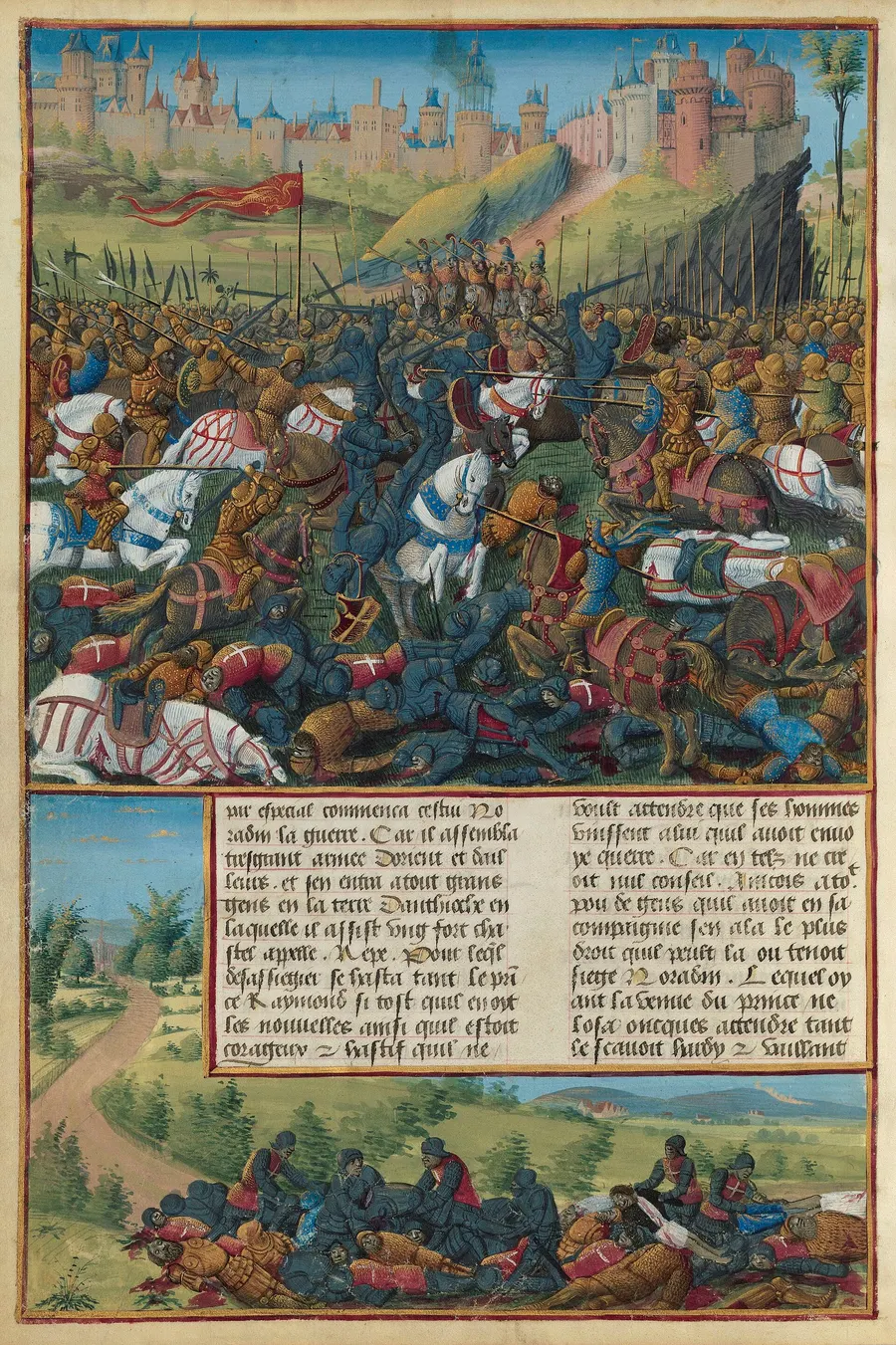
The Battle of Inab in a 15th-century French manuscript illumination by Jean ColombeThe Battle of Inab in a 15th-century French manuscript illumination by Jean ColombeImage: Jean Colombe · Public domain
world · Middle East

Raymond of Antioch is killed at the Battle of Inab

After the failure of the Second Crusade, the crusader states in Syria were left exposed to Nur al-Din, the ruler of Aleppo. Raymond of Poitiers, prince of Antioch, went out to meet his invasion and on 29 June 1149 was defeated and killed at Inab, north of Aleppo. Antioch survived, but it lost its lands east of the Orontes river, and Nur al-Din’s reputation as a champion against the crusaders grew.

Source: Britannica: Raymond, prince of Antioch ↗
1236
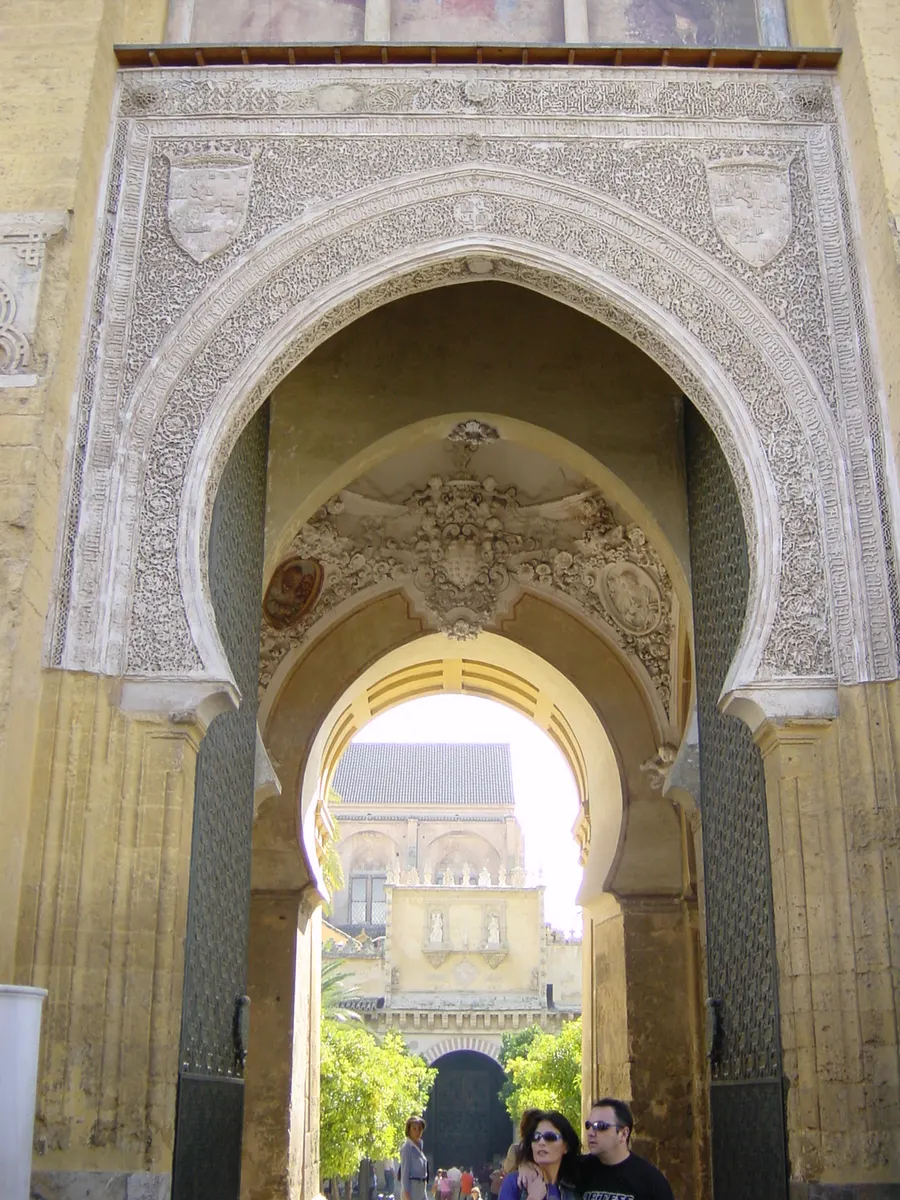
A carved horseshoe arch in the Mosque–Cathedral of Córdoba, looking out towards the later Christian buildingA carved horseshoe arch in the Mosque–Cathedral of Córdoba, looking out towards the later Christian buildingImage: Allie_Caulfield · CC BY 2.0
culture · Europe

Córdoba falls to Ferdinand III and its great mosque becomes a cathedral

For three centuries Córdoba had been the greatest city of Muslim Spain, the capital of the Umayyad caliphate, and its Great Mosque, enlarged by one ruler after another, was one of the wonders of the Islamic world. By the 1230s the caliphate was long gone, and Christian kingdoms were pushing south. In 1236 Ferdinand III, king of Castile and León, laid siege to the city. Córdoba surrendered, and on 29 June 1236, the feast of Saints Peter and Paul, the mosque was dedicated to Christian worship with a mass held in a chapel set up beneath the dome of the caliph al-Hakam II. The building was not pulled down. Its forest of striped arches survived, and in the 16th century a Renaissance cathedral was raised in its centre. It still serves as Córdoba’s cathedral today.

Source: Mosque–Cathedral of Córdoba (official site): The history ↗
III
A CHANGING WORLD

Early Modern Era

Exploration, political change, scientific development and expanding global connections.

1613
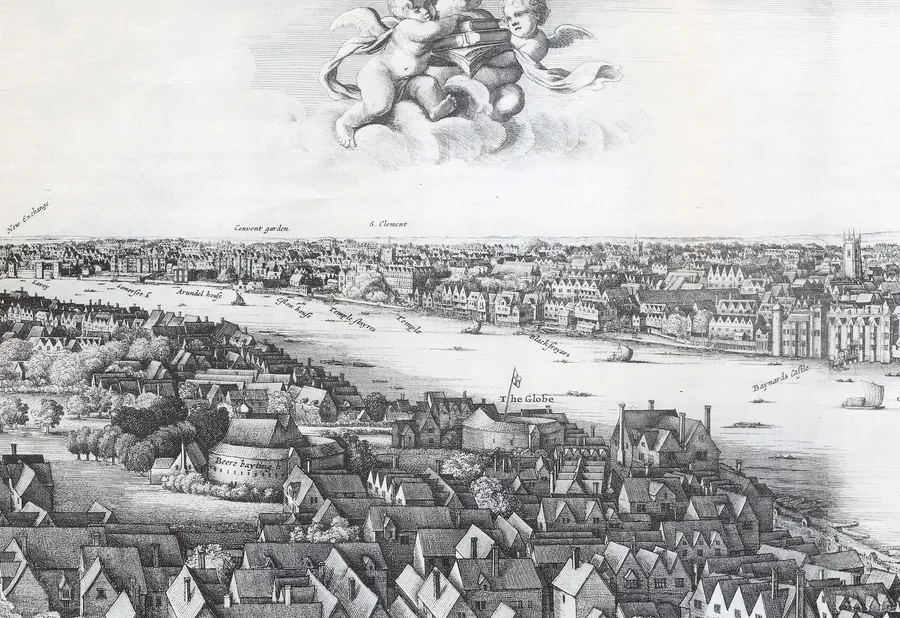
Bankside in Southwark in Wenceslaus Hollar's Long View of London (1647), with the rebuilt Globe among the playhousesBankside in Southwark in Wenceslaus Hollar’s Long View of London (1647), with the rebuilt Globe among the playhousesImage: Wenceslaus Hollar · Public domain
culture · Europe

The Globe Theatre burns down during a performance of Henry VIII

The Globe was built on Bankside, across the Thames from the City of London, in 1599 by Shakespeare’s company, the Lord Chamberlain’s Men, later the King’s Men. Many of his greatest plays were first staged there. On 29 June 1613 the company was performing a new play about Henry VIII, known at the time as All Is True. Small cannon were fired to announce the king’s arrival on stage. A piece of burning wadding lodged in the thatched roof, and while the audience watched the play the fire took hold. Within about an hour the theatre had burned to the ground. Everyone escaped; a letter by the diplomat Sir Henry Wotton says that one man’s breeches caught fire and were put out with a bottle of ale. The Globe was rebuilt the next year with a tiled roof.

Source: Shakespeare Birthplace Trust: Shakespeare’s Globe Theatre ↗
IV
THE NINETEENTH CENTURY

The 1800s

Industry, empire, invention, reform and a century of enormous transformation.

1880
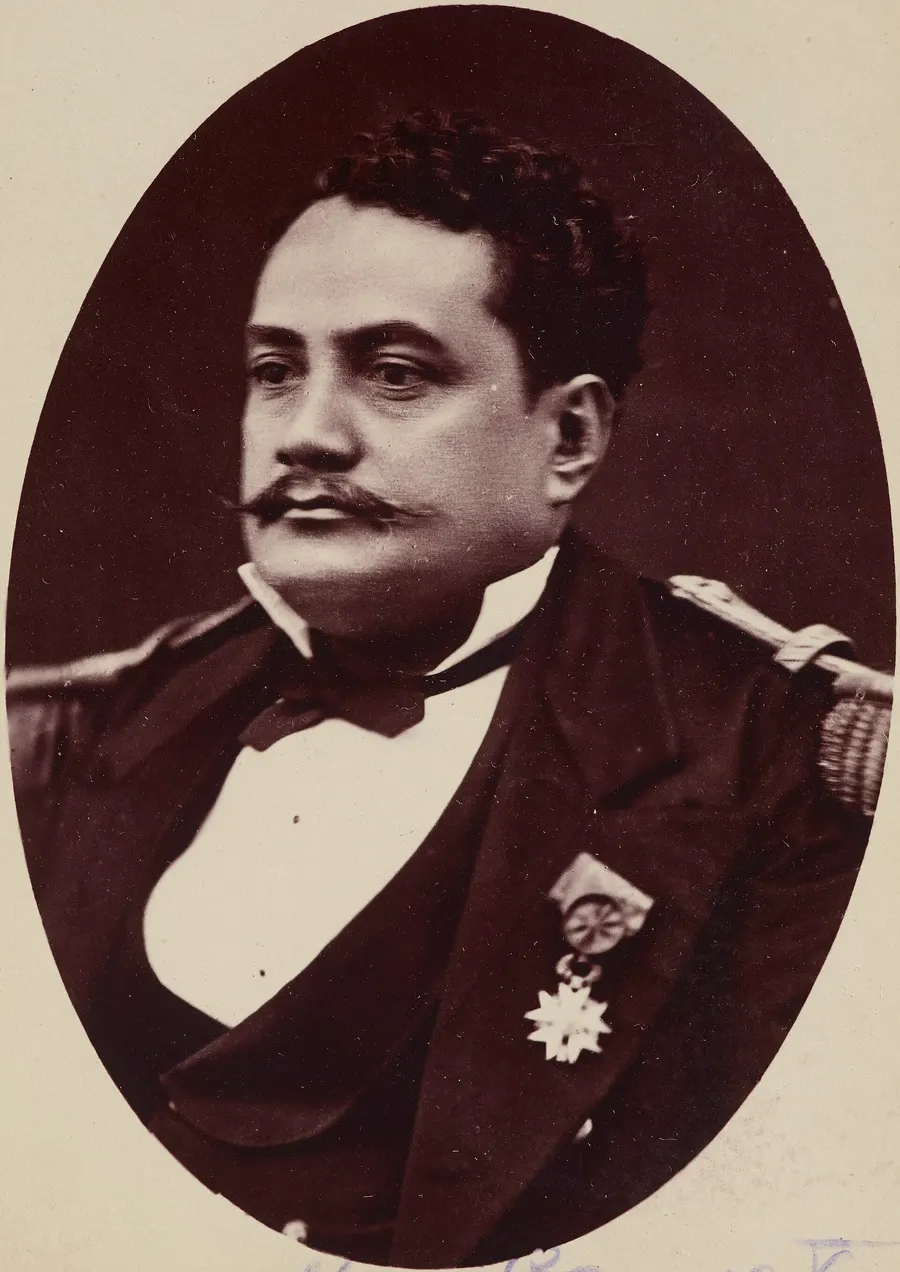
Pōmare V, the last king of Tahiti, photographed by Charles Georges SpitzPōmare V, the last king of Tahiti, photographed by Charles Georges SpitzImage: Charles Georges Spitz, photographer · Public domain
politics · Oceania

Tahiti’s last king hands his kingdom to France

France had held Tahiti as a protectorate since 1842, leaving the Pōmare dynasty on the throne while French officials held real power. Pōmare V, who became king in 1877, agreed to give up what remained of his kingdom’s independence in return for a pension and the right to keep his royal title. On 29 June 1880, in a ceremony in Papeete, the king’s spokesman read out his proclamation that Tahiti and its dependencies were now united with France. The French flag was raised to the sound of the Marseillaise and a cannon salute. Tahiti became a French colony, the centre of what were later called the French Establishments in Oceania and today French Polynesia.

Source: Archives de la Polynésie française: 29 juin 1880, Tahiti devient français ↗
1888
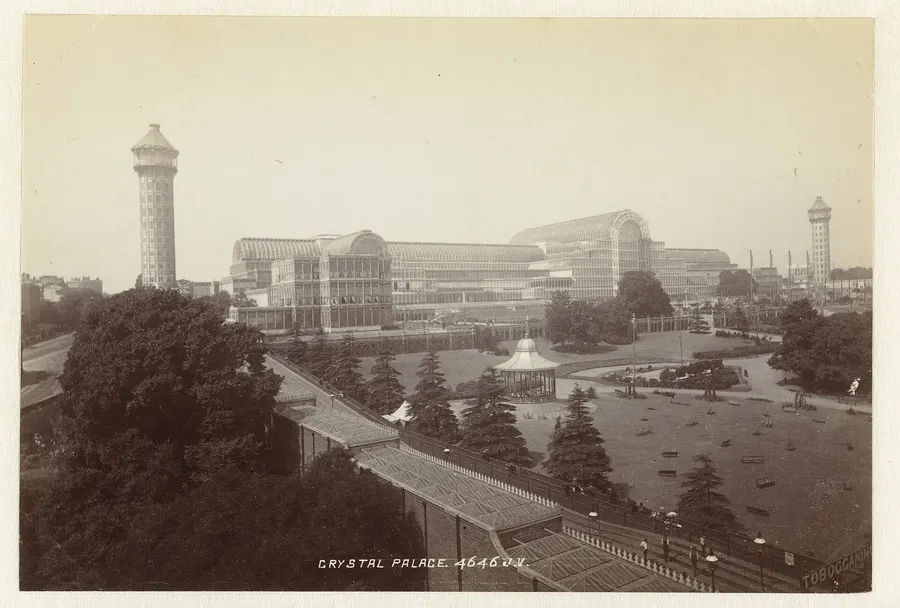
The Crystal Palace at Sydenham, where the Handel Festival was heldThe Crystal Palace at Sydenham, where the Handel Festival was heldImage: Rijksmuseum · CC0
culture · Europe

A phonograph records a Handel festival at the Crystal Palace

Thomas Edison’s improved phonograph had just reached London when his agent, Colonel George Gouraud, took it to the Handel Festival at the Crystal Palace. On 29 June 1888 his team recorded a choir of about 4,000 singing Israel in Egypt from the press gallery, around 100 yards from the stage. The faint wax cylinders, long thought to be the oldest surviving recording of music, turned up again in the 1980s and were added to the US National Recording Registry in 2016.

Source: US National Park Service, Thomas Edison National Historical Park: Very early recorded sound ↗
V
THE TWENTIETH CENTURY

The 1900s

War and peace, technological leaps, social change, politics, sport and popular culture.

1900
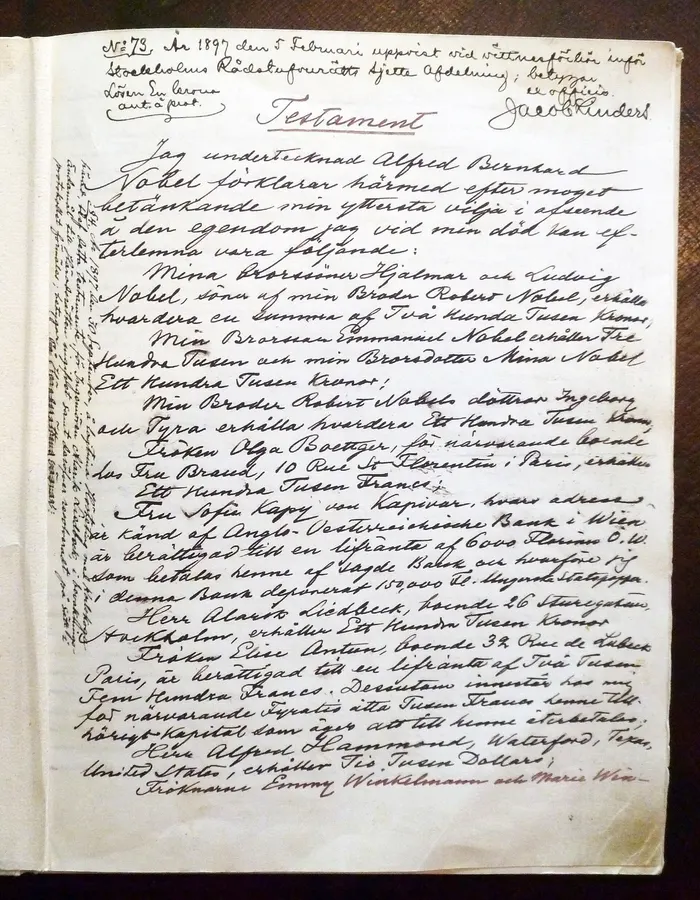
The first page of Alfred Nobel's handwritten will of 1895The first page of Alfred Nobel’s handwritten will of 1895Image: Waage · CC BY-SA 3.0
science · Europe

Sweden approves the rules of the Nobel Foundation

Alfred Nobel’s will of 1895 left most of his fortune for prizes in physics, chemistry, medicine, literature and peace, but it gave no details of how they should be run. After years of legal wrangling, the statutes of the new Nobel Foundation were approved by the King in Council in Stockholm on 29 June 1900. The foundation took over Nobel’s money, and the first prizes were presented on 10 December 1901.

Source: NobelPrize.org: The Nobel Foundation ↗
1939
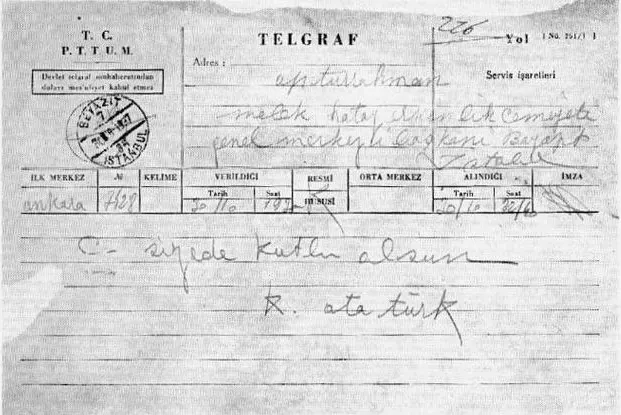
A telegram signed by Kemal Atatürk congratulating Hatay on its decisionA telegram signed by Kemal Atatürk congratulating Hatay on its decisionImage: Kemal Atatürk · Public domain
politics · Middle East

Hatay’s assembly votes to join Turkey

The district of Alexandretta, around Antakya and İskenderun, had been part of French-ruled Syria after the First World War, but Turkey claimed it. In 1938 it became the self-governing Hatay State. On 29 June 1939 its assembly voted unanimously to join the Turkish Republic and then dissolved itself. France agreed to the transfer, and the French flag came down in Antakya on 23 July 1939. Syria long refused to recognise the change.

Source: Governorship of Hatay (official site): History ↗
1956
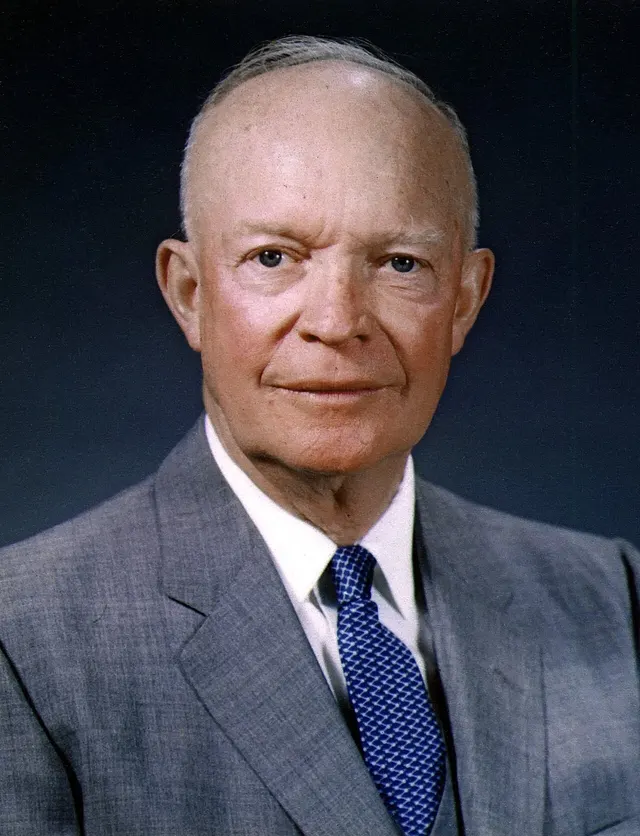
President Dwight D. Eisenhower, who signed the Federal-Aid Highway Act in 1956President Dwight D. Eisenhower, who signed the Federal-Aid Highway Act in 1956Image: White House · Public domain
politics · Americas

Eisenhower signs the law that builds America’s interstate highways

As a young army officer in 1919, Dwight Eisenhower crossed the United States with a military convoy that took two months to crawl over broken roads. During the Second World War he saw how quickly Germany’s autobahns could move traffic. As president he pushed for a national network of fast, safe highways, both for the economy and for defence. On 29 June 1956 Eisenhower signed the Federal-Aid Highway Act while recovering from surgery at Walter Reed Army Hospital, so there was no signing ceremony. The law authorised a 41,000-mile system of interstate highways, with 25 billion dollars set aside over 13 years and most of the cost met by the federal government. It became the largest public works programme in the country’s history and reshaped where Americans lived, worked and shopped.

Source: US Federal Highway Administration: June 29, 1956, a day in history ↗
1972
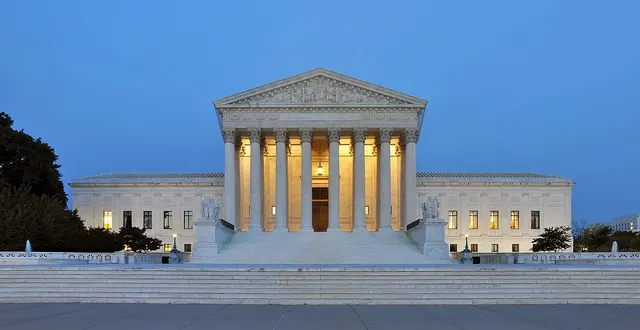
The US Supreme Court building in Washington, DCThe US Supreme Court building in Washington, DCImage: Joe Ravi · CC BY-SA 3.0
politics · Americas

The US Supreme Court halts the death penalty

In Furman v. Georgia, decided on 29 June 1972, the US Supreme Court ruled by five votes to four that the death penalty, as it was then being applied, was cruel and unusual punishment forbidden by the Constitution, because it was imposed so arbitrarily. All nine justices wrote separate opinions. The ruling voided death sentences across the country and stopped executions until 1976, when the court accepted rewritten state laws.

Source: Oyez (Legal Information Institute, Cornell and Justia): Furman v. Georgia ↗
1976
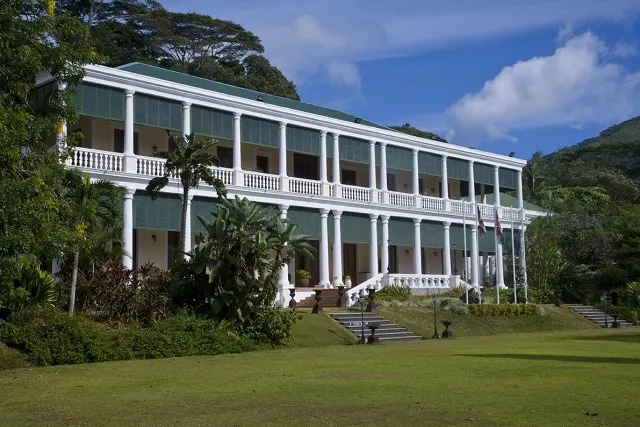
State House in Victoria, the seat of the presidency of the SeychellesState House in Victoria, the seat of the presidency of the SeychellesImage: Gerard Larose, Seychelles Tourism Board · CC BY 4.0
politics · Africa

The Seychelles become independent

The Seychelles, a scattering of more than a hundred islands in the Indian Ocean, were settled by the French in the 18th century and taken by Britain during the Napoleonic Wars. For decades they were governed from Mauritius, becoming a separate British colony only in 1903. After the Second World War two parties grew up: James Mancham’s Democratic Party and France-Albert René’s more radical People’s United Party. In 1975 the two leaders formed a coalition, and on 29 June 1976 the islands became an independent republic within the Commonwealth, with Mancham as president and René as prime minister. The partnership did not last: a year later, while Mancham was abroad, René took power in a coup. Independence Day, 29 June, is today the Seychelles’ National Day.

Source: Britannica: History of Seychelles ↗
1986
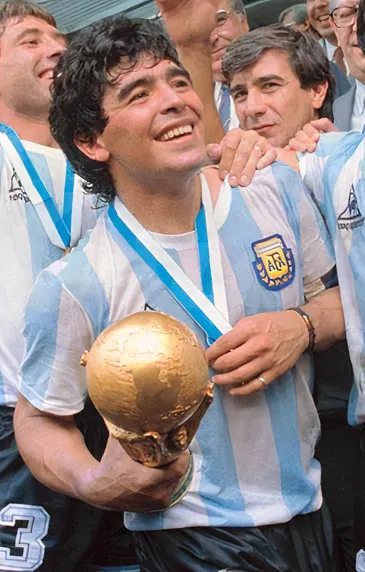
Diego Maradona holds the World Cup trophy as Argentina celebrate in 1986Diego Maradona holds the World Cup trophy as Argentina celebrate in 1986Image: Unknown authorUnknown author · Public domain
sport · Americas

Argentina beat West Germany to win the World Cup

The 1986 World Cup in Mexico belonged to Diego Maradona, Argentina’s captain, whose goals against England and Belgium had carried his side to the final. There they met West Germany in front of about 114,000 people at the Estadio Azteca in Mexico City on 29 June. José Luis Brown headed Argentina in front and Jorge Valdano made it 2–0 early in the second half. West Germany fought back, with Karl-Heinz Rummenigge and Rudi Völler scoring from corners to level at 2–2 with eight minutes left. Three minutes later Maradona slipped a pass through to Jorge Burruchaga, who ran clear to score the winner. Argentina had won their second World Cup, and Maradona was named the tournament’s best player.

Source: FIFA: Argentina beat West Germany in Maradona’s World Cup ↗
1987
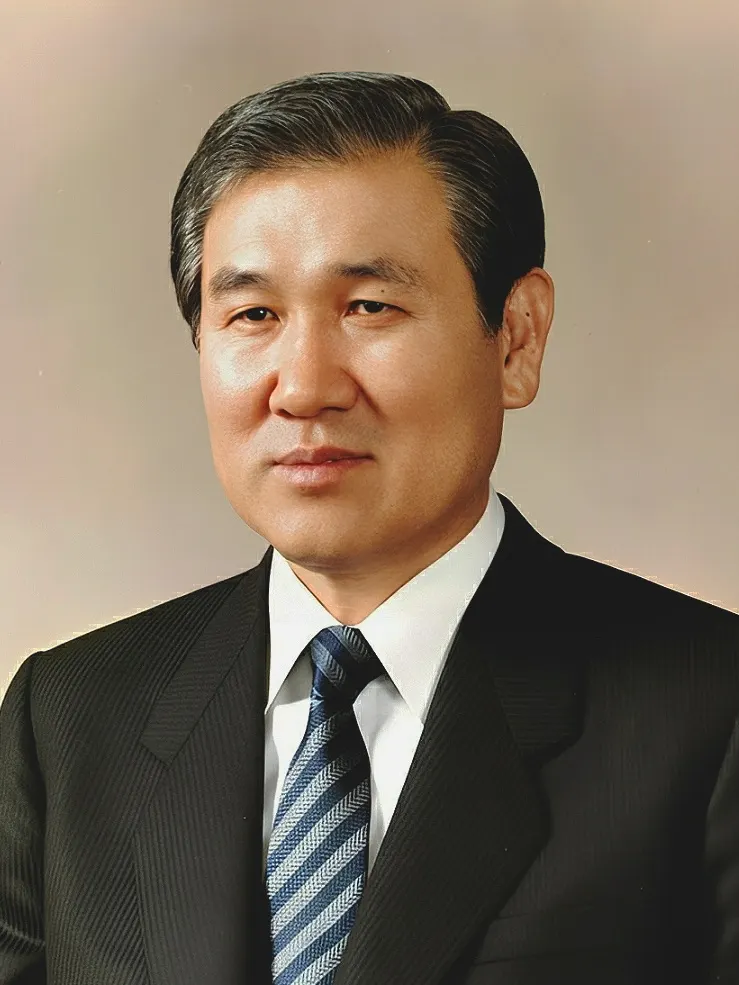
Roh Tae-woo in his official portrait as president of South KoreaRoh Tae-woo in his official portrait as president of South KoreaImage: Korea.net / Korean Culture and Information Service · CC BY-SA 2.0
politics · Asia

South Korea’s ruling party gives way to demands for democracy

In 1987 South Korea was ruled by President Chun Doo-hwan, a general who had seized power in 1979–80, and the president was chosen indirectly by an electoral college his party controlled. When Chun named his fellow general Roh Tae-woo as his successor and refused to change the system, students, workers and office staff poured into the streets in weeks of protests across the country. On 29 June 1987 Roh unexpectedly announced that he accepted the main demands: direct election of the president, freedom for political prisoners and more freedom of the press. A new constitution followed, and in December South Koreans chose their president by direct popular vote. With the opposition vote split between three candidates, Roh himself won with about 36 per cent, but the declaration is remembered as the moment Korea turned towards democracy.

Source: Britannica: South Korea, history ↗
1995
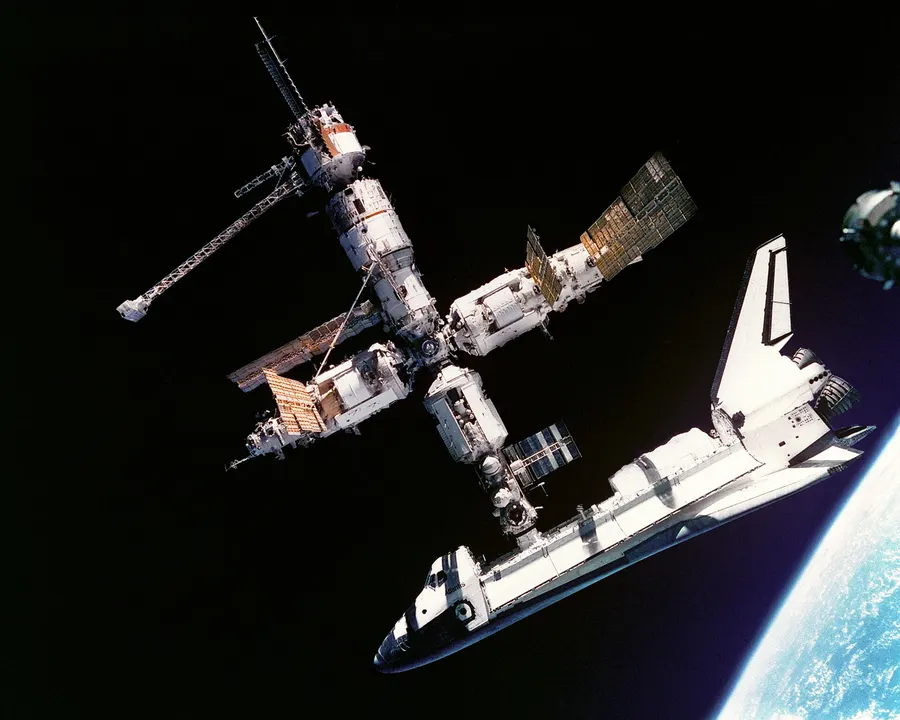
The space shuttle Atlantis docked to the Mir space station, photographed by the Mir-19 crew from their Soyuz in July 1995The space shuttle Atlantis docked to the Mir space station, photographed by the Mir-19 crew from their Soyuz in July 1995Image: NASA · Public domain
science · Global

An American space shuttle docks with Russia’s Mir station

For most of the Cold War the American and Soviet space programmes were rivals. By the 1990s they were becoming partners, and the space shuttle Atlantis was launched on 27 June 1995 to link up with the Russian space station Mir. On board were five Americans and two Russian cosmonauts, Anatoly Solovyev and Nikolai Budarin, who were to take over the station. On 29 June Atlantis closed in on Mir from directly below and docked, forming the largest spacecraft yet put into orbit. For five days the crews worked together on experiments and moved equipment between the two craft. When Atlantis undocked it brought home the Mir-18 crew, including the American astronaut Norman Thagard, the first crew exchange of the shuttle programme. It was the first of eleven shuttle visits to Mir, the rehearsal for the International Space Station.

Source: NASA: STS-71 ↗
RESEARCH

Sources & Further Reading

Selected authoritative references supporting the events on this page.

WHY THESE MOMENTS?

Significance before volume

This page is not the longest possible list of events. It is a chronological journey through 29 June, where each entry is chosen for historical significance, human interest and reliability.

Facts are checked against authoritative museums, archives, universities and reference works. Where sources disagree, the page says so.

EXPLORED THE DEEPER STORY?

Return to the highlights of 29 June

Discover the lighter side of the date with famous birthdays, culture, firsts and lives remembered.

Explore This Day →
← PREVIOUS DAY28 June
HISTORY & TIMELINE29 June
NEXT DAY →30 June