Explore 16 June

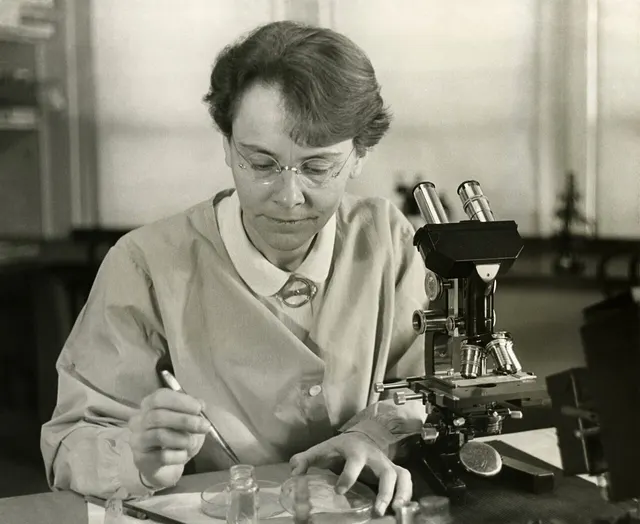
Explore 16 June: Henry VII wins the last battle of the Wars of the Roses at Stoke, England and Portugal sign the alliance that still stands, Sun Yat-sen opens the Whampoa Military Academy and the schoolchildren of Soweto march against Afrikaans. Born today: Barbara McClintock, Roberto Durán and Tupac Shakur.

This day through time →14 verified events across 4 eras

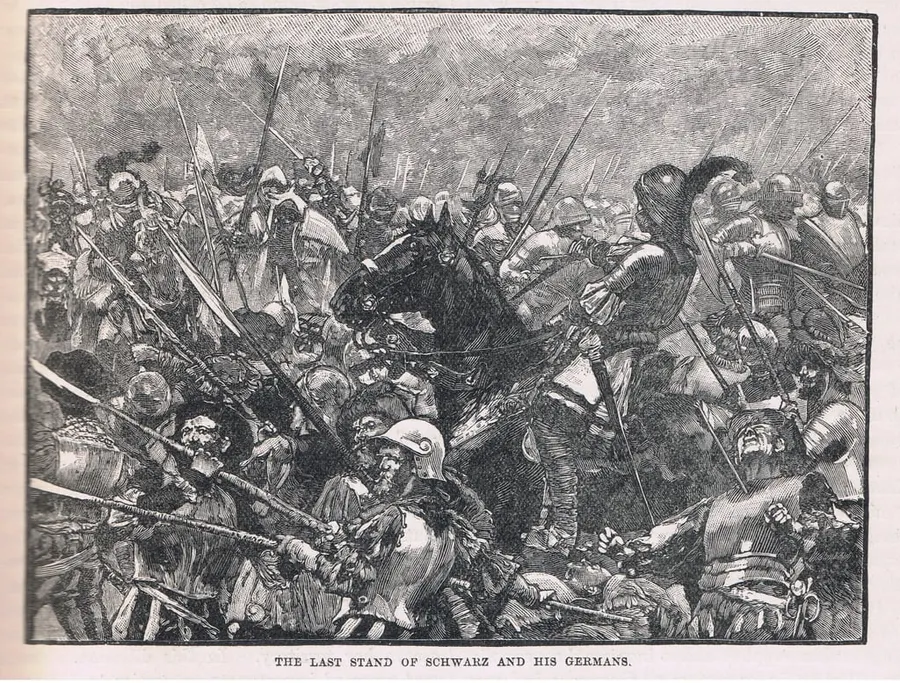
The last stand of Martin Schwarz and his German mercenaries at Stoke, an illustration by Henry Marriott Paget from around 1910
Image creditUnknown author · Public domainResized and cropped for display.

Henry VII wins the last battle of the Wars of the Roses

Henry Tudor had taken the English crown at Bosworth in 1485, but the Yorkist cause was not finished. Its leaders found an unlikely figurehead in Lambert Simnel, a boy of about ten from Oxford who was passed off as Edward, Earl of Warwick, the nephew of Edward IV. Backed by Edward IV’s sister Margaret, Duchess of Burgundy, and by John de la Pole, Earl of Lincoln, a genuine Yorkist claimant, the boy was proclaimed king in Ireland. In June 1487 his supporters landed in Lancashire with Irish troops and about 2,000 German mercenaries under Martin Schwarz.

They marched south and took up a strong position on high ground near the village of East Stoke in Nottinghamshire. On the morning of 16 June 1487 the royal army, its vanguard led by the Earl of Oxford, attacked. The fighting lasted some hours and Henry’s victory was complete: Lincoln and Schwarz were killed along with many of their men, and Simnel was captured. Henry spared the boy, judging him a puppet, and put him to work in the royal kitchens. Stoke Field was the last pitched battle between the rival houses, and it secured the Tudor dynasty.

Read the full storyHistory & Timeline →Source: Britannica: Battle of Stoke ↗
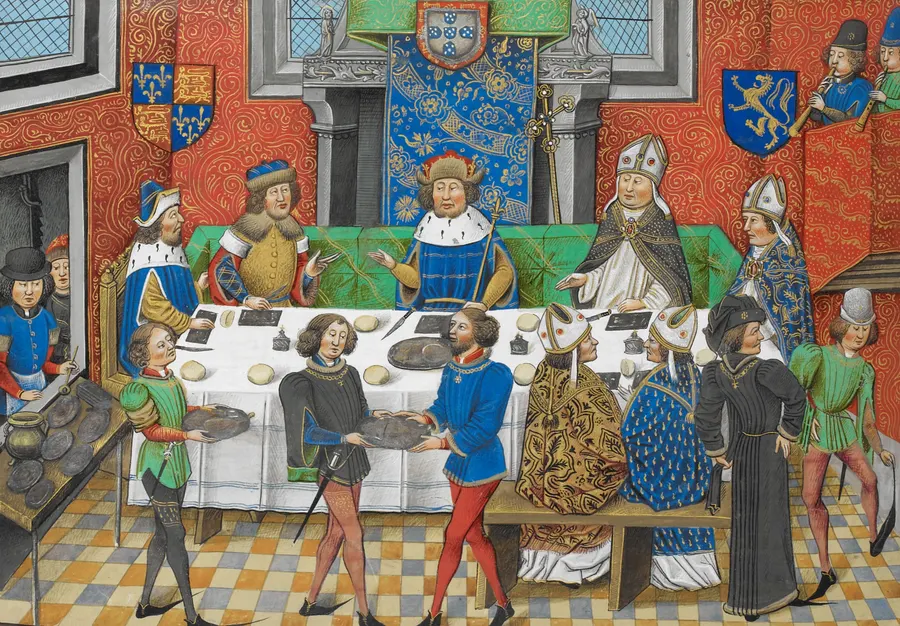
John of Gaunt dining with the King of Portugal, a late 15th-century miniature from Jean de Wavrin's chronicle of England
John of Gaunt dining with the King of Portugal, a late 15th-century miniature from Jean de Wavrin’s chronicle of England
Image creditJean de Wavrin; Seigneur de Forestel · Public domainResized and cropped for display.

England and Portugal sign the world’s oldest alliance

In the 1370s the Hundred Years’ War between England and France had spread into the Iberian peninsula, where the two sides backed rival claimants to the throne of Castile. Portugal, wary of its powerful Castilian neighbour, looked to England for support, and England wanted a friend on the far side of Castile.

On 16 June 1373, in London, envoys agreed a treaty between Edward III of England and King Ferdinand and Queen Eleanor of Portugal, pledging the two kingdoms to peace, friendship and alliance. It was renewed in the Treaty of Windsor of 1386 and sealed by the marriage of John of Gaunt’s daughter Philippa to King John I of Portugal. Reaffirmed many times since, and invoked by Britain during the Second World War to use bases in the Azores, it is the oldest alliance in the world still in force. An original copy is kept at The National Archives in Kew.

Read the full storyHistory & Timeline →Source: GOV.UK: UK and Portugal celebrate the world’s longest diplomatic alliance ↗
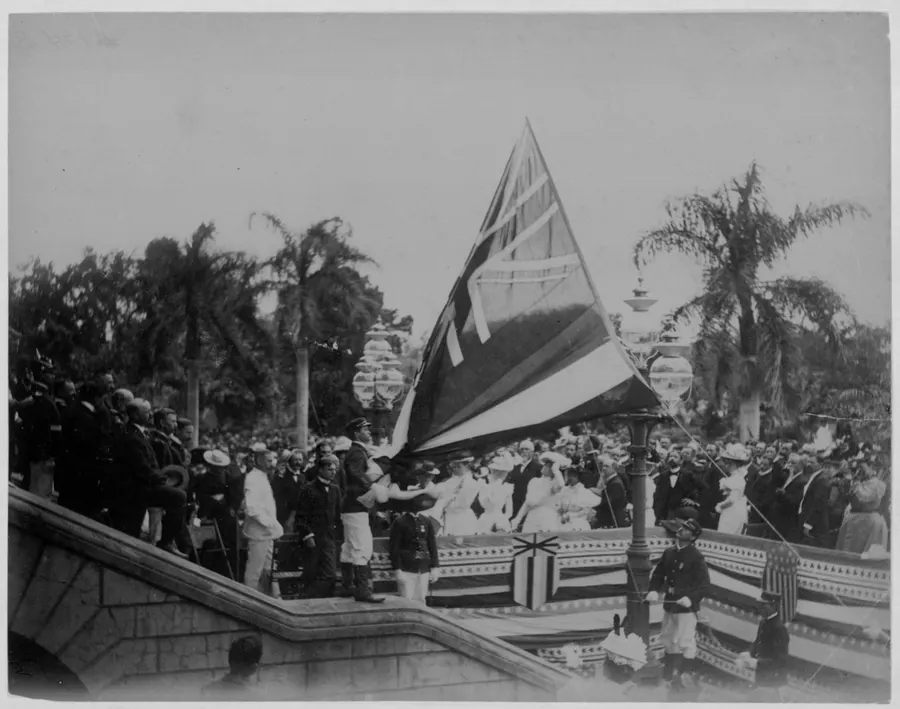
Crowds at ʻIolani Palace in Honolulu as the Hawaiian flag is lowered at the annexation ceremony of August 1898
Image creditFrank Davey · Public domainResized and cropped for display.

A treaty is signed to annex Hawaii to the United States

In 1893 a group of American-born businessmen, backed by US marines, overthrew Queen Liliʻuokalani and set up a provisional government that soon became the Republic of Hawaii. Its leaders wanted the islands joined to the United States, but President Grover Cleveland refused. His successor, William McKinley, took a different view.

On 16 June 1897 McKinley and three representatives of the Republic of Hawaii, Lorrin Thurston, Francis Hatch and William Kinney, signed a treaty of annexation, which went to the Senate for ratification. Native Hawaiians organised against it: the groups Hui Aloha ʻĀina and Hui Kālaiʻāina gathered more than 21,000 signatures on petitions opposing annexation, which were taken to Washington. The treaty never won the two-thirds majority it needed. But in 1898, during the war with Spain, Congress annexed Hawaii by a joint resolution instead, and McKinley signed it on 7 July.

Read the full storyHistory & Timeline →Source: US National Archives: The 1897 Petition Against the Annexation of Hawaii ↗
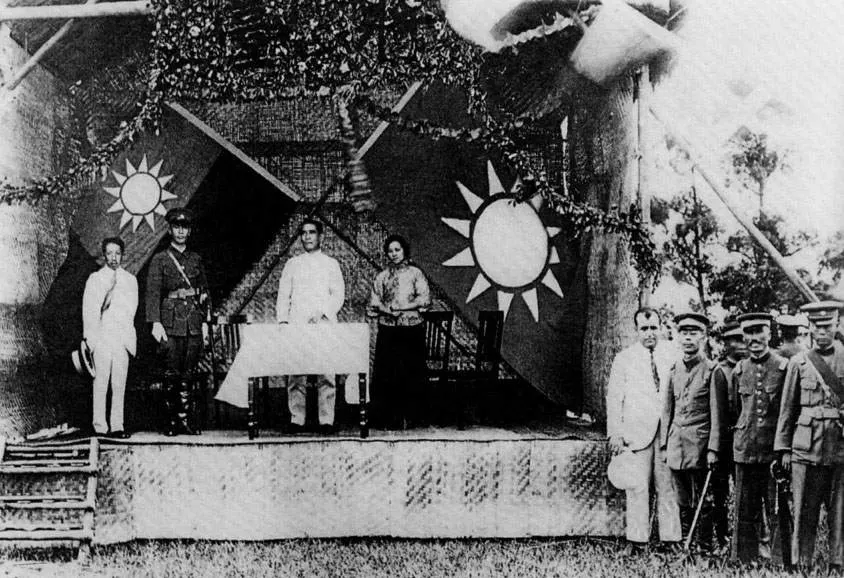
Sun Yat-sen, with Chiang Kai-shek, Liao Zhongkai and Soong Ching-ling, at the opening ceremony of the Whampoa Military Academy on 16 June 1924
Image creditUnknown photographer · Public domainResized and cropped for display.

Sun Yat-sen opens the Whampoa Military Academy

In the early 1920s China was divided among rival warlords, and Sun Yat-sen’s Nationalist Party held only a base around Canton (Guangzhou) in the south. Sun concluded that the revolution needed an army of its own, loyal to the party rather than to any general. With money, weapons and advisers from the Soviet Union, and in alliance with the young Chinese Communist Party, he set up an officers’ school on Changzhou Island at Whampoa (Huangpu), downriver from Canton.

The academy opened on 16 June 1924, with Chiang Kai-shek as its first commandant. At the opening ceremony Sun gave an address whose words later became the national anthem of the Republic of China. Whampoa trained cadets in politics as well as soldiering, and its graduates led the Northern Expedition that reunified much of China under the Nationalists in 1926 to 1928. Former Whampoa men later commanded on both sides of China’s civil war. The academy moved with the Nationalist government to Taiwan, where it continues as the Republic of China Military Academy in Kaohsiung.

Read the full storyHistory & Timeline →Source: Republic of China Military Academy: Academy history ↗
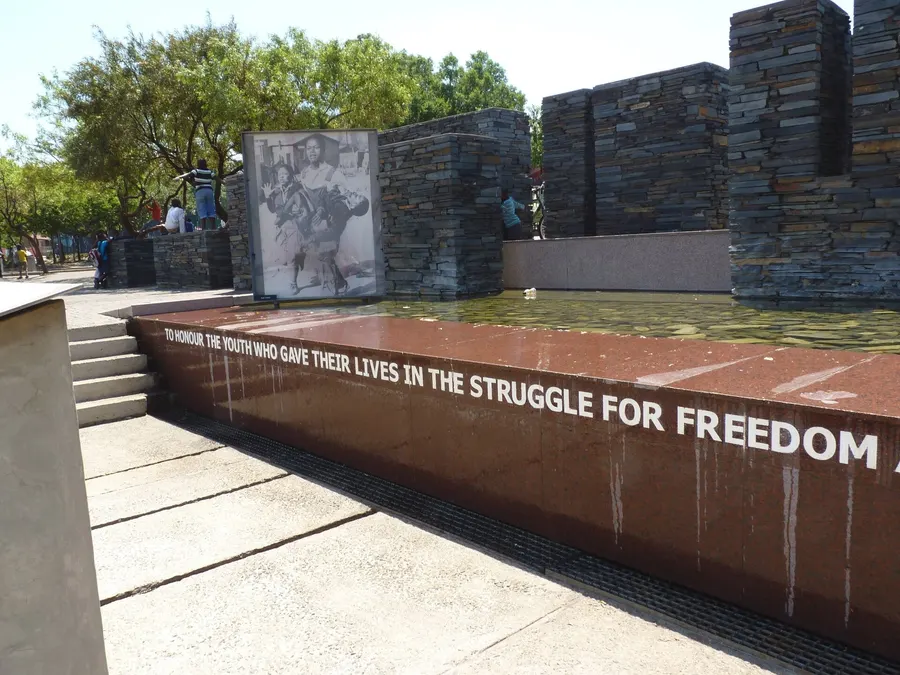
The Hector Pieterson Memorial in Soweto, dedicated to the young people who gave their lives in the struggle for freedom
Image creditIna96 · CC BY-SA 3.0Resized and cropped for display.

The schoolchildren of Soweto march against apartheid education

Under apartheid, black South African children were taught in a separate and deliberately inferior system of ‘Bantu education’. In 1974 the government ordered that Afrikaans, which many black South Africans saw as the language of their oppressors, be used alongside English to teach key subjects in black secondary schools. Pupils and teachers objected, and in Soweto, the vast township outside Johannesburg, students began to organise.

On the morning of 16 June 1976 more than 20,000 pupils set out on a peaceful march towards Orlando Stadium. Police blocked their way and opened fire. Among the first to die was 12-year-old Hector Pieterson; a photograph by Sam Nzima of the dying boy being carried by a fellow student was published around the world. Protests spread across the country over the following months, and hundreds of people, many of them young, were killed. The uprising drew a new generation into the struggle against apartheid, and since 1994 16 June has been a public holiday in South Africa, Youth Day.

Read the full storyHistory & Timeline →Source: South African History Online: Hector Pieterson ↗

♙
PEOPLE

Born Today

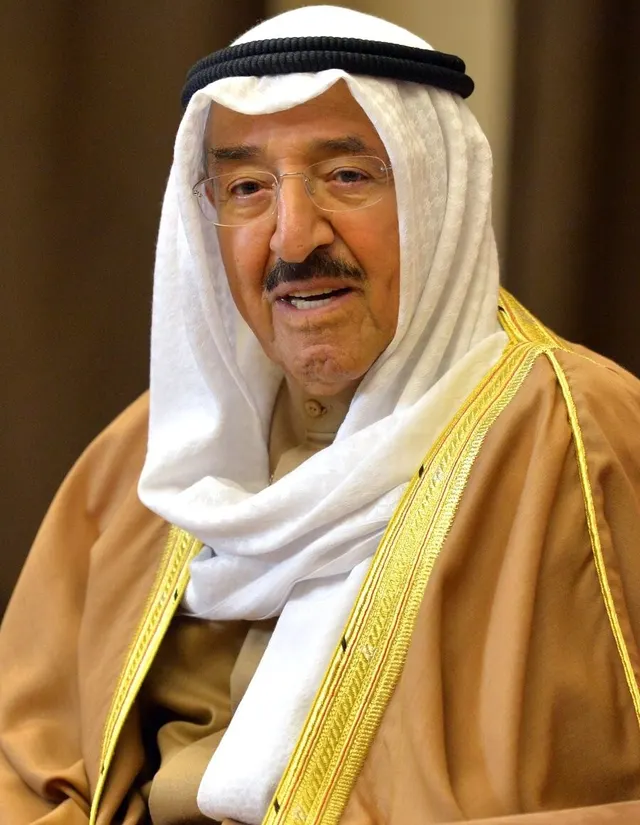
Sabah Al-Ahmad Al-Jaber Al-Sabah
Image creditPresidential Executive Office of Russia · CC BY 4.0Resized and cropped for display.

Sabah Al-Ahmad Al-Jaber Al-Sabah

Kuwait’s foreign minister for four decades and its emir from 2006 to 2020, known across the Gulf as a patient mediator in regional disputes.

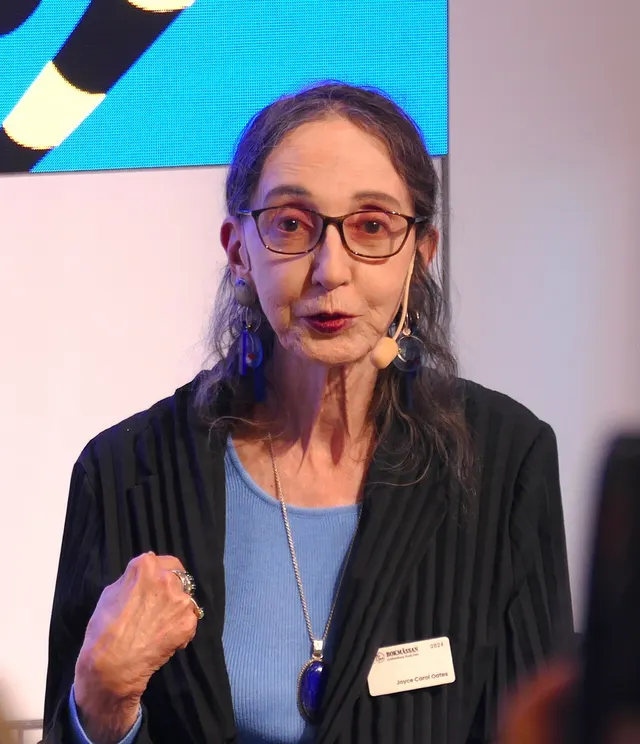
Joyce Carol Oates
Image creditPer A.J. Andersson · CC BY-SA 4.0Resized and cropped for display.

Joyce Carol Oates

American writer of remarkable output, whose novels, stories and essays explore violence and ordinary lives; her novel them won the National Book Award.

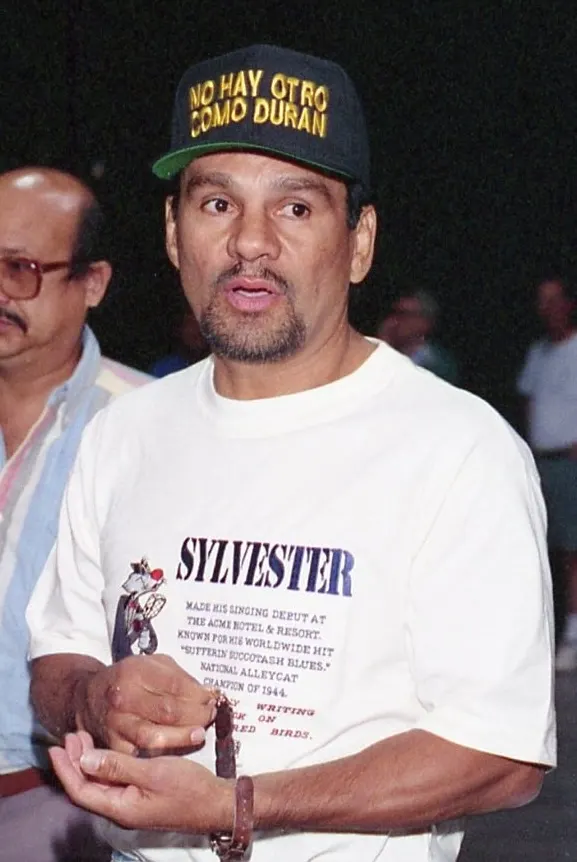
Roberto Durán
Image creditJim Accordino · CC BY 2.0Resized and cropped for display.

Roberto Durán

Panamanian boxer known as ‘Hands of Stone’, who won world titles in four weight divisions over a career lasting more than three decades.

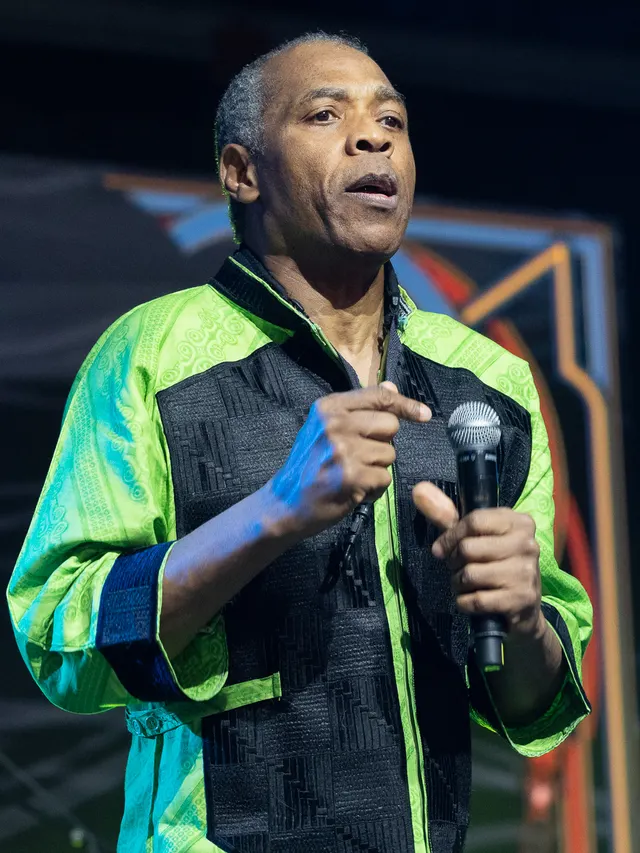
Femi Kuti
Image creditBruce Baker · CC BY 2.0Resized and cropped for display.

Femi Kuti

Nigerian saxophonist and bandleader, eldest son of Fela Kuti, who carried his father’s Afrobeat music forward with his band Positive Force.

Andrea Ghez
Image creditBorderlineRebel · CC BY-SA 4.0Resized and cropped for display.

Andrea Ghez

American astronomer who tracked stars at the heart of the Milky Way and shared the 2020 Nobel Prize in Physics for evidence of a supermassive black hole there.

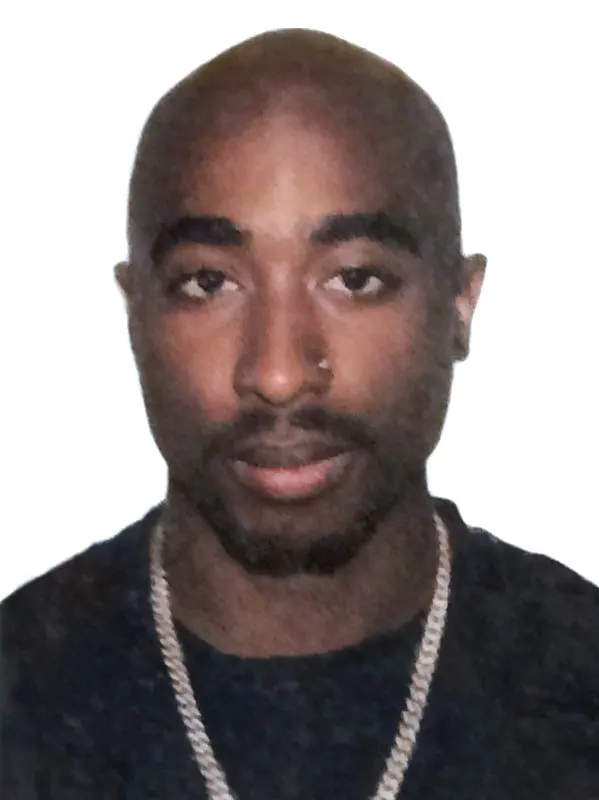
Tupac Shakur
Image creditUnknown author · Public domainResized and cropped for display.

Tupac Shakur

American rapper and actor, one of the best-selling and most influential figures in hip hop, who was shot in Las Vegas and died at 25.

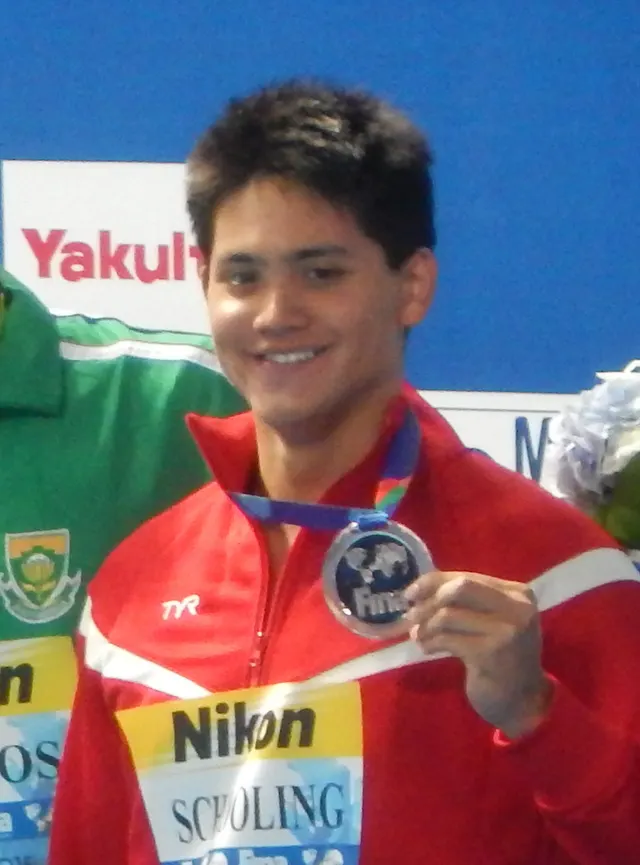
Joseph Schooling
Image creditOleg Bkhambri (Voltmetro) · CC BY-SA 4.0Resized and cropped for display.

Joseph Schooling

Singaporean swimmer who won his country’s first Olympic gold medal in the 100 metres butterfly at Rio in 2016, ahead of Michael Phelps.

◉
IDEAS THAT CHANGED THINGS

Firsts, Science & Discoveries

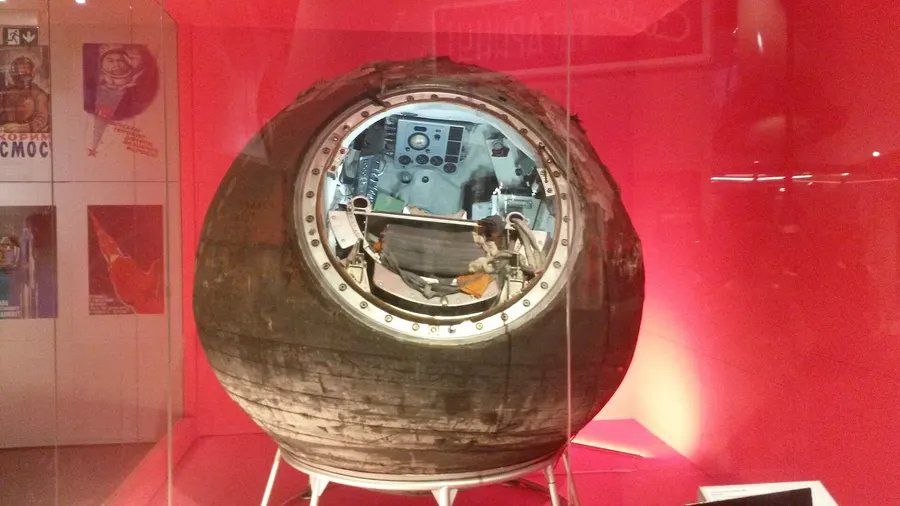
The Vostok 6 descent capsule that carried Valentina Tereshkova, on display in 2016
Image creditAndrew Gray · CC BY-SA 3.0Resized and cropped for display.

Valentina Tereshkova becomes the first woman in space

Valentina Tereshkova was a textile worker from Yaroslavl with no pilot training, but she was an accomplished amateur parachutist, and in 1962 she was one of a handful of women chosen for the Soviet cosmonaut programme. Parachuting mattered: at the end of a Vostok flight the cosmonaut ejected from the capsule and came down separately under a parachute.

On 16 June 1963 she was launched from Baikonur in Vostok 6. Valery Bykovsky was already in orbit in Vostok 5, launched two days earlier, and the two craft passed within about 5 kilometres of each other. Tereshkova orbited the Earth 48 times in about 71 hours, and both cosmonauts landed on 19 June. She was made a Hero of the Soviet Union. No other woman flew in space for nineteen years.

Read the full storyHistory & Timeline →Source: Britannica: Valentina Tereshkova ↗
☆
SPORTING HISTORY

Sporting Moments

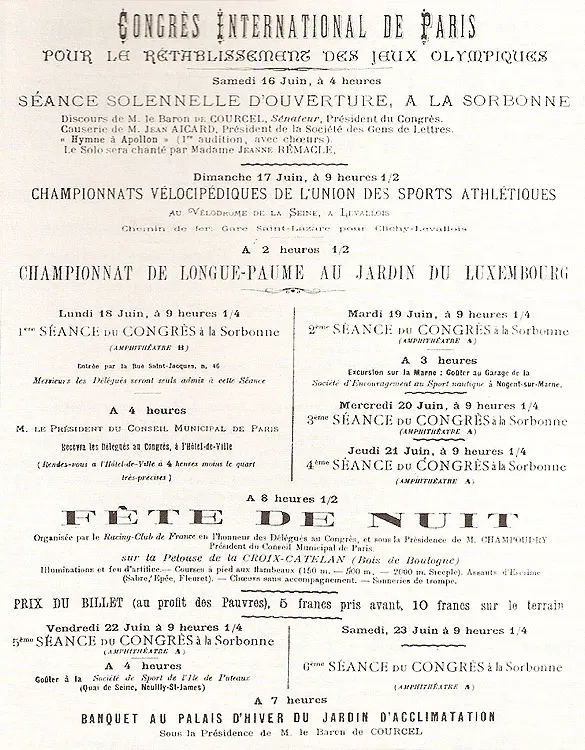
The printed programme of the 1894 International Congress of Paris for the re-establishment of the Olympic Games, opening at the Sorbonne
Image creditUnknown author · Public domainResized and cropped for display.

A congress in Paris sets out to revive the Olympic Games

The French educator Pierre de Coubertin believed that sport could build character and bring nations together, and he dreamed of reviving the athletic games of ancient Greece as a modern international festival. To win support he invited sports bodies from around the world to a congress in Paris, officially about amateur sport but with the Olympic revival as its real aim.

The congress was declared open on 16 June 1894 in the great amphitheatre of the Sorbonne, before some 2,000 people. Delegates came from France and from countries including Belgium, Britain, Greece, Italy, Russia, Spain, Sweden and the United States. At its final session on 23 June the congress voted unanimously to revive the Olympic Games, created the International Olympic Committee to run them, and chose Athens to hold the first modern Games in 1896.

Read the full storyHistory & Timeline →Source: Olympics.com: I Olympic Congress, Paris 1894 ↗
♫
MUSIC • FILM • BOOKS • CULTURE

Culture Stories

Rudolf Nureyev, photographed in later life by Allan Warren
Image creditAllan Warren · CC BY-SA 3.0Resized and cropped for display.

Rudolf Nureyev leaps to freedom at a Paris airport

Rudolf Nureyev, born on a train in Siberia and raised in Ufa, trained in Leningrad and became a soloist with the Kirov Ballet. His talent was obvious, but so was his independence, and he chafed at the tight control of Soviet ballet and at the officials who watched the dancers on tour. When the Kirov performed in Paris in the spring of 1961 he was a sensation, and he spent his free time with French friends, against orders.

On 16 June 1961, as the company gathered at Le Bourget airport to fly on to London, Nureyev was told he was being sent back to Moscow instead. Slipping away from his minders, he asked the French police for asylum. He never returned to the Soviet Union while it lasted. In 1962 he began his celebrated partnership with Margot Fonteyn at the Royal Ballet in London, and he later directed the Paris Opéra Ballet. He is widely seen as the greatest male dancer of his century.

Read the full storyHistory & Timeline →Source: Britannica: Rudolf Nureyev ↗
✦
LIVES REMEMBERED

Remembered Today

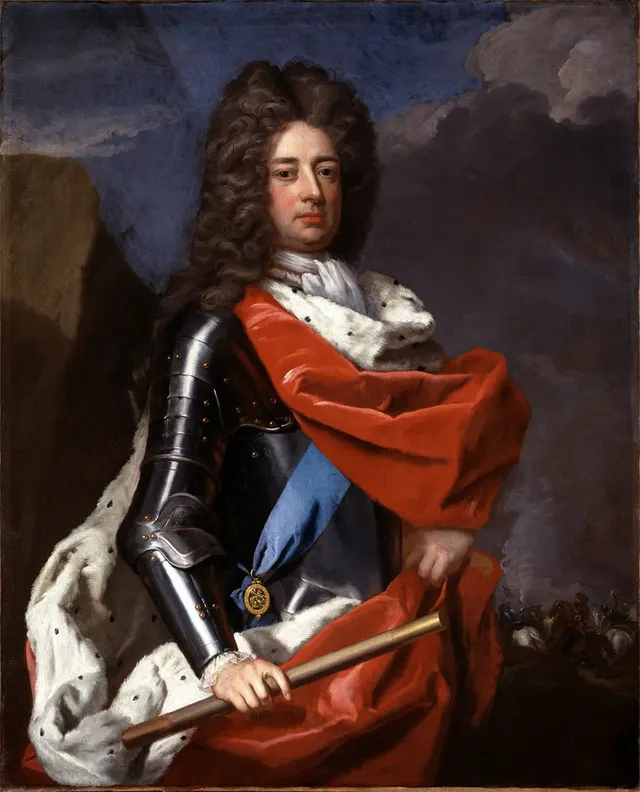
John Churchill, Duke of Marlborough
Image creditAttributed to Michael Dahl · Public domainResized and cropped for display.

John Churchill, Duke of Marlborough

English general who beat the armies of Louis XIV at Blenheim, Ramillies, Oudenarde and Malplaquet; the nation built him Blenheim Palace.

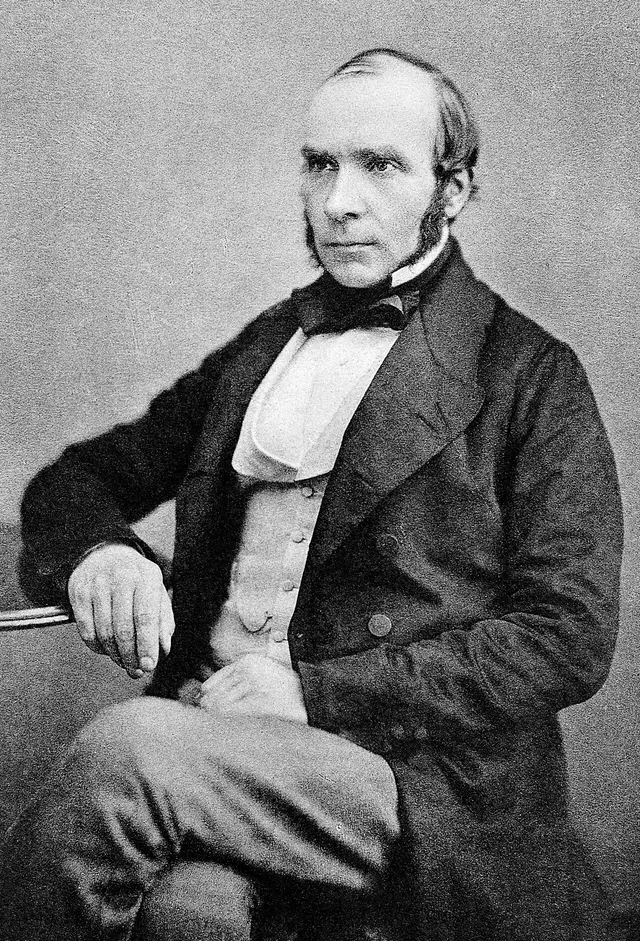
John Snow
Image creditUnknown photographer · Public domainResized and cropped for display.

John Snow

English physician, a pioneer of anaesthesia, who traced a deadly cholera outbreak in London’s Soho in 1854 to a single water pump in Broad Street.

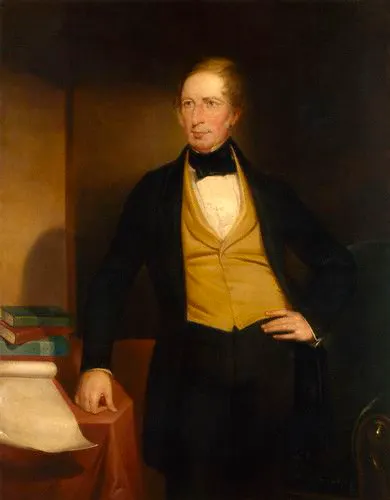
Charles Sturt
Image creditanonymous · Public domainResized and cropped for display.

Charles Sturt

British army officer and explorer of south-eastern Australia who traced the Murray River to the sea and mapped much of the Murray-Darling basin.

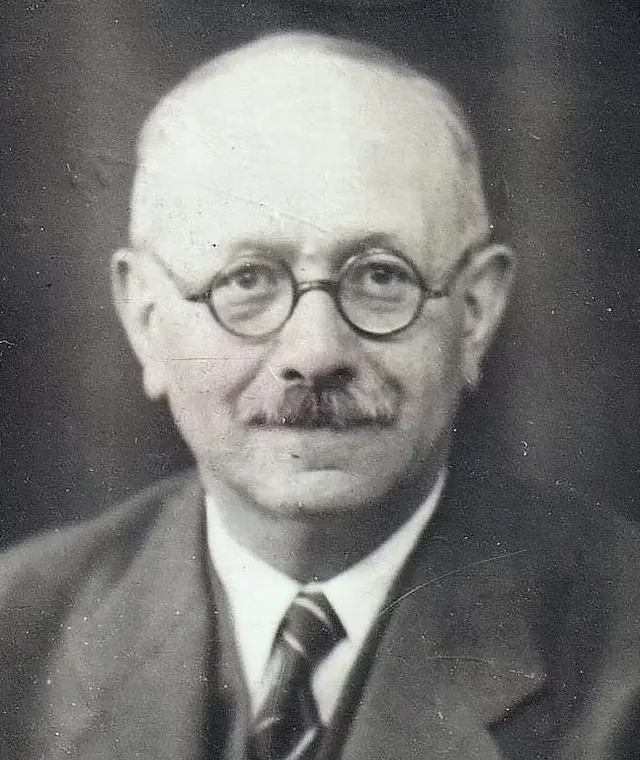
Marc Bloch
Image creditUnknown author · Public domainResized and cropped for display.

Marc Bloch

French historian of medieval society who co-founded the influential journal Annales; a member of the Resistance, he was shot by the Gestapo near Lyon.

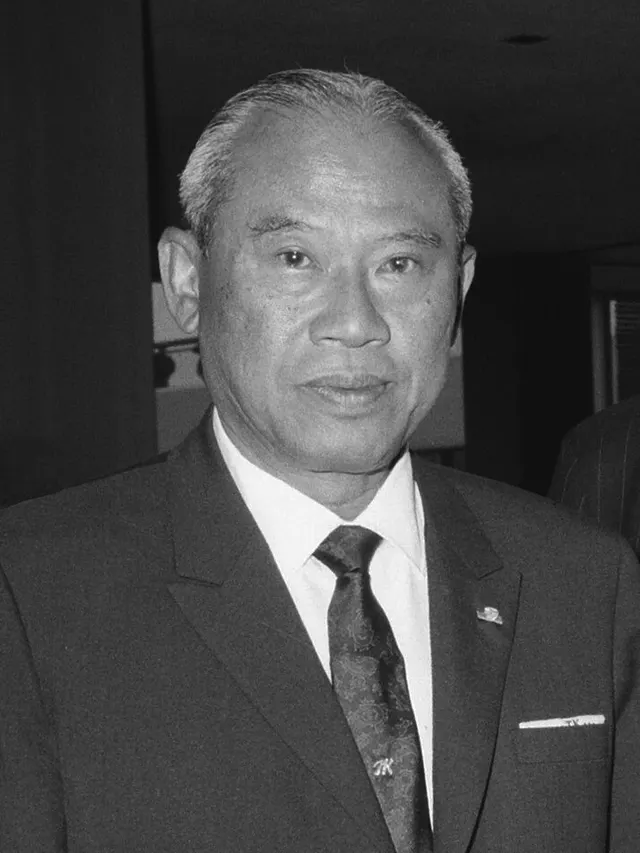
Thanom Kittikachorn
Image creditJoost Evers for Anefo · CC0Resized and cropped for display.

Thanom Kittikachorn

Thai field marshal and prime minister who ruled Thailand for a decade until a student-led uprising forced him from power in October 1973.

☉
AROUND THE WORLD

Observances & Anniversaries

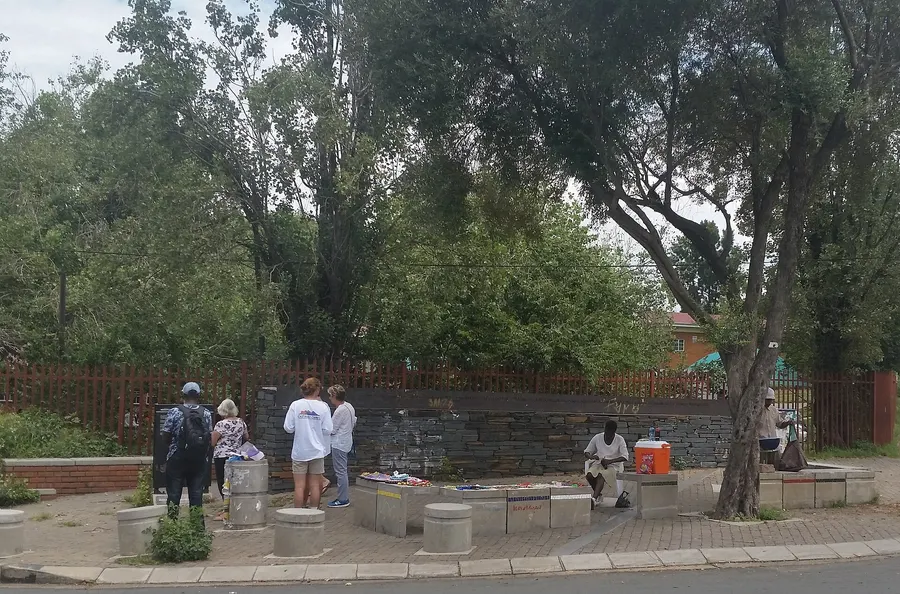
The site at the corner of Vilakazi and Moema Streets in Soweto where Hector Pieterson was shot, now a place of remembrance
Image creditAndrew Hall · CC BY-SA 4.0Resized and cropped for display.

Youth Day, South Africa

South Africa marks 16 June as Youth Day, a public holiday that remembers the students of Soweto who marched against being taught in Afrikaans on that day in 1976, and the young people killed in the uprising that followed.

It is a day to honour the part the young played in ending apartheid, and to look at the challenges facing young South Africans today.

Source: South African Government: Public holidays ↗
HISTORY & TIMELINE

Finished the highlights?

Follow 16 June chronologically, from the Middle Ages to the modern day, with 14 verified events and the sources behind them.

This day through time →