
671
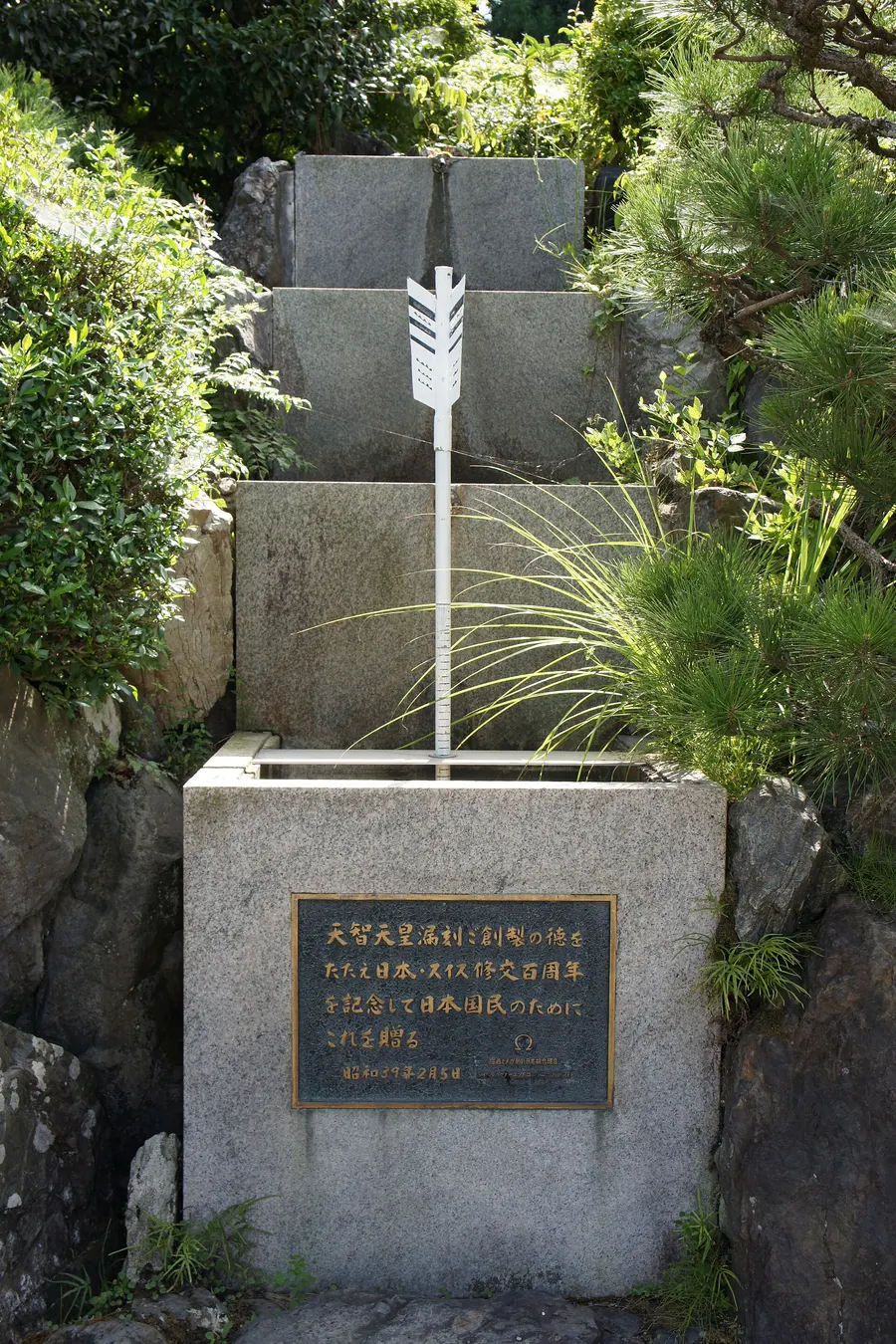 A monument to Emperor Tenji’s water clock at Ōmi Jingū shrine in ŌtsuImage:
science · Asia
A Japanese emperor has the hours struck by a water clock
According to the Nihon Shoki, Japan’s ancient chronicle, Emperor Tenji had a water clock set up at his palace at Ōmi, by today’s Ōtsu, and the hours were announced to the court by bells and drums. By modern reckoning the day was 10 June 671. In 1920 Japan chose that date for its Time Day, still marked each year to encourage punctuality.
Source: Takehiko Hashimoto, Japanese clocks and the history of punctuality in modern Japan (East Asian Science, Technology and Society) ↗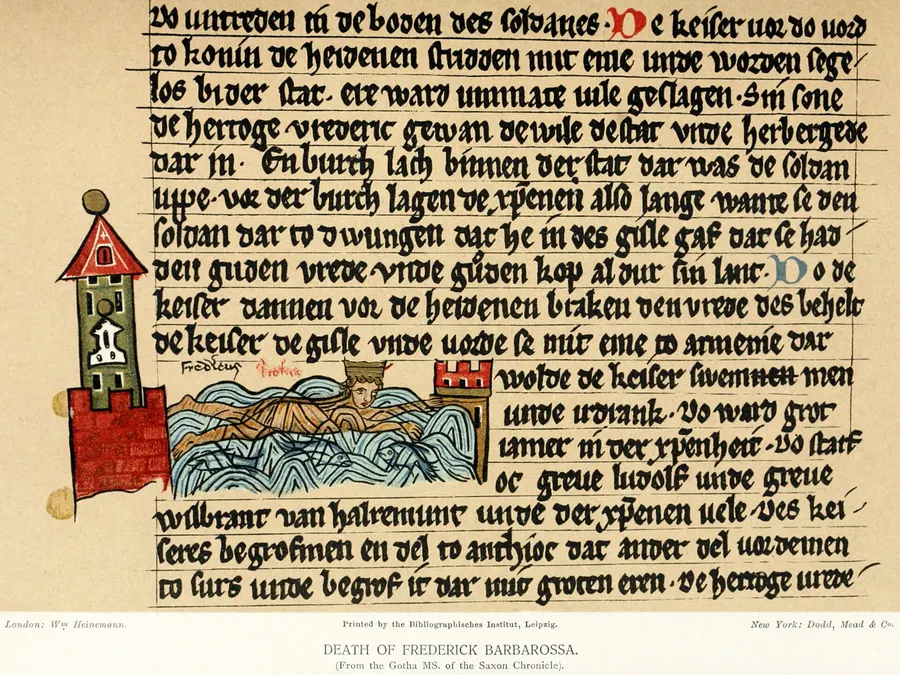 The death of Frederick Barbarossa in the river, from a medieval German chronicle, shown in a 19th-century facsimileImage:
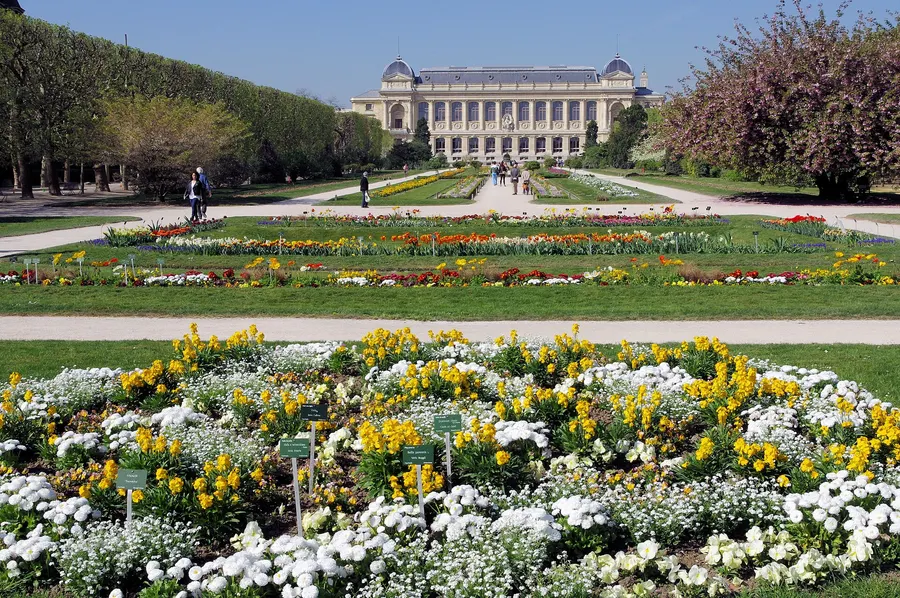 The Jardin des Plantes in Paris, with the museum’s Grand Gallery of Evolution behind the flower bedsImage:
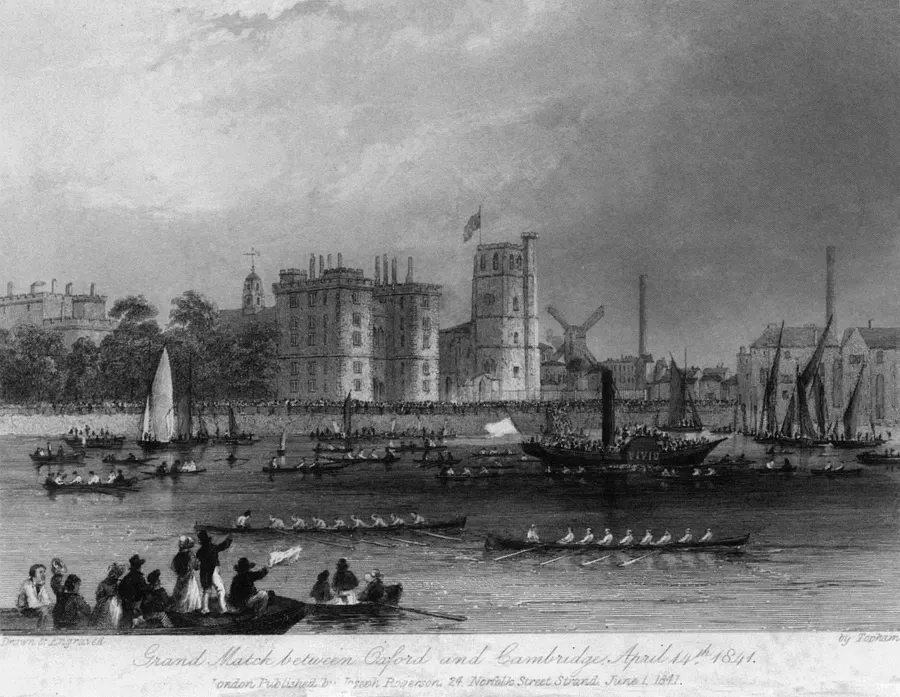 The Oxford and Cambridge crews racing on the Thames in 1841, an engraving after Francis William TophamImage:
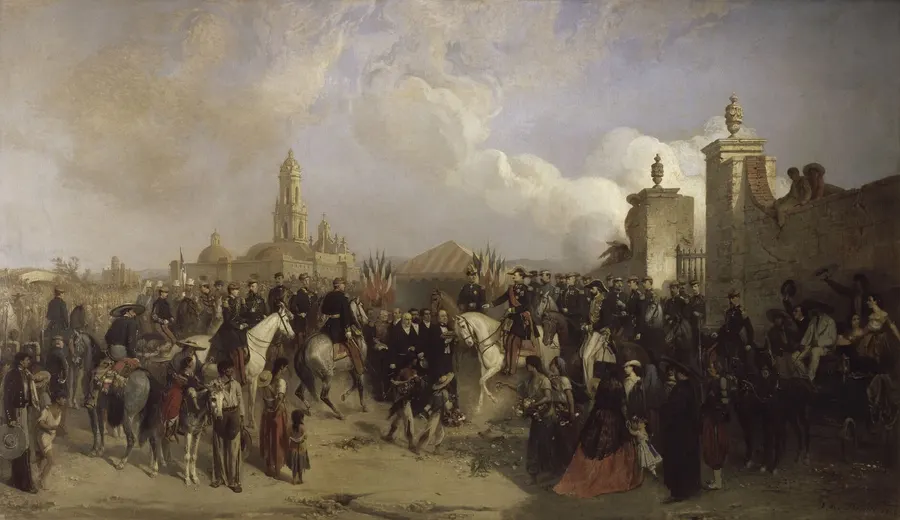 The French expeditionary force enters Mexico City in June 1863, painted by Jean-Adolphe BeaucéImage:
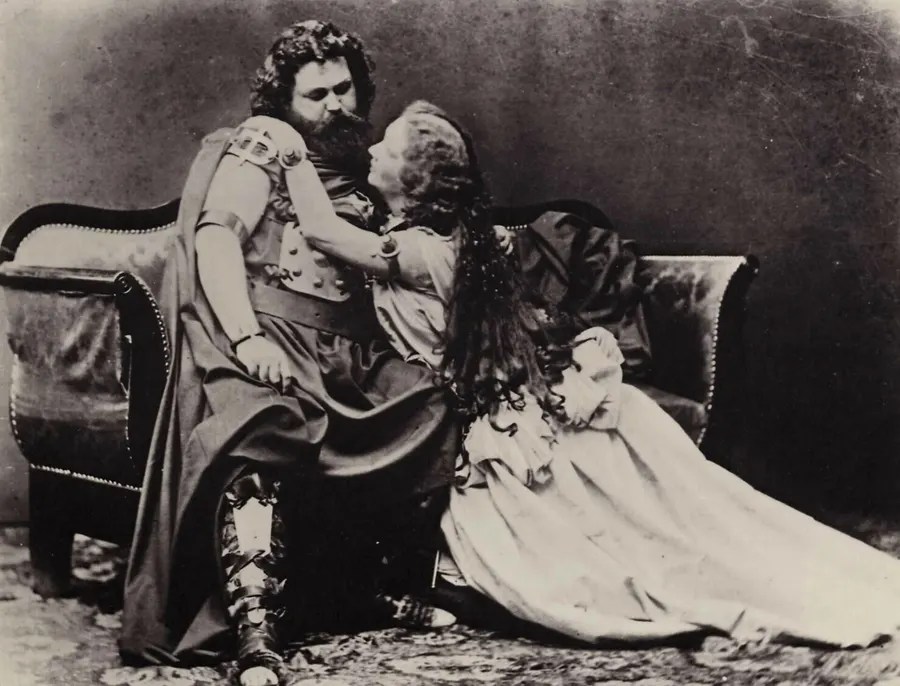 Ludwig and Malvina Schnorr von Carolsfeld as Tristan and Isolde, photographed by Joseph Albert in 1865Image:
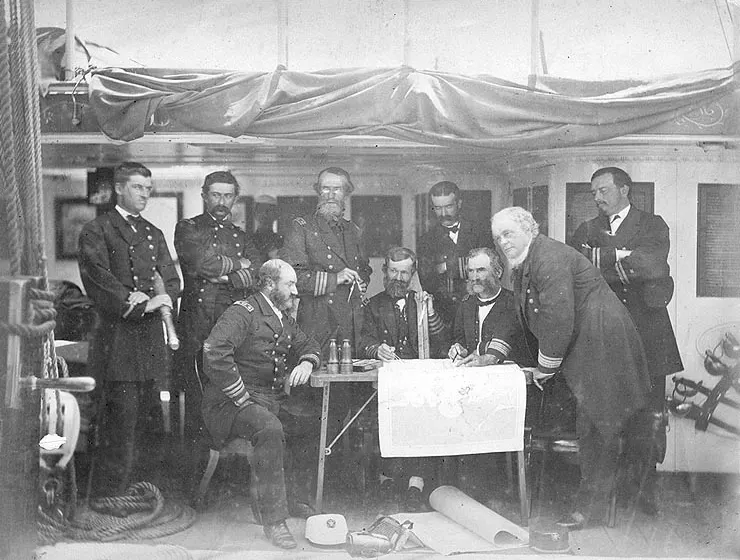 Officers of the American squadron at a council of war aboard the flagship USS Colorado, June 1871Image:
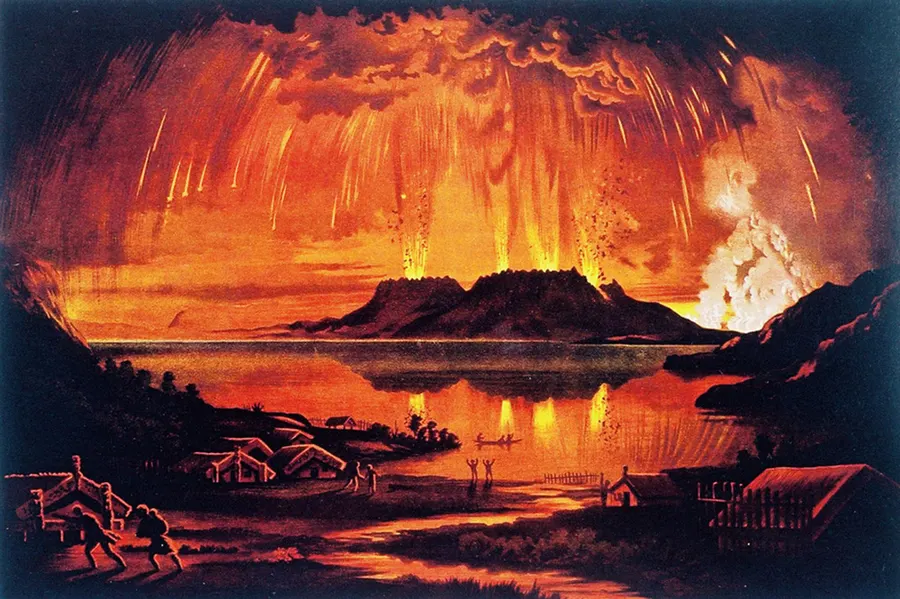 Mount Tarawera in eruption on 10 June 1886, painted by Charles BlomfieldImage:
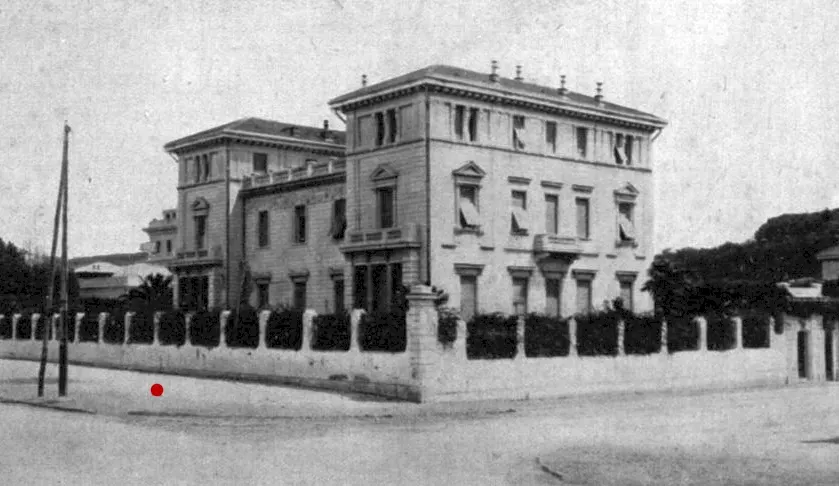 The street beside the Tiber in Rome where Giacomo Matteotti was seized, in a photograph of 1924Image:
 The house in Akron, Ohio, where Dr Bob Smith lived, now kept as a museum of the fellowship’s early daysImage:
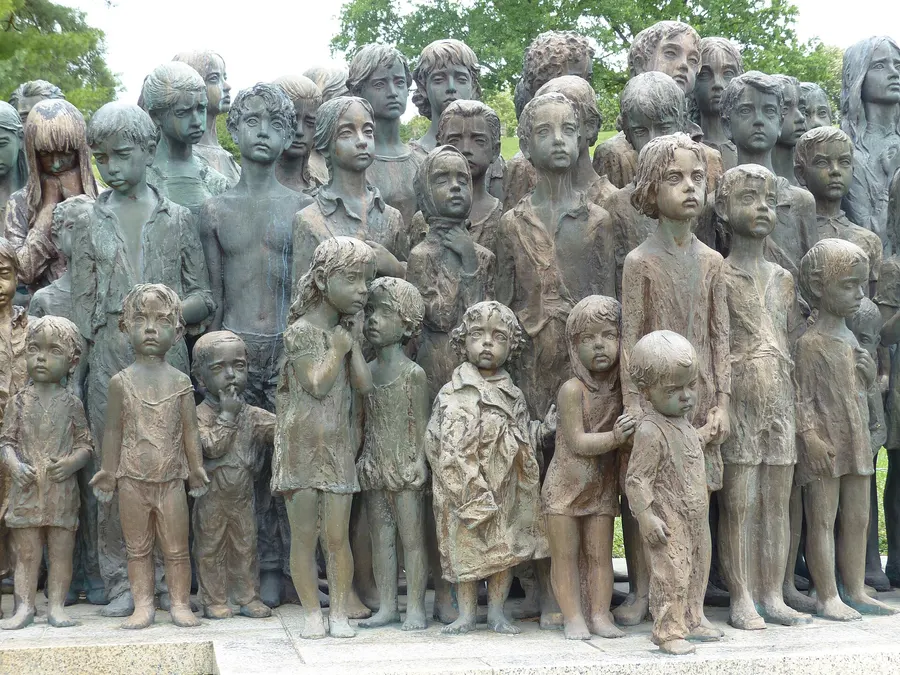 Part of the bronze memorial to the children of Lidice, on the site of the destroyed villageImage:
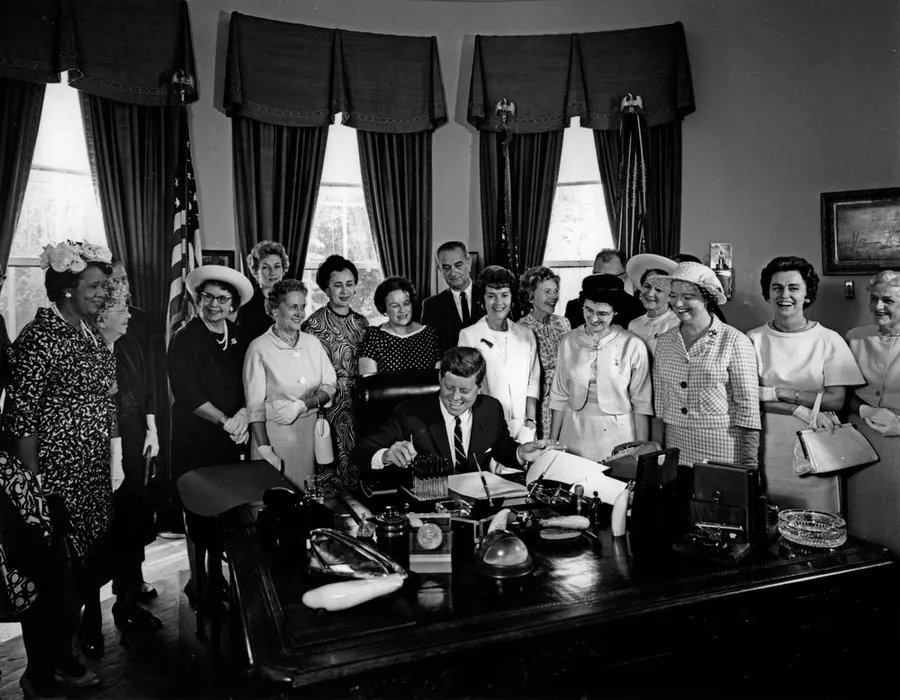 Members of the American Association of University Women watch President Kennedy sign the Equal Pay ActImage:
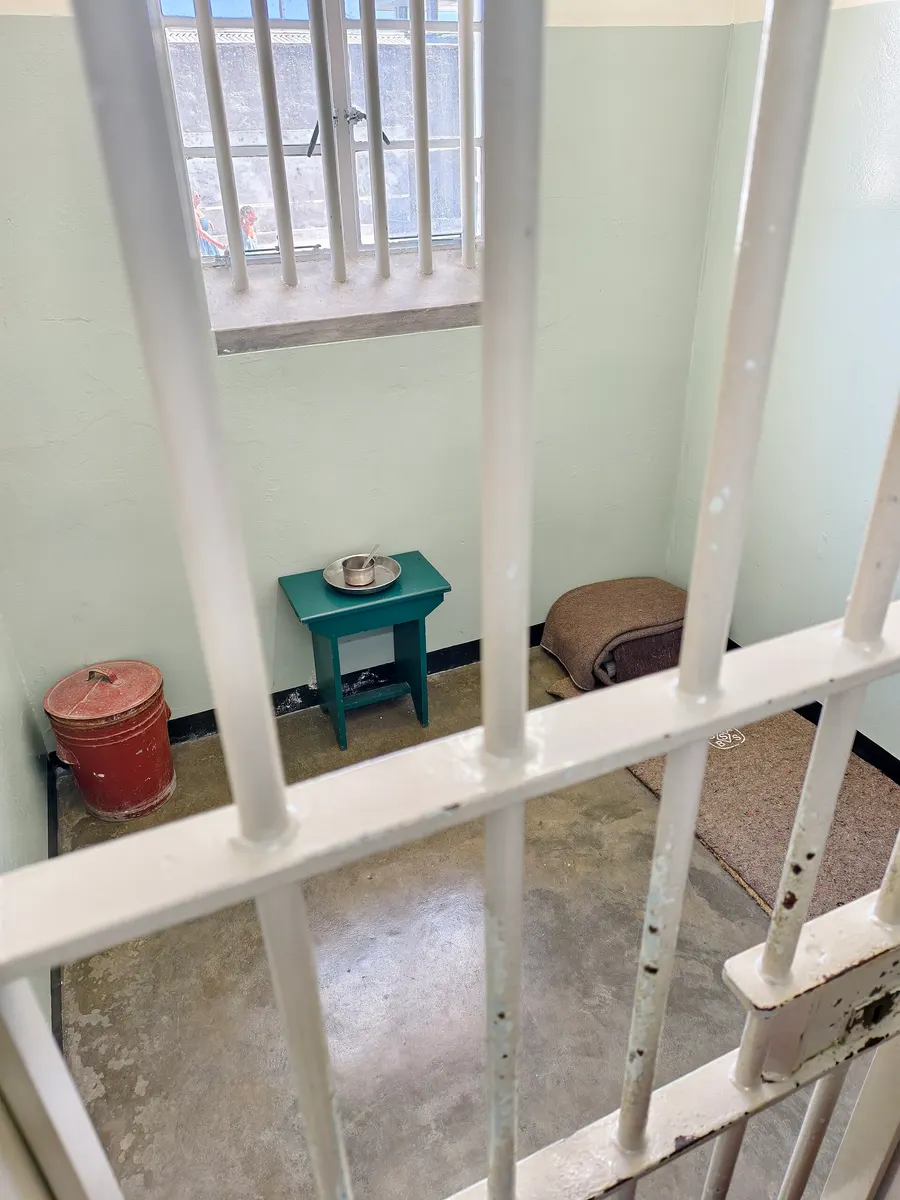 Nelson Mandela’s cell in the maximum security prison on Robben IslandImage:
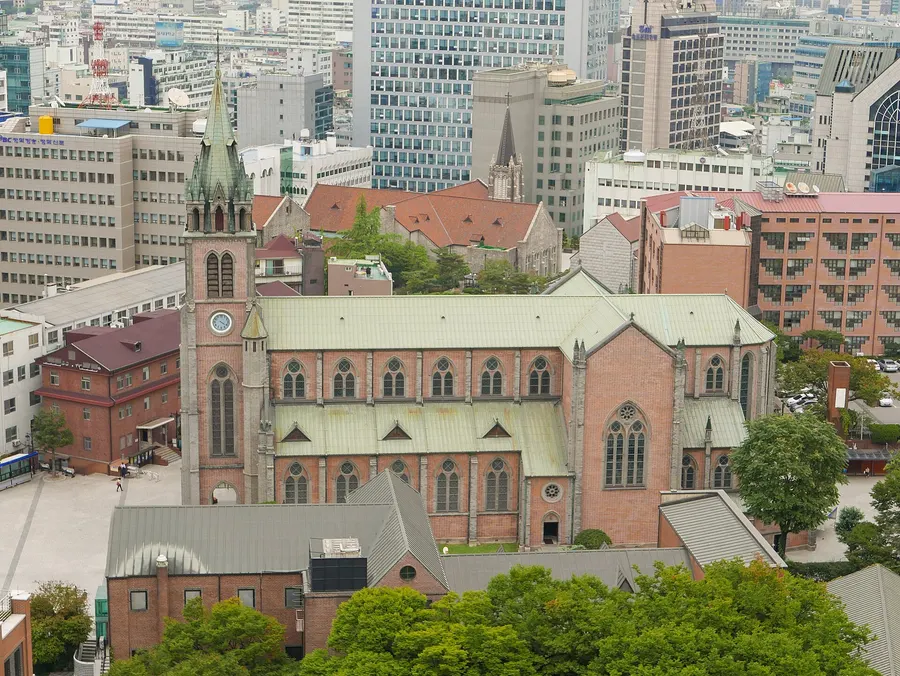 Myeongdong Cathedral in Seoul, a gathering place for the democracy movement in 1987Image: