
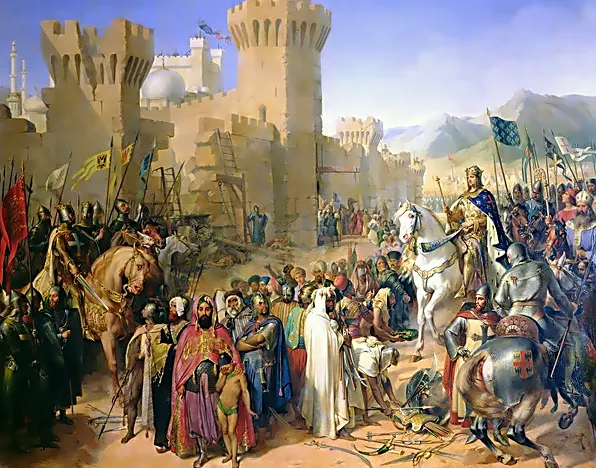
 The surrender of Acre to Philip Augustus and Richard I in 1191, in a 19th-century painting by Merry-Joseph BlondelImage: Merry-Joseph Blondel · Public domain
Acre surrenders to the kings of the Third Crusade
After Saladin took Jerusalem in 1187, the Christian kingdom in the Holy Land was reduced to a few coastal towns. In August 1189 King Guy of Jerusalem laid siege to the great port of Acre, and Saladin’s army in turn surrounded the besiegers. For almost two years the crusaders were trapped between the city walls and the Muslim field army, while disease and hunger killed thousands in the camps. The balance changed when the kings of the Third Crusade arrived: Philip II Augustus of France in April 1191 and Richard I of England in June, with fresh troops, ships and siege engines. With its walls battered and relief failing, the garrison agreed terms on 12 July 1191 and handed the city over. Saladin was to pay a ransom, free Christian prisoners and return the relic of the True Cross. When the payments were delayed, Richard had some 2,700 prisoners killed outside the walls in August. Acre became the capital of the crusader kingdom for the next century.
Source: World History Encyclopedia: The Siege of Acre, 1189-91 ↗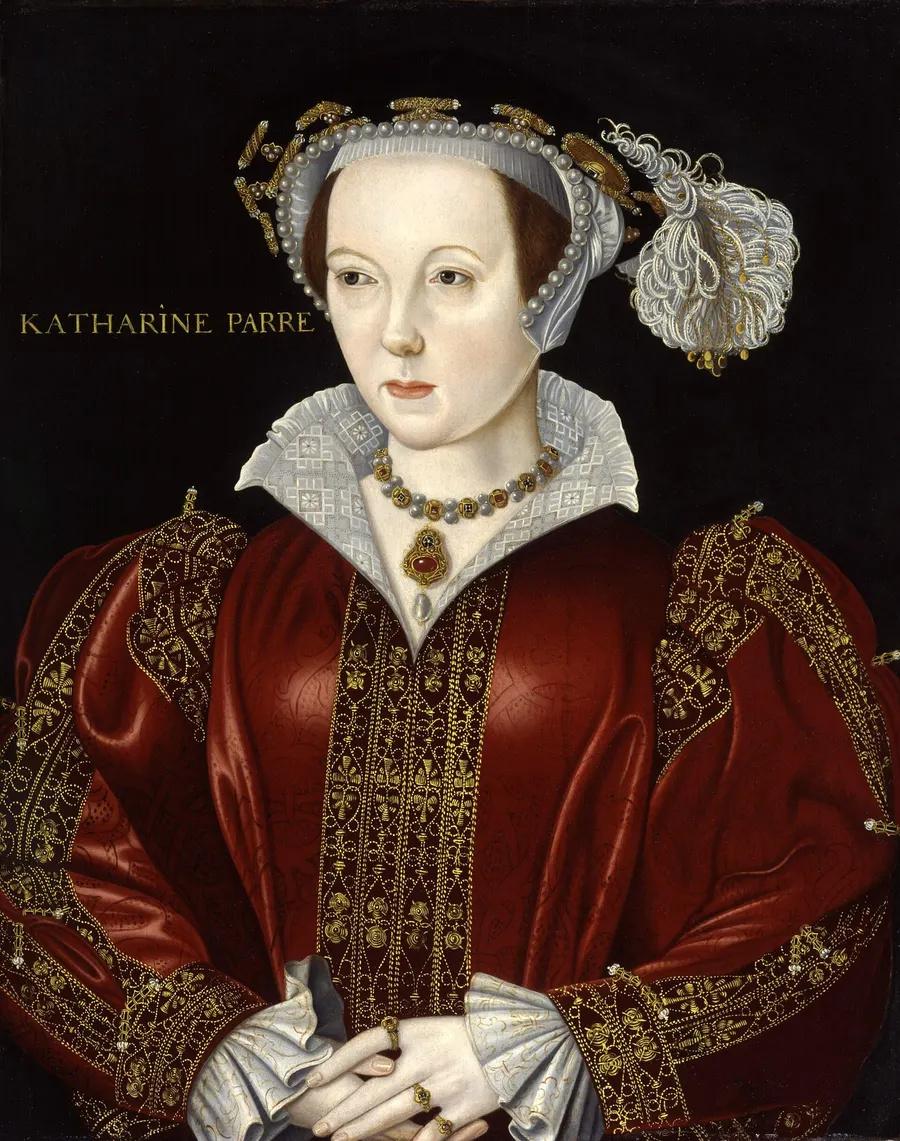 Katherine Parr, Henry VIII’s sixth wife, in a 16th-century portrait possibly by William ScrotsImage:
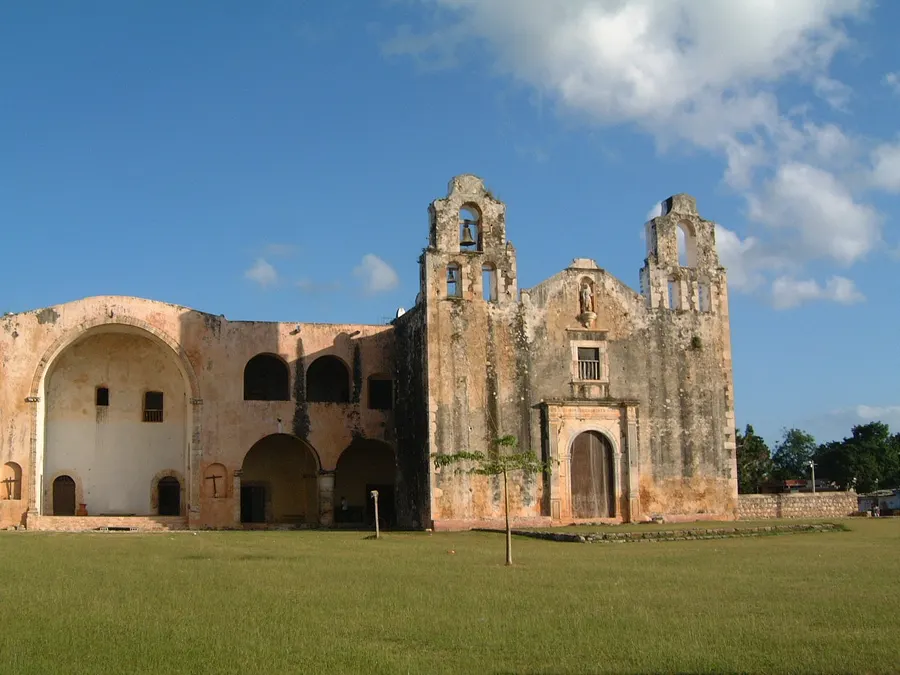 The old Franciscan church and convent at Maní in Yucatán, MexicoImage:
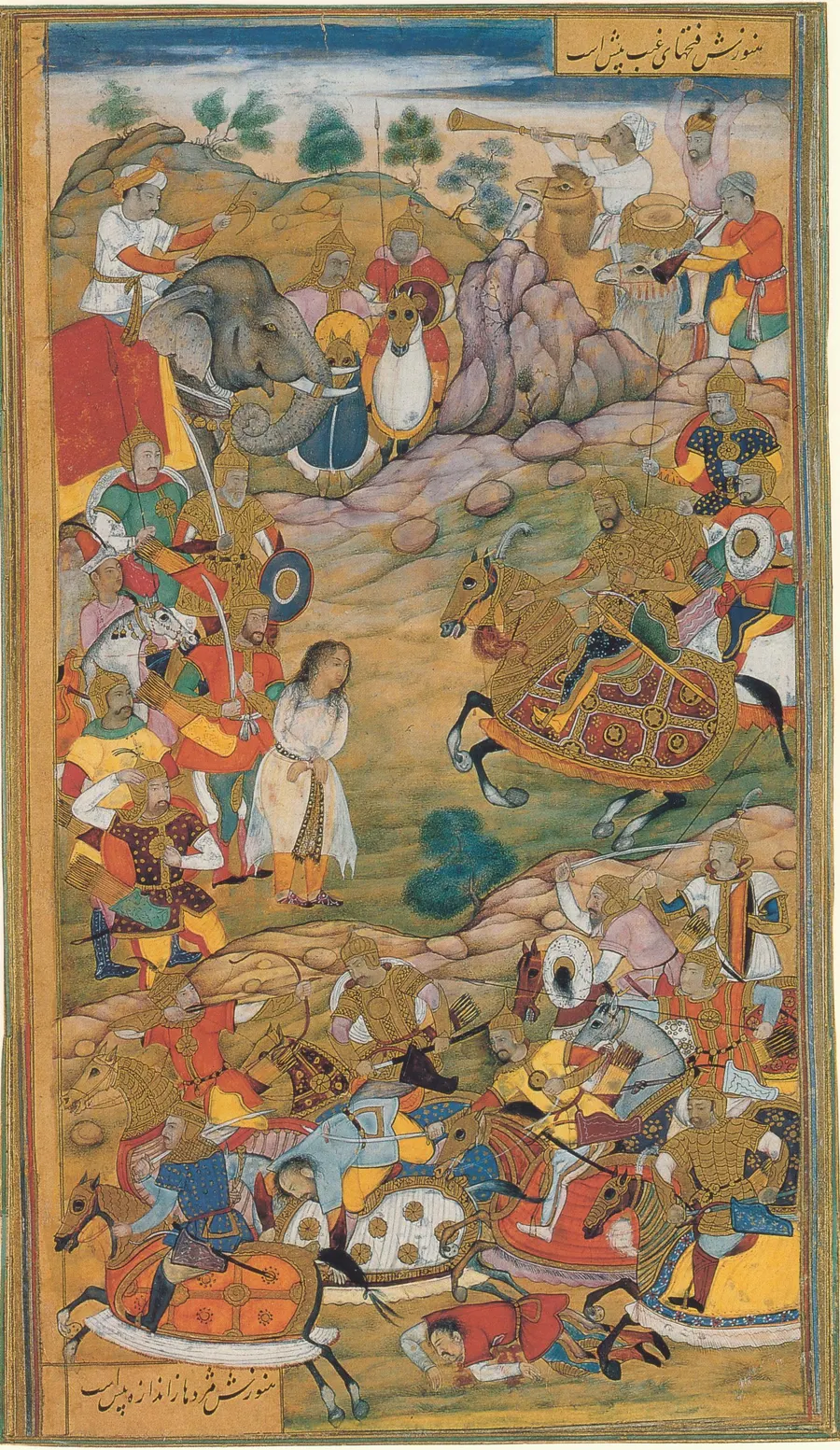 The Battle of Rajmahal and the capture of Sultan Daud of Bengal, in a painting made for Akbar’s court around 1590Image:
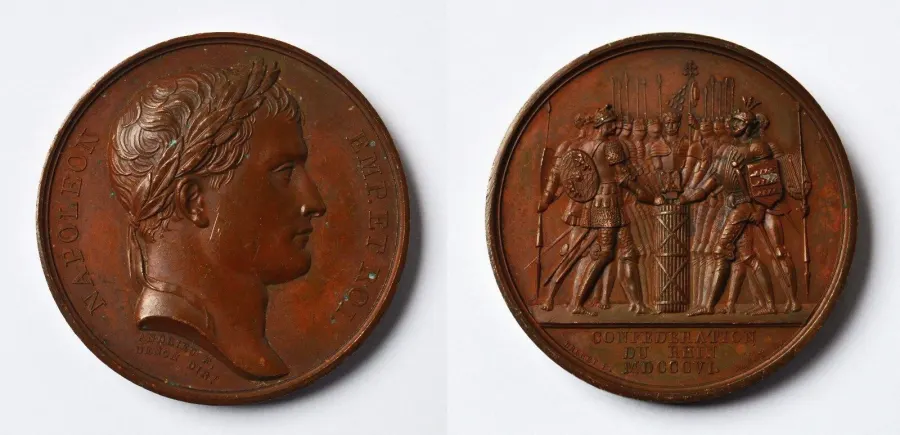 A medal marking the founding of the Confederation of the Rhine in 1806, with Napoleon as its ProtectorImage:
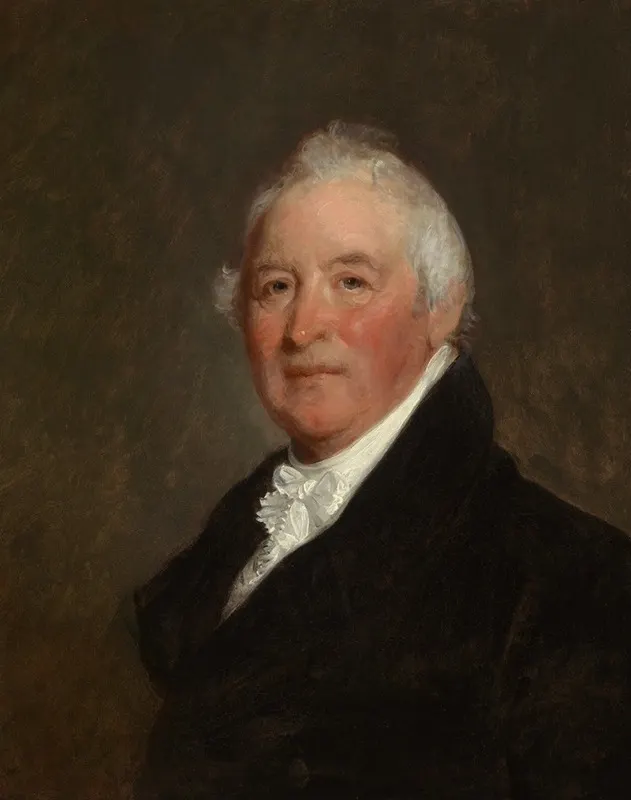 General William Hull, painted by Gilbert StuartImage:
 Solid and liquid xenon seen through the window of an insulated cell at Lawrence Berkeley National LaboratoryImage:
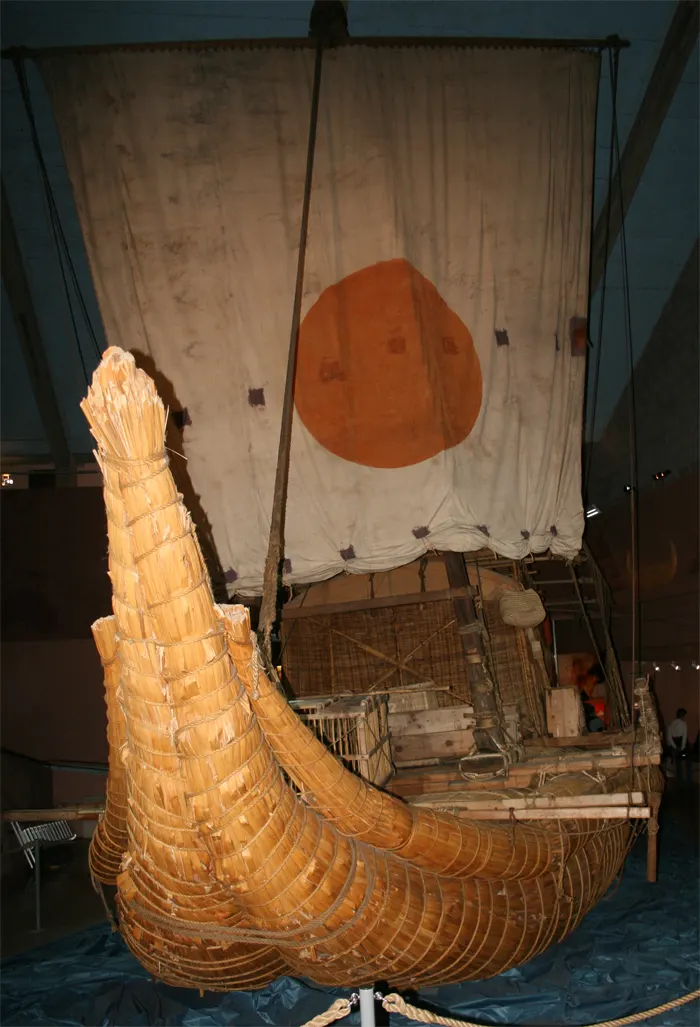 The papyrus boat Ra II on display in the Kon-Tiki Museum in OsloImage:
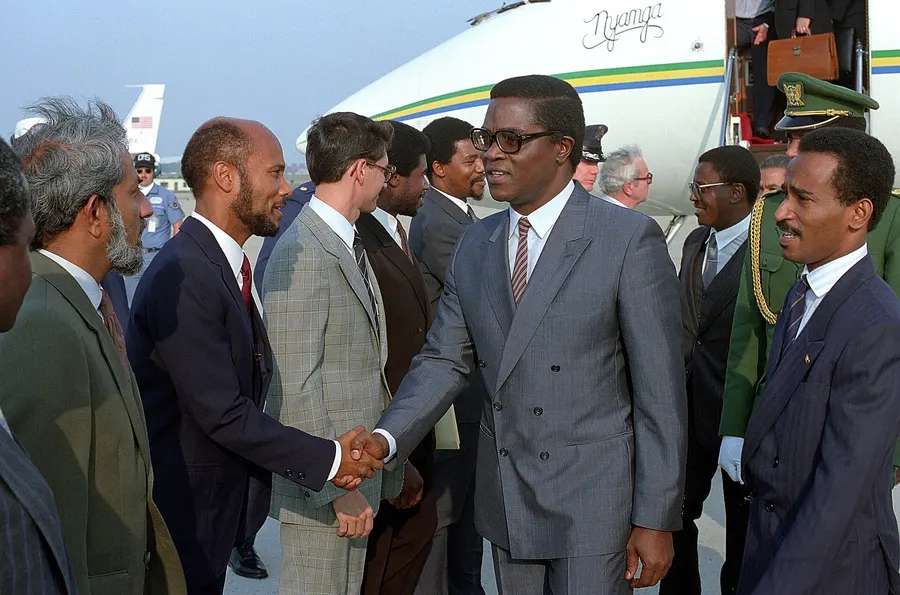 Manuel Pinto da Costa, the country’s first president, greeted by a US State Department delegation at Andrews Air Force Base in 1986Image:
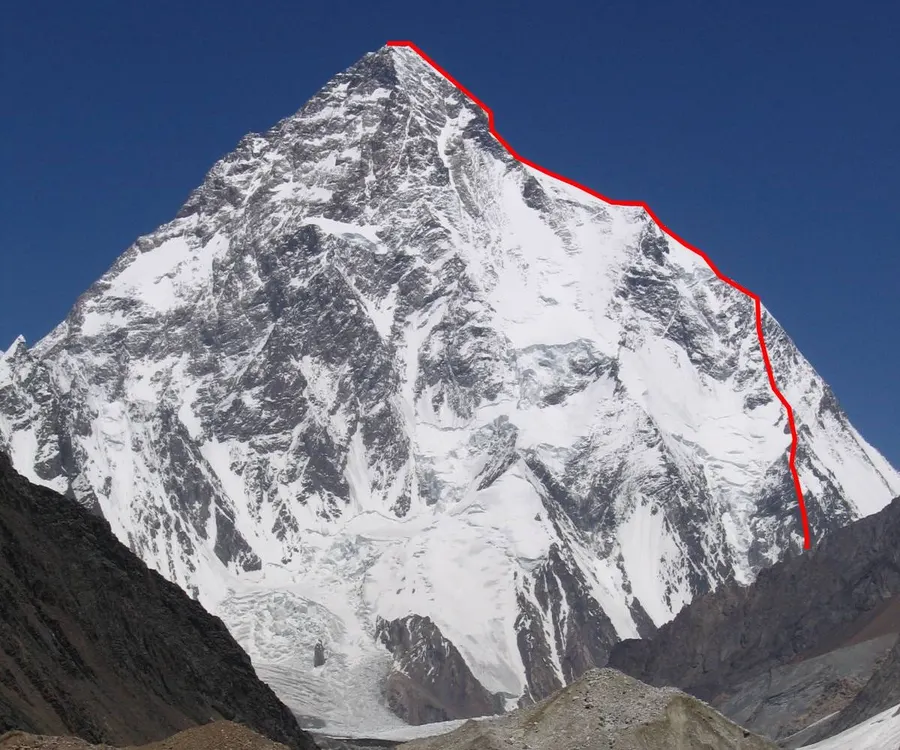 K2 with the line of the Abruzzi Spur, the route of Messner and Dacher’s climbImage:
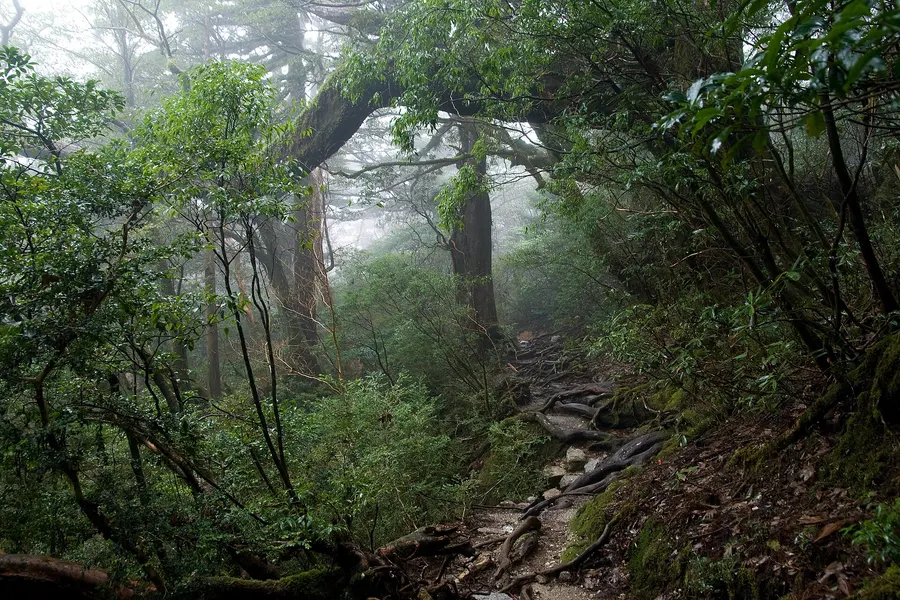 Moss-covered forest on Yakushima, the Japanese island whose woods inspired the film’s settingImage:
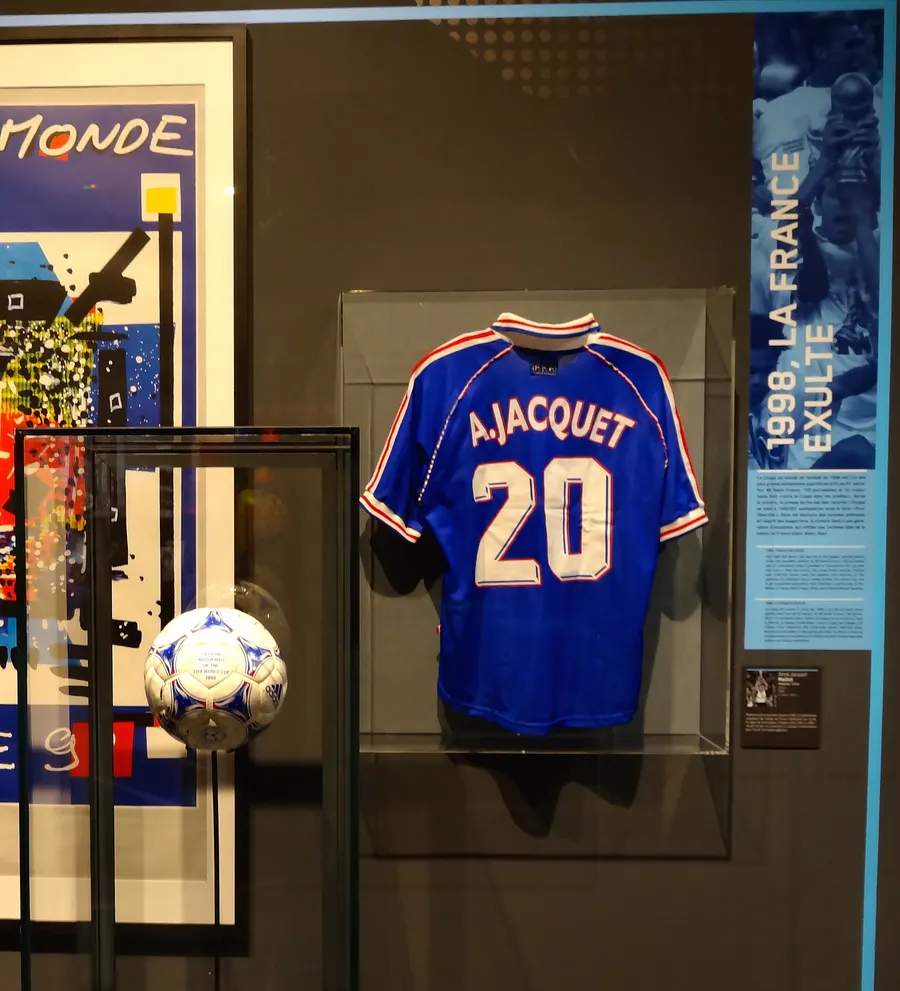 The ball used in the 1998 final, displayed in an exhibition beside Aimé Jacquet’s France shirtImage:
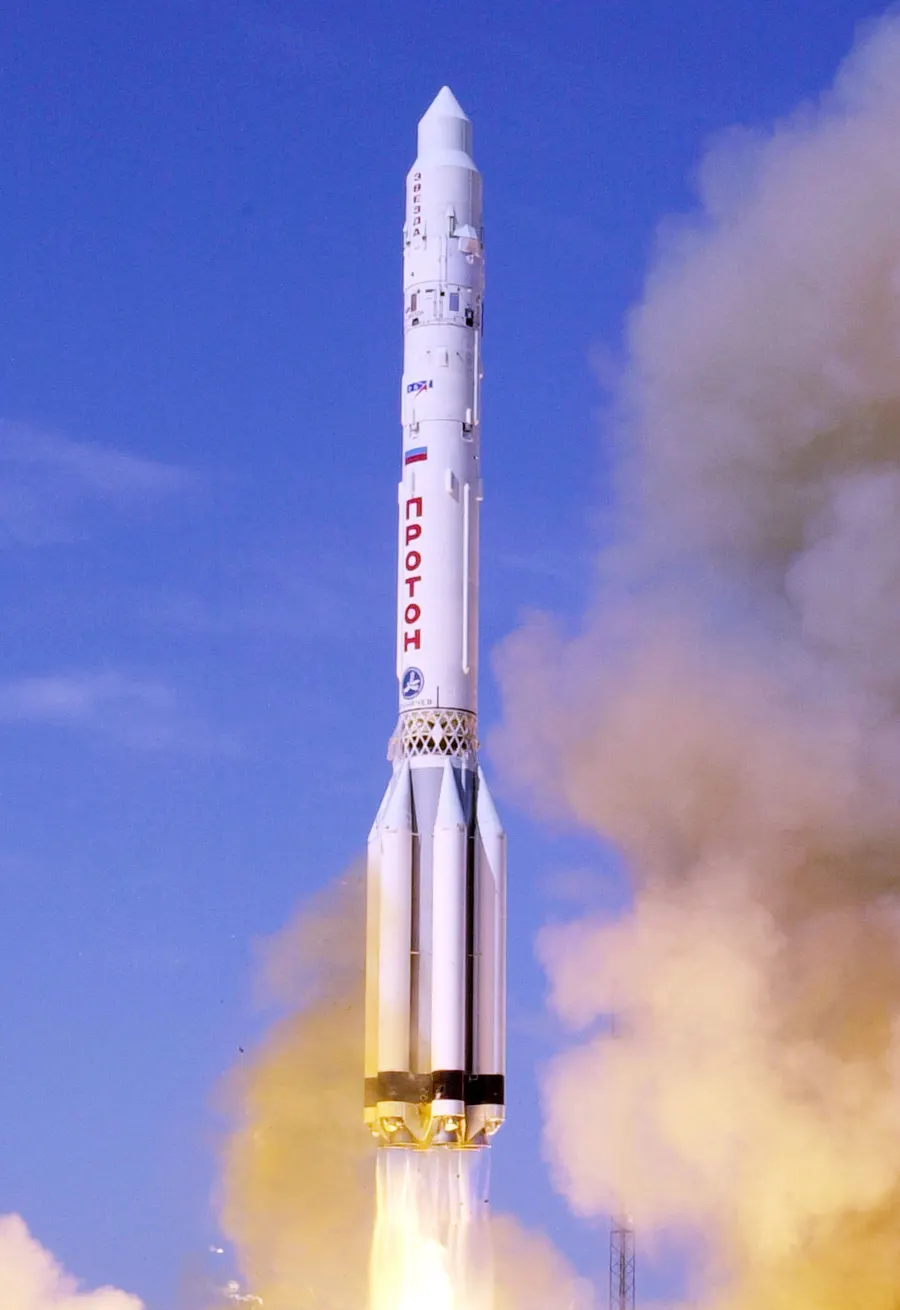 A Proton rocket carrying Zvezda lifts off from Baikonur in July 2000Image: