
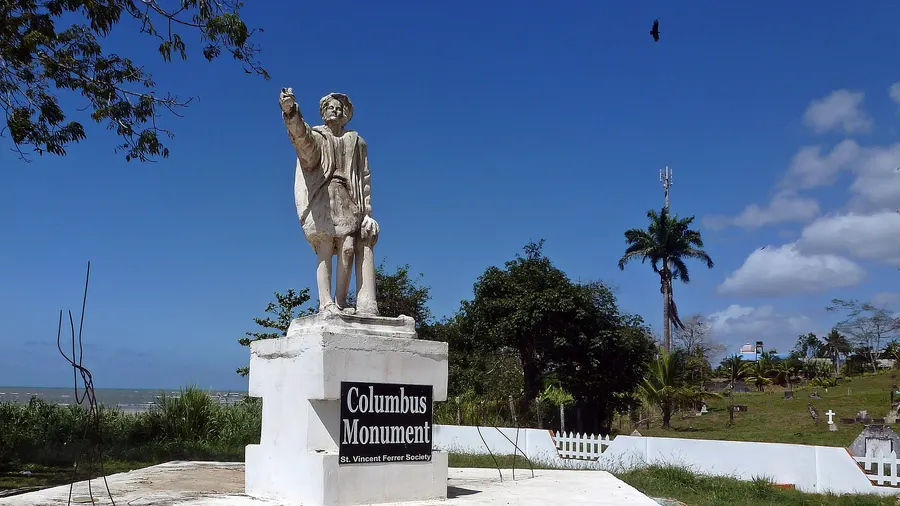
 The Columbus monument at Moruga on the south coast of Trinidad, where local tradition says his men came ashore in 1498Image: Kalamazadkhan · CC BY-SA 4.0
Columbus sights three hills and names Trinidad
Christopher Columbus set out on his third voyage to the Americas from Sanlúcar de Barrameda in southern Spain on 30 May 1498 with six ships. He sent three straight to Hispaniola and took the other three further south than before, hoping to find new lands near the equator. He had placed the voyage under the protection of the Holy Trinity and vowed to name the first land he saw after it. After weeks becalmed in the heat, with water running short, the crews were growing desperate. On 31 July 1498 a sailor at the masthead saw three hills rising from the sea, and Columbus named the island La Trinidad. Over the next days his ships ran along its south coast, a party went ashore for water, and the fleet passed into the Gulf of Paria, from where Columbus saw the coast of the South American mainland, although at first he took it for another island. Trinidad was then home to Arawak- and Carib-speaking peoples; Spain did not settle it until 1592, and Britain took it in 1797.
Source: Library of Congress: Descriptive account of the island of Trinidad ↗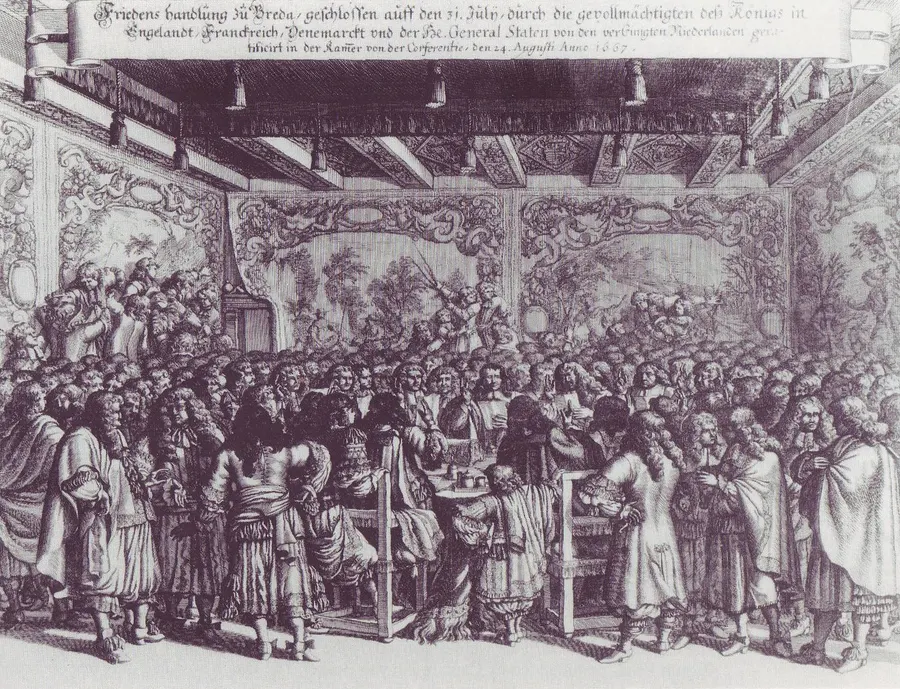 The peace congress at Breda in 1667, in an engraving by Romeyn de HoogheImage:
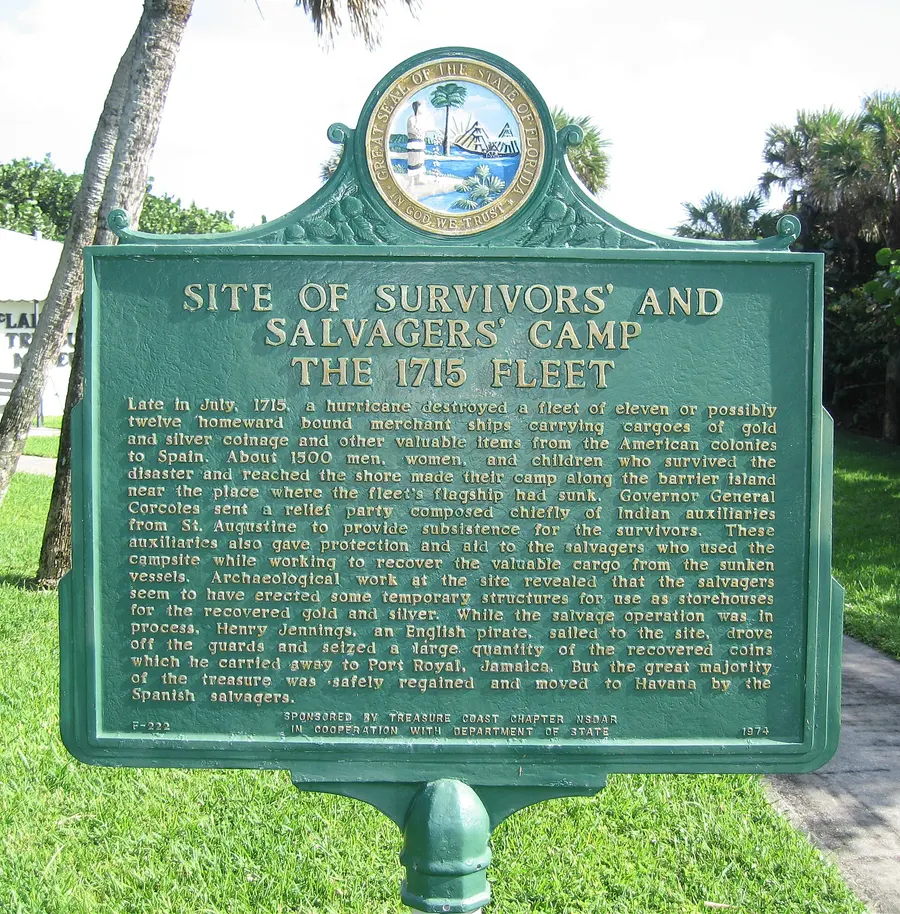 A Florida historical marker at the site of the survivors’ and salvagers’ camp of the 1715 fleet, on Orchid IslandImage:
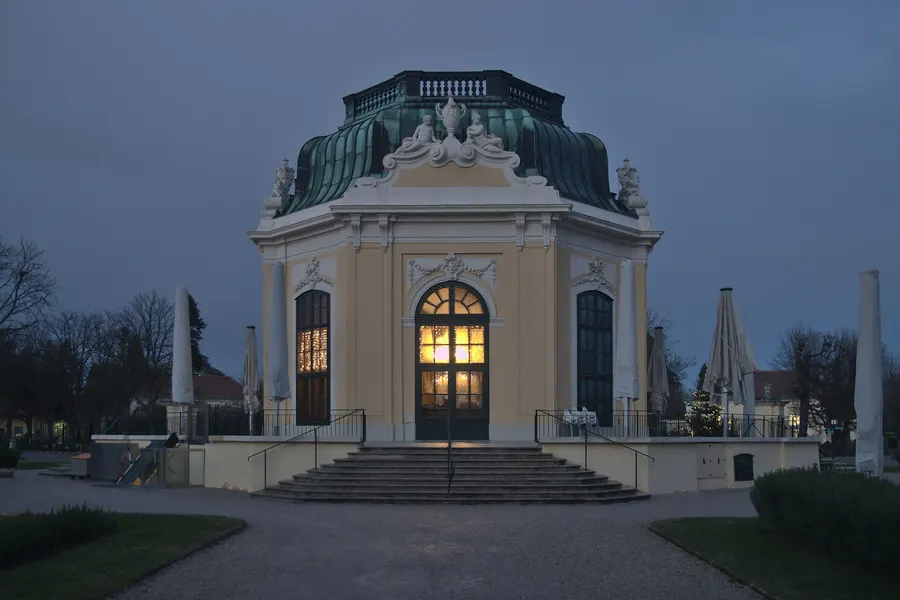 The Kaiserpavillon, the imperial breakfast pavilion at the centre of the Schönbrunn menagerie in ViennaImage:
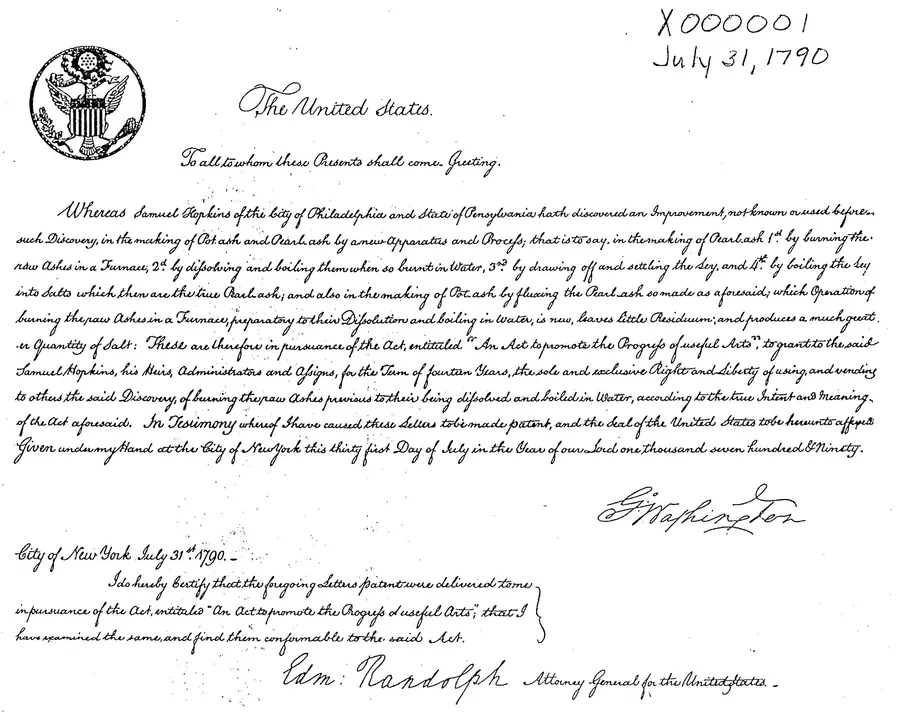 The first United States patent, granted to Samuel Hopkins on 31 July 1790 and signed by George WashingtonImage:
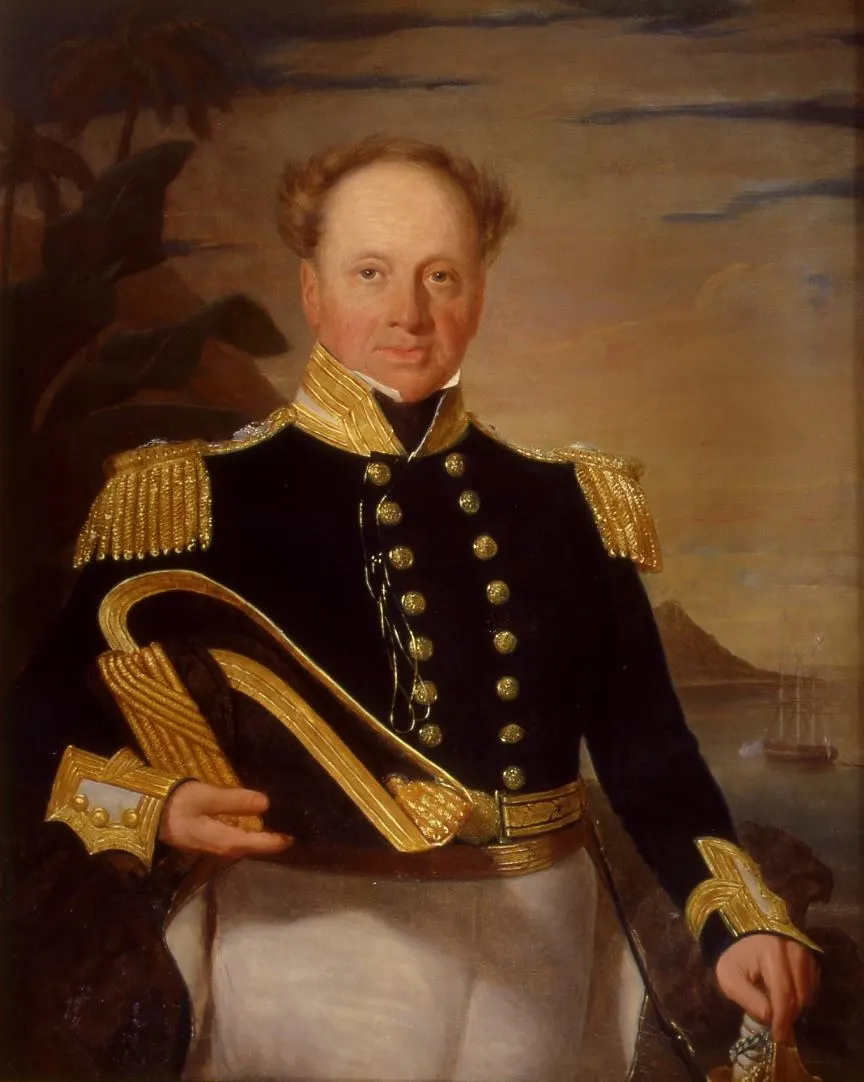 Rear Admiral Richard Thomas, the British commander who handed Hawaii back to Kamehameha III in 1843Image:
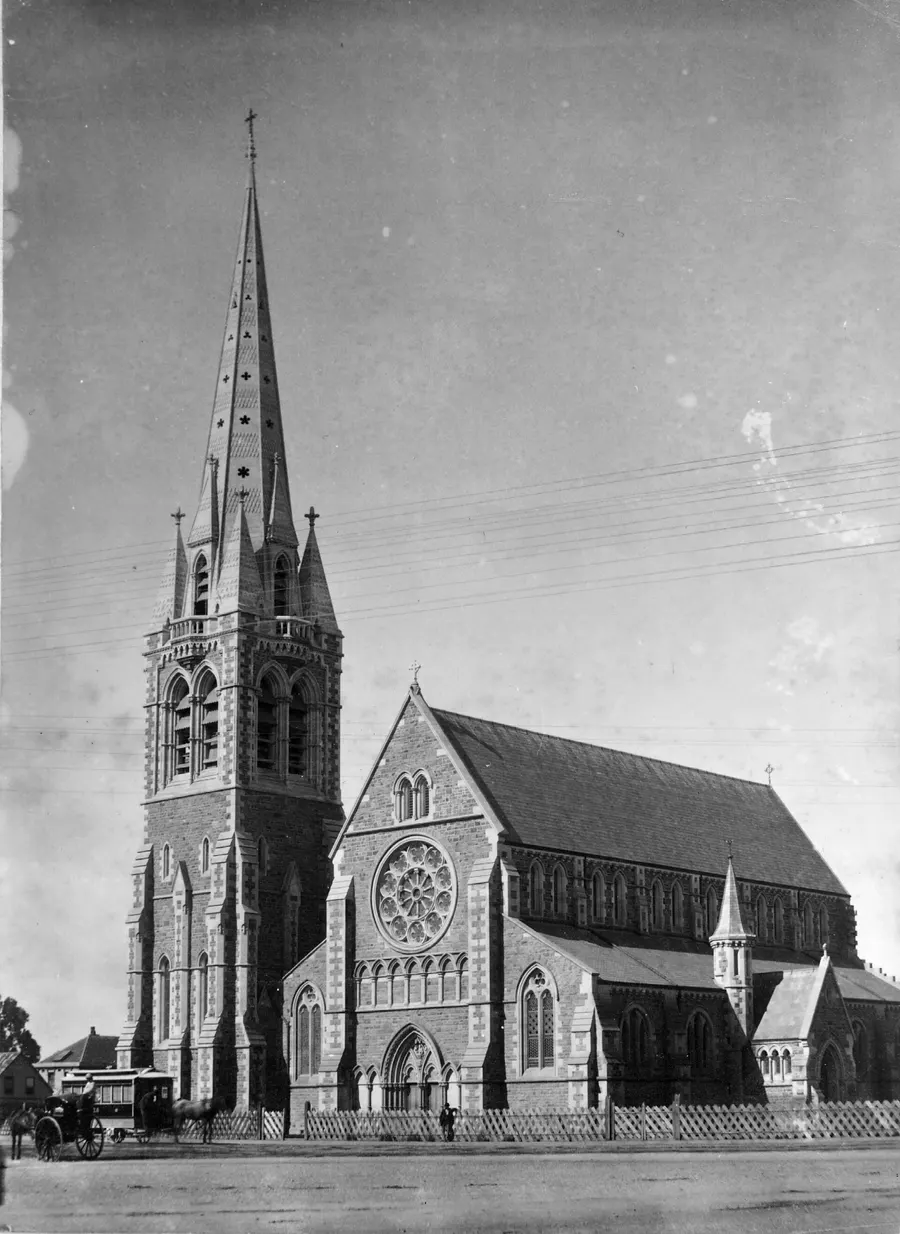 ChristChurch Cathedral in the 1880s, the church at the heart of the cityImage:
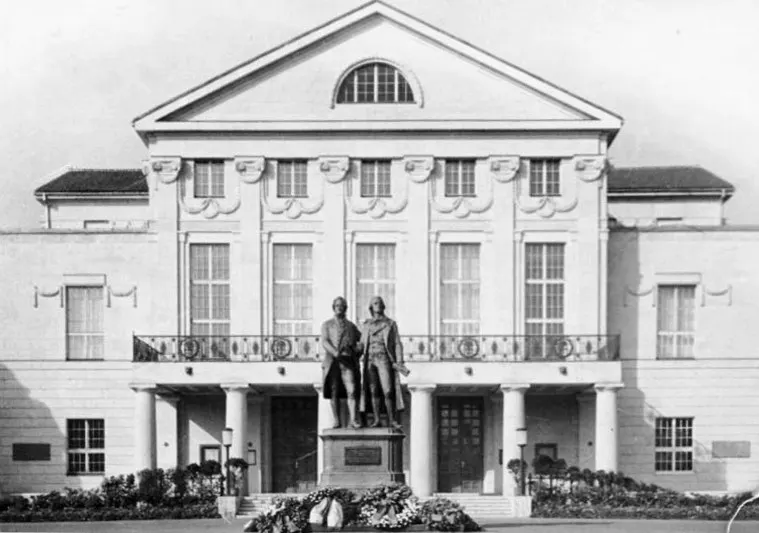 The German National Theatre in Weimar, where the National Assembly met in 1919, with the Goethe and Schiller monument in front, photographed in 1952Image:
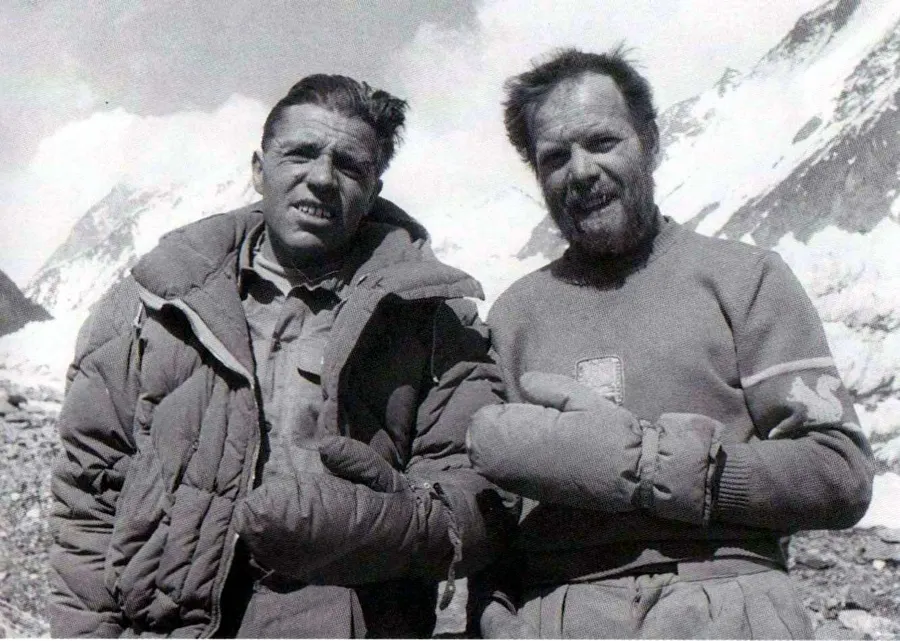 Achille Compagnoni and Lino Lacedelli, the first climbers to reach the summit of K2, in 1954Image:
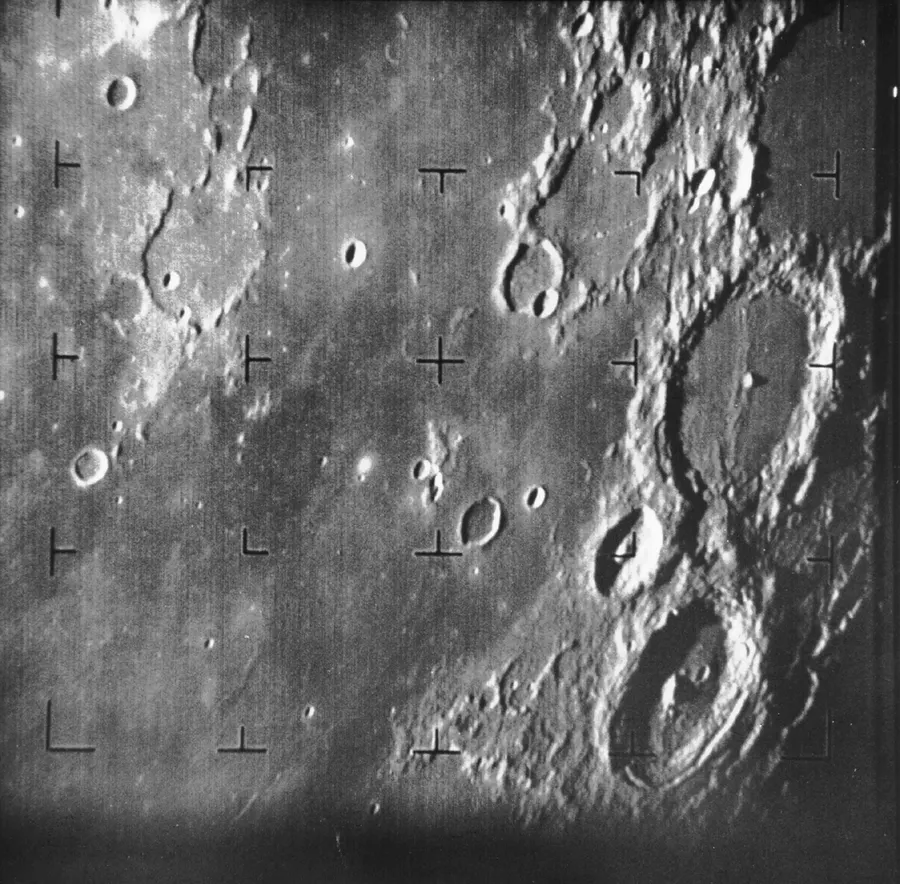 The first picture of the Moon taken by a US spacecraft, sent back by Ranger 7 on 31 July 1964Image:
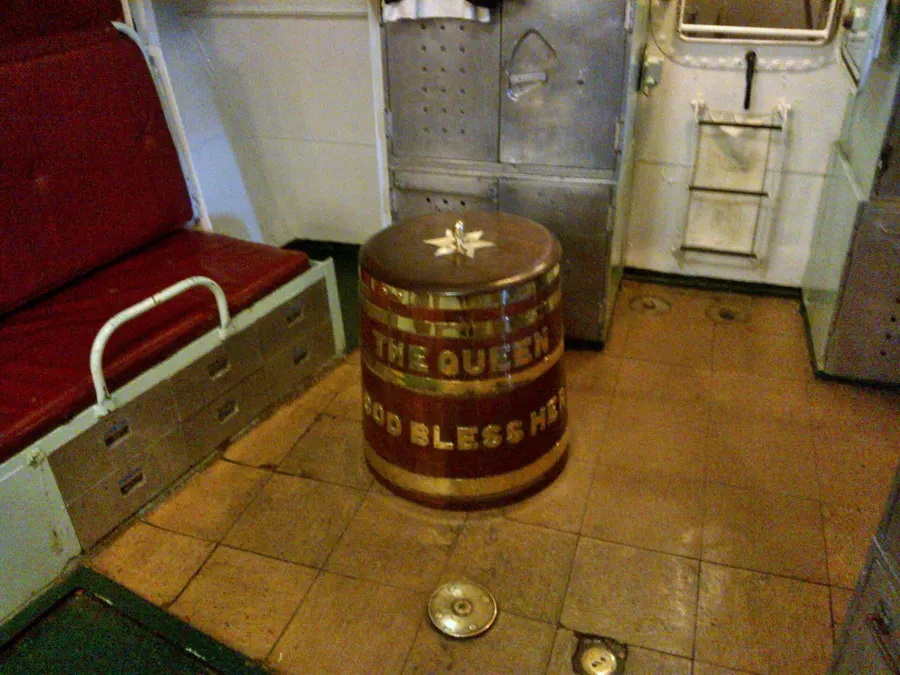 The rum tub of the destroyer HMS Cavalier, lettered ‘The Queen, God Bless Her’, from which sailors’ tots were servedImage:
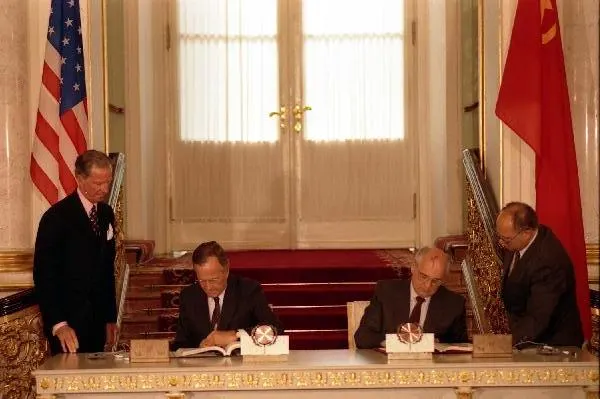 George H. W. Bush and Mikhail Gorbachev sign the START treaty in Moscow in 1991Image:
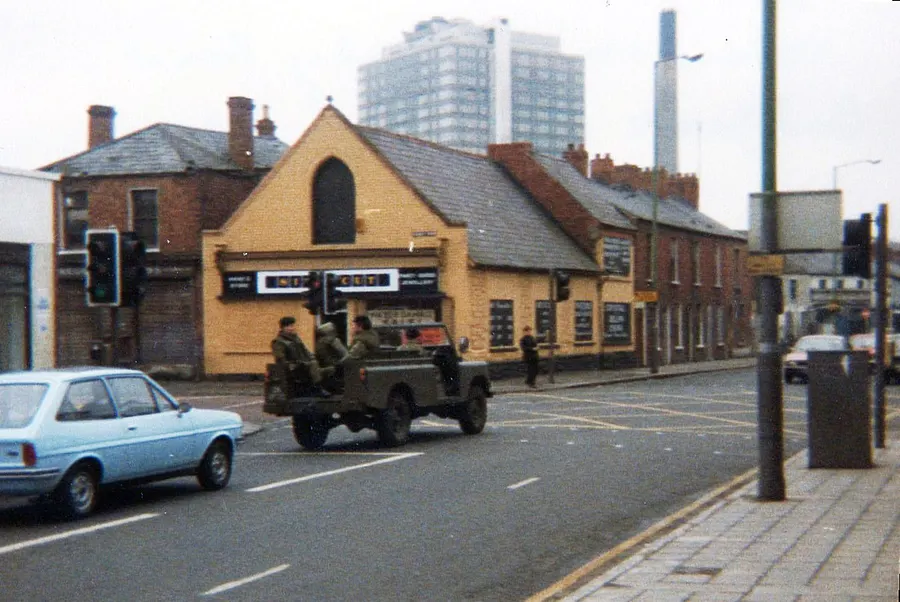 A British Army Land Rover on a street in south Belfast in 1981Image:
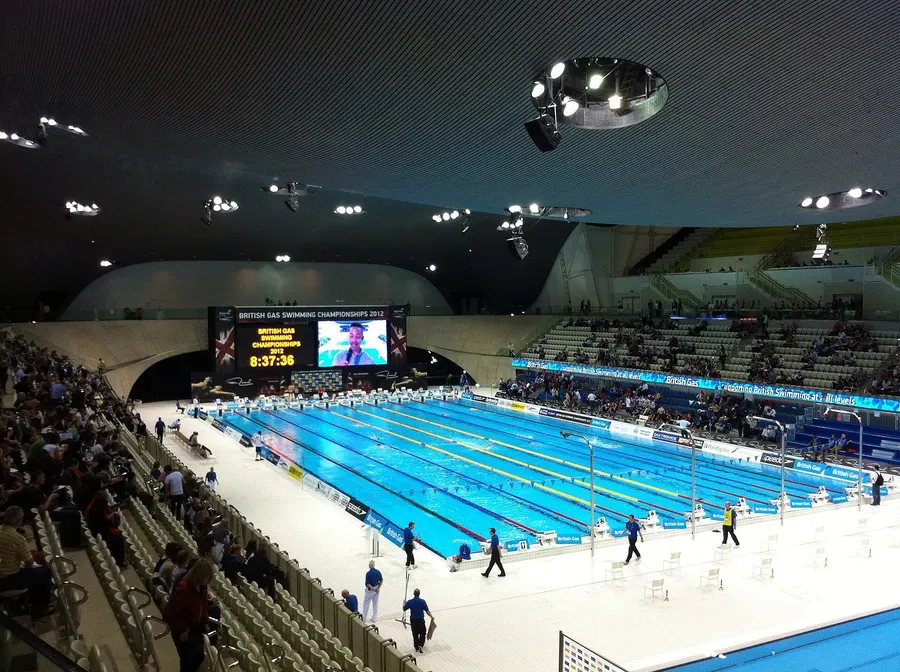 The pool of the London Aquatics Centre in the Olympic Park, where Michael Phelps won his record 19th medalImage: